


Metalen Honingraat Kern – High-Performance Metal Honeycomb Core Solutions for Industry
Metalen Honingraat Kern is a key solution in the industry, specifically within structural engineering, aerospace, and automotive sectors. This article explores how https://www.hshihoneycomb.com supports professionals with durable, high-performance products, and explains why this product is an ideal choice for businesses in these sectors.
Table of Contents
- Metalen Honingraat Kern Overview
- Benefits & Use Cases of Metalen Honingraat Kern
- Cost, Maintenance & User Experience
- Sustainability & Market Trends
Metalen Honingraat Kern Overview
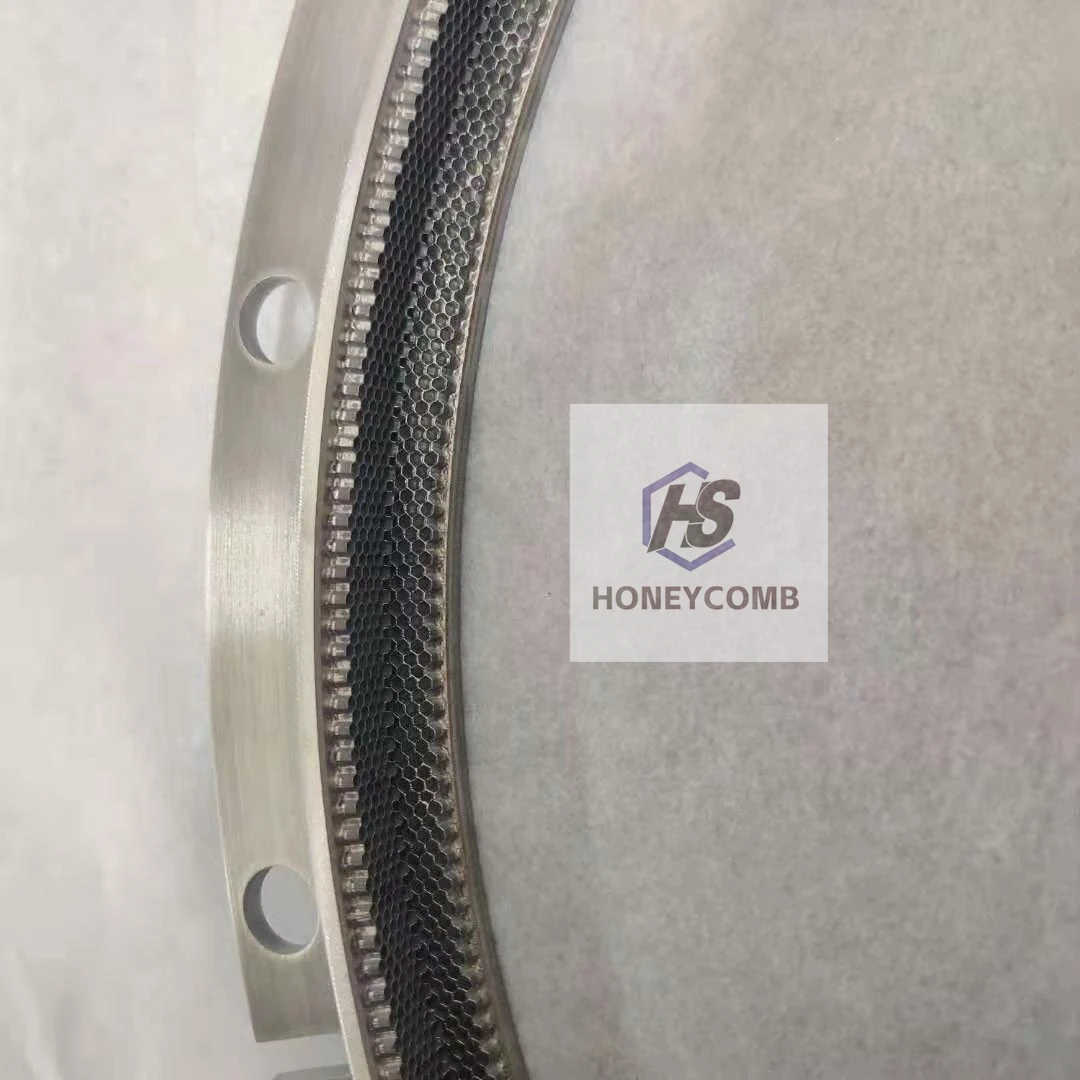
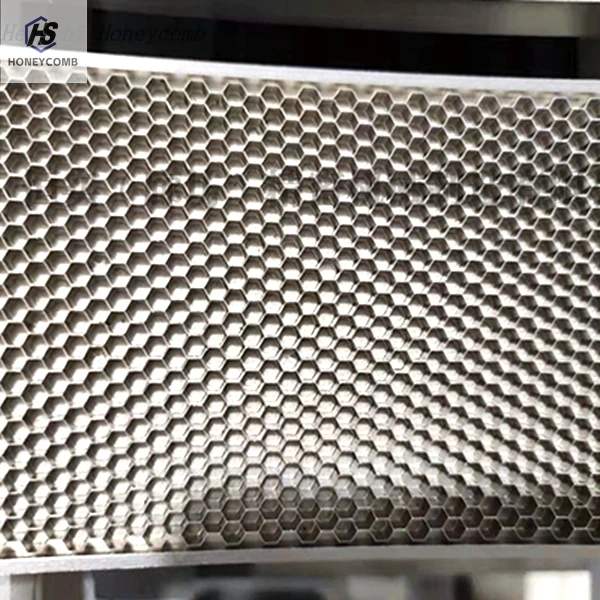
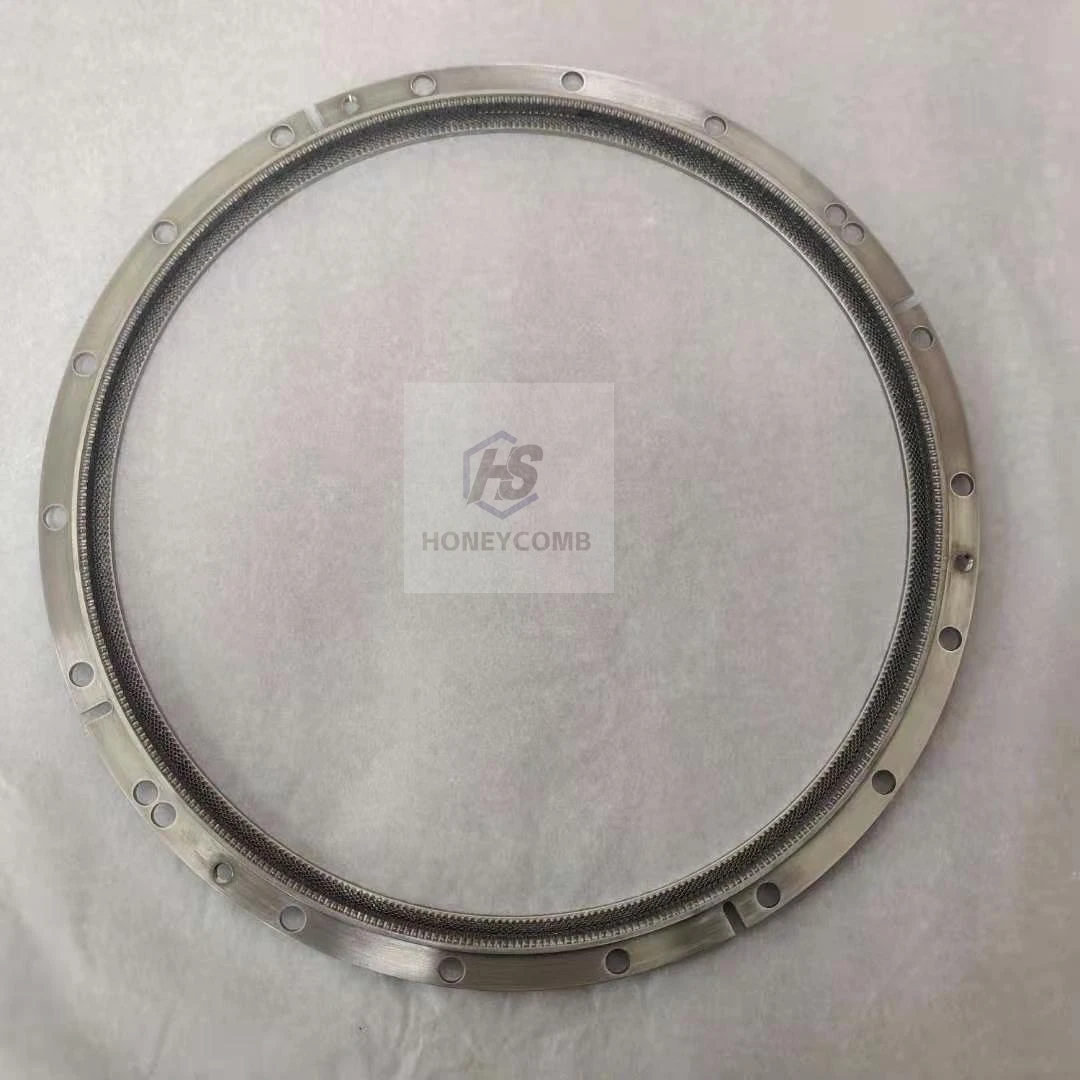
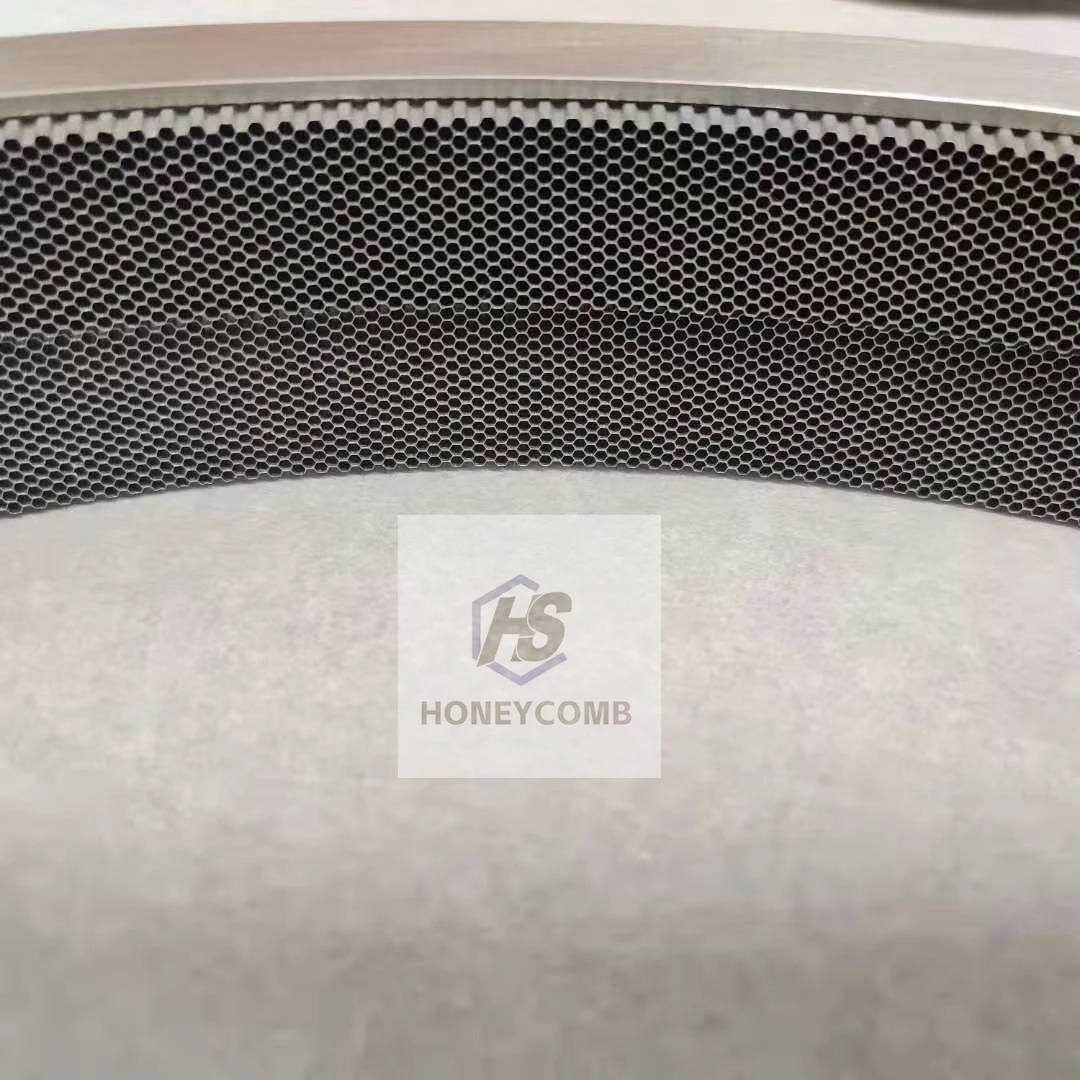
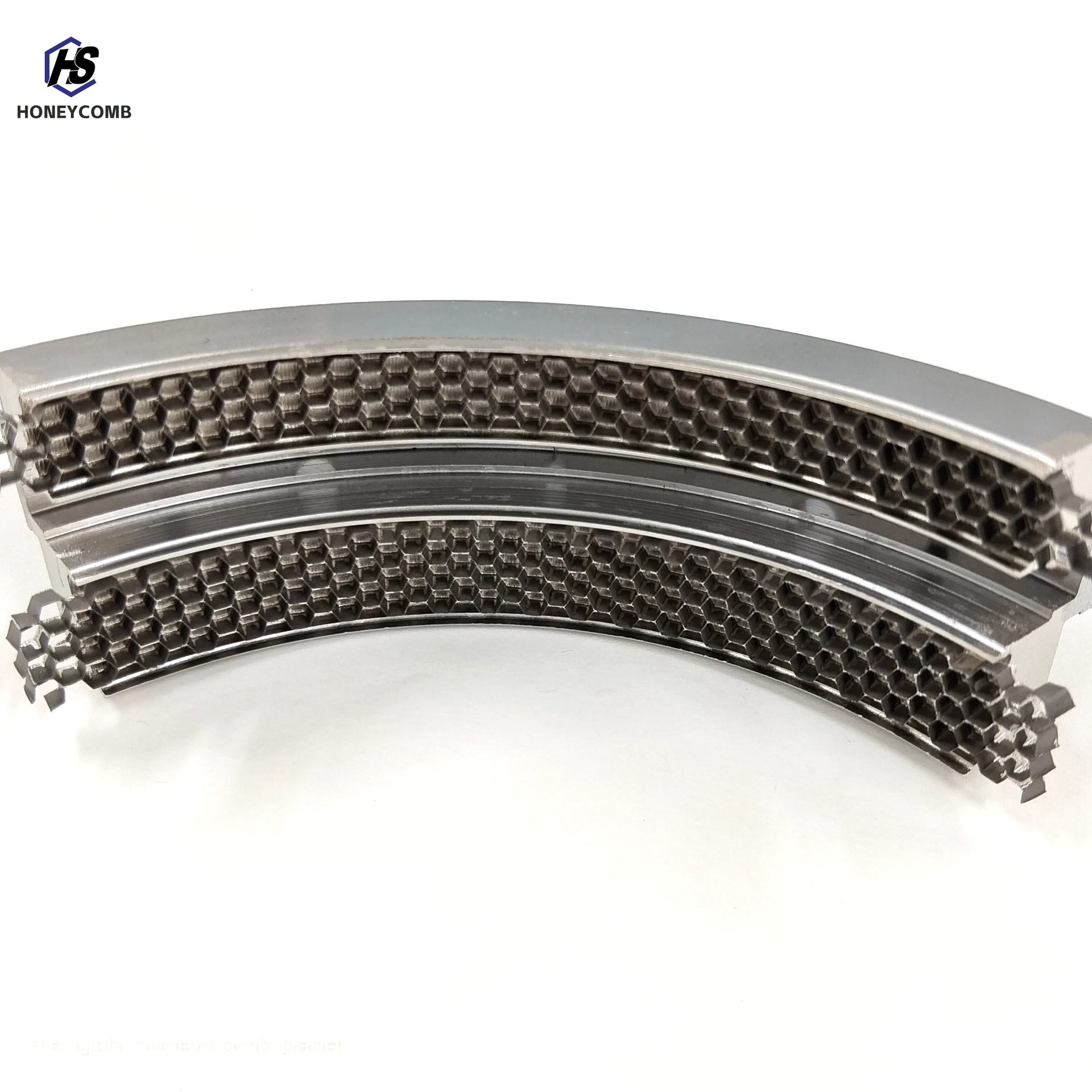
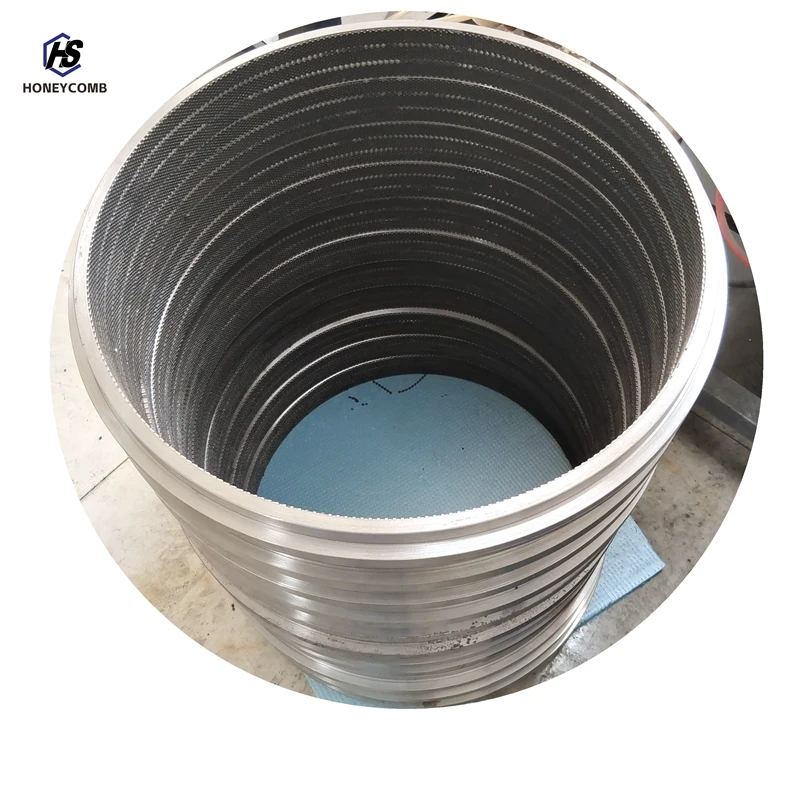
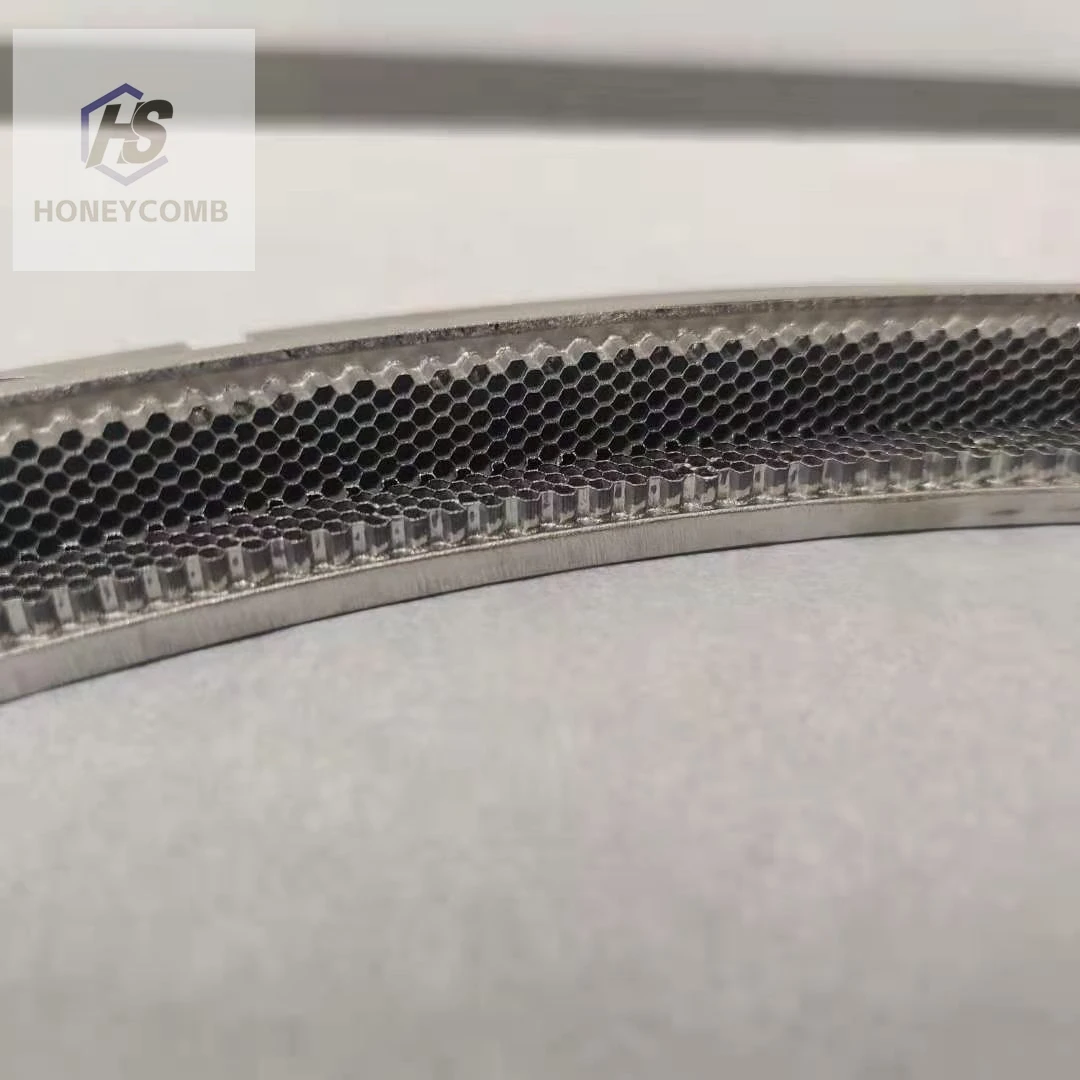
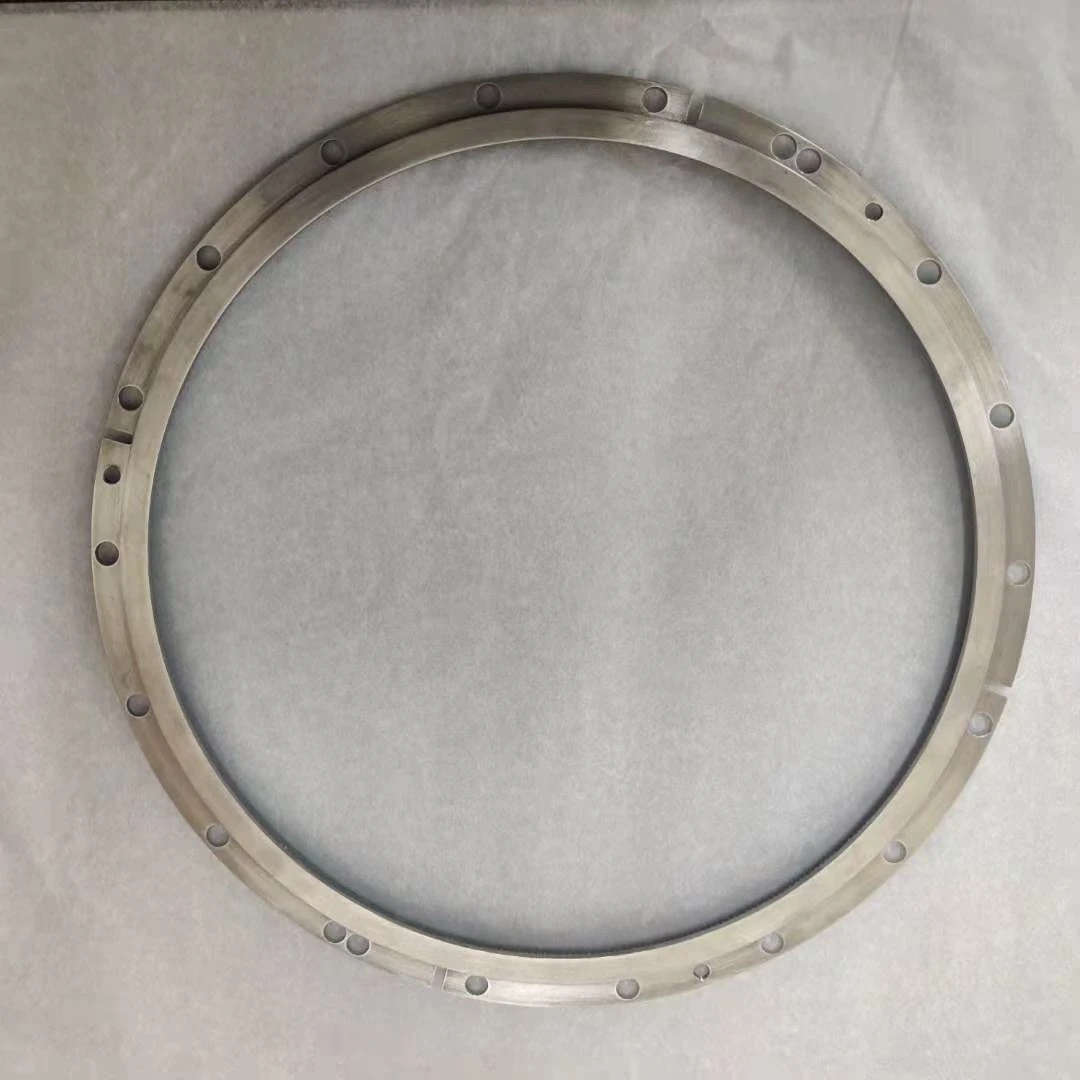
At its core, the Metalen Honingraat Kern is a honeycomb-style core made from metals like aluminum or stainless steel, engineered to provide exceptional strength-to-weight ratios. Think of it as the skeleton inside composite panels or sandwich structures, crucial for applications where saving weight without sacrificing durability is paramount. Frankly, it feels like the unseen hero in many high-performance products.
Technically speaking, the honeycomb pattern efficiently distributes stress and loads across its structure. Thanks to its unique hexagonal cell configuration—which, oddly enough, mimics nature’s own honeycomb—it offers excellent mechanical properties such as high stiffness and energy absorption. It’s this combination that makes it ideal for aerospace fuselages, automotive crash structures, and shipbuilding bulkheads. The product specs below shed light on typical core dimensions and performance:
| Specification | Metric | Imperial |
|---|---|---|
| Cell Size | 6–12 mm | 0.24–0.47 in |
| Core Thickness | 10–100 mm | 0.4–3.94 in |
| Material Density | 28–60 kg/m³ | 1.74–3.74 lb/ft³ |
| Compressive Strength | 2–8 MPa | 290–1160 psi |
Benefits & Use Cases of Metalen Honingraat Kern
There’s quite a buzz around Metalen Honingraat Kern because it significantly improves product performance while keeping weight in check—a key competitive edge, especially in aerospace and automotive engineering. For instance, reducing vehicle weight can lead to better fuel efficiency, an often underestimated but critical benefit.
One of the fascinating applications lies in airplane interiors, where panels with aluminum honeycomb cores provide both structural integrity and acoustic damping, making the cabin quieter without adding bulk. In the automotive world, these cores are increasingly used in electric vehicles to meet strict weight restrictions while maintaining crashworthiness.
From what I’ve gathered, manufacturers appreciate the high stiffness and fatigue resistance, which translate to longer-lasting components. There’s also an advantage in customization—cell size, core thickness, and material grade can be tailored, giving engineers flexibility not always possible with traditional materials.
Vendor Comparison
| Vendor | Material Options | Customization | Lead Time | Typical Industries |
|---|---|---|---|---|
| HS Shi Honeycomb | Aluminum, Stainless Steel | High (cell size & thickness) | 3-6 weeks | Aerospace, Automotive, Construction |
| Competitor A | Aluminum only | Medium | 5-8 weeks | Aerospace, Marine |
| Competitor B | Aluminum, Composite | Low | 2-4 weeks | Automotive, Rail |
Cost, Maintenance & User Experience
Cost-wise, the initial investment in Metalen Honingraat Kern might seem higher compared to some traditional cores. But, in real terms, many industry players report the total cost of ownership tips in favor of honeycomb cores due to their durability and minimal maintenance. Lower weight also means savings down the line, for example on fuel or handling.
Maintenance is often described as surprisingly straightforward. The robust metal cells withstand corrosion reasonably well, especially with surface treatments or coatings. In automotive prototypes I’ve reviewed, panels with honeycomb cores needed less frequent replacement, meaning fewer downtimes.
Feedback from actual users reveals a recurring theme: the ROI stems from longevity and performance upgrades rather than mere upfront cost differences. Engineers often say that this component “just works,” a kind of reassurance that’s priceless when making investment decisions at scale.
Sustainability & Market Trends
Sustainability has become the elephant in the room for materials suppliers. Fortunately, Metalen Honingraat Kern products often incorporate recycled metals and are themselves recyclable at end of life. The lightweighting benefits translate to lower emissions in transportation and construction, meeting increasingly tight regulations worldwide.
Market trends highlight a strong growth trajectory for honeycomb core materials, driven by green building initiatives and the push for fuel-efficient vehicles. The industry is also experimenting with newer alloys and coatings to extend lifespan and environmental compatibility.
Overall, this product sits at the intersection of innovation and responsibility—something that companies are genuinely embracing. Interestingly, I noticed in recent trade shows that more manufacturers are explicitly requesting sustainability data along with material specs, which tells you where the market mindset is headed.
Frequently Asked Questions about Metalen Honingraat Kern
- What is Metalen Honingraat Kern and how does it work?
- It’s a metal honeycomb core structure used inside composite panels to boost strength and reduce weight. The hexagonal cells distribute loads evenly, improving structural stiffness and energy absorption.
- What are the main benefits of using Metalen Honingraat Kern in industrial applications?
- Durability, lightweight design, cost-efficiency over lifecycle, and customization are top benefits, helping companies meet strict engineering and environmental standards.
- How does Metalen Honingraat Kern compare to traditional alternatives?
- Compared to solid metals or foam cores, it offers better strength-to-weight ratio, improved fatigue resistance, and is often easier to recycle, which matters increasingly in production planning.
- What industries can benefit most from Metalen Honingraat Kern implementation?
- Aerospace, automotive, construction, marine, and rail industries are prime candidates since they all benefit from lightweight, strong, and durable materials for safety and efficiency.
Conclusion on Metalen Honingraat Kern from china
To wrap up, the Metalen Honingraat Kern offered by players like HS Shi Honeycomb stands out as a versatile and efficient core material, especially suited for industries where performance and sustainability meet. Its tailored design options and proven durability make it a solid investment for B2B decision makers seeking to optimize their products.
- Recap the value of Metalen Honingraat Kern.
- Visit our website: https://www.hshihoneycomb.com
In the end, it’s sort of fascinating how a simple honeycomb shape continues to inspire advanced engineering solutions—and I think we’ll see this pattern across industries for quite a while.
References:
- HS Shi Honeycomb Product Data Sheets, 2024
- Industry Report: Lightweight Structural Materials, Aerospace Insights, 2023
- Sustainability Trends in Manufacturing, Global Materials Journal, 2024
-
Industrial Airflow Guide for maf воздушная правильная машинаNewsApr.16,2026
-
Best maf струйно правильная машина for Industrial EfficiencyNewsApr.09,2026
-
Сотовая правильная машина A Comprehensive Guide to Honey Packing AutomationNewsApr.07,2026
-
Build Your Own DIY газоправильная Машина A Comprehensive Guide to Gas CorrectionNewsApr.04,2026
-
Understanding Кондиционер отопления Systems for Efficient and Comfortable HeatingNewsMar.31,2026
-
Comprehensive Guide to Cellular Blinds Installation Установка сотовых жалюзиNewsMar.28,2026
-
Mobile Aerodynamic Tunnel Design A Comprehensive Guide to Applications and ImplementationNewsMar.26,2026






 English
  Afrikaans
  Albanian
  Amharic
  Arabic
  Armenian
  Azerbaijani
  Basque
  Belarusian
  Bengali
  Bosnian
  Bulgarian
  Catalan
  Cebuano
  China
China  China (Taiwan)
  Corsican
  Croatian
  Czech
Czech  Danish
  Dutch
Dutch  Esperanto
  Estonian
  Finnish
  French
  Frisian
  Galician
  Georgian
  German
  Greek
Greek  Gujarati
  Haitian Creole
  Hausa
Hausa  Hawaiian
  Hebrew
  Hindi
Hindi  Miao
Miao  Indonesian
  Italian
  Japanese
  Javanese
  Malay
Malay  Persian
  Portuguese
  Punjabi
  Russian
  Spanish
  Swahili
  Telugu
  Vietnamese