


Nid d'Abeille Ventilé en Aluminium: Lightweight, Durable Honeycomb Structures for Global Applications
Understanding the Importance of Nid d'Abeille Ventilé en Aluminium
At first glance, nid d'abeille ventilé en aluminium might sound like a mouthful of technical jargon, but its role across multiple industries worldwide is fascinating—frankly, it's a solution that blends simplicity with innovation. Essentially, this "ventilated aluminum honeycomb" structure mimics the strength and efficiency of a beehive, combining lightweight properties with an impressive load-bearing capacity. This characteristic has earned it a global reputation for enhancing applications that demand resilience without bulk.
Why does this matter on a global scale? In an era marked by increasing resource constraints and a push toward sustainability, materials that provide strength, durability, and environmental benefits are indispensable. The ventilated aluminum honeycomb doesn’t just deliver on these fronts but also responds to challenges like climate variability and infrastructure demands, positioning itself as a revolutionary component in modern architecture, aerospace, and even humanitarian relief efforts.
“Lightweight, strong, and versatile—that's the charm of nid d'abeille ventilé en aluminium, quietly shaping the future of industrial design.”
Setting the Stage: A Global Perspective
Recent UN reports highlight the urgent need for materials that can withstand natural disasters and climate extremes without demanding extensive energy and raw material inputs. The construction and manufacturing industries alone account for nearly 40% of global CO2 emissions, pushing companies to innovate relentlessly.
In this pressure cooker, nid d'abeille ventilé en aluminium emerges as a compelling answer. According to the International Organization for Standardization (ISO) standards for lightweight core materials, honeycomb structures offer an optimal strength-to-weight ratio that's hard to beat. This addresses the growing challenge of reducing structural weight, improving energy efficiency, and enabling rapid deployment in critical situations.
What Exactly Is Nid d'Abeille Ventilé en Aluminium?
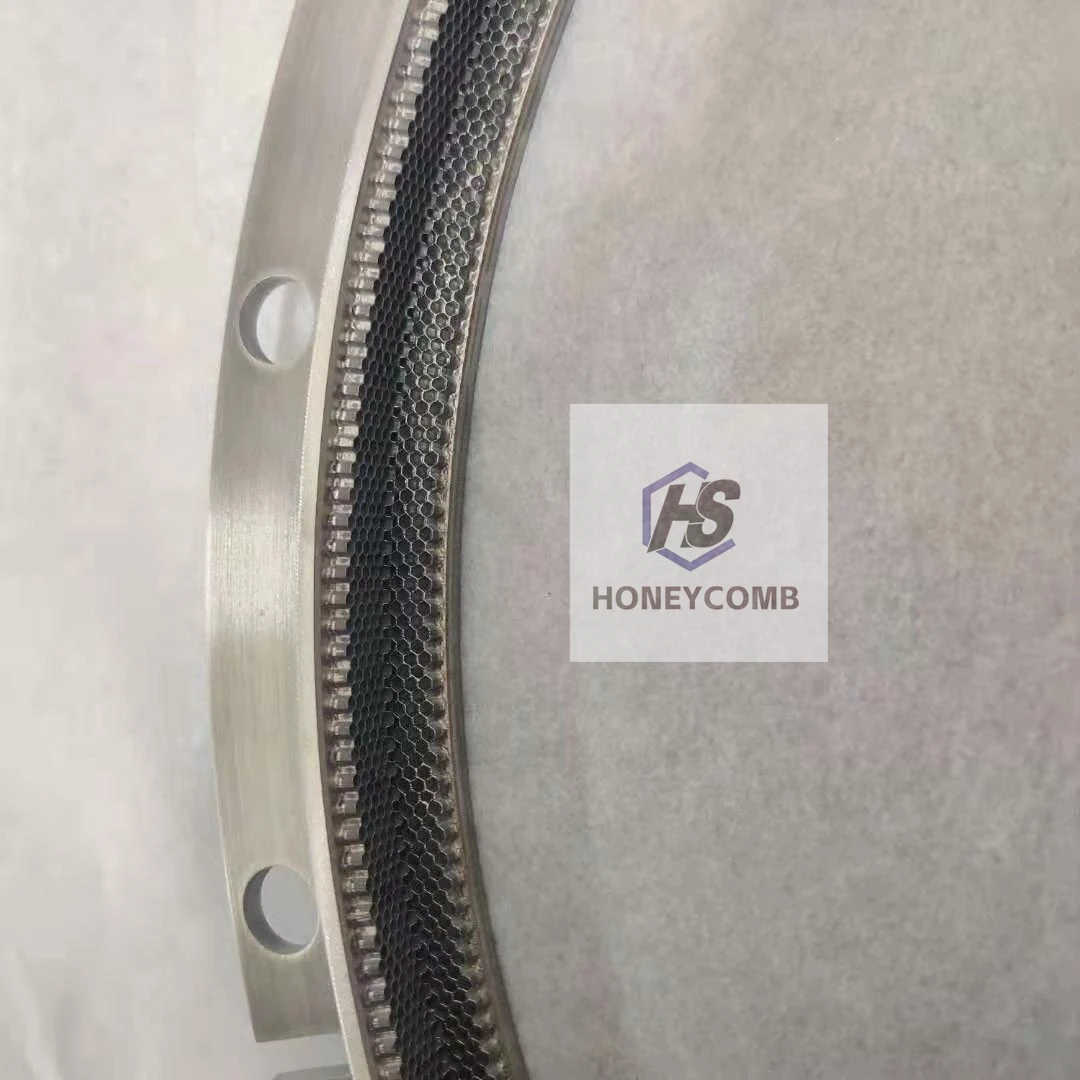
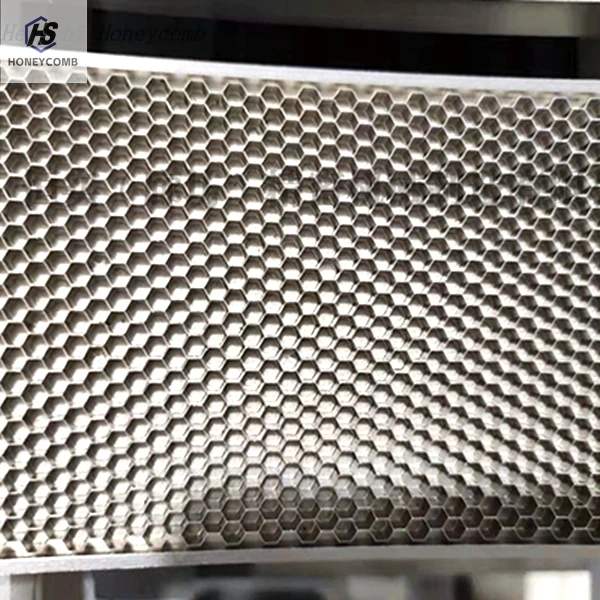
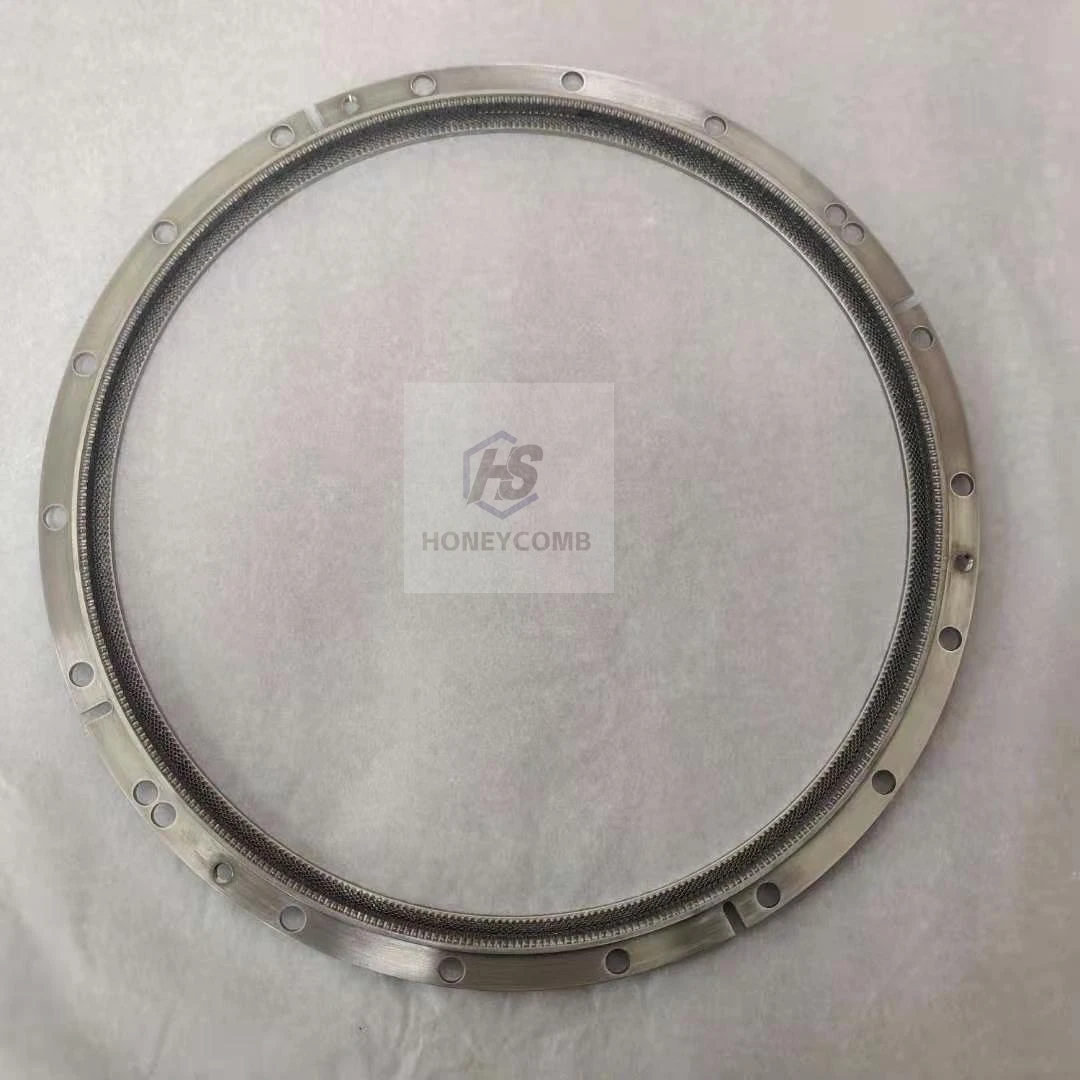
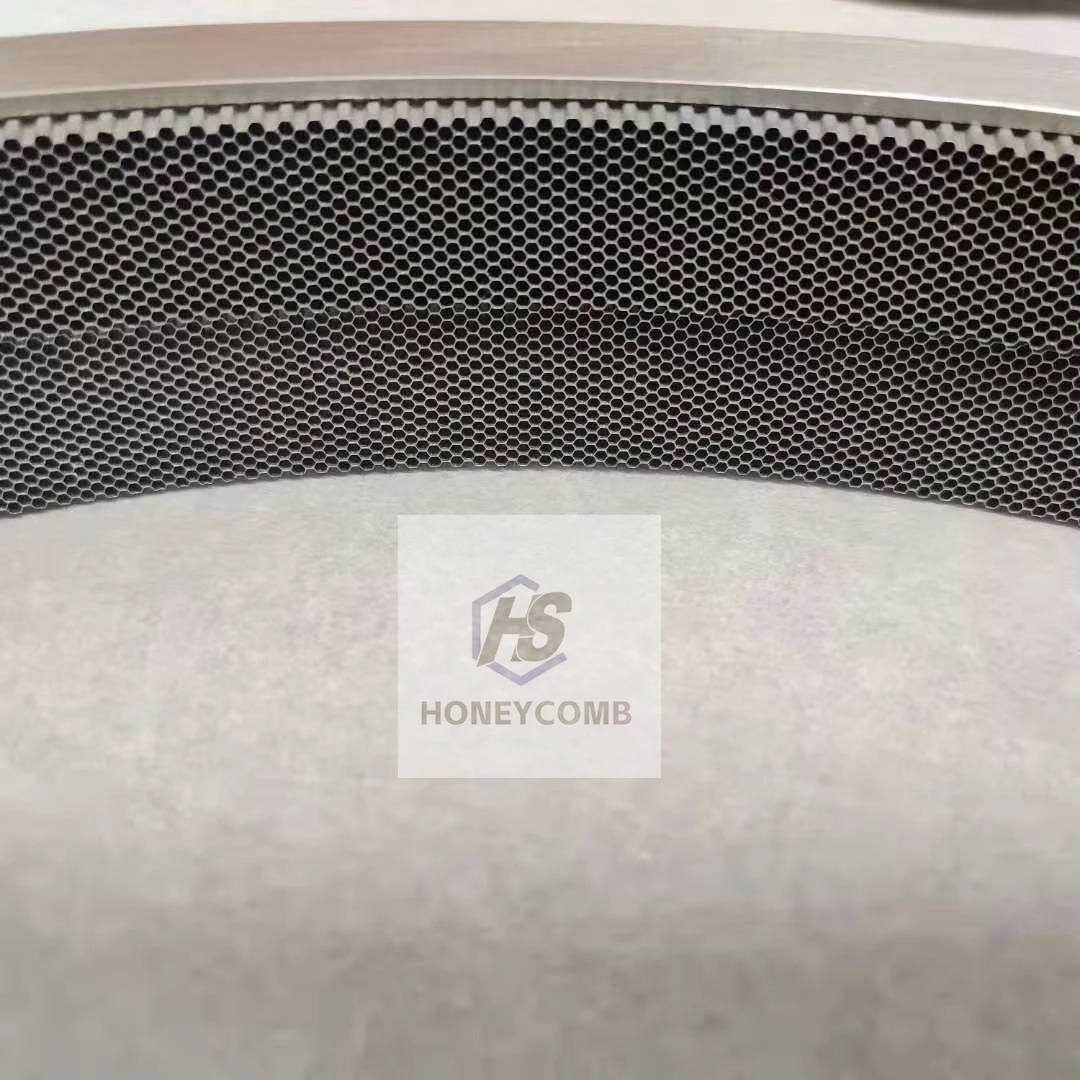
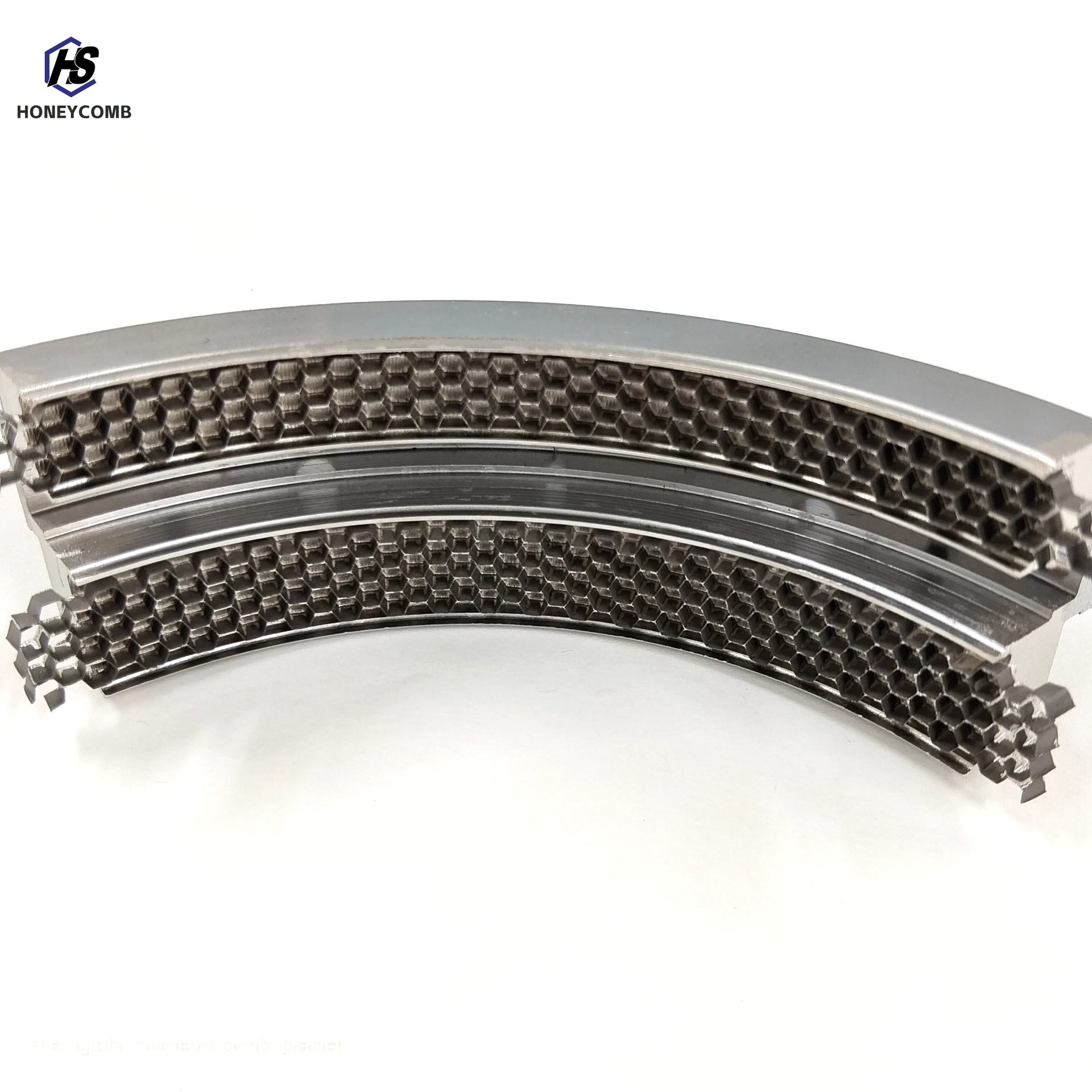
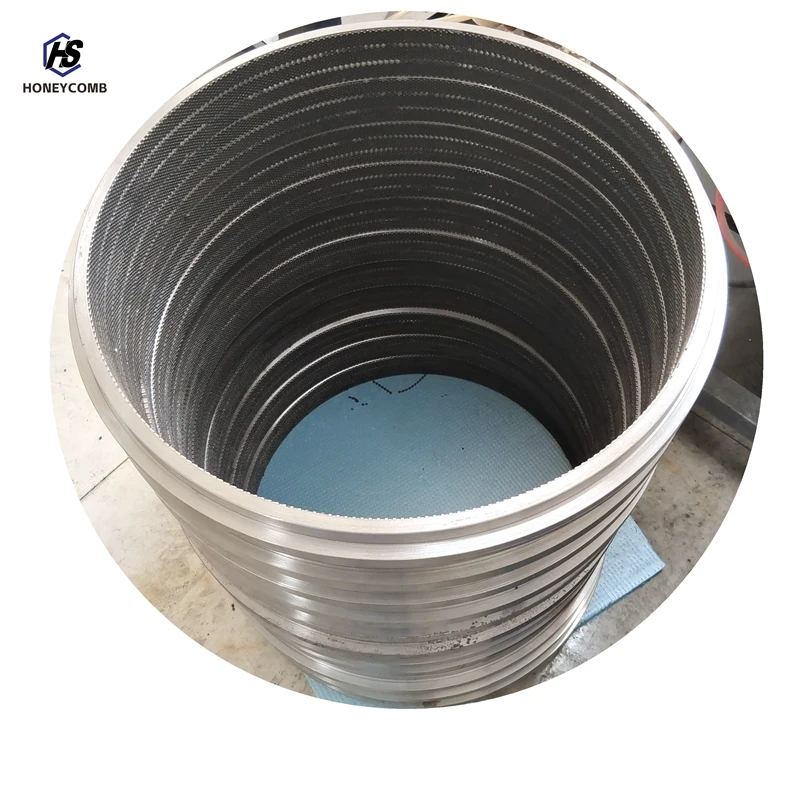
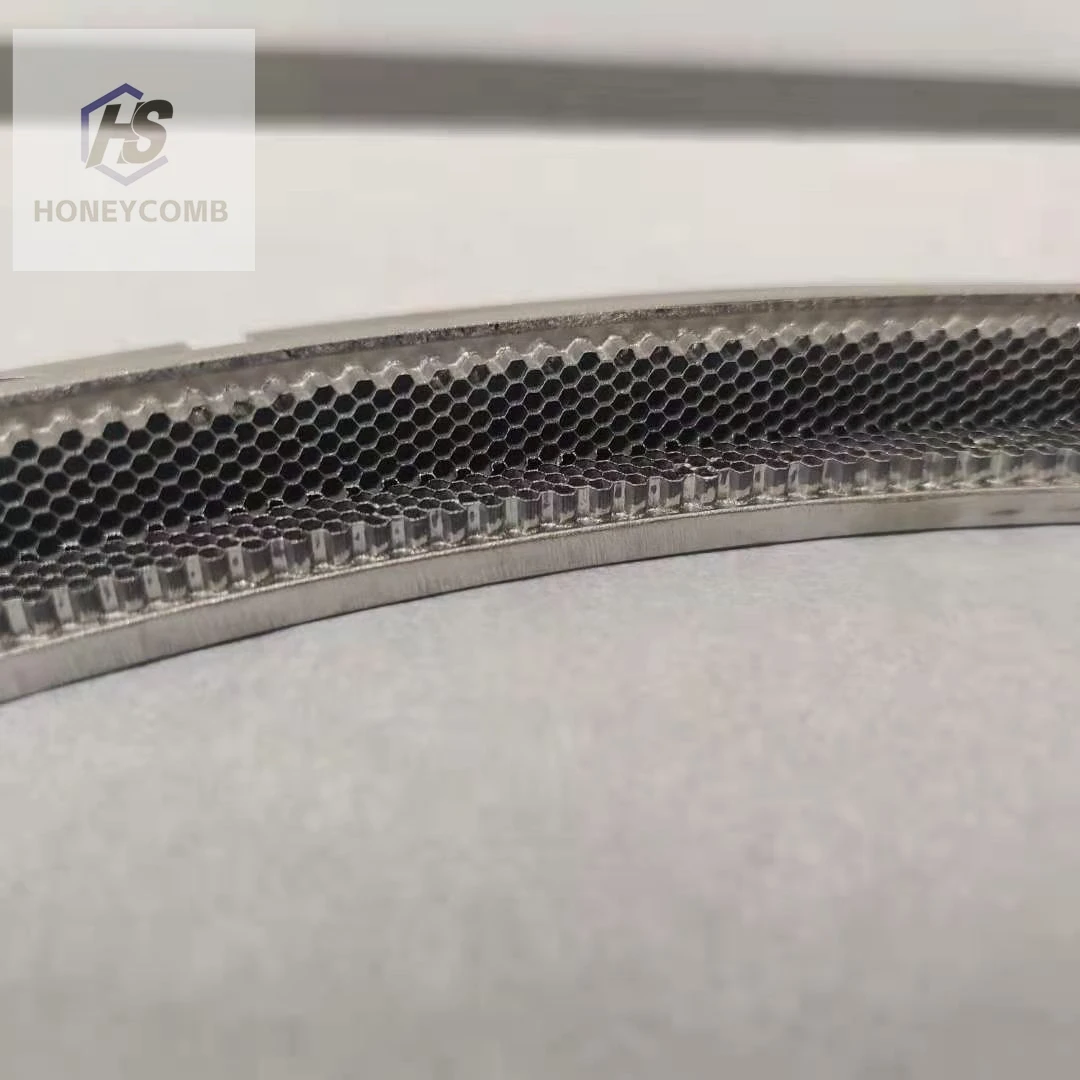
Let's strip it down simply. 'Nid d'abeille' means 'honeycomb'—a structure of hexagonal cells inspired by nature's engineers, bees. 'Ventilé' indicates that the aluminum honeycomb is ventilated or perforated, enhancing airflow and managing heat transfer. So, we're talking about a lightweight aluminum panel with a honeycomb core designed for ventilation and structural integrity. Think of it as a metallic skeleton that holds shape yet breathes.
This structural wonder is integral to industries needing lightweight but durable panels—aircraft interiors, clean-room walls, modular housing, or specialized ventilation panels for electronics cooling. It also plays a subtle but crucial role in humanitarian fields, where quick, sturdy shelters are needed after crises.
Core Features of Nid d'Abeille Ventilé en Aluminium
1. Durability and Corrosion Resistance
Aluminum naturally resists rust, and when formed into these honeycomb structures, it further withstands mechanical stress. That means longer life spans for infrastructure components, especially in coastal or humid environments.
2. Lightweight Strength
Thanks to its hexagonal geometry, it offers outstanding strength without the bulk, decreasing transportation and installation costs. The ventilated feature also reduces heat accumulation, important in climates where thermal management is a concern.
3. Cost Efficiency
While the upfront cost might be higher compared to some bulk metals, the lifecycle savings due to durability, reduced energy needs, and low maintenance pay off in the long run.
4. Sustainability
Recyclable and energy-efficient, these aluminum honeycombs align well with green building trends and circular economy principles.
5. Modular Scalability
Because these panels can be manufactured in various sizes and thicknesses, they adapt readily to project-specific demands—be it aerospace or quick-deploy shelters.
Product Specifications at a Glance
| Specification | Value | Notes |
|---|---|---|
| Core Thickness | 6 - 30 mm | Customizable per project |
| Cell Size | 3/8", 1/2", 3/4" | Impacts strength and weight |
| Material | Aluminum 5052-H32 | Marine-grade alloy |
| Ventilation | Perforated Cells | Enhances airflow, reduces heat |
| Panel Size | Up to 1500 x 3000 mm | Varies by supplier |
Mini takeaway: These specifications underpin a material that’s adaptable and robust, showing why it's a favorite in demanding environments.
Global Applications of Ventilated Aluminum Honeycomb Structures
Real-world uses of nid d'abeille ventilé en aluminium stretch far beyond theoretical design. You’ll find them:
- Aerospace and Transportation: Airliners use these honeycomb panels because every kilogram saved reduces fuel consumption significantly—no small thing given rising fuel costs.
- Building & Architecture: Lightweight façade cladding improves insulation and cooling through natural ventilation, reducing reliance on HVAC systems.
- Disaster Relief: NGOs deploy modular, ventilated aluminum panels to rapidly construct shelters in earthquake or flood zones, enabling safe, breathable spaces quickly.
- Electronics Cooling: Ventilated honeycomb cores optimize airflow in server racks or sensitive machinery, preventing overheating.
In fact, one supplier recounted a tale of delivering modular clinic pods to remote zones in Africa, where traditional buildings couldn’t keep patients cool and safe. The ventilated design literally saved lives.
Vendor Comparison: How Top Providers Stack Up
| Feature | HS Industries | GlobalHoneycomb | AluCore Solutions |
|---|---|---|---|
| Customization | High (varied thickness & cell size) | Medium | High (with special alloys) |
| Delivery Time | 2-3 weeks | 4-6 weeks | 3-4 weeks |
| Sustainability Practices | ISO 14001 Certified | Not certified | ISO 14001 Certified |
| Price Range | $$ | $ | $$$ |
Takeaway: When choosing a vendor, consider delivery speed, ecological practices, and your project's specific requirements.
The Long-Term Benefits and Why They Matter
There’s a feeling you get when you realize that a material isn’t just functional but also responsible. Nid d'abeille ventilé en aluminium fits well—not only in reducing energy expenditure but in providing social benefits like improved safety and comfort in shelters. It's a combination which creates trust and fosters innovation. In practical terms:
- Lower transportation costs due to light weight
- Extended product/service lifecycle
- Reduced environmental impact via recyclability
- Improved health outcomes in ventilated housing
Emerging Technologies and What’s Next
The future looks bright and, incidentally, a little smarter. Integrating digital sensors into ventilated honeycomb panels could enable real-time monitoring of structural health. Additionally, coupling with solar reflective coatings or phase-change materials might further enhance energy efficiency. There’s also movement toward using recycled aluminum as feedstock without compromising quality—a nod to circular economy principles.
Common Challenges and Practical Wisdom
Of course, no innovation comes without hurdles. Limitations include vulnerability to impact damage if not properly protected, higher initial costs that deter small-scale adoption, and supply chain complexities for custom builds.
Yet, industry veterans often recommend hybrid systems that combine honeycomb cores with external protective layers or modular designs that allow easy panel replacement. Plus, thoughtful partnering with suppliers—like those certified for sustainability—can mitigate many risks.
FAQ: Frequently Asked Questions About Nid d'Abeille Ventilé en Aluminium
- Q: What makes nid d'abeille ventilé en aluminium better than solid aluminum panels?
- A: Its honeycomb structure provides equal or greater strength at a fraction of the weight. Ventilation reduces heat buildup, improving comfort and energy efficiency especially in architectural and aerospace contexts.
- Q: How long can these panels last in harsh environments?
- A: With proper maintenance, ventilated aluminum honeycomb panels can last 20-30 years, thanks to aluminum’s corrosion resistance and the structural integrity of the honeycomb design.
- Q: Are they sustainable compared to other materials?
- A: Yes, aluminum is highly recyclable, and the lightweight core reduces energy use during transport and construction, aligning with sustainability goals.
- Q: How can NGOs procure these panels for disaster relief quickly?
- A: Many suppliers offer customizable kits and hold inventory for fast dispatch. Establishing partnerships and clear import documentation beforehand can expedite international shipping.
Wrapping Up: Why Invest in Ventilated Aluminum Honeycomb Now?
Long term, the benefits of adopting nid d'abeille ventilé en aluminium range from structural resilience and environmental gains to cost savings and social impact. In fields from aerospace engineering to humanitarian aid, this material quietly shapes better outcomes.
If this piqued your interest and you’d like to explore product options or technical details, I encourage you to visit nid d'abeille ventilé en aluminium for comprehensive support and innovative solutions.
Oddly enough, it’s these little hexagons that might help the world build smarter, lighter, and cleaner – one panel at a time.
References:
1. International Organization for Standardization (ISO)
2. United Nations Statistics Division
3. Wikipedia: Aluminium Honeycomb
-
Industrial Airflow Guide for maf воздушная правильная машинаNewsApr.16,2026
-
Best maf струйно правильная машина for Industrial EfficiencyNewsApr.09,2026
-
Сотовая правильная машина A Comprehensive Guide to Honey Packing AutomationNewsApr.07,2026
-
Build Your Own DIY газоправильная Машина A Comprehensive Guide to Gas CorrectionNewsApr.04,2026
-
Understanding Кондиционер отопления Systems for Efficient and Comfortable HeatingNewsMar.31,2026
-
Comprehensive Guide to Cellular Blinds Installation Установка сотовых жалюзиNewsMar.28,2026
-
Mobile Aerodynamic Tunnel Design A Comprehensive Guide to Applications and ImplementationNewsMar.26,2026






 English
  Afrikaans
  Albanian
  Amharic
  Arabic
  Armenian
  Azerbaijani
  Basque
  Belarusian
  Bengali
  Bosnian
  Bulgarian
  Catalan
  Cebuano
  China
China  China (Taiwan)
  Corsican
  Croatian
  Czech
Czech  Danish
  Dutch
Dutch  Esperanto
  Estonian
  Finnish
  French
  Frisian
  Galician
  Georgian
  German
  Greek
Greek  Gujarati
  Haitian Creole
  Hausa
Hausa  Hawaiian
  Hebrew
  Hindi
Hindi  Miao
Miao  Indonesian
  Italian
  Japanese
  Javanese
  Malay
Malay  Persian
  Portuguese
  Punjabi
  Russian
  Spanish
  Swahili
  Telugu
  Vietnamese