


Optimal Air Straightener Intake: Stainless Honeycomb Mesh
Industry Trends in Fluid Dynamics and EMI Shielding
The industrial landscape is continuously evolving, driven by stringent regulatory requirements, the demand for increased energy efficiency, and the proliferation of sensitive electronic equipment. In fluid dynamics, this translates to an amplified focus on laminar flow, reduced turbulence, and precise control over fluid streams in ducts and pipes. Concurrently, the rise of digital integration across sectors necessitates robust electromagnetic interference (EMI) and radio-frequency interference (RFI) shielding solutions. These dual demands converge in critical components such as air straighteners, particularly those designed to mitigate EMI.
Modern industrial applications, from HVAC systems in data centers to advanced manufacturing processes and aerospace engineering, require solutions that not only optimize airflow but also protect adjacent electronic components from electromagnetic radiation. The trend towards compact, high-performance systems means that passive shielding and flow conditioning must be integrated seamlessly. This has led to increased demand for specialized materials like stainless steel honeycomb mesh, which offers a unique combination of structural integrity, excellent airflow characteristics, and superior EMI shielding capabilities.
Innovation in material science and manufacturing processes is pushing the boundaries, enabling the production of thinner, more robust, and highly customizable stainless steel honeycomb sheet structures. These advancements are crucial for addressing the growing complexity of industrial environments where precision, reliability, and electromagnetic compatibility are paramount. The market is increasingly prioritizing solutions that offer long service life, minimal maintenance, and adherence to international standards for safety and performance.
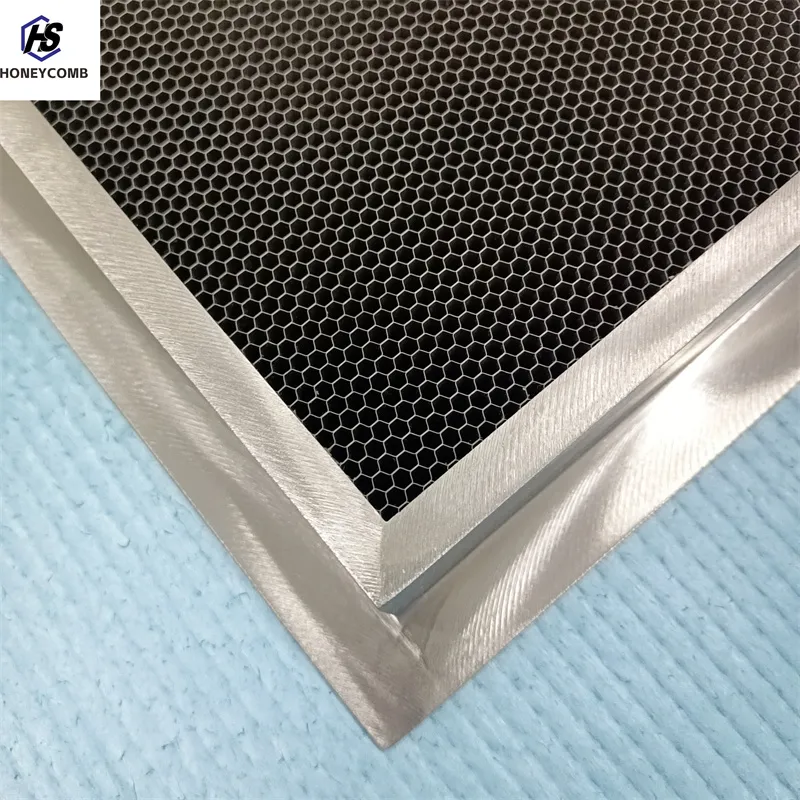
Understanding the Air Straightener Intake: Technical Specifications
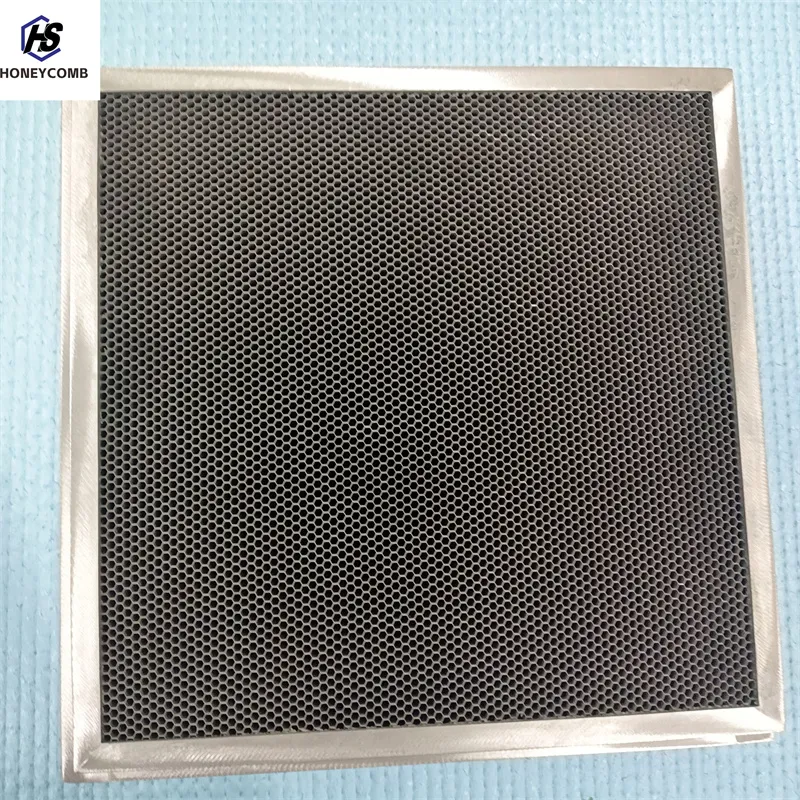
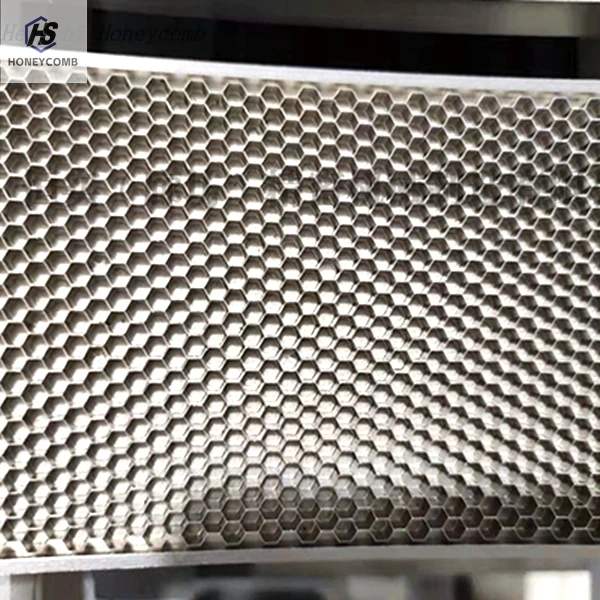
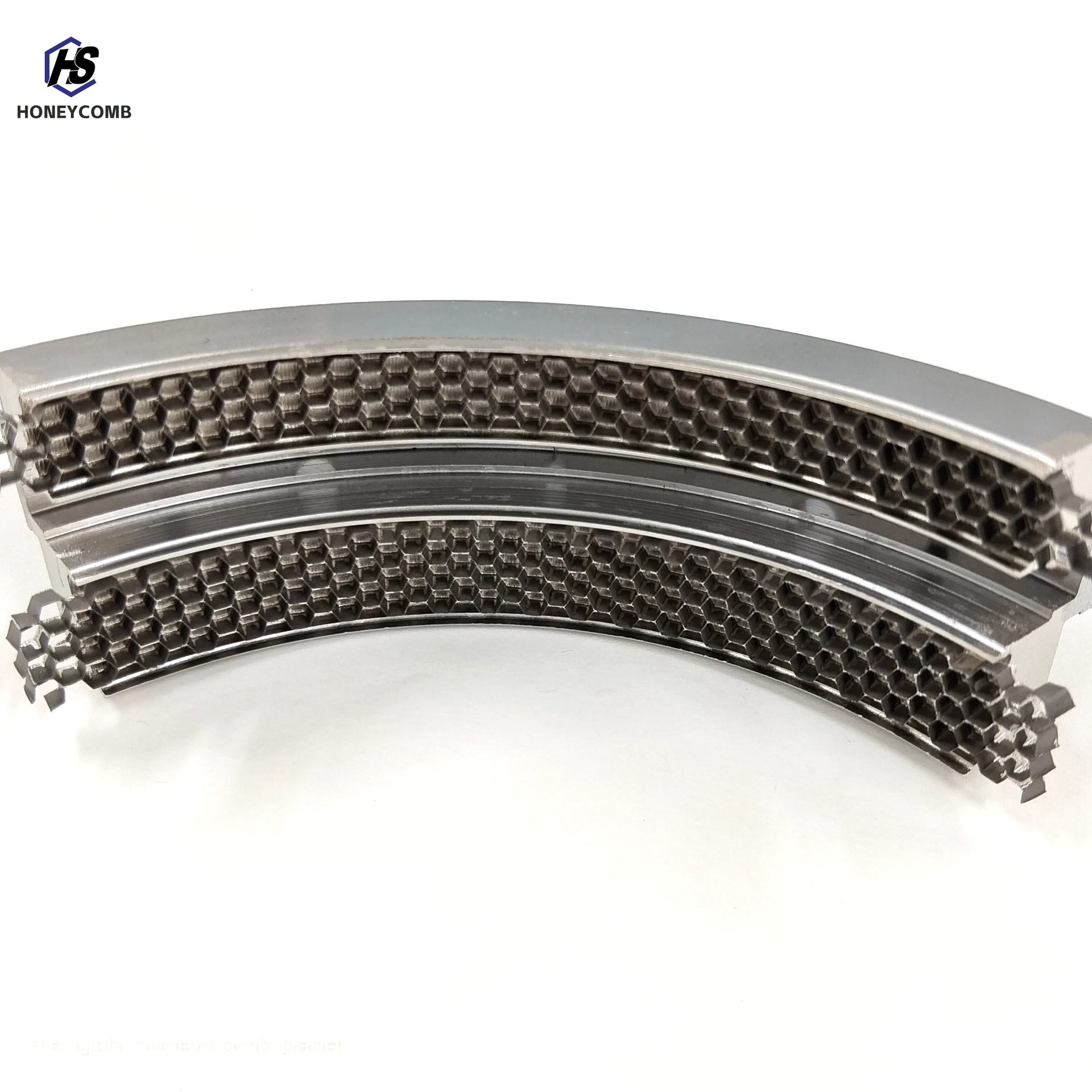
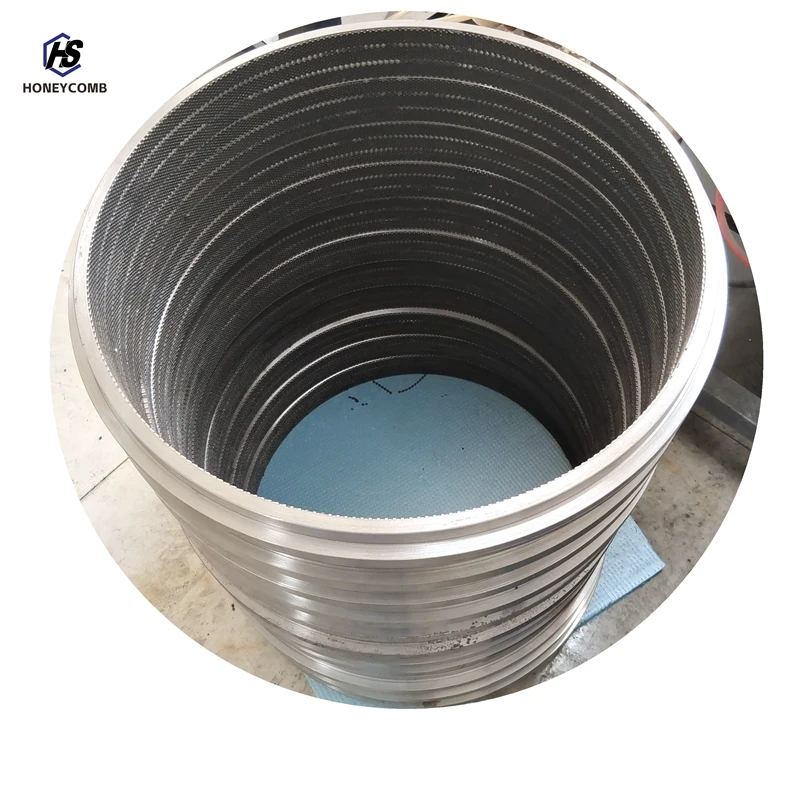
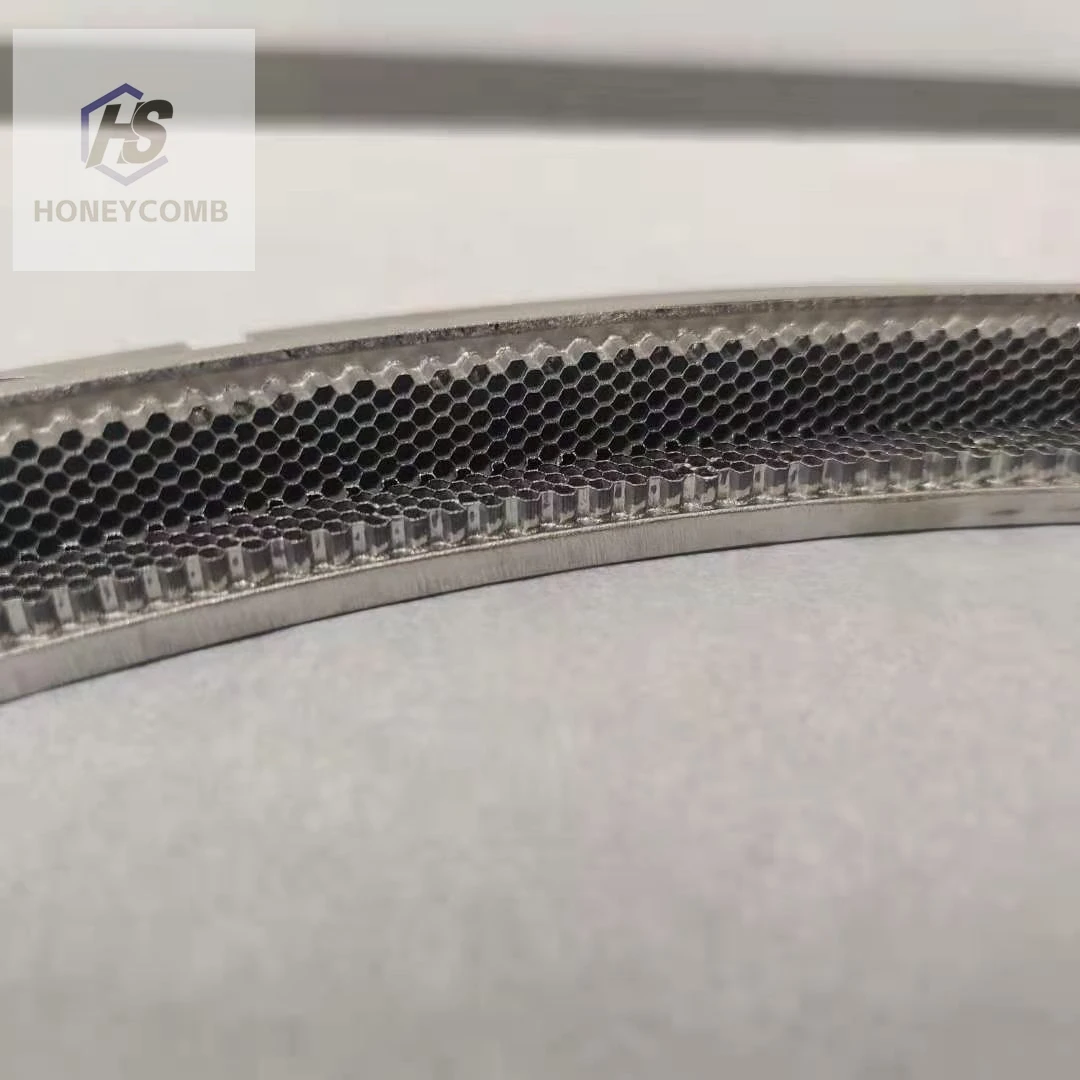
The air straightener intake is a critical component engineered to optimize fluid flow within systems while simultaneously providing essential EMI/EMC/RF shielding. At its core, it consists of a honeycomb structure, typically fabricated from stainless steel, designed to channel turbulent airflow into a smooth, laminar stream. This ensures efficient operation of downstream components and accurate measurement by sensors.
The specific product, a Stainless Steel 1/8mm EMI/EMC/RF Shielded Honeycomb Vent, exemplifies this technology. Its designation "1/8mm" refers to the cell size, a crucial parameter defining both airflow resistance and shielding effectiveness. Smaller cell sizes generally offer higher shielding attenuation but increased pressure drop. Stainless steel is chosen for its excellent corrosion resistance, high mechanical strength, and non-magnetic properties (when specific alloys are used), which are vital in various industrial environments.
Key Technical Parameters for Stainless Steel Honeycomb Vents
| Parameter | Description / Value (Typical) |
|---|---|
| Material | 304 / 316 / 316L Stainless Steel |
| Cell Size (Aperture) | 1.58mm (1/16") to 3.175mm (1/8") standard; custom available |
| Foil Thickness | 0.05mm - 0.1mm |
| Panel Thickness (Height) | 6.35mm (0.25") to 25.4mm (1.0") standard; custom available |
| Shielding Effectiveness (SE) | 60-100 dB from 10 MHz to 18 GHz (depending on cell size & thickness) |
| Open Area Ratio | 90-95% (optimized for airflow) |
| Temperature Range | -60°C to +250°C (depending on mounting frame materials) |
| Corrosion Resistance | Excellent (ASTM A240/A240M standards met) |
These parameters are critical for engineers selecting the right component. The balance between shielding effectiveness and airflow impedance is a key design consideration, often requiring detailed CFD (Computational Fluid Dynamics) and EMC (Electromagnetic Compatibility) simulations during the design phase to meet specific project requirements.
Manufacturing Process Flow for Air Straightener Intake
The production of an air straightener intake, especially one integrated with EMI shielding, is a multi-stage process demanding precision and specialized equipment. The use of stainless steel honeycomb sheet material is central to achieving the desired mechanical and electrical properties. Below is a detailed process flow:
Schematic Steps:
- 1. Material Selection and Preparation: High-grade stainless steel coils (e.g., 304, 316, 316L for enhanced corrosion resistance) are sourced. These materials are selected based on specific application requirements regarding temperature, chemical exposure, and mechanical stress. Material certifications (e.g., ASTM, EN standards) are verified.
- 2. Foil Production: The stainless steel coils are precisely rolled and slit into thin foils, typically 0.05mm to 0.1mm thick, maintaining tight dimensional tolerances. This forms the foundational material for the honeycomb structure.
- 3. Corrugation (Cell Formation): The thin foils undergo a specialized corrugation process. Using high-precision rollers and dies, the flat sheets are formed into a wave-like pattern. The pitch and depth of these waves dictate the eventual honeycomb cell size (e.g., 1/8mm).
- 4. Stacking and Bonding/Welding: The corrugated foils are then stacked alternately with flat foils. These layers are joined together through precision resistance welding or high-temperature brazing/bonding processes. This creates a continuous block of stainless steel honeycomb mesh. The bonding integrity is critical for both structural strength and consistent EMI shielding performance.
- 5. Slicing and Machining: The large honeycomb block is then sliced to the required panel thickness (height) using specialized cutting equipment, ensuring uniform cell depth. Further CNC machining may be applied to create custom shapes, cutouts, or integrate mounting features for specific applications.
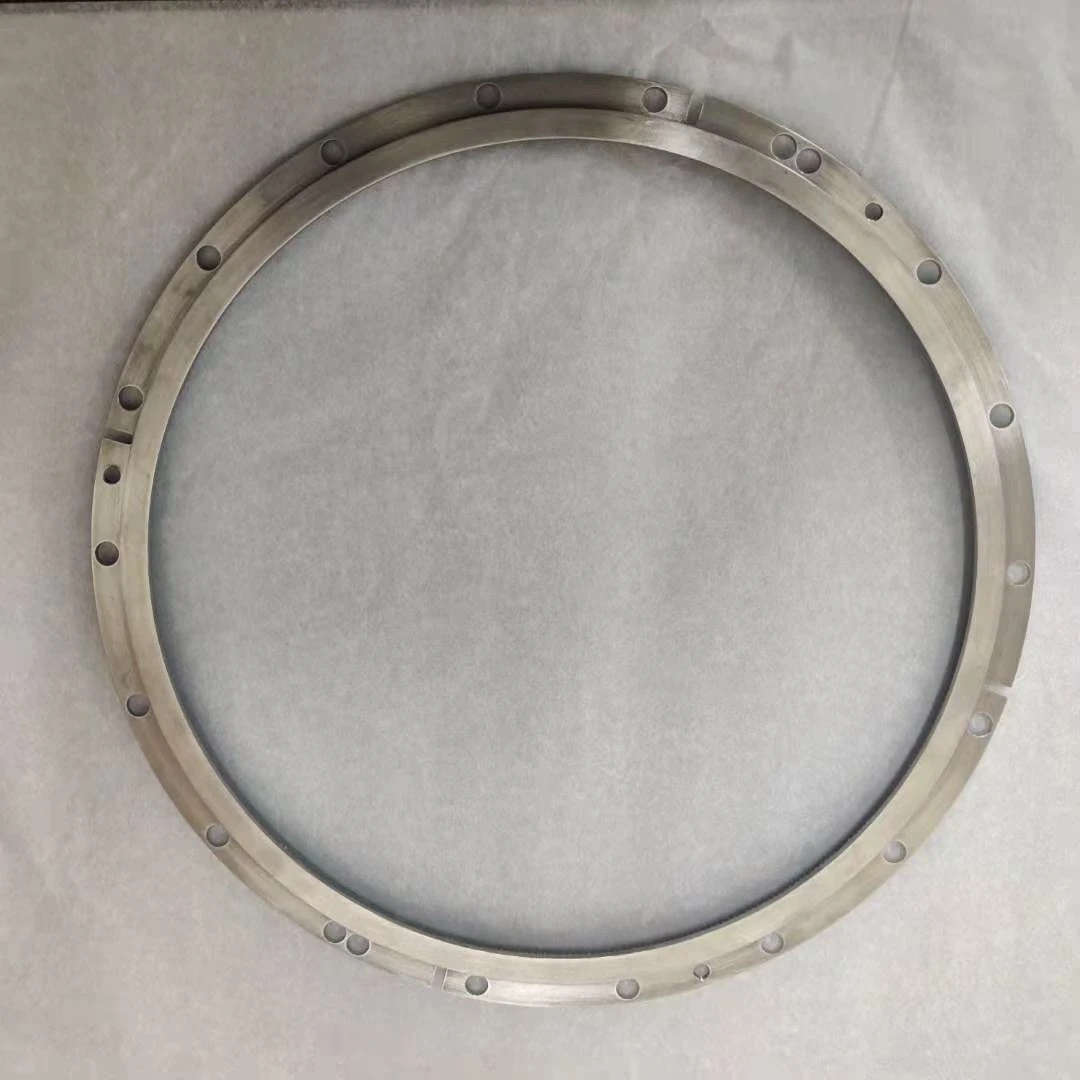
- 6. Edge Sealing and Framing (Optional): For certain applications, particularly those requiring enhanced EMI/RFI sealing, the honeycomb core may be integrated into a frame (e.g., aluminum, stainless steel) with conductive gaskets. This ensures a complete shield enclosure and robust mounting.
- 7. Cleaning and Surface Treatment: Components undergo thorough cleaning processes (e.g., ultrasonic cleaning) to remove any residues from manufacturing. Depending on the application, passivization or other surface treatments may be applied to further enhance corrosion resistance or electrical conductivity.
- 8. Quality Control and Testing: Each finished air straightener intake undergoes rigorous testing. This includes dimensional inspection (ISO 2768-1 standards), airflow resistance measurements, and critically, EMI shielding effectiveness testing (e.g., IEEE 299, MIL-STD-285, EN 50147-1). Visual inspection for material defects and bonding integrity is also performed.
- 9. Packaging and Dispatch: Products are carefully packaged to prevent damage during transit and dispatched with relevant certifications and documentation.
The target industries for these components include petrochemical, metallurgy, power generation, data centers, aerospace, and medical equipment. Advantages in typical application scenarios include significant energy saving through optimized airflow, superior corrosion resistance in harsh environments, and critical EMI/RFI protection for sensitive electronics, contributing to overall system reliability and longevity. A typical service life for these stainless steel components, when properly maintained, exceeds 15-20 years.
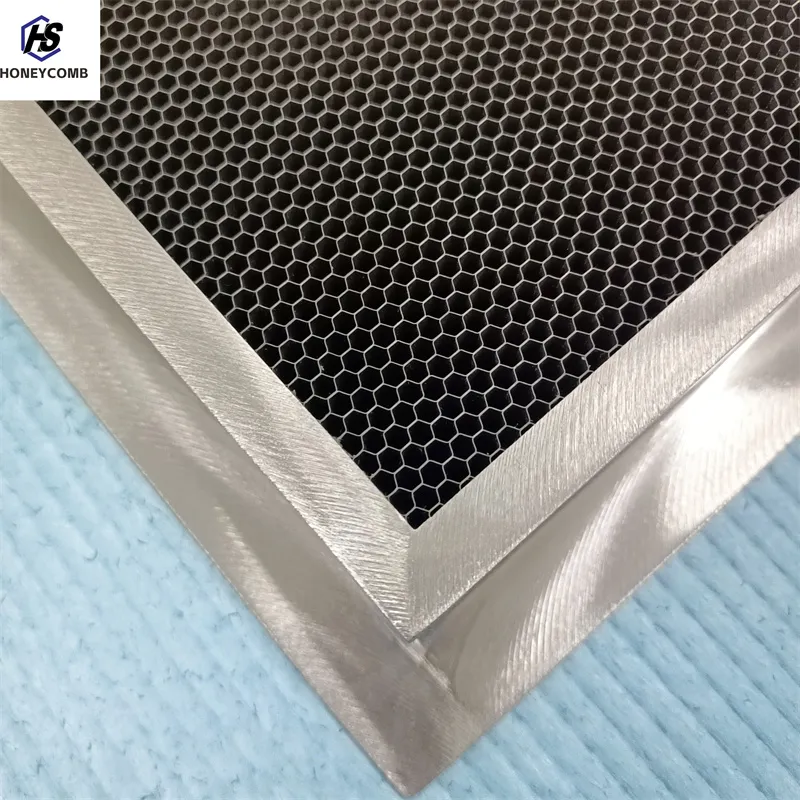
Application Scenarios and Case Studies
The versatility of the air straightener intake, particularly those offering EMI/EMC/RF shielding, makes it indispensable across a broad spectrum of advanced industrial and commercial applications. Its dual function of airflow conditioning and electromagnetic compatibility is crucial for the integrity and efficiency of modern systems.
Typical Application Scenarios:
- Data Centers and Server Rooms: Maintaining optimal airflow for cooling critical electronic equipment while preventing EMI from disrupting sensitive data transmission and server operations. The straightener ensures uniform air distribution across racks.
- Medical Imaging Equipment (MRI, CT Scanners): Ensuring laminar air flow in ventilation systems to prevent acoustic noise and thermal inconsistencies, combined with robust RF shielding to protect the high-frequency diagnostic signals from external interference.
- Aerospace and Defense: Used in avionics cooling systems and radar enclosures where precise airflow control is vital for equipment longevity, and EMI/RFI shielding is non-negotiable for operational safety and stealth characteristics.
- Telecommunications Infrastructure: Protecting base stations, routing equipment, and other communication nodes from ambient electromagnetic noise while ensuring efficient cooling of power amplifiers and processing units.
- Industrial Control Panels and Enclosures: Shielding sensitive PLCs, VFDs, and other control electronics from electrical noise generated by motors, power supplies, and other factory equipment, while facilitating adequate ventilation.
Case Study: High-Performance Computing (HPC) Facility
An HPC facility experienced intermittent system crashes and data corruption, traced to electromagnetic interference originating from high-power server racks and adjacent power distribution units. Their existing ventilation system, while adequate for cooling, offered no EMI attenuation. Implementing custom-designed Stainless Steel 1/8mm EMI/EMC/RF Shielded Honeycomb Vents (air straightener intakes) into their CRAC (Computer Room Air Conditioner) units and exhaust plenums provided a dual solution. The vents ensured a uniform temperature distribution across server racks, improving cooling efficiency by 12% and reducing hot spots, leading to an estimated 8% energy saving in cooling. Crucially, post-installation, EMI levels within the sensitive zones dropped by an average of 70 dB across a wide frequency spectrum, eliminating system crashes and significantly improving data integrity. This successful deployment demonstrated the critical role of combined airflow management and EMI shielding in mission-critical environments. Customer feedback highlighted improved system stability and reduced operational costs.
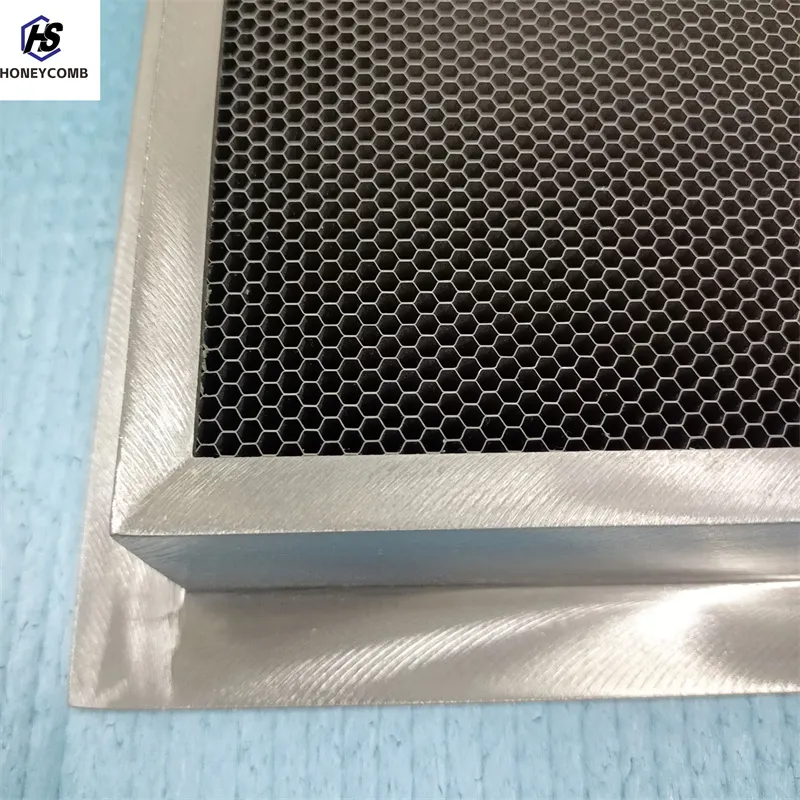
Technical Advantages and Performance Metrics
Implementing a high-quality air straightener intake offers distinct technical advantages that contribute significantly to operational efficiency, system reliability, and compliance with electromagnetic compatibility standards.
Key Technical Advantages:
- Superior Airflow Laminarization: The precisely engineered honeycomb structure transforms turbulent air into a smooth, unidirectional flow. This is crucial for applications requiring precise thermal management, accurate sensor readings (e.g., flow meters), and efficient operation of fans and blowers. Reduced turbulence translates to less noise and vibration.
- High EMI/EMC/RF Shielding Effectiveness: The small, deeply recessed cells of the honeycomb act as waveguides beyond cutoff, effectively attenuating electromagnetic radiation. This provides robust protection against incoming and outgoing interference, crucial for sensitive electronic systems and compliance with MIL-STD-461, FCC Part 15, and CE directives. Typical attenuation ranges from 60 dB to over 100 dB across a wide frequency range (10 MHz to 18 GHz).
- Excellent Corrosion Resistance: Fabricated from stainless steel (e.g., 304, 316L), these straighteners offer outstanding resistance to oxidation, humidity, and various chemical agents, making them suitable for harsh industrial, marine, and outdoor environments. This extends the service life and reduces maintenance costs.
- High Strength-to-Weight Ratio: Honeycomb structures are renowned for their exceptional rigidity and strength relative to their weight. This ensures durability and structural integrity even under significant pressure differentials or mechanical stress, without adding excessive mass to the overall system.
- Broad Temperature Operational Range: Stainless steel components maintain their structural and performance characteristics over a vast temperature spectrum, from cryogenic conditions to elevated temperatures (typically -60°C to +250°C), making them adaptable to diverse industrial processes.
- Low Pressure Drop: While providing effective airflow straightening and shielding, the design is optimized to minimize air resistance, ensuring that fans and blowers operate efficiently without excessive energy consumption. The open area ratio typically exceeds 90%.
Performance Comparison: Honeycomb vs. Perforated Sheet
| Feature | Stainless Steel Honeycomb Vent | Standard Perforated Sheet |
|---|---|---|
| Airflow Straightening | Excellent (produces laminar flow) | Poor to Moderate (minor turbulence reduction) |
| EMI Shielding Effectiveness | Very High (60-100+ dB) | Low to Moderate (20-40 dB, limited by hole size) |
| Pressure Drop | Low for effective shielding | Lower, but with minimal performance benefits |
| Structural Rigidity | High (due to cellular structure) | Moderate |
| Material Cost (per unit performance) | Higher initial, but lower long-term TCO due to performance | Lower initial, but often insufficient for critical applications |
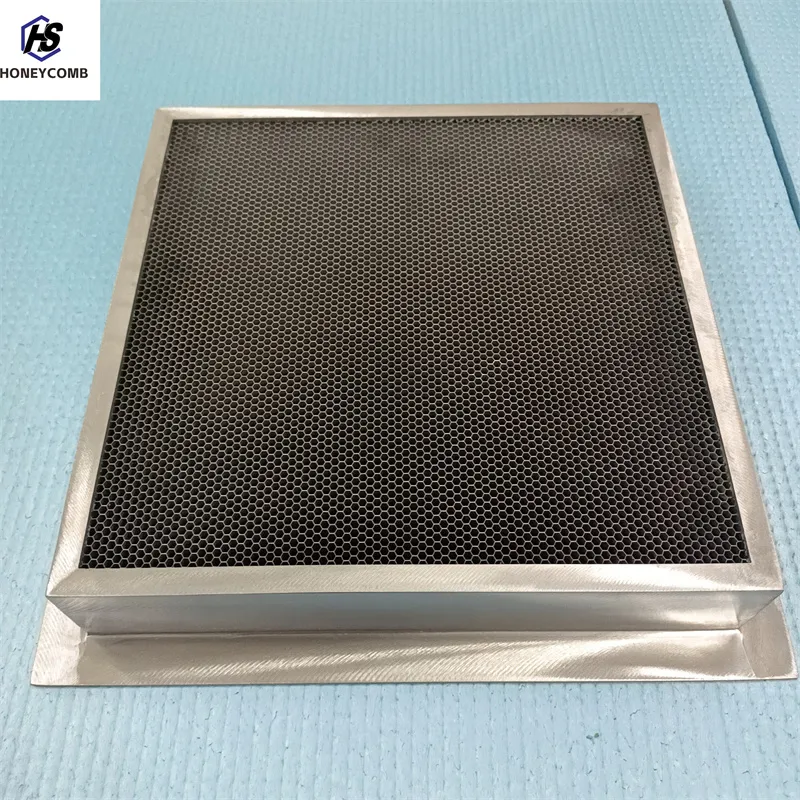
Vendor Comparison and Selection Criteria
When evaluating suppliers for air straightener intake solutions, particularly those designed for critical EMI/EMC applications, B2B decision-makers must consider several key factors beyond initial cost. The expertise, manufacturing capabilities, and support services of the vendor significantly impact the success and longevity of the deployed solution.
Critical Vendor Selection Criteria:
- Certifications and Compliance: Verify the vendor's adherence to international quality management systems (e.g., ISO 9001:2015), environmental standards (ISO 14001), and product-specific certifications (e.g., CE, RoHS, MIL-STD for EMI performance).
- Technical Expertise and R&D: Assess the vendor's capability for engineering design, material science, and their understanding of fluid dynamics and EMI shielding principles. A strong R&D department indicates continuous product improvement and innovation.
- Customization Capabilities: The ability to provide tailored solutions for specific dimensions, cell sizes, materials (e.g., 304, 316L stainless steel), and integration with existing enclosures is paramount for unique project requirements.
- Manufacturing Capacity and Lead Times: Evaluate the production scale, technology (e.g., advanced CNC machining, precision welding), and the ability to meet project deadlines, especially for large-volume or time-sensitive orders.
- Testing and Quality Control: A reputable vendor will have in-house testing facilities for EMI shielding effectiveness, pressure drop, and structural integrity, providing verifiable test data for their products.
- Customer Support and After-Sales Service: Responsiveness, technical assistance, warranty terms, and ease of communication are crucial for long-term partnerships. Check for customer feedback and testimonials.
Leading manufacturers in this specialized field often have decades of experience, serving clients in highly regulated industries like aerospace, defense, and medical devices. Their long-standing partnerships and track record of delivering compliant, high-performance solutions underscore their authoritativeness in the market. Look for transparent reporting of test data and consistent quality control measures, which are hallmarks of a trustworthy supplier.
Customized Solutions and Design Flexibility
Tailoring an air straightener intake to specific operational requirements is often essential for achieving optimal performance and seamless integration. While standard sizes and configurations are available, specialized applications frequently demand bespoke designs that account for unique airflow patterns, spatial constraints, and demanding EMI shielding levels.
Areas of Customization:
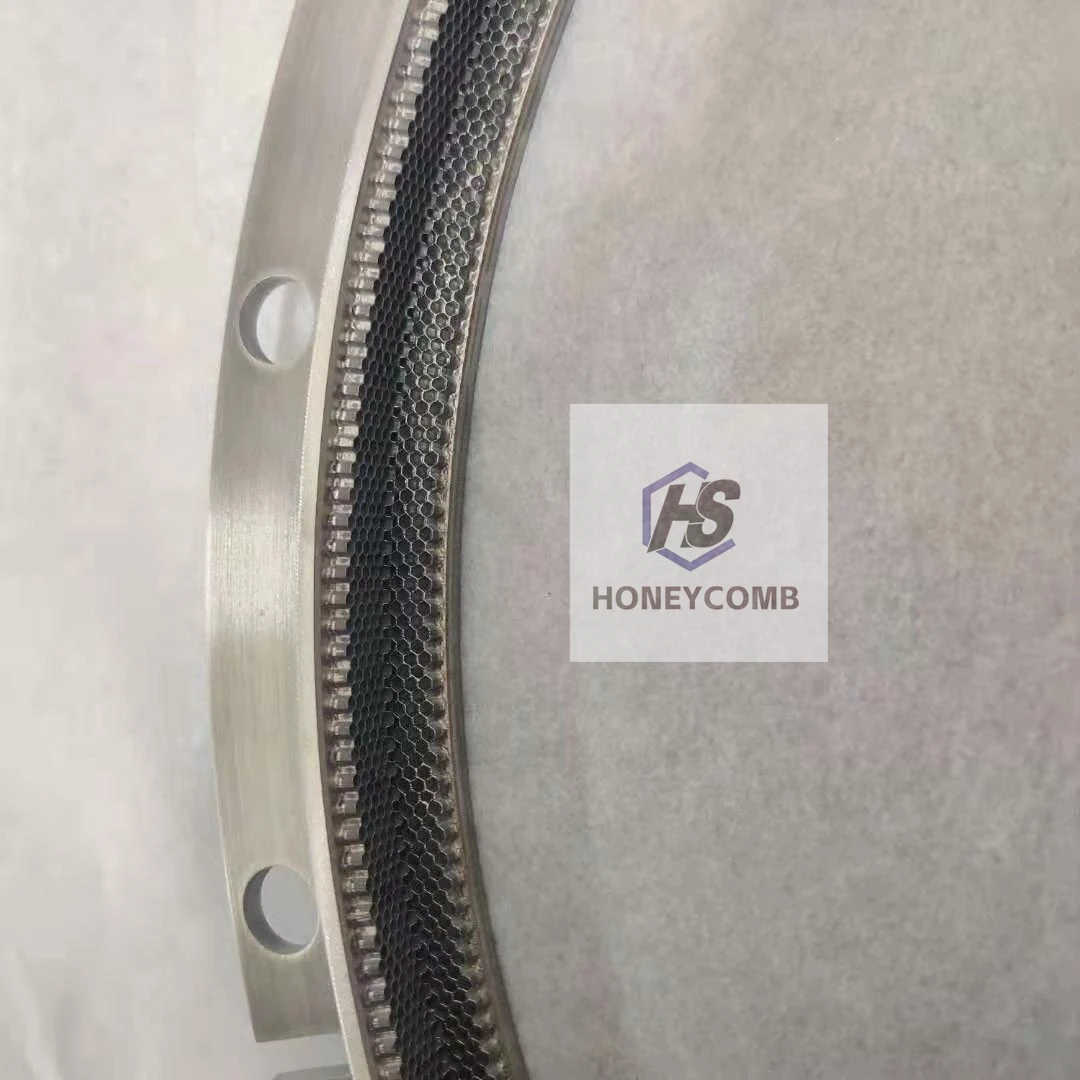
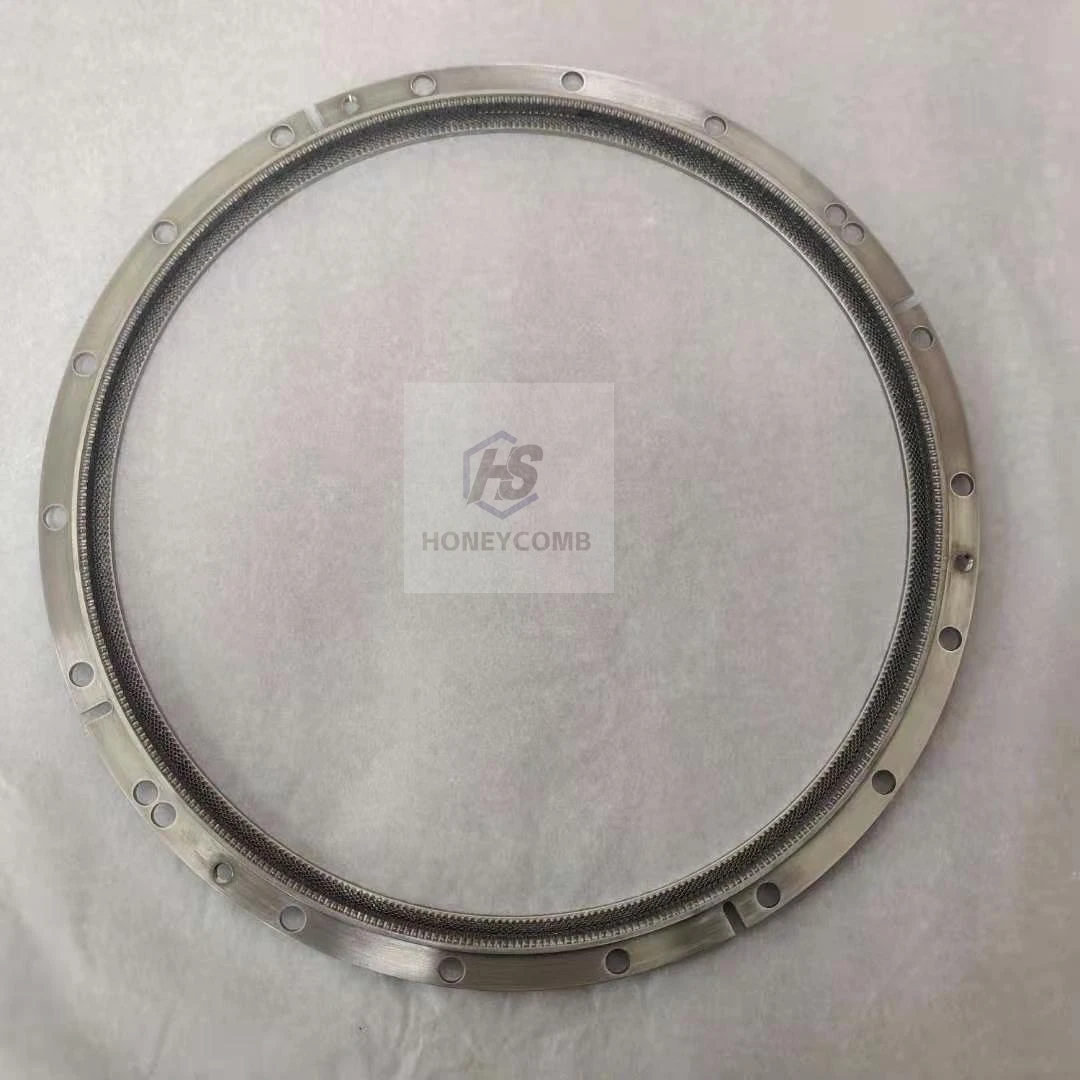
- Dimensions and Geometry: From circular and rectangular panels to complex, multi-faceted shapes, customization allows for precise fitment into existing enclosures or ducting systems. This includes varying panel thickness (height) to balance pressure drop and shielding performance.
- Cell Size and Foil Thickness: Adjusting the honeycomb cell aperture (e.g., from 1/16" to 1/8") and the stainless steel foil thickness impacts both airflow characteristics and shielding effectiveness. Smaller cells generally offer higher shielding but can increase pressure drop.
- Material Grades: While 304 stainless steel is common, projects in highly corrosive environments may require 316 or 316L stainless steel for enhanced chemical resistance. Other materials like aluminum or brass are also possible for different shielding/weight requirements.
- Integrated Mounting and Sealing Solutions: Custom frames, often with integrated conductive EMI gaskets (e.g., silicone-based with metal particles), can be manufactured to provide a complete shielded barrier and simplify installation. This ensures continuity of the EMI seal around the periphery of the honeycomb.
- Surface Finishes: Specialized finishes, such as passivization for improved corrosion resistance or specific coatings, can be applied to meet unique environmental or functional demands.
Engaging with a manufacturer that possesses robust engineering and CNC machining capabilities is key to realizing these custom solutions. Collaborative design processes, often involving CAD/CAM integration and prototyping, ensure that the final product precisely matches the client's specifications and performance expectations. This flexibility underscores the value proposition of specialized honeycomb manufacturers who can turn complex engineering challenges into practical, high-performance components.
Frequently Asked Questions (FAQ)
Q: What is the primary function of an air straightener intake?
A: Its primary function is to convert turbulent airflow into a smooth, laminar stream, optimizing the performance of downstream components (e.g., fans, sensors, heat exchangers) and improving overall system efficiency. In EMI/EMC shielded versions, it also prevents electromagnetic radiation from entering or exiting an enclosure.
Q: How does stainless steel honeycomb provide EMI shielding?
A: The small, precisely dimensioned cells of the honeycomb act as waveguides beyond cutoff for electromagnetic waves. Waves with wavelengths larger than the cell dimensions are effectively attenuated, preventing their propagation through the vent while allowing air to pass.
Q: What is the typical pressure drop across a honeycomb air straightener?
A: The pressure drop is dependent on cell size, thickness, and airflow velocity. However, honeycomb designs are optimized for minimal pressure drop, typically a few Pascals (Pa) at moderate flow rates, ensuring energy efficiency without compromising performance.
Q: Can these components be used in corrosive environments?
A: Yes, using high-grade stainless steel (e.g., 304, 316, or 316L) provides excellent corrosion resistance, making them suitable for marine, chemical, and outdoor industrial applications.
Q: What is the expected service life of a stainless steel air straightener intake?
A: With proper material selection and installation, stainless steel air straightener intakes are designed for long-term performance, typically exceeding 15-20 years in standard operating conditions, requiring minimal maintenance due to their robust construction.
Lead Time, Warranty, and Customer Support
At HSHI Honeycomb, we are committed to providing not only high-performance products but also comprehensive support throughout the entire project lifecycle. Our streamlined processes ensure efficient order fulfillment and reliable post-purchase service.
Lead Time & Fulfillment:
Standard product lead times typically range from 2-4 weeks, depending on order volume and specific configurations. For custom orders involving complex designs or specialized materials, lead times may extend to 4-8 weeks, commencing upon final design approval. We maintain robust inventory levels for common materials and components to expedite production. Our logistics team works diligently to ensure timely and secure delivery worldwide, with options for expedited shipping as required by project deadlines.
Warranty Commitments:
All HSHI Honeycomb products, including our Stainless Steel 1/8mm EMI/EMC/RF Shielded Honeycomb Vents, are backed by a comprehensive 2-year manufacturer's warranty against defects in materials and workmanship from the date of purchase. This warranty reflects our confidence in the quality and durability of our products, manufactured under strict ISO 9001:2015 certified quality management systems. Extended warranty options are available for specific project requirements.
Customer Support & Technical Assistance:
Our dedicated team of technical support engineers is available to assist with product selection, customization queries, installation guidance, and troubleshooting. We offer pre-sales consultation, detailed technical documentation, and post-sales support to ensure optimal product integration and performance. For inquiries or technical assistance, please contact us via our website's contact form, email, or direct phone line. Our commitment extends to providing ongoing support and building lasting partnerships with our clients.
Authoritative References
- 1. IEEE Std 299-2006 (R2011), IEEE Standard for the Measurement of the Shielding Effectiveness of Enclosures. Institute of Electrical and Electronics Engineers.
- 2. MIL-STD-285, Military Standard: Attenuation Measurements for Enclosures, Electromagnetic Shielding, for Electronic Test Purposes. United States Department of Defense.
- 3. EN 50147-1:2006, Anechoic chambers - Part 1: Shield attenuation measurement. European Committee for Electrotechnical Standardization.
- 4. ASTM A240/A240M, Standard Specification for Chromium and Chromium-Nickel Stainless Steel Plate, Sheet, and Strip for Pressure Vessels and for General Applications. ASTM International.
- 5. ISO 9001:2015, Quality management systems – Requirements. International Organization for Standardization.
- 6. "Honeycomb structures: from aerospace to biomimetics." Journal of Materials Science, Springer, 2018.

-
Industrial Airflow Guide for maf воздушная правильная машинаNewsApr.16,2026
-
Best maf струйно правильная машина for Industrial EfficiencyNewsApr.09,2026
-
Сотовая правильная машина A Comprehensive Guide to Honey Packing AutomationNewsApr.07,2026
-
Build Your Own DIY газоправильная Машина A Comprehensive Guide to Gas CorrectionNewsApr.04,2026
-
Understanding Кондиционер отопления Systems for Efficient and Comfortable HeatingNewsMar.31,2026
-
Comprehensive Guide to Cellular Blinds Installation Установка сотовых жалюзиNewsMar.28,2026
-
Mobile Aerodynamic Tunnel Design A Comprehensive Guide to Applications and ImplementationNewsMar.26,2026






 English
  Afrikaans
  Albanian
  Amharic
  Arabic
  Armenian
  Azerbaijani
  Basque
  Belarusian
  Bengali
  Bosnian
  Bulgarian
  Catalan
  Cebuano
  China
China  China (Taiwan)
  Corsican
  Croatian
  Czech
Czech  Danish
  Dutch
Dutch  Esperanto
  Estonian
  Finnish
  French
  Frisian
  Galician
  Georgian
  German
  Greek
Greek  Gujarati
  Haitian Creole
  Hausa
Hausa  Hawaiian
  Hebrew
  Hindi
Hindi  Miao
Miao  Indonesian
  Italian
  Japanese
  Javanese
  Malay
Malay  Persian
  Portuguese
  Punjabi
  Russian
  Spanish
  Swahili
  Telugu
  Vietnamese