


Optimize Laser Cutting with 3.2mm Honeycomb Rings
Industry Trends and the Role of Advanced Packing Media
The industrial landscape, particularly within the petrochemical, chemical processing, and environmental engineering sectors, is undergoing a profound transformation driven by demands for increased operational efficiency, reduced energy consumption, and stringent environmental compliance. A critical component in achieving these objectives lies in optimizing mass transfer processes within packed columns, scrubbers, and reactors. Traditional packing media often fall short in balancing high surface area with minimal pressure drop, leading to inefficiencies.
This global impetus has spurred innovation in structured and random packing designs, with a clear trend towards materials and geometries that maximize contact efficiency while minimizing energy expenditure. One such innovation, gaining significant traction, is the application of advanced ceramic and metal ring packings, specifically those engineered with precise dimensions for superior performance. The focus on micro-perforated or geometrically optimized structures is paramount for enhancing process economics and environmental stewardship.
This article delves into the specifics of 3.2mm Honeycomb Rings, a specialized packing media designed to meet the rigorous demands of modern industrial applications, providing an in-depth look at their technical merits, manufacturing precision, and diverse application potential.
Understanding 3.2mm Honeycomb Rings: Technical Specifications
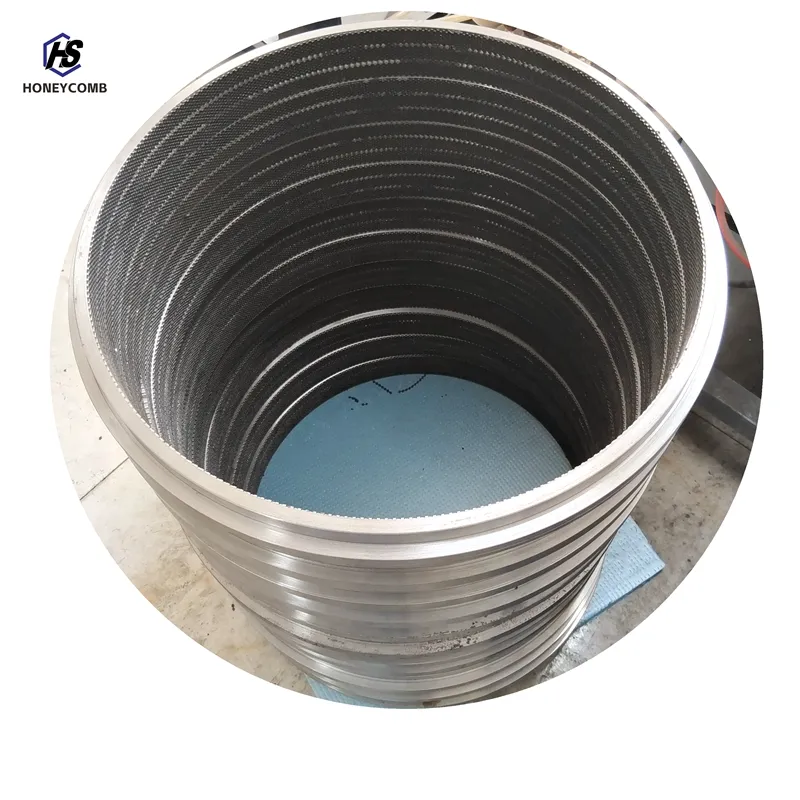
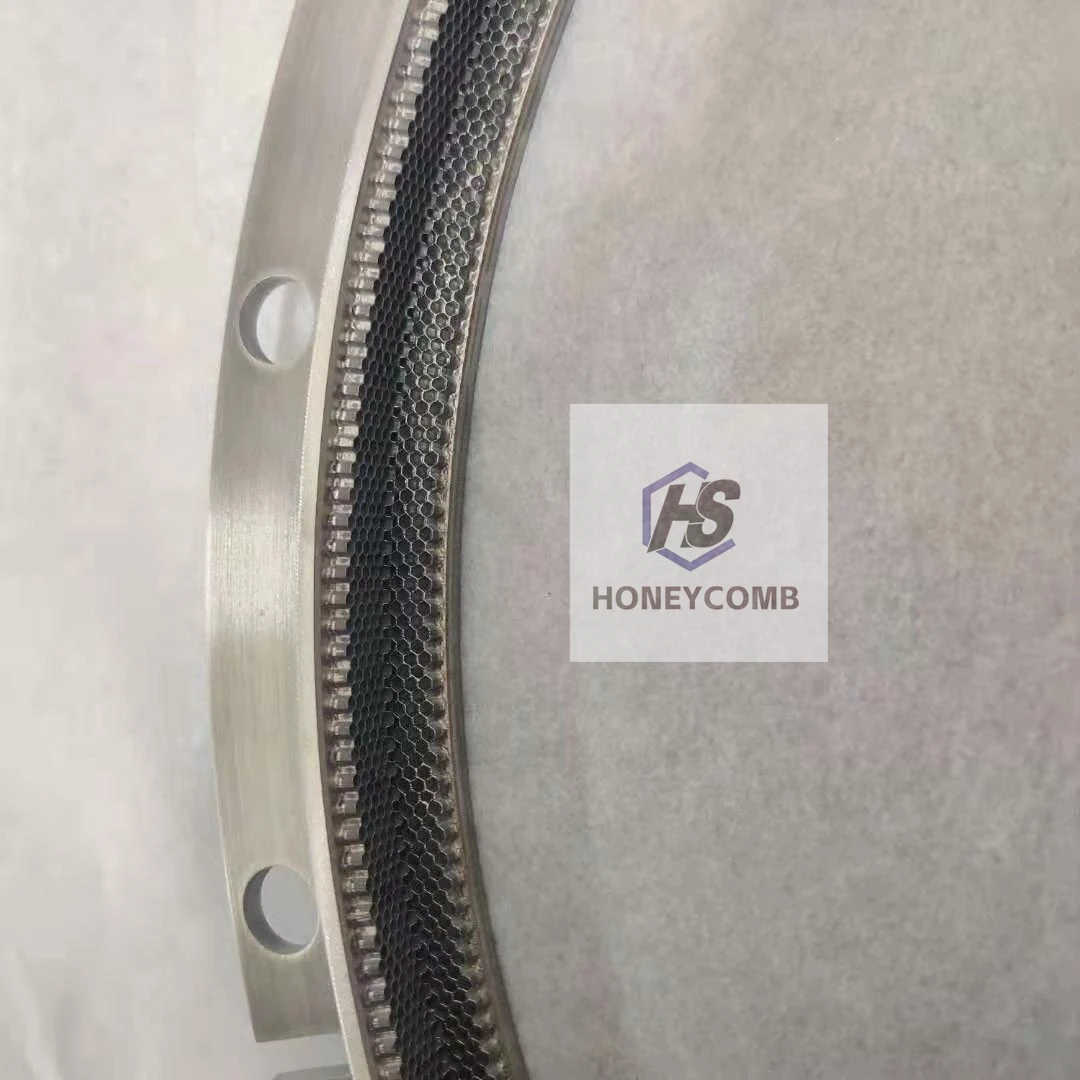
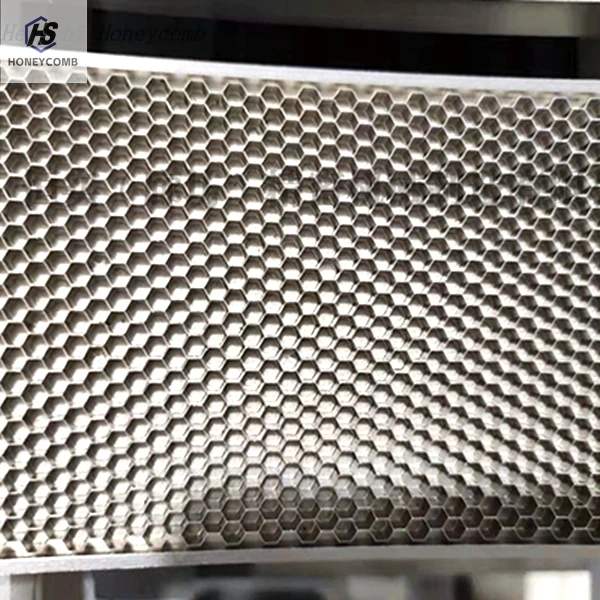
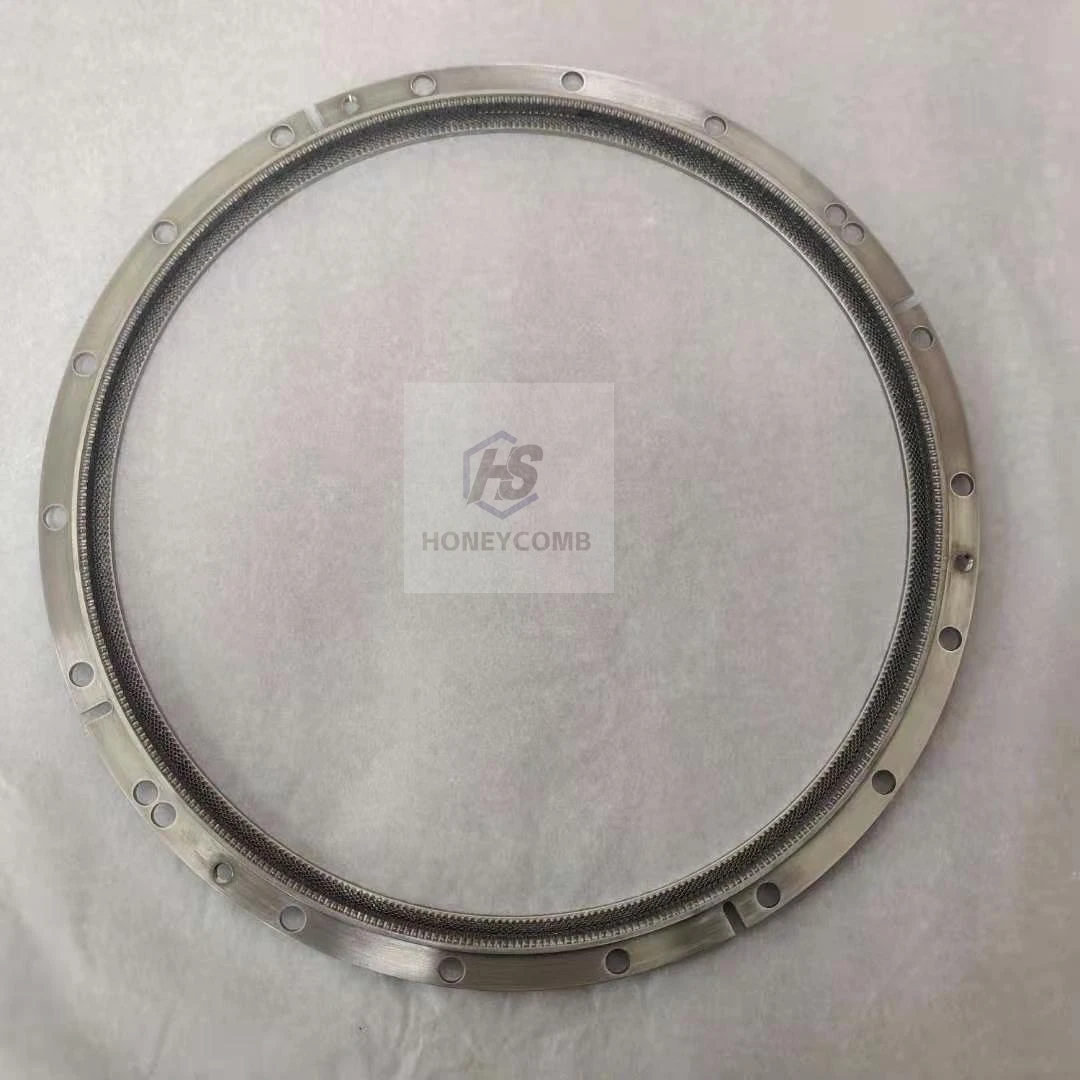
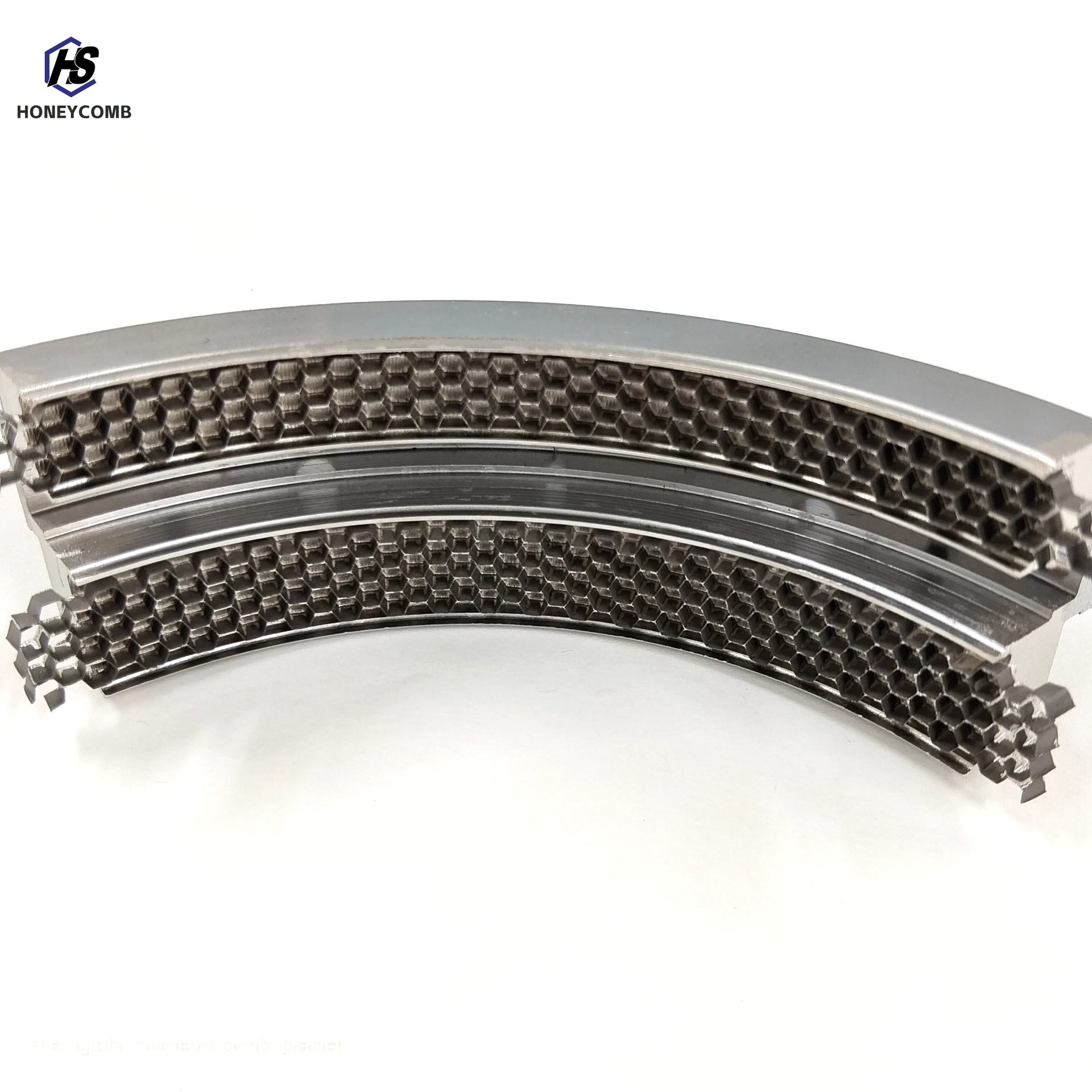
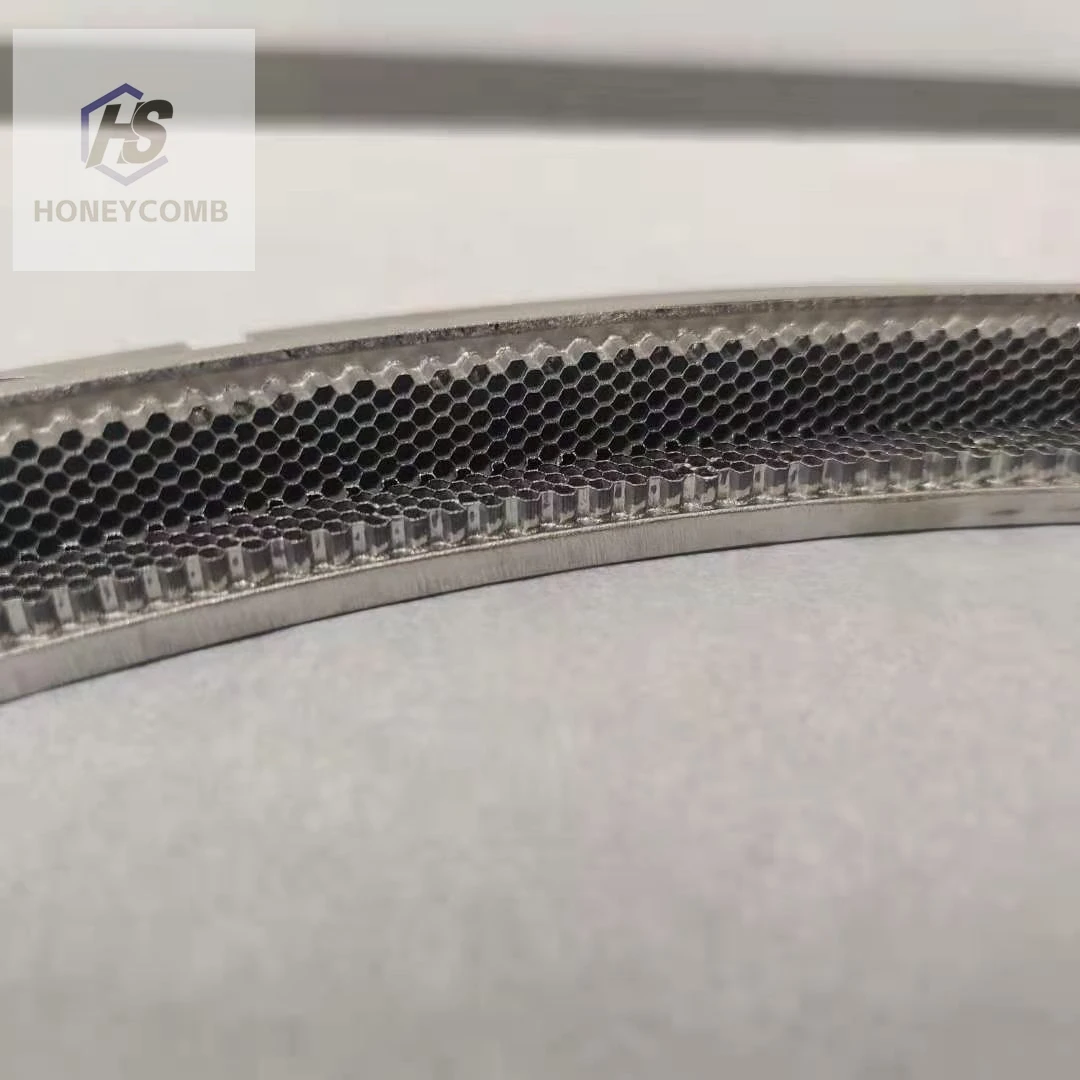
3.2mm Honeycomb Rings represent a specialized form of industrial packing media, distinguished by their intricate honeycomb-like structure and precise 3.2mm characteristic dimension. This dimension typically refers to the diameter of the individual hexagonal or circular cells, or a critical wall thickness, meticulously engineered to optimize gas-liquid contact and minimize resistance to fluid flow. These rings are designed to provide a very high specific surface area, crucial for efficient mass transfer processes such as absorption, stripping, and heat exchange.
The selection of materials for 3.2mm Honeycomb Rings is critical, dictated by the operating environment's chemical aggressiveness, temperature, and pressure. Common materials include advanced ceramics (e.g., alumina, mullite, cordierite) for their exceptional chemical and thermal stability, and various metallic alloys (e.g., stainless steel, Hastelloy, Inconel) for their mechanical strength and corrosion resistance in specific acidic or alkaline media. The consistent geometry ensures uniform distribution of both phases, preventing channeling and maximizing operational efficiency.
Key Product Specifications
| Parameter | Specification for 3.2mm Honeycomb Ring |
|---|---|
| Nominal Size (Cell Diameter/Thickness) | 3.2 mm |
| Typical Wall Thickness | 0.3 mm - 0.5 mm |
| Specific Surface Area (Ceramic) | > 250 m²/m³ |
| Specific Surface Area (Metal) | > 350 m²/m³ |
| Void Ratio | > 70% |
| Operating Temperature Range (Ceramic) | Up to 1200°C |
| Operating Temperature Range (Metal) | Up to 600°C (material dependent) |
| Crush Strength | > 2.5 MPa (axial) |
| Pressure Drop Coefficient | Optimized for low resistance |
Note: Specific values may vary slightly based on manufacturing process and exact material composition.
Manufacturing Process of 3.2mm Honeycomb Rings
The production of 3.2mm Honeycomb Rings involves a series of meticulously controlled steps to ensure the high precision and consistent quality required for optimal performance in demanding industrial environments. The process varies slightly depending on whether the rings are ceramic or metallic, but both emphasize dimensional accuracy and material integrity.
Ceramic Honeycomb Ring Manufacturing:
- Raw Material Preparation: High-purity ceramic powders (e.g., alumina, silica, magnesia) are carefully selected. These powders are mixed with binders, plasticizers, and water to form a homogeneous, plasticized paste.
- Extrusion: The paste is then fed into a high-pressure extruder with a custom-designed die that forms the intricate honeycomb structure. This critical step defines the 3.2mm cell size and wall thickness, requiring advanced tooling and precise process control to maintain dimensional stability.
- Drying: The extruded green bodies are carefully dried in controlled environments to remove moisture uniformly, preventing cracking and warping. This process can take several days and is crucial for preserving the intricate structure.
- Firing/Sintering: Dried pieces are fired in high-temperature kilns, typically ranging from 1200°C to 1600°C, depending on the ceramic material. Sintering consolidates the ceramic particles, eliminating porosity, and developing the final dense, strong, and chemically resistant structure. Precise temperature profiles are maintained.
- Final Inspection and Testing: Each batch undergoes rigorous quality control, including visual inspection, dimensional checks (using optical comparators or laser scanners), crush strength tests (e.g., ASTM C1161), and sometimes chemical resistance assays. Products conform to international standards like ISO 9001 for quality management.
Metallic Honeycomb Ring Manufacturing:
- Material Selection: High-grade metallic sheets or foils (e.g., SS304, SS316L, Hastelloy C276) are chosen based on corrosion resistance, temperature, and mechanical properties required for the application.
- Precision Stamping/Forming: Thin sheets are precisely stamped or roll-formed into the desired corrugated or cellular structure that defines the 3.2mm characteristic. Advanced CNC machines ensure accuracy and repeatability.
- Assembly & Welding: Multiple formed sheets are stacked, aligned, and then joined, often using laser welding or resistance welding techniques. This creates a robust, uniform block of honeycomb structure.
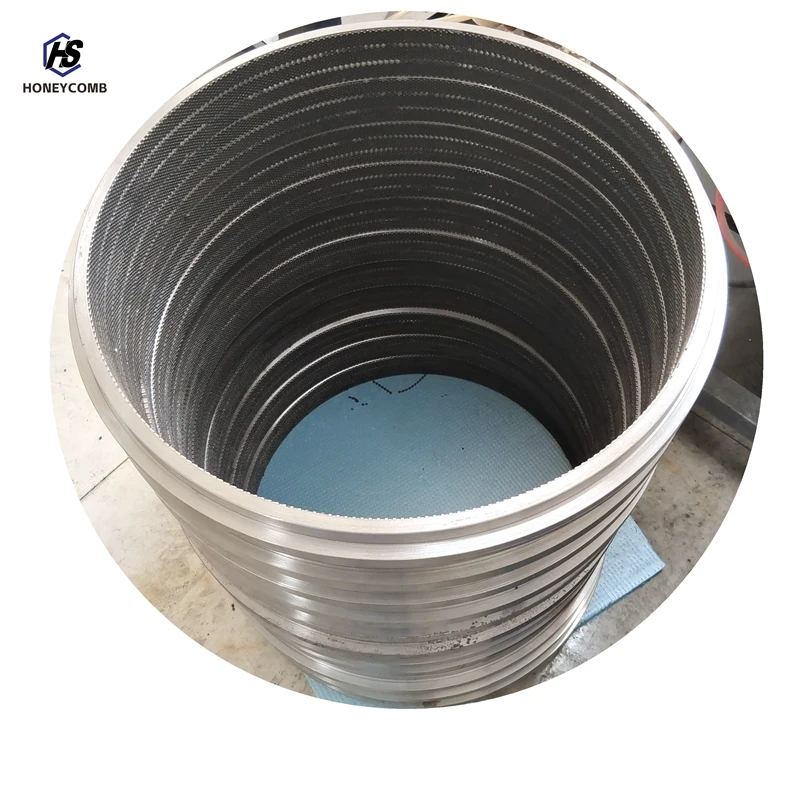
- Cutting & Finishing: The honeycomb blocks are cut to the specific ring dimensions using precision cutting tools. Edges are deburred, and surfaces are cleaned.
- Quality Assurance: Finished metallic rings undergo dimensional verification (e.g., to ANSI B31.1), visual inspection for weld integrity, and material composition analysis (e.g., XRF).
The stringent control throughout these manufacturing processes ensures that 3.2mm Honeycomb Rings meet exact specifications, offering an average service life exceeding 5-10 years under typical operating conditions in target industries such as petrochemicals, metallurgy, power generation, and water supply & drainage. The precise fabrication contributes to their advantages in energy saving through reduced pressure drop and enhanced corrosion resistance due to material quality.
Technical Advantages of 3.2mm Honeycomb Rings
The unique design and precise manufacturing of 3.2mm Honeycomb Rings endow them with several distinct technical advantages, making them a preferred choice for critical mass transfer applications in various industries.
- Exceptional Specific Surface Area: The intricate 3.2mm cell structure provides an incredibly high specific surface area per unit volume. This maximizes the interface between gas and liquid phases, leading to superior mass transfer rates and higher separation efficiency compared to conventional packing types.
- Significantly Low Pressure Drop: Engineered with smooth, straight-through channels, these rings facilitate laminar flow, minimizing resistance. This translates to a significantly lower pressure drop across the packed bed, reducing the energy consumption of blowers and compressors by up to 15-20% in typical applications, thereby cutting operational costs and improving energy efficiency.
- Superior Mass Transfer Efficiency: The uniform distribution of fluids across the large, active surface area ensures excellent wetting and reduced channeling. This optimizes the contact time and effectiveness of the mass transfer, leading to higher product purity and recovery rates.
- High Corrosion and Thermal Shock Resistance: Depending on the material chosen (e.g., advanced ceramics or specialty alloys), these rings offer robust resistance to corrosive chemicals, high temperatures, and sudden thermal fluctuations. Ceramic variants can withstand temperatures up to 1200°C, making them ideal for aggressive environments found in chemical and metallurgical processes.
- Enhanced Fouling Resistance: The smooth channel design and open structure contribute to better resistance against fouling and plugging, particularly in systems with suspended solids or viscous liquids. This reduces maintenance frequency and extends operational uptime.
- Increased Throughput and Capacity: By enabling more efficient mass transfer and lower pressure drop, 3.2mm Honeycomb Rings can significantly increase the throughput capacity of existing columns without requiring major equipment modifications, offering a cost-effective upgrade path.
- Long Service Life: Manufactured from durable materials and subjected to stringent quality controls (e.g., ISO 9001 certified processes), these rings exhibit excellent mechanical strength and chemical stability, ensuring a prolonged service life and reduced replacement costs.
These combined advantages highlight why 3.2mm Honeycomb Rings are increasingly specified by engineers and process managers seeking to optimize performance, reduce operational costs, and ensure environmental compliance in demanding industrial operations.
Application Scenarios and Case Studies
The versatility and high performance of 3.2mm Honeycomb Rings make them indispensable in a wide array of industrial applications where efficient mass and heat transfer are paramount. Their robust construction and optimized design ensure reliable operation even in harsh conditions.
Typical Application Scenarios:
- Chemical Processing: Utilized in absorption columns for gas purification (e.g., HCl, SOx removal), stripping columns for solvent recovery, and distillation units requiring high efficiency.
- Petrochemical Industry: Employed in refinery processes for sour gas scrubbing, ammonia synthesis, and catalytic reforming, where efficient contact between reactants is vital.
- Environmental Engineering: Critical for flue gas desulfurization (FGD) systems, NOx reduction, and volatile organic compound (VOC) removal from industrial emissions, contributing to air quality control.
- Water Treatment: Used in aeration towers for oxygenation, degasifiers for CO2 or H2S removal, and biological contactors for wastewater treatment.
- Metallurgy: Applied in acid regeneration plants, pickling baths, and other processes requiring robust, corrosion-resistant packing for gas-liquid reactions.
- Power Generation: Found in cooling towers and stack gas clean-up systems.
Illustrative Case Studies:
Case Study 1: Enhanced Flue Gas Desulfurization in a Coal-Fired Power Plant
A major power utility faced challenges with SO2 removal efficiency and high energy consumption in its FGD scrubbers. By replacing conventional packing with ceramic 3.2mm Honeycomb Rings, the plant observed a 12% increase in SO2 removal efficiency, reaching over 98%, and a 17% reduction in pressure drop across the scrubber, leading to substantial energy savings of approximately $1.5 million annually due to reduced fan power. The superior corrosion resistance of the ceramic rings also extended the packing's service life by an estimated 4 years.
Case Study 2: Solvent Recovery Optimization in a Pharmaceutical Facility
A pharmaceutical manufacturer sought to improve solvent recovery rates and reduce VOC emissions from its production line. Implementing metallic 3.2mm Honeycomb Rings in their absorption columns resulted in a 99.5% solvent recovery rate, an improvement from 96%. This not only significantly reduced raw material losses but also ensured compliance with stringent environmental regulations, with a payback period of under 18 months on the packing investment. User feedback consistently highlighted the improved stability of the recovery process.
These examples underscore the tangible benefits that can be realized through the strategic deployment of 3.2mm Honeycomb Rings, including enhanced performance, reduced operational costs, and improved environmental compliance, solidifying their position as a leading choice for demanding industrial applications.
Vendor Comparison and Selection Criteria
Choosing the right vendor for 3.2mm Honeycomb Rings is as crucial as selecting the packing itself. The market offers various suppliers, but discerning clients must evaluate several key factors beyond just price to ensure long-term performance and reliability.
Key Vendor Comparison Metrics:
- Manufacturing Precision & Quality Control: Top-tier vendors adhere to rigorous ISO 9001 certified manufacturing processes, employing advanced techniques like CNC machining for metallic rings or precise extrusion for ceramic rings. They conduct comprehensive testing (e.g., dimensional checks, crush strength, porosity) to ensure product consistency.
- Material Expertise & Sourcing: A reputable vendor will have deep knowledge of various materials (ceramics, stainless steels, specialized alloys) and their suitability for specific applications, ensuring the chosen material delivers optimal corrosion and thermal resistance.
- R&D and Engineering Support: Leading manufacturers invest in research and development, offering innovative solutions and providing robust engineering support for complex design challenges, including CFD analysis and process optimization.
- Customization Capabilities: The ability to offer tailored solutions in terms of material, dimensions, and specific geometries to match unique process requirements is a significant advantage.
- Certifications & Industry Compliance: Verifiable product certifications (e.g., meeting ANSI standards for material or dimensional tolerances) and adherence to industry-specific guidelines demonstrate authoritativeness and trustworthiness.
- After-Sales Service & Technical Support: Comprehensive support, including installation guidance, troubleshooting, and responsive technical assistance, is vital for long-term operational success.
Comparative Analysis of Packing Media
| Feature | 3.2mm Honeycomb Rings | Ceramic Raschig Rings (e.g., 25mm) | Metallic Pall Rings (e.g., 25mm) |
|---|---|---|---|
| Specific Surface Area (m²/m³) | 250-350+ (High) | 150-200 (Moderate) | 200-250 (Good) |
| Pressure Drop | Very Low | High | Moderate-Low |
| Mass Transfer Efficiency | Excellent | Moderate | Good |
| Fouling Resistance | High | Low | Moderate |
| Cost Efficiency (Performance-adjusted) | High | Moderate | Good |
| Typical Application | Fine chemical, environmental, high-efficiency processes | General chemical, corrosive environments (ceramic) | General absorption, stripping, distillation |
Note: This table provides a general comparison; actual performance varies based on specific designs, materials, and operating conditions.
Customized Solutions for Optimal Performance
Recognizing that every industrial process presents unique challenges and requirements, leading manufacturers of 3.2mm Honeycomb Rings offer extensive customization capabilities. A one-size-fits-all approach is often insufficient for achieving peak operational efficiency and cost-effectiveness in highly specialized applications.
Customized solutions involve tailoring various aspects of the honeycomb rings to precisely match the client's specific process conditions and performance objectives. This can include:
- Material Selection: Beyond standard ceramics and stainless steels, customization extends to specialty alloys (e.g., superalloys for extreme temperatures or highly corrosive media) or engineered composites.
- Dimensional Adjustments: While 3.2mm is a common size, specific applications might benefit from slight variations in cell size, wall thickness, or overall ring dimensions to fine-tune pressure drop or specific surface area.
- Surface Treatments: Applying specialized coatings or surface treatments can enhance properties such as hydrophobicity/hydrophilicity, catalytic activity, or resistance to particular types of fouling.
- Geometric Modifications: Minor alterations to the cell geometry (e.g., hexagonal vs. square, channel length) can optimize flow patterns for certain gas-liquid ratios or viscosity ranges.
Working with an experienced engineering team from a reputable vendor ensures that these customized solutions are developed through a collaborative process, leveraging detailed process simulations and pilot testing. This iterative approach guarantees that the optimized 3.2mm Honeycomb Rings will deliver superior performance and provide a tangible return on investment, aligning perfectly with the unique demands of each industrial application.
Frequently Asked Questions (FAQ)
- Q: What are the primary applications of 3.2mm Honeycomb Rings?
- A: They are primarily used in mass and heat transfer applications across chemical processing, petrochemicals, environmental engineering (e.g., flue gas desulfurization, NOx reduction), water treatment, and metallurgy. Their high surface area and low pressure drop make them ideal for absorption, stripping, and catalytic processes.
- Q: How do 3.2mm Honeycomb Rings contribute to energy saving?
- A: Their optimized internal geometry facilitates laminar flow and minimizes resistance, resulting in a significantly lower pressure drop across packed columns. This reduces the power required for blowers and compressors, leading to substantial energy savings and lower operating costs.
- Q: What materials are available for 3.2mm Honeycomb Rings?
- A: Common materials include various advanced ceramics (e.g., alumina, mullite, cordierite) for high temperature and corrosive environments, and metallic alloys (e.g., stainless steel 304/316L, Hastelloy, Inconel) for specific chemical resistance and mechanical strength requirements.
- Q: What is the typical service life of these rings?
- A: With proper material selection and under normal operating conditions, 3.2mm Honeycomb Rings can offer a service life exceeding 5-10 years, thanks to their robust construction and resistance to chemical degradation and thermal stress.
- Q: Are these products certified to industry standards?
- A: Yes, reputable manufacturers adhere to international quality management standards like ISO 9001. Product specifications and performance are often verified against industry standards such as ASTM for material properties and ANSI for dimensional tolerances.
Lead Time, Warranty, and Customer Support
Understanding the logistical and support aspects is crucial for B2B procurement. We are committed to transparency and reliable service for our 3.2mm Honeycomb Rings.
- Lead Time: Standard orders for 3.2mm Honeycomb Rings typically have a lead time of 4-8 weeks, depending on material, quantity, and current production schedules. Custom orders may require additional time for design, prototyping, and specialized manufacturing, with estimated lead times provided upon consultation. We prioritize clear communication regarding fulfillment timelines to align with project schedules.
- Warranty Commitment: All products are backed by a comprehensive warranty covering manufacturing defects and material integrity for a period of 1 to 2 years from the date of purchase, subject to standard terms and conditions. This commitment reflects our confidence in the quality and durability of our honeycomb rings under specified operating conditions.
- Customer Support: Our dedicated technical support team is available to assist with product selection, installation guidance, troubleshooting, and post-sales inquiries. We offer expert consultations to ensure optimal integration of our products into your existing systems, providing process engineers with the confidence needed for successful operations. Reach out via our website's contact form or dedicated support lines for prompt assistance.
References
- Perry, R. H., & Green, D. W. (2007). Perry's Chemical Engineers' Handbook (8th ed.). McGraw-Hill.
- Kister, H. Z. (1992). Distillation Design. McGraw-Hill.
- Seader, J. D., Henley, E. J., & Roper, D. K. (2011). Separation Process Principles (3rd ed.). John Wiley & Sons.
- ISO 9001:2015 - Quality management systems — Requirements. International Organization for Standardization.
- ASTM C1161-13 Standard Test Method for Flexural Strength of Advanced Ceramics at Ambient Temperature. ASTM International.

-
Industrial Airflow Guide for maf воздушная правильная машинаNewsApr.16,2026
-
Best maf струйно правильная машина for Industrial EfficiencyNewsApr.09,2026
-
Сотовая правильная машина A Comprehensive Guide to Honey Packing AutomationNewsApr.07,2026
-
Build Your Own DIY газоправильная Машина A Comprehensive Guide to Gas CorrectionNewsApr.04,2026
-
Understanding Кондиционер отопления Systems for Efficient and Comfortable HeatingNewsMar.31,2026
-
Comprehensive Guide to Cellular Blinds Installation Установка сотовых жалюзиNewsMar.28,2026
-
Mobile Aerodynamic Tunnel Design A Comprehensive Guide to Applications and ImplementationNewsMar.26,2026






 English
  Afrikaans
  Albanian
  Amharic
  Arabic
  Armenian
  Azerbaijani
  Basque
  Belarusian
  Bengali
  Bosnian
  Bulgarian
  Catalan
  Cebuano
  China
China  China (Taiwan)
  Corsican
  Croatian
  Czech
Czech  Danish
  Dutch
Dutch  Esperanto
  Estonian
  Finnish
  French
  Frisian
  Galician
  Georgian
  German
  Greek
Greek  Gujarati
  Haitian Creole
  Hausa
Hausa  Hawaiian
  Hebrew
  Hindi
Hindi  Miao
Miao  Indonesian
  Italian
  Japanese
  Javanese
  Malay
Malay  Persian
  Portuguese
  Punjabi
  Russian
  Spanish
  Swahili
  Telugu
  Vietnamese