


Precision 0.8mm Honeycomb Seal for High-Performance Applications
Introduction to Advanced Sealing Technologies
In critical industrial applications, the integrity and performance of sealing solutions are paramount for operational efficiency, safety, and environmental compliance. Modern engineering demands seals that can withstand extreme temperatures, aggressive chemical environments, high pressures, and dynamic operational loads while maintaining minimal leakage rates and extended service life. Traditional sealing methods often fall short in these demanding scenarios, necessitating the adoption of advanced materials and innovative designs.
Among the most sophisticated solutions available today is the 0.8mm Honeycomb Seal. This precision-engineered component offers superior sealing efficiency and reliability in environments where conventional seals typically fail. Its unique structure and material composition enable it to deliver exceptional performance, making it an indispensable element in high-stakes industries globally. This article delves into the intricacies of this advanced sealing technology, covering its technical specifications, manufacturing processes, diverse applications, and inherent advantages.
Industry Trends and Market Significance
The global industrial seal market is experiencing significant growth, driven by increasing demand from sectors like aerospace, oil and gas, power generation, and chemical processing. Projections indicate the market will reach USD 17.5 billion by 2027, with a Compound Annual Growth Rate (CAGR) of 4.5% from 2022. This growth is largely fueled by the imperative for enhanced operational efficiency, stringent environmental regulations requiring reduced emissions, and the continuous evolution of high-performance machinery operating under more extreme conditions.
A key trend is the shift towards non-contact or minimal-contact sealing solutions that offer superior wear resistance and reduced friction, thereby extending component lifespan and decreasing maintenance costs. Honeycomb seals, including the specific variant known as the 0.8mm Honeycomb Seal, perfectly align with this trend. Their intricate cellular structure allows for a minimal clearance labyrinth seal effect, significantly reducing leakage across rotating or static interfaces without significant mechanical contact. This makes them ideal for applications requiring high-speed rotation or operation in abrasive environments where traditional contact seals would quickly degrade. Furthermore, the increasing focus on energy efficiency across all industrial sectors has propelled demand for seals that minimize fluid or gas loss, directly contributing to energy savings and lower operational expenditures.
The material science advancements, particularly in superalloys and ceramics, are also playing a crucial role. These materials enable honeycomb seals to perform reliably in temperatures exceeding 1000°C and pressures reaching hundreds of bars, far beyond the capabilities of conventional elastomers or soft metals. The demand for seals that offer both reliability and longevity in such demanding environments underscores the critical market position of solutions like the 0.8mm Honeycomb Seal, positioning it as a vital component in modern industrial infrastructure.

Technical Specifications and Design Principles
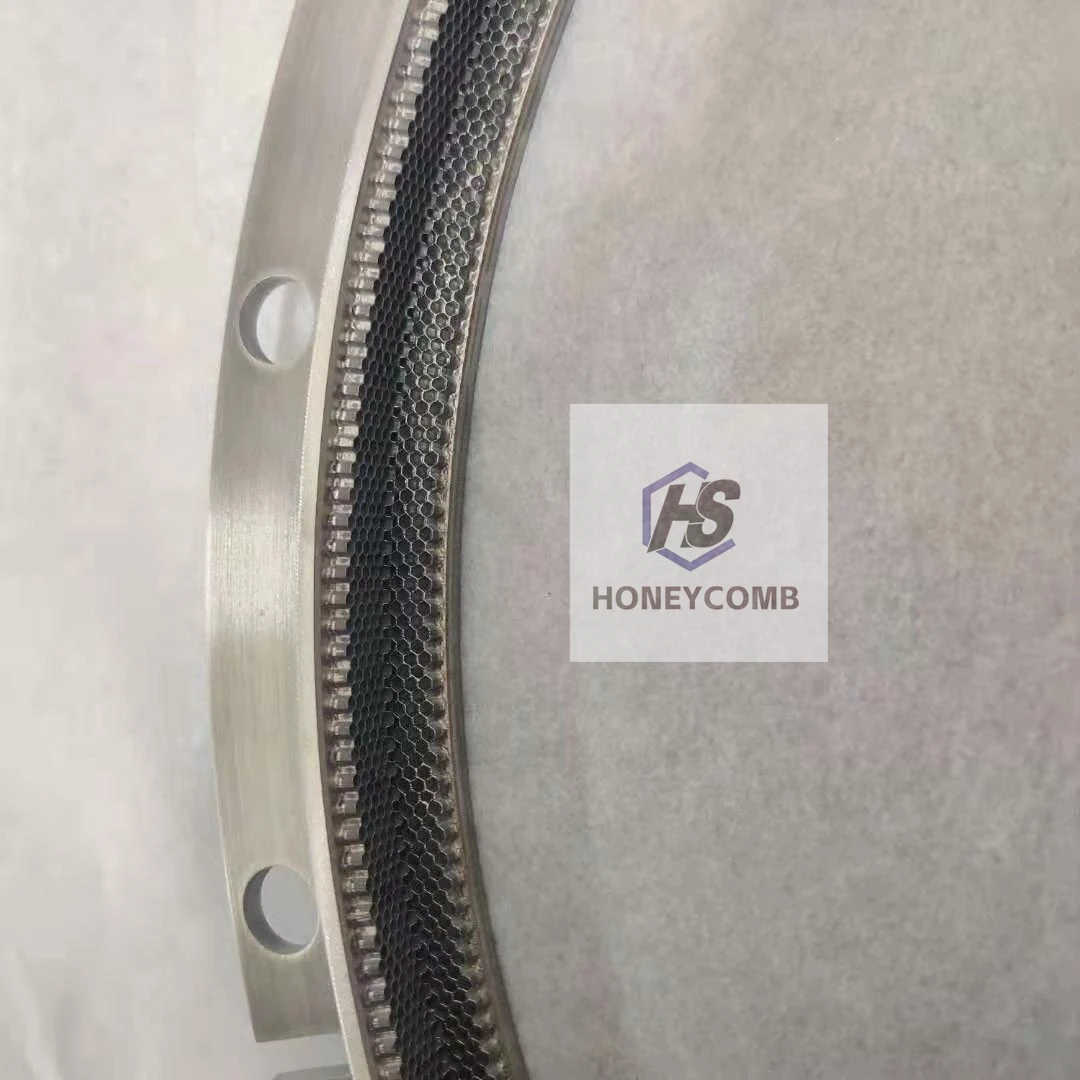
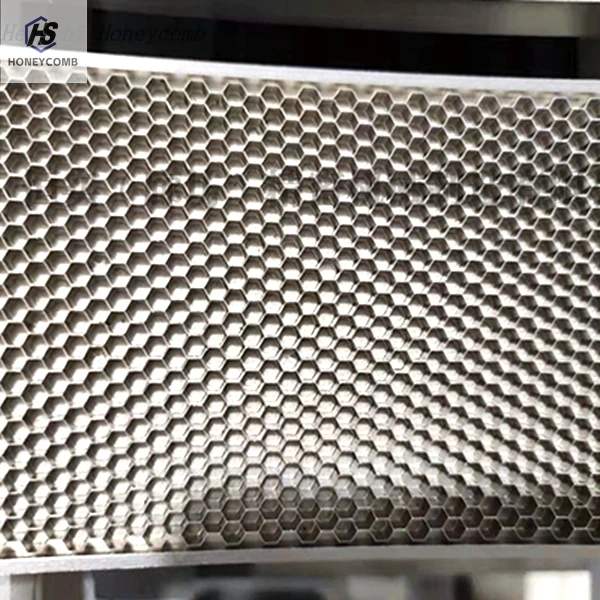
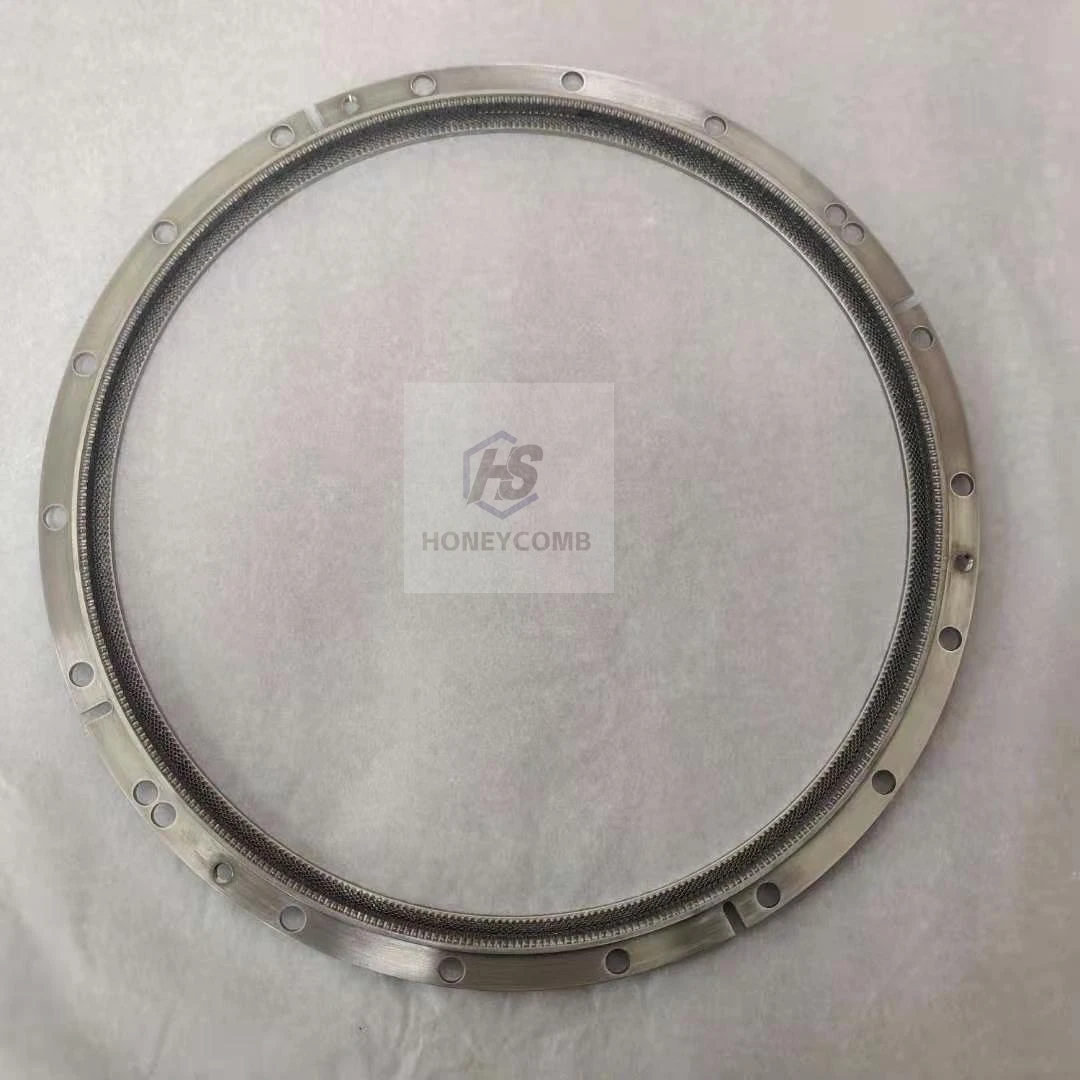
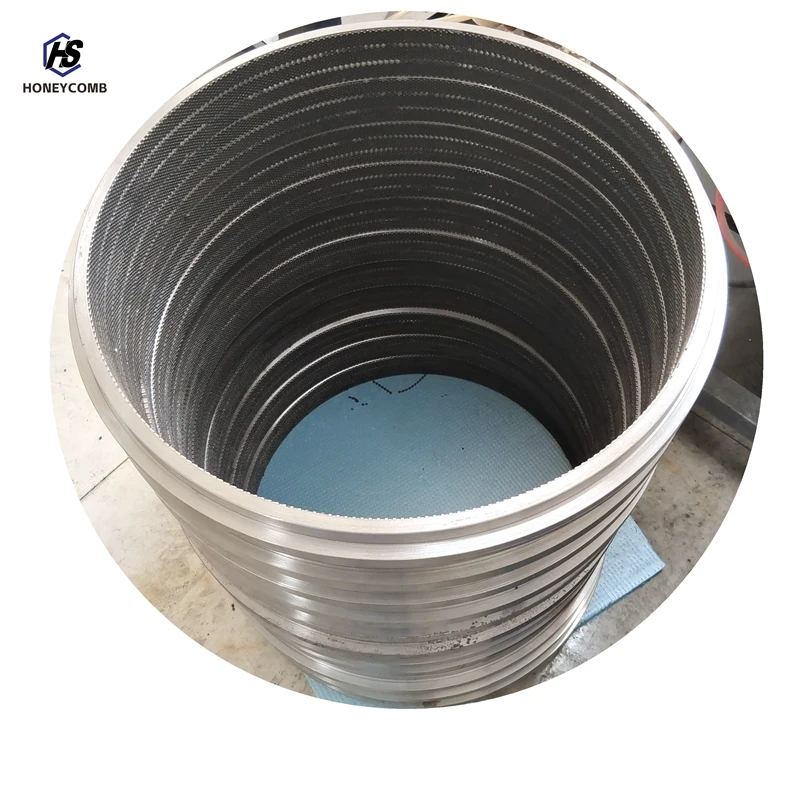
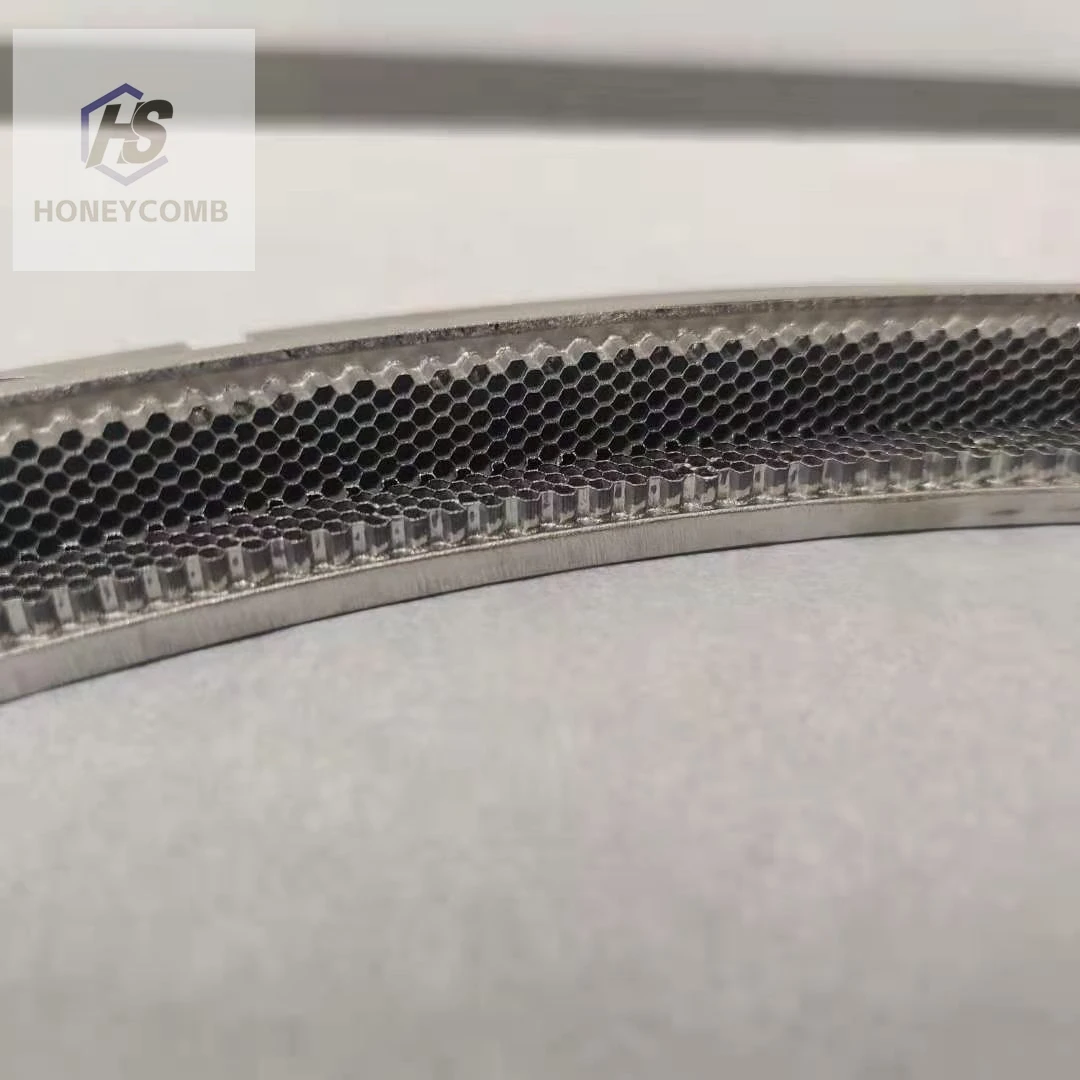
The 0.8mm Honeycomb Seal represents a pinnacle in precision sealing technology, engineered to minimize leakage paths in turbomachinery and other high-performance rotating equipment. Its design centers around a robust yet flexible metallic honeycomb matrix, characterized by an exquisitely fine cell structure with a nominal wall thickness of 0.8mm for its individual cell walls.
Structural Design and Material Composition
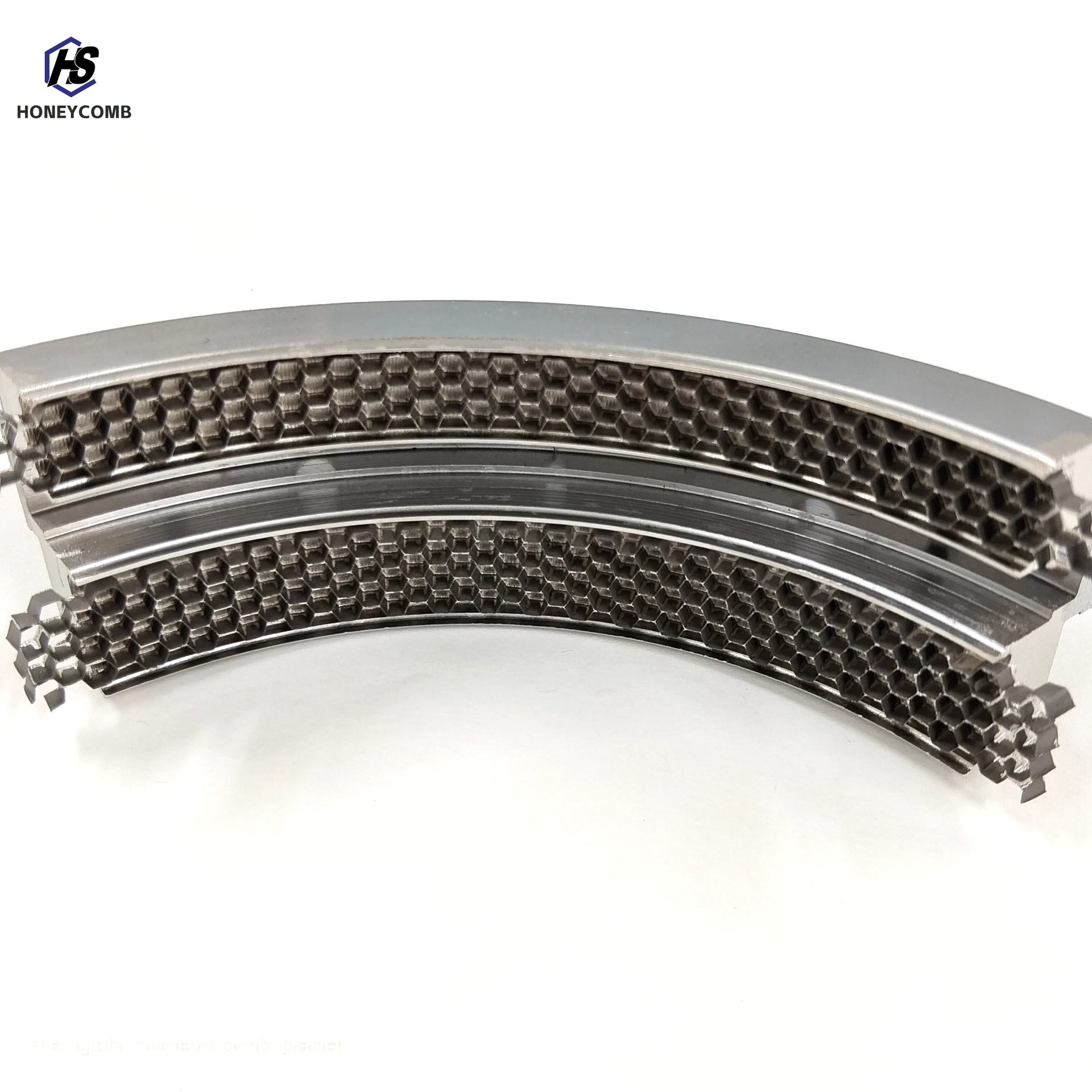
The core of the 0.8mm Honeycomb Seal is its cellular geometry, typically hexagonal or square, which provides a high surface area to volume ratio, contributing to its exceptional sealing efficiency. This geometry creates a series of small, interconnected labyrinthine passages that significantly impede fluid or gas flow. The "0.8mm" refers to a critical parameter of the honeycomb structure, often indicating the thickness of the foil material used to form the cells, or a specific dimension related to the cell size that influences its sealing characteristics and rigidity.
Materials selection is crucial and is driven by the severe operating conditions these seals face. Common materials include:
- Inconel 625/718: Nickel-chromium alloys offering excellent high-temperature strength, oxidation, and corrosion resistance, ideal for aerospace and power generation applications.
- Hastelloy X/C-276: Nickel-molybdenum-chromium superalloys renowned for exceptional resistance to aggressive chemical environments, vital in petrochemical and chemical processing.
- Stainless Steel (e.g., 316L, 321): Provides good corrosion resistance and mechanical properties at moderate temperatures, suitable for general industrial use.
- Custom Alloys: Tailored alloys for specific thermal expansion, wear, or chemical resistance requirements.
Key Technical Parameters
Understanding the precise technical parameters is essential for selecting and integrating the 0.8mm Honeycomb Seal into high-performance systems:
| Parameter | Specification / Range | Description |
|---|---|---|
| Nominal Cell Wall Thickness | 0.8 mm (0.0315 inches) | Critical dimension impacting structural integrity and labyrinth effect. |
| Material Options | Inconel 625/718, Hastelloy X/C-276, SS 316L, etc. | Selected based on temperature, pressure, and chemical compatibility. |
| Operating Temperature Range | -200°C to +1100°C (Material Dependent) | Handles extreme cryogenic to high-heat applications. |
| Operating Pressure Range | Up to 300 bar (4350 psi) | Suitable for high-pressure differentials. |
| Max Peripheral Speed | Up to 400 m/s | Ideal for high-speed rotating shafts. |
| Leakage Rate Reduction | Up to 80% compared to smooth labyrinth seals | Significantly improves system efficiency and reduces media loss. |
| Vibration Dampening | Excellent | Mitigates harmful vibrations, extending bearing and shaft life. |
| Standard Compliance | ISO 9001, ASTM (Material Specific), API (Application Specific) | Ensures quality and performance adherence to industry benchmarks. |
The precise manufacturing tolerance, typically within ±0.05 mm, ensures that the designed clearance and labyrinth effect are consistently achieved, contributing directly to the seal's high efficiency and predictable performance characteristics. The stiffness and resilience of the honeycomb structure also contribute to its longevity, allowing it to maintain its form and sealing capabilities over extended periods of operation.
Manufacturing Process Flow for 0.8mm Honeycomb Seal
The production of a 0.8mm Honeycomb Seal is a highly specialized process that demands extreme precision and control, combining advanced metallurgical techniques with state-of-the-art fabrication technologies. Adherence to international testing standards like ISO and ANSI is paramount at every stage to ensure product integrity and performance.
Schematic Steps of Production:
Step 1: Material Selection & Preparation
Materials: High-performance superalloys (e.g., Inconel 718, Hastelloy X) or stainless steels are chosen based on application requirements (temperature, corrosion, pressure). Materials undergo stringent incoming inspection to ASTM standards for chemical composition and mechanical properties.
Preparation: Raw material (thin foil or sheet) is cleaned, degreased, and precisely cut into specific dimensions for the honeycomb structure fabrication. Surface finish is critical for subsequent bonding processes.
Step 2: Precision Foil Forming
Process: The pre-cut metallic foils are precisely formed into a corrugated or undulating pattern. This step often involves advanced cold rolling or stamping techniques to achieve the intricate cellular geometry with the target 0.8mm wall thickness and specified cell size.
Quality Control: Optical inspection and profilometry are used to verify cell dimensions and surface uniformity, adhering to tight tolerances (e.g., ±0.02mm for cell pitch).
Step 3: Assembly & Brazing/Welding
Assembly: Multiple layers of formed foil are stacked and aligned to create the full honeycomb structure. This can involve intricate manual assembly or automated robotic placement for complex geometries.
Joining: The layers are then joined via vacuum brazing or laser welding. Brazing uses a filler metal that melts at a lower temperature than the base material, creating strong metallurgical bonds. Laser welding offers precise, low-heat input joints. This process is critical for structural integrity and heat resistance.
Step 4: CNC Machining & Shaping
Process: The brazed honeycomb structure is then precisely machined using advanced CNC (Computer Numerical Control) equipment. This stage shapes the seal to its final dimensional specifications, including outer diameter, inner diameter, height, and specific attachment features.
Advantage: CNC machining ensures extremely tight tolerances, often to sub-micron levels, which is crucial for achieving the desired sealing clearance and performance in critical turbomachinery. This also allows for customization to specific rotor or stator geometries.
Step 5: Heat Treatment & Surface Treatment
Heat Treatment: Depending on the alloy, heat treatment (e.g., solution annealing, age hardening) may be applied to optimize mechanical properties, stress relief, and microstructure. This enhances the seal's long-term durability and resistance to creep at high temperatures.
Surface Treatment: Coatings (e.g., abradable coatings for initial run-in, anti-corrosion layers) may be applied. Surface finishing processes ensure optimal contact interfaces and corrosion resistance, extending the service life.
Step 6: Final Inspection & Testing
Quality Control: Each 0.8mm Honeycomb Seal undergoes rigorous final inspection, including CMM (Coordinate Measuring Machine) dimensional checks, visual inspection for defects, and non-destructive testing (NDT) such as eddy current or ultrasonic testing for internal integrity.
Performance Testing: Batches may undergo leakage rate testing, pressure resistance tests, and sometimes simulated operational environment tests (e.g., thermal cycling) to validate performance against design specifications and industry standards like ISO 15848-1 for fugitive emissions.
This meticulous process ensures that each 0.8mm Honeycomb Seal meets the stringent requirements for high-performance applications, offering superior sealing, enhanced energy saving capabilities, and exceptional corrosion resistance for an extended service life in target industries such as petrochemical, metallurgy, and water supply & drainage.
Application Scenarios and Target Industries
The versatility and robust performance of the 0.8mm Honeycomb Seal enable its deployment across a broad spectrum of demanding industrial environments. Its ability to maintain sealing integrity under extreme conditions makes it a preferred choice for critical rotating and static equipment.
Key Industries and Specific Applications:
- Aerospace and Aviation:
Used extensively in gas turbine engines, auxiliary power units (APUs), and jet engine compressors and turbines. Here, 0.8mm Honeycomb Seals prevent hot gas leakage, improve engine efficiency, reduce fuel consumption, and enhance thrust. Their high-temperature stability and lightweight design are critical advantages.
- Power Generation:
Found in industrial gas turbines, steam turbines, and large compressors for both conventional and renewable energy plants. They ensure efficient containment of working fluids at high temperatures and pressures, directly contributing to energy saving and reducing system downtime by preventing premature wear on bearings and other components.
- Oil & Gas (Petrochemical):
Critical for centrifugal compressors, expanders, and pumps in refineries, LNG plants, and offshore platforms. The seals handle aggressive hydrocarbons, corrosive gases, and extreme pressures. Their superior corrosion resistance and minimal leakage are vital for safety, environmental protection, and sustained operational uptime.
- Metallurgy & Heavy Industry:
Applied in high-temperature furnaces, exhaust systems, and specialized processing equipment where hot gases or abrasive particles are present. The robust design and thermal stability of the 0.8mm Honeycomb Seal resist thermal shock and wear in these harsh conditions.
- Water Supply & Drainage / HVAC:
While less common than in high-temperature applications, specific variants can be used in large industrial pumps or ventilation systems requiring long-life, maintenance-free sealing in moderately corrosive or abrasive liquid environments. The focus here is on extended service life and reliability.
- Chemical Processing:
Used in reactors, agitators, and specialized pumps handling corrosive chemicals. The choice of resistant alloys (e.g., Hastelloy) ensures the seal’s integrity against aggressive media, preventing costly leaks and enhancing safety protocols.
In all these scenarios, the key advantages demonstrated by the 0.8mm Honeycomb Seal include significant energy saving through reduced leakage, exceptional corrosion resistance in challenging chemical environments, and substantially extended service life compared to traditional sealing methods. These benefits translate directly into lower operational costs, reduced environmental impact, and enhanced reliability of the entire system.
Technical Advantages and Performance Benefits
The adoption of a 0.8mm Honeycomb Seal provides a multitude of technical advantages that directly translate into significant operational and economic benefits for industrial stakeholders. These advantages stem from its innovative design and superior material science.
Superior Sealing Efficiency and Leakage Reduction:
The intricate labyrinth formed by the honeycomb structure creates a tortuous path for fluid or gas flow. This design dramatically reduces leakage rates compared to traditional smooth labyrinth seals or brush seals, often by 50-80%. This reduction is critical for:
- Energy Saving: Minimizing gas or fluid loss in compressors, turbines, and pumps directly reduces the energy required to maintain system pressure or flow, leading to substantial operational cost savings.
- Enhanced Performance: Improved sealing efficiency allows turbomachinery to operate closer to its design point, maximizing power output and overall thermodynamic efficiency.
- Environmental Compliance: Reduced leakage of process gases, especially in the petrochemical industry, helps meet stringent environmental regulations regarding fugitive emissions.
Thermal Stability and High-Temperature Resistance:
Constructed from high-temperature superalloys, the 0.8mm Honeycomb Seal can operate effectively in environments exceeding 1000°C. This inherent thermal stability ensures:
- Structural Integrity: Maintains mechanical properties and sealing geometry even under extreme thermal cycling and prolonged exposure to high heat.
- Oxidation Resistance: The selected alloys exhibit excellent resistance to oxidation at high temperatures, preventing material degradation and ensuring long service life.
Corrosion and Chemical Resistance:
Depending on the chosen material, the 0.8mm Honeycomb Seal offers exceptional resistance to a wide range of corrosive media, including acids, bases, and aggressive industrial chemicals. This is particularly valuable in the chemical processing and oil & gas sectors, where seals are constantly exposed to harsh substances.
Durability and Extended Service Life:
The robust metallic construction and non-contact (or minimal-contact) nature of the honeycomb seal design significantly reduce wear and tear. This leads to:
- Reduced Maintenance: Less frequent seal replacement and overhaul, translating to lower operational costs and increased uptime.
- High Reliability: Consistent performance over thousands of operational hours, enhancing the overall reliability of the machinery.
Vibration Dampening and Rotor Dynamic Stability:
The labyrinth effect created by the honeycomb structure can interact beneficially with the rotor dynamics. The local fluid pressure variations within the cells can provide a degree of damping, contributing to improved rotor stability and potentially reducing wear on bearings.
In essence, the 0.8mm Honeycomb Seal is not merely a component but a strategic investment that yields tangible benefits in terms of efficiency, longevity, and reduced operational risk across high-performance industrial applications. Its advanced engineering ensures superior performance where reliability cannot be compromised.
Vendor Comparison and Selection Criteria
Choosing the right vendor for a critical component like the 0.8mm Honeycomb Seal is paramount to ensuring optimal system performance and longevity. The market offers various manufacturers, but not all possess the specialized expertise and capabilities required for such precision engineering. Prospective buyers should evaluate vendors based on several key criteria:
Key Vendor Selection Criteria:
- Manufacturing Capabilities and Precision: A leading vendor must demonstrate advanced fabrication techniques, including precision laser cutting, vacuum brazing, and multi-axis CNC machining, capable of achieving the necessary 0.8mm foil thickness and intricate cell geometries with tight tolerances (e.g., ±0.05mm).
- Material Expertise: Profound knowledge in high-performance alloys (Inconel, Hastelloy, specialized stainless steels) and the ability to recommend the optimal material for specific operating temperatures, pressures, and corrosive environments.
- Research & Development (R&D) Investment: Vendors who invest heavily in R&D are more likely to offer cutting-edge designs, superior performance, and innovative solutions for emerging challenges. This indicates a commitment to long-term product evolution.
- Quality Control & Certifications: Adherence to international quality management systems (e.g., ISO 9001:2015, AS9100 for aerospace) and rigorous in-house testing protocols (dimensional accuracy, material composition, leakage rates). Look for vendors providing comprehensive test reports and traceability.
- Customization & Engineering Support: The ability to provide tailored solutions for unique applications, including custom geometries, specialized materials, and integration support. This requires a strong team of experienced engineers who can collaborate with clients from design to implementation.
- Industry Experience & Reputation: A proven track record with reputable clients in target industries (aerospace, power generation, oil & gas) demonstrates reliability and trustworthiness. Testimonials and case studies are valuable indicators.
- Lead Time & Supply Chain Reliability: Efficient production processes and a robust supply chain are crucial for timely delivery, especially for critical spare parts or new project builds.
- After-Sales Support & Warranty: Comprehensive warranty policies, technical support, and responsive customer service for troubleshooting or future modifications.
Comparison with Alternative Sealing Technologies:
To highlight the distinct advantages of the 0.8mm Honeycomb Seal, a comparison with traditional sealing methods is illustrative:
| Feature | 0.8mm Honeycomb Seal | Traditional Labyrinth Seal (Smooth) | Brush Seal |
|---|---|---|---|
| Leakage Rate | Very Low (50-80% better than smooth labyrinth) | Moderate to High | Low, but degrades with wear |
| Operating Temperature | Up to 1100°C (material dependent) | Up to 600°C (material dependent) | Up to 650°C (bristle material limited) |
| Wear & Friction | Minimal (non-contact/minor rub) | Minimal (non-contact) | Moderate (contact-based, degrades over time) |
| Corrosion Resistance | Excellent (alloy dependent) | Good (alloy dependent) | Fair to Good (bristle material limited) |
| Service Life | Very Long | Long | Moderate (limited by bristle wear) |
| Cost (Relative) | High (initial) / Low (lifecycle) | Moderate / Moderate | Moderate / Moderate to High (due to replacement) |
By carefully evaluating these criteria, clients can confidently partner with a vendor that not only supplies a high-quality 0.8mm Honeycomb Seal but also provides the necessary support and expertise for successful integration and long-term performance.
Customized Solutions and Engineering Support
The unique demands of modern industrial applications often necessitate sealing solutions that go beyond standard off-the-shelf products. Recognizing this, leading manufacturers of 0.8mm Honeycomb Seals offer comprehensive customized solutions and robust engineering support to ensure optimal integration and performance tailored to specific operational requirements.
Tailored Design and Material Selection:
Customization for a 0.8mm Honeycomb Seal can involve:
- Geometry Adaptation: Adjusting the seal's inner/outer diameter, axial length, cell size, and cell orientation to precisely match existing housing or rotor dimensions. This is crucial for optimizing clearance and minimizing rework.
- Material Optimization: Selecting specific superalloys (e.g., varying grades of Inconel or Hastelloy) or custom-developed alloys to resist particular chemical environments, withstand higher temperatures, or offer enhanced wear resistance. For instance, seals for rocket engine turbopumps might require unique material compositions to handle cryogenic propellants and extremely hot exhaust gases simultaneously.
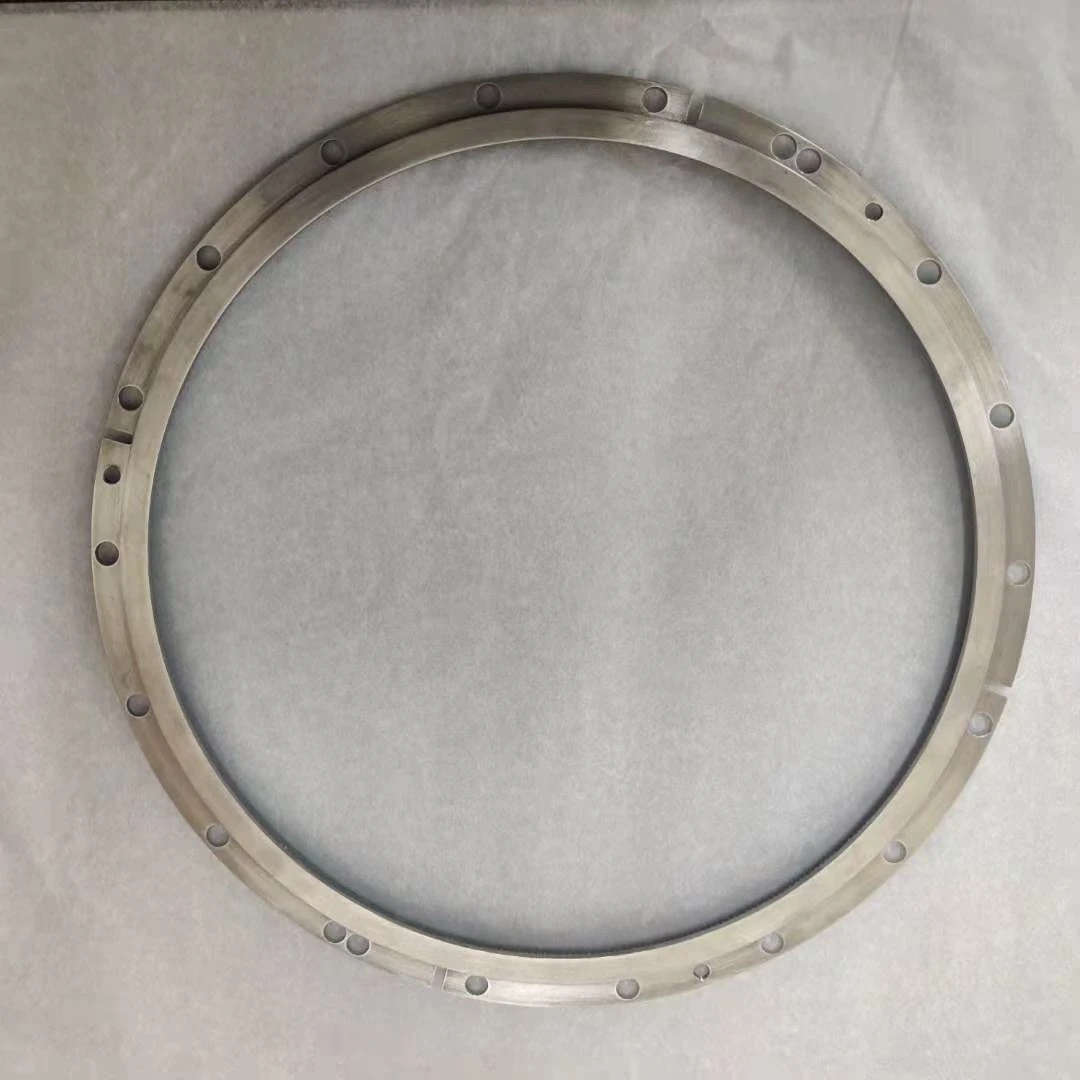
- Attachment Features: Designing integral mounting flanges, dovetail slots, or specific welding preparations to ensure seamless integration with the host machinery without requiring complex modifications to the existing equipment.
- Performance Tuning: Engineering the honeycomb geometry to achieve specific leakage reduction targets, or to optimize for rotor dynamic stability in high-speed applications.
Collaborative Engineering and Prototyping:
A key aspect of customized solutions is the collaborative approach between the client's engineering team and the seal manufacturer's specialists. This process typically includes:
- Design Consultation: In-depth discussions to understand the application's unique constraints, performance goals, and operational envelope. This includes CFD (Computational Fluid Dynamics) and FEA (Finite Element Analysis) simulations to predict seal performance and structural integrity under various load conditions.
- Prototyping: Development and testing of initial prototypes to validate design concepts and material choices. Rapid prototyping techniques may be employed to accelerate the iteration process.
- Validation Testing: Conducting rigorous bench testing or full-scale rig testing to verify the customized seal's performance against specified parameters (e.g., leakage rate, pressure drop, temperature cycling resistance).
This level of engineering support ensures that the customized 0.8mm Honeycomb Seal is not just a component, but a perfectly integrated solution optimized for maximum efficiency, reliability, and service life within its specific application context.
Application Case Studies
Real-world implementations demonstrate the transformative impact of the 0.8mm Honeycomb Seal in enhancing operational performance and reliability across diverse industries. These cases highlight its practical advantages in challenging environments.
Case Study 1: High-Performance Gas Turbine for Power Generation
Client: A major international power utility company.
Problem: A legacy gas turbine, operating at high temperatures (circa 800°C) and high rotational speeds, experienced significant inter-stage leakage through its existing smooth labyrinth seals. This led to a measurable reduction in turbine efficiency, increased fuel consumption, and higher greenhouse gas emissions.
Solution: The smooth labyrinth seals were replaced with custom-designed 0.8mm Honeycomb Seals made from Inconel 718. The honeycomb seals were precisely machined to fit the existing stator cavities and designed to operate with a minimal clearance to the rotating shaft.
Results:
- Efficiency Improvement: Leakage rates were reduced by an average of 65%, leading to a 1.2% increase in overall turbine thermal efficiency.
- Energy Saving: This efficiency gain translated to an estimated annual fuel cost saving of over $500,000 for a single turbine unit.
- Emissions Reduction: Correspondingly, CO2 emissions were reduced, helping the utility meet its environmental targets.
- Extended Service Interval: After 20,000 operating hours, the honeycomb seals showed negligible wear, suggesting extended maintenance intervals.
Client Feedback: "The upgrade to 0.8mm Honeycomb Seals was a game-changer. We've seen significant improvements in efficiency and our environmental footprint, alongside a noticeable reduction in maintenance requirements. The seals performed exactly as promised."
Case Study 2: Corrosive Fluid Pump in Chemical Processing
Client: A leading specialty chemicals manufacturer.
Problem: A critical process pump handling highly corrosive chlorinated hydrocarbons at elevated temperatures (150°C) experienced frequent failures of its mechanical seals, leading to costly downtime, hazardous leaks, and high replacement expenses (every 6-9 months).
Solution: A bespoke 0.8mm Honeycomb Seal manufactured from Hastelloy C-276 was designed and integrated into the pump system. The material choice provided superior chemical resistance, while the non-contact design eliminated the primary wear mechanism of the previous mechanical seals.
Results:
- Eliminated Leakage: The honeycomb seal effectively contained the corrosive fluid, eradicating hazardous leaks.
- Reduced Downtime: Pump uptime increased dramatically, with no seal-related failures reported after 3 years of continuous operation.
- Cost Savings: Annual maintenance and replacement costs associated with seals were reduced by over 90%.
- Safety Improvement: The elimination of leaks significantly enhanced workplace safety and reduced environmental compliance risks.
Client Feedback: "The Hastelloy 0.8mm Honeycomb Seal has proven to be an incredibly robust solution. It not only solved our persistent leakage problems but also dramatically improved the safety and reliability of our process, far exceeding our expectations for service life in such a corrosive environment."
Trustworthiness: FAQ, Lead Time, Warranty & Support
Frequently Asked Questions (FAQ) about 0.8mm Honeycomb Seals:
Q1: What is the typical service life of a 0.8mm Honeycomb Seal?
A1: Given proper material selection and operating within design parameters, a 0.8mm Honeycomb Seal can achieve a service life of 5 to 10 years, often exceeding the lifetime of the equipment's major overhaul cycle. This is significantly longer than many traditional seal types due to its non-contact nature and robust construction.
Q2: Can these seals be used in abrasive environments?
A2: Yes, honeycomb seals are generally resilient to abrasive particles due to the minimal contact between the seal and the rotor. The honeycomb cells can even trap some particles, preventing them from causing further damage. For highly abrasive conditions, specialized hard-facing coatings can be applied to further enhance durability.
Q3: How does the 0.8mm wall thickness impact performance?
A3: The 0.8mm cell wall thickness is a critical design parameter that balances structural rigidity with thermal compliance and sealing efficiency. It provides sufficient strength for the honeycomb matrix while allowing for precise control of the labyrinth path, optimizing pressure drop and leakage reduction. Thinner walls might offer slightly better sealing but could compromise structural integrity, while thicker walls could increase stiffness and decrease sealing efficiency.
Q4: Are these seals reusable after equipment overhaul?
A4: In many cases, yes. If the 0.8mm Honeycomb Seal shows no signs of significant wear, deformation, or corrosion during inspection, it can often be refurbished and reused. This offers additional cost savings over the equipment's lifespan. Comprehensive inspection by a qualified technician is always recommended.
Lead Time & Fulfillment Details:
Standard lead times for custom-engineered 0.8mm Honeycomb Seal solutions typically range from 8 to 16 weeks, depending on the complexity of the design, material availability, and current production load. For urgent requirements or standard configurations, expedited options may be available. Clients receive transparent updates throughout the manufacturing process, from raw material procurement to final shipping. We partner with reputable logistics providers to ensure timely and secure global delivery.
Warranty Commitments:
All our 0.8mm Honeycomb Seals are backed by a comprehensive 12-month warranty against manufacturing defects from the date of installation or 18 months from shipment, whichever comes first. This warranty covers material and workmanship. Our commitment is to deliver products of the highest quality and performance, ensuring peace of mind for our clients. Full warranty details are provided with each order.
Customer Support Information:
Our dedicated technical support team is available to assist with any queries, from initial design consultation and material selection to installation guidance and troubleshooting. We offer:
- 24/7 Online Support Portal: For submitting inquiries and accessing technical documentation.
- Direct Engineering Support: Access to our experienced engineers for complex technical challenges.
- On-Site Technical Assistance: Available for critical installations or performance evaluations by arrangement.
We are committed to building long-term partnerships through exceptional product quality and unparalleled customer service.
Conclusion
The 0.8mm Honeycomb Seal stands as a testament to advanced engineering and material science, offering a robust and highly efficient solution for the most demanding industrial sealing applications. Its unique design, precision manufacturing, and ability to thrive in extreme conditions — from high temperatures and pressures to corrosive environments — provide unparalleled performance benefits. By significantly reducing leakage, extending service life, and enhancing overall system reliability, these seals are crucial for achieving higher energy efficiency, minimizing environmental impact, and reducing operational costs across sectors like aerospace, power generation, and petrochemicals. The commitment to customization and comprehensive engineering support further ensures that these advanced seals can be perfectly integrated to meet the unique challenges of any complex system, solidifying their position as an indispensable component in the pursuit of optimized industrial performance.
References
- Fluid Power Journal. "The Evolution of Industrial Sealing Technology." www.fluidpowerjournal.com
- Turbomachinery International Magazine. "Advances in Gas Turbine Sealing Technology for Enhanced Efficiency." www.turbomachinerymag.com
- Journal of Engineering for Gas Turbines and Power (ASME). "Performance Analysis of Honeycomb Seals in High-Speed Turbomachinery." asmedigitalcollection.asme.org
- Materials Science and Engineering: A. "Superalloys for High-Temperature Applications in Aerospace and Power Generation." www.sciencedirect.com
- Global Market Insights. "Industrial Seals Market Size, Share, Trends & Forecast." www.gminsights.com

-
Industrial Airflow Guide for maf воздушная правильная машинаNewsApr.16,2026
-
Best maf струйно правильная машина for Industrial EfficiencyNewsApr.09,2026
-
Сотовая правильная машина A Comprehensive Guide to Honey Packing AutomationNewsApr.07,2026
-
Build Your Own DIY газоправильная Машина A Comprehensive Guide to Gas CorrectionNewsApr.04,2026
-
Understanding Кондиционер отопления Systems for Efficient and Comfortable HeatingNewsMar.31,2026
-
Comprehensive Guide to Cellular Blinds Installation Установка сотовых жалюзиNewsMar.28,2026
-
Mobile Aerodynamic Tunnel Design A Comprehensive Guide to Applications and ImplementationNewsMar.26,2026






 English
  Afrikaans
  Albanian
  Amharic
  Arabic
  Armenian
  Azerbaijani
  Basque
  Belarusian
  Bengali
  Bosnian
  Bulgarian
  Catalan
  Cebuano
  China
China  China (Taiwan)
  Corsican
  Croatian
  Czech
Czech  Danish
  Dutch
Dutch  Esperanto
  Estonian
  Finnish
  French
  Frisian
  Galician
  Georgian
  German
  Greek
Greek  Gujarati
  Haitian Creole
  Hausa
Hausa  Hawaiian
  Hebrew
  Hindi
Hindi  Miao
Miao  Indonesian
  Italian
  Japanese
  Javanese
  Malay
Malay  Persian
  Portuguese
  Punjabi
  Russian
  Spanish
  Swahili
  Telugu
  Vietnamese