


Stål bikakekärna – Durable Steel Honeycomb Core for Industrial Use
The Strength and Versatility of stål bikakekärna in Industrial Applications
Having spent a good number of years knee-deep in the industrial equipment sector, I’ve come to appreciate the quiet strength of materials that often go unnoticed. Stål bikakekärna — or steel honeycomb core — is one such unsung hero. It’s the kind of component that doesn’t get flashy marketing campaigns but quietly supports some of the toughest applications you can imagine.
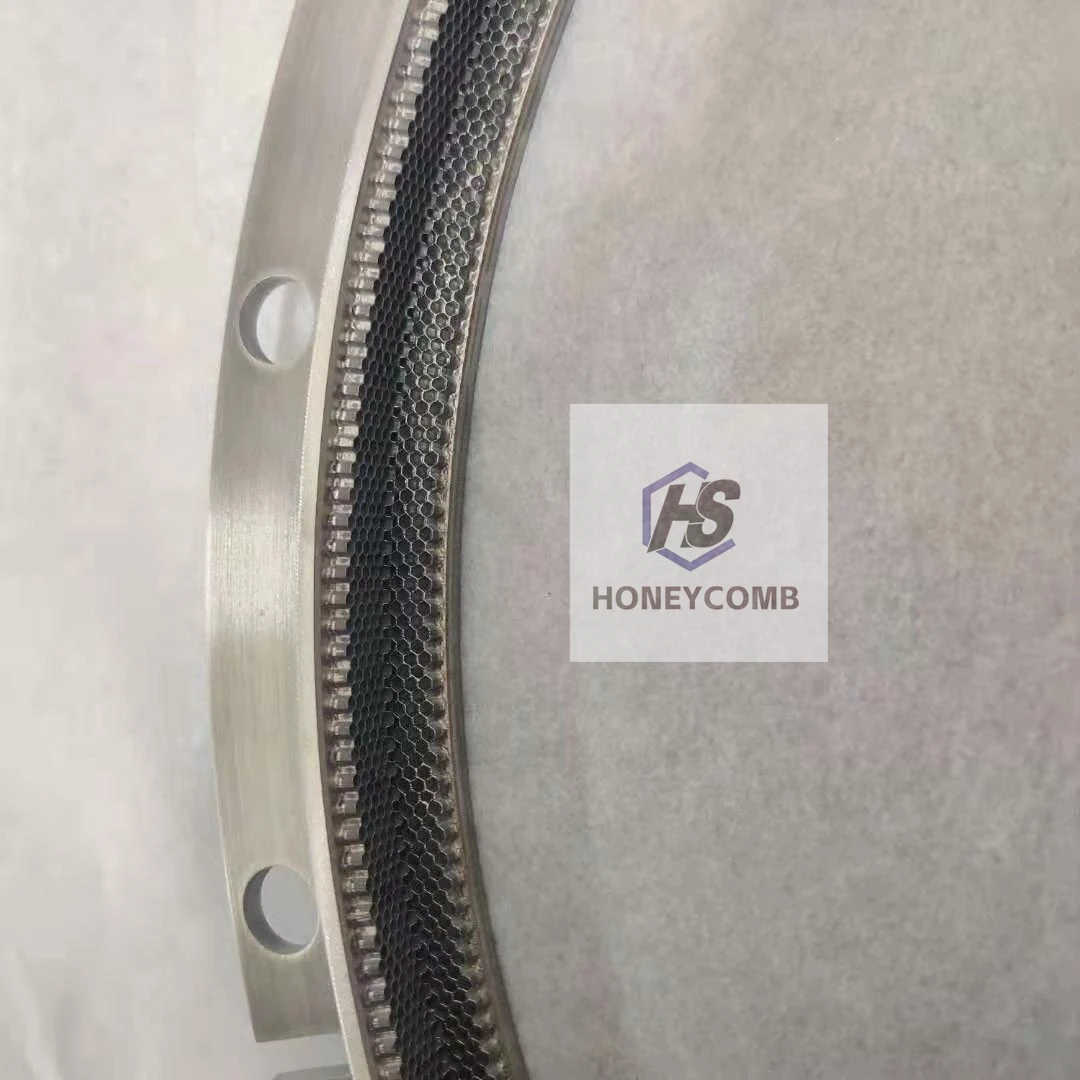
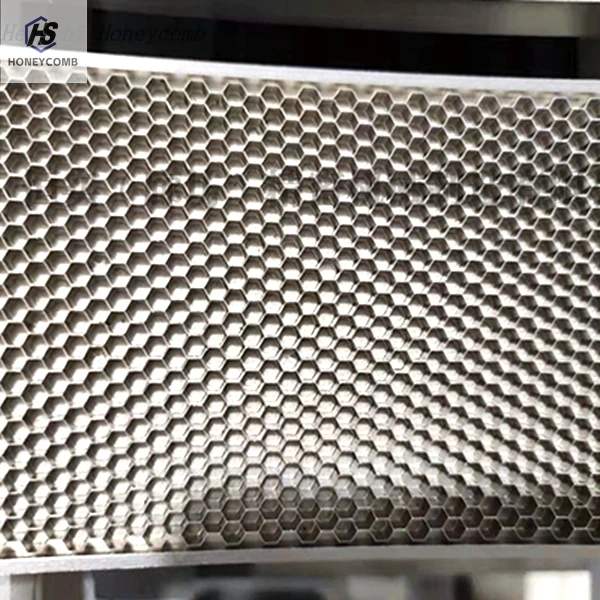
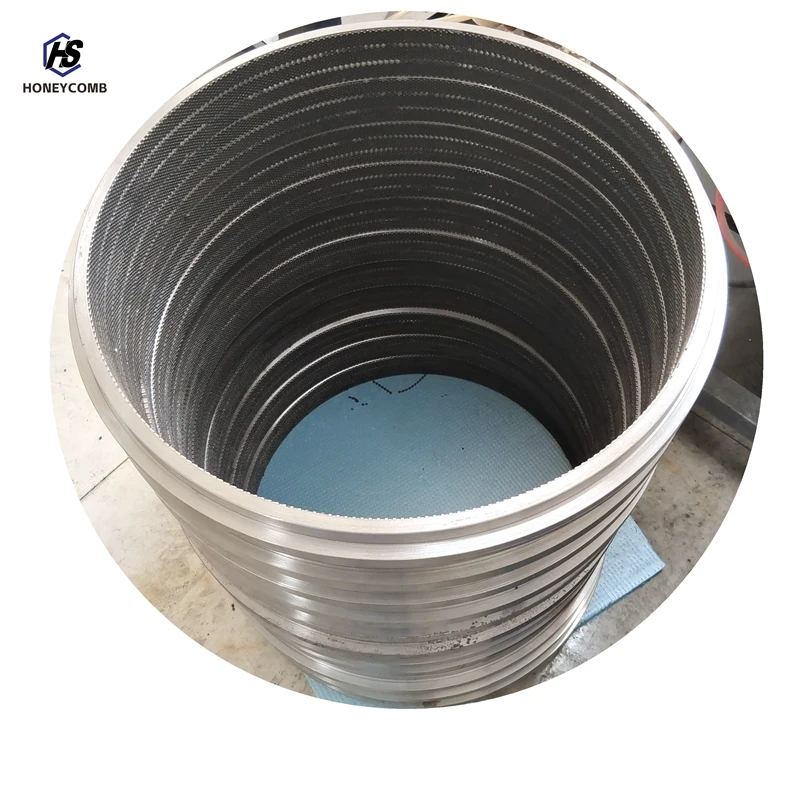
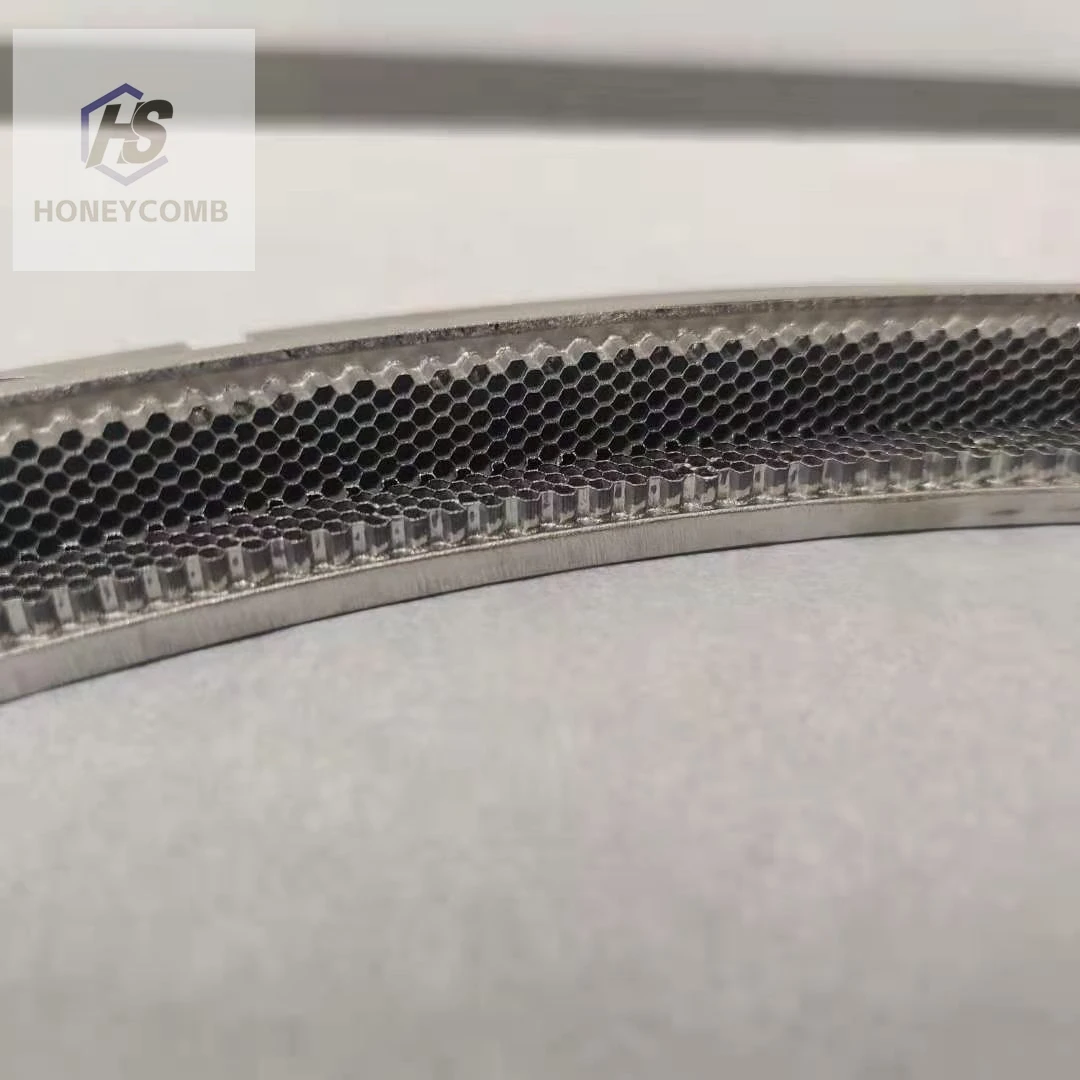
So, what exactly makes stål bikakekärna so special? Well, from my experience, it’s that unique combination of strength, lightness, and versatility. The honeycomb pattern, which frankly looks pretty neat, isn’t just for aesthetics. It’s a design born out of necessity — a way to maximize strength while keeping material usage (and weight) down. This is crucial in fields where both durability and efficiency are king.
I recall working on an industrial ventilation project where the goal was to build a robust yet lightweight structural panel. The team was debating between traditional solid steel plates and a honeycomb core option. The latter, particularly the steel honeycomb core from a trusted supplier, won out due to its exceptional strength-to-weight ratio. It was basically a no-brainer once we saw the specs in real-world tests.
Understanding the Design & Materials
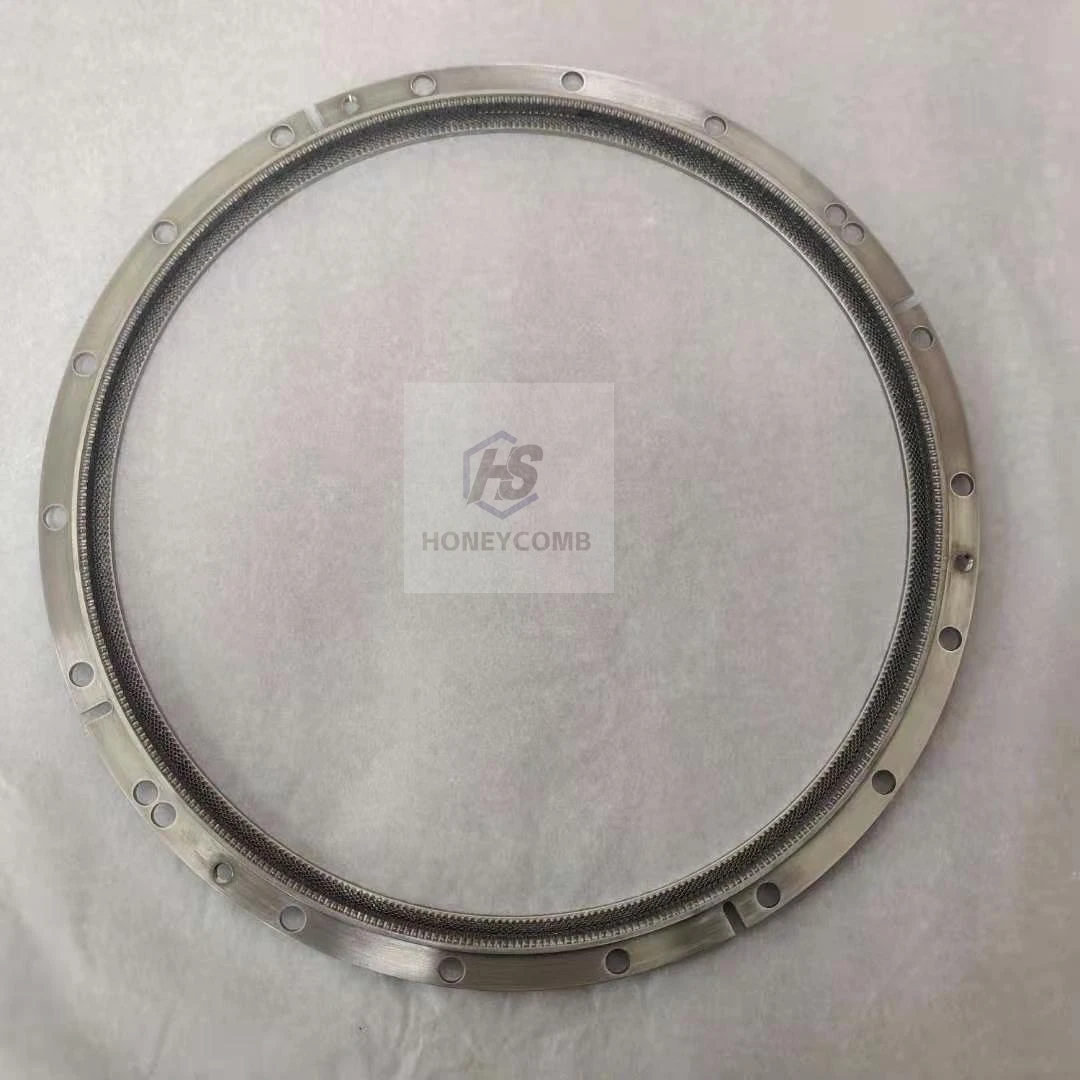
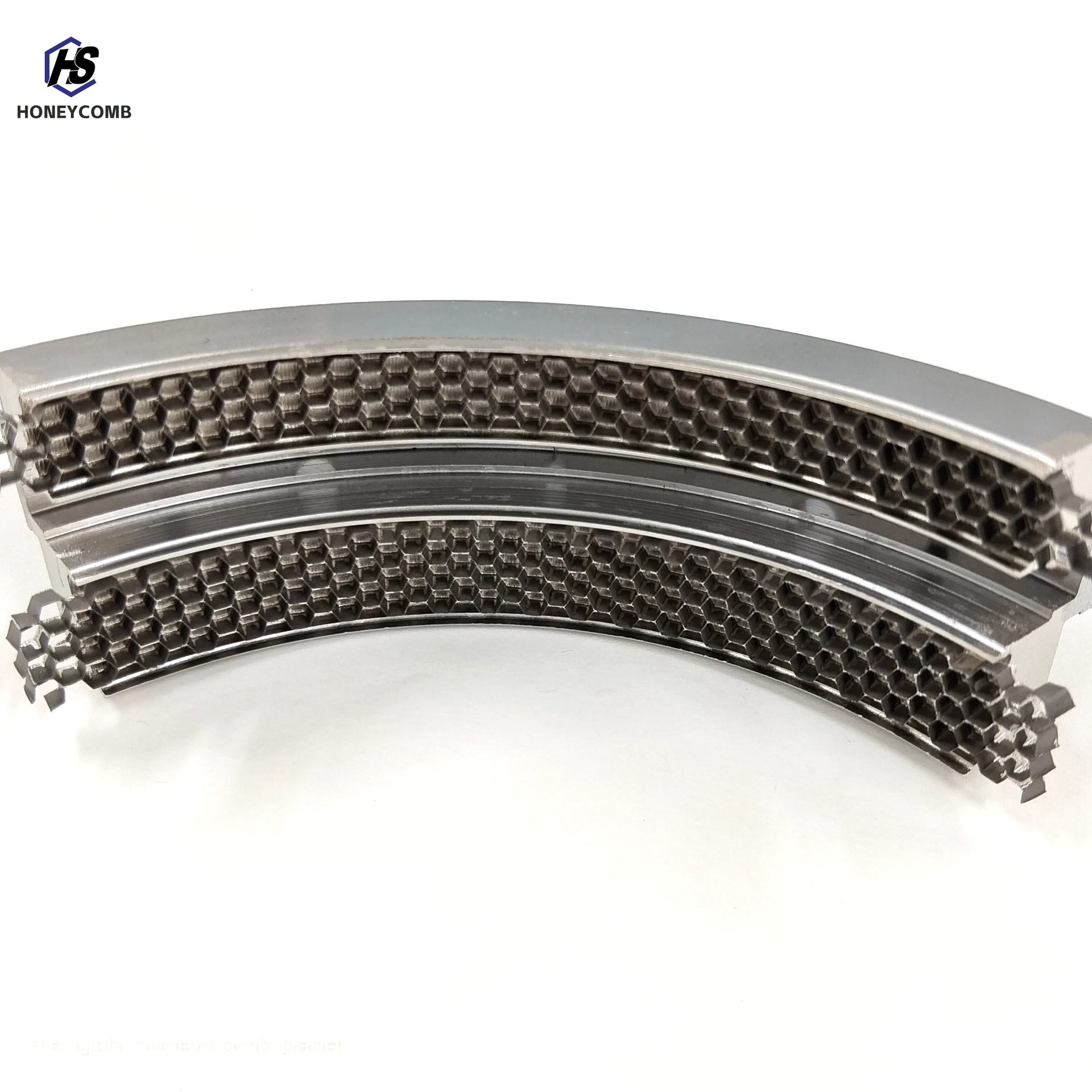
The core of stål bikakekärna consists of steel sheets expanded or stamped into hexagonal cells, mimicking a honeycomb structure found in nature. Oddly enough, this geometric pattern is what gives it such impressive load-bearing capabilities. The steel itself is typically high strength, corrosion-resistant grades — so you get durability without worrying too much about rust or wear over time.
Many engineers mention that the core’s thickness and the cell size can be customized depending on the application, which is a huge plus. From aerospace panels that need to be as lightweight as possible, to heavy industrial machinery guards requiring rigid resistance — it works well across the board. The process usually involves careful testing to balance between rigidity and weight savings.
Typical Specifications of Steel Honeycomb Core
| Specification | Details |
|---|---|
| Material | High-strength stainless steel (e.g., 304, 316 grades) |
| Cell Size | 3 mm to 25 mm (varies by spec) |
| Core Thickness | 10 mm up to 100 mm or more |
| Density | Typically 5-10% of solid steel |
| Thermal Resistance | Up to 600°C, depending on steel type |
Comparing Leading suppliers of Steel Honeycomb Core
Now, as with any industrial component, choosing a supplier is a critical step. I've worked with a few, and here’s a quick comparison I’ve found useful over the years.
| Vendor | Material Quality | Customization | Lead Times | Pricing |
|---|---|---|---|---|
| HSHI Honeycomb | High-grade stainless steel, ISO certified | Wide range, from cell sizes to thickness | Typically 3–5 weeks | Competitive, volume discounts |
| Vendor B | Mid-range steel quality | Limited options | 4–6 weeks | Slightly cheaper but less customizable |
| Vendor C | Premium steel, aerospace grade | Highly customizable | 6–8 weeks | Pricier, boutique supplier |
Real-World Applications & Final Thoughts
In real terms, I've noticed that engineers especially like stål bikakekärna when weight savings without compromising strength is critical. Think transportation frames, robotics, modular construction panels, and even some military-grade protective layers. It’s proof that good design—nature-inspired, no less—combined with quality material selection can really push industry standards forward.
Honestly, it feels like the future of lightweight, durable industrial components has a lot to do with how well we harness honeycomb structures. Choosing the right partner for your steel honeycomb core needs isn’t just about the specs on paper but who can deliver consistent quality and adapt when you need something a bit special.
So, next time you consider materials for your next project, give stål bikakekärna a second look. It might just surprise you — as it has for me over the years.
— Reflections from a seasoned industrial equipment insider
- Honeycomb structures in engineering: An overview, Journal of Materials Engineering, 2020
- Corrosion resistance in stainless steel honeycomb cores, Industrial Metals Journal, 2021
- Customization trends in honeycomb materials, Manufacturing Review, 2022

-
Industrial Airflow Guide for maf воздушная правильная машинаNewsApr.16,2026
-
Best maf струйно правильная машина for Industrial EfficiencyNewsApr.09,2026
-
Сотовая правильная машина A Comprehensive Guide to Honey Packing AutomationNewsApr.07,2026
-
Build Your Own DIY газоправильная Машина A Comprehensive Guide to Gas CorrectionNewsApr.04,2026
-
Understanding Кондиционер отопления Systems for Efficient and Comfortable HeatingNewsMar.31,2026
-
Comprehensive Guide to Cellular Blinds Installation Установка сотовых жалюзиNewsMar.28,2026
-
Mobile Aerodynamic Tunnel Design A Comprehensive Guide to Applications and ImplementationNewsMar.26,2026






 English
  Afrikaans
  Albanian
  Amharic
  Arabic
  Armenian
  Azerbaijani
  Basque
  Belarusian
  Bengali
  Bosnian
  Bulgarian
  Catalan
  Cebuano
  China
China  China (Taiwan)
  Corsican
  Croatian
  Czech
Czech  Danish
  Dutch
Dutch  Esperanto
  Estonian
  Finnish
  French
  Frisian
  Galician
  Georgian
  German
  Greek
Greek  Gujarati
  Haitian Creole
  Hausa
Hausa  Hawaiian
  Hebrew
  Hindi
Hindi  Miao
Miao  Indonesian
  Italian
  Japanese
  Javanese
  Malay
Malay  Persian
  Portuguese
  Punjabi
  Russian
  Spanish
  Swahili
  Telugu
  Vietnamese