


Stålbikaka: The Future of Steel Honeycomb Structures for Sustainable Engineering
Understanding Stålbikaka: A Global Perspective on Steel Honeycomb Structures
If you’re diving into the world of lightweight yet incredibly strong materials used in construction, aerospace, or shipping, you might have come across the term stålbikaka. It’s a Swedish word that literally translates to ‘steel honeycomb’ and refers to a special type of core structure made from steel, designed like a honeycomb pattern. Now, why does this matter? Well, the stålbikaka principle is revolutionizing how industries build stiff, lightweight panels that save fuel, reduce costs, and last longer under stress. From spacecraft to shipping containers, understanding this technology means understanding a quiet but essential revolution in material science.
Before you think this is just another “technical term,” consider this: according to the International Organization for Standardization (ISO), global steel production hit 1.9 billion tonnes in 2022, with an increasing share dedicated to advanced structural materials like honeycomb cores to meet eco-efficiency goals. So yes, what might start as a small design change ripples out to affect carbon footprints worldwide.
Mini takeaway: Stålbikaka is not just a neat engineering trick — it’s a cornerstone in the global push for durable, lightweight, and sustainable structures across multiple industries.What Exactly Is Stålbikaka?
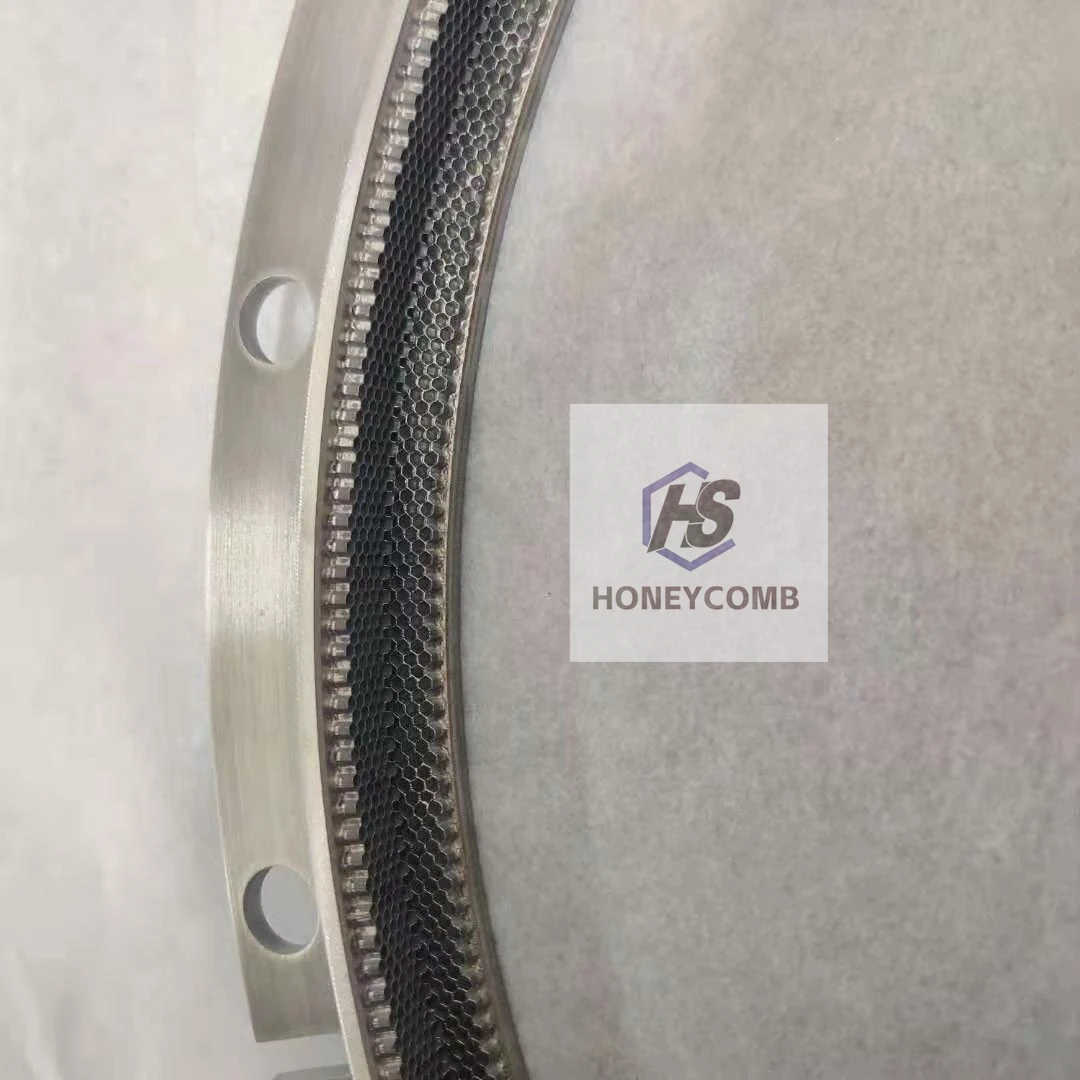
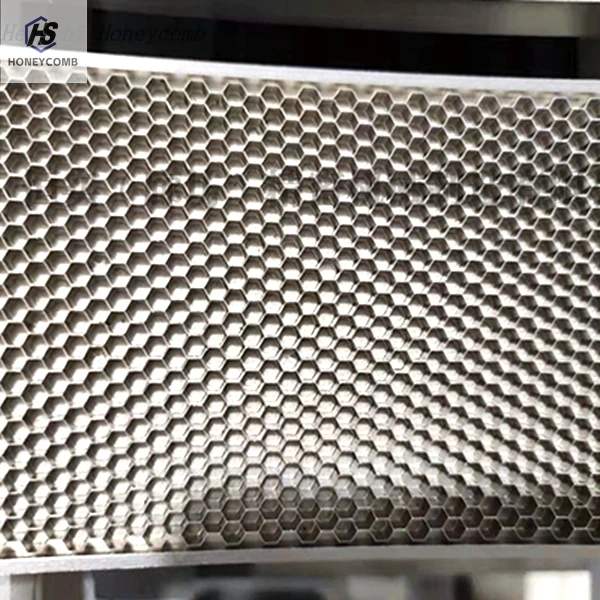
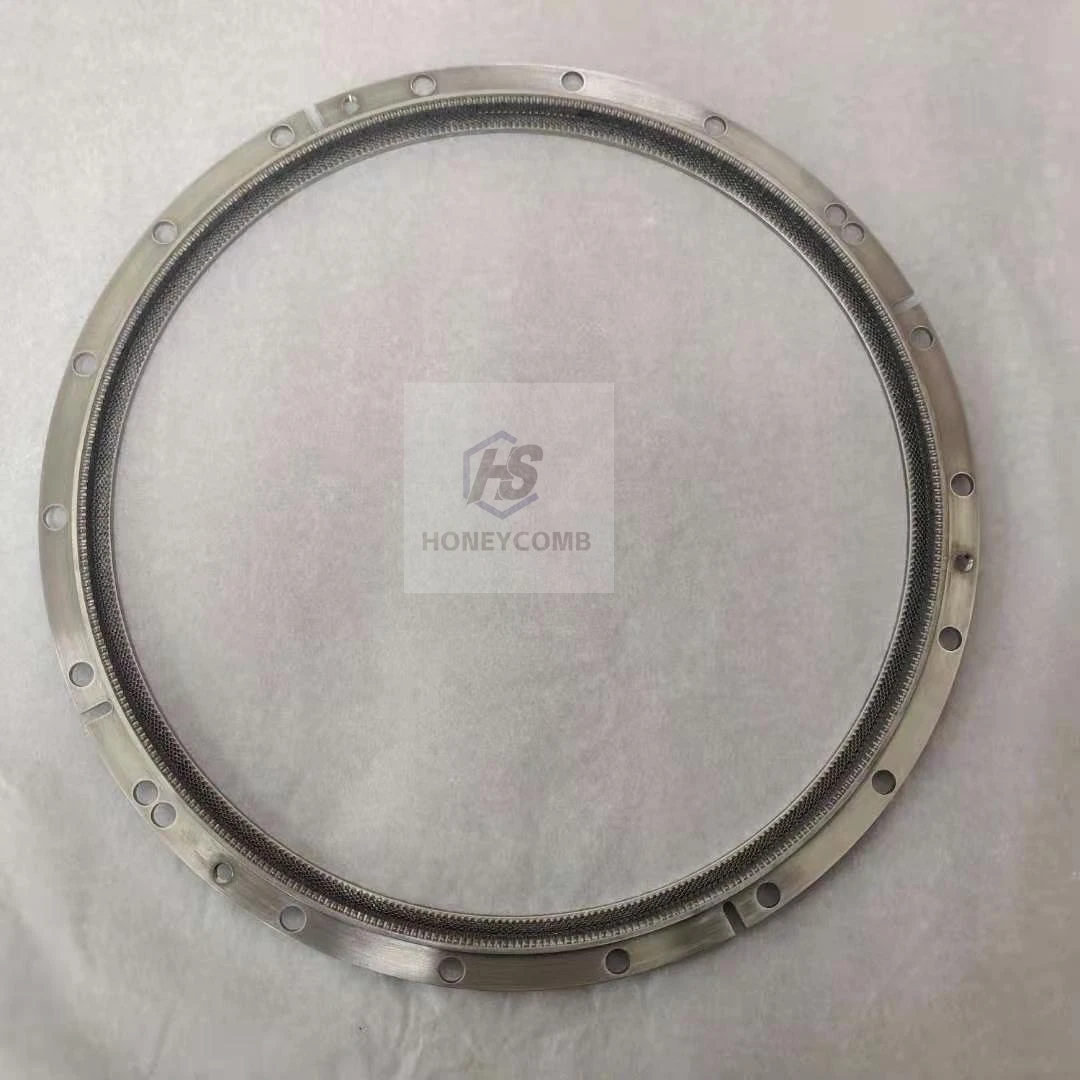
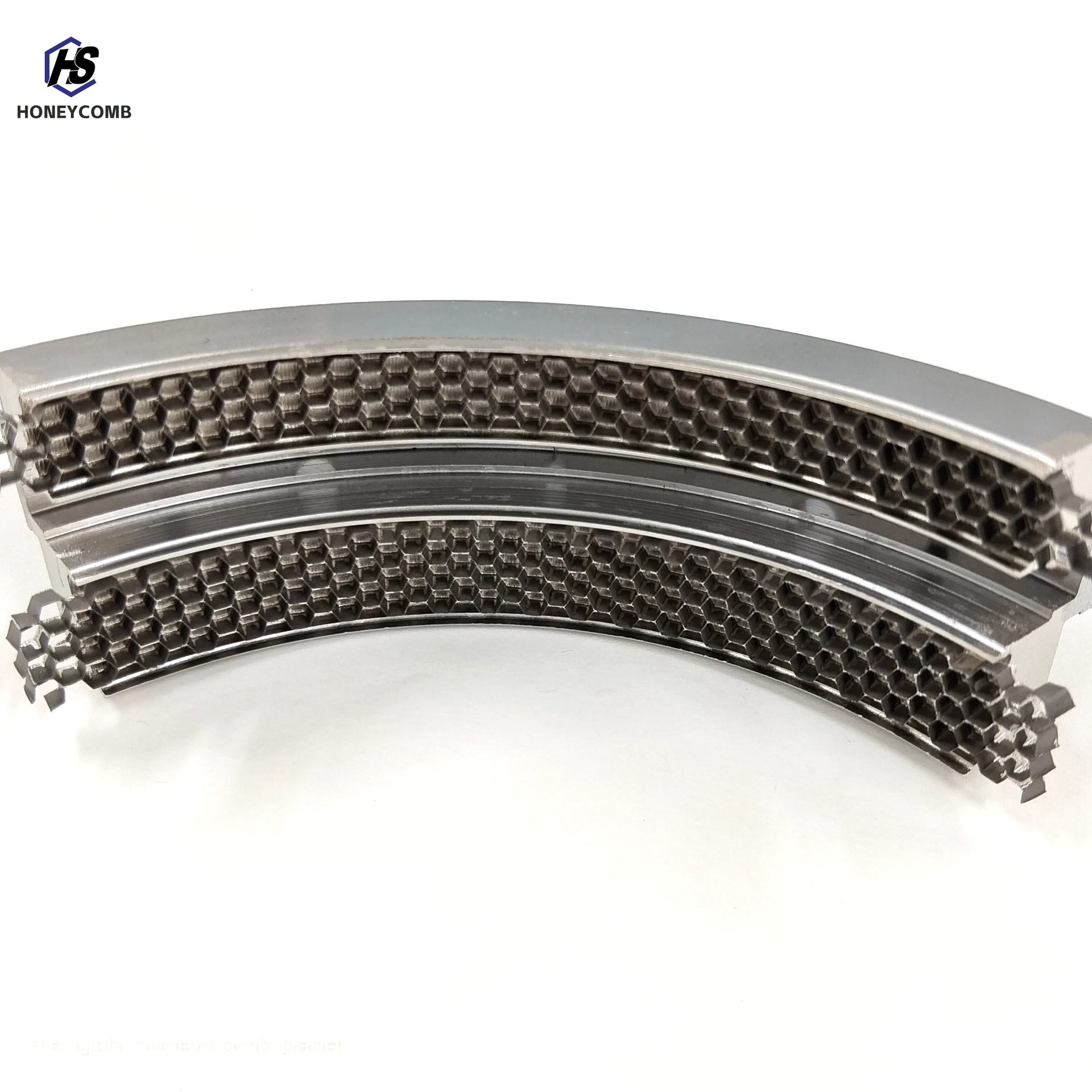
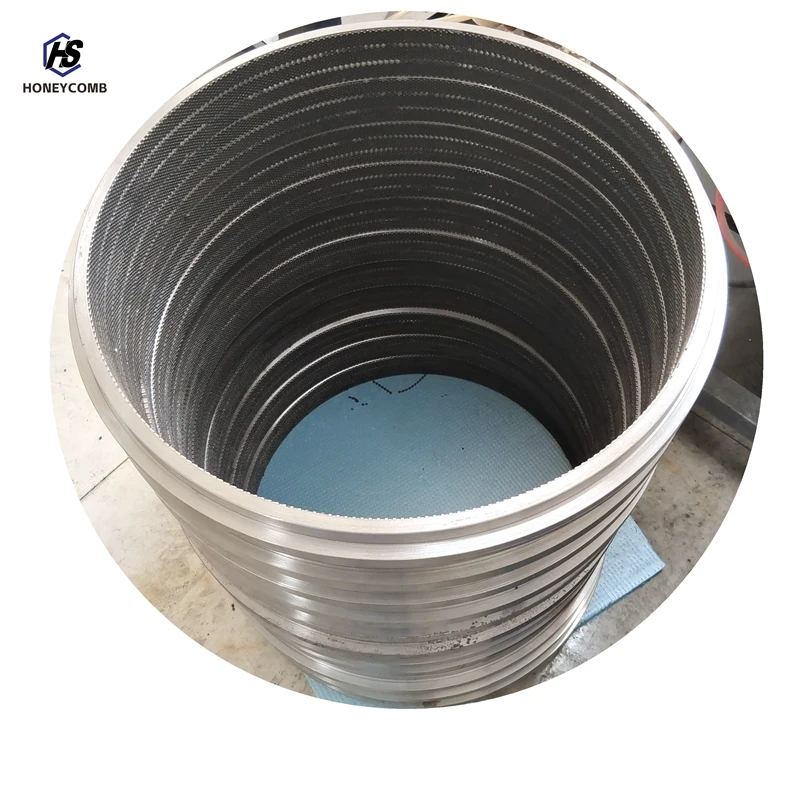
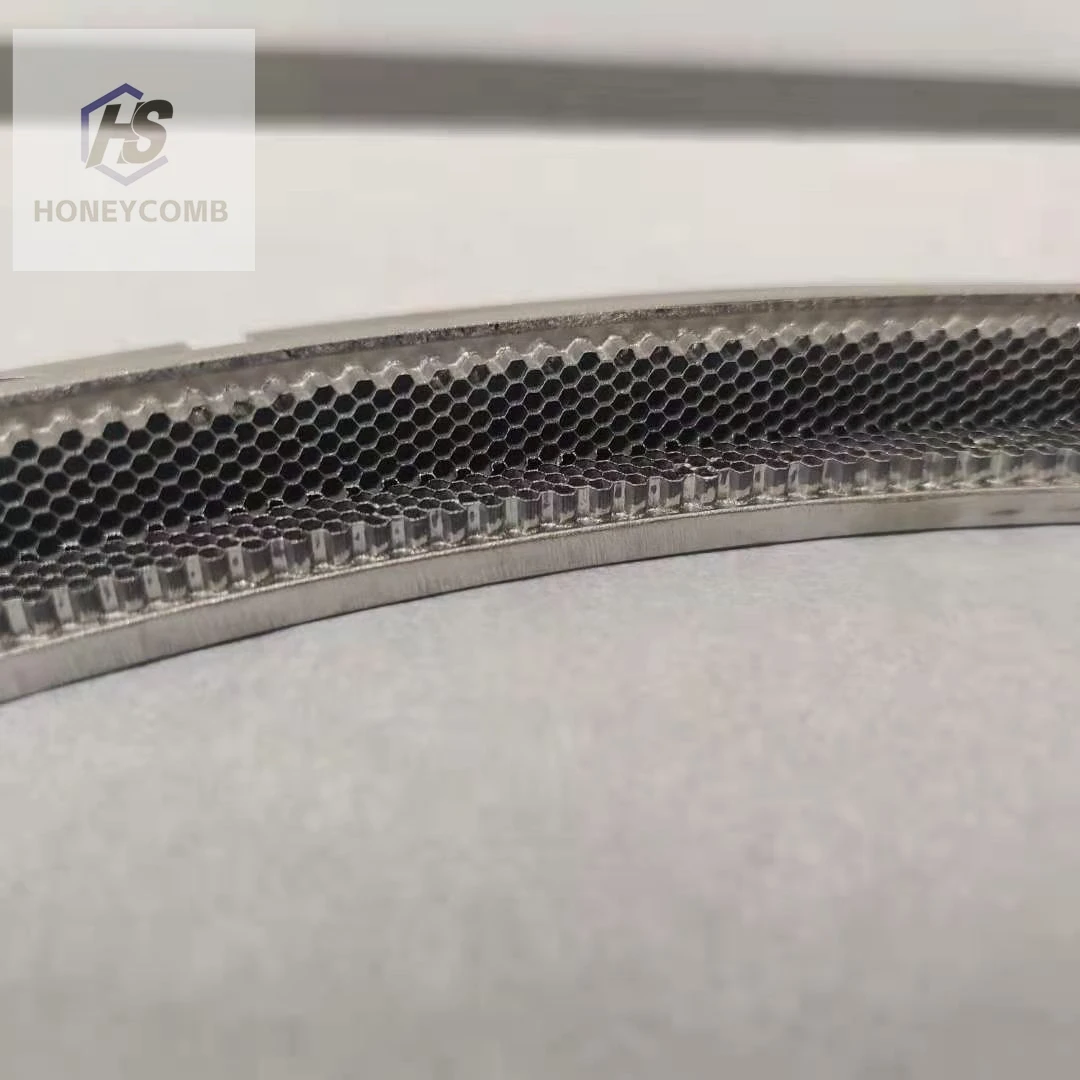
At its core, stålbikaka is a honeycomb core panel made from galvanized or stainless steel strips formed into hexagonal cells. This structure mimics natural honeycomb, combining low weight with remarkable strength and stiffness. Unlike solid steel plates, steel honeycombs achieve structural performance through geometry more than sheer mass. That means they resist bending and compression without the weight penalty — a neat solution for everything from aircraft flooring to maritime bulkheads.
Its connection to modern industry is pretty straightforward — stålbikaka provides a modular, easily fabricated building block that meets humanitarian, commercial, and industrial needs where durability is non-negotiable yet weight and space must be minimized.
Mini takeaway: The magic is in the honeycomb’s shape, allowing steel to perform better with less — elegance born from nature, engineered for the future.Core Components of Stålbikaka and Why They Matter
Durability
Steel’s natural corrosion resistance and structural integrity mean stålbikaka performs well in harsh environments — salty seas, extreme temperatures, or heavy industrial use. That’s why it’s popular for shipping containers and offshore platforms.
Lightweight Strength
The hexagonal cell configuration distributes loads efficiently, reducing weight without sacrificing strength. Many engineers argue this is the ‘holy grail’ of structural materials.
Scalability and Customization
Stålbikaka panels can be manufactured to varied thicknesses, cell sizes, and steel grades. This flexibility suits everything from small paneling needs in electronics to massive structural decks.
Cost Efficiency
While raw steel costs fluctuate, stålbikaka’s material savings and prolonged lifespan yield notable cost savings over traditional solid steel elements.
Thermal and Acoustic Performance
Honeycomb structures offer inherent insulation benefits, often paired with other materials for enhanced performance in building envelopes and transportation cabins.
Mini takeaway: The stålbikaka’s blend of lightness, strength, and adaptability checks so many boxes industrial designers crave.Worldwide Applications of Stålbikaka
From Scandinavian bridge reinforcements to aerospace projects in the US, stålbikaka is everywhere, quietly supporting innovation. Let’s zoom in:
- Disaster Relief Shelters: Rapid deployment housing uses stålbikaka panels for lightweight but tough walls that ship efficiently and resist environmental hazards.
- Maritime Industry: Bulkheads and decks get steel honeycomb cores for their durability and weight savings, improving fuel economy on large vessels.
- Aircraft Interiors: Airlines specify honeycomb steel in floor panels and partitions — the reduced weight contributes to lower emissions and operating costs.
- Automotive Sector: Increasingly popular in electric vehicle chassis and battery enclosures for impact resistance and thermal management.
Oddly enough, developing countries’ infrastructure projects have started adopting stålbikaka-based prefabricated panels to speed urban construction while saving on transport emissions.
Mini takeaway: Stålbikaka’s global footprint proves it’s not niche — it’s a fundamental material redefining industries everywhere.Why Choose Stålbikaka? The Advantages and Long-Term Payoff
Choosing steel honeycomb isn’t just a trendy option — it’s about future-proofing investments. Here’s the lowdown:
- Cost Savings: Lower transportation and installation costs thanks to lighter panels, plus less maintenance due to corrosion resistance.
- Sustainability: Steel is 100% recyclable, and honeycomb cores reduce the amount of material needed, directly reducing CO2 emissions.
- Social Impact: Durable shelters or infrastructure withstand disasters better, indirectly protecting communities and economies.
- Reliability: Consistent material performance under load offers peace of mind for engineers and end-users alike.
- Aesthetic & Innovation: Modular panels can be finished or coated for architectural purposes without compromising performance.
So, while the numbers tell a very convincing story, there’s something else here too — that blend of safety, efficiency, and smart design that feels like a genuine value add.
What’s Next? Future Trends in Stålbikaka Technology
Looking ahead, the stålbikaka landscape is poised to expand with some pretty exciting innovations:
- Green Coatings & Treatments: Enhanced corrosion protection with eco-friendly paints prolonging panel lifespan while reducing environmental impact.
- Advanced Alloys: Hybrid steel composites for even greater strength-to-weight ratios.
- Digital Manufacturing: Automation and AI-driven quality control ensuring flawless honeycomb formation at scale.
- Sustainable Supply Chains: Ethically sourced steel, coupled with circular economy principles, reducing waste and promoting reuse.
Plus, emerging standards from ISO push for tighter safety and performance metrics, making stålbikaka panels smarter and more reliable globally.
Mini takeaway: The steel honeycomb concept remains a fertile ground for innovation — making it relevant well beyond its initial industrial roots.Challenges & How Industry is Tackling Them
Fair warning: no material is perfect. Stålbikaka does have some limitations worth mentioning:
- Production Complexity: The fabrication process requires precision cutting and welding; mistakes can lead to weakened structures.
- Cost of Advanced Steel Alloys: Cutting-edge materials may be pricier upfront, limiting adoption in lower-budget projects.
- Recycling Difficulties: Composite panels combining steel honeycomb with non-metallic facings can complicate end-of-life processing.
However, ongoing R&D addresses these through:
- Improved welding robots and process monitoring
- Material innovations lowering costs without sacrificing quality
- Designing easier-to-separate panel components for recycling
The engineers I talked to feel optimistic — it’s just a matter of time and investment.
Specification Table: Typical Stålbikaka Panel Properties
| Specification | Value | Units |
|---|---|---|
| Cell Size | 12-30 | mm |
| Core Thickness Range | 10-150 | mm |
| Steel Grade | AISI 304 / A36 | - |
| Density | 2.5-3.0 | g/cm³ |
| Compressive Strength | 50-120 | MPa |
| Thermal Conductivity | 12-15 | W/m·K |
Vendor Comparison: Leading Stålbikaka Manufacturers
| Vendor | Product Range | Customization Options | Lead Time | Typical Industry |
|---|---|---|---|---|
| Stålbikaka AB | Wide (5-200mm thickness) | Custom cell size, steel grade, coatings | 3-6 weeks | Aerospace, Marine, Construction |
| HoneyCore Solutions | Medium (10-100mm thickness) | Standard sizes, limited coatings | 2-4 weeks | Automotive, Industrial |
| Global Honeycomb Tech | Narrow (15-50mm thickness) | High precision, aerospace-grade | 4-8 weeks | Aerospace, Defense, Electronics |
Frequently Asked Questions About Stålbikaka
What makes stålbikaka core panels better than traditional solid steel plates?
Stålbikaka panels offer significant weight savings due to their honeycomb design while maintaining similar or better strength and stiffness. This means easier handling, lower shipping costs, and improved fuel efficiency in transport applications — all without compromising on structural integrity.
How long can stålbikaka panels last in harsh environments?
With proper galvanization or stainless steel use, stålbikaka cores can last decades, even under marine salt spray or industrial chemical exposure. Their design prevents corrosion creep and structural fatigue, making them reliable for long-term infrastructure and transport use.
Is steel honeycomb an eco-friendly material choice?
Yes, steel is highly recyclable, and using the honeycomb design drastically reduces the amount of steel required for a given strength level. This means lower embodied energy and carbon emissions compared to solid steel alternatives.
Can stålbikaka solutions be customized for specific projects?
Absolutely. Most manufacturers offer tailored cell sizes, core thicknesses, steel grades, and surface treatments to meet unique project requirements, whether it’s extra corrosion resistance or precise mechanical properties.
How can organizations source stålbikaka products internationally?
Many vendors provide worldwide shipping and support. For NGOs and construction firms, partnering with experienced suppliers and consulting local import/export regulations ensures smooth procurement of stålbikaka panels tailored to project needs.
Wrapping Up: The Last Word on Stålbikaka
To sum it all up — stålbikaka represents a beloved blend of nature-inspired design and engineered precision. It’s changing how we think about steel structures, making them lighter, tougher, and more efficient. The global push for sustainability and cost-efficient construction can’t ignore its contributions. If you’re involved with structural design, engineering, or related trades, it’s worth keeping an eye on this technology’s continued evolution.
Interested in seeing stålbikaka in action? Visit our website stålbikaka to explore products, case studies, and expert insights.
References

-
Industrial Airflow Guide for maf воздушная правильная машинаNewsApr.16,2026
-
Best maf струйно правильная машина for Industrial EfficiencyNewsApr.09,2026
-
Сотовая правильная машина A Comprehensive Guide to Honey Packing AutomationNewsApr.07,2026
-
Build Your Own DIY газоправильная Машина A Comprehensive Guide to Gas CorrectionNewsApr.04,2026
-
Understanding Кондиционер отопления Systems for Efficient and Comfortable HeatingNewsMar.31,2026
-
Comprehensive Guide to Cellular Blinds Installation Установка сотовых жалюзиNewsMar.28,2026
-
Mobile Aerodynamic Tunnel Design A Comprehensive Guide to Applications and ImplementationNewsMar.26,2026






 English
  Afrikaans
  Albanian
  Amharic
  Arabic
  Armenian
  Azerbaijani
  Basque
  Belarusian
  Bengali
  Bosnian
  Bulgarian
  Catalan
  Cebuano
  China
China  China (Taiwan)
  Corsican
  Croatian
  Czech
Czech  Danish
  Dutch
Dutch  Esperanto
  Estonian
  Finnish
  French
  Frisian
  Galician
  Georgian
  German
  Greek
Greek  Gujarati
  Haitian Creole
  Hausa
Hausa  Hawaiian
  Hebrew
  Hindi
Hindi  Miao
Miao  Indonesian
  Italian
  Japanese
  Javanese
  Malay
Malay  Persian
  Portuguese
  Punjabi
  Russian
  Spanish
  Swahili
  Telugu
  Vietnamese