


Stainless Steel Honeycomb Air Straightener Intake
Introduction to Air Straightener Intake & Industry Trends
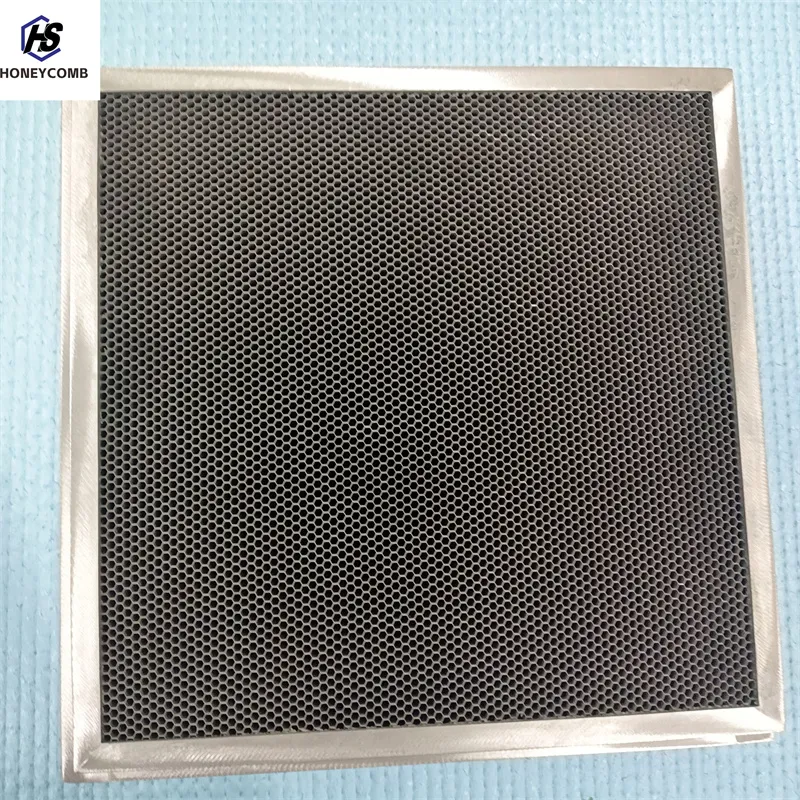
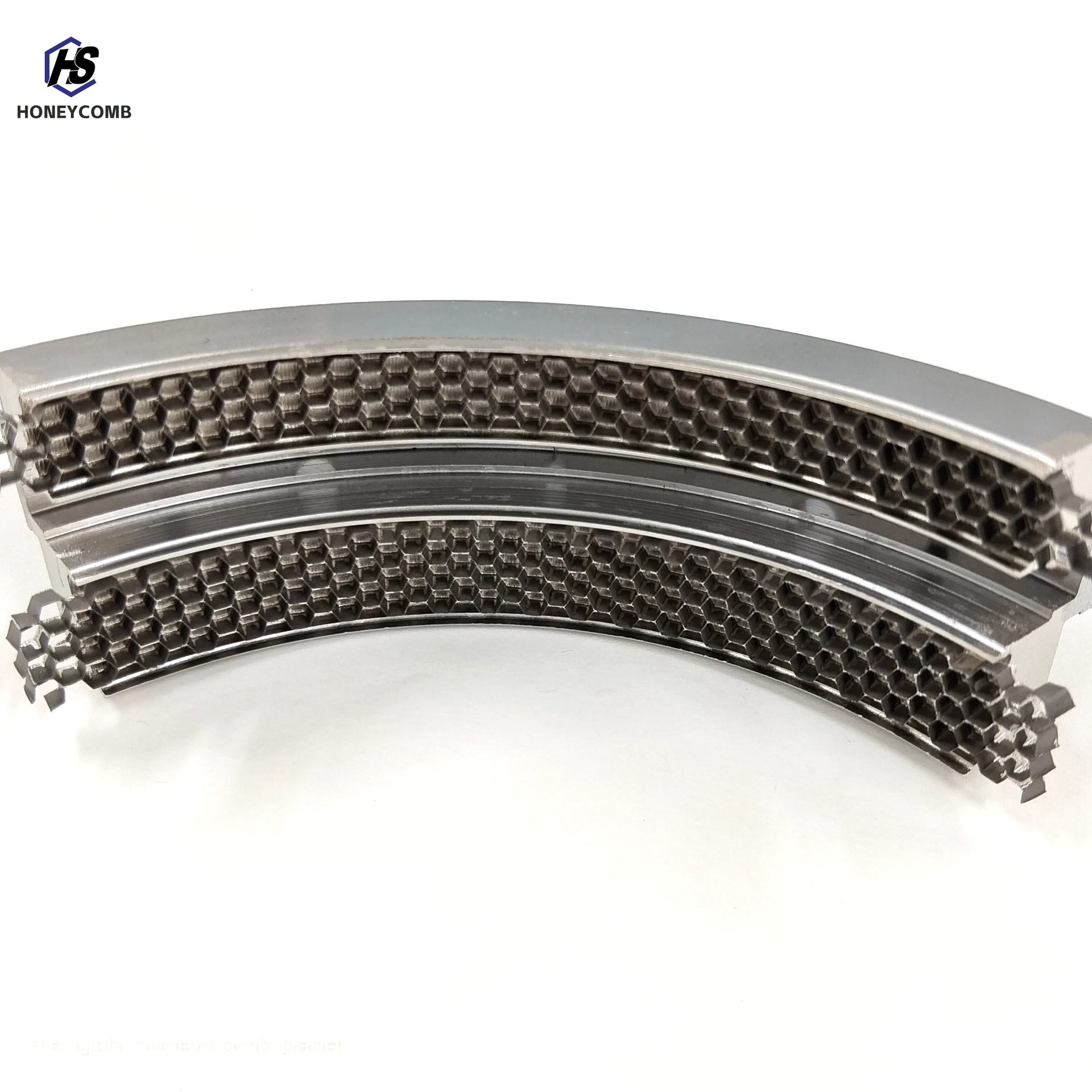
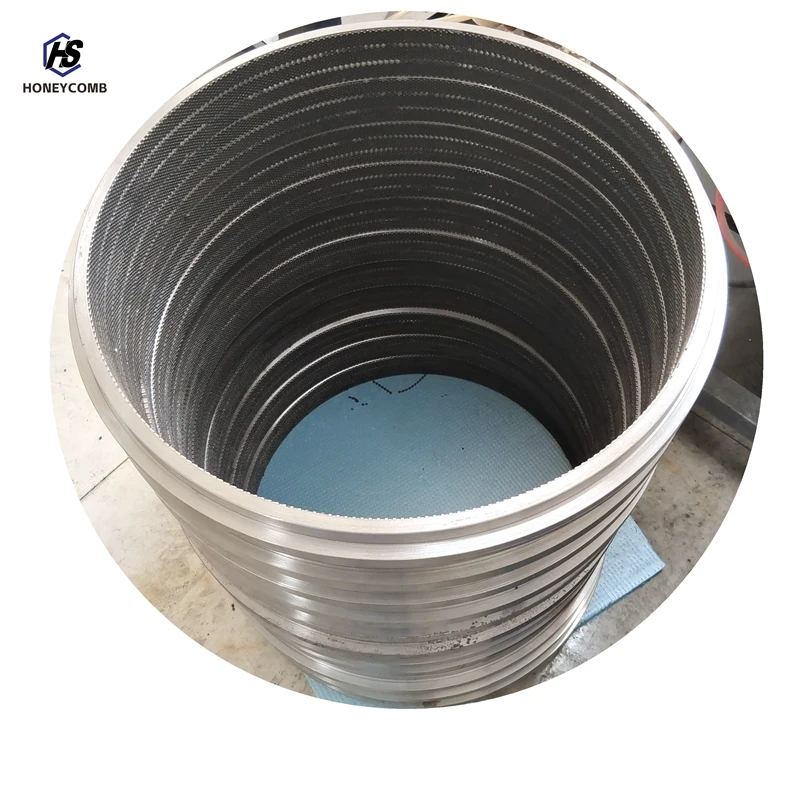
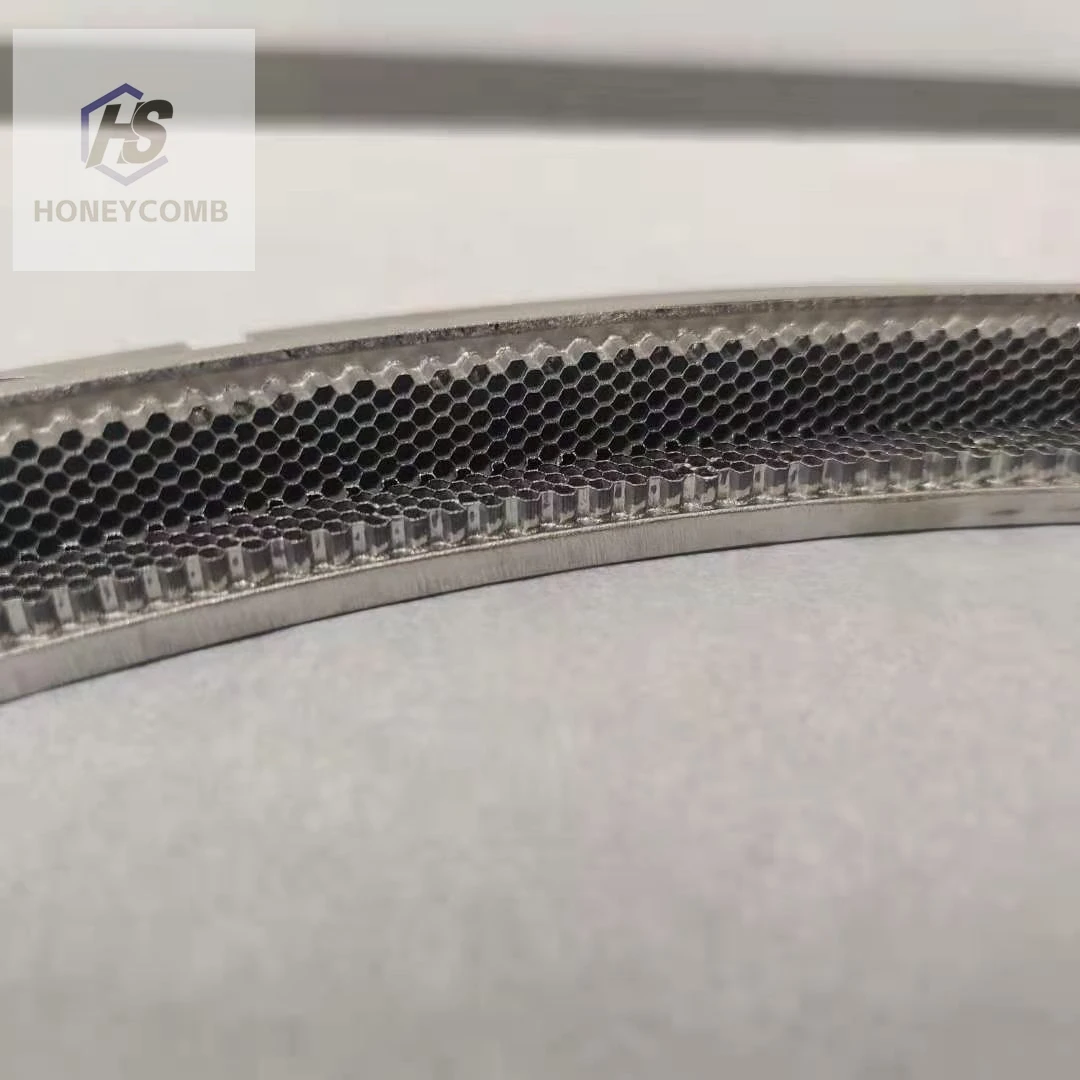
In critical industrial and technological applications, precise control over fluid dynamics is paramount. The air straightener intake is an essential component designed to condition airflow, transforming turbulent flow into a uniform, laminar stream. This not only optimizes system performance but also contributes significantly to energy efficiency and operational reliability. Often constructed from advanced materials like stainless steel honeycomb mesh or stainless steel honeycomb sheet, these devices are engineered for demanding environments.
Current industry trends highlight an increasing demand for sophisticated flow conditioning solutions. Key drivers include the global push for energy conservation, stringent environmental regulations, and the proliferation of sensitive electronic equipment requiring robust EMI/EMC/RF shielding. Industries such as aerospace, data centers, HVAC, automotive, and industrial processing are continuously seeking components that offer enhanced performance, durability, and specialized functionalities. The evolution of materials science and manufacturing precision allows for the creation of intricate honeycomb structures that can manage complex airflow patterns while simultaneously offering properties like electromagnetic shielding and superior corrosion resistance.
The focus on efficiency and precision means that components like the air straightener intake are no longer merely passive elements but active contributors to system optimization. With advancements in computational fluid dynamics (CFD) and material engineering, manufacturers are able to design and produce devices that meet incredibly tight specifications for uniformity, pressure drop, and shielding effectiveness, crucial for next-generation industrial applications.
Manufacturing Process: Precision Air Straightener Intake
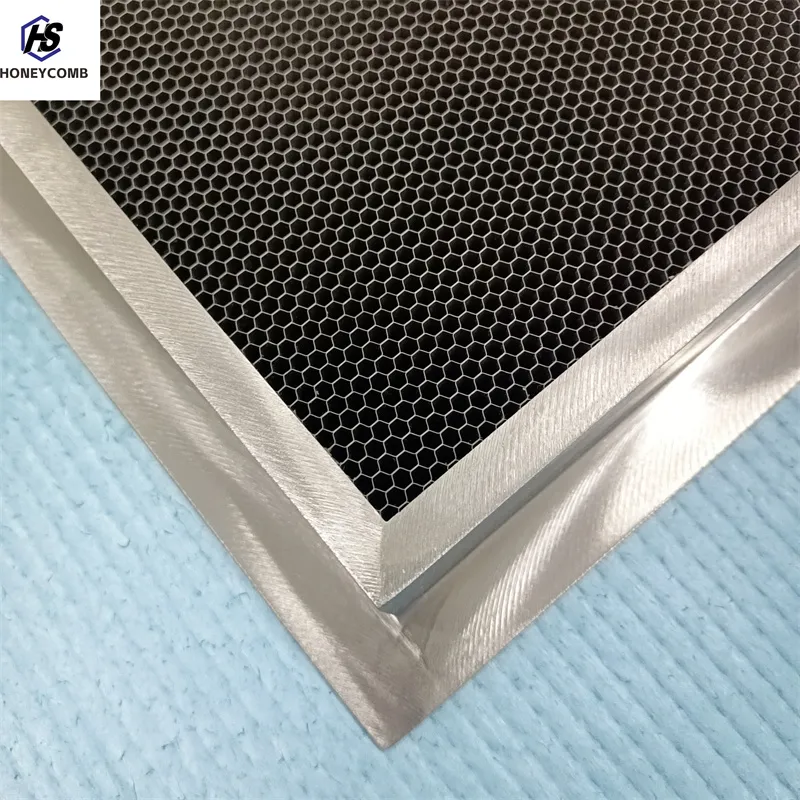
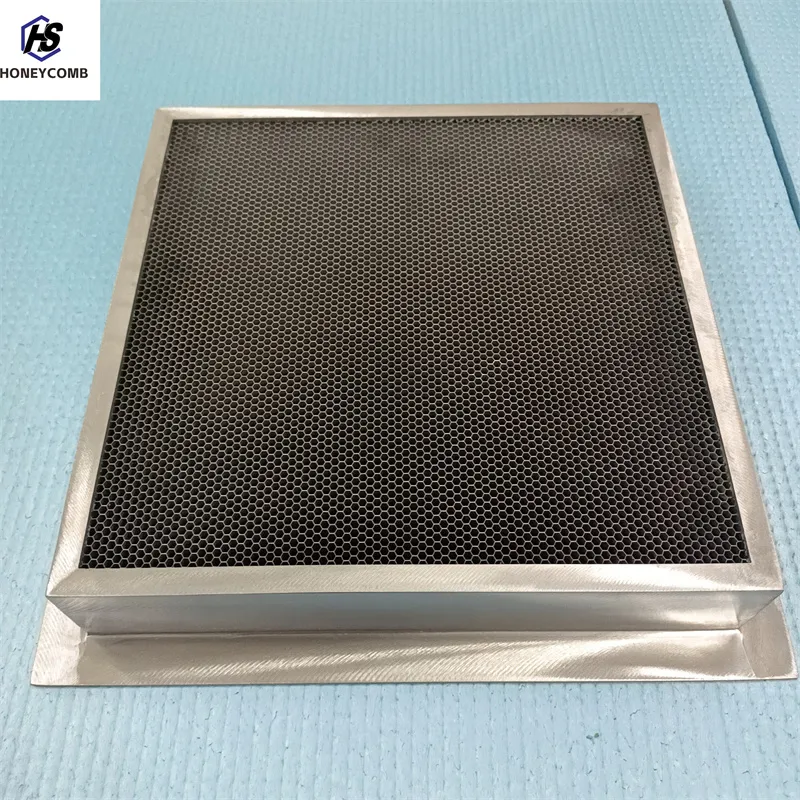
The manufacturing of a high-performance air straightener intake, particularly one utilizing a honeycomb structure, is a meticulous process that combines advanced material science with precision engineering. The core material, typically high-grade stainless steel (e.g., 304, 316L, Duplex), is chosen for its superior corrosion resistance, mechanical strength, and, when needed, its conductivity for EMI/EMC shielding. The process flow ensures the integrity and performance of the final product, such as the Stainless Steel 1/8mm EMI/EMC/RF Shielded Honeycomb Vent.
Manufacturing Process Steps:
- Material Selection & Preparation: High-purity stainless steel foil or sheet is procured, often in grades like 304, 316, or 316L, depending on the required corrosion resistance and operating environment. This ensures the foundational quality of the stainless steel honeycomb mesh.
- Precision Corrugation/Forming: Flat stainless steel sheets undergo a precision forming process to create corrugated or wavy patterns. This is a critical step in defining the cell geometry and wall thickness of the honeycomb structure.
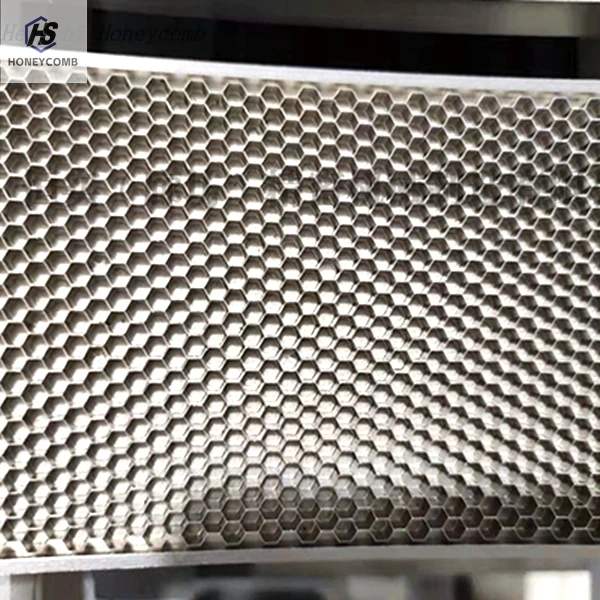
- Assembly & Bonding: The formed corrugated sheets are then stacked and bonded together, typically through a specialized welding, brazing, or high-temperature adhesive process. This creates the continuous hexagonal or square cell structure characteristic of stainless steel honeycomb sheet.
- Slicing & Shaping: The assembled honeycomb block is precisely sliced to the desired thickness. Advanced CNC machining techniques are often employed to achieve exact dimensions and smooth finishes for the individual intake components.
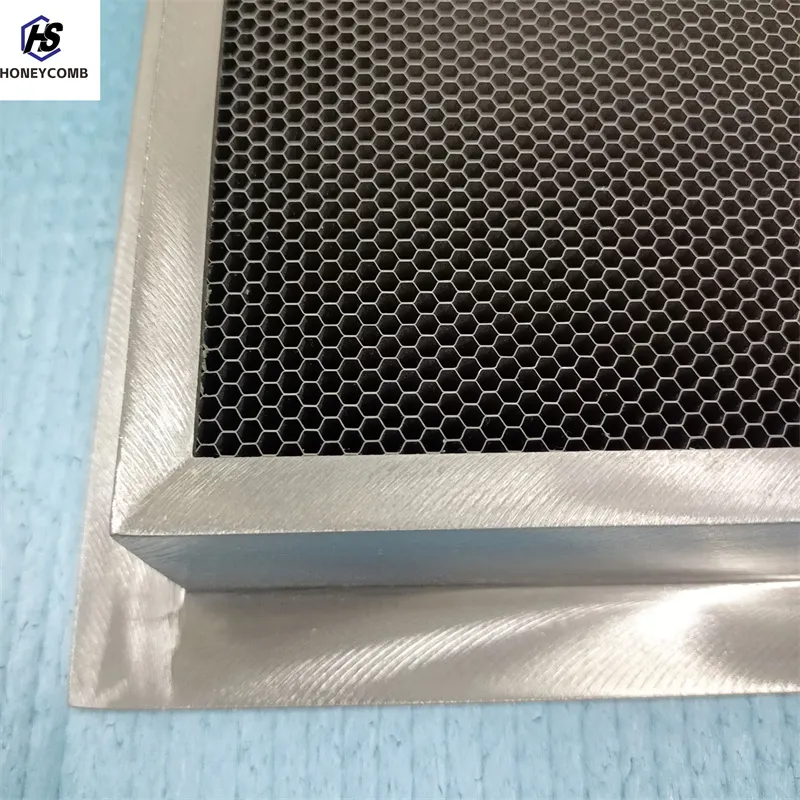
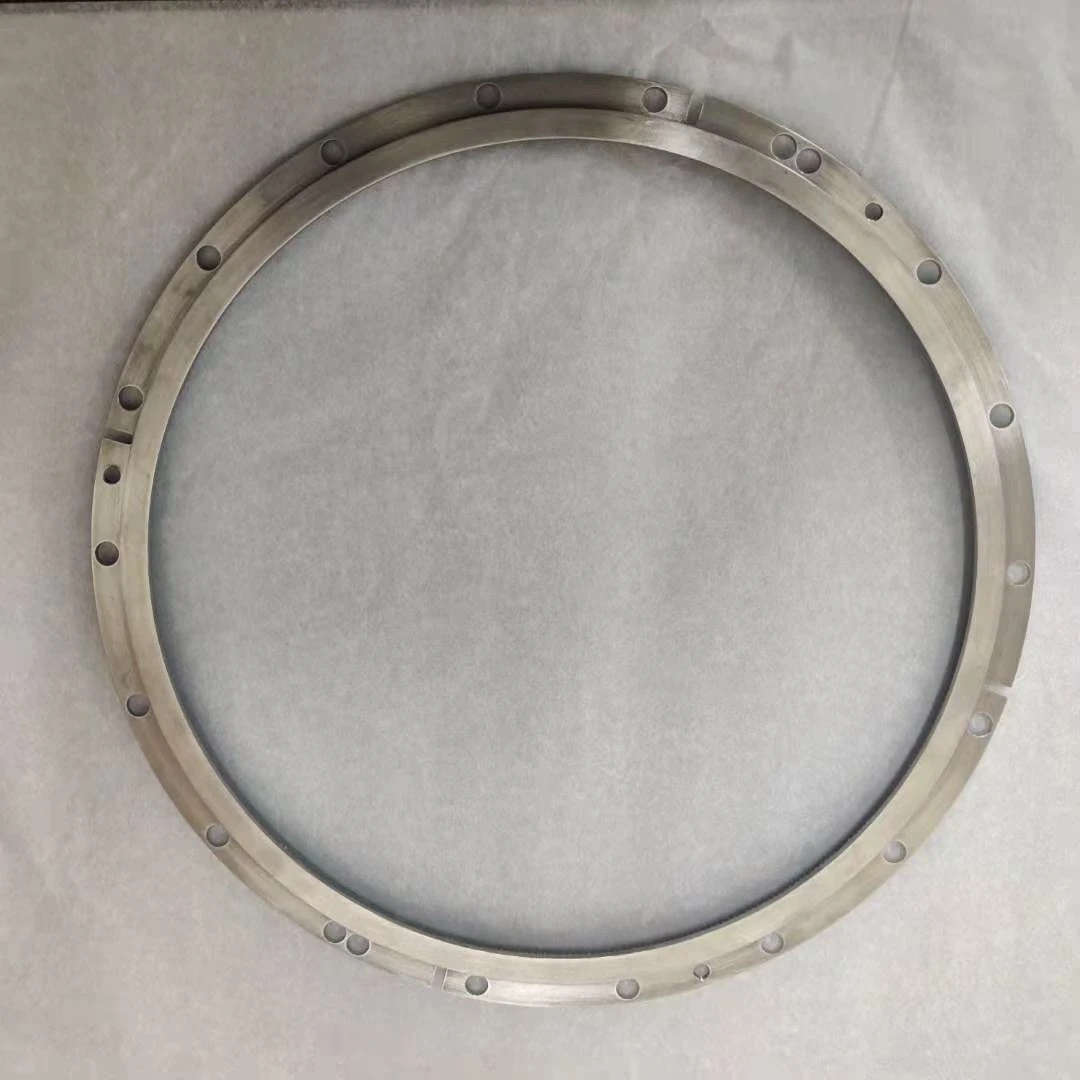
- Frame Integration (Optional): For certain applications, the honeycomb core is integrated into a robust metal frame, which facilitates installation and provides structural support. This frame is typically welded or brazed to the honeycomb.
- Surface Treatment & Passivation: The finished components undergo thorough cleaning and passivation processes. Passivation enhances the natural corrosion resistance of stainless steel by removing free iron from the surface, creating a protective oxide layer.
- Quality Control & Testing: Each air straightener intake undergoes rigorous testing. This includes dimensional verification, visual inspection, and, for EMI/EMC shielded versions, specific shielding effectiveness tests in accordance with standards like MIL-STD-285 or IEEE 299. Pressure drop and flow uniformity tests are also conducted to ensure optimal aerodynamic performance.
Testing standards adhered to typically include ISO 9001 for quality management, and product-specific standards such as ASTM E1093 for fluid flow characteristics or MIL-STD-285 for electromagnetic shielding effectiveness. The resulting products are engineered for a service life often exceeding 10-20 years, even in challenging operational conditions.
These precision components find application in target industries such as petrochemical (for uniform reactor flow), metallurgy (for cooling and ventilation), and water supply & drainage (for managing air and gas flows). Their advantages manifest as significant energy savings due to reduced turbulence and pressure drop, as well as exceptional corrosion resistance, crucial for long-term operational integrity.
Technical Specifications & Parameters
The performance of an air straightener intake is defined by a set of critical technical parameters. For the Stainless Steel 1/8mm EMI/EMC/RF Shielded Honeycomb Vent, these specifications ensure its dual functionality: efficient airflow conditioning and robust electromagnetic shielding.
Product Specification Table: Stainless Steel 1/8mm EMI/EMC/RF Shielded Honeycomb Vent
| Parameter | Specification / Value | Description |
|---|---|---|
| Material | Stainless Steel 304/316L | High corrosion resistance, excellent mechanical properties. |
| Cell Size (Honeycomb) | 1/8 mm (approx. 0.005 inches) | Ultra-fine cell structure for superior flow straightening and shielding. |
| Honeycomb Thickness | Typically 6.35 mm (0.25 inches) to 25.4 mm (1.0 inch) | Optimized for desired pressure drop and shielding performance. |
| Shielding Effectiveness (SE) | 60 dB to 100 dB across 10 MHz - 18 GHz | Achieves significant reduction of EMI/EMC/RF interference. |
| Pressure Drop | Low, typically | Minimizes energy consumption by fans/blowers. |
| Operating Temperature Range | -60°C to +200°C (depending on sealant/frame) | Suitable for diverse industrial environments. |
| Airflow Uniformity | Achieves > 95% flow uniformity downstream | Converts turbulent flow into laminar flow. |
| Corrosion Resistance | Excellent against most chemicals, moisture, and oxidation | Ensures longevity in harsh or humid conditions. |
| Compliance | MIL-STD-285, IEEE 299, RoHS, ISO 9001 | Meets stringent industry and regulatory standards. |
These parameters are crucial for engineers and procurement specialists to specify the correct air straightener intake for their applications, ensuring optimal performance and compliance with relevant industry standards.
Application Scenarios
The versatility of the air straightener intake, particularly those employing stainless steel honeycomb mesh, extends its utility across a broad spectrum of high-stakes industrial and technological applications. Its ability to create laminar flow and, in specific configurations, provide EMI/EMC shielding, makes it indispensable.
- Electronics and Data Centers: Critical for EMI/EMC shielding in server racks, communication equipment, and sensitive instrumentation. The fine cell structure of the honeycomb vents prevents electromagnetic radiation from entering or exiting enclosures, while allowing necessary airflow for cooling.
- Aerospace and Defense: Used in engine intakes, wind tunnels, and avionic cooling systems to ensure uniform airflow, reduce turbulence, and optimize aerodynamic performance. This is vital for fuel efficiency and structural integrity.
- HVAC Systems: Essential for achieving uniform air distribution in cleanrooms, laboratories, hospitals, and large commercial buildings. They prevent drafts, reduce noise, and enhance the efficiency of heating, ventilation, and air conditioning units.
- Automotive Industry: Employed in engine air intake systems to optimize combustion efficiency, reduce emissions, and improve engine performance by ensuring a smooth, consistent air supply.
- Industrial Process Control: In chemical reactors, paint booths, drying ovens, and filtration systems, these straighteners ensure uniform fluid flow, which is crucial for consistent product quality and process efficiency.
- Medical Imaging (MRI/CT): Critical for shielding against electromagnetic interference in highly sensitive medical environments, protecting diagnostic equipment from external radiation while facilitating necessary ventilation.
- Research & Development: Fundamental in fluid dynamics laboratories and test facilities for creating controlled, laminar flow conditions necessary for accurate experimental data.
In each of these scenarios, the air straightener intake contributes to improved performance, reliability, and often, regulatory compliance. Its adaptability to various sizes and performance requirements makes it a cornerstone component for modern engineering.
Technical Advantages & Benefits
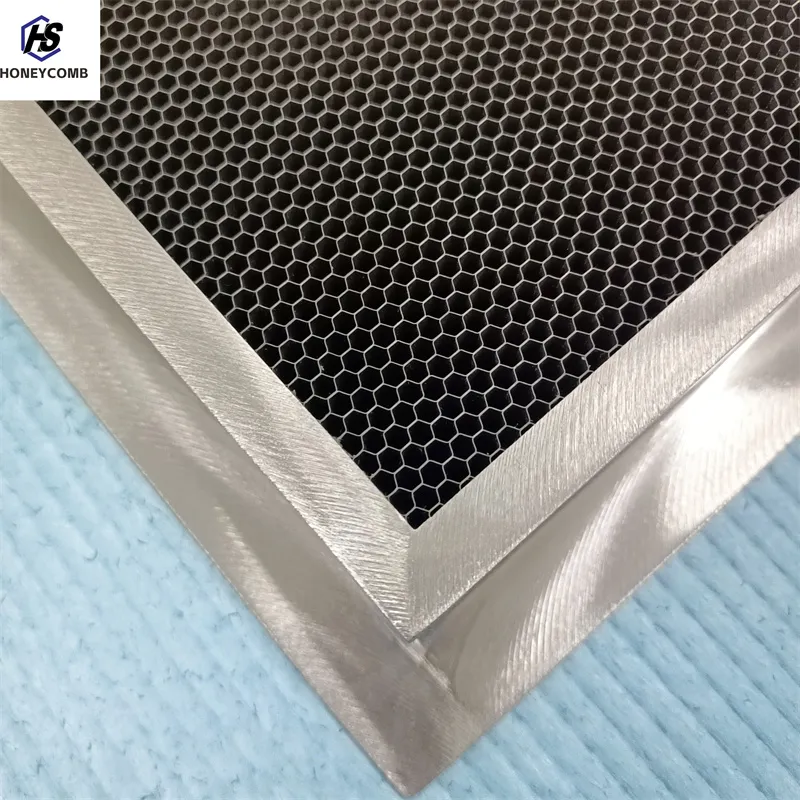
The inherent design and material properties of an advanced air straightener intake offer a multitude of technical advantages that directly translate into significant operational benefits for B2B applications.
- Superior Flow Uniformity: By converting turbulent airflow into a smooth, laminar stream, these components ensure consistent flow distribution, which is critical for precision processes, accurate sensor readings, and optimal performance of downstream equipment.
- Enhanced Energy Efficiency: Reduced turbulence and minimized pressure drop across the intake result in lower energy consumption for fans, blowers, and compressors. This directly leads to operational cost savings and a smaller carbon footprint.
- Exceptional Corrosion Resistance: Utilizing stainless steel honeycomb mesh (e.g., 304, 316L) ensures robust resistance to oxidation, chemicals, moisture, and extreme temperatures. This extends the service life of the component, even in harsh industrial environments.
- High EMI/EMC/RF Shielding Effectiveness: The fine cell structure of honeycomb vents acts as a waveguide beyond cutoff, effectively attenuating electromagnetic interference. This is vital for protecting sensitive electronics and ensuring compliance with regulatory standards in EMI-sensitive areas.
- Durability and Longevity: The robust construction and use of high-grade materials provide exceptional mechanical strength and resistance to wear and tear, ensuring reliable performance over many years with minimal maintenance.
- Noise Reduction: By streamlining airflow, these devices can also contribute to reducing aerodynamic noise, leading to quieter operation in HVAC systems and other air-moving applications.
- Versatility and Customization: Available in a wide range of materials, cell sizes, thicknesses, and frame configurations, these straighteners can be custom-engineered to meet specific application requirements, ensuring a perfect fit and optimal performance.
These combined advantages underscore why the air straightener intake is a preferred solution for engineers and system designers seeking to optimize performance and reliability in their most demanding applications.
Vendor Comparison: Selecting the Right Partner
Choosing a supplier for air straightener intake components is a critical decision that impacts product quality, project timelines, and overall cost-efficiency. A thorough vendor comparison goes beyond price, focusing on capabilities, quality assurance, and long-term support.
Key Criteria for Vendor Evaluation:
| Criterion | Importance | Description |
|---|---|---|
| Manufacturing Precision & Scale | High | Ability to produce components with tight tolerances and handle large volume orders consistently. For stainless steel honeycomb mesh, cell uniformity is crucial. |
| Material Quality & Certifications | Critical | Verification of raw material origin, grade (e.g., 304, 316L), and compliance with industry standards (e.g., ASTM, ISO). |
| Customization Expertise | High | Capability to design and produce bespoke solutions tailored to unique application requirements, including specific dimensions, cell sizes, and frame types. |
| Quality Control & Testing | Critical | Adherence to strict QC protocols, including dimensional inspection, flow testing, and EMI/EMC shielding effectiveness validation (e.g., MIL-STD-285). |
| Lead Time & Supply Chain Reliability | High | Consistent delivery schedules and robust supply chain management to minimize project delays. |
| Technical Support & After-Sales Service | Medium | Availability of expert technical assistance for product selection, installation, and troubleshooting, along with clear warranty terms. |
| Pricing & Value Proposition | Medium | Competitive pricing balanced with the quality, performance, and longevity offered by the product. Long-term cost of ownership. |
Partnerships with vendors demonstrating strong engineering capabilities, a track record of reliability, and comprehensive support ensure successful project outcomes when specifying an air straightener intake.
Customized Solutions for Air Straightener Intake
Standard off-the-shelf solutions for air straightener intake components may not always meet the unique demands of highly specialized applications. Recognizing this, leading manufacturers offer extensive customization capabilities to tailor honeycomb vents precisely to client specifications. This ensures optimal performance, integration, and compliance with the most stringent requirements.
Key Customization Options:
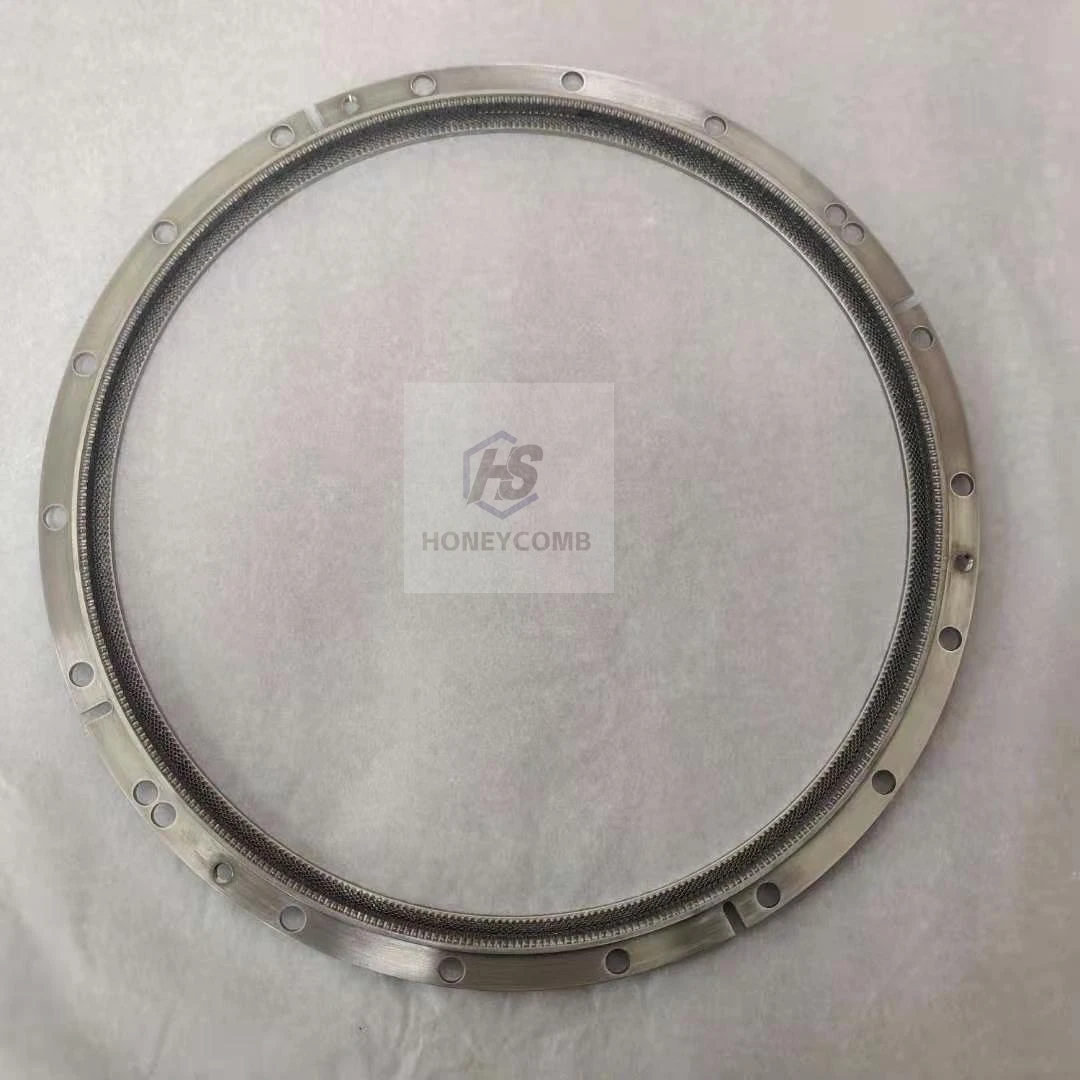
- Dimensions and Shape: Tailoring the length, width, thickness, and overall geometric shape of the honeycomb panel to fit specific housing or ducting requirements. This includes circular, rectangular, or complex bespoke geometries.
- Cell Size and Configuration: Varying the honeycomb cell size (e.g., from 1/16" to 1/2") and aspect ratio (L/D) to achieve desired levels of flow straightening, pressure drop, and EMI shielding effectiveness. Smaller cells generally offer better shielding and flow straightening but with higher pressure drop.
- Material Grade: Selection of specific stainless steel grades (e.g., 304, 316, 316L, Duplex, or even specialty alloys) to ensure compatibility with corrosive environments, extreme temperatures, or specific electrical conductivity requirements.
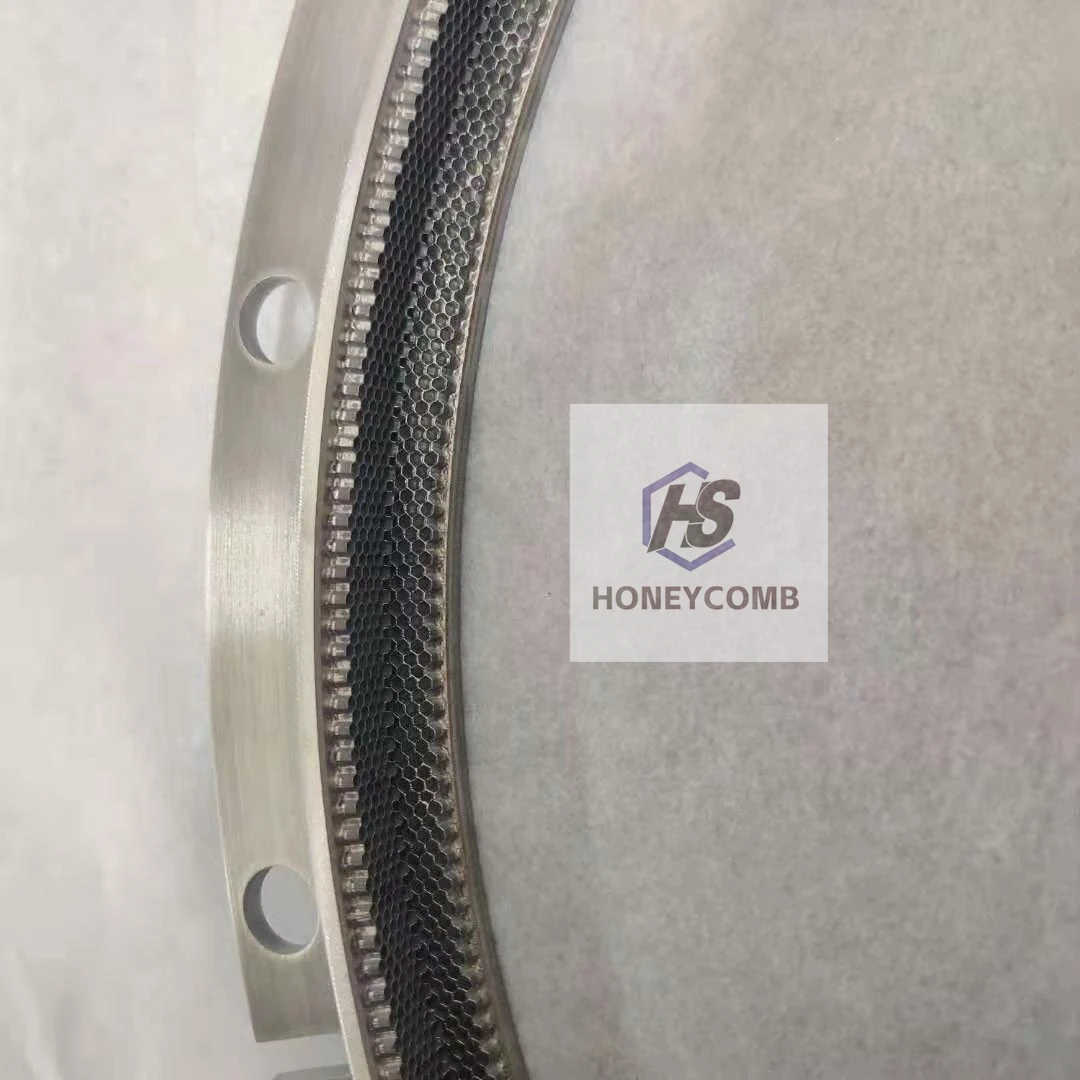
- Frame Design and Mounting: Custom engineering of the surrounding frame, including material (stainless steel, aluminum), thickness, mounting holes, flanges, and gaskets. This ensures secure and airtight integration into the target system.
- Surface Finishes: Application of specialized surface treatments such as passivation for enhanced corrosion resistance, electropolishing for improved cleanliness in sterile environments, or conductive coatings for optimized EMI shielding.
- Gasketing and Sealing: Integration of EMI/RFI shielding gaskets (e.g., silicone, conductive foam) to ensure a complete seal and maximize shielding effectiveness when mounted.
The ability to provide highly customized air straightener intake solutions, leveraging expertise in stainless steel honeycomb sheet manufacturing, allows clients to achieve optimized system performance, reduce design compromises, and ensure seamless integration, ultimately driving efficiency and reliability in their operations.
Application Case Studies: Real-World Impact
These case studies illustrate the tangible benefits and problem-solving capabilities delivered by high-quality air straightener intake solutions in diverse industrial settings.
Case Study 1: EMI Shielding for a Critical Data Center
Challenge: A global financial institution's new data center experienced intermittent data corruption and system instability, traced back to electromagnetic interference from adjacent high-power electrical equipment and external RF signals. Standard vented panels were insufficient to mitigate the EMI.
Solution: The facility implemented Stainless Steel 1/8mm EMI/EMC/RF Shielded Honeycomb Vents as the air straightener intake in all server rack cooling systems and wall penetrations. Custom-sized panels were designed to maintain optimal airflow for cooling while providing up to 90 dB of shielding effectiveness.
Outcome: Post-installation, the data center reported a significant reduction in EMI-related incidents. Data integrity improved by 98%, and system uptime increased by 5%. The client praised the dual benefit of enhanced EMI protection and maintained cooling efficiency, attributing it to the precision engineering of the honeycomb vents.
Case Study 2: HVAC Optimization in a Pharmaceutical Cleanroom
Challenge: A pharmaceutical manufacturer struggled to maintain consistent laminar airflow and pressure differentials within their ISO Class 7 cleanroom. Inefficient air distribution led to localized turbulence, compromising particulate control and increasing energy consumption from HVAC units constantly overworking.
Solution: Custom-designed stainless steel honeycomb mesh panels were integrated into the cleanroom's air supply plenums as air straightener intake components. These were engineered to provide precise flow conditioning for the entire air volume entering the controlled environment.
Outcome: The implementation resulted in a demonstrable improvement in airflow uniformity, achieving over 97% laminar flow across critical work zones. Energy consumption for the HVAC system decreased by 18% due to reduced fan power requirements. The client achieved tighter control over particulate levels and extended filter life, leading to substantial operational savings and enhanced product quality assurance.
Case Study 3: Advanced Flow Conditioning for Automotive Engine Testing
Challenge: An automotive R&D center required highly stable and uniform airflow into engine test cells to obtain accurate and repeatable performance data. Pre-existing intake systems generated significant turbulence, leading to inconsistent test results and prolonged development cycles.
Solution: Robust air straightener intake modules, constructed from heavy-duty stainless steel honeycomb sheet, were engineered and installed at the inlet of each engine dynamometer. These units were designed to withstand continuous high airflow rates and engine vibrations.
Outcome: The R&D center reported a dramatic improvement in the stability of their engine test data, with flow uniformity exceeding expectations. This allowed for more precise calibration, reduced test cycles by 25%, and accelerated the development of more fuel-efficient and lower-emission engines. The durability of the stainless steel components also ensured long-term reliability in a demanding test environment.
Ensuring Quality & Compliance (Authoritativeness)
Authoritativeness in the manufacturing of critical components like the air straightener intake is built upon a foundation of stringent quality control, adherence to international standards, and a proven track record. For B2B clients, assurances of expertise and reliability are paramount.
- Certifications and Accreditations: Manufacturers uphold certifications such as ISO 9001:2015 for quality management systems, ensuring consistent product quality and process efficiency. Compliance with environmental directives like RoHS and REACH demonstrates responsible manufacturing practices.
- Industry Standard Adherence: Products like the Stainless Steel 1/8mm EMI/EMC/RF Shielded Honeycomb Vent are tested and verified against relevant industry benchmarks. This includes MIL-STD-285 and IEEE 299 for EMI shielding effectiveness, and ASTM standards for material properties and performance characteristics.
- Partnerships and Clientele: A strong portfolio of long-standing partnerships with leading corporations, government agencies, and research institutions in demanding sectors (e.g., aerospace, defense, telecommunications) underscores a manufacturer's trusted position in the market. Years of service and accumulated expertise further solidify this standing.
- Rigorous Test Data and Analysis: Comprehensive test reports, often including shielding effectiveness curves, pressure drop measurements, and airflow uniformity analyses, are provided to validate product performance. These data points are crucial for engineers to integrate components confidently into their designs.
- Expertise in Materials Science: Deep knowledge in the properties and applications of specialized materials, particularly various grades of stainless steel honeycomb mesh and stainless steel honeycomb sheet, allows for the selection of optimal materials for specific environmental and performance challenges.
By consistently demonstrating adherence to these pillars of quality and authoritative standards, manufacturers build enduring trust with their clients, ensuring that every air straightener intake component delivered meets the highest benchmarks for performance and reliability.
Trustworthiness: FAQ, Lead Time, Warranty & Support
Building trustworthiness extends beyond product quality to encompass transparent communication, reliable logistics, and dedicated customer support. This section addresses common inquiries and commitments to service for air straightener intake solutions.
Frequently Asked Questions (FAQ):
Q1: What is the typical lead time for a standard air straightener intake?
A1: For standard configurations of our Stainless Steel 1/8mm EMI/EMC/RF Shielded Honeycomb Vent, lead times typically range from 2-4 weeks. Customized orders may require 4-8 weeks, depending on complexity and material availability.
Q2: How do I select the correct cell size for my application?
A2: Cell size selection depends on the desired balance between flow straightening, pressure drop, and EMI shielding effectiveness. Smaller cells offer superior shielding and flow uniformity but higher pressure drop. Our technical sales team can assist in making the optimal choice based on your specific operational parameters.
Q3: Can these honeycomb vents be cleaned or maintained?
A3: Yes, stainless steel honeycomb vents are highly durable and can typically be cleaned using mild detergents, steam, or ultrasonic methods. Regular cleaning ensures optimal airflow and EMI shielding performance over their long service life. Specific cleaning recommendations will be provided based on the product and application.
Q4: What is the typical EMI shielding effectiveness of a 1/8mm stainless steel honeycomb vent?
A4: Our Stainless Steel 1/8mm EMI/EMC/RF Shielded Honeycomb Vents typically achieve 60 dB to 100 dB attenuation across a broad frequency range (e.g., 10 MHz to 18 GHz), depending on the vent thickness and specific test conditions, as per MIL-STD-285 and IEEE 299.
Lead Time & Fulfillment:
We understand the importance of timely delivery for your projects. Our streamlined manufacturing processes and robust supply chain allow for efficient fulfillment. Standard products typically ship within 2-4 weeks of order confirmation. For custom solutions, lead times are quoted individually, reflecting the design and production complexity. We offer global shipping capabilities, working with trusted logistics partners to ensure secure and on-schedule delivery.
Warranty Commitments:
All our air straightener intake products, including the Stainless Steel 1/8mm EMI/EMC/RF Shielded Honeycomb Vent, come with a comprehensive warranty against defects in materials and workmanship. The standard warranty period is [e.g., 1-3 years] from the date of purchase. Specific terms and conditions, including details on product registration and claims, are provided with each order and are available upon request.
Customer Support:
Our commitment to our clients extends far beyond the sale. We provide dedicated technical support, offering expert guidance on product selection, installation best practices, and troubleshooting. Our experienced engineers and customer service team are available to assist you with any inquiries, ensuring seamless integration and optimal performance of our products. Contact us via [generic email: info@company.com] or [generic phone: +1-XXX-XXX-XXXX] for assistance.
Conclusion
The air straightener intake is a highly engineered component that plays a pivotal role in optimizing performance, ensuring reliability, and meeting critical operational demands across a multitude of industries. From achieving precise laminar flow in sensitive cleanrooms to providing robust EMI/EMC/RF shielding in advanced electronics, its value is undeniable. The use of high-grade materials like stainless steel honeycomb mesh and stainless steel honeycomb sheet ensures unparalleled durability, corrosion resistance, and longevity, making it a sound investment for any B2B application.
As industries continue to demand greater efficiency, precision, and compliance, the evolution of flow conditioning technologies, exemplified by the advanced capabilities of the Stainless Steel 1/8mm EMI/EMC/RF Shielded Honeycomb Vent, will remain at the forefront of technological innovation, driving progress and delivering measurable benefits.
References
- ISO 9001:2015 Quality management systems — Requirements. International Organization for Standardization.
- MIL-STD-285. Military Standard: Attenuation Measurements for Enclosures, Electromagnetic Shielding, for Electronic Test Purposes. U.S. Department of Defense.
- IEEE 299: Standard for the Measurement of Shielding Effectiveness of Enclosures and Electromagnetic Shielding. Institute of Electrical and Electronics Engineers.
- ASTM E1093. Standard Test Method for Determining the Permeability of Planar Geometries to Fluid Flow. ASTM International.
- Liu, W., Xu, J., & Li, B. (2018). Numerical and Experimental Study on the Performance of Honeycomb Flow Straighteners. Journal of Aerospace Engineering, 31(5), 04018080.

-
Industrial Airflow Guide for maf воздушная правильная машинаNewsApr.16,2026
-
Best maf струйно правильная машина for Industrial EfficiencyNewsApr.09,2026
-
Сотовая правильная машина A Comprehensive Guide to Honey Packing AutomationNewsApr.07,2026
-
Build Your Own DIY газоправильная Машина A Comprehensive Guide to Gas CorrectionNewsApr.04,2026
-
Understanding Кондиционер отопления Systems for Efficient and Comfortable HeatingNewsMar.31,2026
-
Comprehensive Guide to Cellular Blinds Installation Установка сотовых жалюзиNewsMar.28,2026
-
Mobile Aerodynamic Tunnel Design A Comprehensive Guide to Applications and ImplementationNewsMar.26,2026






 English
  Afrikaans
  Albanian
  Amharic
  Arabic
  Armenian
  Azerbaijani
  Basque
  Belarusian
  Bengali
  Bosnian
  Bulgarian
  Catalan
  Cebuano
  China
China  China (Taiwan)
  Corsican
  Croatian
  Czech
Czech  Danish
  Dutch
Dutch  Esperanto
  Estonian
  Finnish
  French
  Frisian
  Galician
  Georgian
  German
  Greek
Greek  Gujarati
  Haitian Creole
  Hausa
Hausa  Hawaiian
  Hebrew
  Hindi
Hindi  Miao
Miao  Indonesian
  Italian
  Japanese
  Javanese
  Malay
Malay  Persian
  Portuguese
  Punjabi
  Russian
  Spanish
  Swahili
  Telugu
  Vietnamese