


Stainless Steel Honeycomb Panel: Lightweight, Durable, and Sustainable Building Solutions
The Rise of Stainless Steel Honeycomb Panels: Why They Matter More Than Ever
In a world grappling with sustainability challenges and the constant push for lighter, stronger building materials, the stainless steel honeycomb panel has quietly become a superstar. It sounds technical, maybe even a little intimidating at first. But once you dive into what these panels offer, it’s clear why industries across aerospace, construction, and humanitarian relief are adopting them. They’re lighter, durable, and remarkably versatile — able to span complex needs, whether in urban skyscrapers or remote disaster zones. Understanding these panels is key to grasping the future of smart building and engineered materials worldwide.
Global Context: A Growing Demand for Lightweight, Sustainable Materials
We’re living in an era where industry leaders and governments alike are getting serious about carbon footprints and resource efficiency. According to the World Bank and ISO data, buildings and infrastructure account for nearly 40% of global energy consumption and CO2 emissions. It’s a challenge we can’t ignore. At the same time, industries such as aerospace and transport demand materials that don’t just perform, but also keep weight — and thus fuel consumption — down. The stainless steel honeycomb panel answers both calls: it’s light, because of its cellular core, yet incredibly strong thanks to its structural design and corrosion-resistant steel skin.
Think about the challenge: how do you keep materials robust enough for some of the harshest environments (coastal, industrial, or disaster-ravaged zones), yet easy to produce and maintain? The honeycomb structure has been around for ages in nature — bees figured it out first — but make it out of stainless steel and you get a magic touch that engineers love.
What’s a Stainless Steel Honeycomb Panel, Anyway?
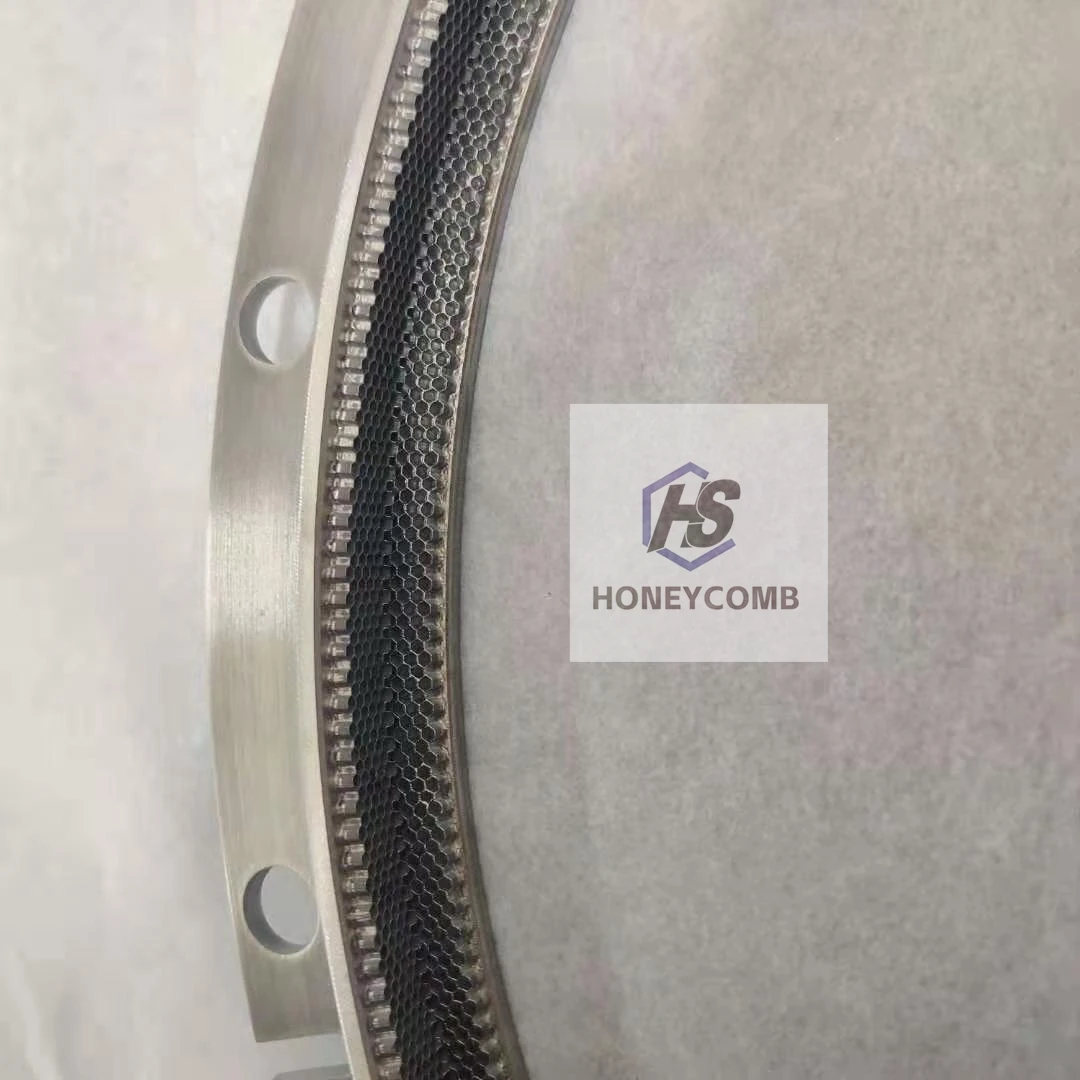
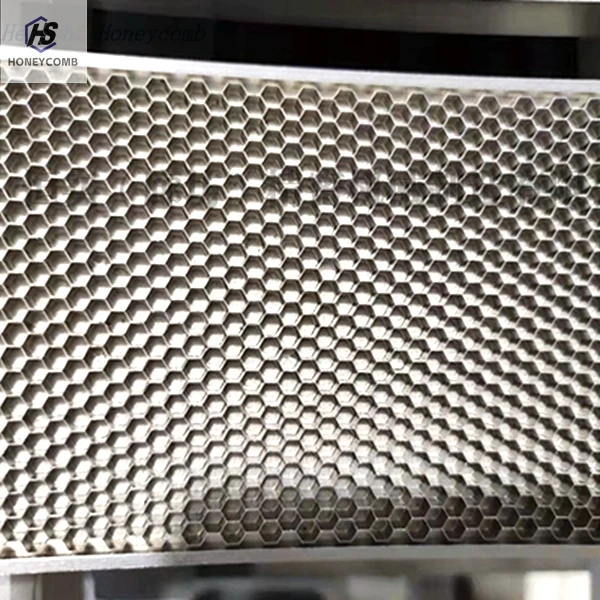
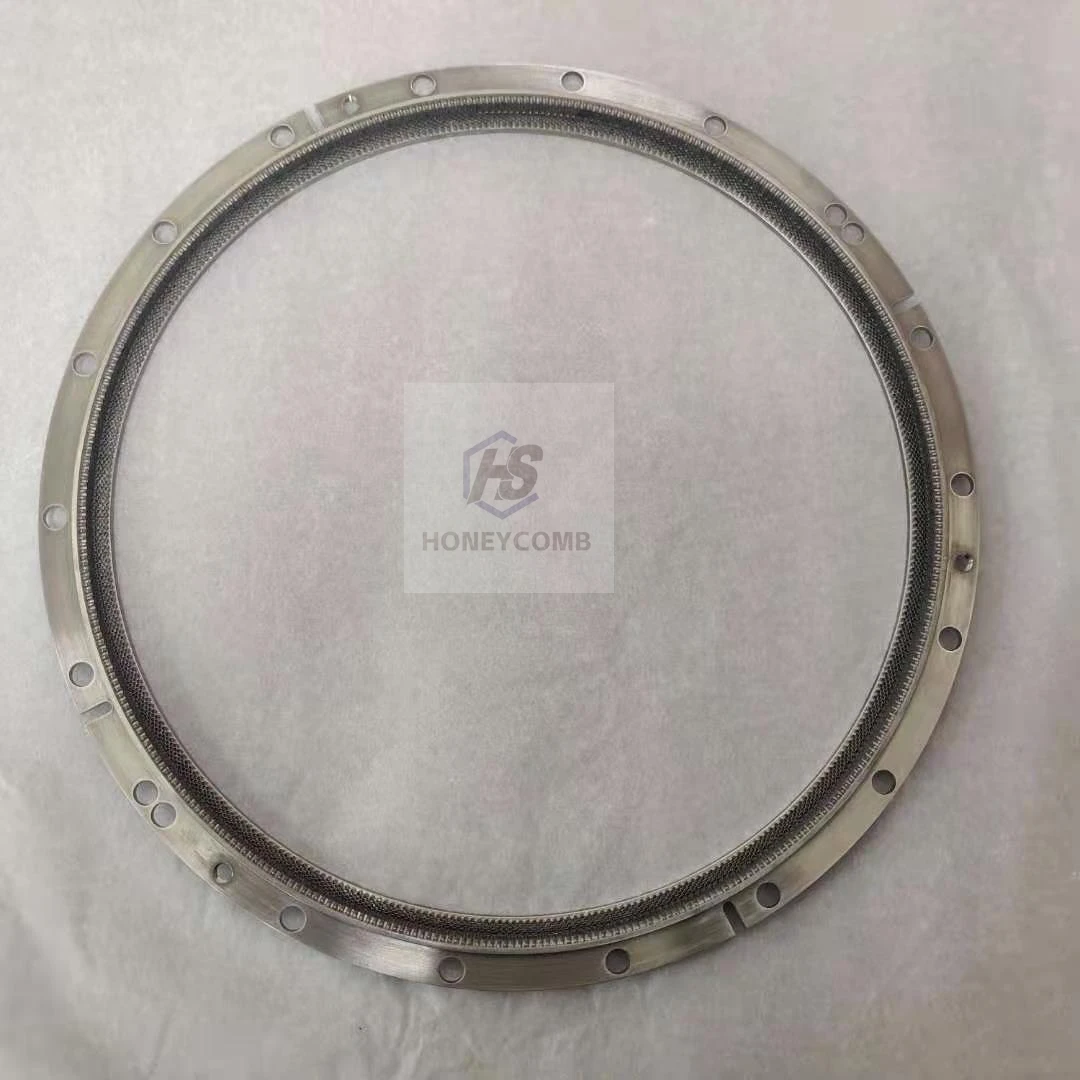
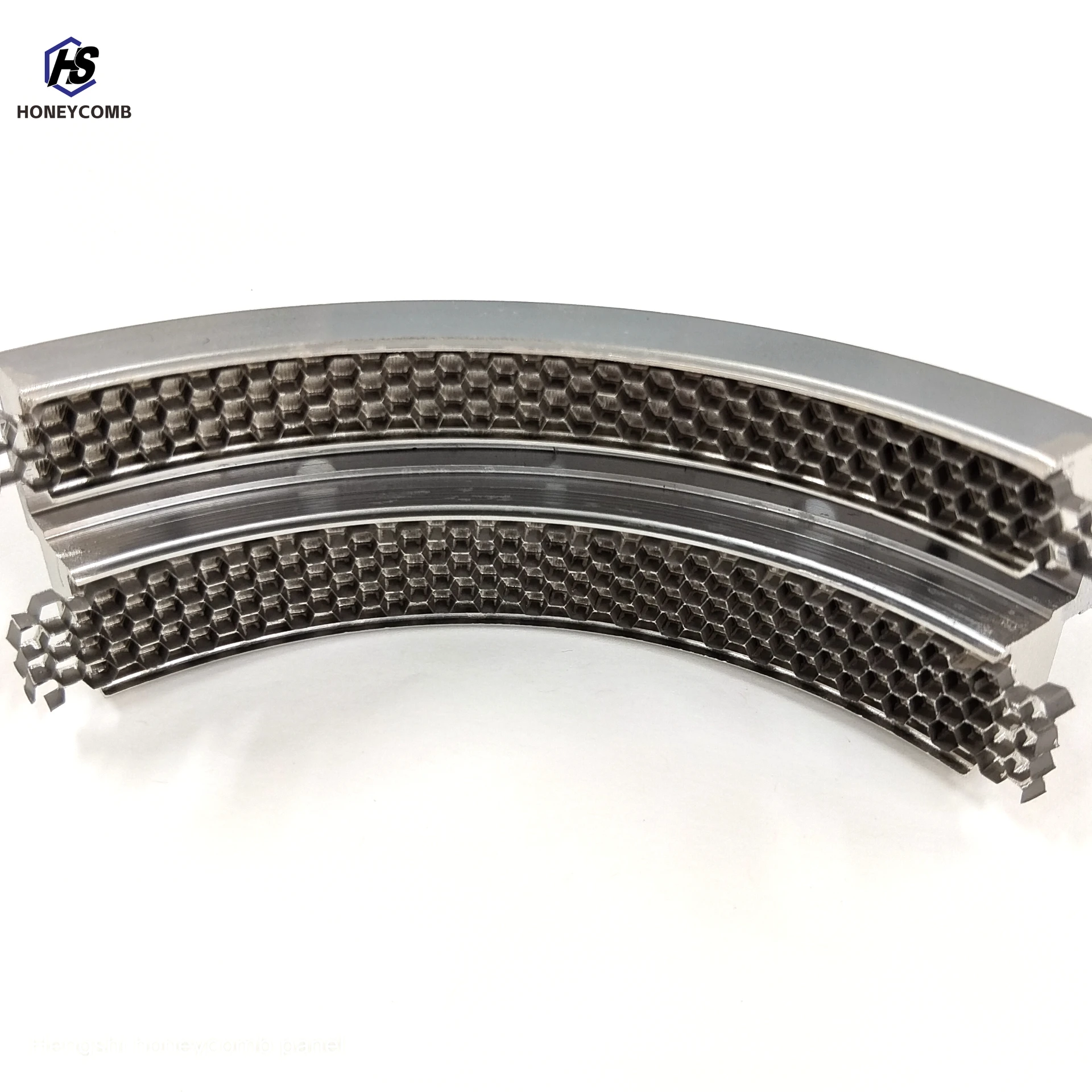
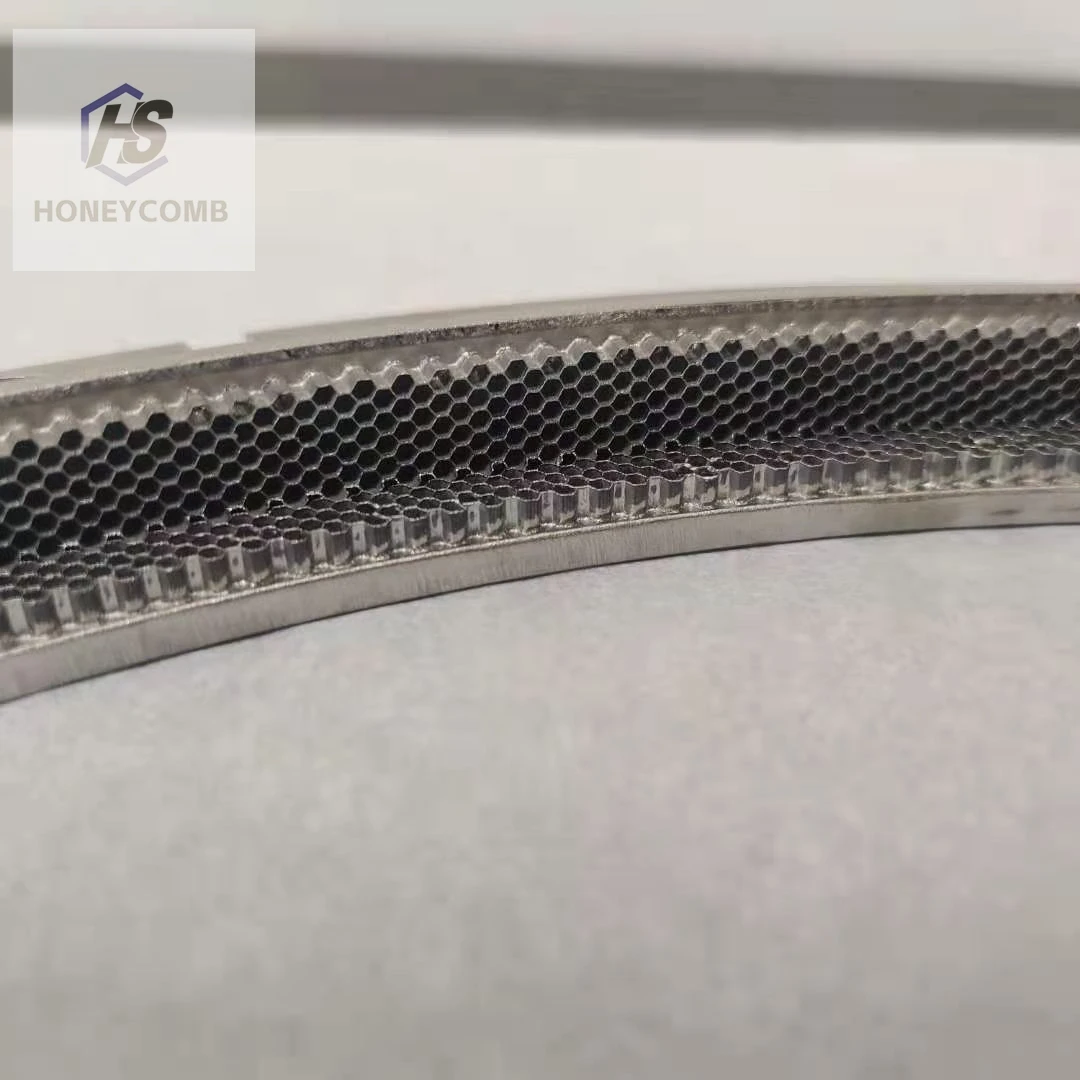
If you picture a sandwich cookie, the honeycomb panel is pretty similar: two solid “skins” on the outside, with a lightweight, honeycomb-shaped core in the middle. That core is actually a web of hexagonal cells — like a beehive — that provides enormous strength but uses minimal material. When the panels are made from stainless steel, you’re adding corrosion resistance, fire safety, and a lifetime of durability. It’s this combination that places stainless steel honeycomb panels at the crossroads of modern construction technology and urgent humanitarian needs, where rapid deployment and long-term resilience matter equally.
Key Features That Make These Panels Tick
Durability and Corrosion Resistance
Stainless steel, by nature, fights rust and corrosion — even in salty or polluted atmospheres. This means honeycomb panels last much longer, need less maintenance, and can be used in coastal buildings, chemical plants, or offshore platforms without premature decay. Engineers often note this as the biggest selling point for long-term investments.
Weight and Load Efficiency
Honeycomb cores drastically reduce the weight of panels without compromising on strength. For instance, aerospace engineers use these panels because less weight means fuel savings and longer flights. Likewise, architects appreciate them because lighter materials reduce the need for heavy supporting structures.
Thermal and Acoustic Performance
You wouldn’t expect a thin metal sheet to help with insulation, but with the honeycomb structure packed between the skins, these panels act as good thermal breaks and dampen sound — a feature useful in office buildings, hospitals, or public transport hubs.
Design Flexibility and Scalability
Depending on the application, the honeycomb cells’ size can be changed, and different stainless steel grades can be used. This scalability makes the panels adaptable—from industrial machine casings to decorative wall cladding, or modular housing.
Cost Considerations
Admittedly, stainless steel honeycomb panels aren’t the cheapest solution upfront. But when you factor in their longevity, reduced maintenance, and energy efficiency, many projects realize lower total lifecycle costs. It’s like buying quality shoes: a bit more today, but they’ll last for years and save trouble.
Stainless Steel Honeycomb Panels in Action Worldwide
The uses are as varied as the places they serve:
- Post-Disaster Relief: NGOs have adopted modular shelters built with these panels because they’re lightweight, transportable, and tough — perfect for emergency housing in earthquake or flood zones.
- Aerospace and Transport: Manufacturers use them in aircraft flooring and train interiors where weight and fire resistance are critical.
- Architectural Facades & Interiors: Cities aiming for sleek, modern aesthetics combined with long-lasting cladding often opt for stainless steel honeycomb panels.
- Industrial Facilities: Chemical plants, power stations, and offshore rigs use these panels for equipment enclosures due to their resistance to harsh environments.
Mini Takeaway:
These panels aren’t just about looks or abstraction — they serve tangible needs all over the globe, from saving lives to shaving fuel costs.
Advantages and Long-Term Value of Stainless Steel Honeycomb Panels
From sustainability to practicality, the benefits stack up:
- Environmental Impact: Fewer raw materials per square meter mean less mining and waste. Combine that with the panels’ longevity, and you’ve got a clear win for green building.
- Cost Efficiency: Less weight reduces transport and installation expenses, and high durability drops maintenance bills.
- Safety and Reliability: Fire resistance and structural integrity ensure occupant safety — a non-negotiable for critical infrastructure like hospitals or schools.
- Social Impact: For humanitarian projects, rapid erection of sturdy shelters can mean dignity and security for displaced families.
Product Specifications of Typical Stainless Steel Honeycomb Panel
| Parameter | Specification |
|---|---|
| Core Material | 304 / 316 Stainless Steel Honeycomb |
| Cell Size | 6 - 50 mm (configurable) |
| Panel Thickness | 10 - 50 mm |
| Density | 0.4 - 1.2 g/cm³ |
| Fire Resistance | Class A1 (non-combustible) |
| Thermal Conductivity | ~16 W/m-K |
Comparing Leading Stainless Steel Honeycomb Panel Vendors
| Vendor | Core Cell Options (mm) | Typical Lead Time | Customization | Price Range |
|---|---|---|---|---|
| HS Shi Honeycomb | 4 - 50 | 2 - 4 weeks | Full Custom Sizes & Grades | Mid to High |
| MetalForm Industries | 6 - 40 | 3 - 6 weeks | Standard Sizes Mostly | Low to Mid |
| AdvanceCore Tech | 5 - 45 | 4 - 8 weeks | Limited Customization | High |
Looking Ahead: Innovations Driving the Future of Honeycomb Panels
While stainless steel honeycomb panels are impressive as-is, new technologies are already nudging them forward. “Smart” panels embedded with sensors that monitor structural health might soon become standard, alerting maintenance teams before cracks or corrosion occurs. Meanwhile, green steel initiatives — using renewable energy for steel production — are promising to cut the industry’s footprint even further.
There’s also interest in hybrid materials: combining stainless steel cores with bio-based skins, or integrating transparent honeycomb structures for daylighting in buildings. Frankly, it feels like we’re on the cusp of a materials revolution, one where form and function tune themselves dynamically to the environment and users.
Challenges and How Experts Are Tackling Them
Of course, no material is perfect. Stainless steel honeycomb panels can be pricey upfront, and their production requires precision and skilled labor. Shipping bulky panels to remote sites can be a logistics headache too. However, clever modular designs and ongoing automation in manufacturing are steadily lowering costs and lead times. Coatings innovations also offer cheaper corrosion-resistant solutions for less harsh environments.
Industry insiders suggest that combining local sourcing with advanced fabrication tech might be the key—sort of a divide-and-conquer approach to reduce emissions and costs.
FAQ About Stainless Steel Honeycomb Panels
- Q: How does a stainless steel honeycomb panel improve building safety?
A: With high fire resistance and excellent structural strength, these panels reduce risks of collapse and fire propagation, providing enhanced safety for occupants and emergency responders. - Q: Can honeycomb panels be customized for unique architectural designs?
A: Absolutely. Variations in cell size, panel thickness, and surface finish allow architects and engineers to tailor panels to specific aesthetic and functional needs. - Q: Are these panels repairable if damaged?
A: Minor dents or scratches can be treated, but deep structural damage often requires panel replacement to maintain integrity and performance. - Q: What’s the typical lifespan of stainless steel honeycomb panels in harsh outdoor environments?
A: When properly maintained, they can last 30 years or more, significantly longer than traditional coated metals or composites. - Q: How can smaller NGOs source these panels internationally?
A: Partnering with global suppliers that offer modular kits and shipping options simplifies procurement. Some vendors also provide training and installation support remotely.
Wrapping Up: Why Stainless Steel Honeycomb Panels Are an Investment in the Future
It’s fair to say these panels aren’t just shiny metal sheets; they’re carefully engineered, problem-solving heroes of modern design and humanitarian innovation alike. Lightweight yet sturdy, customizable yet remarkably durable — the stainless steel honeycomb panel is quietly reshaping how we build and protect our world.
If you want to explore how your next project could benefit from this advanced material, don’t hesitate to visit our website. Sometimes, the best solutions feel a little magical — and these panels are a perfect example.
References

-
Manufacturer Supply 10mm Stainless Steel 304 Honeycomb for Wind Tunnels Air Flow Testing: Selection ChecksNewsNov.23,2026
-
EMI honeycomb filter comparison for wind and water tunnel flow controlNewsNov.20,2026
-
How to Choose a Vented Aluminum Honeycomb for a 120 × 120 mm FanNewsNov.10,2026
-
High Performance EMI Honeycomb Vent for Sale: Buyer FAQsNewsNov.03,2026
-
Comparing Customized Hexagonal 316 Stainless Steel Honeycomb Core For Sewage Treatment Options: Specifications, Materials and Supplier DocumentationNewsOct.28,2026
-
High Precision Metal Honeycomb Seals buy turbine core datasheetNewsJul.01,2026
-
High Performance Military Grade Metal Honeycomb Core for SaleNewsJun.29,2026






 English
 Afrikaans
 Albanian
 Amharic
 Arabic
 Armenian
 Azerbaijani
 Basque
 Belarusian
 Bengali
 Bosnian
 Bulgarian
 Catalan
 Cebuano
 China
 China (Taiwan)
 Corsican
 Croatian
 Czech
 Danish
 Dutch
 Esperanto
 Estonian
 Finnish
 French
 Frisian
 Galician
 Georgian
 German
 Greek
 Gujarati
 Haitian Creole
 Hausa
 Hawaiian
 Hebrew
 Hindi
 Miao
 Indonesian
 Italian
 Japanese
 Javanese
 Malay
 Persian
 Portuguese
 Punjabi
 Russian
 Spanish
 Swahili
 Telugu
 Vietnamese