


Honeycomb Air Vents: Efficient, Durable, and Vital for Modern Ventilation Needs
Why the Honeycomb Air Vent Matters More Than You Think
Imagine a simple, lightweight structure that can boost air circulation, enhance efficiency, and even help save lives across remote industrial sites or humanitarian relief missions. That’s precisely what the honeycomb air vent does — but with an elegance few expect. In a world increasingly concerned with sustainability and energy efficiency, understanding how this humble piece of design impacts global industries is not just useful; it’s essential.
At its core, honeycomb air vents marry science with practicality — they optimize airflow while minimizing material usage, and that has big-picture implications from climate control to protective housing. Let’s unpack why this matters, globally and locally, especially as industries demand smarter, greener solutions.
The Global Context: Why Attention to Honeycomb Air Vents is on the Rise
Worldwide, energy consumption from HVAC (Heating, Ventilation, and Air Conditioning) systems accounts for nearly 15% of global electricity use (source: IEA Energy Efficiency Report 2022). And with increasing urbanization and industrial expansion in Asia, Africa, and Latin America, the challenge of efficient ventilation is massive.
Honeycomb air vents address a major problem: how to improve air exchange effectively without the paradoxical waste of energy or bulk materials. Building and equipment designers also need components that maintain durability under tough conditions, yet don't add unnecessary weight or cost.
In humanitarian arenas, such as UN disaster relief efforts, the air quality and structural integrity of shelters can literally mean the difference between health and illness for displaced populations.
Mini takeaway: Honeycomb air vents are quietly becoming a global solution to energy and health challenges in ventilation, especially where resources or space are limited.
Defining the Honeycomb Air Vent: What Is It Exactly?
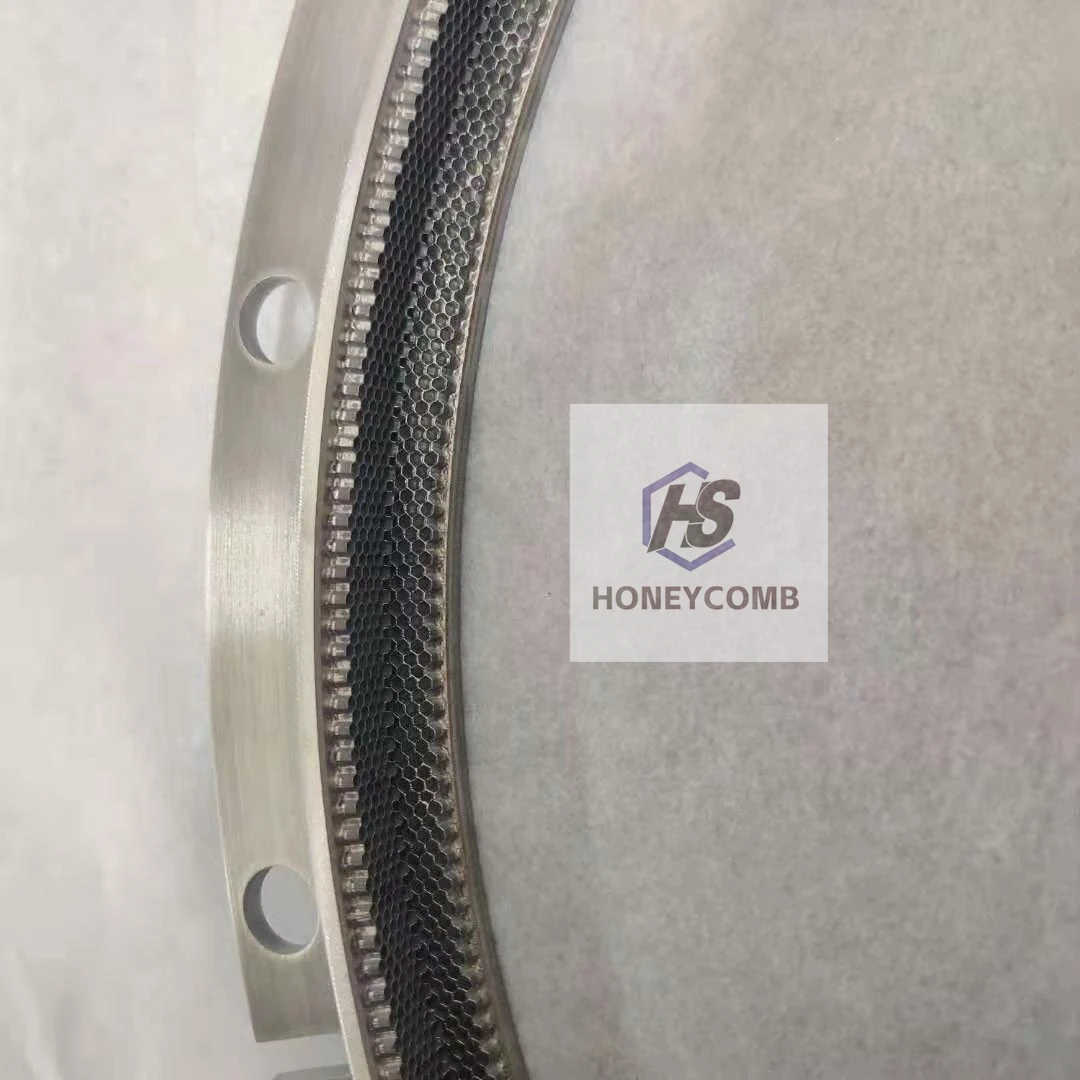
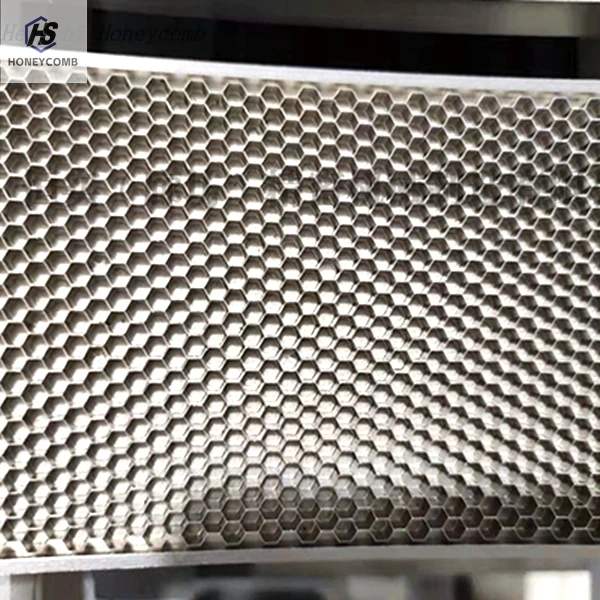
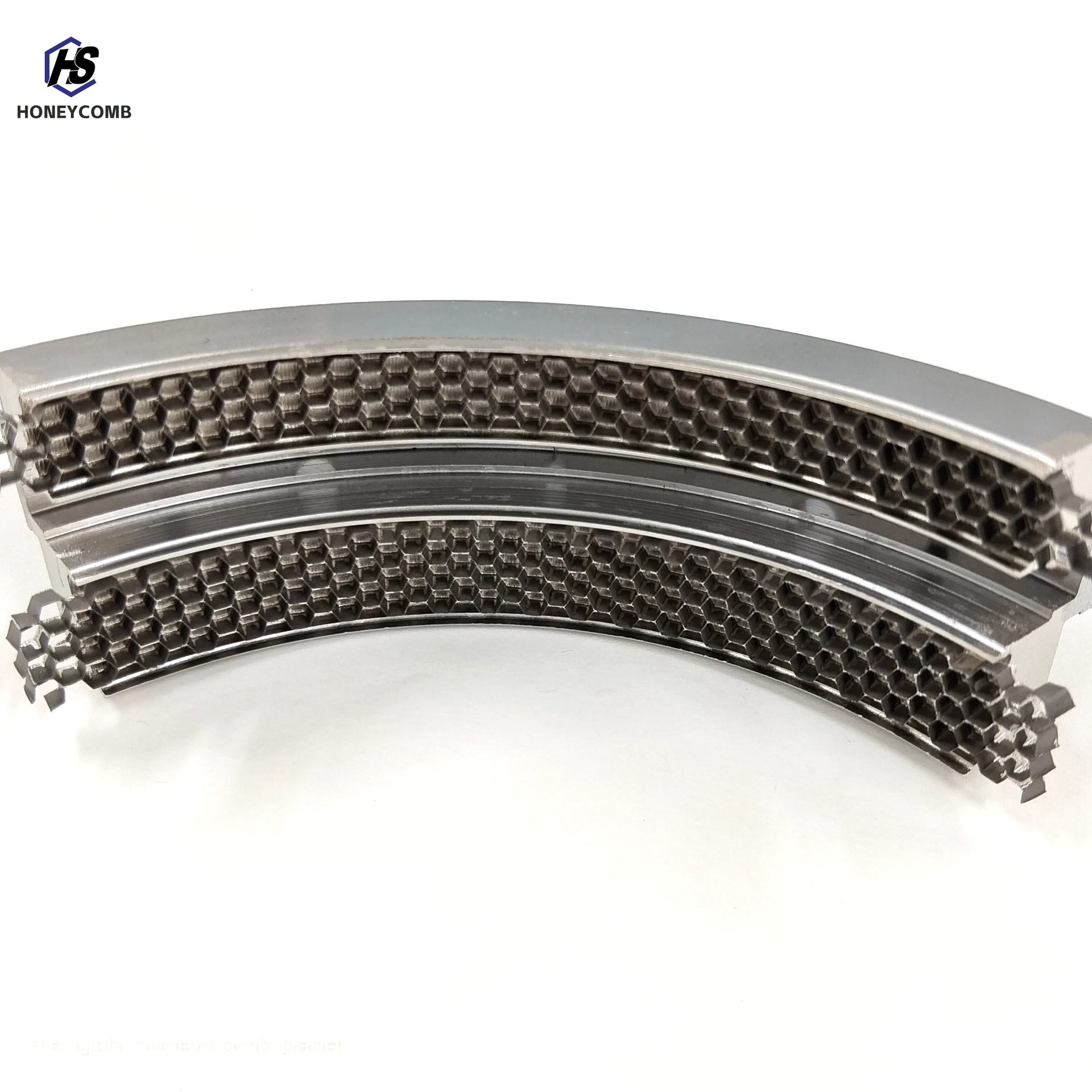
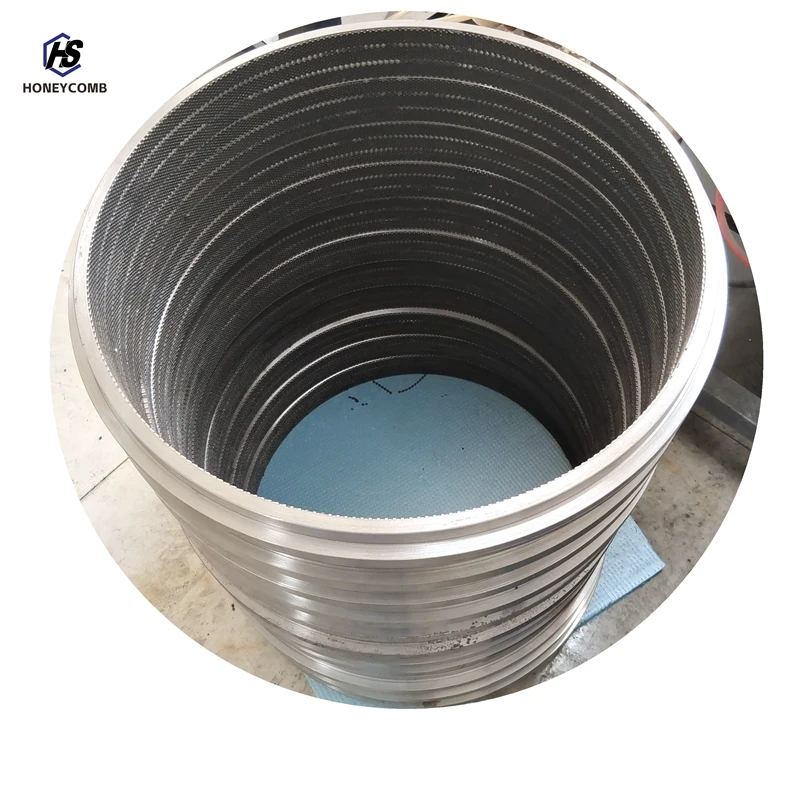
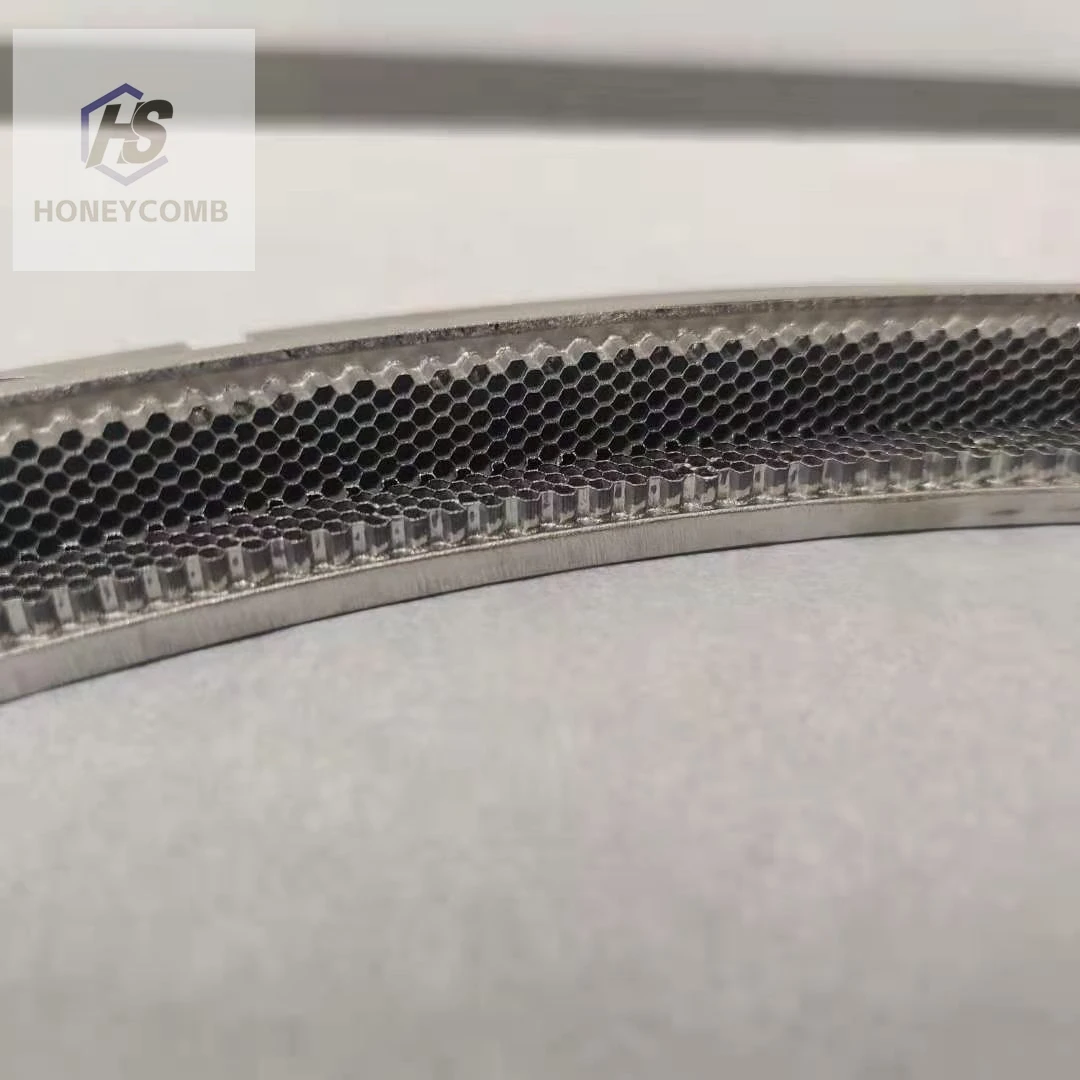
The honeycomb air vent is essentially a panel or insert featuring a pattern of uniform hexagonal cells — just like a bee’s honeycomb — made from lightweight materials such as aluminum, plastic composites, or treated paper. This structure allows air to pass through efficiently while providing physical strength and filtering capabilities.
It’s used in everything from industrial ventilation ducts to protective panels in shelters and electronic devices. The design reduces turbulence and noise, regulates airflow speed, and prevents the ingress of debris or pests.
In practical terms, it supports modern industry’s need for components that are both highly functional and adaptable for different environments — whether that’s a factory floor in Germany or a temporary clinic in rural Nepal.
Key Components and What They Mean in Practice
1. Structure & Material Durability
The cellular, geometric layout gives strength without weight. Materials used must withstand moisture, UV rays, or corrosive substances, depending on location. For example, aerospace-grade aluminum variants can last decades in harsh climates, while polymer composites offer affordable, lighter alternatives for temporary setups.
2. Airflow Efficiency
I’ve noticed that the honeycomb pattern reduces airflow resistance substantially compared to flat vents. This means HVAC units expend less energy pushing air, resulting in lower power consumption — an obvious plus in both industrial and residential applications.
3. Noise Reduction
Oddly enough, the honeycomb's design can also dampen sound waves traveling through ducts or vents, which is an often overlooked benefit. In offices or hospitals, quiet airflow equals better patient and worker comfort.
4. Modular Design & Scalability
Because honeycomb air vents come in scalable panels, engineers can customize size and shape easily. This modularity means fewer bespoke parts and simpler installations — even in hard-to-reach areas.
5. Cost Efficiency Over Time
Although initial material investment might seem higher than basic vents, the savings from reduced energy use and maintenance often pay back quite quickly. Plus, longevity means fewer replacements.
Mini takeaway: The honeycomb air vent balances strength, efficiency, and versatility, meeting practical demands across industries.
Real-World Uses of Honeycomb Air Vents Across The Globe
Thousands of companies and aid organizations worldwide are tapping into the benefits of honeycomb air vents. Here’s a quick look:
- Industrial Facilities: Factories in China and Germany use them to optimize airflow in ventilation towers, cutting down cooling costs.
- Humanitarian Relief: UNHCR tents and temporary clinics in Africa employ honeycomb vents to filter airflow while protecting sensitive equipment inside.
- Electronics: Silicon Valley firms integrate mini honeycomb vents in server cooling systems for noise and heat management.
- Aerospace & Automotive Industries: Manufacturers include them in air intake systems to improve aerodynamics and reduce drag.
These uses underscore versatility — from subtle design tweaks to mission-critical deployment in disaster zones.
Honeycomb Air Vent Specification Table
| Specification | Value | Notes |
|---|---|---|
| Cell Size | 5–10 mm | Optimized for airflow |
| Material | Aluminum / Plastic Composite | Depends on application environment |
| Thickness | 10–25 mm | Balances strength and weight |
| Airflow Rate | Up to 90% | Compared to standard vents |
| Noise Reduction | Up to 12 dB | Measured in lab conditions |
Comparing Leading Honeycomb Air Vent Vendors
| Vendor | Material Options | Customization | Price Range | Global Shipping |
|---|---|---|---|---|
| HoneyTec Ltd. | Aluminum, Titanium | High (custom shapes & thickness) | $$$ | Yes (15-day average) |
| VentCore Inc. | Plastic composites | Medium (standard panels) | $ | Yes (7-day average) |
| AeroHex Solutions | Carbon fiber, Aluminum | High (R&D focused) | $$$$ | Limited (Europe / N.A.) |
| HS Shi Honeycomb | Aluminum, Plastic Composite | Flexible (custom & standard) | $$ | Yes (global, fast dispatch) |
Why Honeycomb Air Vents Deliver Long-Term Value
Beyond technical specs, the payoff often boils down to sustainability and peace of mind. By improving airflow and reducing power use, honeycomb vents cut operational carbon footprints. This matters not just to corporate green policies but to communities living near large industrial sites.
And safety? These vents maintain ventilation integrity while keeping out unwanted particles — crucial in medical or food-processing facilities. Plus, in disaster-relief shelters, they help regulate temperature and prevent mold, supporting both dignity and health for vulnerable populations.
It’s a mix of emotional and logical appeals: feeling confident that systems work while knowing you’ve minimized waste and risk.
Looking Ahead: Future Trends in Honeycomb Air Vent Technology
- Smart Materials: Nanocoatings that repel dirt and pathogens are emerging, making vents even more hygienic.
- 3D Printing: Custom honeycomb structures tailored to specific airflow needs are becoming easier to prototype and produce.
- Integration with IoT: Sensors inside vents will soon monitor air quality and adjust flow in real time.
- Eco-Friendly Innovations: Full recyclability with biodegradable composites is being tested to close the sustainability loop.
The trend suggests a digital and green transformation, which feels fitting for something as simple yet clever as a honeycomb vent.
Challenges and How Experts Are Tackling Them
Of course, no product is perfect. One notable challenge is the trade-off between durability and lightweight design — plastics might degrade faster under UV light while metals add weight and cost.
Some engineers address this by layering materials or applying protective coatings. Others are working on hybrid composites that offer the best of both worlds. In addition, supplying custom sizes globally remains a logistics headache for some vendors, but digital ordering and just-in-time manufacturing are helping.
FAQ: Your Honeycomb Air Vent Questions Answered
- Q1: How does a honeycomb air vent improve energy efficiency?
- A honeycomb air vent reduces airflow resistance by channeling air smoothly through its hexagonal cells, requiring less fan power to maintain ventilation. This efficiency translates into lower electricity use and operating costs, especially in industrial and commercial HVAC systems.
- Q2: Can honeycomb air vents be customized for unusual shapes?
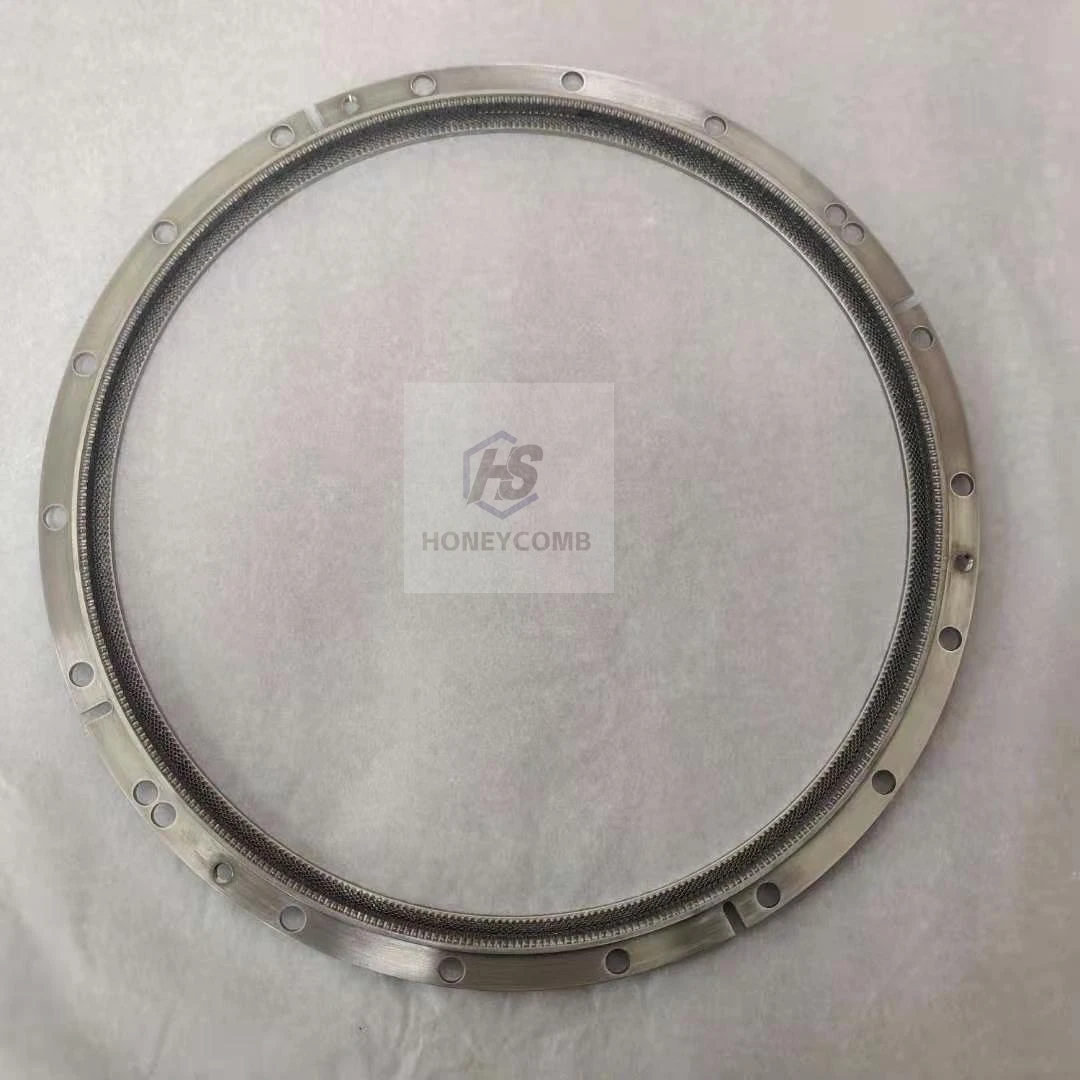
- Yes. Many manufacturers offer tailored sizes and thicknesses to fit specific applications, from curved ducts to irregularly shaped enclosures. Modularity in design also helps keep costs reasonable for customized orders.
- Q3: Are honeycomb air vents suitable for harsh outdoor environments?
- Definitely. When made from corrosion-resistant materials like aerospace-grade aluminum or UV-stabilized composites, these vents hold up well against weather, salt spray, and UV exposure, making them ideal for coastal or industrial settings.
- Q4: How do these vents help in humanitarian shelters?
- By regulating airflow while preventing dust, insects, and contaminants, honeycomb air vents improve indoor air quality and comfort in temporary shelters. They are lightweight and easy to install, crucial for rapid deployment in disaster zones.
- Q5: What’s the typical lifespan of a honeycomb air vent?
- Lifespan varies by material and environment but often ranges from 5 to 20+ years. Proper maintenance and protective coatings can extend service life in demanding use cases.
Wrapping Up: The Quiet Power of Honeycomb Air Vents
In a way, honeycomb air vents are a perfect example of how design and engineering combine to solve big problems in small packages. They improve air quality, reduce energy use, and enhance comfort across multiple sectors — from sprawling factories to emergency tents. As more industries and organizations embrace sustainability and innovation, these vents will likely see even broader adoption.
If you’re interested in exploring advanced honeycomb air vent options, don’t hesitate to visit HS Shi Honeycomb for fast delivery and expert support. It feels like the smart next step in ventilation technology.
References

-
Industrial Airflow Guide for maf воздушная правильная машинаNewsApr.16,2026
-
Best maf струйно правильная машина for Industrial EfficiencyNewsApr.09,2026
-
Сотовая правильная машина A Comprehensive Guide to Honey Packing AutomationNewsApr.07,2026
-
Build Your Own DIY газоправильная Машина A Comprehensive Guide to Gas CorrectionNewsApr.04,2026
-
Understanding Кондиционер отопления Systems for Efficient and Comfortable HeatingNewsMar.31,2026
-
Comprehensive Guide to Cellular Blinds Installation Установка сотовых жалюзиNewsMar.28,2026
-
Mobile Aerodynamic Tunnel Design A Comprehensive Guide to Applications and ImplementationNewsMar.26,2026






 English
  Afrikaans
  Albanian
  Amharic
  Arabic
  Armenian
  Azerbaijani
  Basque
  Belarusian
  Bengali
  Bosnian
  Bulgarian
  Catalan
  Cebuano
  China
China  China (Taiwan)
  Corsican
  Croatian
  Czech
Czech  Danish
  Dutch
Dutch  Esperanto
  Estonian
  Finnish
  French
  Frisian
  Galician
  Georgian
  German
  Greek
Greek  Gujarati
  Haitian Creole
  Hausa
Hausa  Hawaiian
  Hebrew
  Hindi
Hindi  Miao
Miao  Indonesian
  Italian
  Japanese
  Javanese
  Malay
Malay  Persian
  Portuguese
  Punjabi
  Russian
  Spanish
  Swahili
  Telugu
  Vietnamese