


Honeycomb Vents – Efficient Ventilation Solutions for Industry and Safety
Understanding Honeycomb Vents: Why They Matter Globally
If you've ever wondered what's behind the subtle yet crucial technology that keeps airflow steady in everything from machinery housings to aerospace equipment, you're diving into the world of honeycomb vents. They might seem small or even overlooked, but their impact on ventilation, protection, and efficiency spans continents and industries. Globally, better air circulation while blocking debris or flame has huge implications—from improving industrial safety standards to supporting emergency humanitarian aid operations in harsh environments.
Much like how a classic honeycomb structure holds bees’ homes together, these vents act as tiny, precise filters for air, smoke, or heat, making them critical in everything from electronics cooling to aerospace habitats. We'll walk you through what makes honeycomb vents so sought after, their main features, and why they could be a smart bet for industries looking to combine durability with lightweight design.
Mini takeaway: Honeycomb vents, though modest in size, play outsized roles in global industry and safety, serving both high-tech sectors and emergency environments alike.
The Global Context: Airflow Challenges and Honeycomb Solutions
According to the International Organization for Standardization (ISO), the need for efficient and reliable ventilation systems has surged as industries push for better equipment safety and sustainability. The ISO standards reflect that a well-ventilated device prolongs service life significantly while reducing risk.
What’s striking: the World Bank cites rising industrial activity and urbanization as key drivers for innovations in ventilation technologies. Yet, despite all this growth, many industries face a tricky problem—how to guarantee excellent airflow without compromising structural integrity or allowing contaminants in.
Honeycomb vents step right into this space. Their intricate geometry optimizes airflow while creating a protective barrier, addressing issues such as flame retardation, dust blocking, and mechanical strength. These problems pop up everywhere: in medical devices, aerospace cabins, HVAC systems, you name it.
Mini takeaway: With global industrial expansion, honeycomb vents help meet strict airflow and safety demands, making them a critical cog in machine and environmental health worldwide.
What Exactly Are Honeycomb Vents?
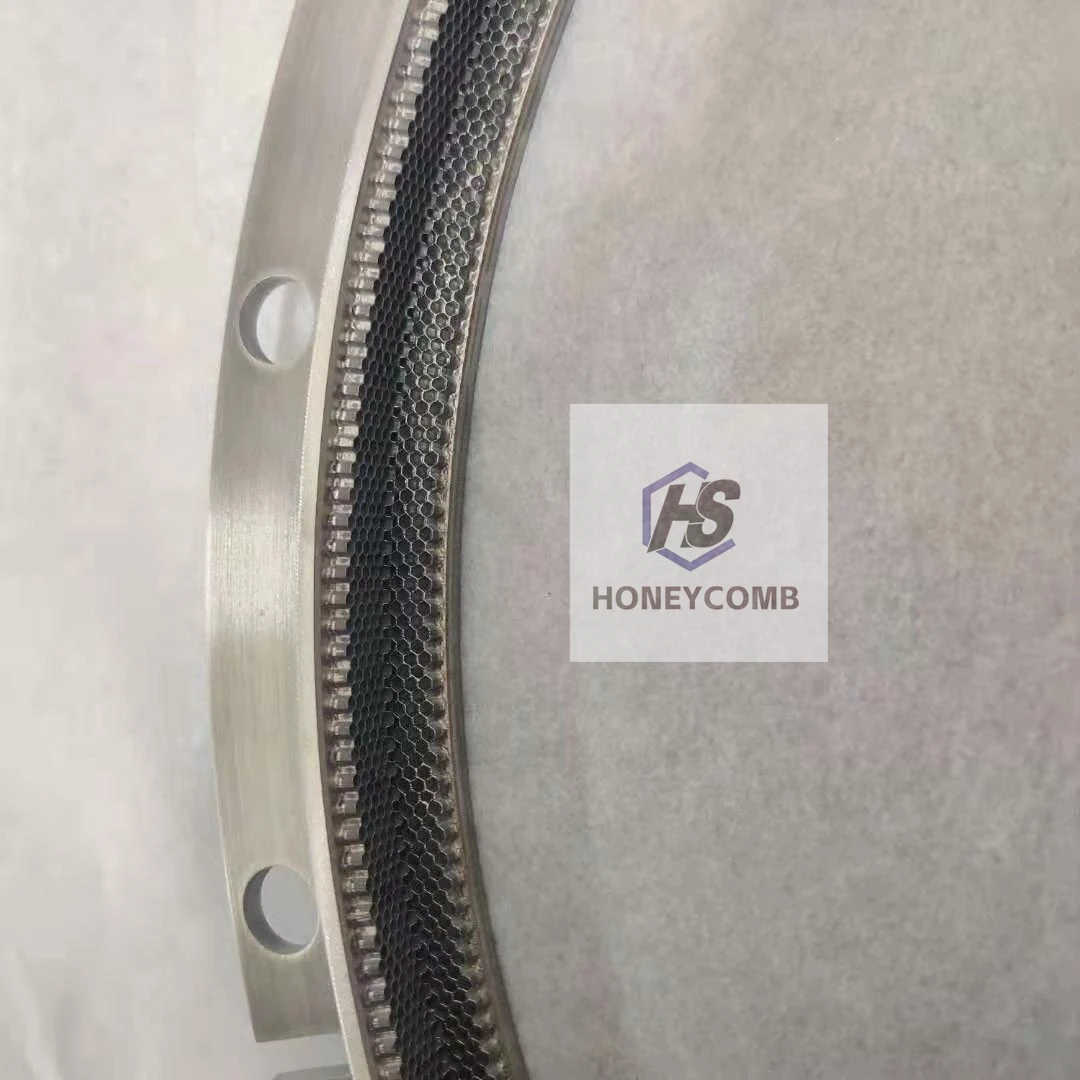
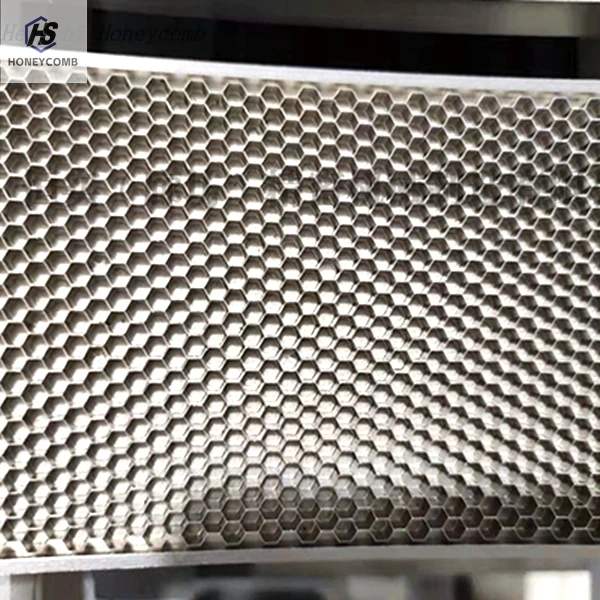
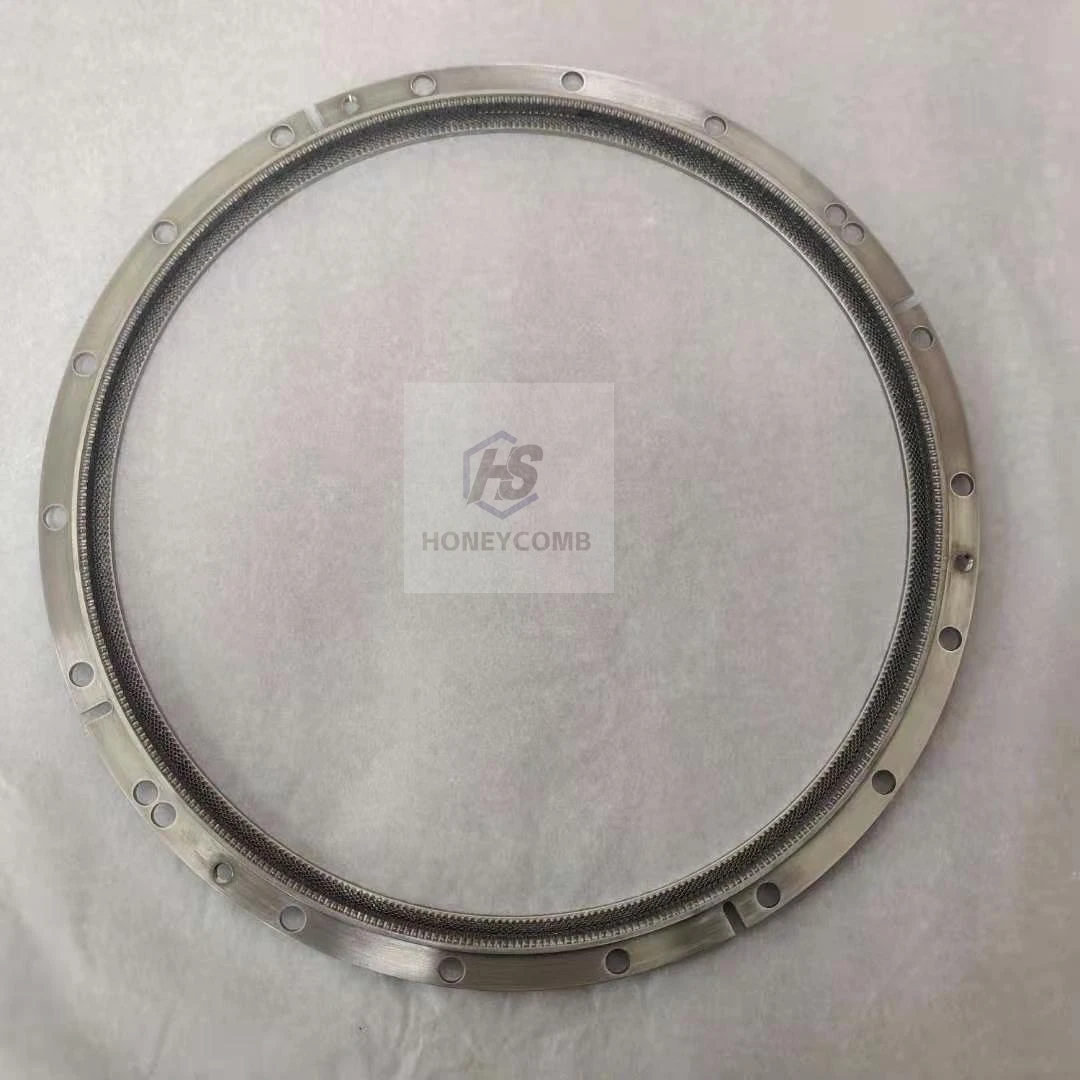
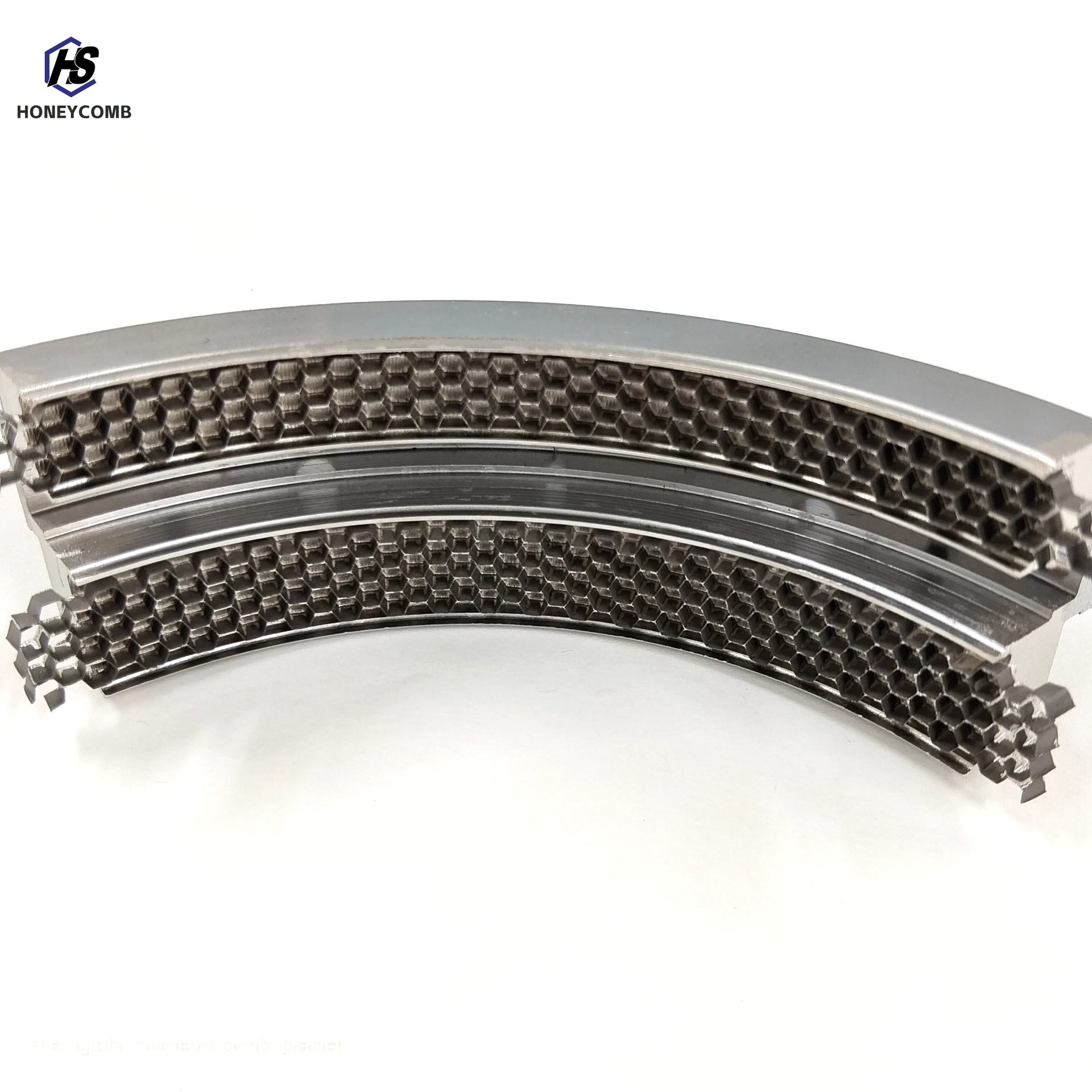
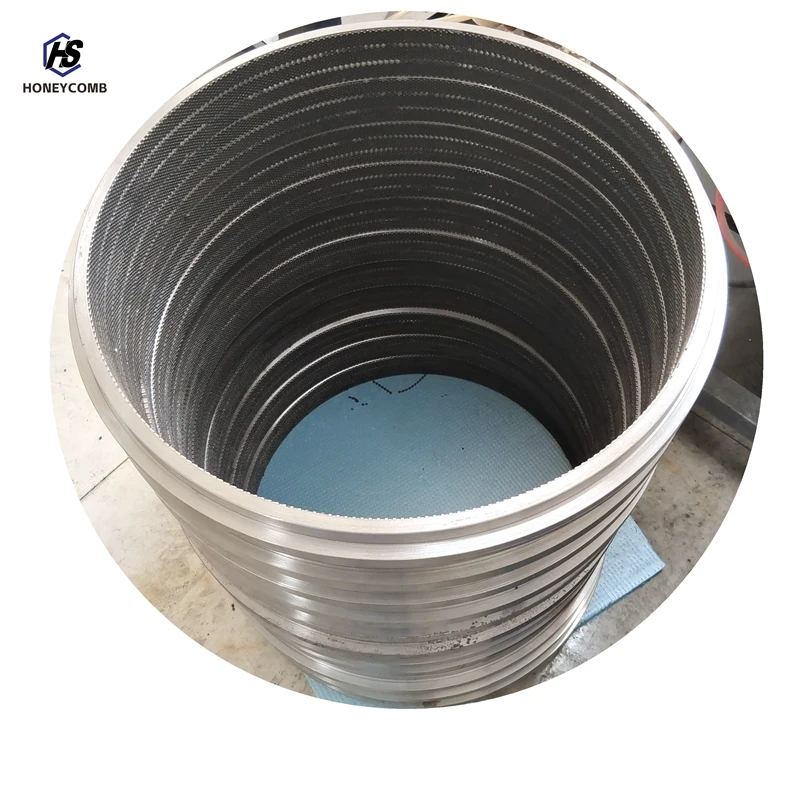
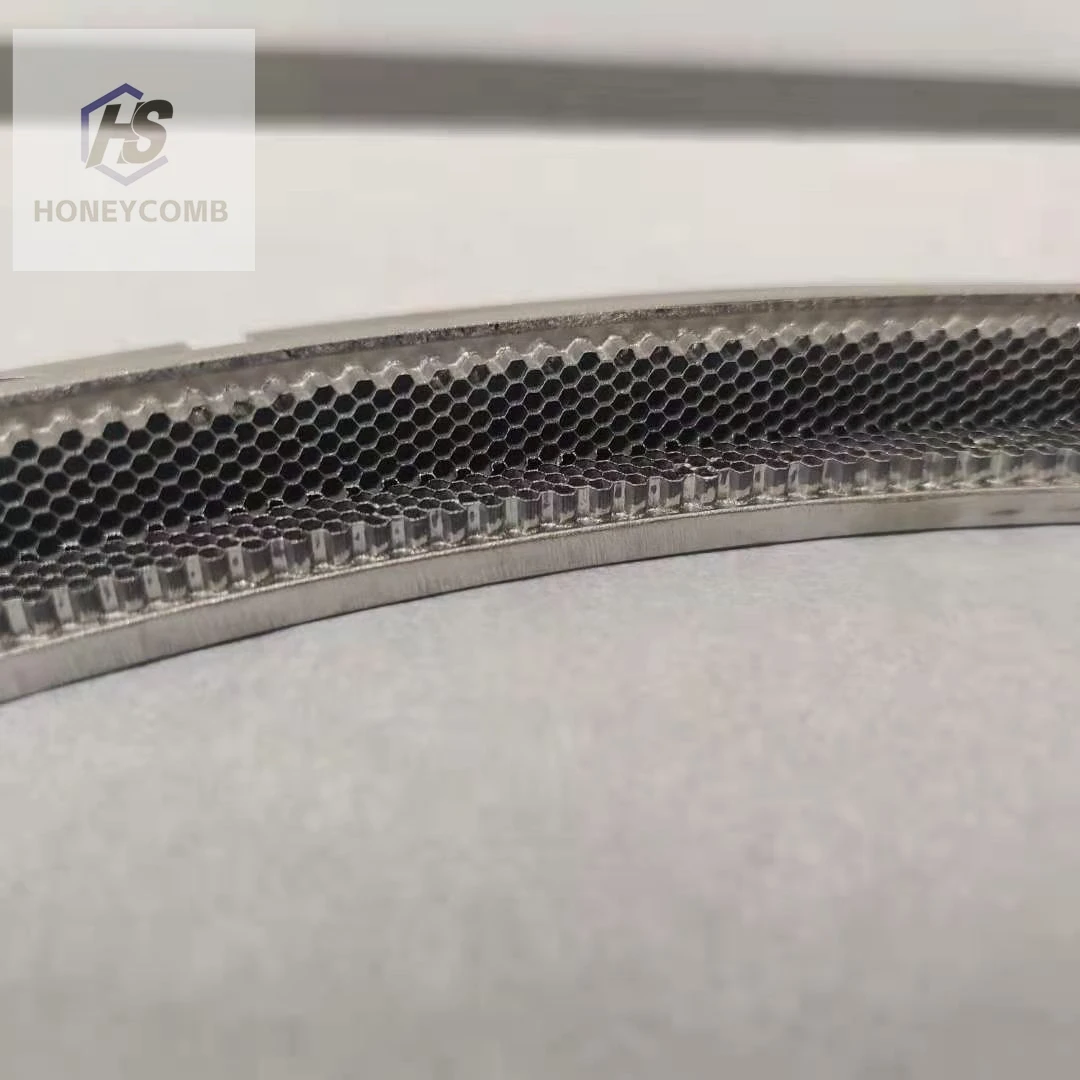
In its simplest form, a honeycomb vent is a structure composed of hexagonal cells—think of a beehive but engineered for air and particle flow. This “honeycomb” arrangement allows air to pass through with minimal resistance while acting as a shield against particles, debris, and often flame or sparks.
Now, this might sound abstract, but these vents come manufactured in materials like aluminum, stainless steel, or high-performance composites. Their use stretches from high-end aerospace cabins regulating oxygen flow to rugged industrial enclosures needing protection from dust and fire hazards.
Interestingly, this concept draws from biomimicry, leveraging the natural efficiency of hexagonal packing that bees perfected millions of years ago. Modern honeycomb vents are simply technology echoing nature’s elegance but with technical tweaks: tailored pore sizes, special coatings, or flame-retardant materials.
Core Elements That Make Honeycomb Vents Work
Durability
The choice of material defines how robust a vent is. Aluminum vents offer corrosion resistance while stainless steel can endure harsher chemical environments. Some companies now even coat vents with polymer layers to resist erosion or UV damage.
Airflow Efficiency
Thanks to the honeycomb geometry, airflow resistance is minimal—sort of like a smooth highway for particles. This means cooling systems or ventilation fans don’t have to work overtime, saving energy and maintenance costs.
Fire and Flame Resistance
In many industrial and aerospace settings, vents must block flames or sparks. Honeycomb vents can be made of materials tested for flame resistance conforming to standards like NFPA 701, making them vital protective layers.
Customization & Scalability
Because honeycomb vents can be made in diverse sizes and cell densities, manufacturers can fine-tune products for specific airflow requirements or physical spaces—whether it’s a tiny electronics panel or a large industrial duct.
Cost Efficiency
While some versions might carry a higher upfront cost, the long-term savings in durability, reduced energy use, and maintenance make honeycomb vents cost-effective investments.
Mini takeaway: The intricate balance between material, efficiency, durability, and cost defines honeycomb vents' suitability for hundreds of applications.
Honeycomb Vents in Action: Use Cases Across the Globe
Let me paint a picture. In remote industrial zones of Australia, operators rely on honeycomb vents to filter dust out of critical electrical control rooms. Without these vents, fine dust can cause devastating short circuits or downtime.
In post-disaster relief, portable shelters equipped with aerospace-grade honeycomb vents help maintain airflow while blocking smoke and debris, improving living conditions where ventilation is otherwise compromised.
Even in Asian megacities, densely packed electronics need effective cooling – a role that tiny honeycomb vents play quietly inside consumer products and communication towers.
| Attribute | Specification |
|---|---|
| Material | Aluminum Alloy 6061 / Stainless Steel |
| Cell Size | 5-10 mm hexagonal |
| Thickness | 5-20 mm |
| Flame Resistance | Complies with NFPA 701 |
| Operating Temperature | -40°C to +150°C |
Mini takeaway: Honeycomb vents are everywhere, from dusty industrial sites to emergency housing, proving their flexibility and impact.
Advantages That Last: Why Invest in Honeycomb Vents?
We’re talking real-world benefits here. Honeycomb vents don’t just help machines breathe easier—they also reduce maintenance headaches, prolong equipment life, and enhance safety. Imagine a factory that avoids costly downtime because dust and fire hazards are kept at bay, or a medical facility where airflow stops germs efficiently.
There’s also a subtlety here: these vents bring peace of mind. For engineers, safety officers, and operations teams, confirming that such a simple but effective element is in place often translates to trust — trust that the system won’t throw a wrench in the works unexpectedly.
Environmentally, lower energy consumption by fans means a smaller carbon footprint—aligning with global sustainability goals set by entities like the United Nations. And socially, safer facilities mean safer workers, healthier NGOs in disaster zones, and innovation that respects human dignity.
Emerging Trends in Honeycomb Vent Technology
Honeycomb vents are evolving fast. Manufacturers are experimenting with advanced materials like carbon fiber composites and graphene layers to make them both lighter and super-strong. There's also growing interest in integrating sensors right into vent panels to monitor airflow or contamination remotely—a neat touch made possible by digital transformation trends.
On the sustainability frontier, some R&D teams are working on biodegradable or recycled materials, which would make these vents part of a greener manufacturing cycle. Additionally, the rise of automation means more precise manufacturing methods, cut to exact tolerances, improving performance even further.
Challenges and Smart Solutions for Honeycomb Vents
Nothing’s perfect, and honeycomb vents have their hurdles. For example, certain environments demand vents to withstand chemical exposure or extreme heat beyond common specifications. Meanwhile, insertion forces during installation or cleaning can sometimes damage delicate cells.
Experts suggest modular designs that allow vents to be swapped out in situ or coatings that add chemical resistance. Plus, vendors increasingly provide custom testing to simulate client-specific conditions—helping predict and remedy weaknesses before costly failures.
| Vendor | Materials Used | Customization | Typical Lead Time | Price Range |
|---|---|---|---|---|
| HSI Honeycomb Tech | Aluminum, Stainless Steel, Composites | High (custom cell size & coatings) | 2–4 weeks | $$$ |
| VentGuard Inc. | Steel, Aluminum | Medium (select sizes, finishes) | 3–5 weeks | $$ |
| EcoFlow Components | Recycled metals, composites | Low (standard sizes) | 1–3 weeks | $ |
Frequently Asked Questions About Honeycomb Vents
What makes honeycomb vents different from regular mesh vents?
Honeycomb vents feature hexagonal cells that optimize airflow while offering greater structural strength and filtering efficiency compared to standard mesh. This shape minimizes pressure drop and enhances flame resistance, making honeycomb vents better suited for demanding industrial and aerospace applications.
Can honeycomb vents be cleaned and reused in dusty environments?
Yes, they can. Most are designed with durable materials allowing for cleaning via compressed air or gentle washing. However, the specific cleaning process depends on the vent's material and protective coatings. Routine maintenance extends their lifespan significantly.
Are honeycomb vents suitable for outdoor use in extreme climates?
Absolutely. When made with corrosion-resistant materials like stainless steel or specially coated aluminum, honeycomb vents can withstand harsh weather, UV exposure, and temperature fluctuations, making them ideal for outdoor applications.
How customizable are honeycomb vents in terms of size and material?
Many manufacturers offer extensive customization options, including cell size, vent thickness, material selection, and surface treatment. This flexibility allows tailoring vents to precise airflow needs across diverse industries.
Where can I learn more or purchase high-quality honeycomb vents?
For a deeper dive, check out vendors like honeycomb vents who offer extensive product details, technical specs, and expert guidance tailored to your application.
Wrapping It Up: Why Honeycomb Vents Will Keep Breathing Life into Your Projects
In the end, investing in quality honeycomb vents isn’t just about airflow. It’s about reliability, safety, sustainability, and in some ways, respecting a small marvel of engineering inspired by nature. From protecting delicate electronics to preserving human comfort and safety in extreme environments, honeycomb vents represent an elegant solution that keeps evolving.
If your next project or operation depends on ventilation that’s efficient, durable, and smartly designed, honeycomb vents deserve a serious look. And frankly, if you want to explore premium options with detailed customization, visit honeycomb vents. You might find just the airflow partner you never knew you needed.
Final takeaway: Honeycomb vents quietly underpin a lot of the technology and safety we take for granted—thanks to clever engineering and nature’s blueprint alike.
References:

-
Industrial Airflow Guide for maf воздушная правильная машинаNewsApr.16,2026
-
Best maf струйно правильная машина for Industrial EfficiencyNewsApr.09,2026
-
Сотовая правильная машина A Comprehensive Guide to Honey Packing AutomationNewsApr.07,2026
-
Build Your Own DIY газоправильная Машина A Comprehensive Guide to Gas CorrectionNewsApr.04,2026
-
Understanding Кондиционер отопления Systems for Efficient and Comfortable HeatingNewsMar.31,2026
-
Comprehensive Guide to Cellular Blinds Installation Установка сотовых жалюзиNewsMar.28,2026
-
Mobile Aerodynamic Tunnel Design A Comprehensive Guide to Applications and ImplementationNewsMar.26,2026






 English
  Afrikaans
  Albanian
  Amharic
  Arabic
  Armenian
  Azerbaijani
  Basque
  Belarusian
  Bengali
  Bosnian
  Bulgarian
  Catalan
  Cebuano
  China
China  China (Taiwan)
  Corsican
  Croatian
  Czech
Czech  Danish
  Dutch
Dutch  Esperanto
  Estonian
  Finnish
  French
  Frisian
  Galician
  Georgian
  German
  Greek
Greek  Gujarati
  Haitian Creole
  Hausa
Hausa  Hawaiian
  Hebrew
  Hindi
Hindi  Miao
Miao  Indonesian
  Italian
  Japanese
  Javanese
  Malay
Malay  Persian
  Portuguese
  Punjabi
  Russian
  Spanish
  Swahili
  Telugu
  Vietnamese