


EMI Honeycomb Solutions: Lightweight Shielding for Modern Industries
EMI Honeycomb: What It Is and Why it Matters
Imagine you’re trying to keep sensitive electronics safe from all sorts of electromagnetic interference (EMI) — signals, noise, static, you name it. That’s the problem that emi honeycomb products are uniquely designed to tackle. In the simplest terms, emi honeycomb refers to panels or filters made from honeycomb-shaped metallic structures that absorb or block unwanted electromagnetic waves.
This technology is quietly crucial worldwide, especially as our devices and infrastructure grow ever more connected and complex. Think aerospace, defense systems, telecommunications, and even humanitarian aid equipment in disaster zones — all rely on reliable EMI shields to operate safely and efficiently. The benefits? Better device longevity, improved signal clarity, and protection against potentially dangerous electromagnetic exposure.
The Global Context: Why EMI Shielding is Critical Today
EMI is not just a technical headache but a growing global concern. The International Electrotechnical Commission (IEC) estimates that electromagnetic disruptions cause millions in economic losses annually across industries. Meanwhile, ITU reports that with nearly 60% of the world's population now online, electromagnetic cleanliness is more important than ever.
Particularly in military and aerospace sectors, sensitive communications and sensor systems must be protected from enemy jamming or accidental interference. But even outside those high-stakes areas, the rise of 5G, IoT, and remote industrial setups mean EMI honeycomb solutions find fresh relevance — whether it’s a wind turbine’s control hub or a mobile hospital delivering critical care in remote regions.
Mini takeaway:
EMI honeycomb materials aren't just niche technical oddities — their shielding empowers critical infrastructures worldwide, from cities to disaster zones.
Defining EMI Honeycomb: More than a Buzzword
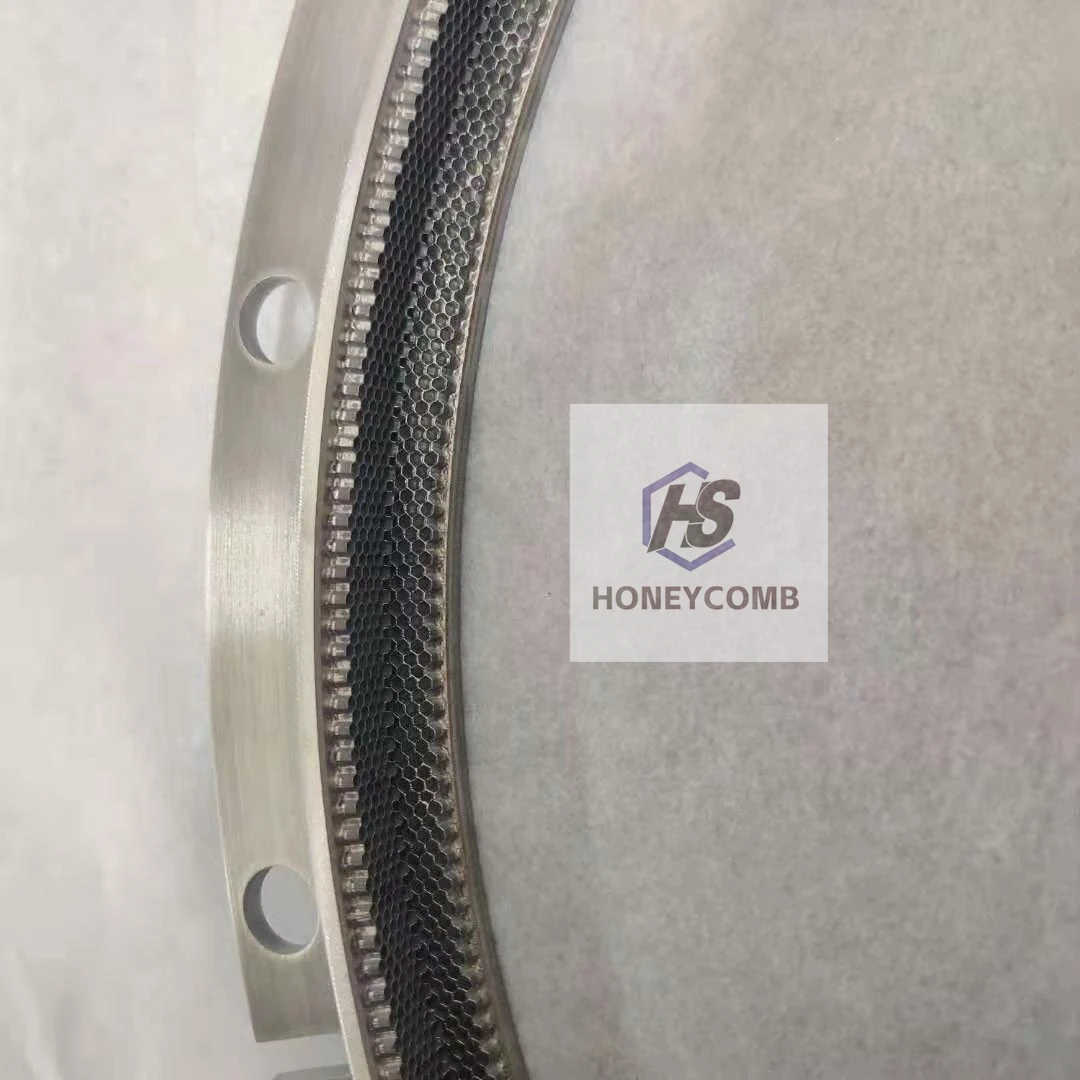
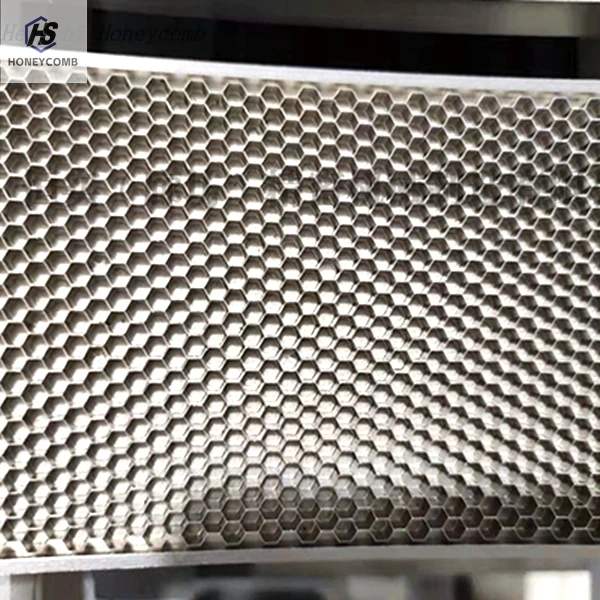
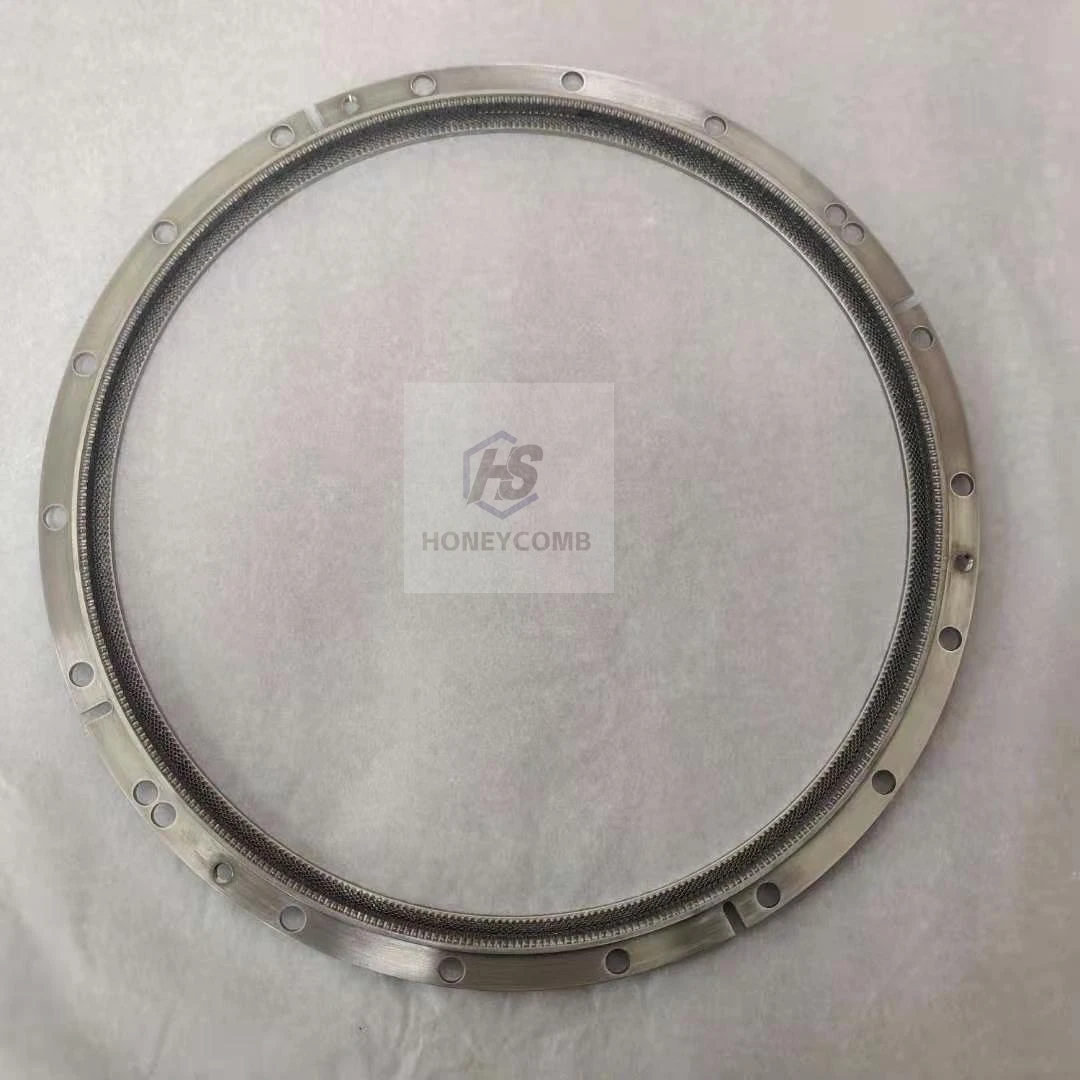
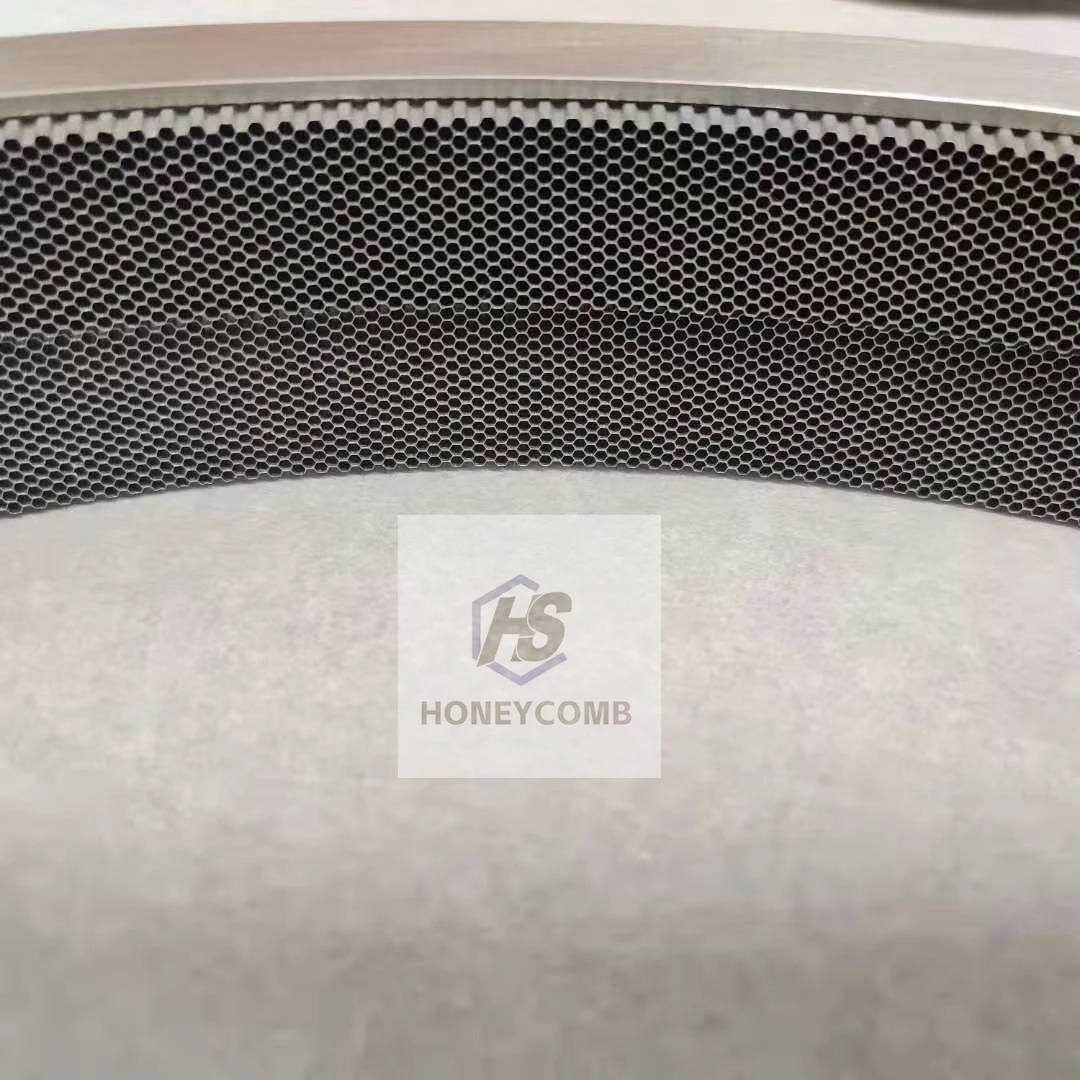
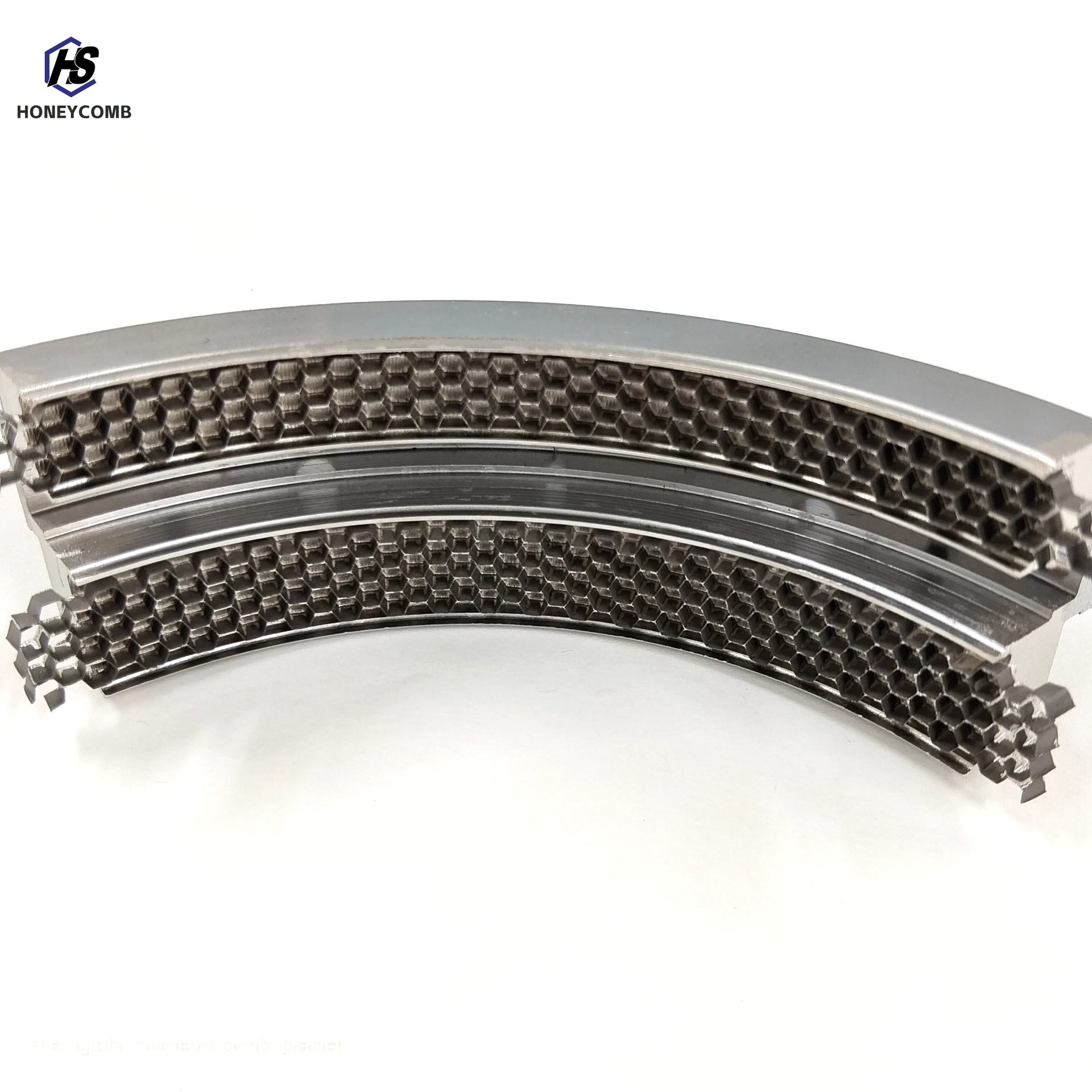
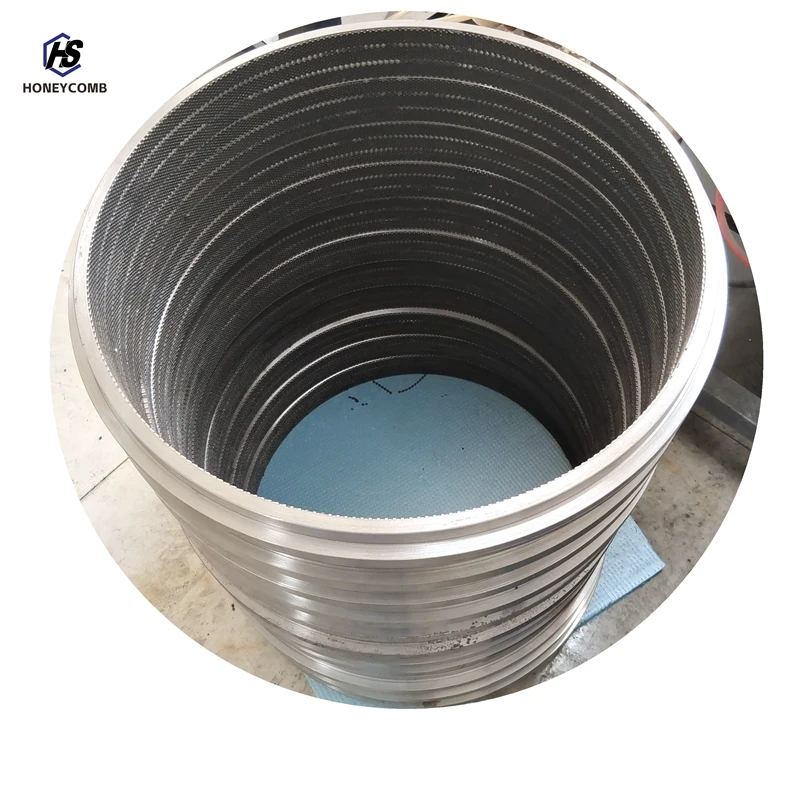
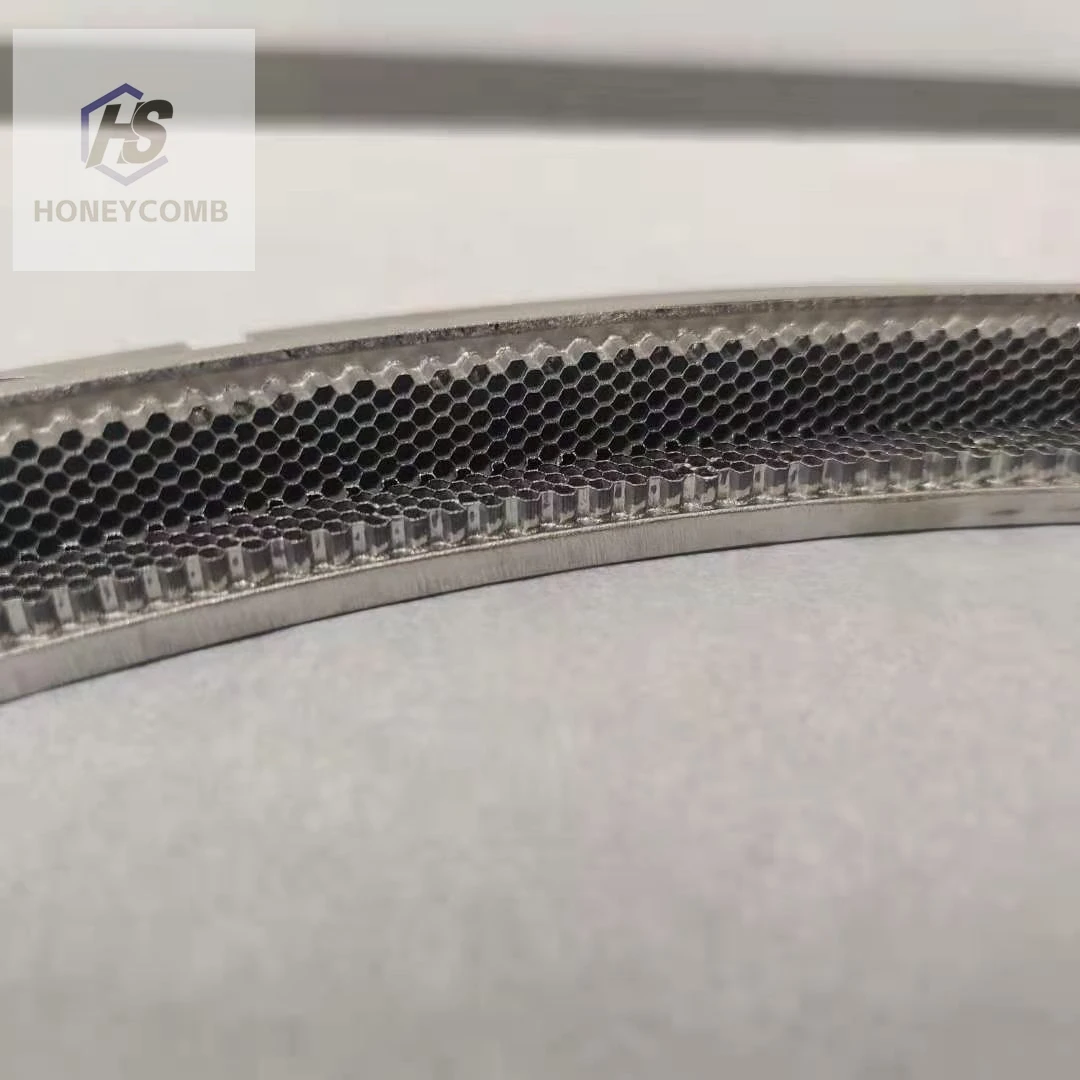
So what exactly is emi honeycomb? At heart, it’s a metallic or composite grid shaped like a honeycomb — think hexagonal cells stacked together — made typically from aluminum, copper, or specialized alloys. The geometry isn’t accidental; that honeycomb pattern maximizes strength while minimizing weight, and its uniform cells disrupt electromagnetic waves by reflecting, absorbing, or channeling them away.
In practical terms, emi honeycomb acts like a lightweight fence against unwanted electromagnetic radiation, protecting delicate components enclosed within enclosures or panels. It’s widely used in shielding doors, ventilation panels, waveguides, and connector interfaces — any place EMI might sneak in and spoil the signal or damage hardware.
In humanitarian tech, for example, rugged communication devices used in disaster relief require EMI filters to operate reliably in harsh electromagnetic environments, often near emergency generators or satellite uplinks.
Key Factors of EMI Honeycomb That Really Matter
1. Durability and Lightweight Design
Honeycomb structures offer exceptional strength-to-weight ratios. This means protective shields made of EMI honeycomb don’t weigh down the device but still stand up to bumps, vibrations, and harsh weather. It’s why aerospace engineers love these panels for aircraft avionics bays.
2. Frequency Range and Shielding Effectiveness
Good emi honeycomb products are designed to block a wide range of frequencies—from low-frequency radio noise to high-frequency microwave signals. This versatility ensures protection in diverse applications, from industrial machinery to satellite communications.
3. Thermal Management
The honeycomb pattern also allows airflow while blocking EMI — a clever trick that lets sensitive electronic components stay cool without compromising protection.
4. Scalability and Customization
Companies today can tailor the thickness, cell size, and materials of emi honeycomb filters to fit unique project demands — whether a tiny antenna or large industrial cabinet. This flexibility is a game-changer for engineers.
5. Cost Efficiency
Compared to bulky metal shields, emi honeycomb materials save on raw materials and installation labor, delivering better ROI over time with less maintenance.
Mini takeaway:
Durability, shielding range, airflow, customization — these core traits make emi honeycomb the go-to EMI defense in industries where failure is simply not an option.
Product Specification Table: Typical EMI Honeycomb Panel
| Specification | Details |
|---|---|
| Material | Aluminum Alloy 5052, Copper |
| Cell Size | 3mm - 12mm (Customizable) |
| Shielding Effectiveness | Up to 80 dB attenuation (1 MHz to 18 GHz) |
| Thickness | 5 mm - 25 mm |
| Operating Temperature | -40°C to 120°C |
| Weight | 0.8 - 2.4 kg/m² |
How EMI Honeycomb Shapes the Global Industry
EMI honeycomb solutions have become a staple across diverse sectors—and it’s fascinating how varied these are. In aerospace, for example, companies rely on them to shield navigation and communication systems from external interference at high altitudes.
Likewise, telecom operators integrate EMI honeycomb in 5G base stations, helping reduce noise from multiple active antennas coexisting in tight urban spaces. Then there are post-disaster scenarios — rugged field hospitals and supply chain tech equipped with emi honeycomb filters continue to function without delays or malfunctions, even amid unstable electromagnetic environments. In remote oil and gas sites, where heavy machinery generates EMI, these honeycomb panels are critical for monitoring equipment’s integrity.
Vendor Comparison: EMI Honeycomb Solutions Providers
| Vendor | Product Range | Custom Solutions | Lead Time | Price Range |
|---|---|---|---|---|
| HS Shih Honeycomb | Wide (Panels, Filters, Ventilation) | Yes, tailored designs available | 2-4 weeks | Moderate |
| Acme EMI Solutions | Standard Panels | Limited | 1-3 weeks | Low |
| ShieldTech Composites | Specialized High-Frequency Panels | Yes | 4-6 weeks | High |
Advantages and Long-Term Value of EMI Honeycomb
Honestly, what really sells emi honeycomb is the mix of rational benefits and emotional peace of mind it offers engineers and end-users alike.
- Cost savings: Reduced downtime, less equipment damage, and lighter installation costs add up to serious budget relief over time.
- Sustainability: Longer-lasting equipment and recyclable materials make this a green choice in an increasingly eco-conscious world.
- Safety: By preventing electromagnetic leakage, it helps maintain compliance with international health and safety standards — reassuring both users and regulators.
- Innovation facilitation: Allows the deployment of cutting-edge equipment that otherwise might be vulnerable to EMI, pushing technology frontiers.
At a human level, it’s about ensuring that vital systems don't fail — whether it’s a power grid controller or emergency communications in a crisis — instilling trust and sometimes even guarding lives.
What’s Next? Trends and Innovations
Looking ahead, the field is buzzing with developments. Lightweight composite materials infused with nano-coatings aim to improve EMI absorption further without bulk. In parallel, digital twins and AI-driven design tools let engineers simulate EMI scenarios and optimize honeycomb parameters before manufacturing — drastically cutting R&D cycles.
Regulatory bodies like ISO are pushing for tighter EMI standards globally, which will nudge more industries to incorporate these solutions, broadening their market. Plus, the move toward renewable energy and smart cities creates more opportunities where EMI honeycomb products become indispensable.
Challenges and How to Overcome Them
Of course, not everything is smooth sailing. Traditional materials can still falter in extremely high-frequency or ultra-wideband conditions. Manufacturing precision is critical; slight deviations can reduce shielding performance substantially.
Experts suggest investing in enhanced quality control methods, like X-ray inspections and advanced material science, plus closer collaboration with end users to tweak designs exactly right — sort of a “design with empathy” approach.
FAQ: What People Commonly Ask about EMI Honeycomb
- How does emi honeycomb compare to solid metal shielding?
- While solid metal is often more durable, emi honeycomb offers similar shielding performance at a fraction of the weight, saving material costs and allowing improved airflow for cooling.
- Can emi honeycomb filters be customized for specific frequency ranges?
- Absolutely. Variations in cell size, thickness, and material composition let manufacturers tune shielding effectiveness precisely across targeted frequency bands.
- Are these honeycomb panels resistant to corrosion in outdoor environments?
- Many emi honeycomb panels use corrosion-resistant alloys or protective coatings, making them suitable for outdoor industrial and military applications.
- How quickly can these parts be manufactured for urgent projects?
- Lead times vary by supplier but typically range from 2 to 6 weeks depending on customization. Some vendors offer expedited options for critical deployments.
- Is EMI honeycomb compatible with existing enclosure designs?
- Yes, one of its strengths is easy retrofitting or integration in new designs — manufacturers often provide modular panels and connectors to simplify this.
Final Thoughts & Next Steps
From aerospace cockpits to remote emergency shelters, the humble emi honeycomb panel quietly makes modern life possible — reliably, efficiently, and safely. Its lightweight strength, shielding versatility, and adaptability make it a true unsung hero of electromagnetic defense.
If you want to explore the latest in emi honeycomb technology or need custom solutions, be sure to visit emi honeycomb suppliers like HS Shih — they bring decades of expertise to help you get the exact fit for your needs.
References
-
Industrial Airflow Guide for maf воздушная правильная машинаNewsApr.16,2026
-
Best maf струйно правильная машина for Industrial EfficiencyNewsApr.09,2026
-
Сотовая правильная машина A Comprehensive Guide to Honey Packing AutomationNewsApr.07,2026
-
Build Your Own DIY газоправильная Машина A Comprehensive Guide to Gas CorrectionNewsApr.04,2026
-
Understanding Кондиционер отопления Systems for Efficient and Comfortable HeatingNewsMar.31,2026
-
Comprehensive Guide to Cellular Blinds Installation Установка сотовых жалюзиNewsMar.28,2026
-
Mobile Aerodynamic Tunnel Design A Comprehensive Guide to Applications and ImplementationNewsMar.26,2026






 English
  Afrikaans
  Albanian
  Amharic
  Arabic
  Armenian
  Azerbaijani
  Basque
  Belarusian
  Bengali
  Bosnian
  Bulgarian
  Catalan
  Cebuano
  China
China  China (Taiwan)
  Corsican
  Croatian
  Czech
Czech  Danish
  Dutch
Dutch  Esperanto
  Estonian
  Finnish
  French
  Frisian
  Galician
  Georgian
  German
  Greek
Greek  Gujarati
  Haitian Creole
  Hausa
Hausa  Hawaiian
  Hebrew
  Hindi
Hindi  Miao
Miao  Indonesian
  Italian
  Japanese
  Javanese
  Malay
Malay  Persian
  Portuguese
  Punjabi
  Russian
  Spanish
  Swahili
  Telugu
  Vietnamese