


EMI RFI Shielded Waveguide Air Vents: Essential Solutions for Electromagnetic Security & Cooling
An Introduction to EMI RFI Shielded Waveguide Air Vents: Why They Matter Worldwide
Imagine a world where electronic devices silently communicate without interference—from medical machines saving lives in hospitals to critical infrastructure controlling electric grids. This delicate dance depends heavily on managing electromagnetic interference (EMI) and radio frequency interference (RFI). Enter emi rfi shielded waveguide air vents, the quiet champions ensuring air movement inside electronic enclosures, while keeping those pesky signals locked out.
These vents may not be flashy, but globally, their presence improves the safety, efficiency, and durability of equipment critical to industries ranging from telecommunications to aerospace. Understanding these components is not just a technical detail; it’s a global engineering challenge with direct impacts on everything from disaster relief operations to sustainable industrial growth.
Global Context: The Growing Need for EMI RFI Shielded Waveguide Air Vents
We’re living in an era driven by connectivity. The United Nations estimates that over 60% of the world’s population is now online, creating an unprecedented demand for electronic infrastructure worldwide.[1] Alongside this proliferation of devices, the risk of EMI and RFI disturbing sensitive equipment grows exponentially. This interference can wreak havoc—from simple data corruption to catastrophic failures in critical systems.
Industrial facilities in Asia, Europe, and North America report increasing challenges maintaining equipment uptime due to EMI-related shutdowns. Further, humanitarian missions, like those coordinated by the Red Cross in disaster zones, rely on robust communication systems shielded from interference. So, how do engineers ensure proper ventilation of these enclosed systems without letting EMI and RFI infiltrate?
The answer—using emi rfi shielded waveguide air vents, which block harmful electromagnetic waves while facilitating thermal management. They’ve become a staple in the fight against interference worldwide.
What Exactly Is an EMI RFI Shielded Waveguide Air Vent?
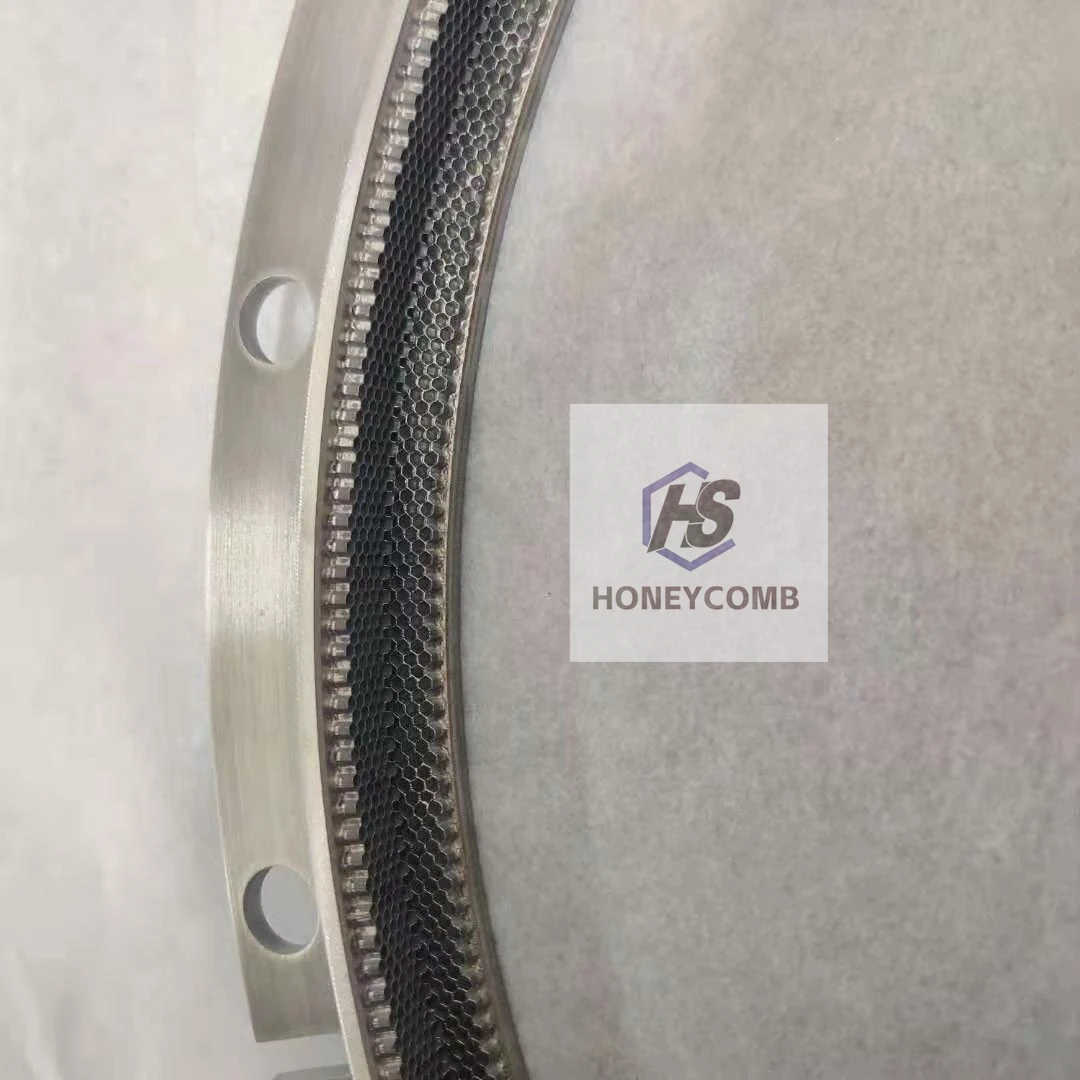
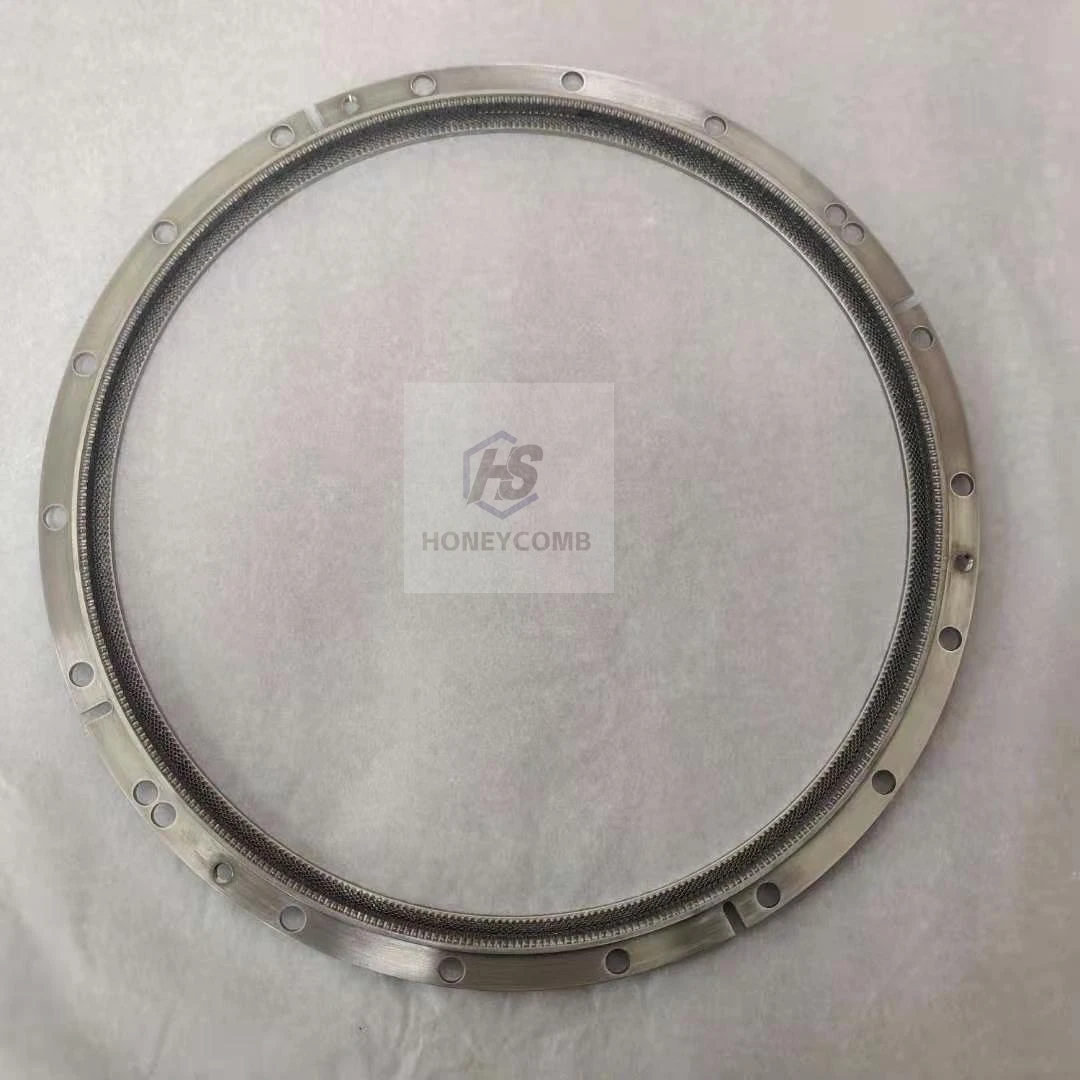
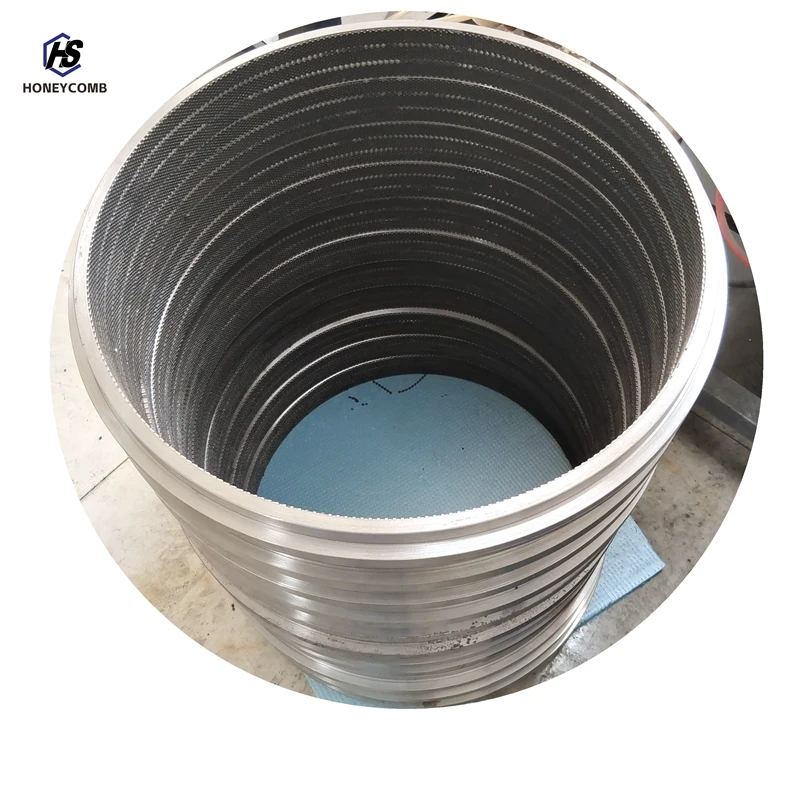
In simple terms, an EMI RFI shielded waveguide air vent is a specialized component designed to allow airflow into and out of electronic enclosures—but here’s the clever bit—they do it without letting electromagnetic or radio frequency signals pass through.
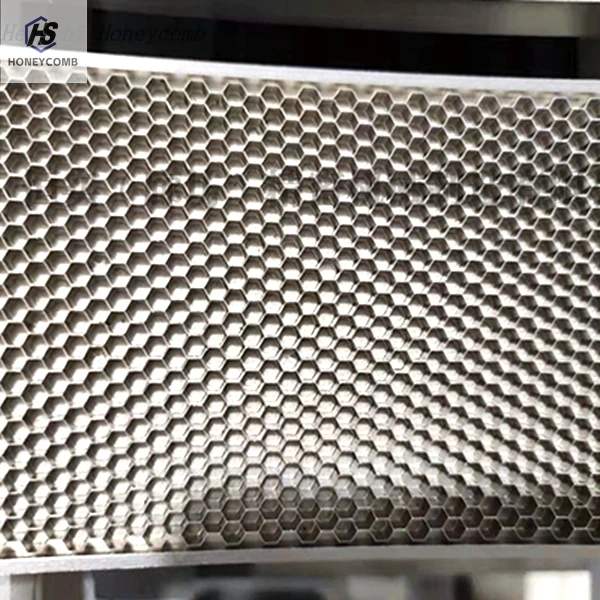
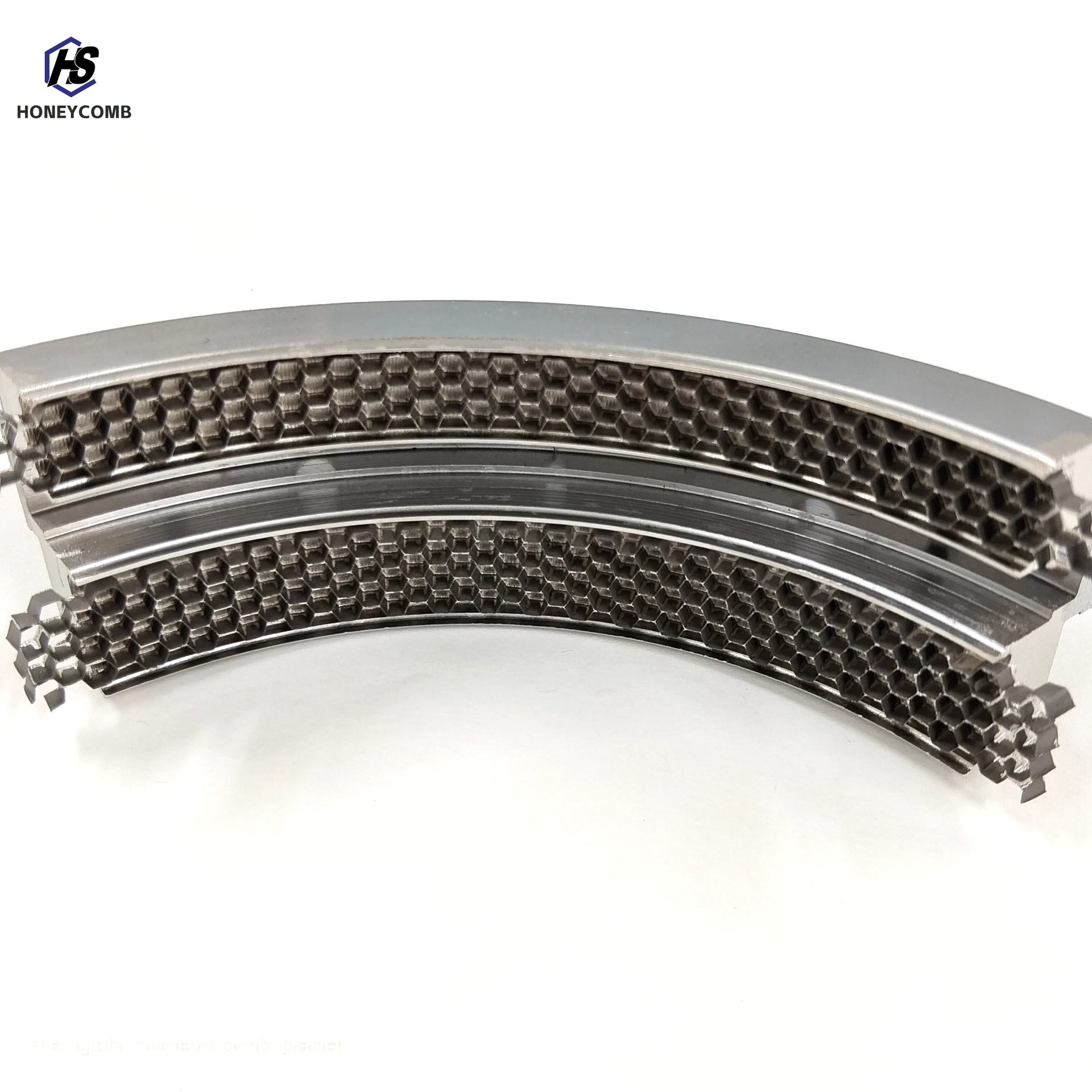
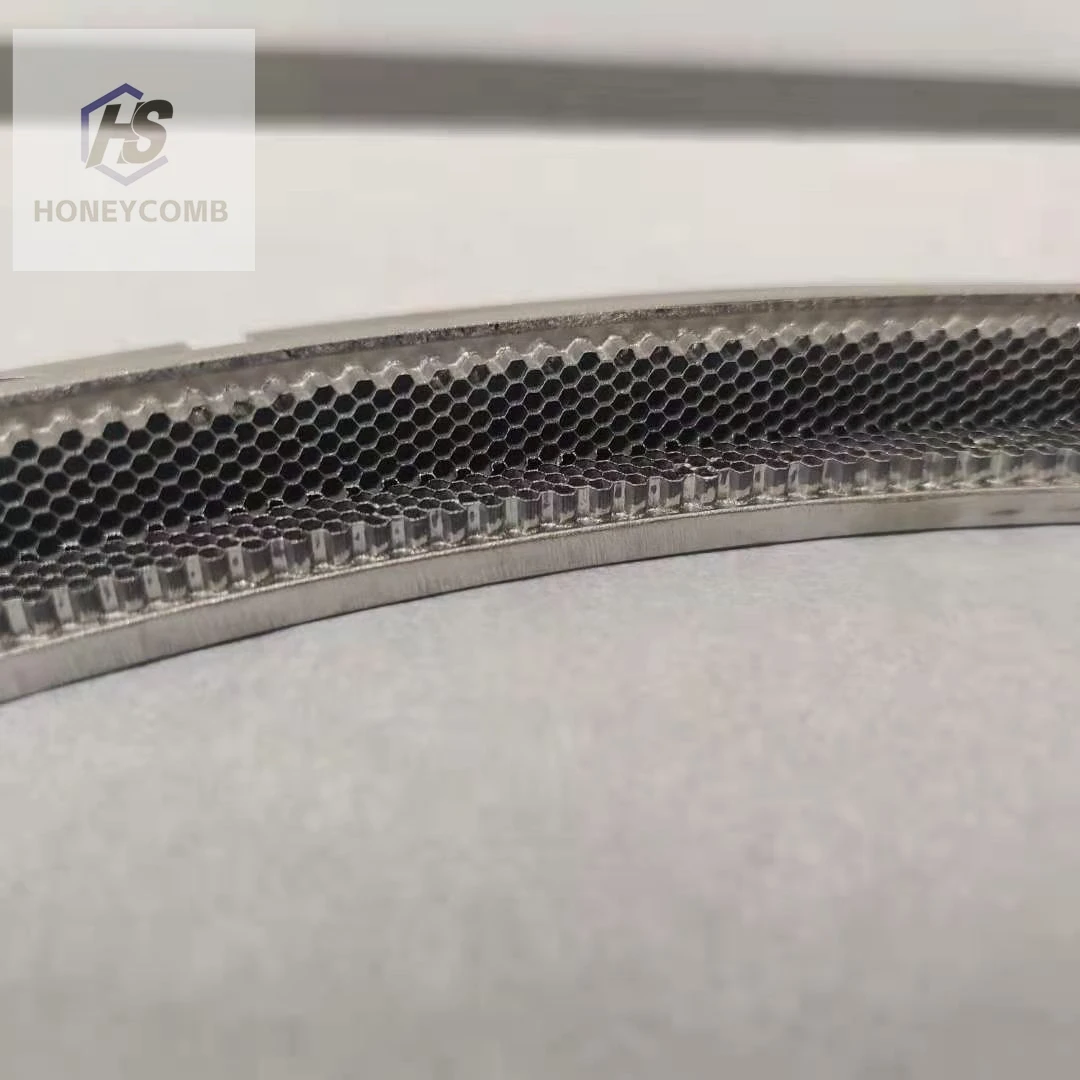
Think of it as a finely-tuned gatekeeper. The "waveguide" inside the vent utilizes physical principles from electromagnetic theory to attenuate unwanted signals above certain frequencies, while still letting air pass freely.
Practically speaking, this is critical because electronics generate heat and need ventilation, but vents create potential weak spots in the shielding that protect systems from interference. These vents solve that problem—balancing cooling needs and EMI/RFI protection—serving industries such as telecommunications, healthcare, defense, and industrial automation.
Core Components and Features of EMI RFI Shielded Waveguide Air Vents
1. Durability and Material Quality
These vents must withstand harsh conditions—humidity, dust, extreme temperatures—often without maintenance. Manufacturers commonly use corrosion-resistant metals like stainless steel or aluminum with conductive coatings (e.g., nickel plating) to ensure longevity.
2. Electromagnetic Attenuation
The waveguide structure inside is carefully designed to block a wide frequency range—from low MHz levels typical of power lines up to GHz levels used in wireless communications. This ensures consistent shielding effectiveness across diverse applications.
3. Airflow Efficiency
Not all vents are created equal. Effective models balance shielding with sufficient air volume exchange to prevent overheating, which is critical in data centers or industrial controls.
4. Mounting & Installation Flexibility
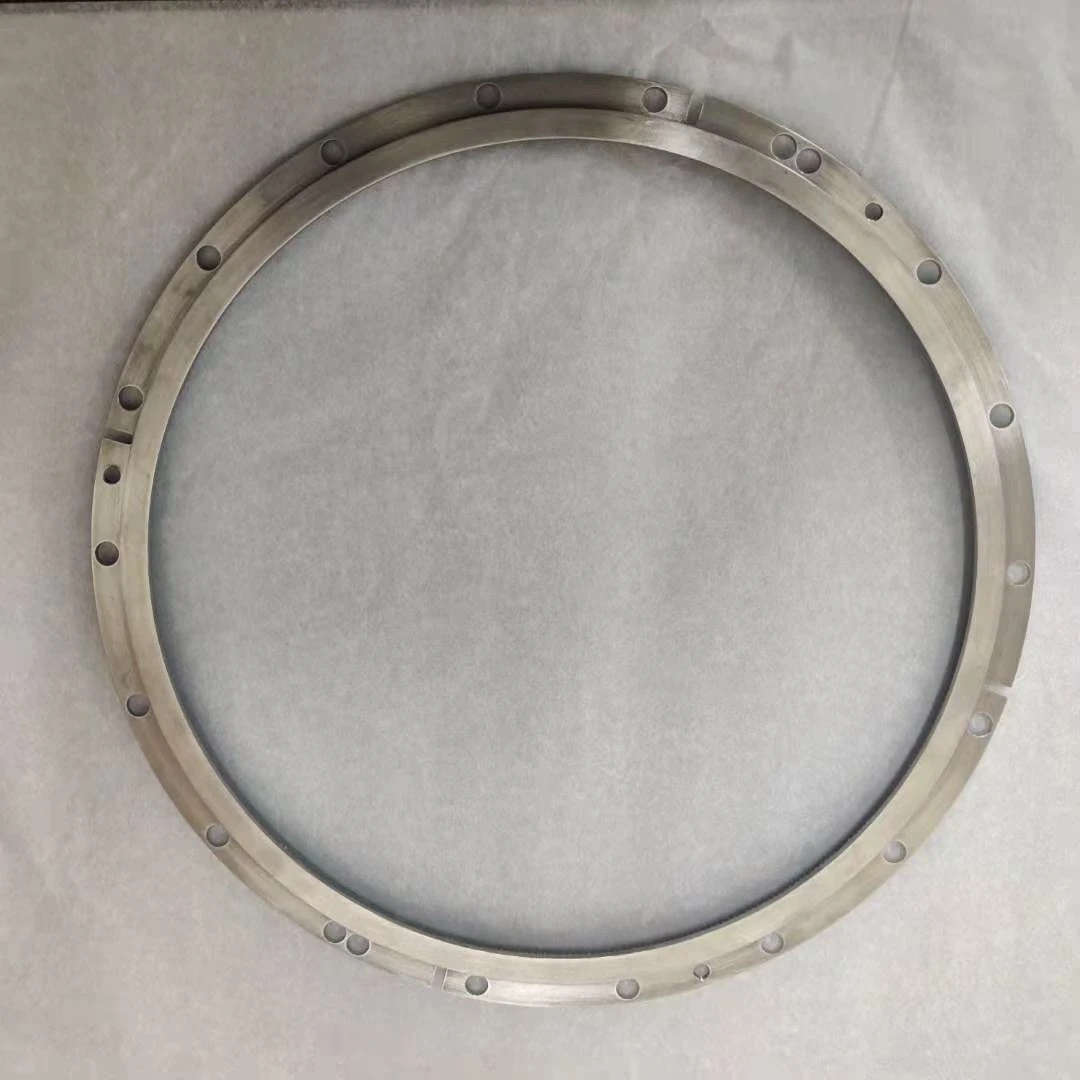
Easy installation options—like snap-in frames or screw mounts—allow for seamless integration into varied cabinet designs and materials, lowering project complexity and cost.
5. Scalability for Various Sizes
From small telecom enclosures to large industrial control booths, these vents come in multiple sizes and geometries, making customization straightforward.
Product Specifications Overview
| Specification | Typical Value / Feature |
|---|---|
| Material | Aluminum or Stainless Steel with Nickel Plating |
| Shielding Effectiveness | 50-75 dB across 100 MHz – 10 GHz |
| Airflow Rate | Up to 100 CFM (cubic feet per minute) |
| Operating Temp Range | -40°C to +85°C |
| Mounting Style | Screw Mount or Snap-in Frame |
| Ingress Protection Rating | Up to IP65 (dust tight, water jets) |
Mini Takeaway: The design and materials of EMI RFI shielded waveguide vents reflect a delicate balance—robust physical protections without sacrificing airflow or shielding performance.
Real-World Applications and Use Cases Across the Globe
Industries worldwide have embraced these vents to maintain system reliability. Here are a few examples:
- Telecommunications: Network shelters in urban centers often use these vents to manage heat while preserving signal fidelity.
- Defense and Aerospace: Ground vehicles and aircraft electronics must remain interference-free under stressful conditions.
- Industrial Automation: Factories in Europe rely on these vents for sensitive control cabinets managing process machinery.
- Disaster Relief: Emergency communication units deployed after earthquakes or floods can’t afford EMI disruption, particularly in remote or experimental setups.
- Medical Facilities: Sensitive diagnostic equipment in hospitals employs these vents to meet stringent electromagnetic compatibility (EMC) rules while ensuring proper cooling.
Oddly enough, I noticed that even niche markets—like research vessels prone to extreme weather—turn to specialized waveguide air vents for reliable performance.
The Advantages and Long-Term Value of Shielded Waveguide Air Vents
There’s something satisfying about solutions that deliver both hard savings and a sense of security. From a practical standpoint, these vents extend equipment life by preventing EMI-induced faults and overheating. The reduced downtime saves significant costs in maintenance and lost productivity.
Environmentally, better thermal management through effective ventilation contributes to energy efficiency—cooling systems don’t have to work as hard. That subtle sustainability impact adds up globally.
And then there’s the emotional satisfaction—operators trust their equipment won’t suddenly fail during crises, and engineers appreciate the neatness of an elegant, modular component solving multiple problems.
Future Trends and Innovations Shaping EMI RFI Shielded Waveguide Air Vents
Looking ahead, the vent industry follows larger trends in digital transformation and green technology. Emerging research focuses on:
- Nano-coatings: Ultra-thin conductive layers enhancing EMI attenuation while reducing weight.
- 3D-printed waveguide structures: Allowing highly customized shapes that fit challenging cabinet geometries.
- Integration with IoT Sensors: To monitor airflow and detect shielding breaches remotely.
- Eco-friendly materials: Biodegradable composites and recycled metals to lower environmental footprint.
Automation in manufacturing also promises tighter tolerances and lower costs, making these components more accessible to emerging markets.
Common Challenges and How Experts Tackle Them
Despite great strides, a few challenges persist:
- Balancing Airflow vs. Shielding: Increasing ventilation often decreases EMI shielding effectiveness—experts test numerous waveguide geometries to optimize this trade-off.
- Physical Space Constraints: Compact designs require miniaturization without performance loss, a tightrope walk for engineers.
- Installation Variability: Inefficient or incorrect mounting can degrade effectiveness—training and clear guides help avoid that.
Specialized R&D centers now rely on electromagnetic simulation software and accelerated aging tests to improve vent reliability. Plus, close collaboration between OEMs and ventilation vendors creates solutions that fit exact use cases.
FAQ: Everything You Want to Know About EMI RFI Shielded Waveguide Air Vents
- Q1: How do these vents prevent EMI without blocking airflow?
- They use waveguide structures sized to block electromagnetic waves above certain frequencies while allowing air particles to pass freely, combining principles of physics and material science.
- Q2: Are custom sizes readily available for unusual enclosures?
- Yes, many manufacturers offer custom fabrication to meet unique needs, especially for aerospace, telecom, or defense projects.
- Q3: Can these vents withstand extreme weather or corrosive environments?
- Absolutely. Using corrosion-resistant metals with protective coatings, many vents meet IP65 ratings or better, suitable for harsh external conditions.
- Q4: How do I ensure proper installation for maximum effectiveness?
- Follow manufacturer instructions carefully, secure all fasteners, and avoid gaps or misalignment that can degrade shielding. Some vendors offer training or installation services.
- Q5: What industries benefit the most from these vents?
- Telecom, defense, healthcare, industrial automation, transportation, and emergency response industries rely heavily on shielded vents for operational integrity.
Vendor Comparison: Some Leading EMI RFI Shielded Waveguide Air Vent Providers
| Vendor | Material Options | Shielding Effectiveness | Customization | Typical Lead Time | Global Reach |
|---|---|---|---|---|---|
| HSI Honeycomb | Aluminum, Stainless Steel | Up to 75 dB | Full Custom | 4-6 weeks | Asia, Americas, Europe |
| ShieldTek Components | Aluminum | 60 dB | Standard Range | 3-5 weeks | Primarily North America and Europe |
| WaveGuard Inc. | Stainless Steel, Coated Plastics | 50-70 dB | Moderate | 6-8 weeks | Global |
Wrapping It Up: The Quiet but Critical Role of EMI RFI Shielded Waveguide Air Vents
While often overlooked, these vents play a pivotal role in today’s electronic infrastructure by blending thermal management with electromagnetic protection. They safeguard our critical systems against interference while allowing them to breathe, making them invaluable worldwide — from urban tech hubs to disaster-stricken regions.
If you’re looking to explore the latest solutions tailored for your industry’s unique challenges, I encourage you to visit emi rfi shielded waveguide air vents to discover cutting-edge options designed with care and expertise.
At the end of the day, managing EMI and RFI isn’t just about technology—it’s about safety, reliability, and progress. And those little vents? They do their part quietly but surely.
References & Further Reading

-
Industrial Airflow Guide for maf воздушная правильная машинаNewsApr.16,2026
-
Best maf струйно правильная машина for Industrial EfficiencyNewsApr.09,2026
-
Сотовая правильная машина A Comprehensive Guide to Honey Packing AutomationNewsApr.07,2026
-
Build Your Own DIY газоправильная Машина A Comprehensive Guide to Gas CorrectionNewsApr.04,2026
-
Understanding Кондиционер отопления Systems for Efficient and Comfortable HeatingNewsMar.31,2026
-
Comprehensive Guide to Cellular Blinds Installation Установка сотовых жалюзиNewsMar.28,2026
-
Mobile Aerodynamic Tunnel Design A Comprehensive Guide to Applications and ImplementationNewsMar.26,2026






 English
  Afrikaans
  Albanian
  Amharic
  Arabic
  Armenian
  Azerbaijani
  Basque
  Belarusian
  Bengali
  Bosnian
  Bulgarian
  Catalan
  Cebuano
  China
China  China (Taiwan)
  Corsican
  Croatian
  Czech
Czech  Danish
  Dutch
Dutch  Esperanto
  Estonian
  Finnish
  French
  Frisian
  Galician
  Georgian
  German
  Greek
Greek  Gujarati
  Haitian Creole
  Hausa
Hausa  Hawaiian
  Hebrew
  Hindi
Hindi  Miao
Miao  Indonesian
  Italian
  Japanese
  Javanese
  Malay
Malay  Persian
  Portuguese
  Punjabi
  Russian
  Spanish
  Swahili
  Telugu
  Vietnamese