


Vented Aluminum Honeycomb – Lightweight Strength for Tomorrow’s Industries
Understanding Vented Aluminum Honeycomb: Why It’s Gaining Global Attention
If you work in industries from aerospace to construction, you’ve likely heard whispers about vented aluminum honeycomb. But why all the fuss? Simply put, this fascinating material design—a lightweight, perforated hexagonal aluminum core—has quietly become a linchpin for innovation in sectors demanding strength without bulk. Globally, as companies and organizations scramble to build lighter, stronger, and more sustainable structures, vented aluminum honeycomb fills that niche like no other. The benefits? Improved airflow and weight reduction without compromising durability—a geometry and material combo that pretty much defines smart engineering today.
In a world increasingly pushed by climate goals and resource constraints, understanding these honeycomb cores isn’t just engineer-speak. It’s a crucial piece in our puzzle for more efficient, resilient, and environmentally friendly products.
Global Context: How Vented Aluminum Honeycomb Fits Into Modern Challenges
The aerospace industry's pivot towards lighter but safer aircraft frames is one glaring example of vented aluminum honeycomb’s rise. According to the International Air Transport Association (IATA), every kilogram saved on board saves significant fuel costs and reduces emissions—talk about a win-win.
Moreover, global infrastructure projects in Asia and Europe increasingly rely on this material for cladding and panels thanks to its strength-to-weight ratio. A 2022 ISO report highlighted a surge (+30%) in use of aluminum honeycomb composites in building facades and transportation sectors over five years.
But here’s the kicker: many manufacturers face the challenge of balancing product integrity with thermal management and acoustic performance. The vented variety — perforations inside the honeycomb cells — is an elegant solution to this dilemma, promoting airflow and heat dissipation.
Mini takeaway: Vented aluminum honeycomb doesn’t just answer weight and strength—it directly addresses evolving industry calls for thermal and acoustic efficiency.
What Exactly Is Vented Aluminum Honeycomb?
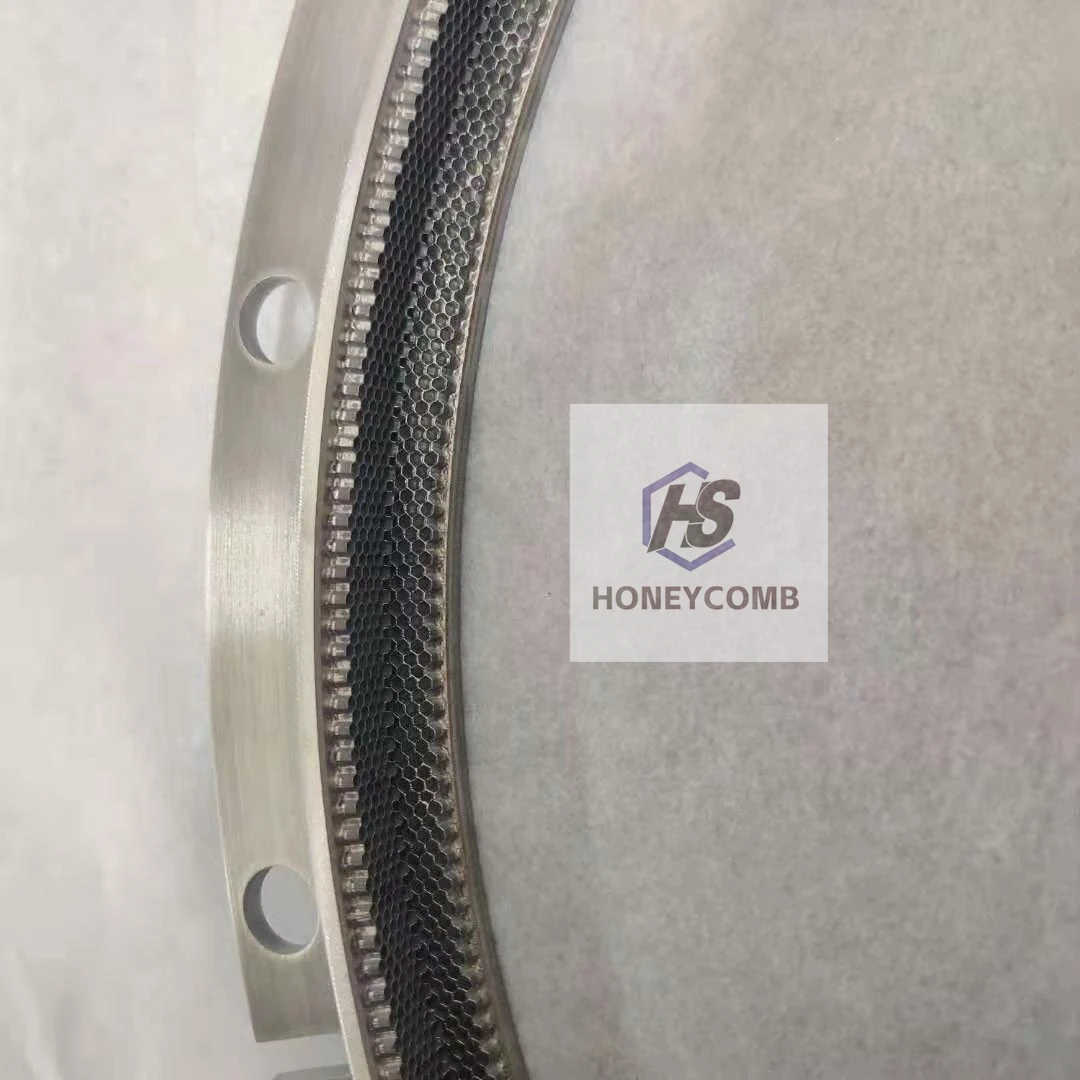
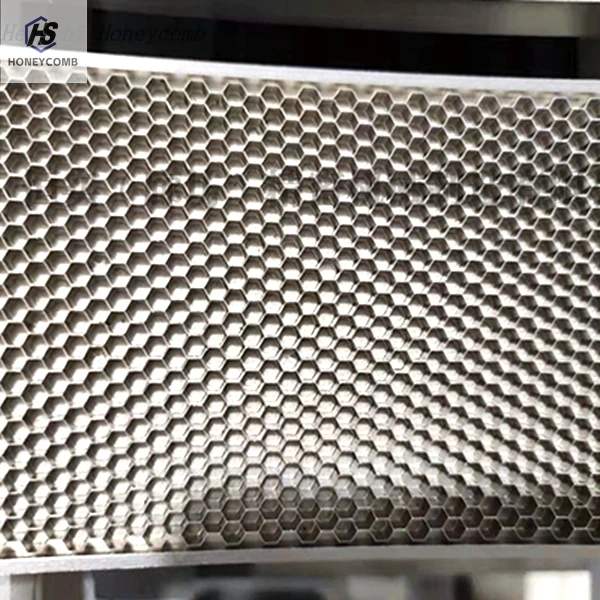
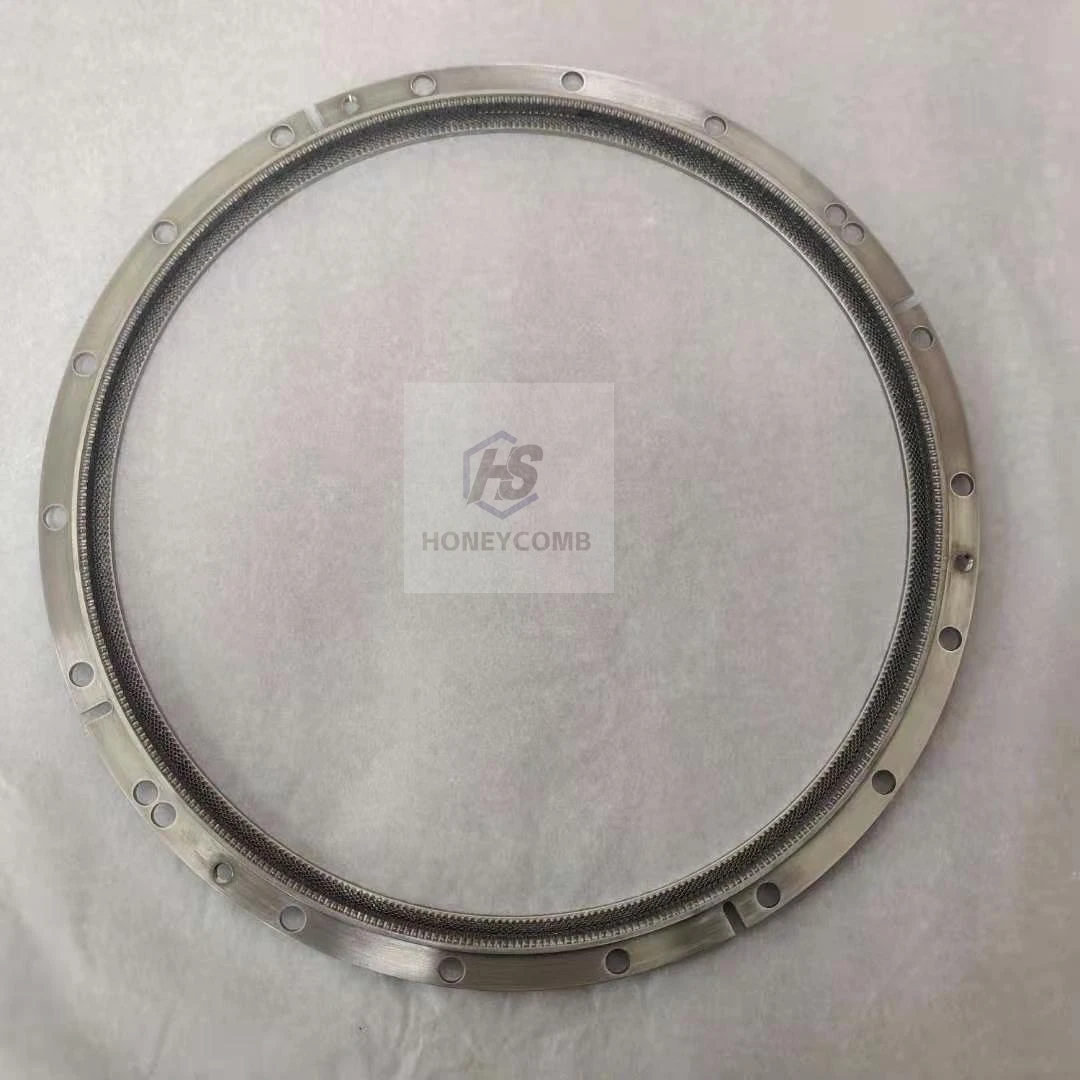
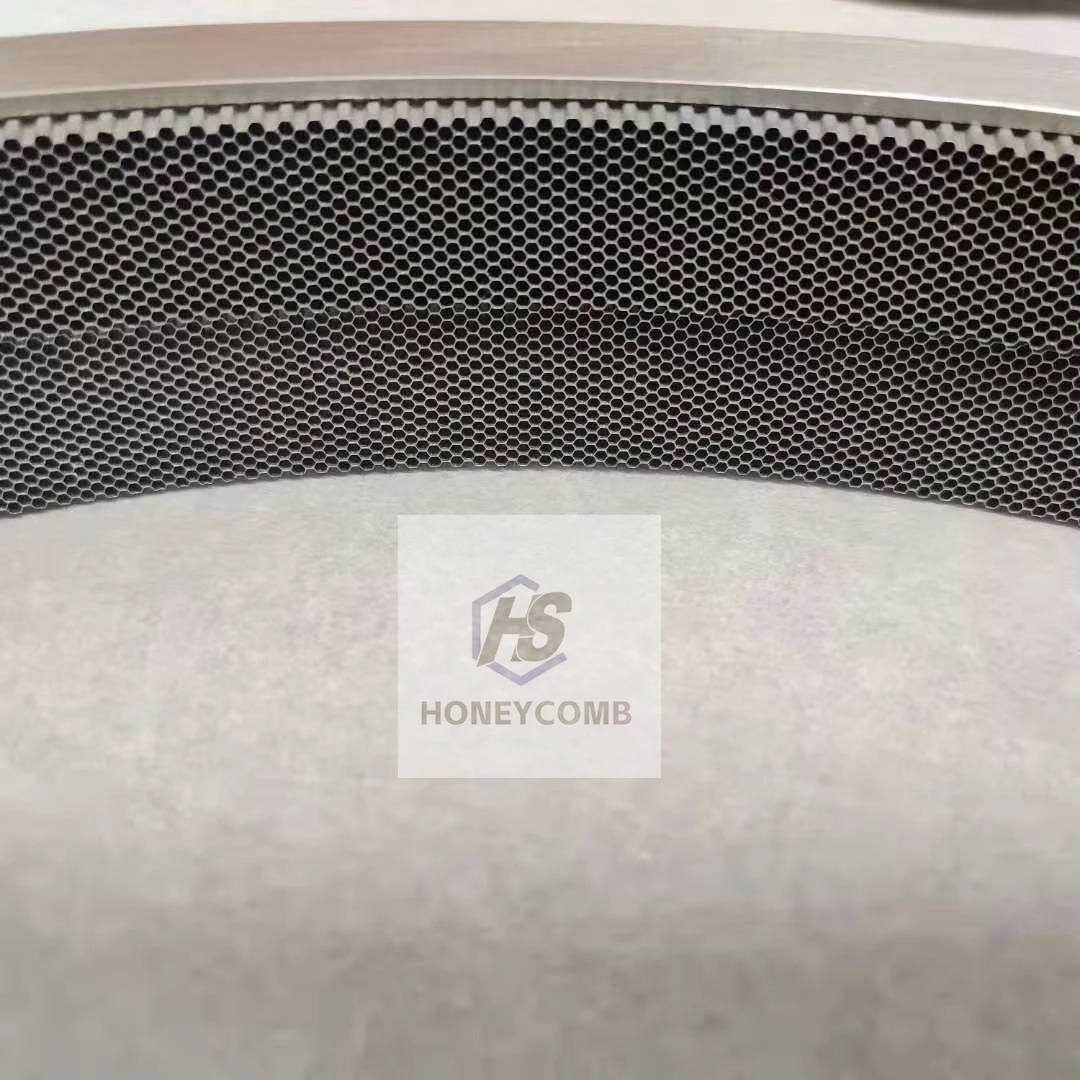
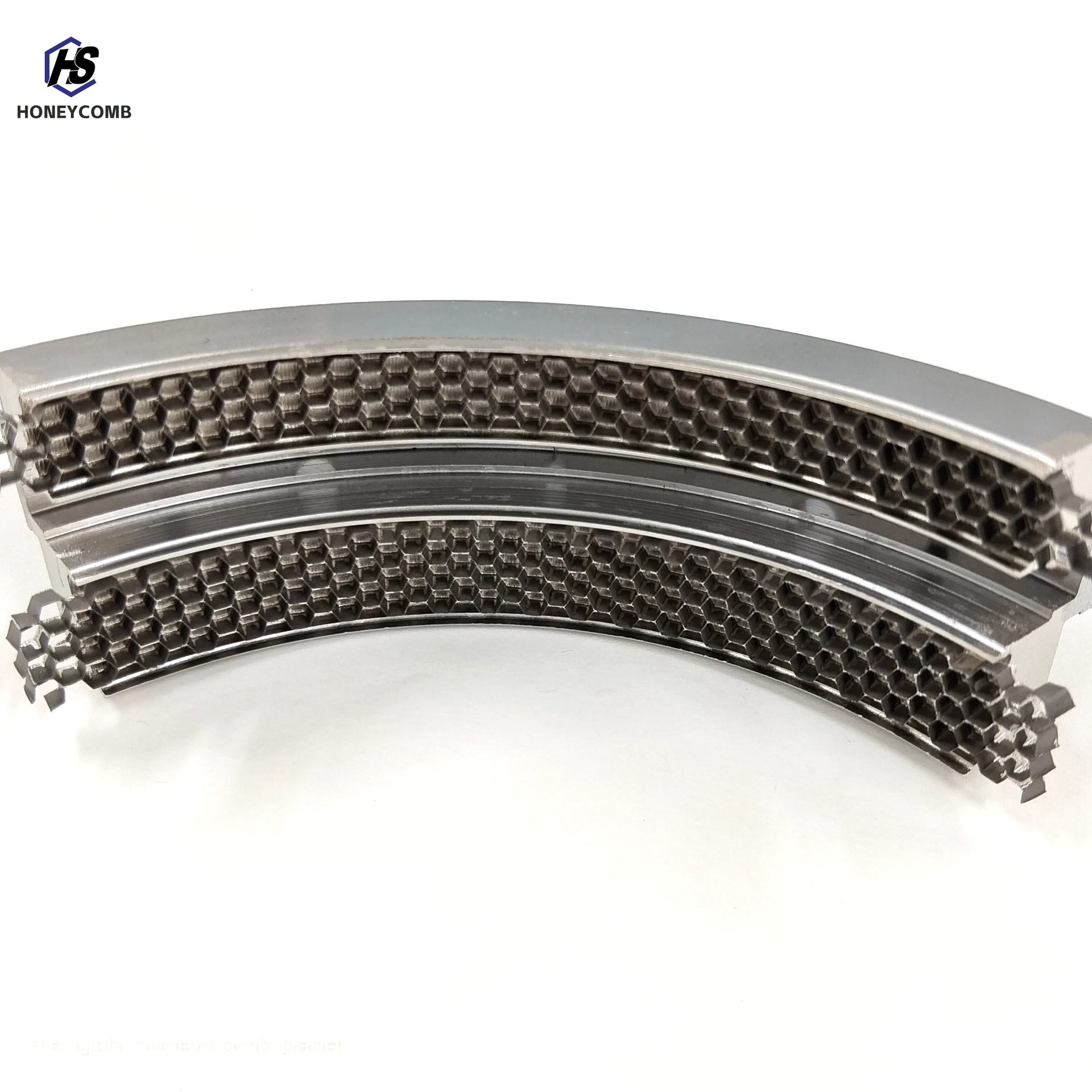
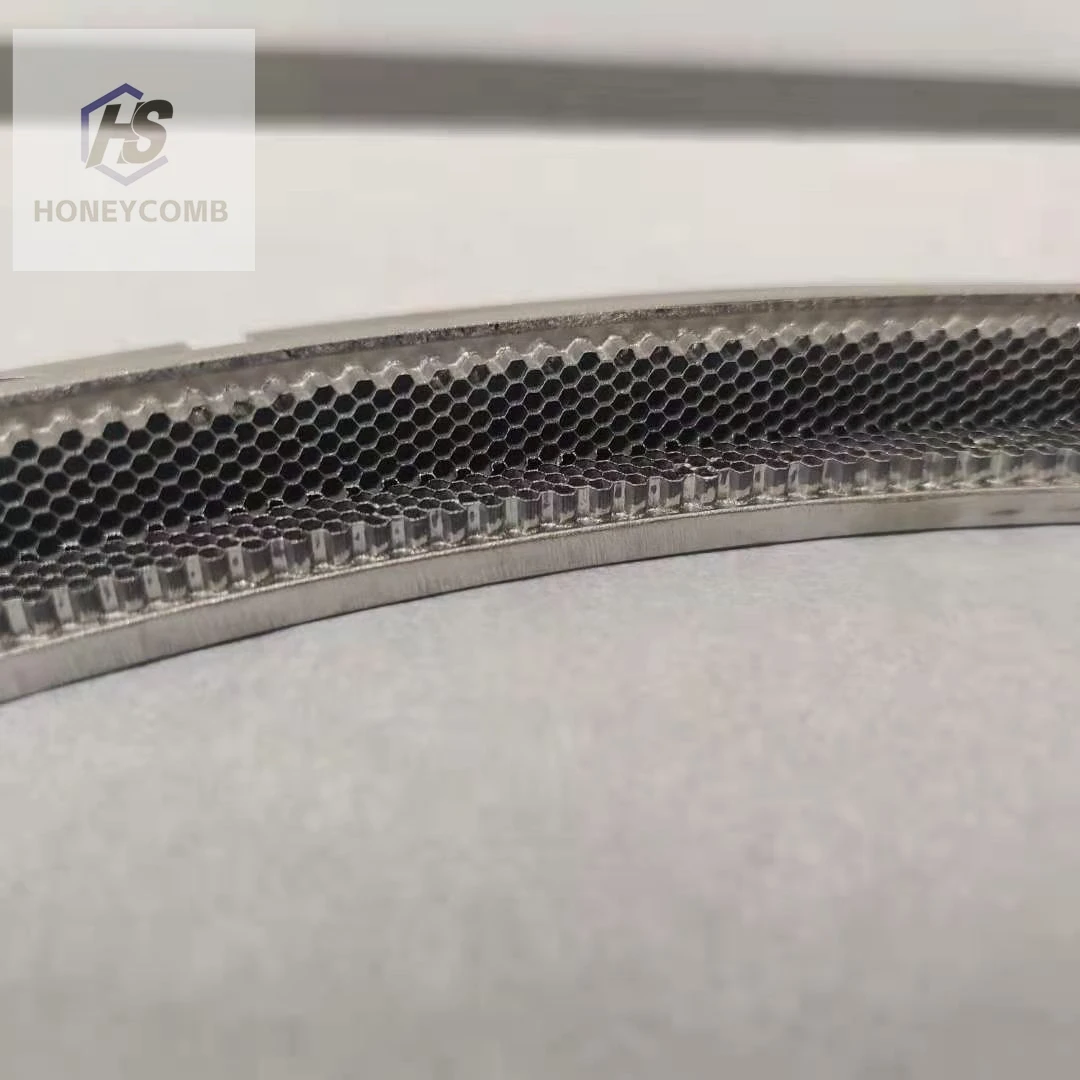
At its core, vented aluminum honeycomb is a structured panel where thin aluminum strips are arranged into a hexagonal lattice with intentional perforations or vents within each cell. Think of it like a beehive pattern designed to promote airflow. Unlike solid cores or sealed honeycomb panels, these vents allow gases or fluids to pass through, improving heat escape and reducing trapped moisture risks.
This design concept isn’t just academic. It connects deeply to modern-day needs like lightweight structures for humanitarian relief shelters, where shipping costs matter and ventilation is life-saving. Imagine rapid-deploy shelters that cleverly use vented aluminum honeycomb in their walls to stay cool under harsh climates.
Core Characteristics That Make Vented Aluminum Honeycomb Stand Out
Durability and Strength
Despite being lightweight, this honeycomb structure distributes loads extraordinarily well. Engineers often compare its strength-to-weight ratio to steel, but at a fraction of the mass. This makes it perfect where resistance to bending and compressive forces counts.
Thermal and Acoustic Efficiency
The vents enable heat and sound waves to pass or dissipate rather than becoming trapped, unlike traditional composite panels. This lends itself to use in aircraft interiors, data centers, or even office facades that require noise reduction and improved temperature control.
Corrosion Resistance
Aluminum’s natural oxide layer helps fend off corrosion, but the vented design further reduces moisture retention inside cells, prolonging lifespan, especially in coastal or humid environments.
Cost Efficiency Over Time
While upfront costs may be higher than simple panels, longer-term savings on energy and maintenance bring excellent ROI—a fact many facility managers appreciate.
Scalability and Customization
From a few millimeters cell size to wide panels tailored for particular projects, vented aluminum honeycomb is very adaptable according to requirements. Industries can customize based on load, ventilation needs, or thermal targets.
Mini takeaway: Its blend of lightweight strength, airflow capability, and durability makes vented aluminum honeycomb a highly versatile material choice in multiple sectors.
Global Applications and Real-World Use Cases
- Aerospace: Aircraft bulkheads and flooring panels use vented honeycomb to stay light without compromising safety.
- Construction: Architectural cladding and facade panels benefit from its thermal regulation properties.
- Transportation: High-speed trains employ it for interior partitions, enhancing soundproofing.
- Disaster Relief: NGOs incorporate vented aluminum honeycomb in modular shelters for rapid deployment and ventilation.
- Industrial Equipment: It’s used in filter housings and protective casings where air circulation reduces overheating risks.
Regions from North America’s aerospace hubs to Asia’s sprawling manufacturing districts have embraced these applications. For example, a recent UN disaster relief operation in Southeast Asia relied heavily on vented aluminum honeycomb modules to provide ventilated, durable housing amid humid tropical conditions.
Product Specification Table
| Specification | Typical Range | Notes |
|---|---|---|
| Cell Size | 3 - 12 mm | Adjustable per strength needs |
| Core Thickness | 6 - 50 mm | Varies with application |
| Surface Material | Aluminum Alloy (usually 3003 or 5052) | Corrosion-resistant |
| Core Weight | 80 - 200 g/m² | Depends on cell size and thickness |
| Vent Diameter | 1 - 3 mm | Allows controlled air passage |
Comparing Vendors: What To Look For
| Vendor | Product Range | Customization Options | Lead Time | Sustainability Practices |
|---|---|---|---|---|
| HoneyComb Corp | Standard & bespoke sizes | Full cell size and thickness | 3-5 weeks | Uses recycled aluminum |
| AluVent Tech | Wide aerospace-grade cores | Limited to aerospace specs | 2-4 weeks | ISO14001 certified |
| Global Honeycomb Ltd. | Industrial & architectural panels | Custom vents & coatings | 4-6 weeks | Zero-waste manufacturing |
Why Choose Vented Aluminum Honeycomb? Advantages and Lasting Value
It’s not just the numbers that impress—there’s an undeniable comfort in knowing that structures made with vented aluminum honeycomb contribute to sustainability by reducing weight (hence lower fuel consumption) and extend asset life through corrosion resistance. The material’s natural ventilation improves indoor air quality and thermal comfort in buildings, bringing tangible health benefits.
Engineers swear by its reliability, while environmentalists nod approvingly at its recyclability and long service life. And for non-profits and governments working in complex environments or disaster zones, it means more durable, cooler, and safer shelters. It’s exactly this blend of practical and emotional benefits—reducing costs while upholding human dignity—that lends vented aluminum honeycomb an edge.
Looking Ahead: Future Trends & Innovations
The excitement around vented aluminum honeycomb doesn’t stop. Recent research leans into nanotechnology coatings that improve self-cleaning and anti-corrosion properties, a boon especially for marine and harsh industrial environments. Digital manufacturing tools—like automated cell formation—promise faster, more precise production.
With the green energy push, industry players are exploring vented honeycomb panels in solar panel mounts and wind turbine blades, harnessing its lightness and airflow capabilities to improve efficiency. Imagine panels that naturally cool photovoltaic cells for better output!
Challenges and How Experts are Overcoming Them
While vented aluminum honeycomb is generally robust, it isn’t perfect. Potential downsides include higher initial costs and vulnerability to damage from impact or crushing if not properly protected. Moisture ingress, though reduced by vents, can still pose issues in certain environments without adequate sealing.
Innovative solutions appear in the form of hybrid composites and protective coatings; some vendors now provide pre-sealed vented cells or multi-layer barriers. Additionally, training end-users on correct installation and maintenance is crucial, a small barrier to overcome for such robust benefits.
FAQ: Quick Answers About Vented Aluminum Honeycomb
- Q: How does vented aluminum honeycomb compare to solid aluminum sheets?
- A: Vented honeycomb offers a vastly better strength-to-weight ratio and ventilation benefits, whereas solid sheets are heavier with less airflow and thermal management.
- Q: Can I use vented aluminum honeycomb in humid or coastal areas?
- A: Yes, especially with aluminum alloys like 5052 and coatings designed for corrosion resistance. The vents help reduce moisture buildup inside the cells.
- Q: Is this material recyclable?
- A: Absolutely. Aluminum is one of the most recyclable materials, and vented honeycomb’s lifespan and recyclability make it a green choice.
- Q: How customizable is vented aluminum honeycomb?
- A: Very customizable. Cell sizes, thickness, vent diameters, and alloy types can all be tailored to specific applications.
- Q: Where can I buy high-quality vented aluminum honeycomb?
- A: There are many vendors globally. Check out leading suppliers, including vented aluminum honeycomb manufacturers with proven track records in your industry.
Wrapping Up: The Long-Term Promise of Vented Aluminum Honeycomb
In real terms, vented aluminum honeycomb feels like a quiet revolution—a material that doesn’t shout but shows up where it counts: making aircraft lighter, buildings smarter at thermal management, and emergency shelters safer. For industries and humanitarian efforts alike, it’s a testament to how design and material science can collaborate to serve multiple needs simultaneously.
If this sounds like the kind of material your next project could benefit from, why not explore further? Visit our website at https://www.hshihoneycomb.com to find detailed specs, vendor contacts, and more insights into vented aluminum honeycomb’s world.
References
-
Industrial Airflow Guide for maf воздушная правильная машинаNewsApr.16,2026
-
Best maf струйно правильная машина for Industrial EfficiencyNewsApr.09,2026
-
Сотовая правильная машина A Comprehensive Guide to Honey Packing AutomationNewsApr.07,2026
-
Build Your Own DIY газоправильная Машина A Comprehensive Guide to Gas CorrectionNewsApr.04,2026
-
Understanding Кондиционер отопления Systems for Efficient and Comfortable HeatingNewsMar.31,2026
-
Comprehensive Guide to Cellular Blinds Installation Установка сотовых жалюзиNewsMar.28,2026
-
Mobile Aerodynamic Tunnel Design A Comprehensive Guide to Applications and ImplementationNewsMar.26,2026






 English
  Afrikaans
  Albanian
  Amharic
  Arabic
  Armenian
  Azerbaijani
  Basque
  Belarusian
  Bengali
  Bosnian
  Bulgarian
  Catalan
  Cebuano
  China
China  China (Taiwan)
  Corsican
  Croatian
  Czech
Czech  Danish
  Dutch
Dutch  Esperanto
  Estonian
  Finnish
  French
  Frisian
  Galician
  Georgian
  German
  Greek
Greek  Gujarati
  Haitian Creole
  Hausa
Hausa  Hawaiian
  Hebrew
  Hindi
Hindi  Miao
Miao  Indonesian
  Italian
  Japanese
  Javanese
  Malay
Malay  Persian
  Portuguese
  Punjabi
  Russian
  Spanish
  Swahili
  Telugu
  Vietnamese