


Honeycomb Vent Cover: Durable, Efficient Airflow Solutions for Global Industries
Why Honeycomb Vent Covers Matter More Than You Think
On the surface, a honeycomb vent cover might seem like just another piece of hardware—something small, often overlooked, sitting quietly on walls or inside ventilation systems. But dive a little deeper, and you realize this little marvel plays a surprisingly big role in global industries that depend on airflow management, defense, environmental control, and even humanitarian missions. From keeping machinery cool in remote industrial zones to safeguarding sensitive relief supplies in disaster-stricken regions, understanding the honeycomb vent cover gives us insight into durability, efficiency, and innovation.
Why does this matter globally? Because as the world pushes harder on sustainability, energy efficiency, and smarter infrastructure, the components making up these systems can’t be afterthoughts. A seemingly trivial vent cover can determine equipment lifespan, air quality, noise reduction, and safety—all critical for big-picture progress.
Global Context: Airflow Management Challenges and Honeycomb Solutions
According to the International Organization for Standardization (ISO), ventilation standards are tightening worldwide to cope with stricter emissions and safety regulations. The United Nations Environment Programme estimates that industrial air pollution contributes to over 4 million premature deaths annually—staggering. So establishing effective air management right from the hardware is vital.
Honeycomb vent covers serve as a key solution by improving directional air distribution while minimizing turbulence and contaminants entering systems. This translates to lower maintenance costs and better overall system health—whether in factories, military air intakes, or even solar panel enclosures. Yet, despite their widespread use, many people unaware of how these covers actually solve the challenge of maintaining airflow quality under harsh, variable conditions.
What Exactly Is a Honeycomb Vent Cover?
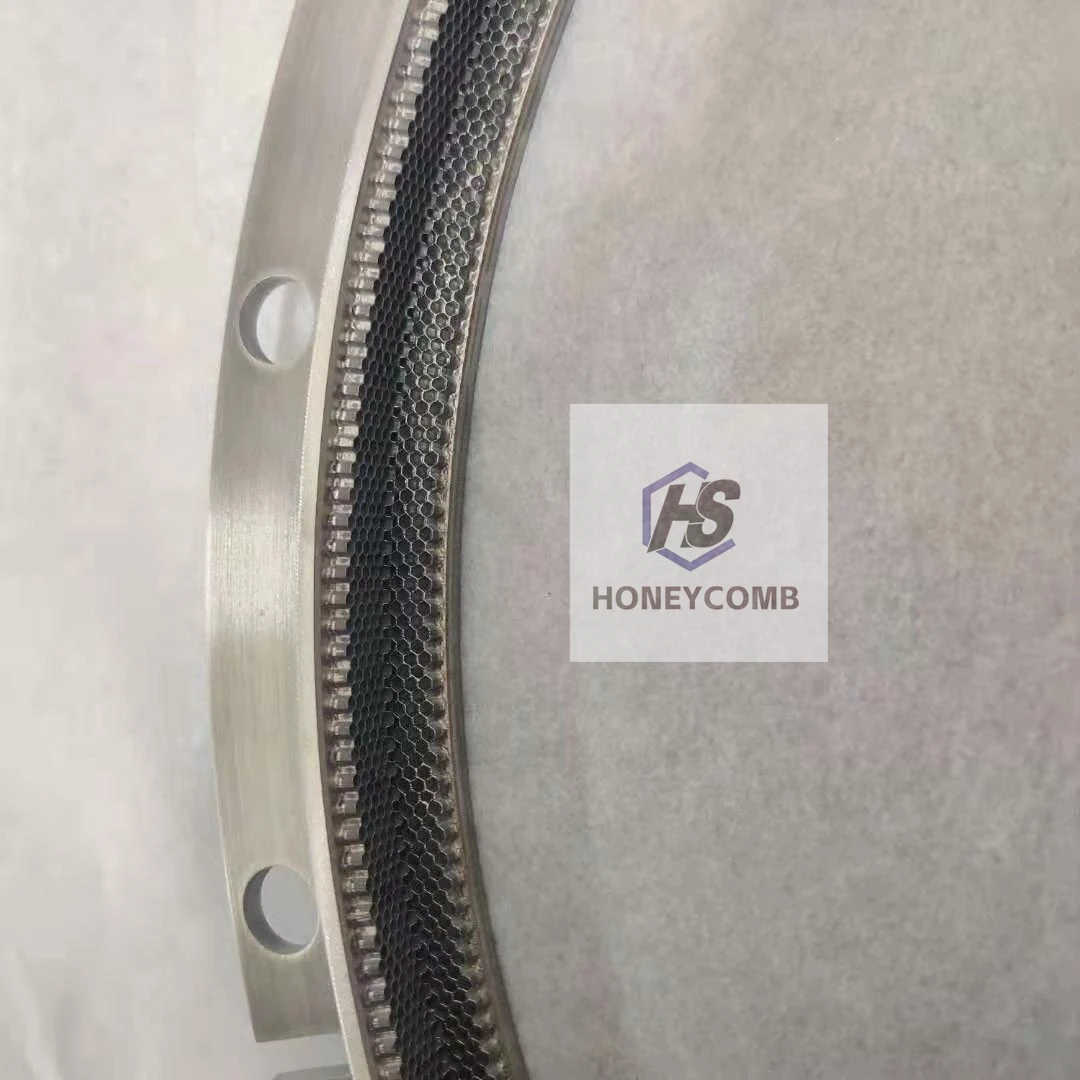
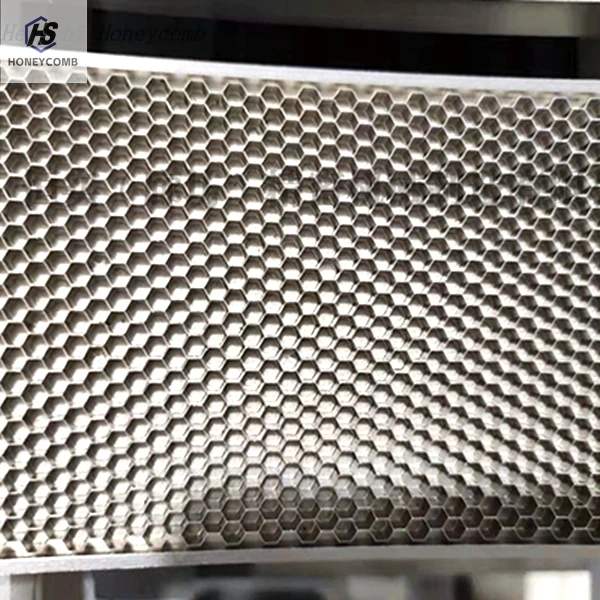
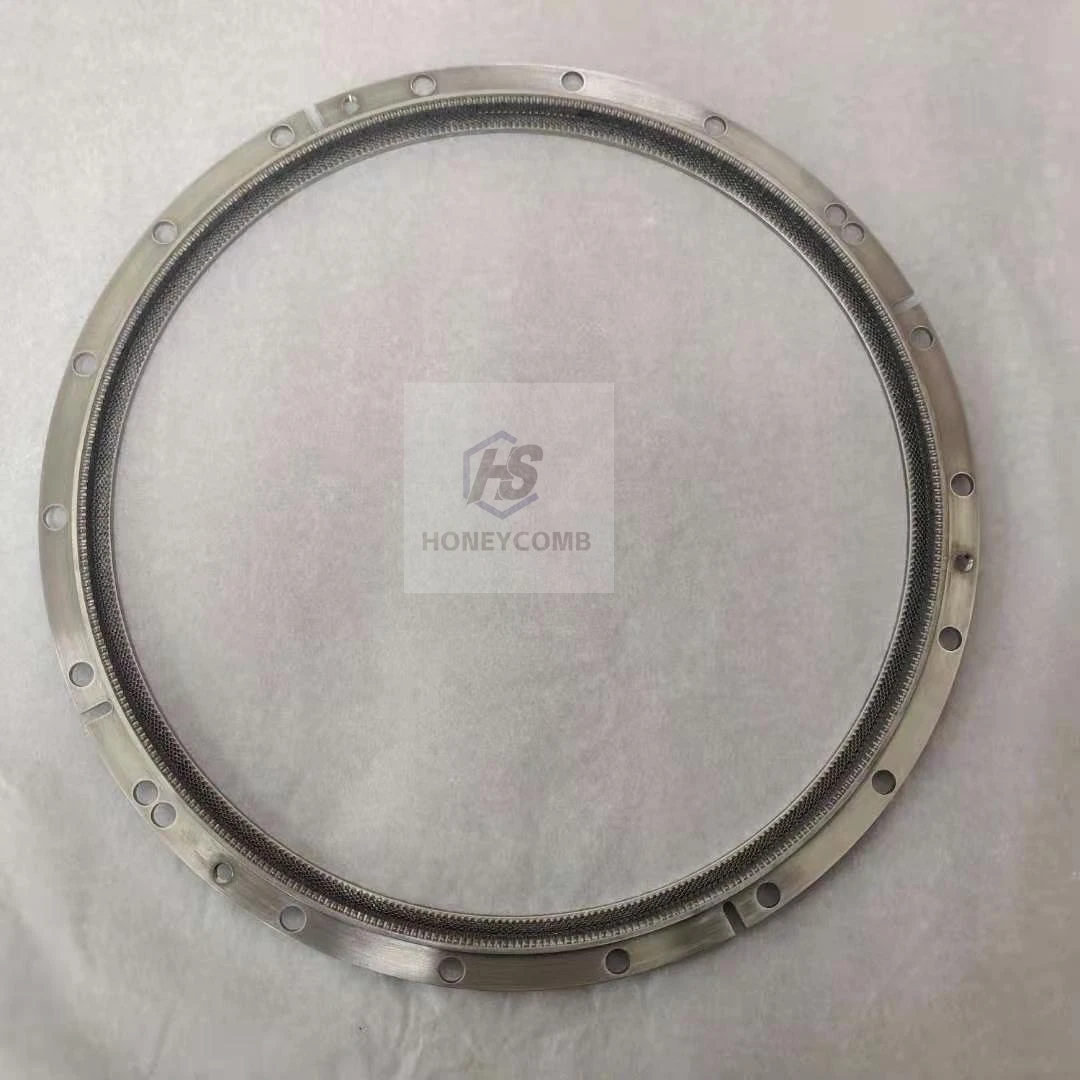
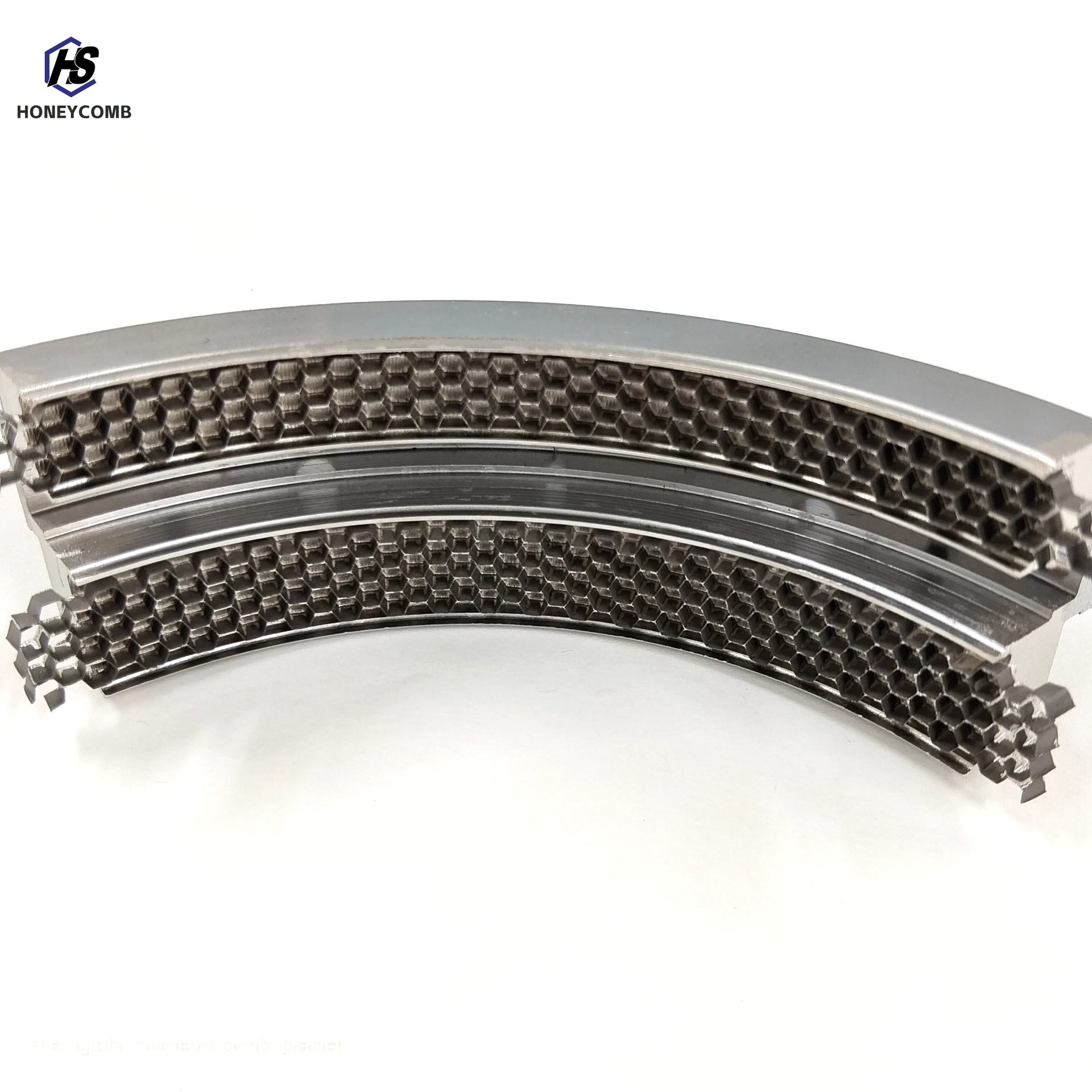
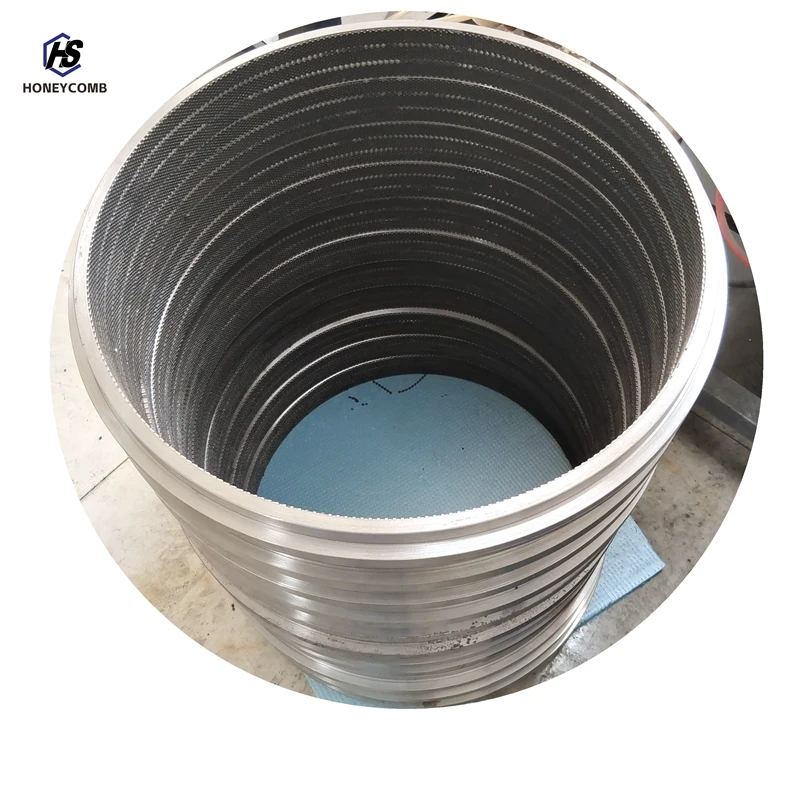
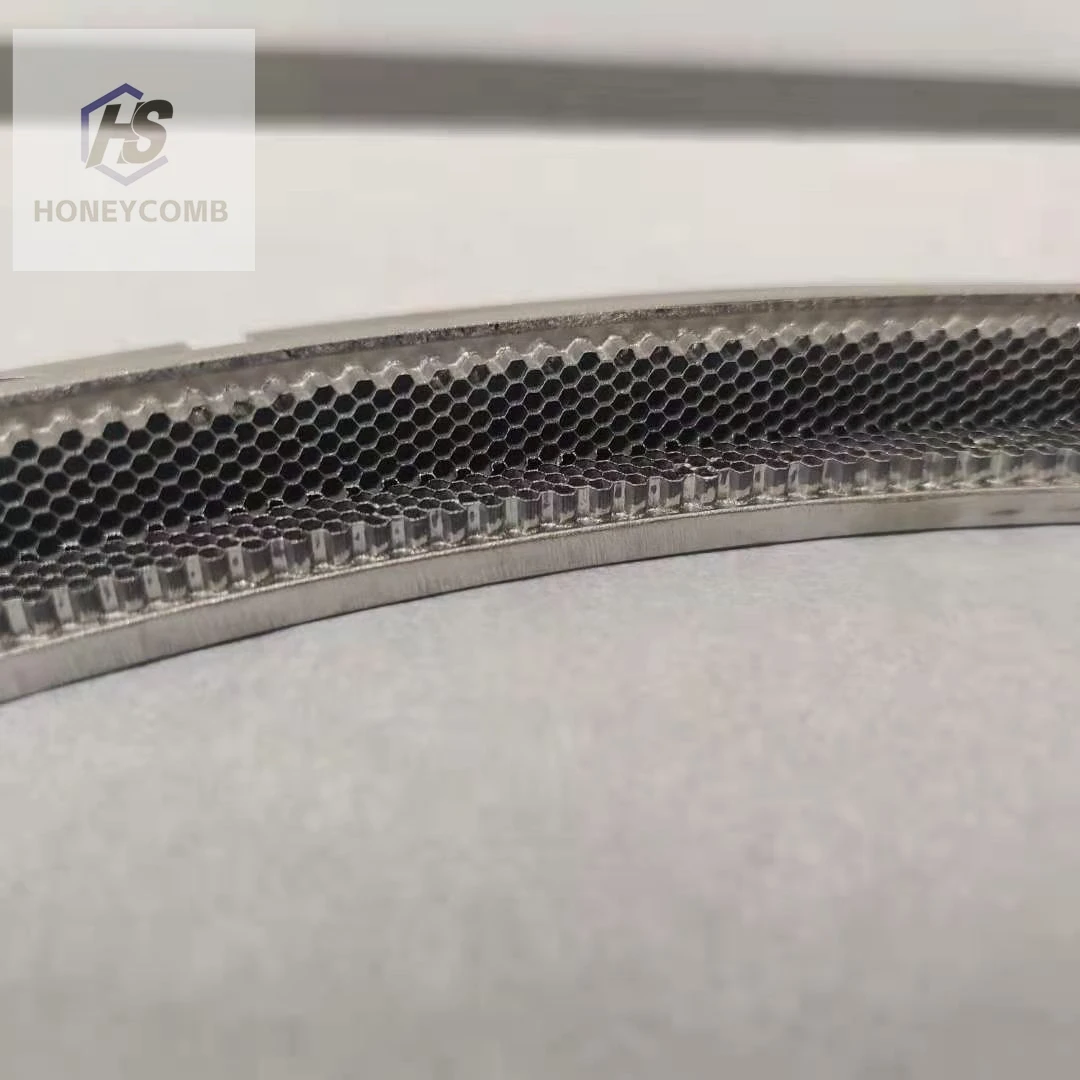
Simply put: it’s a vent cover designed with multiple hexagonal-shaped cells—like a bee’s honeycomb—that channel airflow through while blocking debris, dampening noise, and sometimes even deflecting electromagnetic interference. It’s not some futuristic gadget; these covers are crafted from tough materials like aluminum alloys or engineered plastics.
They’ve found indispensable roles across many modern industries. For instance, in aerospace, honeycomb vent covers help aircraft ventilation maintain pressure balance. In humanitarian supply chains, these covers protect sensitive electronics inside mobile relief units, keeping equipment dry and dust-free.
Key Factors of Honeycomb Vent Covers
Durability
Materials engineered to withstand extreme weather, corrosive environments, and physical impacts keep these vent covers reliable for years. It’s one thing to manage airflow, another to last long in coastal or industrial zones.
Airflow Efficiency
The hexagonal pattern reduces turbulence allowing smoother airflow. Engineers say this helps reduce operational noise and energy waste—kind of like how bees optimize every cell with minimal building materials.
Anti-Contamination
Honeycomb patterns help filter out dust and debris, preventing system clogs. Some versions come treated with antimicrobial coatings used in hospitals and food processing plants.
Lightweight Construction
With modern composites, these vent covers keep the weight down without sacrificing strength—important in aerospace or mobile applications.
Customization
Sizes, cell dimensions, and materials vary depending on the application—from small electronics housings to large industrial fans. This adaptability is why many industries adopt honeycomb vent covers widely.
Mini Takeaway:
Durability, airflow, and customization make honeycomb vent covers quietly critical to many sectors. You might be walking past one every day without realizing its clever design is at work.
Real-World Applications: Honeycomb Vent Covers In Action
Oddly enough, these vent covers pop up everywhere, from the deserts of the Middle East helping cool military vehicles, to remote mining complexes in Australia where dust storms are a daily challenge. In post-disaster relief operations — think typhoons in Southeast Asia — honeycomb vent covers safeguard the ventilation systems of mobile hospitals and shelters, maintaining hygiene and system integrity even in tough conditions.
The renewable energy sector increasingly uses them to protect the cooling vents of solar inverters, enhancing efficiency and lifespan without adding much weight or complexity. In automotive production, these vents aid in cabin airflow and electronic component cooling.
Product Specification Table
| Specification | Details |
|---|---|
| Material | Anodized aluminum alloy / Reinforced polymer |
| Cell Size | 5 mm, 10 mm, 20 mm (custom sizes available) |
| Thickness | 10 mm - 50 mm |
| Weight | 0.8 - 2.5 kg/m² depending on design |
| Operating Temperature | -40°C to 150°C |
| UV Resistance | High (suitable for outdoor applications) |
Long-Term Benefits: Why Businesses and Communities Trust These Covers
In real terms, investing in a high-quality honeycomb vent cover isn’t just about airflow—it's a cost-saving move. Efficiency in ventilation means lower energy bills and less wear on machinery, which few CFOs disregard. Beyond that, there's a social impact angle; especially in disaster relief, reliable ventilation can mean the difference between sterile conditions and infection risks.
Many engineers swear by the covers’ balance between strength and lightweight design, reducing installation hassles and extending service intervals. They carry a quiet promise of safety and dignity: protecting sensitive equipment vital for communications and health from dust, pests, or water ingress.
Comparing Top Honeycomb Vent Cover Vendors
| Vendor | Material Options | Customization | Typical Lead Time | Price Range (per unit) |
|---|---|---|---|---|
| HS Shi Honeycomb | Aluminum, Polymer | Full Customization | 2-4 weeks | $$$ |
| VentCover Inc. | Steel, Aluminum | Stock Sizes Only | 1-3 weeks | $$ |
| EcoVent Solutions | Recycled Polymers | Limited Customization | 3-6 weeks | $$ |
Exciting Trends & Emerging Innovations
Looking ahead, it’s fascinating to see how environmental concerns drive new honeycomb vent covers infused with bioplastics and nano-coatings for self-cleaning and antimicrobial properties. The push towards greener tech means covers are getting lighter, stronger, and more eco-friendly.
Moreover, digital transformation adds smart sensors inside vents to monitor airflow quality and blockages remotely—integrating into IoT frameworks. It feels a little like the humble vent cover is waking up into a smart device, ready to notify maintenance teams before things go wrong.
Common Challenges—and How To Address Them
Of course, not everything is perfect. Standard honeycomb vent covers can get clogged with ultra-fine dust in desert environments or lose efficiency when damaged by impacts. One expert I chatted with mentioned that material fatigue is underrated, especially under constant UV exposure and temperature cycling.
Solutions include regular cleaning protocols, improved polymer blends, and modular designs that let technicians quickly swap out damaged sections without full system downtime. Plus, embedding sensors helps catch trouble early, reducing costly repairs.
FAQs: Your Honeycomb Vent Cover Questions Answered
- Q: What makes honeycomb vent covers better than traditional mesh screens?
- A: Honeycomb vent covers offer enhanced directional airflow control while blocking debris and noise more effectively. Their hexagonal design reduces turbulence compared to flat mesh, improving equipment efficiency and lifespan.
- Q: How long do these vent covers typically last in harsh outdoor environments?
- A: When made from high-quality anodized aluminum or reinforced polymers, honeycomb vent covers can last 5-15 years, depending on environmental stressors like UV exposure, salt spray, and physical impacts.
- Q: Are honeycomb vent covers suitable for both industrial and humanitarian applications?
- A: Absolutely. Their versatility and durability make them ideal for everything from factory machinery ventilation to protecting mobile shelters and relief equipment in disaster zones.
- Q: Can I customize honeycomb vent covers to fit unique project needs?
- A: Yes, most specialized vendors including honeycomb vent cover manufacturers offer custom sizing, material choices, and additional coatings to meet specific operational requirements.
- Q: How do I maintain honeycomb vent covers to maximize lifespan?
- A: Regular inspection, cleaning to remove dust and debris, and timely replacement of damaged units help maintain airflow efficiency and prevent equipment damage.
To Wrap Up: Why Honeycomb Vent Covers Deserve Your Attention
The humble honeycomb vent cover, with its clever geometry and robust materials, quietly shapes airflow management across industries and regions, from high-tech factories to vital humanitarian missions. Its blend of durability, adaptability, and innovation offers long-term value that’s hard to beat.
Curious to learn more or find a perfect match for your needs? Visit the honeycomb vent cover experts for detailed specs, customization options, and expert guidance.
Sometimes, it’s these quiet little elements that hold everything else together – and frankly, they deserve a nod.
References

-
Industrial Airflow Guide for maf воздушная правильная машинаNewsApr.16,2026
-
Best maf струйно правильная машина for Industrial EfficiencyNewsApr.09,2026
-
Сотовая правильная машина A Comprehensive Guide to Honey Packing AutomationNewsApr.07,2026
-
Build Your Own DIY газоправильная Машина A Comprehensive Guide to Gas CorrectionNewsApr.04,2026
-
Understanding Кондиционер отопления Systems for Efficient and Comfortable HeatingNewsMar.31,2026
-
Comprehensive Guide to Cellular Blinds Installation Установка сотовых жалюзиNewsMar.28,2026
-
Mobile Aerodynamic Tunnel Design A Comprehensive Guide to Applications and ImplementationNewsMar.26,2026






 English
  Afrikaans
  Albanian
  Amharic
  Arabic
  Armenian
  Azerbaijani
  Basque
  Belarusian
  Bengali
  Bosnian
  Bulgarian
  Catalan
  Cebuano
  China
China  China (Taiwan)
  Corsican
  Croatian
  Czech
Czech  Danish
  Dutch
Dutch  Esperanto
  Estonian
  Finnish
  French
  Frisian
  Galician
  Georgian
  German
  Greek
Greek  Gujarati
  Haitian Creole
  Hausa
Hausa  Hawaiian
  Hebrew
  Hindi
Hindi  Miao
Miao  Indonesian
  Italian
  Japanese
  Javanese
  Malay
Malay  Persian
  Portuguese
  Punjabi
  Russian
  Spanish
  Swahili
  Telugu
  Vietnamese