


Honeycomb Soffit Vent: Smart Ventilation for Sustainable Buildings
Understanding Honeycomb Soffit Vents: A Small Hardware with Big Global Impact
At first glance, a honeycomb soffit vent might seem like just another minor component in building construction. But as we look closer, it’s clear these vents play a significant role in modern architecture, energy conservation, and building longevity. Globally, with increasing demand for sustainable and climate-resilient construction, understanding such ventilation systems is key. Not just to keep attics cool or reduce moisture, but to contribute to healthier buildings and environments.
In a nutshell: honeycomb soffit vents improve airflow, prevent mold, and support energy efficiency — issues that matter worldwide, no matter your climate.
Global Perspective: Why Honeycomb Soffit Vents Matter
Ventilation has long been a challenge across the construction industry, particularly given the United Nations’ sustainable development goals calling for climate action and sustainable cities (UN SDG 11 & 13). In places where humidity, heat, or cold extremes plague construction, proper attic ventilation reduces energy consumption by optimizing natural air circulation. According to the International Energy Agency (IEA), buildings consume nearly 40% of global energy, much of it for heating or cooling. Improving ventilation with components like honeycomb soffit vents directly tackles this excessive use.
Yet, many buildings worldwide still rely on outdated or inadequate soffit solutions leading to mold, structural decay, or higher energy bills. This is where intelligently designed honeycomb vents come in—they address airflow with precision and durability.
What Exactly Is a Honeycomb Soffit Vent?
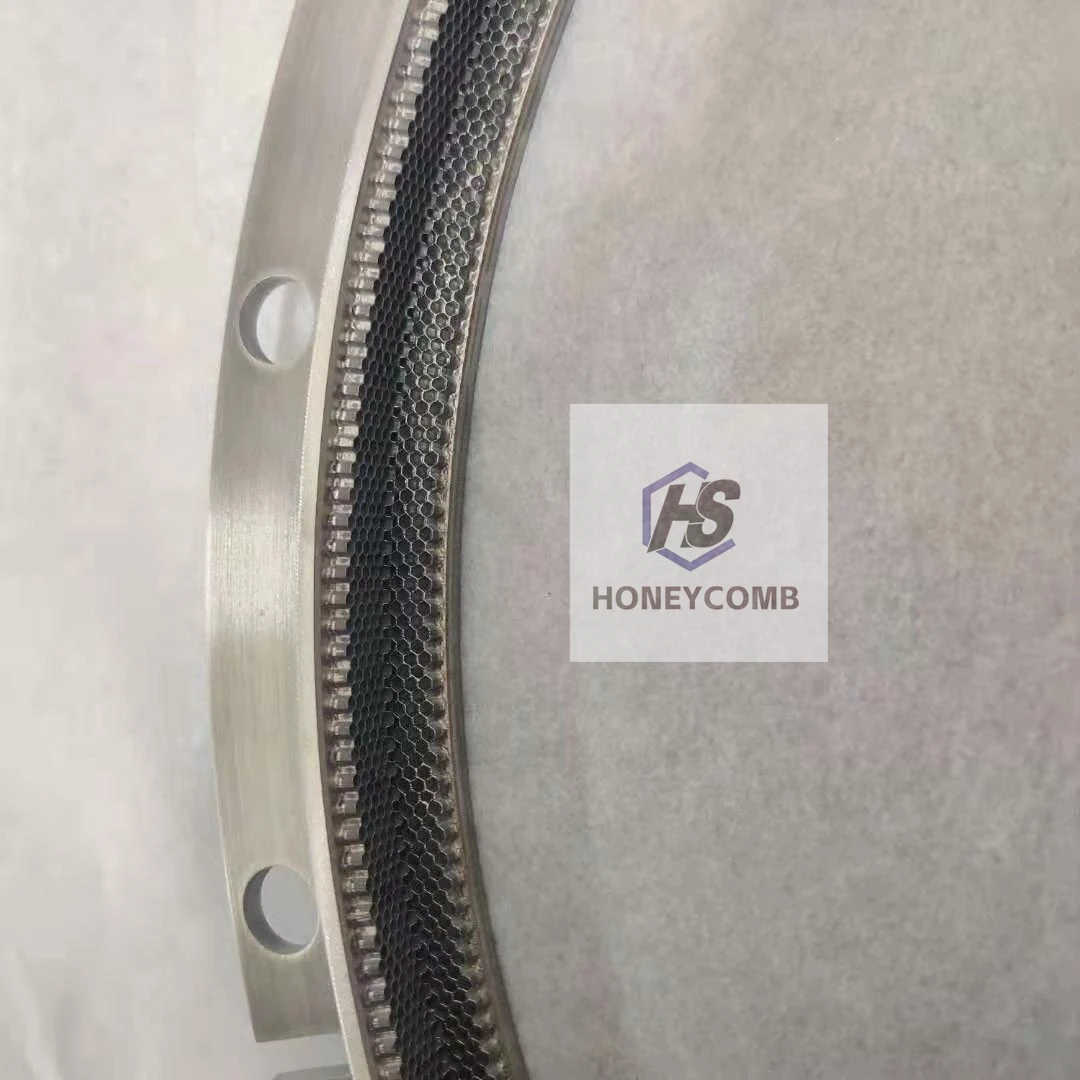
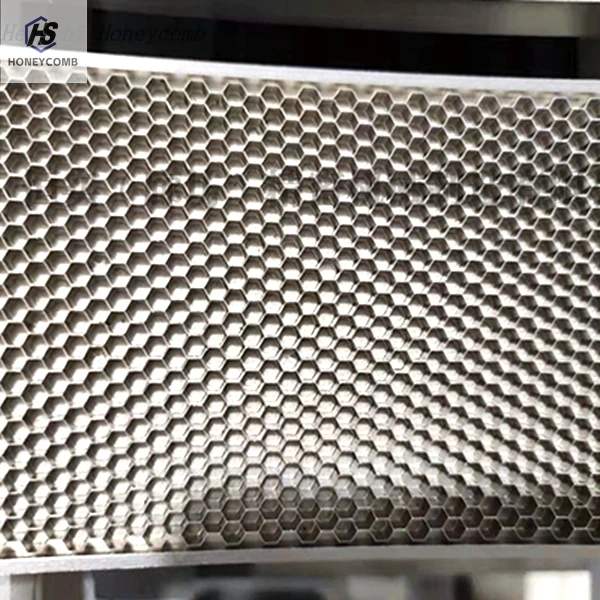
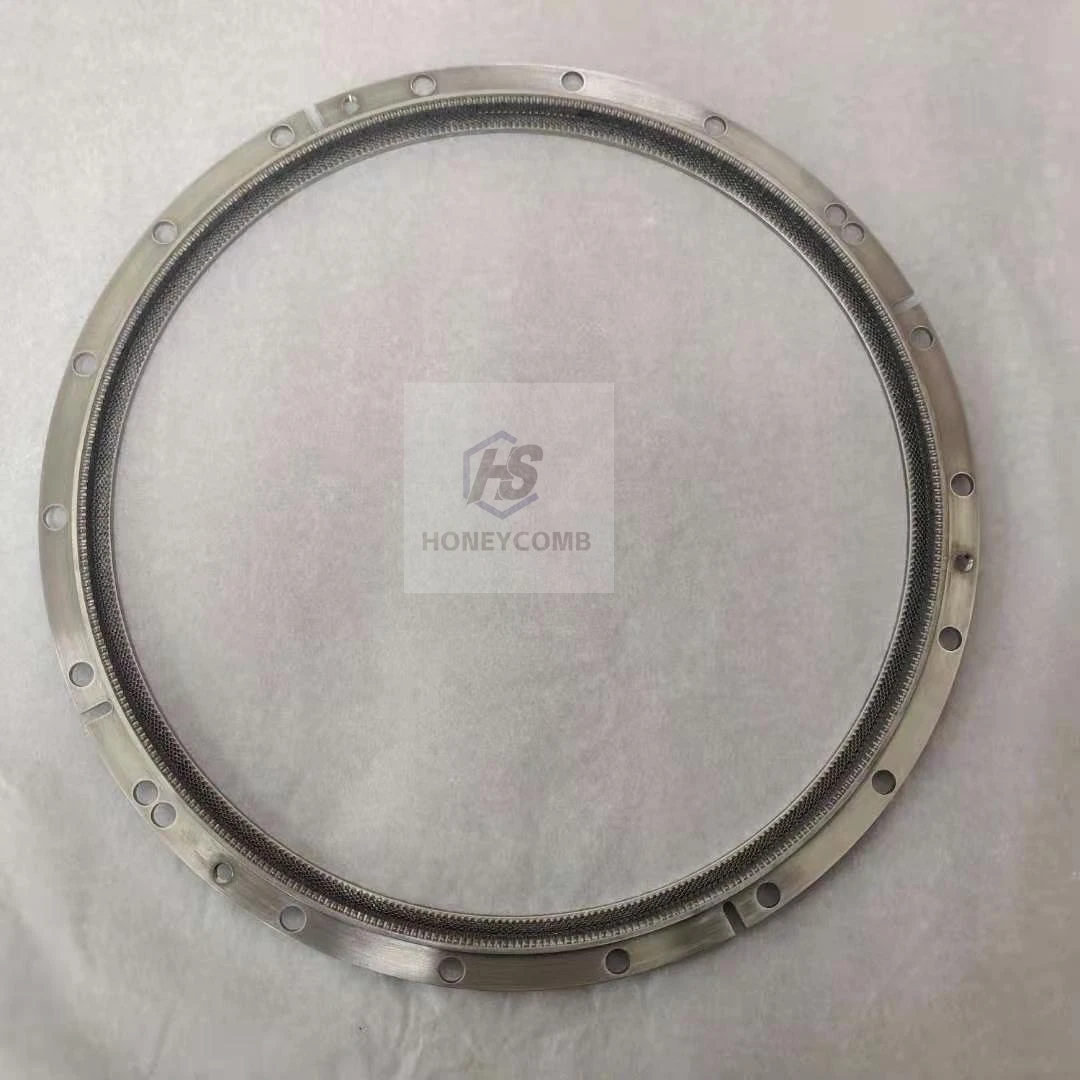
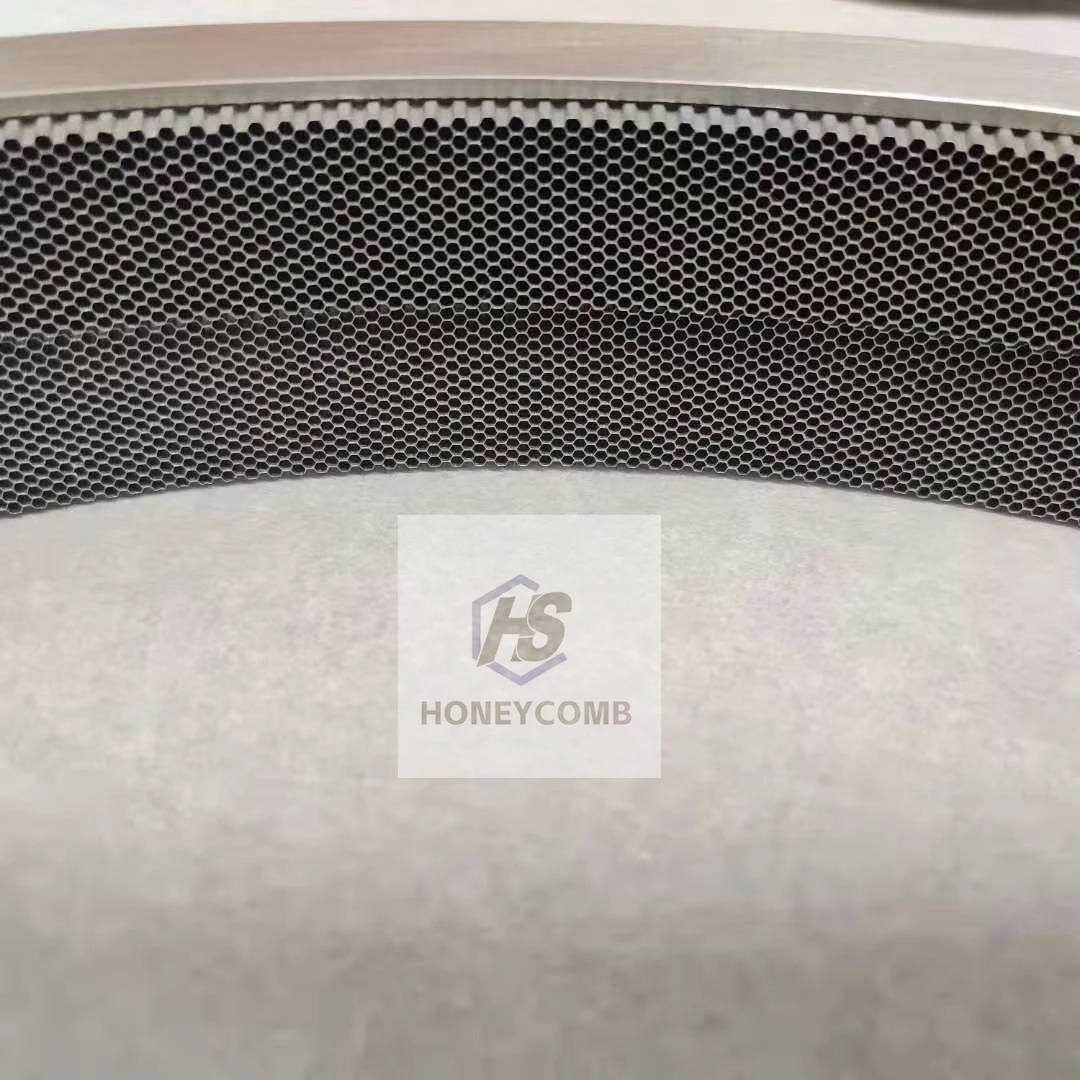
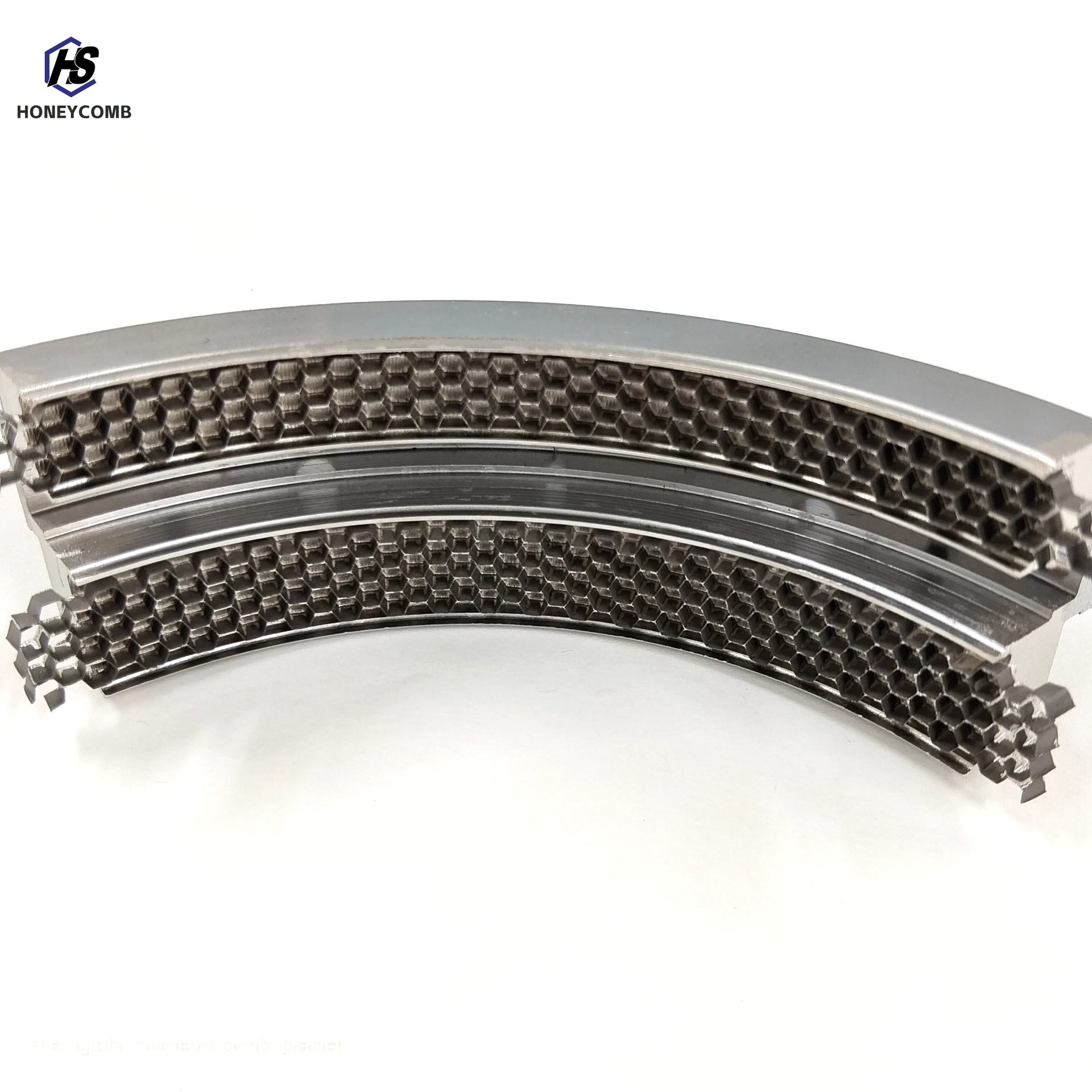
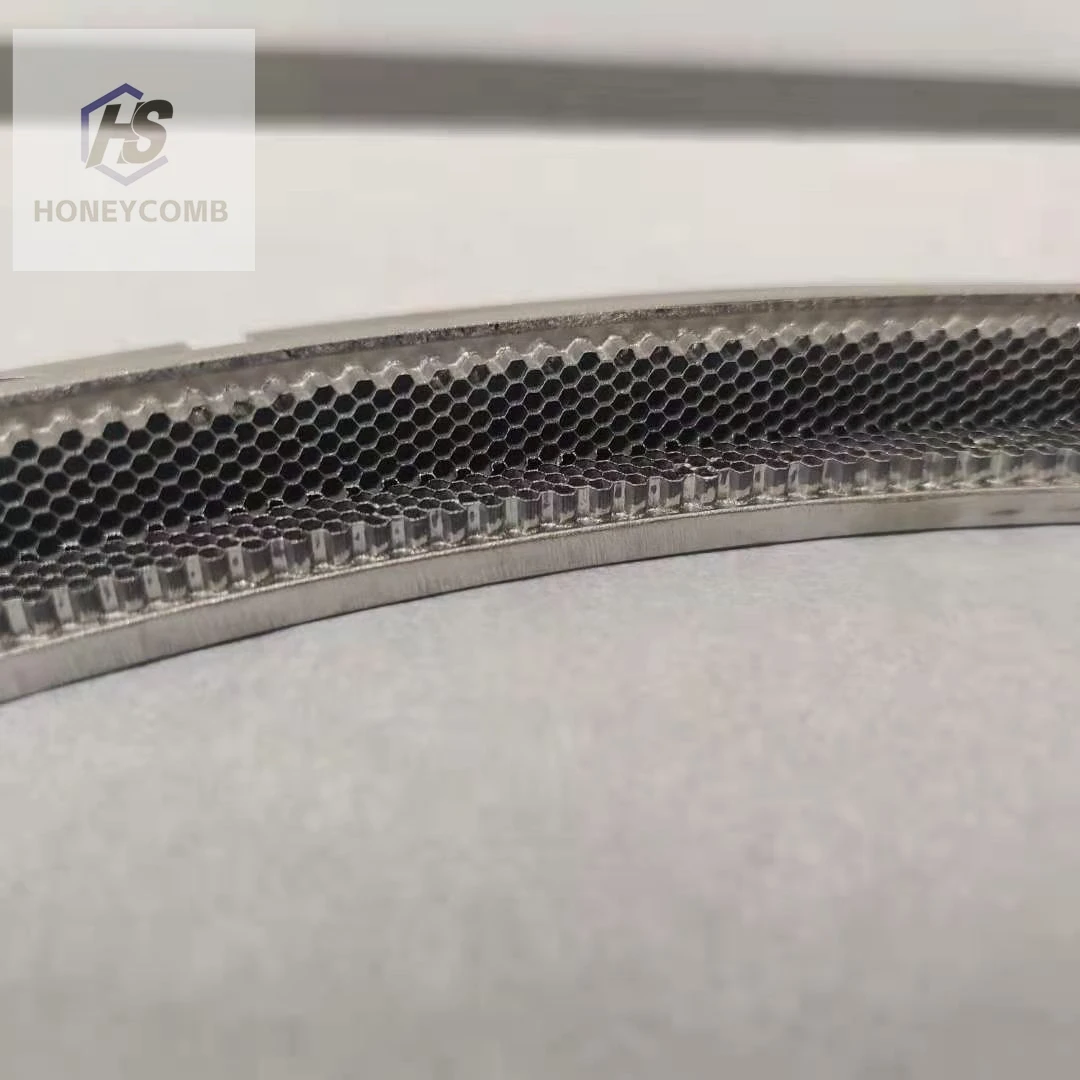
Simply put, a honeycomb soffit vent is a vent panel featuring a grid or pattern of hexagonal holes (like a honeycomb). This design allows optimal airflow while preventing the entry of pests, debris, or rain. Typically installed under roof eaves, they usher fresh air into attic spaces, aiding temperature regulation and moisture control.
The honeycomb pattern isn’t just for looks. It balances airflow versus protection, a clever mimicry of natural engineering. This innovation fits neatly within modern eco-building trends and disaster resilience initiatives, where reliable ventilation means safer, longer-lasting structures.
Core Features That Make Honeycomb Soffit Vents Stand Out
1. Durability & Weather Resistance
Constructed usually from UV-stabilized polypropylene or aluminum, these vents withstand harsh climates — from humid tropical zones to frigid northern winters. The honeycomb structure adds to strength, making vents less prone to dents or cracks caused by storms or mechanical impact.
2. Ventilation Efficiency
The hexagonal honeycomb allows excellent air exchange, reducing attic heat buildup in summer and keeping moisture levels low year-round. This efficiency translates into energy savings and preservation of roof framing and insulation material.
3. Pest & Debris Prevention
Unlike simple slotted vents, the honeycomb mesh prevents birds, insects, and debris from entering attics without sacrificing airflow — a balance many builders seek but find hard to get otherwise.
4. Easy Installation & Customizability
Honeycomb soffit vents come in various sizes and colors, fitting different building codes and aesthetic preferences. Many manufacturers supply modular panels that snap into place, speeding up construction and retrofit jobs, especially in time-critical applications.
5. Cost Efficiency Over Lifespan
The upfront cost might be a tad higher, but reduced maintenance, energy savings, and extended roof life offer excellent ROI in the long run. It’s the classic "buy well, buy once" approach.
Honeycomb Soffit Vents Around the World: Applications & Use Cases
- North America: Widely used in residential and commercial roofing, especially in regions with humid summers like the Southeastern US.
- Europe: Integrated into energy-efficient retrofits and passive house designs where ventilation standards are stringent.
- Asia-Pacific: Favored in cyclone-prone zones for their durability under extreme wind and rain conditions.
- Humanitarian Aid: Emerging use in temporary housing after disasters to ensure quick and safe airflow, preventing mold and respiratory problems.
- Industrial Facilities: Server farms and warehouses benefit from controlled ventilation and pest prevention.
For example, a recent NGO project in Southeast Asia replaced traditional vents in thousands of emergency shelters with honeycomb soffit vents, leading to improved air quality and fewer health complaints within weeks.
Advantages & Lasting Benefits of Honeycomb Soffit Vents
Frankly, the more I look into honeycomb soffit vents, the more I appreciate the multifaceted value they offer:
- Energy Reduction: Better attic ventilation cools homes naturally.
- Moisture Control: Prevents costly mold and rot.
- Aesthetic Impact: Clean, modern look with customizable colors.
- Environmental Gains: Fewer HVAC demands reduce carbon footprint.
- Health & Comfort: Constant airflow means fewer allergens and mold spores indoors.
- Long-Term Savings: Durability slashes repair and replacement.
It’s almost poetic: something so small can deliver safety, savings, and even dignity in living spaces alike.
Honeycomb Soffit Vent Specifications: What to Look For
| Specification | Details |
|---|---|
| Material | UV-Stabilized Polypropylene / Aluminum Alloy |
| Vent Hole Size | Hexagonal 5-10 mm diameter |
| Dimensions | Standard panels 300x300 mm or customizable |
| Airflow Rate | Approx. 50-60 CFM (cubic feet per minute) per panel |
| Color Options | White, bronze, black, custom RAL colors available |
| Fire Rating | Class A (polypropylene) / Class B (aluminum) |
How Vendors Stack Up: A Quick Comparison
| Manufacturer | Material Options | Customization | Typical Delivery Time | Price Range (per m²) |
|---|---|---|---|---|
| HS HI Honeycomb | Aluminum, Polypropylene | Full color & size customization | 2-3 weeks | $30 - $45 |
| VentPro Systems | Polypropylene only | Limited colors, standard sizes | 4-5 weeks | $25 - $35 |
| EcoVent Solutions | Aluminum with powder coat | Custom sizes, fewer color options | 3-4 weeks | $40 - $50 |
Emerging Trends & The Road Ahead for Honeycomb Soffit Vents
Looking to the future, the honeycomb soffit vent is evolving beyond traditional materials. There’s growing interest in bio-based polymers and recycled aluminum alloys which reduce environmental footprints even further. Smart vents integrated with humidity and temperature sensors are on the horizon, enabling real-time airflow adjustments that minimize energy use.
Automation and modular construction methods are also influencing how these vents get installed—think snap-fit panels for prefab homes. Additionally, stricter building codes push for ventilation components that meet higher fire ratings and sustainability certifications (like LEED and BREEAM).
Common Challenges & Smart Solutions
Of course, there’s no perfect product. Some installers find that cheaper honeycomb vents warp under extreme heat or fail to block all pests. Others mention color fading in long sun exposure. Yet, manufacturers have tackled these by upgrading UV resistance and improving mesh barrier design.
One lesser-known tip is ensuring proper attic sealing alongside vent installation how airflow is never blocked by insulation or obstructions — this system-wide approach guarantees the vent works as intended.
Frequently Asked Questions About Honeycomb Soffit Vents
- How do honeycomb soffit vents differ from traditional vents?
- The hexagonal mesh pattern offers superior airflow and pest blockage compared to conventional slotted vents, which often allow smaller pests or debris through.
- Can honeycomb vents be used in all climates?
- Yes, their materials and design adapt to hot, cold, wet, or dry environments, making them versatile globally.
- Do these vents require regular maintenance?
- They typically need little upkeep. Occasionally cleaning dust or checking for debris is wise, especially in windy or dusty areas.
- Are honeycomb soffit vents compatible with green building certifications?
- Indeed. Their energy efficiency and durable, often recyclable materials help achieve points under standards like LEED.
- How do I choose the right size for my building?
- Consider attic cubic footage and climate. Most manufacturers provide sizing guides, sometimes supported by HVAC professionals.
Conclusion: Ventilate Smarter, Live Better
Summing up, honeycomb soffit vents might be “small,” but their impact in boosting energy efficiency, enhancing building health, and supporting sustainable construction is undeniably huge. As climate concerns accelerate, embracing smart ventilation solutions like these becomes not just wise, but necessary.
Ready to improve your ventilation systems? Visit our website: https://www.hshihoneycomb.com to explore top-quality honeycomb soffit vents and find expert support for your next project.
-
Industrial Airflow Guide for maf воздушная правильная машинаNewsApr.16,2026
-
Best maf струйно правильная машина for Industrial EfficiencyNewsApr.09,2026
-
Сотовая правильная машина A Comprehensive Guide to Honey Packing AutomationNewsApr.07,2026
-
Build Your Own DIY газоправильная Машина A Comprehensive Guide to Gas CorrectionNewsApr.04,2026
-
Understanding Кондиционер отопления Systems for Efficient and Comfortable HeatingNewsMar.31,2026
-
Comprehensive Guide to Cellular Blinds Installation Установка сотовых жалюзиNewsMar.28,2026
-
Mobile Aerodynamic Tunnel Design A Comprehensive Guide to Applications and ImplementationNewsMar.26,2026






 English
  Afrikaans
  Albanian
  Amharic
  Arabic
  Armenian
  Azerbaijani
  Basque
  Belarusian
  Bengali
  Bosnian
  Bulgarian
  Catalan
  Cebuano
  China
China  China (Taiwan)
  Corsican
  Croatian
  Czech
Czech  Danish
  Dutch
Dutch  Esperanto
  Estonian
  Finnish
  French
  Frisian
  Galician
  Georgian
  German
  Greek
Greek  Gujarati
  Haitian Creole
  Hausa
Hausa  Hawaiian
  Hebrew
  Hindi
Hindi  Miao
Miao  Indonesian
  Italian
  Japanese
  Javanese
  Malay
Malay  Persian
  Portuguese
  Punjabi
  Russian
  Spanish
  Swahili
  Telugu
  Vietnamese