


Honeycomb Vent – Essential Guide to Airflow Solutions & Applications
Understanding Honeycomb Vents: Why They Matter More Than You Think
If you’re into engineering, architecture, or even disaster relief logistics, then “honeycomb vent” is a term bound to cross your radar sooner or later. But why does this seemingly simple technology have such a wide impact globally? Well, honeycomb vents serve as a smart solution for ventilation challenges—whether it’s in industrial plants that require airflow control or temporary shelters in harsh environments where breathable air means everything. Essentially, understanding honeycomb vents unlocks an appreciation for clever design that blends durability, efficiency, and adaptability in one neat package.
The Global Role of Honeycomb Vents: More Than Just Airflow
Across the globe, managing airflow in controlled environments is crucial. According to a recent ISO report, ventilation systems impact energy consumption by up to 30% in large facilities. Meanwhile, organizations like the UN and humanitarian NGOs often face the quandary of providing breathable, contaminant-free environments in temporary setups. Honeycomb vents tackle challenges like dust filtration, airflow direction, and even noise reduction, making them vital components in sensitive applications worldwide.
For example, in post-disaster shelters, proper ventilation means preventing respiratory illnesses and ensuring comfort—something the World Health Organization (WHO) emphasizes for displaced populations. On the industrial front, food processing plants or battery rooms rely on vortex-free, contaminant-reducing vents that honeycomb grids excel at. So, while it may sound niche, honeycomb vent technology is quietly underpinning air quality and safety on several continents.
What Exactly Is a Honeycomb Vent?
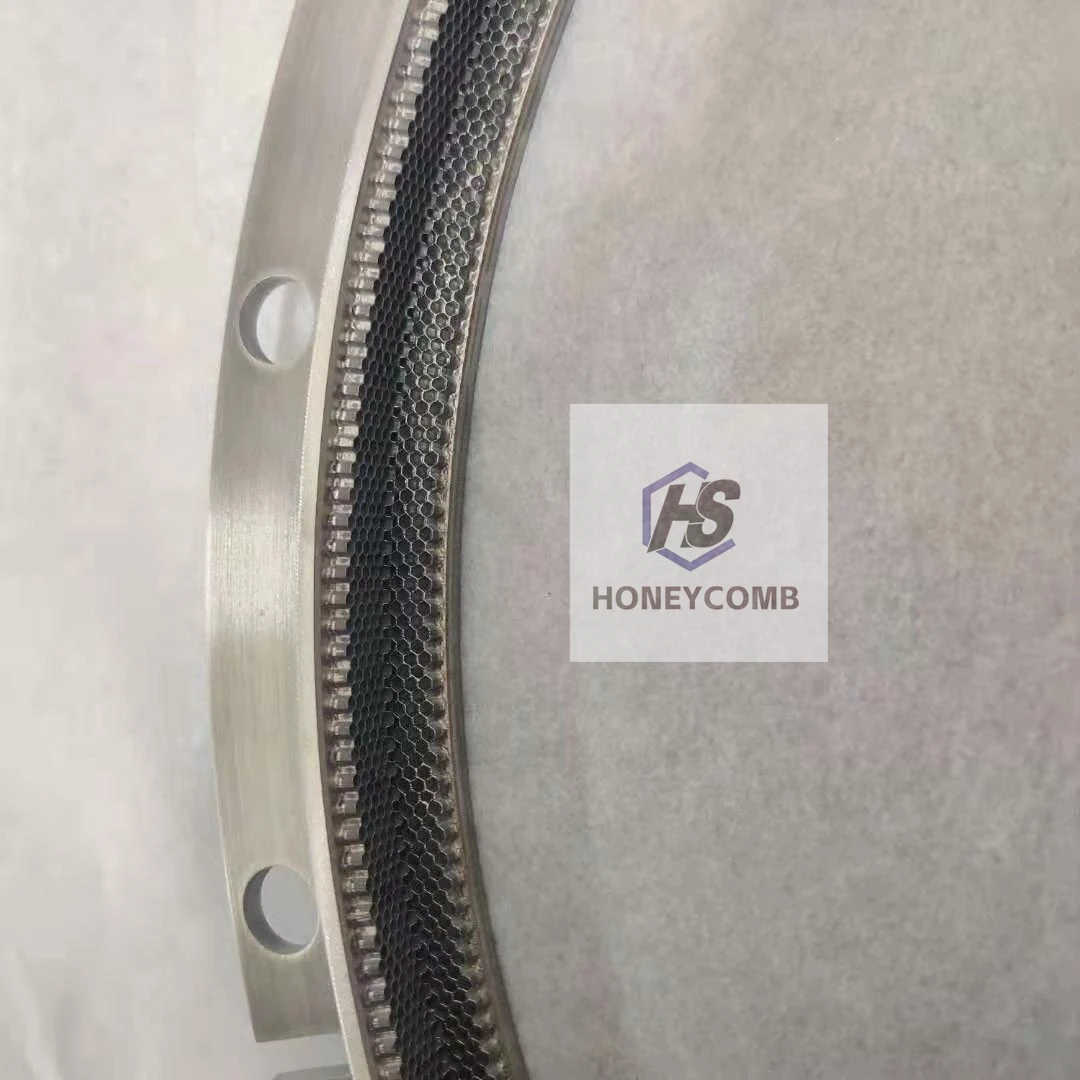
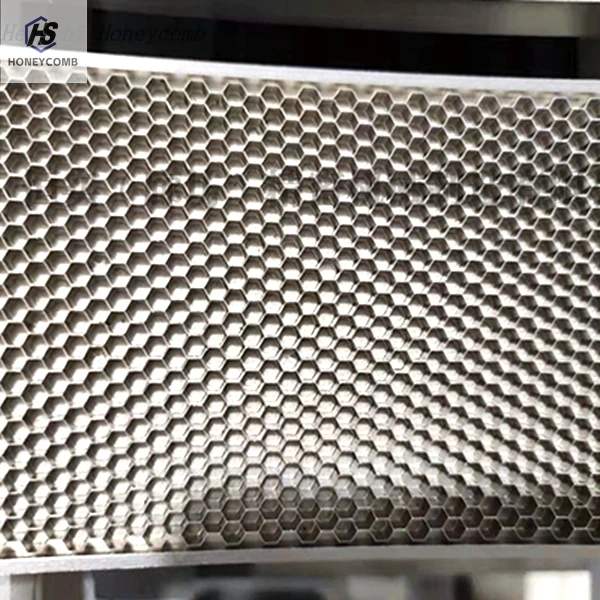
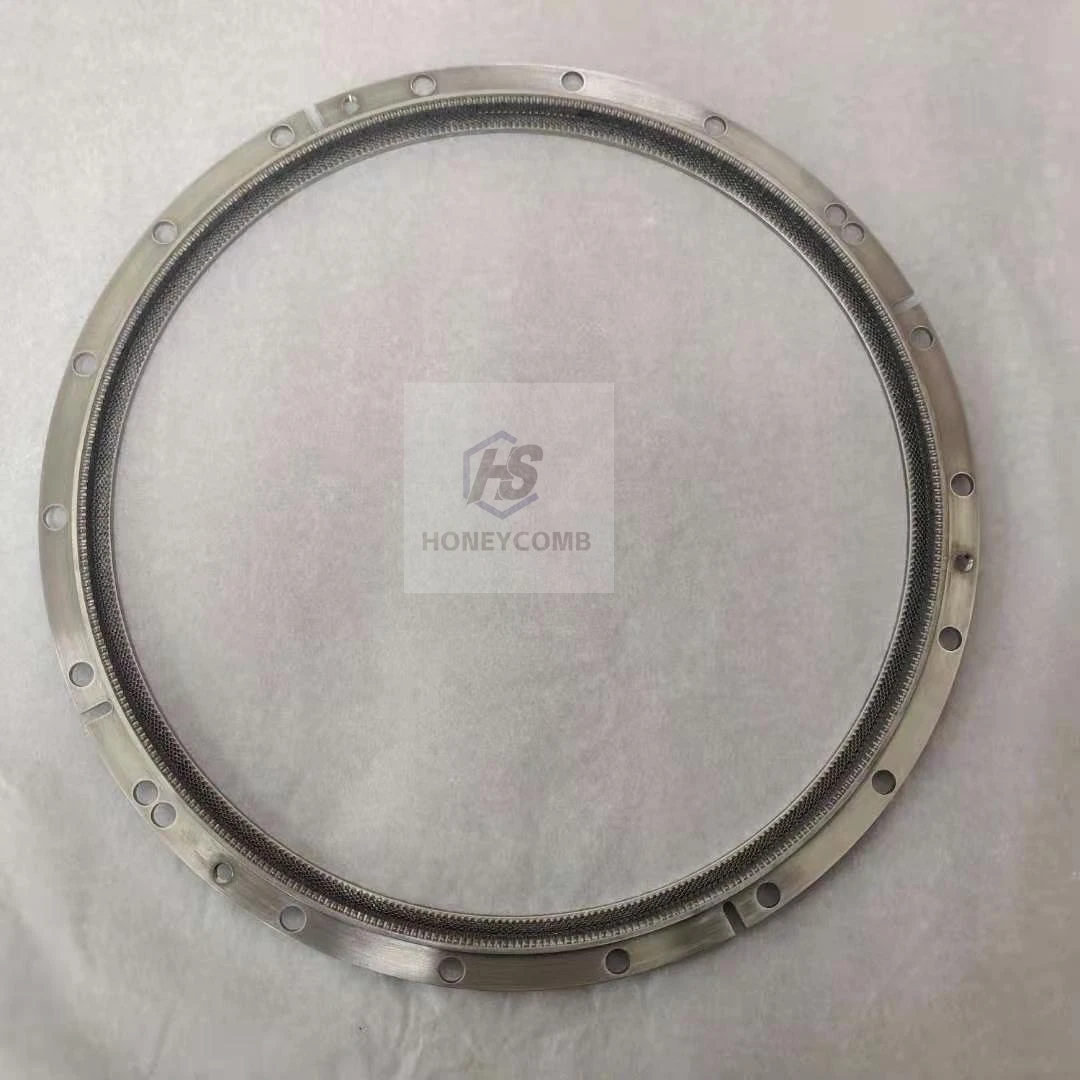
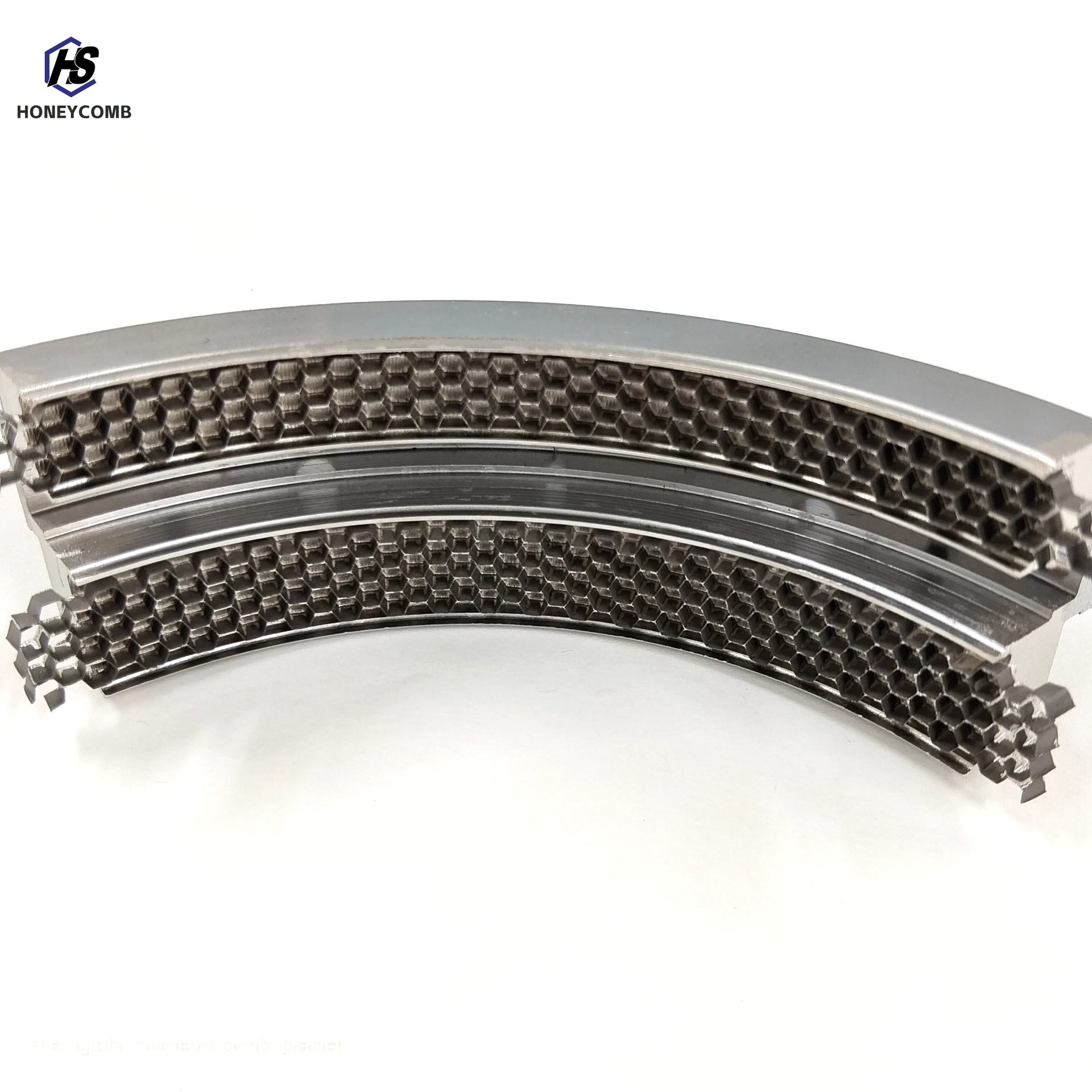
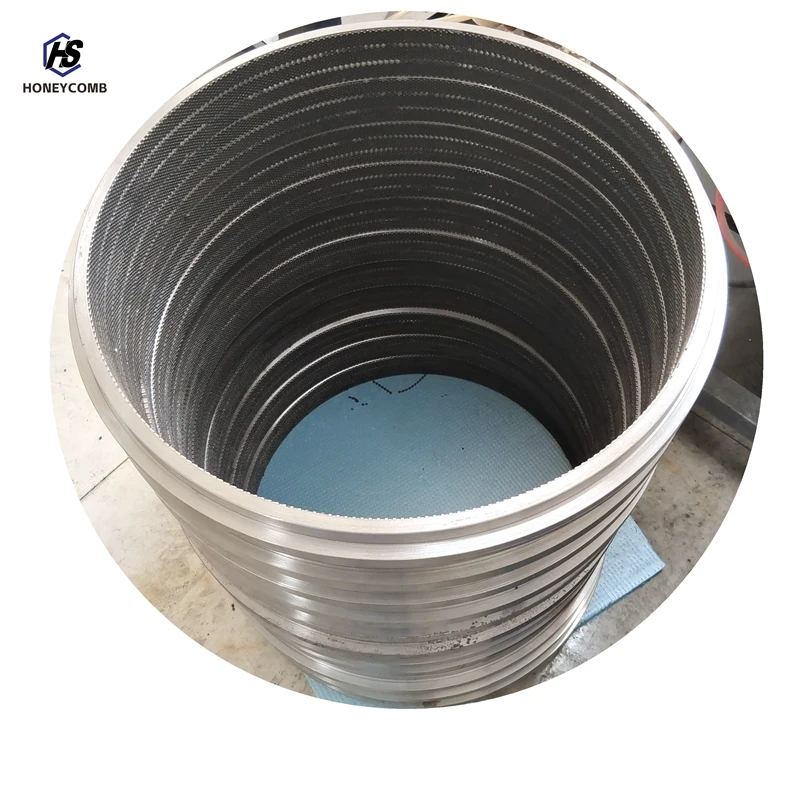
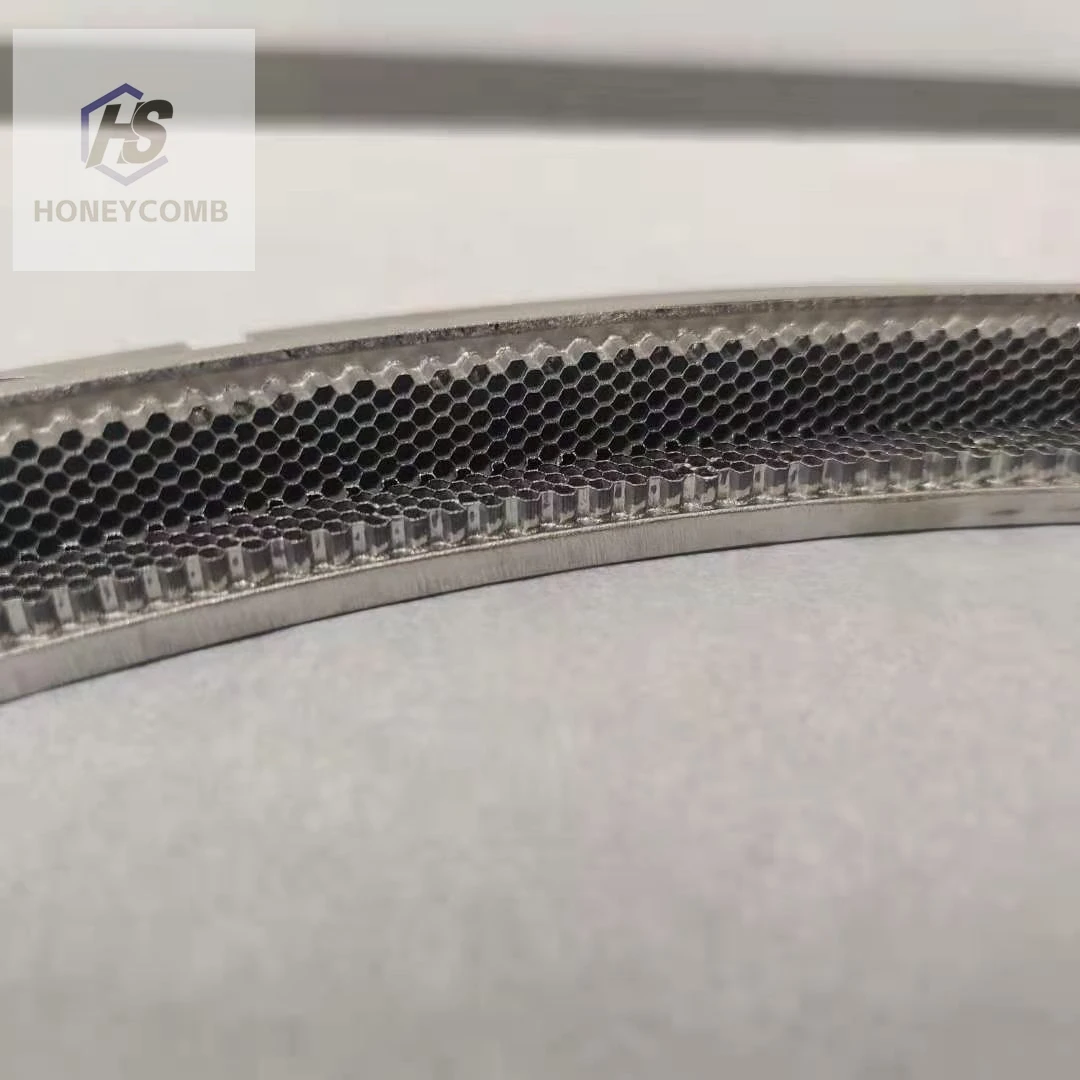
In simple terms, a honeycomb vent is a ventilation component featuring a grid of hexagonal cells, much like a bee’s honeycomb. This design isn't just for show; the hexagonal pattern efficiently manages airflow by reducing turbulence and distributing air evenly. The structure often uses lightweight materials like aluminum or durable plastic and can be customized based on size, cell diameter, and material properties.
They’re commonly used in HVAC systems, electronic enclosures, clean rooms, and even automotive applications. Thanks to their modular and scalable nature, honeycomb vents represent a versatile solution that can be tailored for industries that prioritize airflow control without sacrificing durability or ease of installation.
Core Components that Make Honeycomb Vents Tick
1. Structural Design
The hexagonal pattern isn’t chosen randomly. Its shape balances strength and lightness, allowing vents to resist pressure while remaining lightweight. This is handy in mobile or modular structures where every gram counts.
2. Material Selection
From anodized aluminum to UV-stabilized plastics, material choice reflects the environment the vent will face. Corrosion resistance is important in marine or chemical plants, while fire-retardant materials suit industrial settings.
3. Airflow Regulation
By breaking up airflow into consistent streams, honeycomb vents drastically cut down on turbulence and noise. Many engineers note this is particularly important in cleanrooms or laboratories where precise airflow minimizes contamination risk.
4. Installation & Scalability
Modular panels make honeycomb vents scalable—you can assemble large arrays for massive air exchange or keep it small for compact devices. Fast installation, often using snap-in frames or magnetic mounts, is a plus in time-sensitive projects.
5. Optional Coatings & Filters
Advanced options include anti-microbial coatings or filter inserts that trap dust and pollen, enhancing air purity for health-critical facilities.
Mini Takeaway:
Honeycomb vents combine smart geometry with tailored materials and modular design for adaptable airflow solutions.
Where Honeycomb Vents Make a Difference Worldwide
Practical uses for honeycomb vents stretch from industrial plants in Germany to refugee camps in Jordan. In the European automotive industry, they help maintain battery cooling for electric vehicles, extending battery life and efficiency. Meanwhile, in Southeast Asia, resin-based honeycomb vents resist high humidity and salt corrosion in coastal factories.
Humanitarian efforts also lean on honeycomb vents for rapid-deployment shelters in disaster-hit regions across Africa and South America. Here, vents allow fresh air in while keeping out insects and dust—critical for health and comfort.
| Specification | Typical Range | Notes |
|---|---|---|
| Cell Diameter | 3-12 mm | Smaller cells for finer airflow control |
| Material | Aluminum, ABS Plastic, Polycarbonate | Varies with environment |
| Airflow Capacity | 50-400 CFM | Cubic feet per minute, dependent on size |
| Operating Temperature | -40°C to 120°C | Depends on material |
| Noise Reduction | Up to 5 dB | Reduces airflow-induced noise |
| Fire Retardancy | Optional | Important in industrial zones |
Advantages and the Long-Term Value of Honeycomb Vents
Honeycomb vents don’t just regulate airflow—they bring measurable cost savings by enhancing HVAC efficiency and reducing maintenance needs. Many industries appreciate how the modular nature speeds up installation, cutting labor costs.
From a sustainability standpoint, lightweight materials mean less raw resource use and easier recycling. Socially, they help create safer, more comfortable working or living conditions, which is especially critical in humanitarian settings. The feeling of fresh, uncontaminated air in a cramped temporary shelter? That’s dignity—and sometimes health—right there.
Trust and reliability also build customer loyalty. When engineers specify a honeycomb vent, they’re betting on proven performance, often supported by certifications and rigorous testing.
Emerging Trends in Honeycomb Vent Technology
Looking ahead, the industry is embracing green energy compatibility, such as integrating solar-powered smart vents that adjust airflow via sensors. Materials science advances mean more eco-friendly plastics and composites with improved durability and flame resistance.
Add digital transformation—IoT-enabled vents monitoring airflow and filter clogging—and automation changes how these vents maintain ideal conditions without human intervention. It’s somewhat futuristic, but the concept is already gaining traction in high-tech facilities.
Challenges & Ingenious Solutions
Despite their many advantages, honeycomb vents face hurdles like clogging in dusty environments and limitations in extreme temperature applications. Some traditional models struggle with UV degradation outdoors. But manufacturers are responding: specialized coatings, self-cleaning surfaces, and hybrid materials help extend lifespan and performance.
Moreover, customization can be costly up front. Yet, many engineers find the ROI—especially regarding maintenance and energy savings—more than justifies the initial spend.
Honeycomb Vent: Frequently Asked Questions (FAQs)
- Q1: How do honeycomb vents improve airflow compared to traditional grills?
- A1: The honeycomb design breaks airflow into multiple uniform channels, which reduces turbulence and noise. This enables smoother, quieter ventilation and more consistent air distribution, ideal for sensitive environments.
- Q2: Are honeycomb vents suitable for outdoor use?
- A2: Yes, especially those made from UV-resistant materials or coated metals. However, in extremely dusty or corrosive environments, regular maintenance or specialized finishes may be necessary to maintain performance.
- Q3: Can honeycomb vents be customized for specific industries?
- A3: Absolutely. Manufacturers can tailor cell size, materials, coatings, and mounting options to suit anything from cleanroom standards to harsh industrial conditions.
- Q4: How long does a typical honeycomb vent last?
- A4: With proper maintenance, products typically last 5–10 years, sometimes longer depending on material and environment.
- Q5: Where can I source reliable honeycomb vents?
- A5: Trusted suppliers usually offer certification and custom support. See our vendor comparison below for some leading options.
| Vendor | Material Options | Customization Level | Typical Lead Time | Certifications |
|---|---|---|---|---|
| HexaVent Solutions | Aluminum, ABS Plastic | High - custom sizes & coatings | 3-4 weeks | ISO 9001, RoHS |
| VentMasters Inc. | Polycarbonate, stainless steel | Medium - select standard models | 2-3 weeks | UL Listed, CE |
| AirHex Global | ABS Plastic, composites | Low - pre-fab sizes only | 1-2 weeks | ISO 14001 |
Final Thoughts: Why Honeycomb Vents Are an Underappreciated Innovation
It might surprise you how something as simple-looking as a honeycomb vent quietly shapes the quality of air we breathe in everything from industrial sites to emergency shelters. Their design elegance meets practical necessity, addressing global challenges in airflow, safety, and sustainability all at once. So, next time you think about clean air or ventilation, give a little nod to the honeycomb vent — that hexagonal hero working behind the scenes.
For those ready to learn more or source high-performance honeycomb vent solutions, visit our website. Fresh air is just a vent away.
References

-
Industrial Airflow Guide for maf воздушная правильная машинаNewsApr.16,2026
-
Best maf струйно правильная машина for Industrial EfficiencyNewsApr.09,2026
-
Сотовая правильная машина A Comprehensive Guide to Honey Packing AutomationNewsApr.07,2026
-
Build Your Own DIY газоправильная Машина A Comprehensive Guide to Gas CorrectionNewsApr.04,2026
-
Understanding Кондиционер отопления Systems for Efficient and Comfortable HeatingNewsMar.31,2026
-
Comprehensive Guide to Cellular Blinds Installation Установка сотовых жалюзиNewsMar.28,2026
-
Mobile Aerodynamic Tunnel Design A Comprehensive Guide to Applications and ImplementationNewsMar.26,2026






 English
  Afrikaans
  Albanian
  Amharic
  Arabic
  Armenian
  Azerbaijani
  Basque
  Belarusian
  Bengali
  Bosnian
  Bulgarian
  Catalan
  Cebuano
  China
China  China (Taiwan)
  Corsican
  Croatian
  Czech
Czech  Danish
  Dutch
Dutch  Esperanto
  Estonian
  Finnish
  French
  Frisian
  Galician
  Georgian
  German
  Greek
Greek  Gujarati
  Haitian Creole
  Hausa
Hausa  Hawaiian
  Hebrew
  Hindi
Hindi  Miao
Miao  Indonesian
  Italian
  Japanese
  Javanese
  Malay
Malay  Persian
  Portuguese
  Punjabi
  Russian
  Spanish
  Swahili
  Telugu
  Vietnamese