


Understanding Alumínio em Favo de Mel: Key Advantages and Global Applications
Understanding Alumínio em Favo de Mel: The Honeycomb Aluminum Revolution
When you first stumble across the term alumínio em favo de mel, it might sound like just a fancy industrial phrase. But honestly, this honeycomb aluminum structure has quietly become a game changer worldwide—whether you're building lightweight aircraft components or crafting eco-friendly architectural panels. It’s not just another metal; it's an intersection of advanced engineering, sustainability, and practical design that touches industries from aerospace to humanitarian aid.
Why Alumínio em Favo de Mel Matters Globally
In today's world, where resource efficiency and innovation often define success, the honeycomb aluminum structure shines. According to data from the International Organization for Standardization (ISO), the global lightweight materials market is expanding rapidly, driven by aerospace, automotive, and green building sectors.
But the bigger challenge—and opportunity—is marrying strength with minimal weight and environmental impact. Here, alumínio em favo de mel comes into focus. Its unique core geometry provides exceptional strength-to-weight ratios, enabling lighter vehicles, stronger buildings, and better energy efficiency. For example, aerospace manufacturers use honeycomb aluminum to replace heavier materials, reducing fuel consumption and CO2 emissions.
Defining Alumínio em Favo de Mel
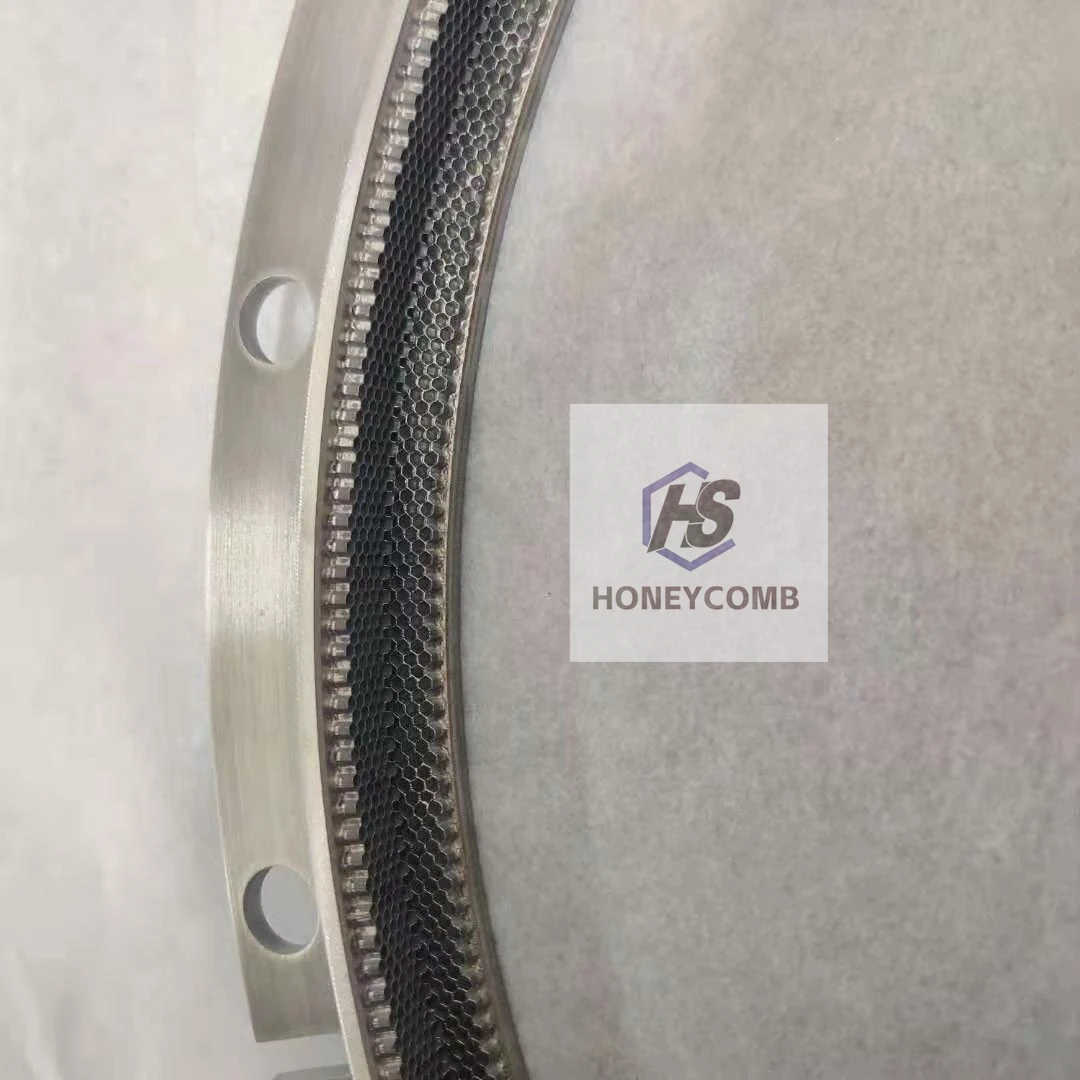
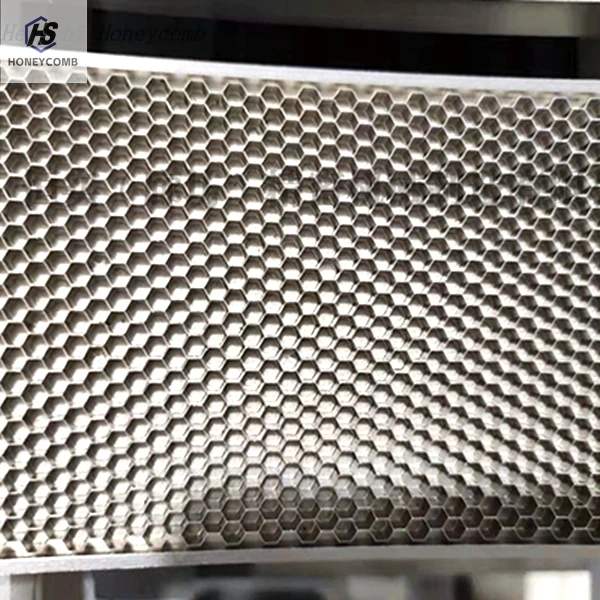
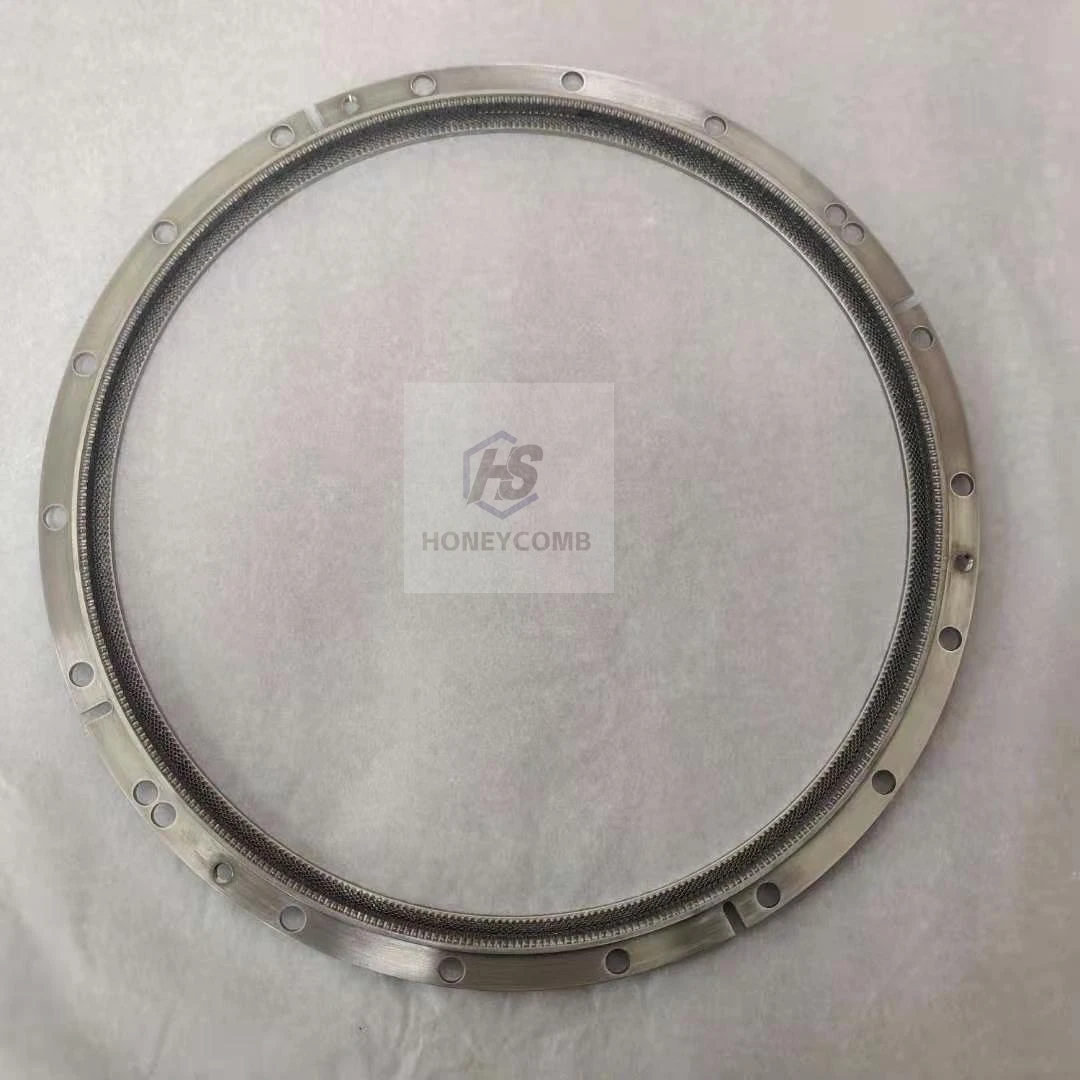
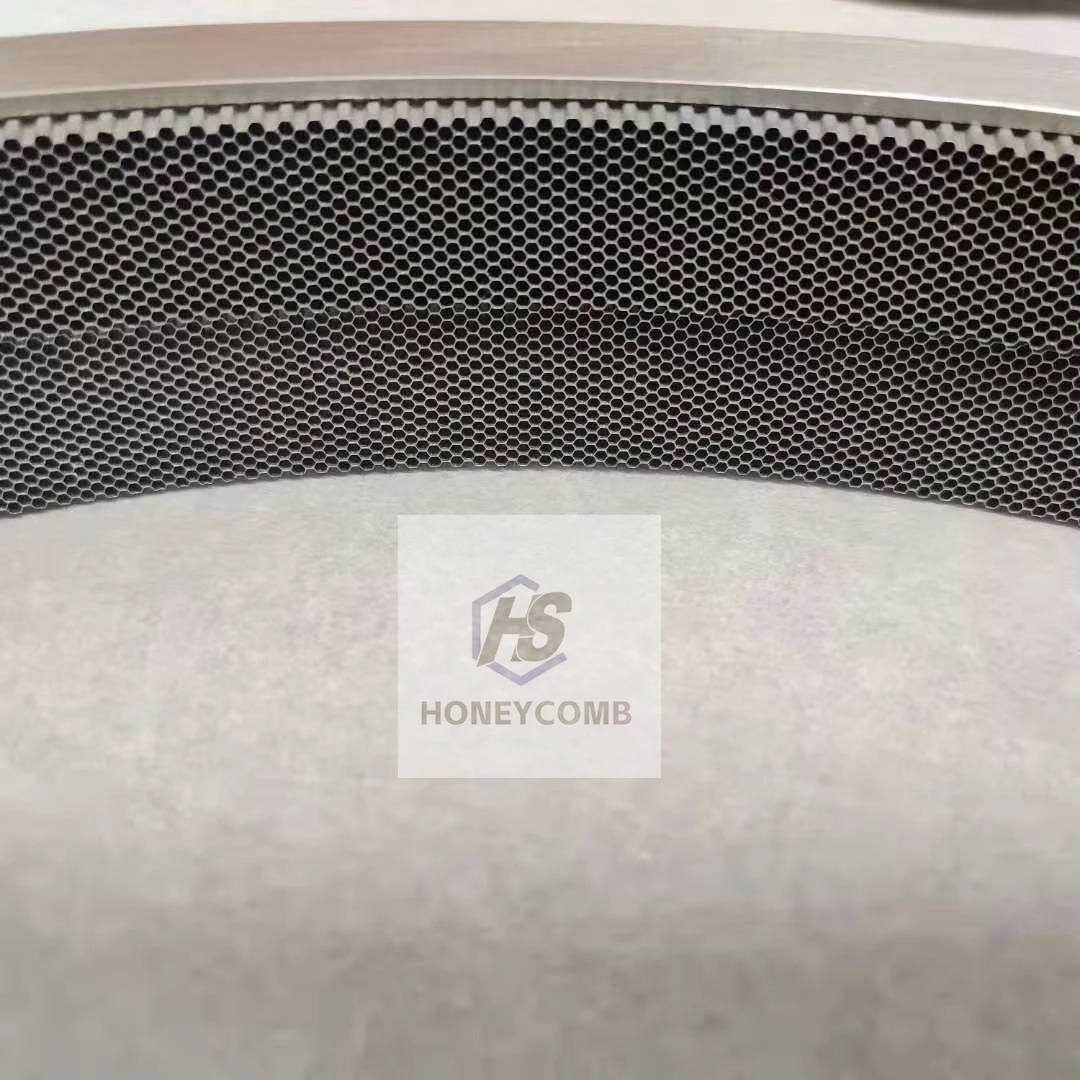
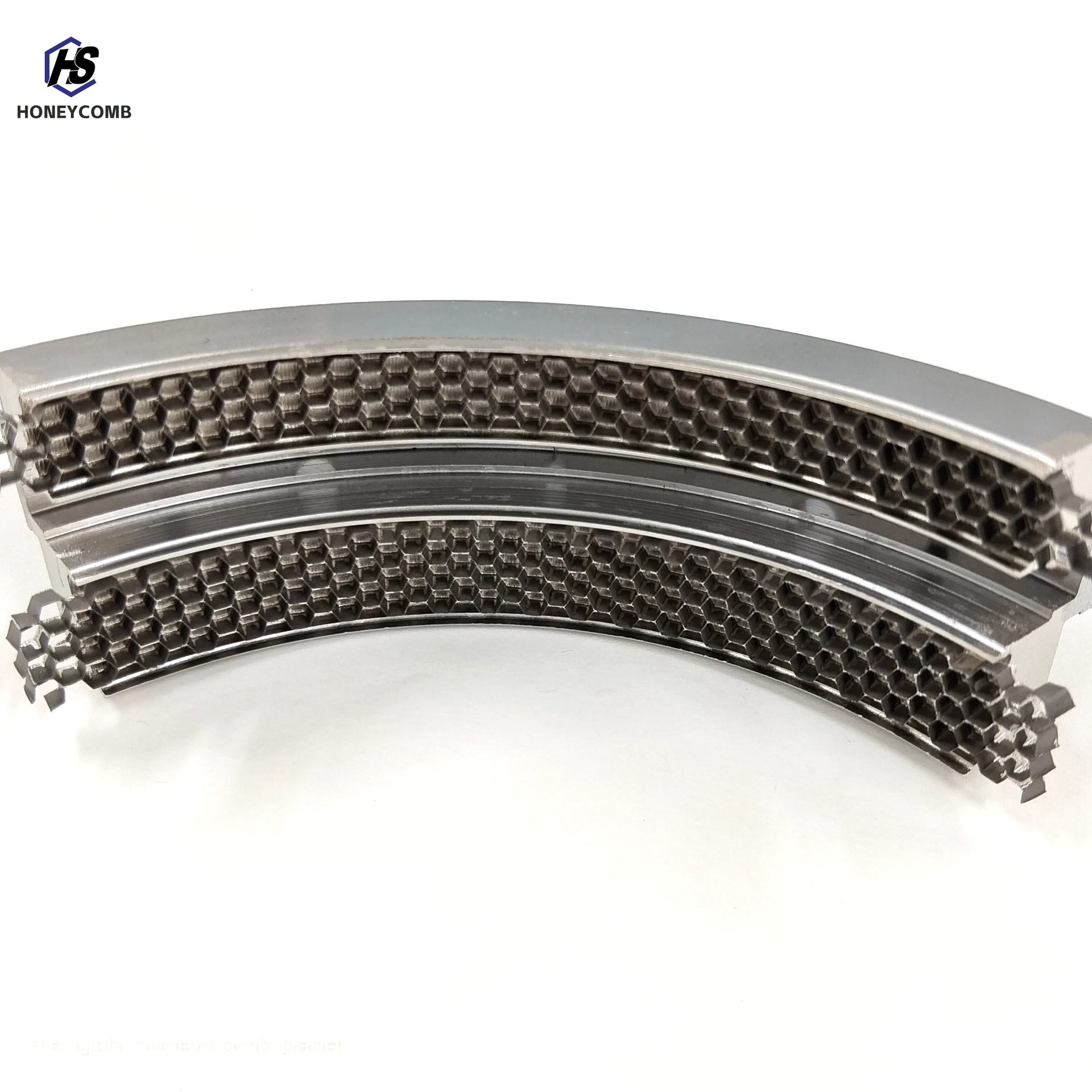
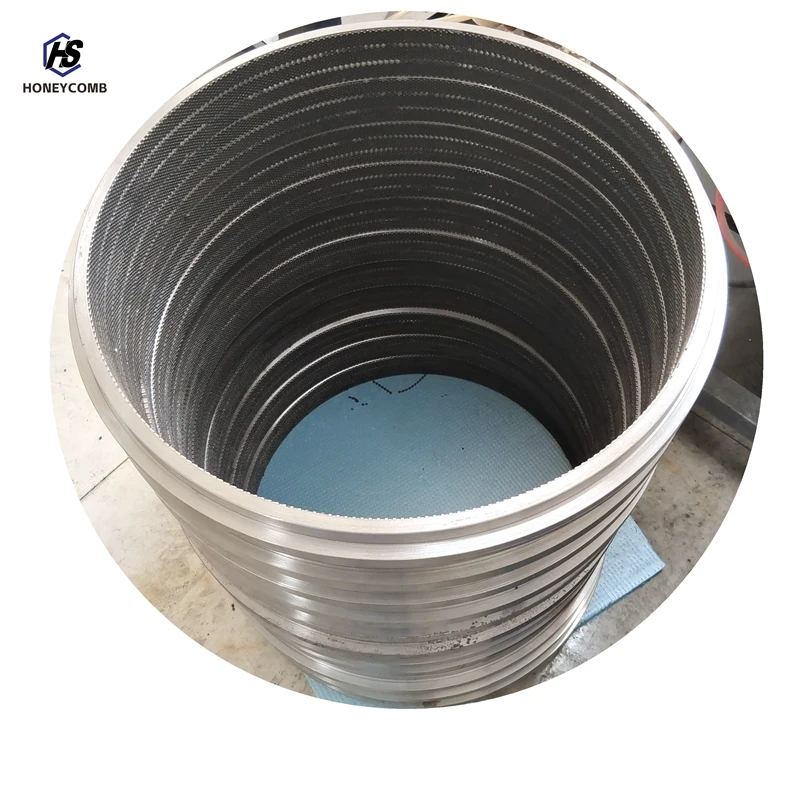
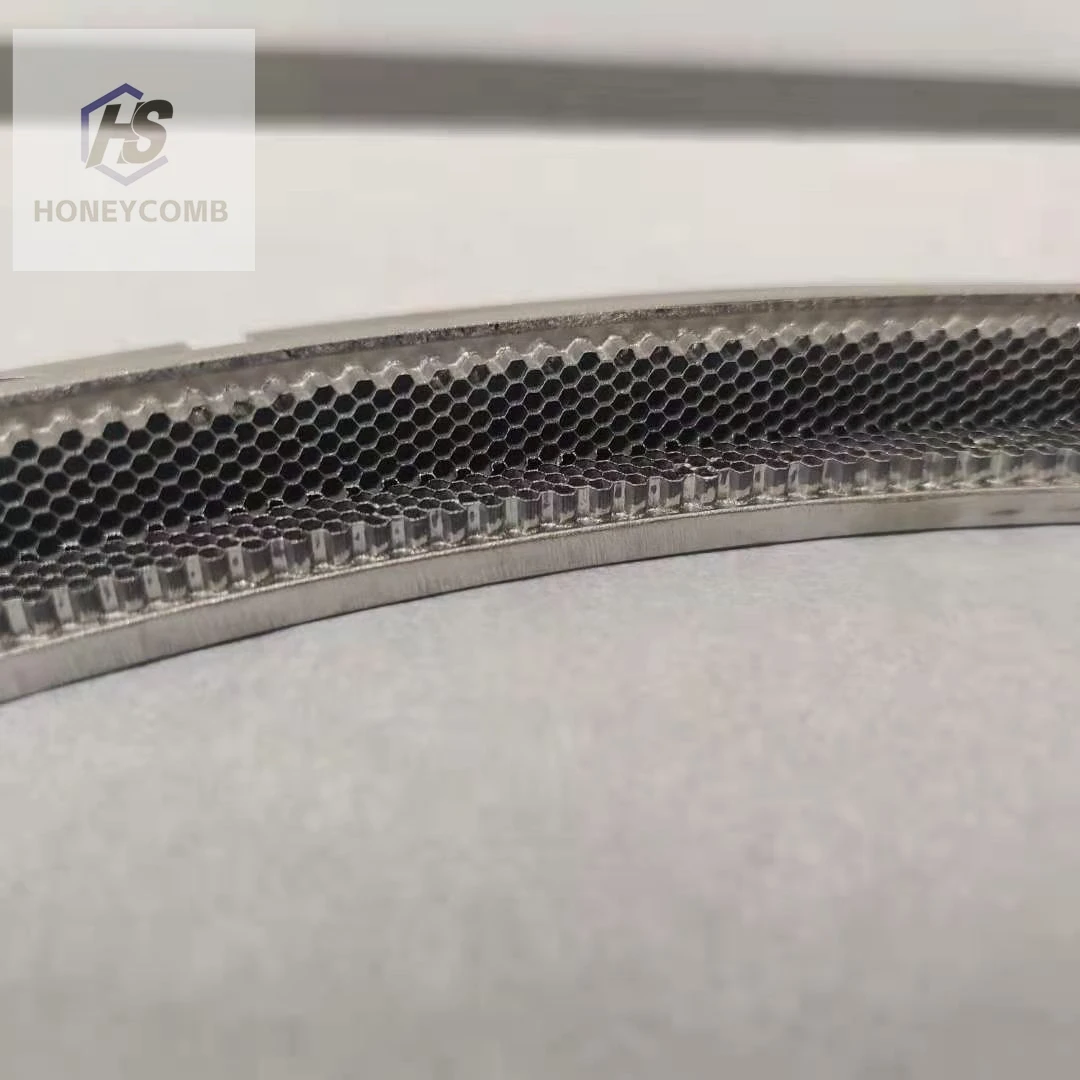
Simply put, alumínio em favo de mel refers to aluminum sheets or panels structured with a honeycomb core—a pattern that literally looks like the hexagonal wax cells bees make. This geometry isn’t just pretty; it offers superior mechanical properties by distributing loads uniformly and absorbing shock.
Modern industries value this because it allows them to achieve materials that are lightweight yet incredibly durable. In humanitarian contexts, that means rapidly deployable shelters that are easy to transport but still stand strong against weather and wear.
Key Components That Make Alumínio em Favo de Mel So Effective
1. Durability
The aluminum honeycomb core resists corrosion better than many metals and can handle high stress without buckling. You end up with a material that’s built to last, even outdoors or in harsh environments.
2. Lightweight Construction
The honeycomb structure minimizes the amount of aluminum used without sacrificing structural integrity—meaning less weight for transport, lower energy costs, and easier installation.
3. Thermal Insulation
The air pockets in the honeycomb provide natural insulation, which is beneficial for temperature control in buildings or vehicles. You get energy savings without adding bulk.
4. Scalability and Customization
Manufacturers can adjust core thickness, cell size, and facing materials to suit specific jobs—from aircraft panels to acoustic boards. This flexibility allows for product lines tailored exactly to client needs.
5. Cost Efficiency
Although the upfront cost might be higher than traditional solid metals, the long-term savings in energy, material, and labor usually offset initial investments.
Product Specifications: Typical Alumínio em Favo de Mel Panel
| Specification | Details |
|---|---|
| Core Material | Aluminum 3003 H14 |
| Cell Size | 6-10 mm hexagons |
| Panel Thickness | 20 - 50 mm |
| Face Sheets | Aluminum alloy or composite |
| Density | 40 - 90 kg/m³ |
| Typical Applications | Aerospace, construction, transportation |
Global Applications and Use Cases
Oddly enough, alumínio em favo de mel can feel both ubiquitous and specialized. For example:
- Aerospace: Boeing and Airbus use honeycomb aluminum panels extensively for fuselage interiors and flooring to reduce weight and increase fuel efficiency.
- Construction: Modern green buildings incorporate these panels for cladding and flooring, balancing strength with sustainability goals.
- Humanitarian Aid: Rapid-deployment shelters made with honeycomb panels provide durable, lightweight refuge in disaster zones—particularly valued in regions prone to frequent floods or earthquakes.
- Maritime Industry: Naval vessels and yachts opt for honeycomb structures to improve buoyancy and reduce weight without compromising safety.
In remote industrial zones of Africa and Asia, this material helps create modular housing and infrastructure fast, cutting shipping costs thanks to its lightweight nature. So, it’s both an engineering marvel and a practical humanitarian tool.
Vendor Comparison: Popular Alumínio em Favo de Mel Providers
| Vendor | Core Materials | Customization Options | Lead Time | Typical Industries |
|---|---|---|---|---|
| Honeycomb Solutions Inc. | Aluminum 3003/5052 | Custom cell size and thickness | 3-4 weeks | Aerospace, Construction |
| EcoHoney Comb Ltd. | Aluminum recycled alloy | Limited | 2-3 weeks | Green Buildings, Maritime |
| Advanced Panels Co. | Aluminum composite cores | High customization | 4-6 weeks | Transportation, Defense |
Advantages & Long-Term Value
Frankly, what impresses many engineers—and frankly, users—is the multi-layered benefit alumínio em favo de mel offers:
- Cost Savings Over Time: Lightweight means lower transport fuel consumption and easier installation, reducing labor.
- Environmental Impact: Aluminum is recyclable, and the honeycomb design reduces overall material use, fitting well into circular economy principles.
- Reliability: High mechanical strength ensures longer lifespans, meaning fewer replacements or repairs.
- Social & Safety Benefits: In emergency housing, these panels provide stable, dignified shelter faster than alternatives.
The safety angle is often under-discussed but critical: delivering sturdy, weather-resistant housing to vulnerable populations can literally save lives and restore dignity.
Future Trends & Innovations
The future of alumínio em favo de mel is bright—and a bit exciting. Broadly, the industry is moving towards greener production methods, integration with smart sensors for structural health monitoring, and even 3D-printed honeycomb cores.
Additionally, there’s buzz around combining honeycomb aluminum panels with phase-change materials to improve thermal regulation further—perfect for energy-saving buildings.
Digital transformation means fabrication can become more precise and waste minimized—a boon for scalable, cost-effective production.
Challenges & Solutions
Of course, no material is perfect. Some common limitations for alumínio em favo de mel include possible core crush under extreme localized impact, sensitivity to moisture ingress if not properly sealed, and sometimes higher initial costs compared to conventional panels.
Still, engineers are creatively addressing these issues by introducing polymer coatings for moisture resistance, hybrid composites to absorb impact better, and modular designs that simplify maintenance. Plus, many companies offer consultative services to tailor solutions for specific project demands.
Frequently Asked Questions About Alumínio em Favo de Mel
- What makes alumínio em favo de mel better than traditional solid aluminum panels?
- The honeycomb structure reduces overall weight while maintaining or even increasing strength and rigidity, improving fuel efficiency in transport and ease of installation in construction.
- How long can honeycomb aluminum panels last in harsh environments?
- Properly treated panels can last 20+ years outdoors, resisting corrosion and weathering due to aluminum’s natural oxide layer and protective coatings.
- Is alumínio em favo de mel environmentally friendly?
- Yes. Aluminum is highly recyclable, and the honeycomb design optimizes material usage, reducing waste and energy during manufacturing.
- Can these panels be customized for special projects?
- Absolutely. Adjustments can be made to cell size, core thickness, face materials, and coatings to meet specific weight, strength, or aesthetic requirements.
- How can NGOs source alumínio em favo de mel panels for international disaster relief?
- Many manufacturers offer international shipping and can assist with logistics. It’s best to contact suppliers directly to discuss volume discounts and lead times specific to urgent projects.
Conclusion
In real terms, alumínio em favo de mel isn’t just a clever piece of engineering, but a versatile and sustainable solution with clear global benefits. Whether for improving aircraft efficiency, erecting rapid shelters in disaster zones, or pushing the envelope of green architecture, the honeycomb aluminum core stands out as a smart, future-ready material.
If you’re curious to explore more or source high-quality alumínio em favo de mel panels, I highly recommend starting there—they’ve become a trusted name in the space.
To sum it up: lightweight, strong, sustainable—and frankly indispensable in many modern industries.
References:
1. Wikipedia: Honeycomb Structure
2. ISO Lightweight Materials
3. World Bank: Green Building Initiatives
-
Industrial Airflow Guide for maf воздушная правильная машинаNewsApr.16,2026
-
Best maf струйно правильная машина for Industrial EfficiencyNewsApr.09,2026
-
Сотовая правильная машина A Comprehensive Guide to Honey Packing AutomationNewsApr.07,2026
-
Build Your Own DIY газоправильная Машина A Comprehensive Guide to Gas CorrectionNewsApr.04,2026
-
Understanding Кондиционер отопления Systems for Efficient and Comfortable HeatingNewsMar.31,2026
-
Comprehensive Guide to Cellular Blinds Installation Установка сотовых жалюзиNewsMar.28,2026
-
Mobile Aerodynamic Tunnel Design A Comprehensive Guide to Applications and ImplementationNewsMar.26,2026






 English
  Afrikaans
  Albanian
  Amharic
  Arabic
  Armenian
  Azerbaijani
  Basque
  Belarusian
  Bengali
  Bosnian
  Bulgarian
  Catalan
  Cebuano
  China
China  China (Taiwan)
  Corsican
  Croatian
  Czech
Czech  Danish
  Dutch
Dutch  Esperanto
  Estonian
  Finnish
  French
  Frisian
  Galician
  Georgian
  German
  Greek
Greek  Gujarati
  Haitian Creole
  Hausa
Hausa  Hawaiian
  Hebrew
  Hindi
Hindi  Miao
Miao  Indonesian
  Italian
  Japanese
  Javanese
  Malay
Malay  Persian
  Portuguese
  Punjabi
  Russian
  Spanish
  Swahili
  Telugu
  Vietnamese