


Understanding Honingraatafdichting Turbine: Benefits & Applications
What is Honingraatafdichting Turbine and Why Does It Matter Globally?
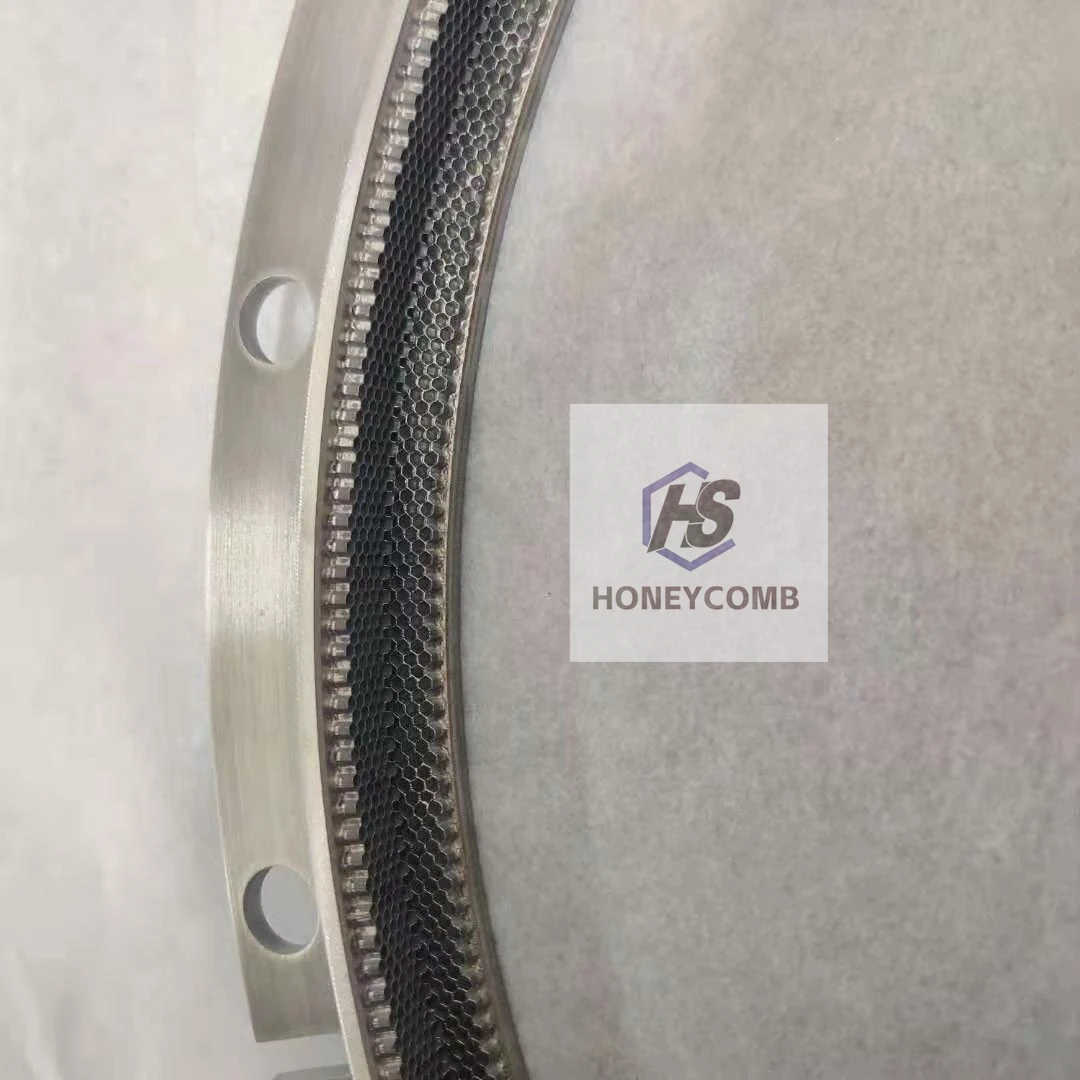
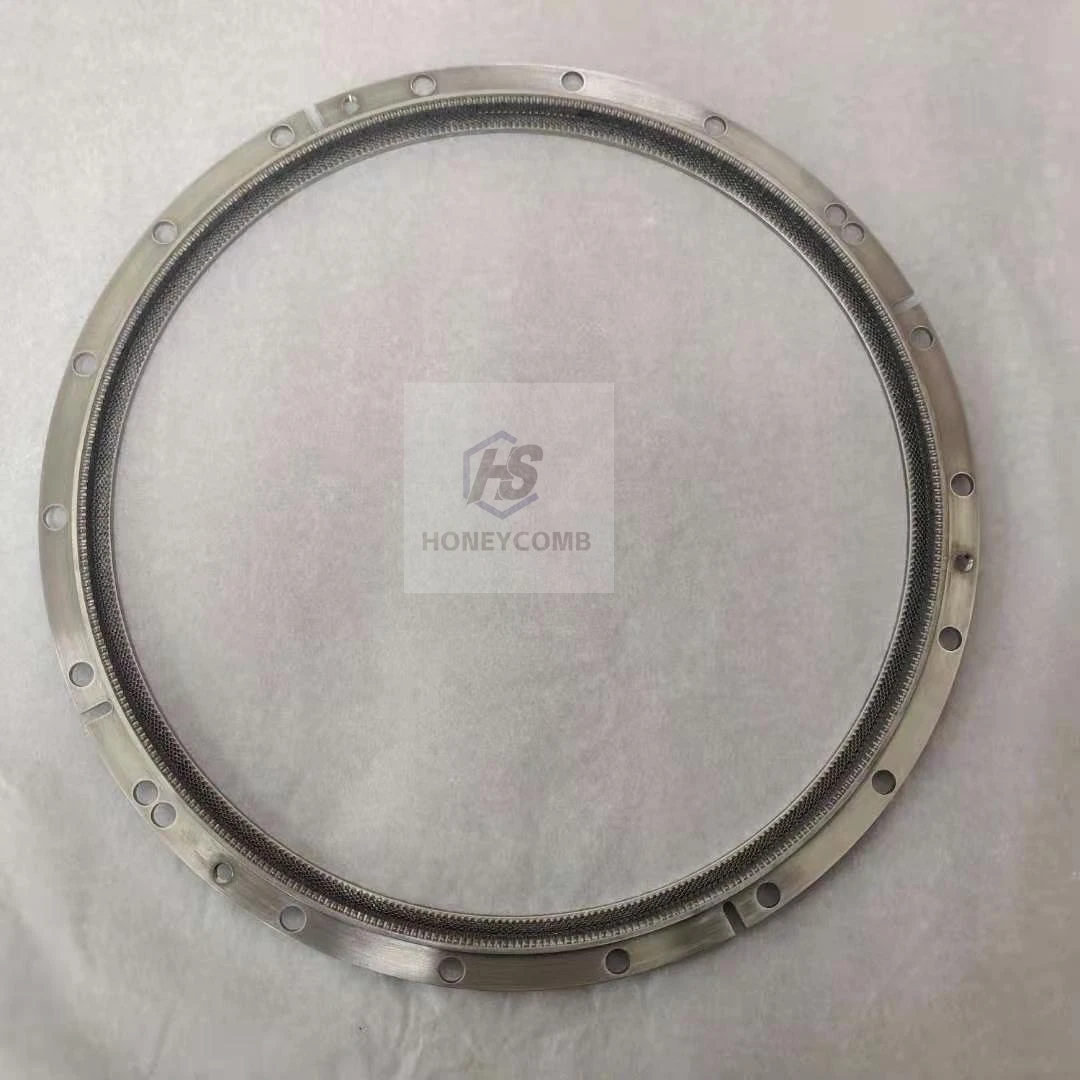
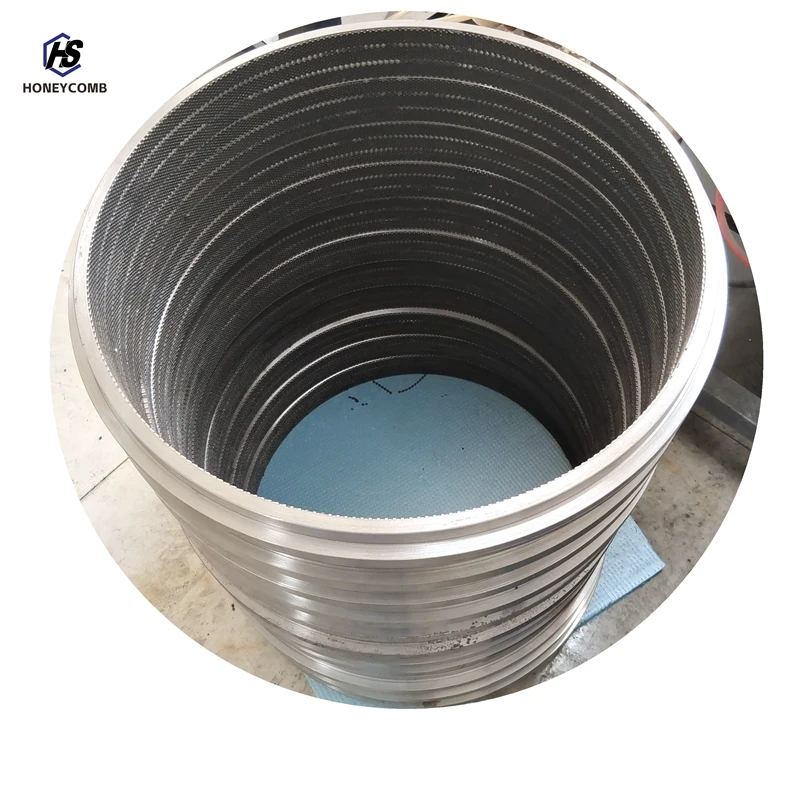
If you’re not already familiar, honingraatafdichting turbine technology sounds like a mouthful—and it kind of is. In essence, it refers to a specialized type of honeycomb sealing used within turbines to maximize efficiency and durability. These seals are quietly critical players in the global energy scene, impacting everything from power plants to aviation engines.
Why should we care? Because turbines drive a huge chunk of our electricity worldwide—roughly 30% of global power generation involves steam or gas turbines. Poor sealing means energy loss, wear and tear, unplanned downtime, and higher emissions. Understanding and utilizing effective sealing like honingraatafdichting turbine solutions leads to better energy conservation, lower carbon footprints, and more robust industrial performance. Frankly, in a world chasing sustainability goals, these seals are unsung heroes.
A Global Context: Why Honingraatafdichting Turbine Is More Relevant Than Ever
Globally, energy demands are predicted to rise about 25% in the next 15 years according to the International Energy Agency (IEA). At the same time, tightening environmental regulations from ISO and the UN’s sustainable development goals pressure industries to improve efficiency dramatically. The honingraatafdichting turbine—literally a “honeycomb seal turbine”—addresses a nagging problem: how to reduce leakage and mechanical wear inside turbine chambers under extreme conditions.
Conventional seals often fail prematurely in thermal cycles and high-speed rotations. This hurts plant output, leads to costly repairs, and impacts grid reliability where electricity is precious—take emerging markets or isolated islands dependent on thermal turbines, for example. The honingraatafdichting turbine, widely used in high-end power stations in Europe and Asia, shows promise to cut failure rates by 20–40%, a significant leap.
What Exactly is a Honingraatafdichting Turbine?
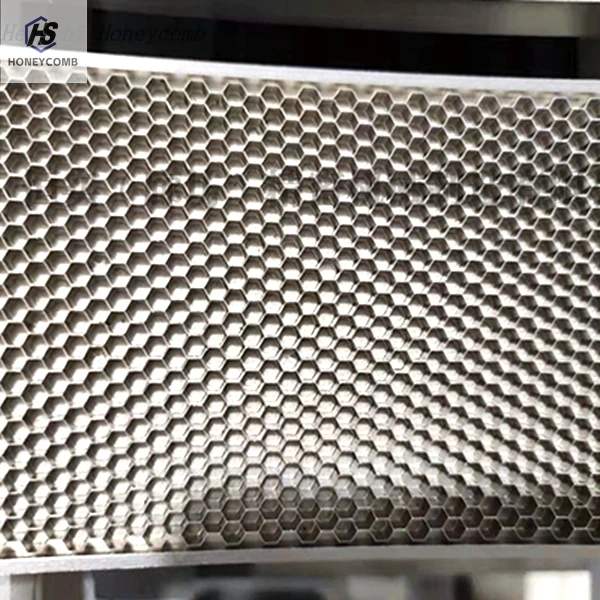
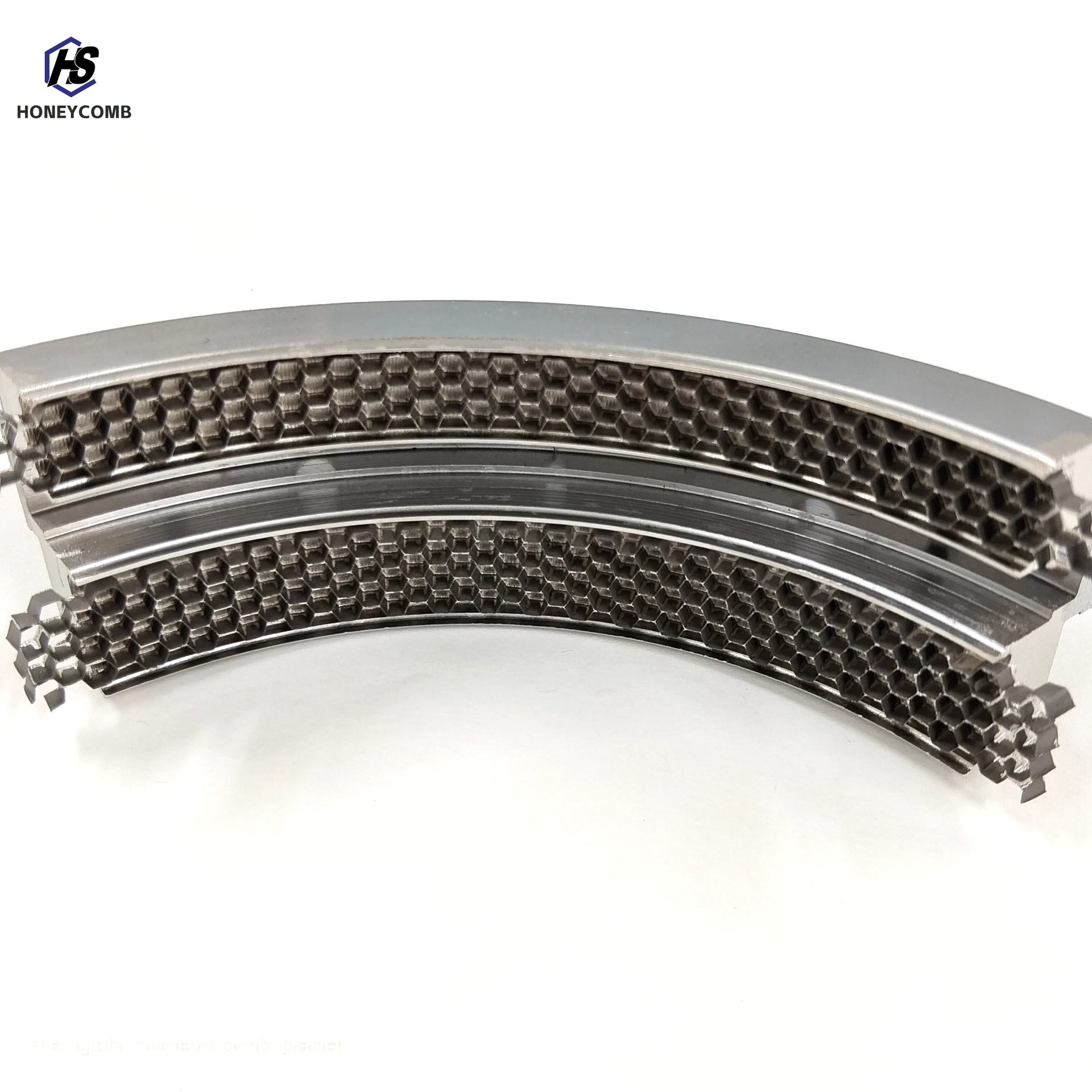
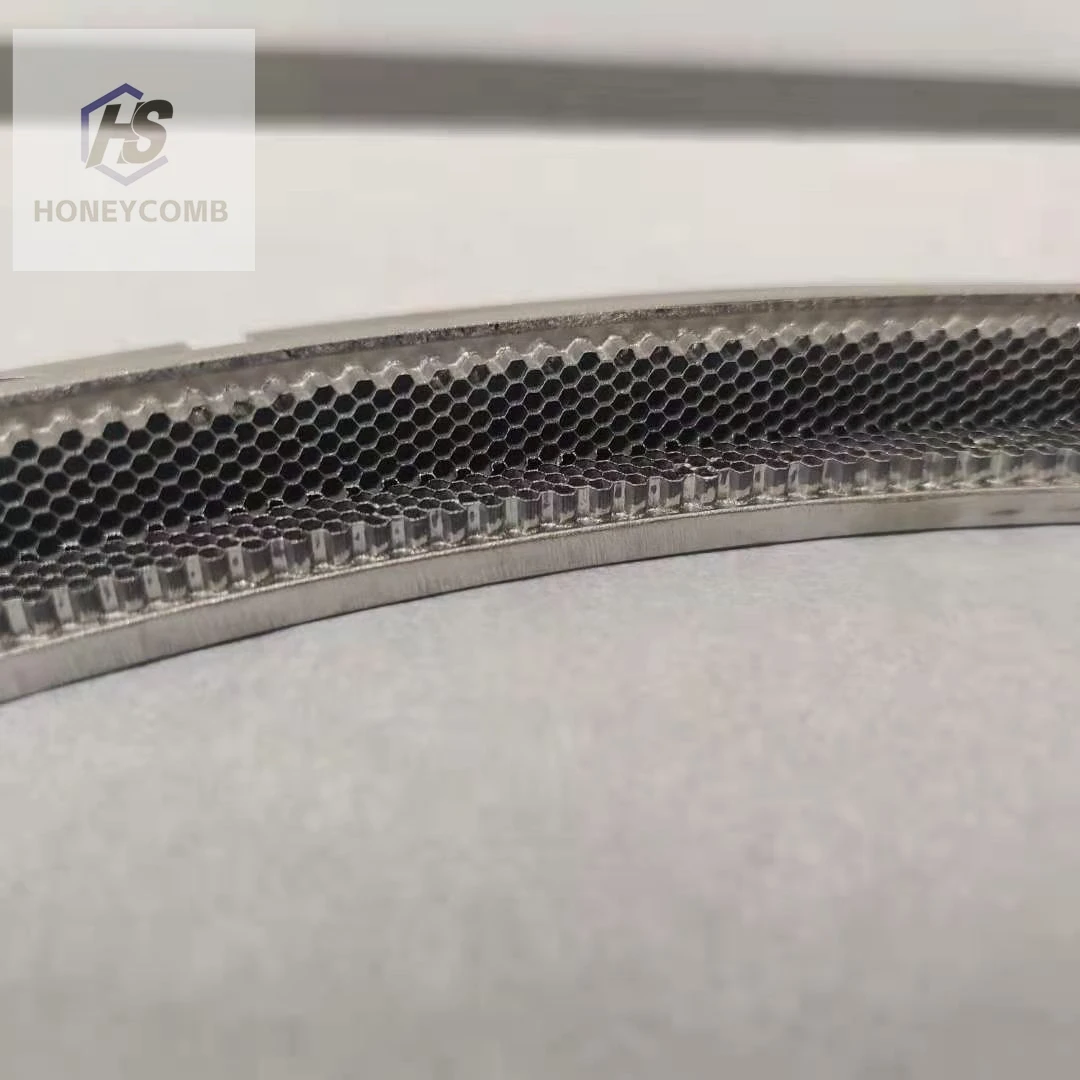
Breaking it down simply, “honingraatafdichting” is Dutch for “honeycomb seal,” which describes the structure of the sealing material. In turbine systems, these honeycomb seals fit into the gaps between rotating and stationary parts. The honeycomb pattern isn’t just a cool design; its geometry helps absorb heat, reduce friction, and withstand rapid temperature swings.
Think about a turbine spinning at thousands of RPMs—the seal needs to accommodate thermal expansion, minimize leakage, and avoid damaging friction. These seals act much like shock absorbers or thermal buffers inside your engine, preserving operational integrity.
Industries using honingraatafdichting turbines span from traditional power generation to aerospace turbines and even geothermal plants, proving the technology’s wide-ranging impact beyond just one niche.
Core Components and Features of Honingraatafdichting Turbine Seals
1. Durability Amid Harsh Conditions
Honeycomb seals are often made from high-grade alloys or ceramics that handle high temperatures, pressure, and abrasion. Their durability means longer service intervals—a godsend for costly downtime.
2. Thermal Stability and Expansion
Rapid heating and cooling cycles cause parts to expand and contract. The honeycomb structure is flexible enough to accommodate these changes without cracking or losing sealing pressure.
3. Leakage Reduction
By fitting snugly with complex internal geometries, these seals minimize leakage of steam or gas. Lower internal leakage equals improved turbine efficiency and reduced energy waste.
4. Ease of Maintenance and Replacement
Contrary to older, bulky seals, honingraatafdichting turbines are modular and designed for easier access. This helps operators conduct planned servicing faster and more safely.
5. Cost Efficiency in the Long Run
While premium honeycomb seals might have a higher upfront cost, their lifespan and performance compensate tenfold by saving fuel and avoiding early replacements.
| Specification | Typical Value | Comment |
|---|---|---|
| Material | Stainless Steel Alloy/ Ceramic Composite | High temp resistance & durability |
| Operating Temp | Up to 650 °C | Handles thermal cycles effectively |
| Max RPM | 15,000+ | Suitable for most turbine models |
| Leakage Rate | Minimized internal loss | |
| Service Life | 5-7 years (typical) | Depends on operating conditions |
Global Applications & Real-world Use Cases of Honingraatafdichting Turbine
These honeycomb turbine seals are not just theoretical tech—they’ve found a home in power stations from Germany to China, and in aircraft engines powering transcontinental flights. In regions like Southeast Asia, where tropical climates and humidity challenge turbine integrity, honingraatafdichting seals help prevent corrosion and reduce downtime.
For example, a recent retrofit in a Dutch geothermal plant replaced standard seals with honingraatafdichting models, resulting in a 15% boost in output and reduced maintenance intervals.
In aviation too, especially with the push for higher fuel efficiency and lower emissions, these seals are increasingly standard. Engineers note that the quality and precision of these honeycomb seals directly influence engine lifespan.
Advantages & Long-Term Value
- Cost Savings: Lower fuel waste + fewer repairs.
- Environmental Impact: Reduced emissions through better fuel burn.
- Safety & Trust: Avoids catastrophic failure risks.
- Longevity: Service life typically beats older seal tech by years.
- Innovation Trust: Many leading OEMs specify honingraatafdichting seals today.
I guess the most compelling part isn’t just the numbers; it’s how these seals quietly keep turbines humming safely, day after day, often unnoticed.
Future Trends & Innovations in Honingraatafdichting Turbine Technology
Looking ahead, the seal industry isn’t standing still. There’s growing interest in composite materials with enhanced heat conductivity and self-healing coatings that repair micro-cracks on the fly. Digitally integrated monitoring sensors embedded in seals are also on the horizon, promising predictive maintenance to avoid unexpected failures.
Plus, with the green energy movement accelerating, turbines must operate efficiently on varied fuels—from hydrogen blends to biofuels—and honingraatafdichting seals are evolving with these demands.
Challenges & Solutions
Of course, nothing’s perfect. Installation precision is critical; poorly fitted honingraatafdichting seals can cause more harm than good. Also, the upfront investment remains a hurdle for some operators, especially smaller facilities.
Solutions? Better training, modular design improvements, and vendor support systems are making these seals more accessible worldwide. Plus, lifecycle cost analyses typically justify the premium as in the end it’s cheaper maintenance and energy saved that counts.
| Vendor | Material Options | Typical Lead Time | Price Range | Global Support |
|---|---|---|---|---|
| HoneySeal Corp | Stainless Steel, Ceramic | 6-8 weeks | $$$ | Global (EMEA, APAC, Americas) |
| TurbSeal Industries | Advanced Ceramic Composite | 4-6 weeks | $$ | Select regions, growing |
| SealTech Solutions | Steel Alloy, Hybrid Materials | 8-10 weeks | $$$ | Global but limited Asia presence |
FAQ: Frequently Asked Questions About Honingraatafdichting Turbine
- Q1: How does a honingraatafdichting turbine seal improve turbine efficiency?
- These honeycomb seals minimize leakage between turbine parts, reducing energy loss. Less leakage means the turbine converts more fuel energy into mechanical power, improving overall efficiency.
- Q2: What materials are typically used for honingraatafdichting turbine seals?
- High-temperature resistant alloys such as stainless steel or ceramic composites are common. These materials withstand thermal cycles, pressure, and abrasion typical in turbine operation.
- Q3: Can honingraatafdichting seals be retrofitted into existing turbines?
- Yes, many older turbines can be upgraded with honeycomb sealing technology, often leading to noticeable improvements in performance and reduced maintenance costs.
- Q4: How long do these turbine seals last under normal operating conditions?
- Typically, honingraatafdichting seals last around 5 to 7 years, depending on operating conditions like temperature, pressure, and maintenance routines.
- Q5: Are honingraatafdichting turbine seals compatible with renewable energy turbines?
- Absolutely. These seals are used in geothermal, biomass, and emerging hydrogen turbines where thermal and mechanical stresses are significant.
Conclusion
In real terms, honingraatafdichting turbine seals are not just a niche technical solution—they’re a fundamental enabler for efficient, durable, and cleaner turbine operation. Whether you’re in power generation, aviation, or renewable energy, investing in high-quality honeycomb seals pays dividends over time.
If you want to explore more or upgrade your turbine sealing solutions, I highly recommend visiting honingraatafdichting turbine specialists like the team at HSHI Honeycomb. Their expertise and product range can make a tangible difference to your turbine performance and sustainability goals.
Thanks for reading—sometimes the smallest seals have the biggest impact. Keep that in mind next time you flip a light switch or board a plane.
References:
1. International Energy Agency (IEA) – World Energy Outlook 2023
2. ISO 9001 and ISO 14001 standards – Turbine Industry Applications
3. Wikipedia: Turbine

-
Industrial Airflow Guide for maf воздушная правильная машинаNewsApr.16,2026
-
Best maf струйно правильная машина for Industrial EfficiencyNewsApr.09,2026
-
Сотовая правильная машина A Comprehensive Guide to Honey Packing AutomationNewsApr.07,2026
-
Build Your Own DIY газоправильная Машина A Comprehensive Guide to Gas CorrectionNewsApr.04,2026
-
Understanding Кондиционер отопления Systems for Efficient and Comfortable HeatingNewsMar.31,2026
-
Comprehensive Guide to Cellular Blinds Installation Установка сотовых жалюзиNewsMar.28,2026
-
Mobile Aerodynamic Tunnel Design A Comprehensive Guide to Applications and ImplementationNewsMar.26,2026






 English
  Afrikaans
  Albanian
  Amharic
  Arabic
  Armenian
  Azerbaijani
  Basque
  Belarusian
  Bengali
  Bosnian
  Bulgarian
  Catalan
  Cebuano
  China
China  China (Taiwan)
  Corsican
  Croatian
  Czech
Czech  Danish
  Dutch
Dutch  Esperanto
  Estonian
  Finnish
  French
  Frisian
  Galician
  Georgian
  German
  Greek
Greek  Gujarati
  Haitian Creole
  Hausa
Hausa  Hawaiian
  Hebrew
  Hindi
Hindi  Miao
Miao  Indonesian
  Italian
  Japanese
  Javanese
  Malay
Malay  Persian
  Portuguese
  Punjabi
  Russian
  Spanish
  Swahili
  Telugu
  Vietnamese