


Waben-Laibungslüftung: Efficient Honeycomb Window Jamb Ventilation for Modern Buildings
Understanding Waben-Laibungslüftung: What It Is and Why It Matters
Have you ever paused to think about the way buildings breathe? Not in a poetic sense, but literally—the flow of air in and out of walls and windows. That’s where waben-laibungslüftung comes in, a German term for honeycomb jamb ventilation systems. It might sound niche, but globally, controlling airflow efficiently in buildings is more critical than ever. From reducing energy consumption to improving indoor air quality, these systems are quietly reshaping how we think about sustainable construction.
Why care?
- Energy efficiency: Minimizing drafts and heat loss
- Comfort: Maintaining fresh air without noise or insects
- Environmental impact: Reducing reliance on HVAC systems
Getting familiar with waben-laibungslüftung can open doors to smarter architecture and urban solutions that conserve resources and elevate living standards worldwide.
Global Context: Why Airflow Solutions Are Crucial Today
Buildings account for roughly 40% of global energy consumption, according to the International Energy Agency (IEA). Out of that, heating and cooling are major culprits. Efficient ventilation like waben-laibungslüftung offers a clever way to tackle energy waste without surrendering indoor comfort. In fact, the International Organization for Standardization (ISO) has highlighted ventilation criteria as key to energy-efficient housing.
The challenge? Many traditional ventilation methods either waste heat or invite unwanted pests and noise. Moreover, urban populations increasingly demand quieter, cleaner, and more breathable spaces. Here, honeycomb-structured jamb vents come in as practical, low-cost innovations that balance airflow regulation with sealing efficiency.
Regions with cold winters or hot summers—think Scandinavia or southern USA—stand to gain a lot, but the technology is creeping into industrial, residential, and commercial sectors worldwide.
What Exactly Is Waben-Laibungslüftung?
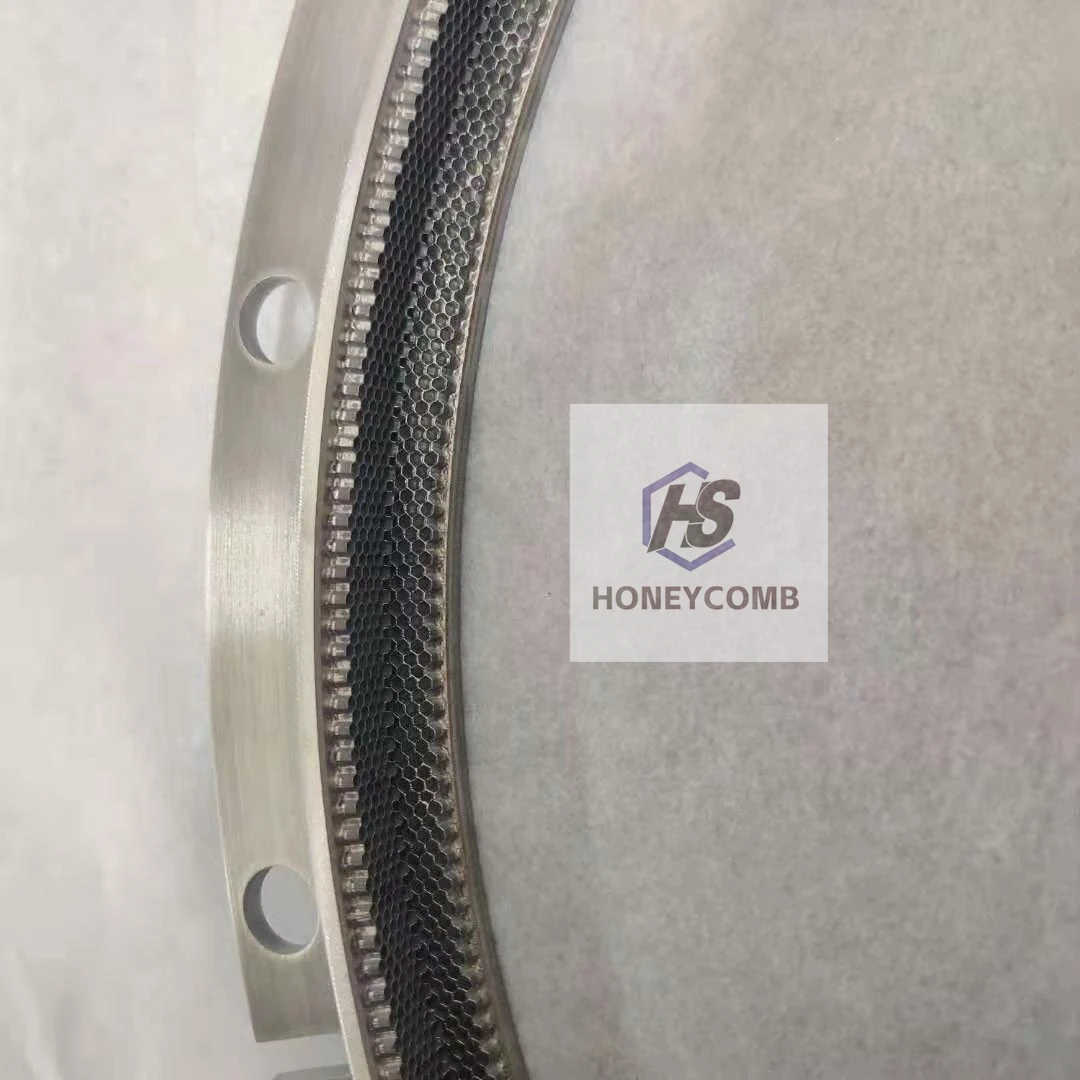
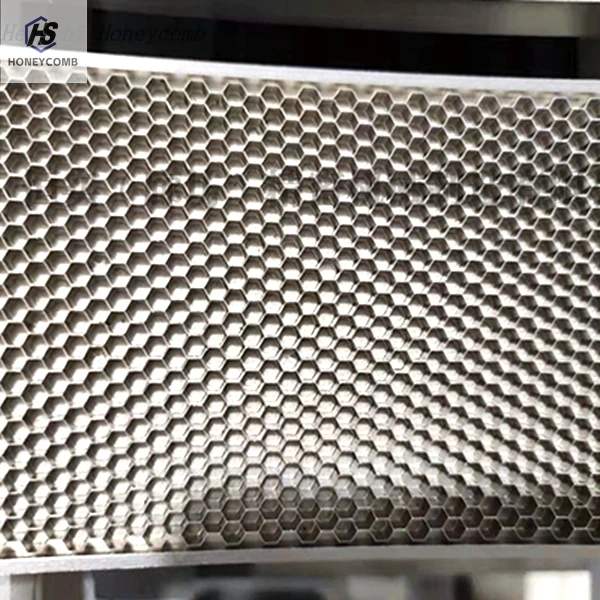
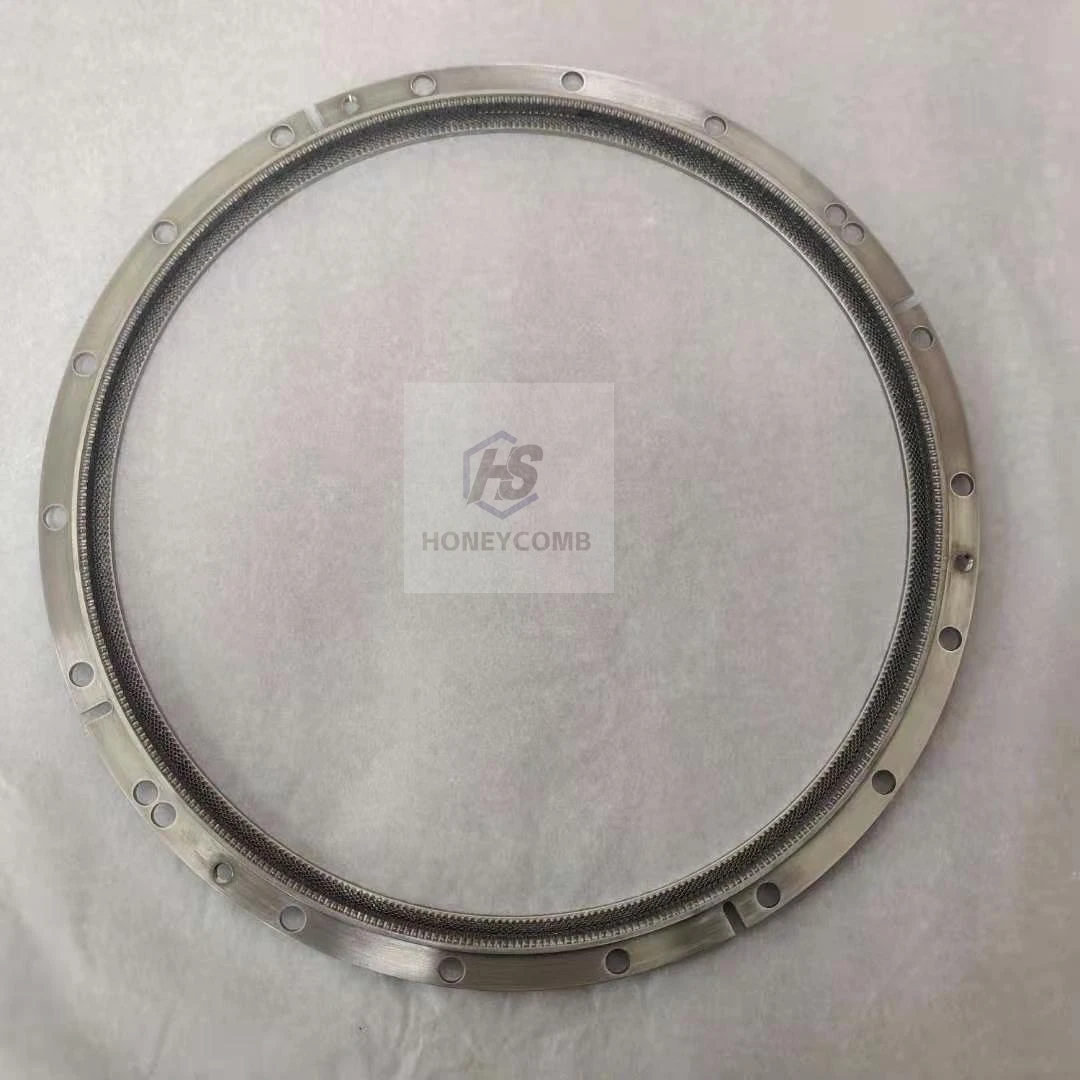
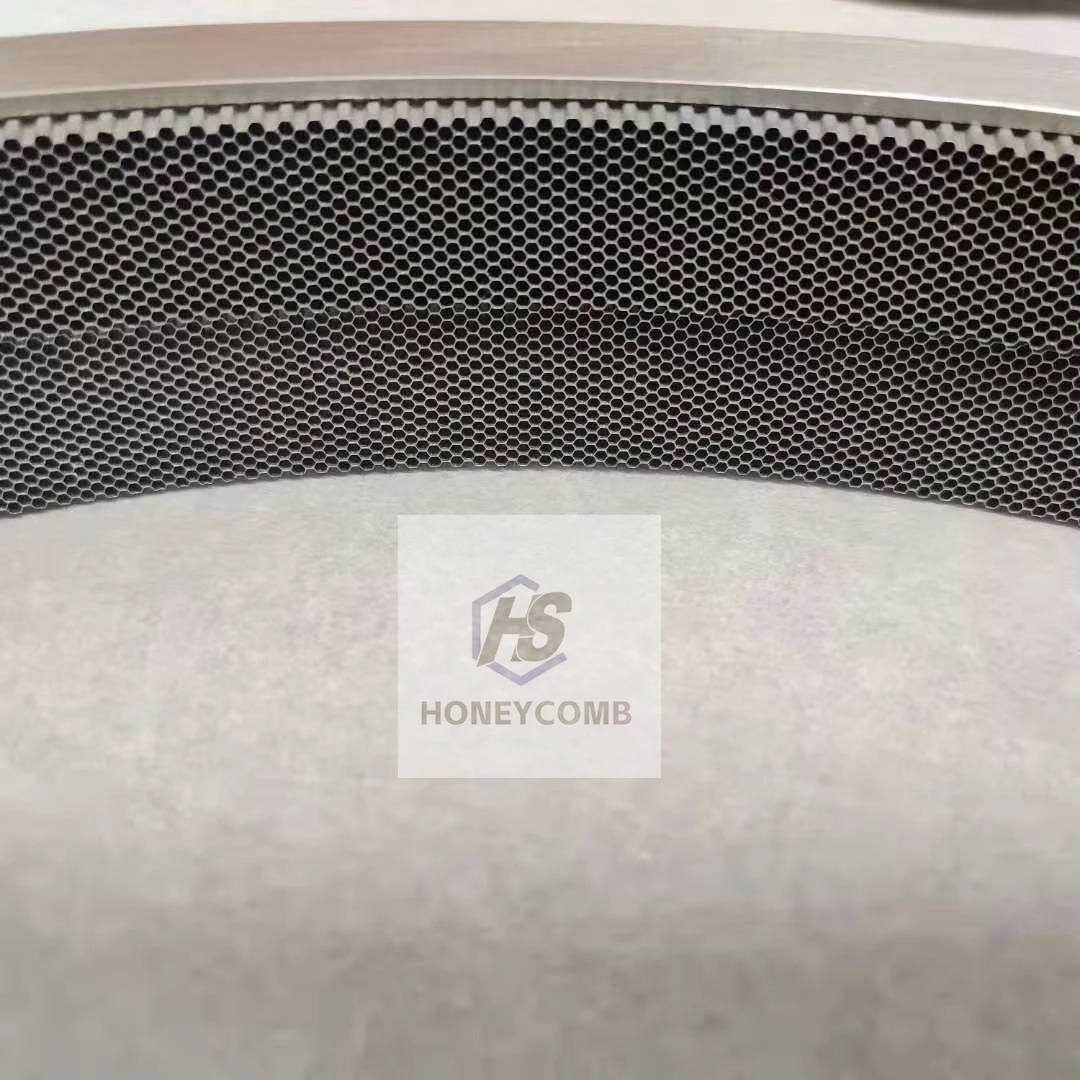
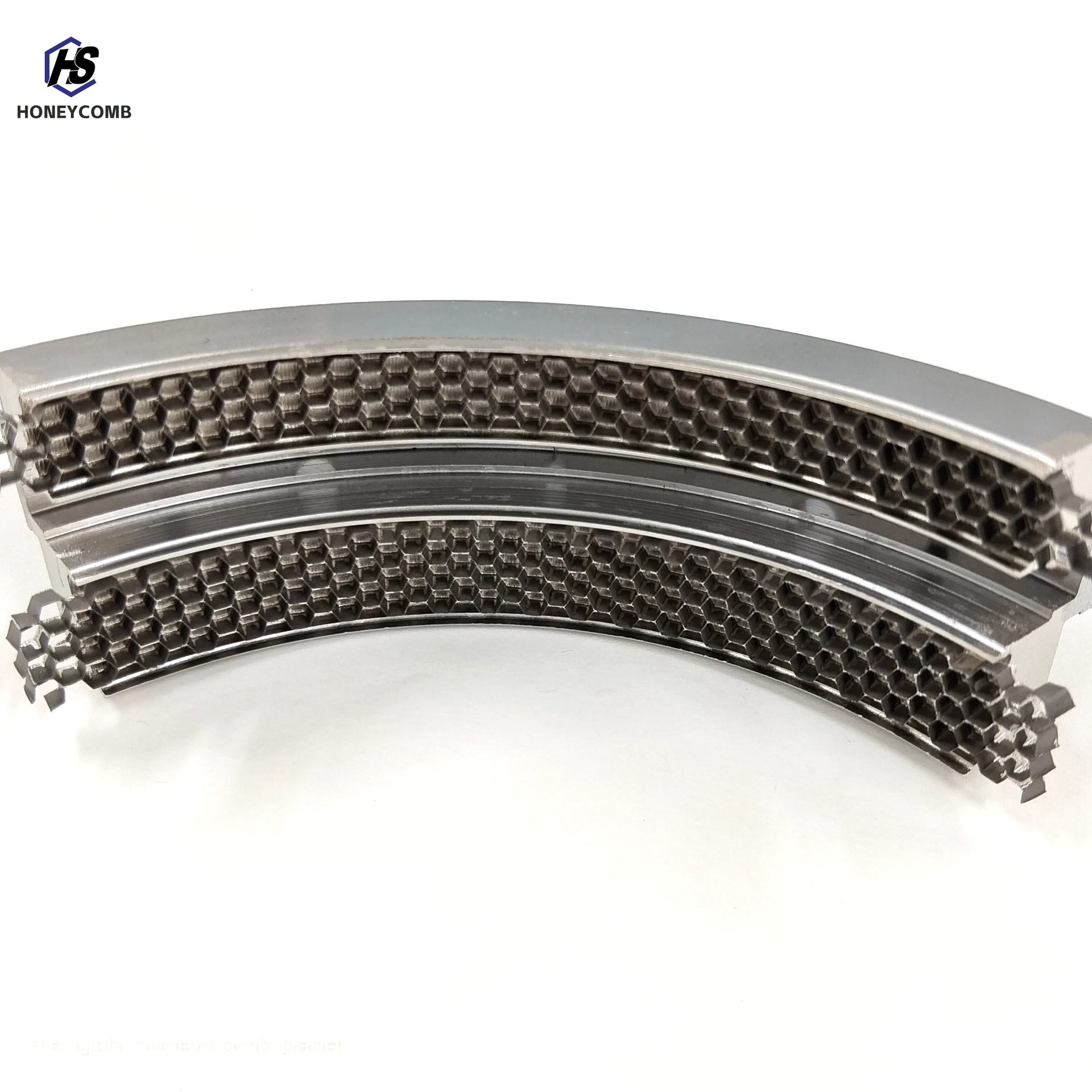
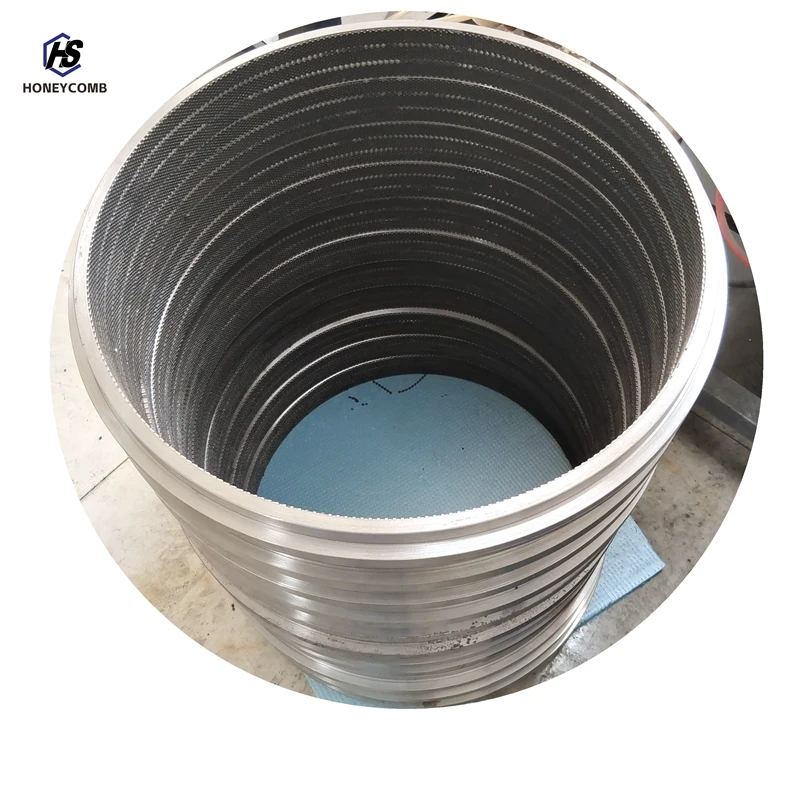
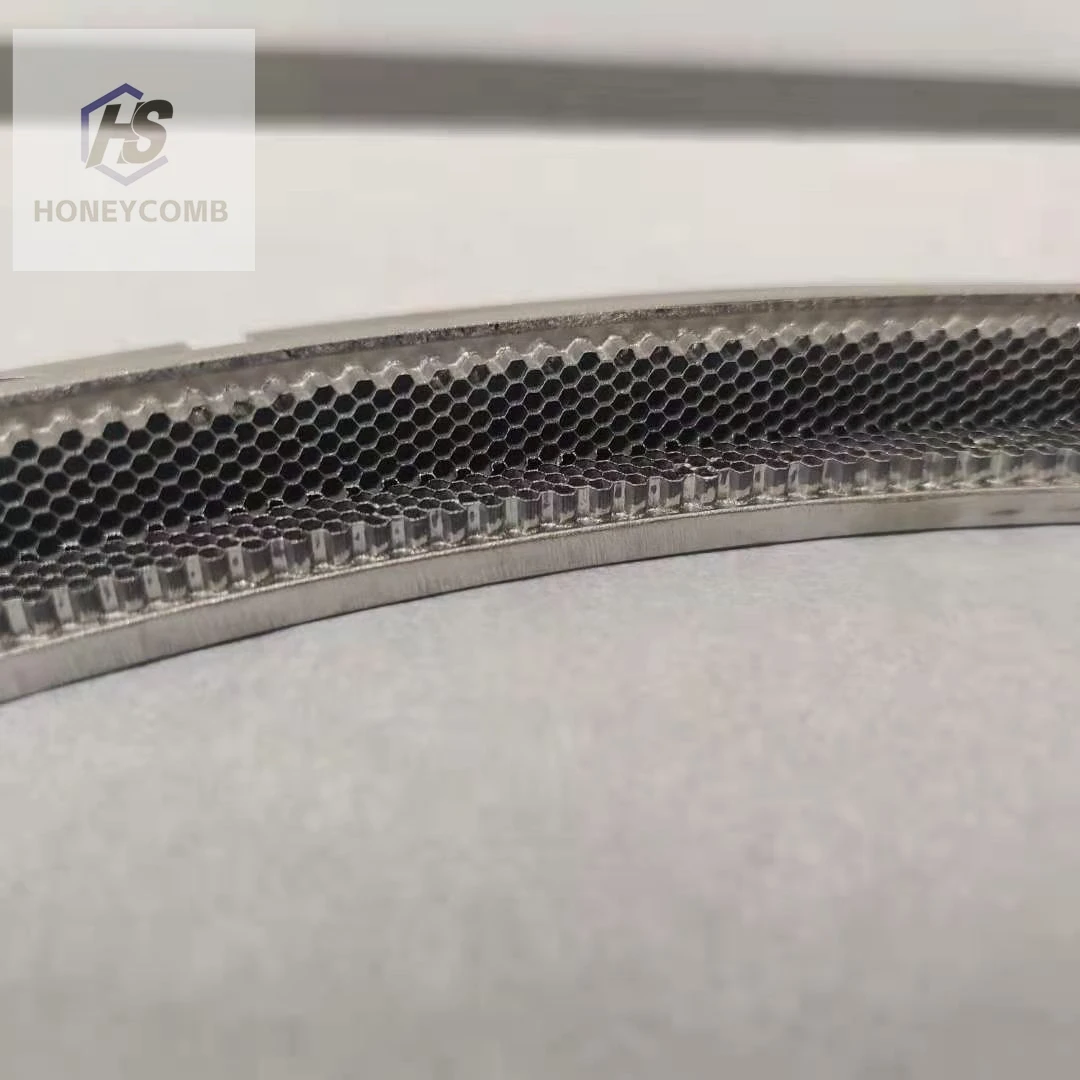
A mouthful, no doubt. Simply put, waben-laibungslüftung literally means “honeycomb jamb ventilation.” The “jamb” is the side frame or recess surrounding a window or door. This system uses a honeycomb-shaped grid—often made of aluminum or plastic—which integrates into these recesses to facilitate controlled airflow.
Its honeycomb form is not just aesthetic; it’s functional. That geometric design prevents drafts, blocks insects, and reduces noise penetration, all while allowing just enough air exchange to keep the room fresh. In modern architecture, especially where airtight construction is standard, it’s a subtle but essential ventilation solution.
From a humanitarian perspective, organizations rebuilding after disasters have adopted these vents because they allow sustainable, easy-to-install airflow solutions that improve habitability.
Core Features of Waben-Laibungslüftung
1. Durability
Materials like anodized aluminum or UV-resistant plastics ensure that these ventilation grids hold up against weathering, corrosion, and physical damage. This durability translates to reliable performance over years, an important factor for building maintenance budgets.
2. Thermal Insulation
Thanks to the honeycomb geometry, the vents create numerous tiny air pockets that slow down heat transfer. This means less heating or cooling loss, perfect for climates with significant temperature swings.
3. Noise Reduction
The structure’s layout minimizes sound passage, making interiors quieter— a must for urban settings where road noise and neighbors’ chatter can become intrusive.
4. Pest and Insect Protection
The honeycomb pattern physically blocks insects and small debris better than traditional open vents, reducing the need for extra screens or nets.
5. Easy Integration
These systems fit seamlessly into window or door jambs without major construction upheaval, appealing to both new builds and retrofits.
6. Cost Effectiveness
Compared to installing mechanical ventilation, the passive nature and simple manufacturing of these vents keep costs manageable.
Real-World Applications of Waben-Laibungslüftung
This technology isn’t some ivory tower concept. It’s actively employed across a range of environments:
- Residential buildings: Especially in energy-efficient homes in Europe, where airtight walls demand thoughtful ventilation.
- Commercial offices: Where soundproofing and air quality go hand in hand.
- Post–disaster rebuilds: NGOs use these vents in temporary shelter setups to improve ventilation without compromising safety.
- Industrial zones: Remote factories use them to maintain airflow without letting dust or insects inside sensitive environments.
In Japan, for instance, architects incorporate honeycomb ventilation into earthquake-resistant housing, balancing safety with natural airflow. Similarly, Scandinavian countries emphasize these vents in their passive house designs.
Product Specification Table: Typical Waben-Laibungslüftung Models
| Model | Material | Dimensions (mm) | Airflow Rate (m³/h) | Noise Reduction (dB) | UV Resistance |
|---|---|---|---|---|---|
| WS-100 | Anodized Aluminum | 150 x 50 x 30 | 40 - 60 | 20 | High |
| PL-200 | UV-stabilized Plastic | 140 x 40 x 25 | 35 - 55 | 18 | Medium |
| WS-300 | Powder-coated Steel | 160 x 60 x 35 | 50 - 70 | 22 | High |
Vendor Comparison: Leading Suppliers of Waben-Laibungslüftung
| Vendor | Product Range | Customization Options | Price Range | Lead Time |
|---|---|---|---|---|
| HoneyComb Vent Corp. | Aluminum, Plastic, Steel | Size, Color, Material | $$$ | 4-6 weeks |
| EcoVent Solutions | Primarily Plastic Variants | Custom Color, UV Coating | $$ | 2-4 weeks |
| Ventura Systems | Full Metal Suite | Shape, Size, Finish | $$$$ | 6-8 weeks |
Advantages & Long-Term Value
When you think about the investment in a waben-laibungslüftung system, you’re really paying not just for hardware but peace of mind. It delivers tangible benefits:
- Significant energy savings: by improving insulation and natural airflow
- Improved health outcomes: better air exchange reduces pollutants and allergens
- Noise reduction: a calm interior environment supports productivity
- Durability and low maintenance: meaning less hassle over the product lifecycle
- Social dignity: in refugee camps or temporary housing, breathable walls enhance comfort
Psychologically, it’s subtle but impactful. People notice when their indoor air feels fresh or when a building “feels” cozy despite chilly winds outside. Architects and engineers alike have noted that integrating these vents improves occupant satisfaction, sometimes dramatically.
Future Trends & Innovations in Waben-Laibungslüftung
The world of building ventilation is moving fast:
- Smart Materials: Imagine honeycomb vents embedded with sensors that measure air quality or humidity, syncing with home automation systems.
- Green Energy Integration: Ventilation that works hand-in-hand with solar panels and heat recovery units.
- 3D Printing: Custom-shaped honeycomb vents tailored to unique architectural needs, accelerating timelines and lowering waste.
- Improved Biocidal Surfaces: Surfaces that resist microbial build-up, critical for hospitals and labs.
These trends not only amplify the benefits of traditional waben-laibungslüftung but also set new standards for environmental stewardship and human comfort.
Challenges & Solutions
No tech is perfect. Some common issues with waben-laibungslüftung systems include:
- Poor installation can negate airflow benefits.
- In regions with extreme pollution, passive vents may allow fine particles inside.
- Retrofit complexity in old buildings.
Solutions? Many suppliers now offer modular kits with step-by-step guides or even installation services. For pollution, pairing honeycomb ventilation with advanced filtration units is a growing practice. As for retrofits, specialized adapters and professional consultations help seamlessly integrate these vents.
FAQ: Common Questions About Waben-Laibungslüftung
Q1: Can waben-laibungslüftung reduce heating costs significantly?
A: Yes, by minimizing uncontrolled drafts and improving insulation, these vents cut down heat loss through windows up to 25%, depending on climate and building design.
Q2: Are these honeycomb vents suitable for humid climates?
A: Absolutely. Their design promotes constant airflow, helping to reduce moisture buildup and mold risk when paired with good building envelope design.
Q3: How hard is it to install waben-laibungslüftung on existing buildings?
A: It varies, but many products are designed for DIY-friendly installation with minimal tools. For tricky sites, vendors can supply customized kits or professional help.
Q4: Do these vents block insects effectively?
A: Yes, the small cells in the honeycomb pattern prevent most insects while still allowing air exchange, often eliminating the need for additional insect screens.
Q5: Where can I find more detailed technical data on these vents?
A: Vendors typically provide spec sheets. Also, research from ISO and building codes can offer guidance relevant to your region.
Conclusion
All in all, waben-laibungslüftung systems blend smart design with practical needs, creating spaces that breathe efficiently and comfortably. Whether you’re building a new home or upgrading an office, these vents deliver long-term savings, healthier interiors, and a subtle layer of protection against nature’s whims.
Interested in exploring more? Visit our website: waben-laibungslüftung for comprehensive product selections and expert advice.
Sometimes the best innovations are the ones you barely notice — until you do.
References
-
Industrial Airflow Guide for maf воздушная правильная машинаNewsApr.16,2026
-
Best maf струйно правильная машина for Industrial EfficiencyNewsApr.09,2026
-
Сотовая правильная машина A Comprehensive Guide to Honey Packing AutomationNewsApr.07,2026
-
Build Your Own DIY газоправильная Машина A Comprehensive Guide to Gas CorrectionNewsApr.04,2026
-
Understanding Кондиционер отопления Systems for Efficient and Comfortable HeatingNewsMar.31,2026
-
Comprehensive Guide to Cellular Blinds Installation Установка сотовых жалюзиNewsMar.28,2026
-
Mobile Aerodynamic Tunnel Design A Comprehensive Guide to Applications and ImplementationNewsMar.26,2026






 English
  Afrikaans
  Albanian
  Amharic
  Arabic
  Armenian
  Azerbaijani
  Basque
  Belarusian
  Bengali
  Bosnian
  Bulgarian
  Catalan
  Cebuano
  China
China  China (Taiwan)
  Corsican
  Croatian
  Czech
Czech  Danish
  Dutch
Dutch  Esperanto
  Estonian
  Finnish
  French
  Frisian
  Galician
  Georgian
  German
  Greek
Greek  Gujarati
  Haitian Creole
  Hausa
Hausa  Hawaiian
  Hebrew
  Hindi
Hindi  Miao
Miao  Indonesian
  Italian
  Japanese
  Javanese
  Malay
Malay  Persian
  Portuguese
  Punjabi
  Russian
  Spanish
  Swahili
  Telugu
  Vietnamese