


What Is an Alisador de Fluxo em Favo de Mel? Benefits of Honeycomb Flow Straighteners
What Is an Alisador de Fluxo em Favo de Mel? Understanding This Honeycomb Flow Straightener
If you’ve ever been curious about the unsung heroes in fluid dynamics and industrial airflow—oddly enough, the term alisador de fluxo em favo de mel pops up quite a bit. Translated roughly as a honeycomb flow straightener, it’s a key component used in multiple industries to optimize fluid or gas flow. It matters globally because industries from aerospace to environmental engineering rely on it to maintain consistent, efficient flow patterns. The benefits? Less turbulence, more accuracy in measurements, and better-performing machinery that often results in energy savings and improved reliability.
Global Context: Why The Honeycomb Flow Straightener Matters Worldwide
On a global scale, the demand for precision in fluid dynamics is increasing alongside industrial growth and environmental concerns. According to the International Organization for Standardization (ISO), standards related to airflow and fluid control contribute to reducing waste and increasing efficiency worldwide (ISO 5167, for example). In sectors like HVAC, gas turbines, and aerospace, uneven or turbulent flow can cause inefficiencies or even catastrophic failures. That’s exactly where the alisador de fluxo em favo de mel steps in, solving the problem of inconsistent flow patterns.
Frankly, turbulent flow is one of those things engineers hate having to deal with—it introduces unpredictability. These honeycomb straighteners help standardize the flows, making measurements and system behaviors more reliable. This matters not just for industry but also for humanitarian engineering, such as improving air quality in hospitals or ensuring stable flow in water purification plants.
What Exactly Is an Alisador de Fluxo em Favo de Mel?
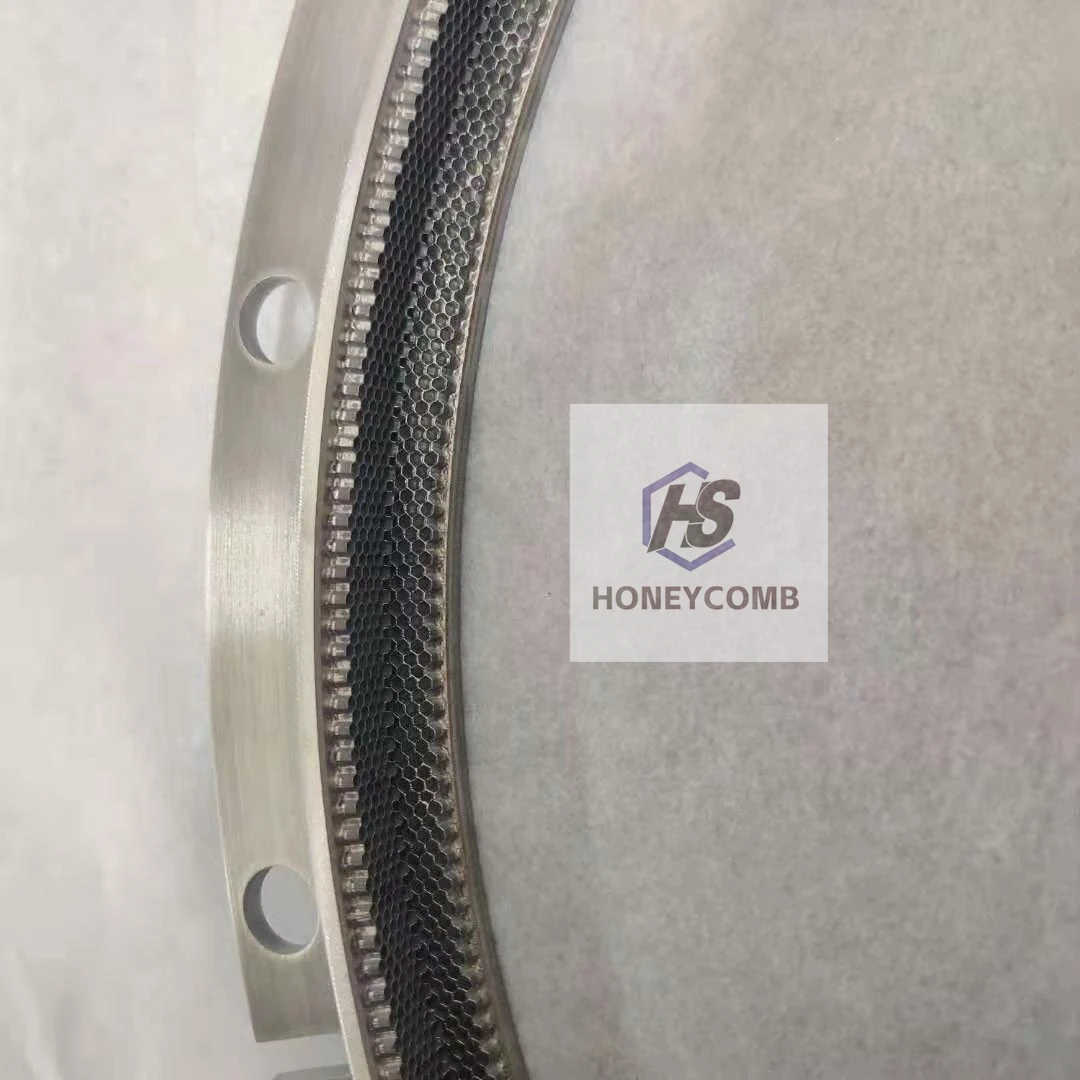
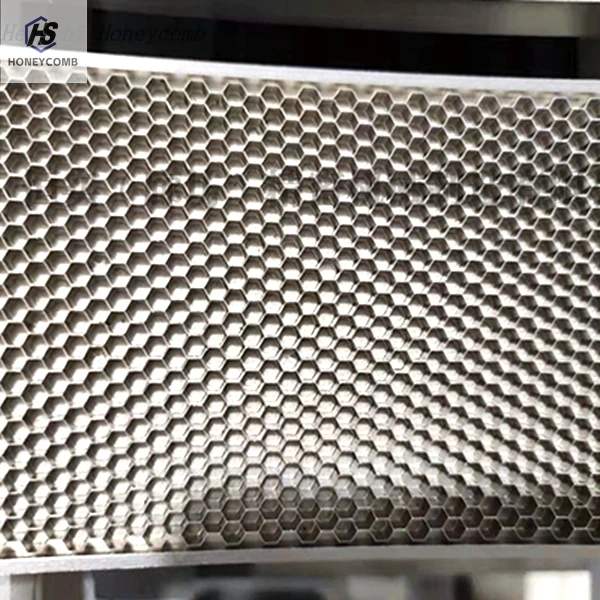
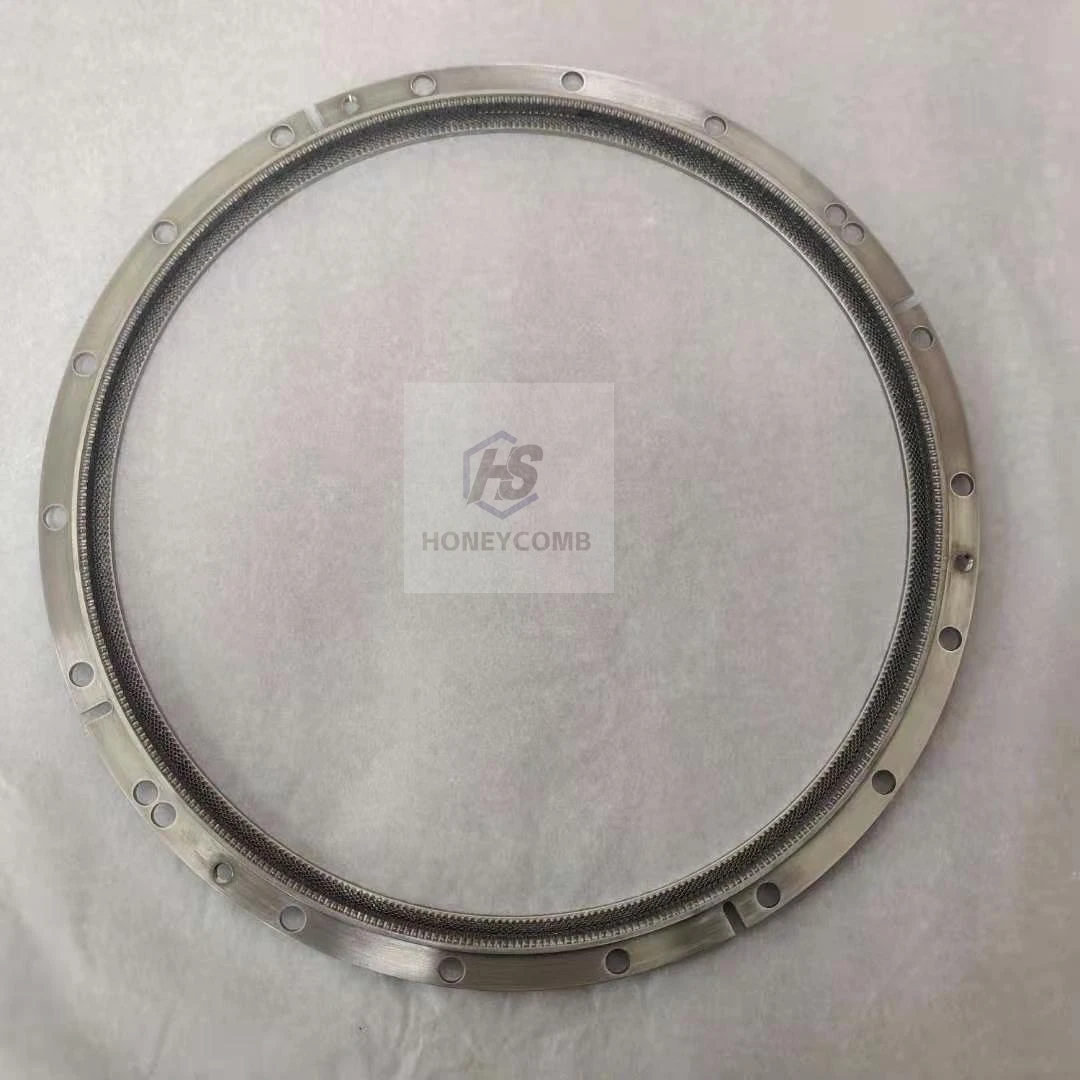
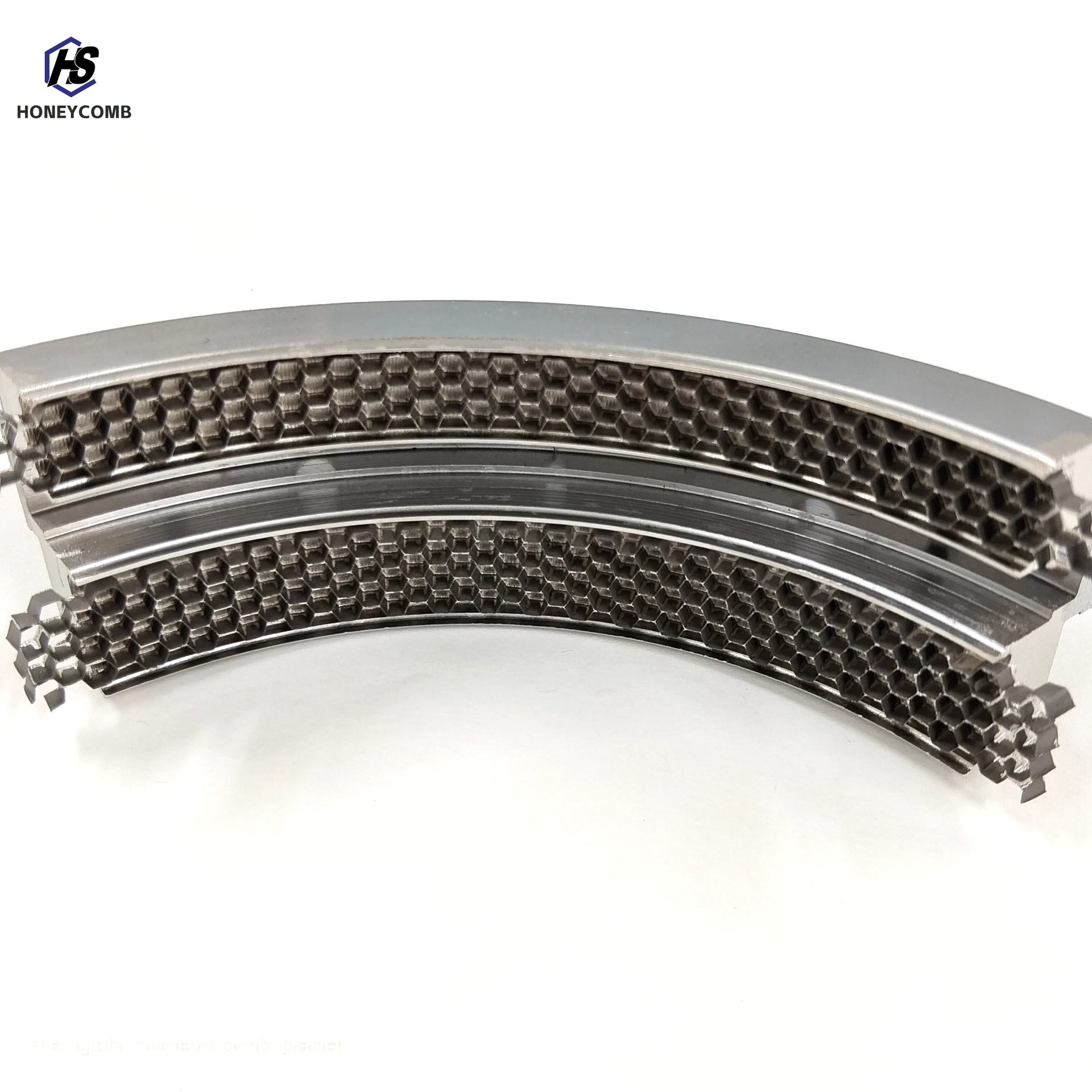
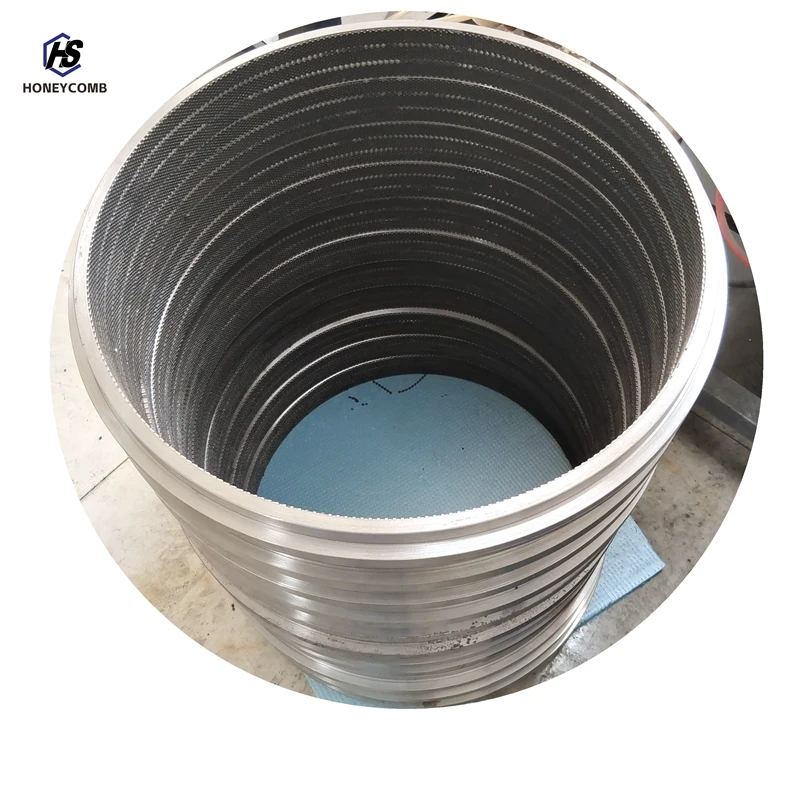
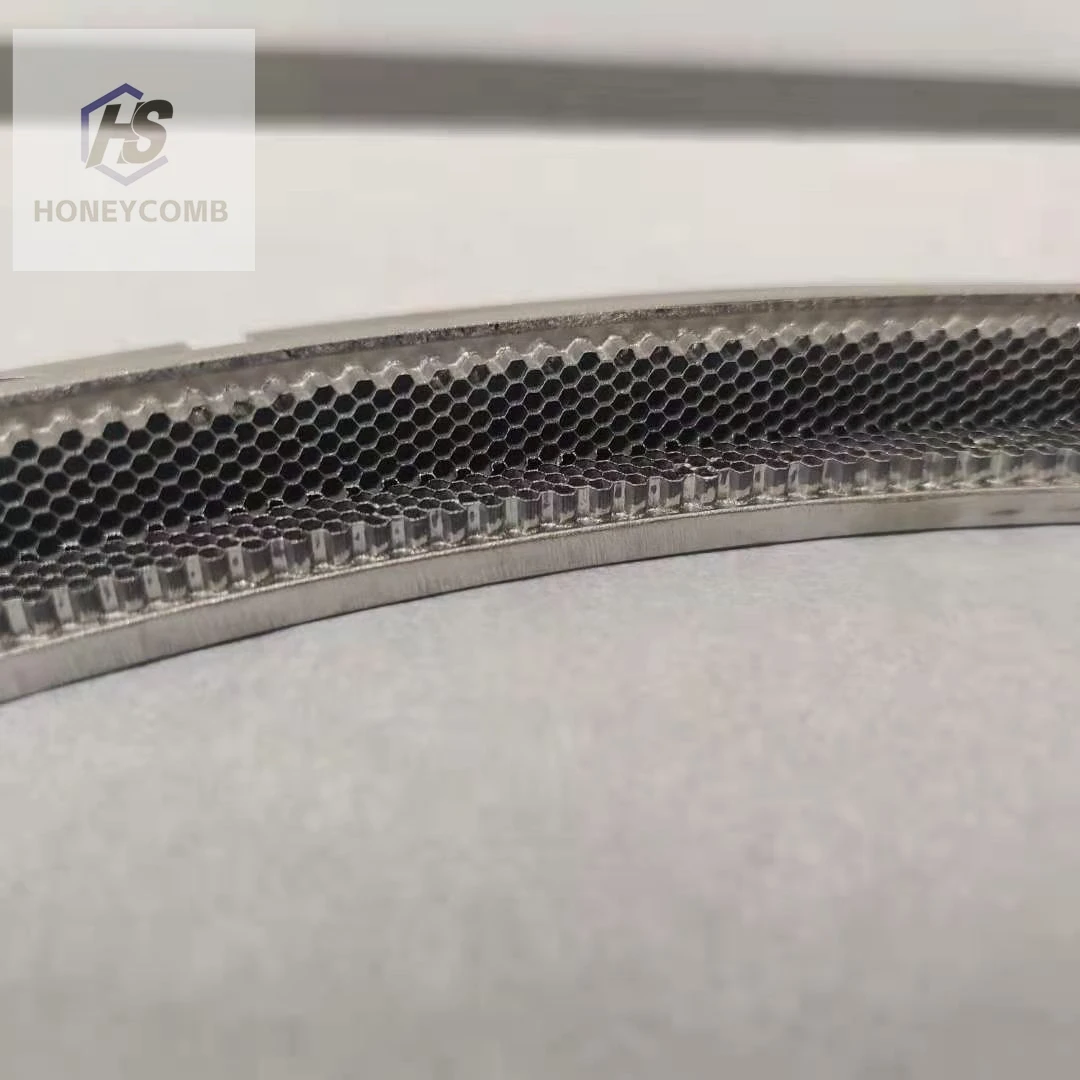
Put simply, it’s a device consisting of an array of small, hexagonal tubes—kind of like a bee’s honeycomb—placed in a duct or pipe to straighten and smooth the flow of a fluid (usually air or gas). The structure breaks up eddies and chaotic flows, channeling them into uniform, laminar streams. Originating in fluid mechanics research and testing, its use now spans industrial applications where precise flow conditions are critical.
Think of it as the unsung traffic cop for air and gas molecules, directing them cleanly down their path. Because of its simple yet effective design, the use of an alisador de fluxo em favo de mel has been embraced worldwide in systems where airflow precision can impact safety, energy efficiency, or measurement accuracy.
Core Components and Key Factors
1. Material Durability
Often made from aluminum or composite materials, durability matters a lot. The structure must withstand harsh chemical or thermal environments without deforming. Many engineers note that corrosion-resistant alloys extend service life, especially in corrosive gas environments.
2. Cell Size and Geometry
The size of each honeycomb cell—usually measured in mm or inches—affects the flow characteristics. Smaller cells yield better straightening but can increase pressure drop. There’s a sweet spot between effective flow smoothing and operational efficiency.
3. Pressure Loss
While the honeycomb helps straighten flow, it inevitably causes some pressure drop. Design optimization balances the need for flow uniformity with minimal loss to maintain system efficiency.
4. Scalability and Size Variations
Alisadores can be scaled for small laboratory ducts or massive industrial pipelines. This flexibility makes them versatile across sectors, from automotive wind tunnels to power plant exhausts.
5. Installation and Maintenance
Because it’s often installed inside ducts, the design usually allows for easy insertion and removal, critical for maintenance routines without extensive system downtime.
Product Specifications at a Glance
| Feature | Specification |
|---|---|
| Material | Aluminum Alloy 6061-T6 |
| Cell Size (Width x Depth) | 10 mm x 50 mm (Standard) |
| Operating Temperature | -40°C to 600°C |
| Pressure Drop | |
| Standard Sizes | 50 mm to 1,000 mm diameter |
Global Applications and Real-World Use Cases
- Aerospace Testing Facilities: Honeycomb flow straighteners help simulate laminar airflow in wind tunnels, improving accuracy in aircraft design.
- HVAC Systems Worldwide: Reducing turbulence improves efficiency and air quality in commercial buildings.
- Post-Disaster Relief Infrastructure: Portable purification units rely on smooth airflow for consistent filtration; honeycomb straighteners stabilize flow in these crucial devices.
- Industrial Gas Production: Large refineries in the Middle East and Asia utilize these devices to maintain steady flow within compressor systems.
Oddly enough, many humanitarian organizations now see efficient airflow control as part of improving sanitation and health environments, linking back to the alisador de fluxo em favo de mel design.
Vendor Comparison: Choosing the Right Honeycomb Flow Straightener
| Vendor | Material Options | Size Range | Custom Design | Price Range |
|---|---|---|---|---|
| HS Honeycomb | Aluminum, Composites | 50-1,200 mm | Yes, tailored solutions | $$$ |
| FlowMax Technologies | Stainless Steel | 100-800 mm | Limited | $$$$ |
| AeroFlow Inc. | Plastic, Aluminum | 30-600 mm | Yes | $-$$ |
Advantages and Long-Term Value of Alisadores de Fluxo em Favo de Mel
In real terms, the benefits of such a flow straightener are twofold: mechanical and social. Mechanically, it delivers better equipment performance and prolonged lifespans by reducing turbulence-related wear and tear. Socially, these improvements translate to more stable air circulation in public spaces, safer industrial environments, and reduced carbon footprint due to energy efficiency.
Many users report a sense of trust and reassurance knowing their systems have predictable airflow. Plus, the innovation behind these simple honeycomb structures is in itself awe-inspiring—it’s a marriage of nature’s design and engineering finesse.
Looking Ahead: Future Trends in Flow Straightening Technology
The future looks bright—well, rather more sustainable. Advanced materials like graphene composites could soon replace traditional aluminum, promising lighter, stronger components. Then there’s the integration of sensors within honeycomb structures to monitor real-time flow characteristics, an IoT twist bringing digital transformation to traditional devices.
Green energy policies globally are pushing industries to reduce emissions, which means precise control of air and gas flow becomes even more essential. Automation in installation and maintenance also might reduce downtime—a welcome innovation for many engineers.
Challenges & Solutions
Of course, nothing is perfect. Major challenges include the balance between pressure drop and straightening efficiency, and the upfront cost of customized units. In extremely high-temperature or corrosive environments, even high-grade materials can degrade. However, recent developments in ceramic coatings and modular designs give us ground to hope these issues will be mitigated effectively.
FAQ: Frequently Asked Questions About Alisador de Fluxo em Favo de Mel
- What industries primarily use alisadores de fluxo em favo de mel?
- They are widely used in aerospace, HVAC, chemical processing, and environmental engineering to ensure steady and uniform flow, crucial for system efficiency and safety.
- How long does a typical flow straightener last?
- Depending on the material and environmental conditions, they can last from several years up to decades if maintained properly, especially when made of corrosion-resistant alloys.
- Is installation of these honeycomb straighteners complicated?
- Generally, no. Most designs are modular and easy to insert or remove from ducts, reducing maintenance time and costs.
- Can these devices be customized for unusual pipe sizes?
- Yes, many vendors, including HS Honeycomb, offer custom sizes and materials to fit specific project needs.
- Do these straighteners affect energy consumption significantly?
- While they cause minor pressure loss, the overall energy saved thanks to improved flow uniformity typically outweighs this, leading to better system efficiency.
Conclusion: Embracing Smarter Flow Control for a Sustainable Future
Understanding the alisador de fluxo em favo de mel reveals just how a simple, nature-inspired design can have such wide-reaching, practical benefits. Whether in engineering labs or disaster relief projects, it’s a tech that quietly saves energy, enhances safety, and promotes sustainability. To dive deeper into custom solutions or learn more, be sure to visit our website: https://www.hshihoneycomb.com —the hub for experts and innovators alike.
All in all, these honeycomb flow straighteners feel like a small piece of the vast puzzle that keeps our modern world running smoothly.
Mini takeaway: Alisadores de fluxo em favo de mel may sound niche, but they are vital in making fluid flow predictable, efficient, and sustainable across numerous industries globally.
References:

-
Industrial Airflow Guide for maf воздушная правильная машинаNewsApr.16,2026
-
Best maf струйно правильная машина for Industrial EfficiencyNewsApr.09,2026
-
Сотовая правильная машина A Comprehensive Guide to Honey Packing AutomationNewsApr.07,2026
-
Build Your Own DIY газоправильная Машина A Comprehensive Guide to Gas CorrectionNewsApr.04,2026
-
Understanding Кондиционер отопления Systems for Efficient and Comfortable HeatingNewsMar.31,2026
-
Comprehensive Guide to Cellular Blinds Installation Установка сотовых жалюзиNewsMar.28,2026
-
Mobile Aerodynamic Tunnel Design A Comprehensive Guide to Applications and ImplementationNewsMar.26,2026






 English
  Afrikaans
  Albanian
  Amharic
  Arabic
  Armenian
  Azerbaijani
  Basque
  Belarusian
  Bengali
  Bosnian
  Bulgarian
  Catalan
  Cebuano
  China
China  China (Taiwan)
  Corsican
  Croatian
  Czech
Czech  Danish
  Dutch
Dutch  Esperanto
  Estonian
  Finnish
  French
  Frisian
  Galician
  Georgian
  German
  Greek
Greek  Gujarati
  Haitian Creole
  Hausa
Hausa  Hawaiian
  Hebrew
  Hindi
Hindi  Miao
Miao  Indonesian
  Italian
  Japanese
  Javanese
  Malay
Malay  Persian
  Portuguese
  Punjabi
  Russian
  Spanish
  Swahili
  Telugu
  Vietnamese