


Wind Tunnel Honeycomb – Precision Airflow, Low Pressure Drop
SUS 304 Honeycomb Air Flow Straighteners for Modern Test Rigs
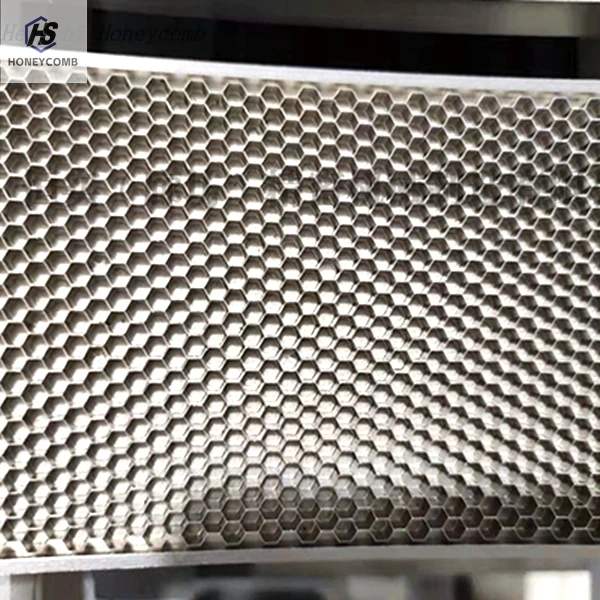
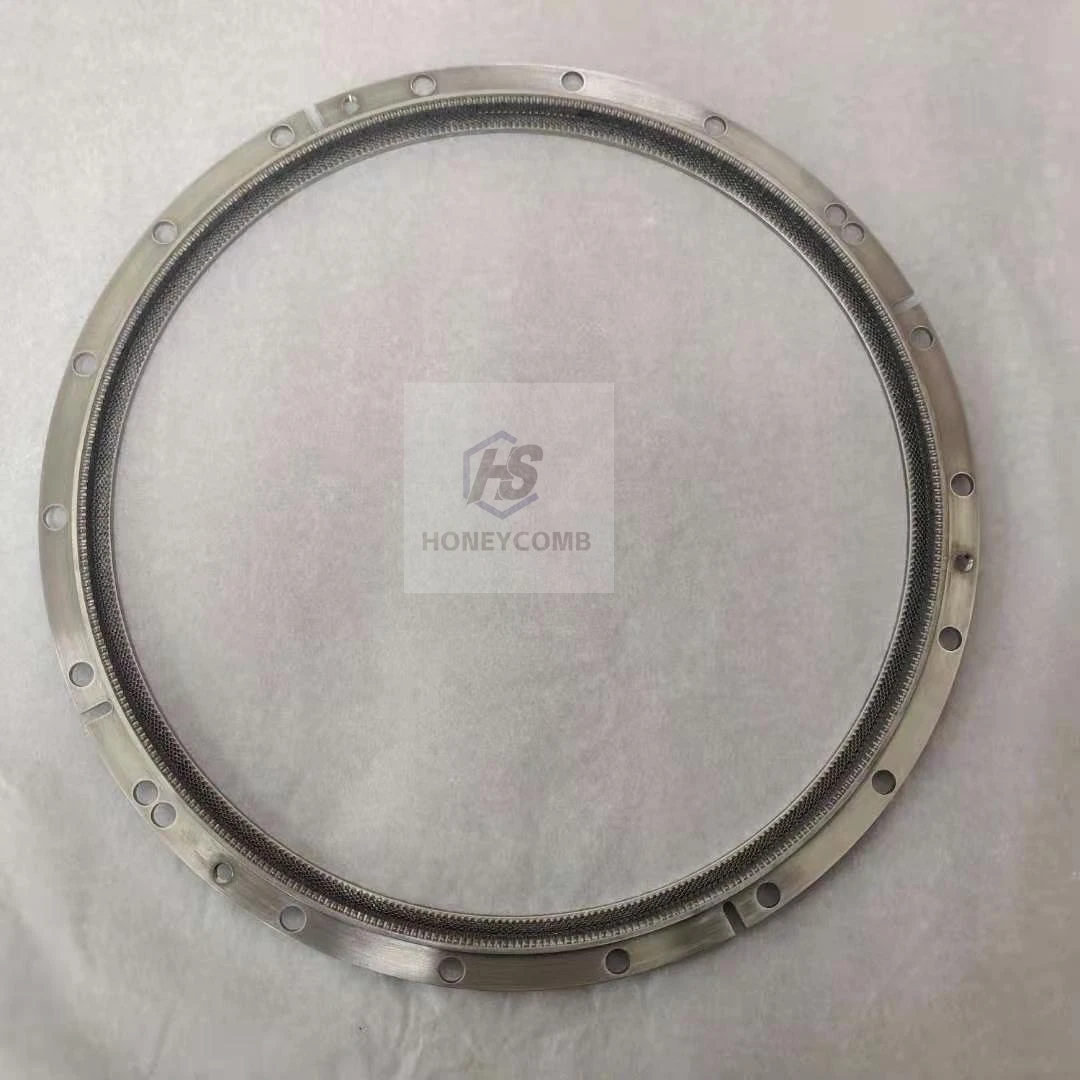
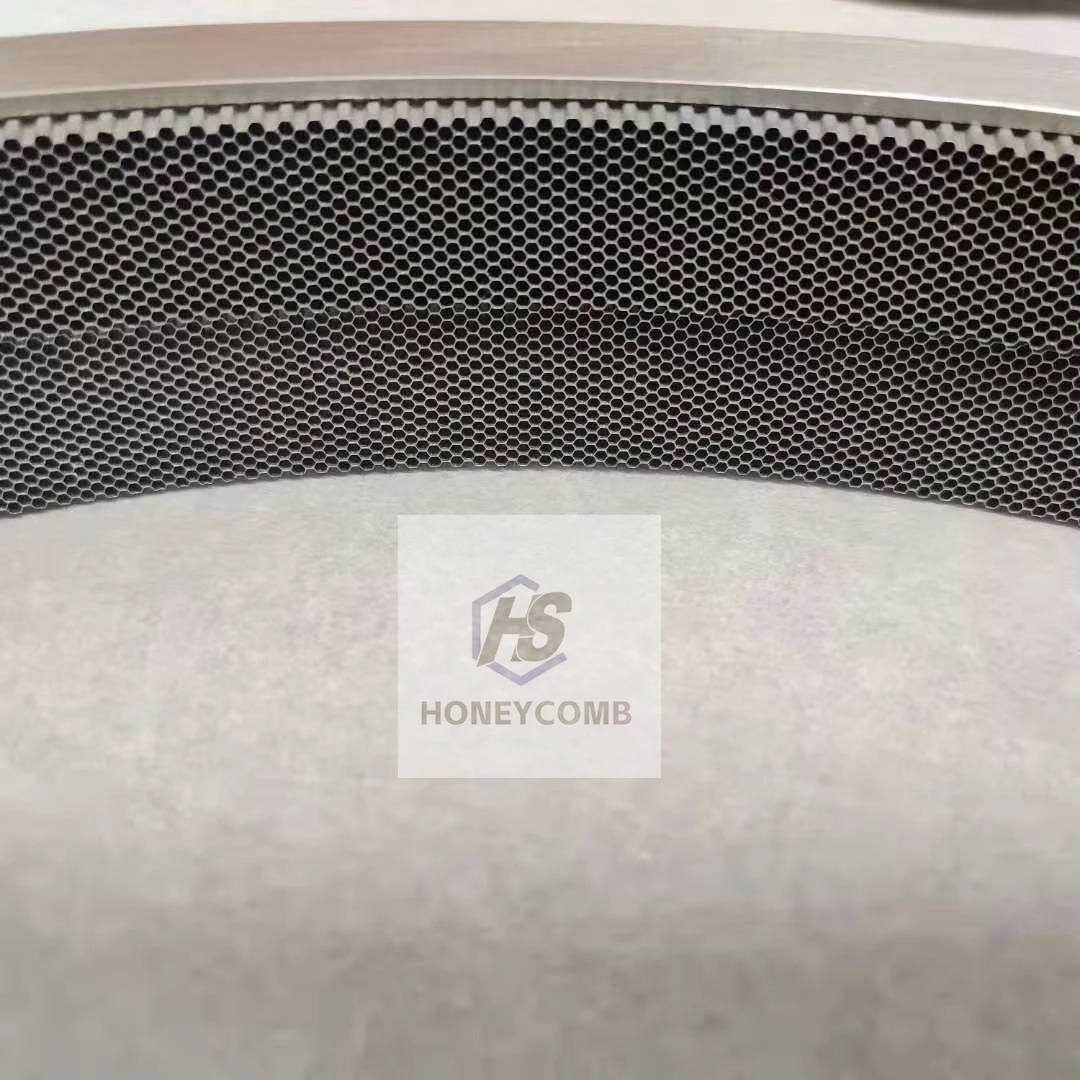
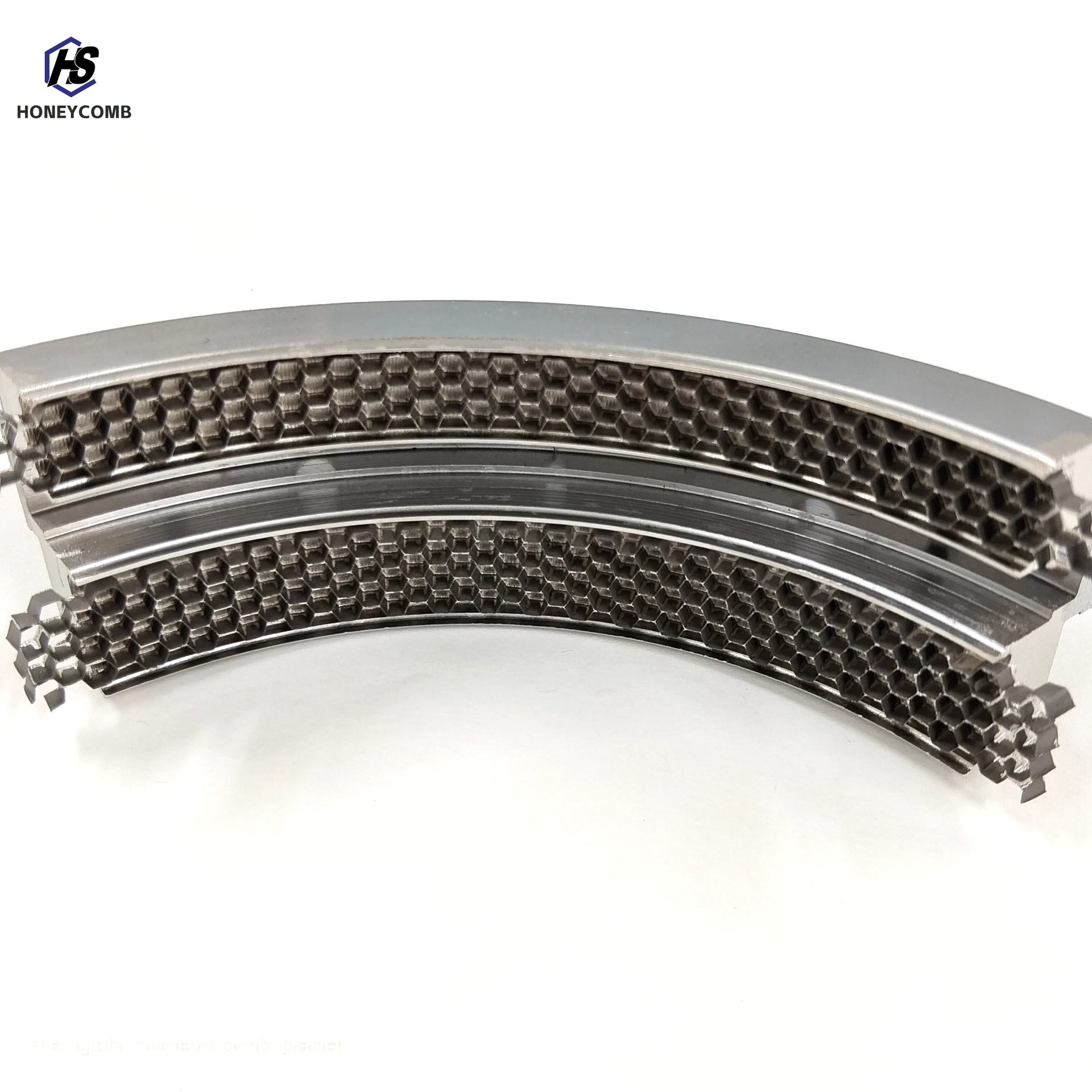
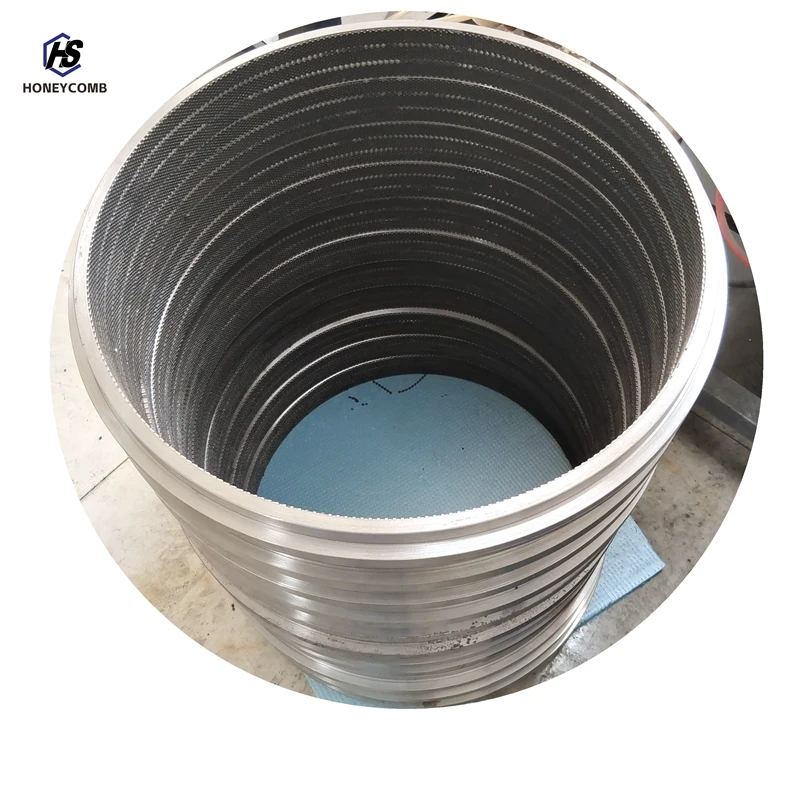
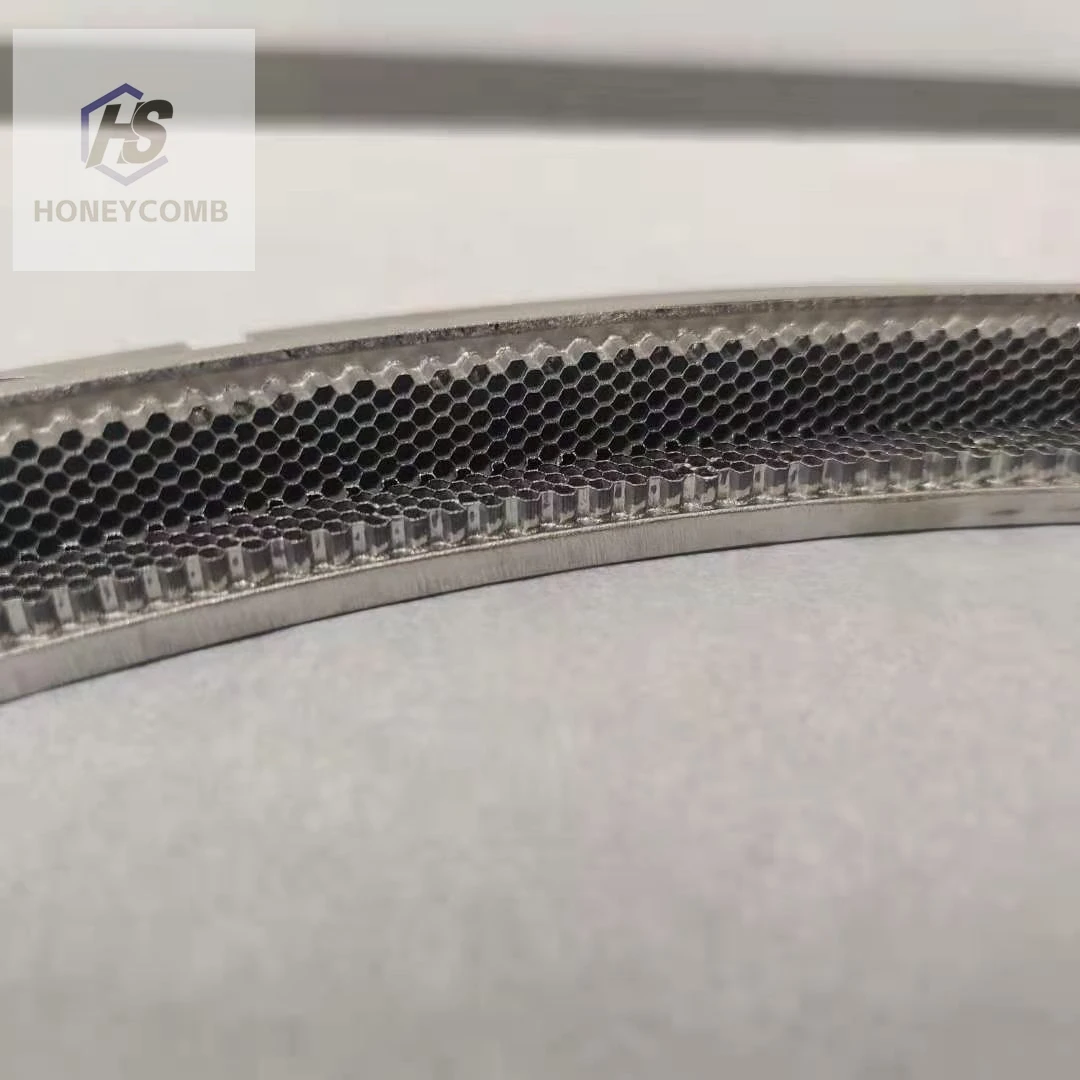
If you’re weighing up a Wind Tunnel Honeycomb for your next upgrade, you’re in the right place. I recently toured Hengshi’s operation in Hebei (No.2, Tongda Street, High‑tech area, Gu’an County, Langfang 065500, China) and, to be honest, their SUS 304 straighteners are built like they mean it. The pitch is simple: get laminar, uniform flow; cut swirl; keep turbulence low without choking your settling chamber. In practice, that mix isn’t easy—but Hengshi’s Customized Diverse SUS 304 Honeycomb Air Flow Straightener makes a strong case.
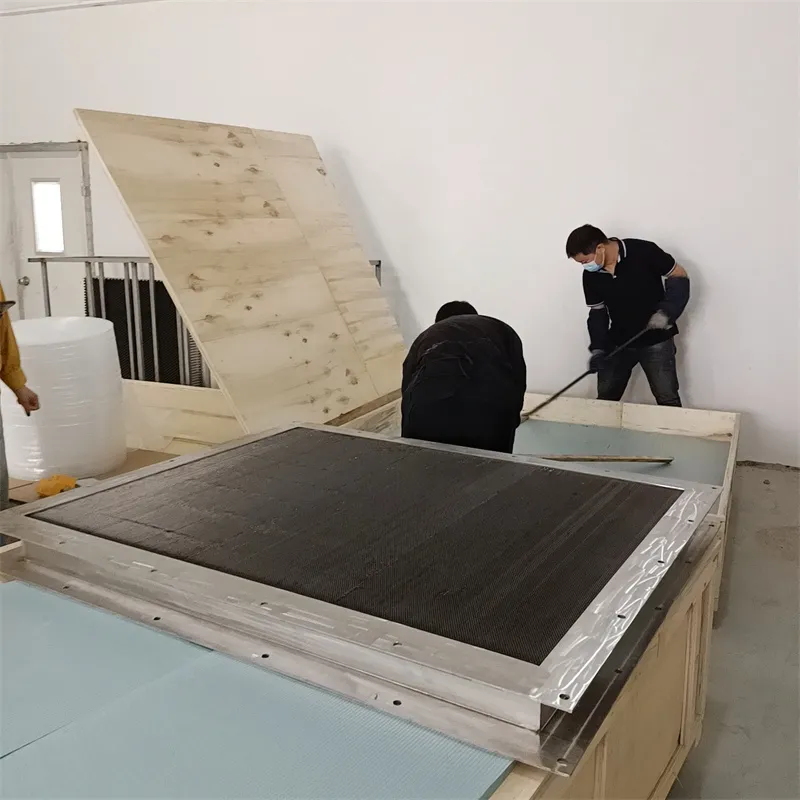
Why a Wind Tunnel Honeycomb still matters
Industry trend? Higher repeatability with tighter budgets. University labs, automotive fan rigs, even hydrodynamics facilities are pushing for turbulence intensity below ≈0.5% in the test section, but without five screens and a massive pressure penalty. A stainless Wind Tunnel Honeycomb with the right L/D can tame yaw and crossflow early, so your screens and contraction do less heavy lifting later. Many customers say the “feel” of the tunnel changes—quieter readings, steadier balances.
Core specifications (typical, customized on request)
| Material | SUS 304 (ASTM A240 Type 304); passivated per ASTM A967 |
| Cell size (diameter or across flats) | ≈3–10 mm (common: 4.8 or 6.4 mm) |
| Foil thickness | ≈0.05–0.10 mm |
| L/D ratio | 6–15 (application‑dependent; around 8–10 for low-speed tunnels) |
| Open area | ≈90–97% (geometry dependent) |
| Flatness | ≤0.5 mm per 1000 mm (real‑world use may vary) |
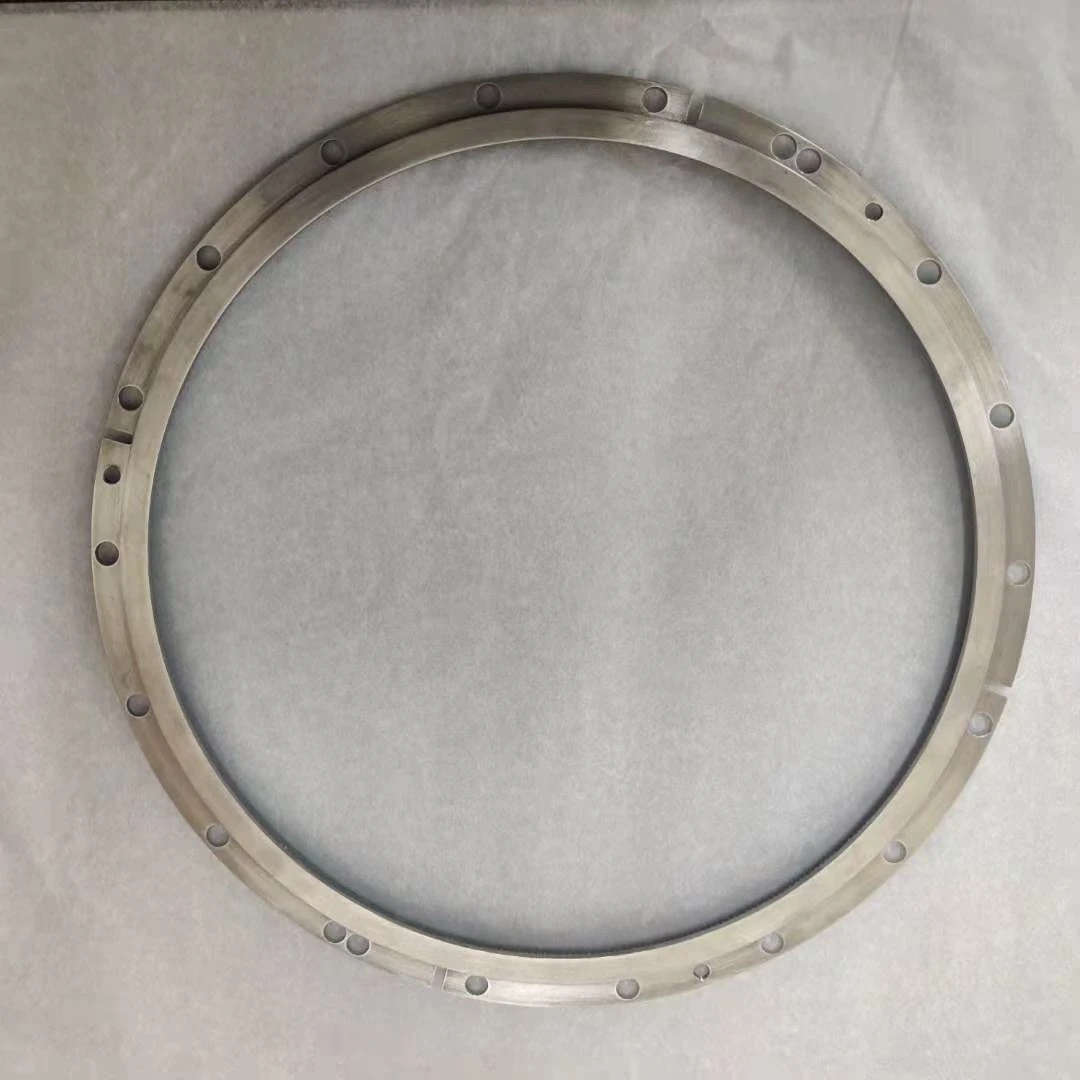
| Frame | SUS 304 perimeter, TIG-welded corners; custom flanges |
| Operating temp | -40 to 400 °C (no adhesives) |
| Max panel size | Up to ≈2.0 × 2.5 m single piece; larger as tiled modules |
| Service life | ≈10–15 years in clean air; longer with proper maintenance |
| Certifications | Factory ISO 9001; material certs (mill test), RoHS/REACH upon request |
How it’s made (short version)
Materials: SUS 304 foil (slit in-house). Methods: precision expansion, cell alignment fixtures, resistance spot-welding, perimeter framing, TIG seam finishing, passivation, and stress relief. Testing: dimensional QC; flow angularity with five-hole probe; turbulence checks via hot‑wire in a standardized duct per ISO 5801; pressure drop coefficient K recorded at several Reynolds numbers. It sounds dry, but these little process choices make or break a Wind Tunnel Honeycomb.
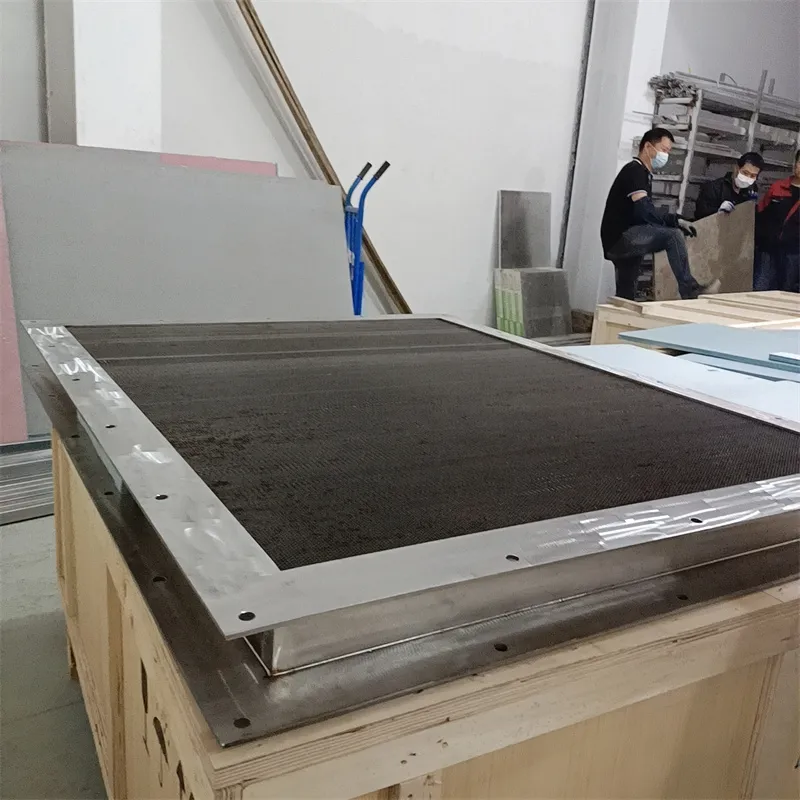
Applications and measured gains
- Low-speed aerodynamic tunnels: turbulence intensity trimmed to ≈0.3–0.5% with honeycomb + screens [2].
- Automotive fan test rigs: reduced swirl; smoother Rn scaling; ISO 5801-compliant measurements.
- Water tunnels: stainless resists corrosion; flow alignment before contraction section.
- Industrial in-duct metrology: stabilizes flow upstream of orifice or multi-hole probes.
Real-world notes and feedback
One university lab swapped an aging aluminum core for SUS 304 (L/D≈10, 6.4 mm cells) and saw turbulence drop from ≈1.2% to 0.35% at the same test speed; yaw angle standard deviation halved. An automotive customer reported ≈12% lower pressure drop versus their old core at matched L/D, likely due to tighter flatness and cleaner edges. Another team running a water tunnel liked the zero-adhesive build—no creep, no debonding.
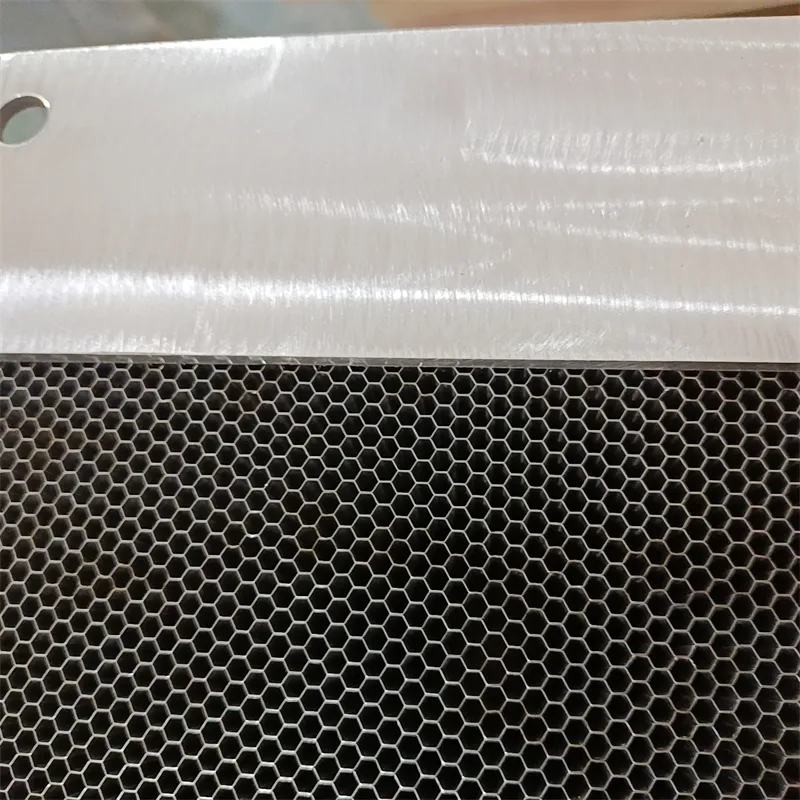
Vendor snapshot (what buyers usually ask)
| Vendor | Customization | Lead time | Certs | Notes |
|---|---|---|---|---|
| Hengshi (SUS 304) | Cell size, L/D, frame, module tiling, passivation | ≈3–6 weeks (size-dependent) | ISO 9001; material MTC | Good value; robust weld-only build |
| Generic Import | Limited | ≈2–8 weeks | Basic | Price-led; variable flatness |
| EU Aerospace Vendor | Extensive | ≈6–12 weeks | ISO 9001, 17025 (lab) | Top-tier, premium pricing |
Standards and test references
Material conformity per ASTM A240 for 304 stainless; process QA under ISO 9001. Flow performance verified in standardized airways referencing ISO 5801; measurement uncertainty aligned with ASME PTC 19.1 practices. For wind-tunnel flow quality targets and use of honeycombs/screens, see the classic texts below.
References:
[1] Mehta, R.D., Bradshaw, P. “Design rules for small low speed wind tunnels,” The Aeronautical Journal, 1979.
[2] Barlow, Rae, Pope. Low-Speed Wind Tunnel Testing, 3rd ed., Wiley, 1999.
[3] ASTM A240/A240M — Stainless Steel Plate, Sheet, and Strip Specification (Type 304).
[4] ISO 9001:2015 — Quality management systems — Requirements.
[5] ISO 5801:2017 — Industrial fans — Performance testing using standardized airways.
-
Industrial Airflow Guide for maf воздушная правильная машинаNewsApr.16,2026
-
Best maf струйно правильная машина for Industrial EfficiencyNewsApr.09,2026
-
Сотовая правильная машина A Comprehensive Guide to Honey Packing AutomationNewsApr.07,2026
-
Build Your Own DIY газоправильная Машина A Comprehensive Guide to Gas CorrectionNewsApr.04,2026
-
Understanding Кондиционер отопления Systems for Efficient and Comfortable HeatingNewsMar.31,2026
-
Comprehensive Guide to Cellular Blinds Installation Установка сотовых жалюзиNewsMar.28,2026
-
Mobile Aerodynamic Tunnel Design A Comprehensive Guide to Applications and ImplementationNewsMar.26,2026






 English
  Afrikaans
  Albanian
  Amharic
  Arabic
  Armenian
  Azerbaijani
  Basque
  Belarusian
  Bengali
  Bosnian
  Bulgarian
  Catalan
  Cebuano
  China
China  China (Taiwan)
  Corsican
  Croatian
  Czech
Czech  Danish
  Dutch
Dutch  Esperanto
  Estonian
  Finnish
  French
  Frisian
  Galician
  Georgian
  German
  Greek
Greek  Gujarati
  Haitian Creole
  Hausa
Hausa  Hawaiian
  Hebrew
  Hindi
Hindi  Miao
Miao  Indonesian
  Italian
  Japanese
  Javanese
  Malay
Malay  Persian
  Portuguese
  Punjabi
  Russian
  Spanish
  Swahili
  Telugu
  Vietnamese