


Wind Tunnel Honeycomb: Laminar Flow with Low Pressure Drop?
What Engineers Really Want from a Wind Tunnel Honeycomb (And Who’s Building It Right)
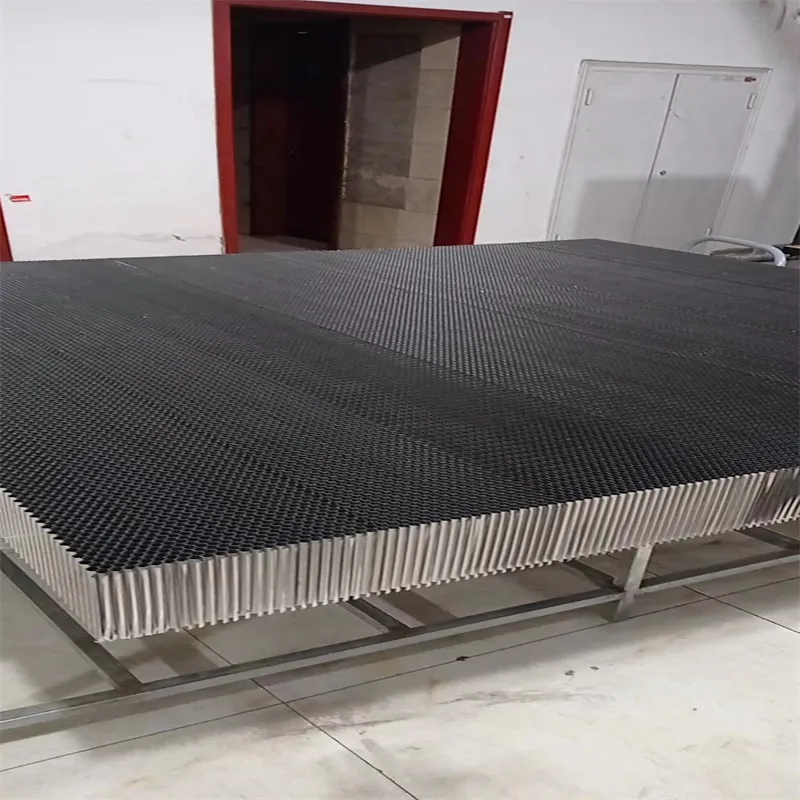
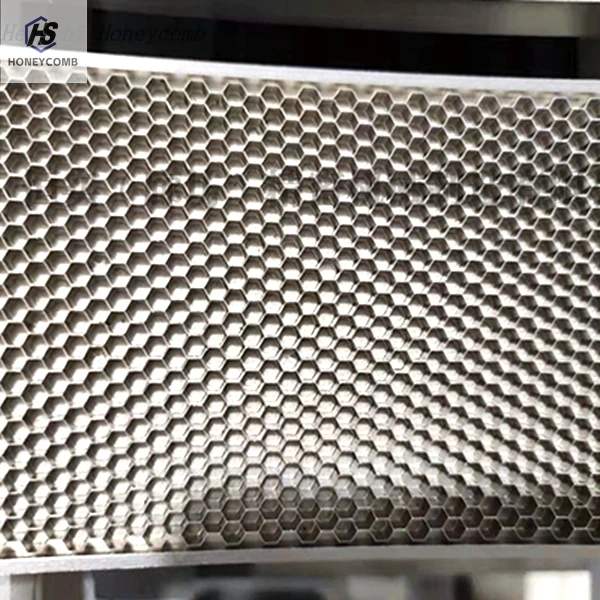
If you’ve ever watched a boundary layer behave like a mood swing, you already know why a wind tunnel honeycomb matters. In simple terms, the right straightener calms upstream chaos—vorticity, swirl, secondary flows—so your test section sees uniform velocity and low turbulence. In practice, that’s the difference between “pretty charts” and publishable data. To be honest, it’s one of those components people ignore until results won’t repeat.
Industry trends I’m seeing
- Shorter L/D designs using optimized cell geometry to keep pressure drop reasonable while hitting ≤0.3% turbulence intensity.
- Hybrid stacks: coarse honeycomb plus fine screens for tighter yaw-angle suppression.
- Material diversification: 5052 aluminum for stiffness, aramid paper (phenolic) for weight and cost, PC/PP where corrosion or ESD control is key.
- Modular cartridges for maintenance, with laser-marked IDs and traceability (ISO 9001 and, sometimes, AS9100 where aerospace audits are involved).
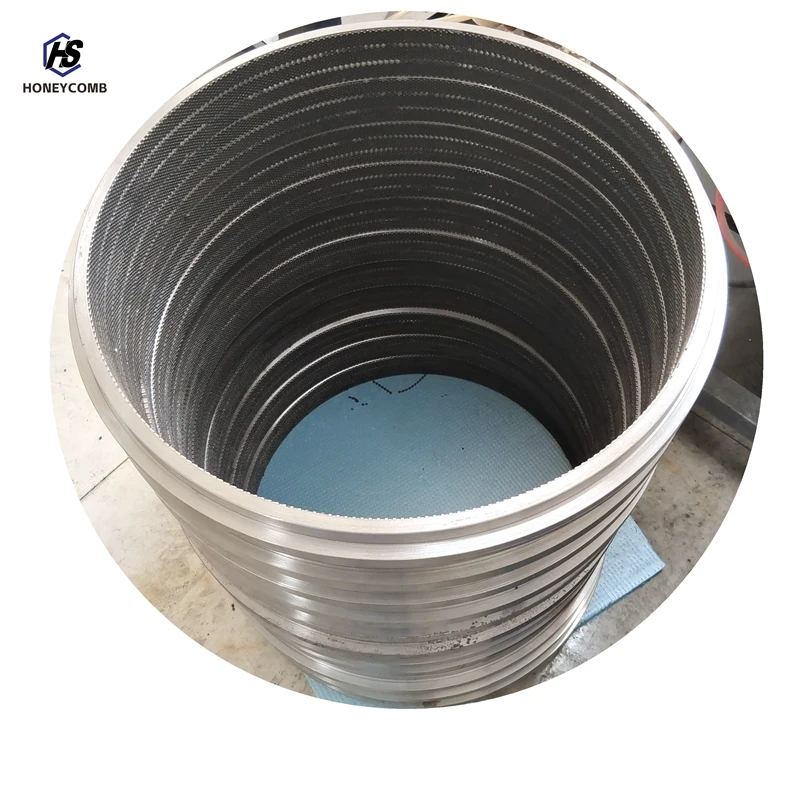
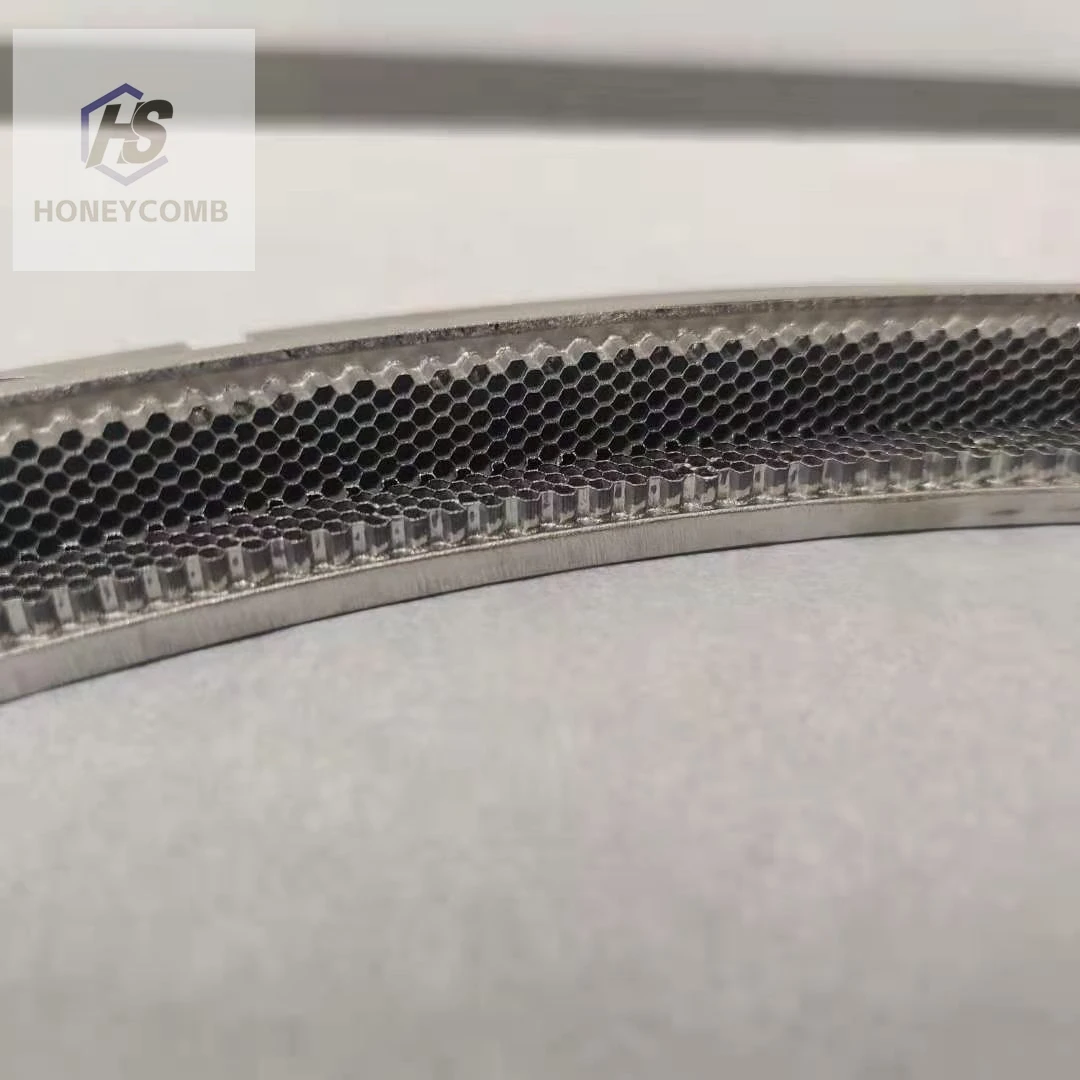
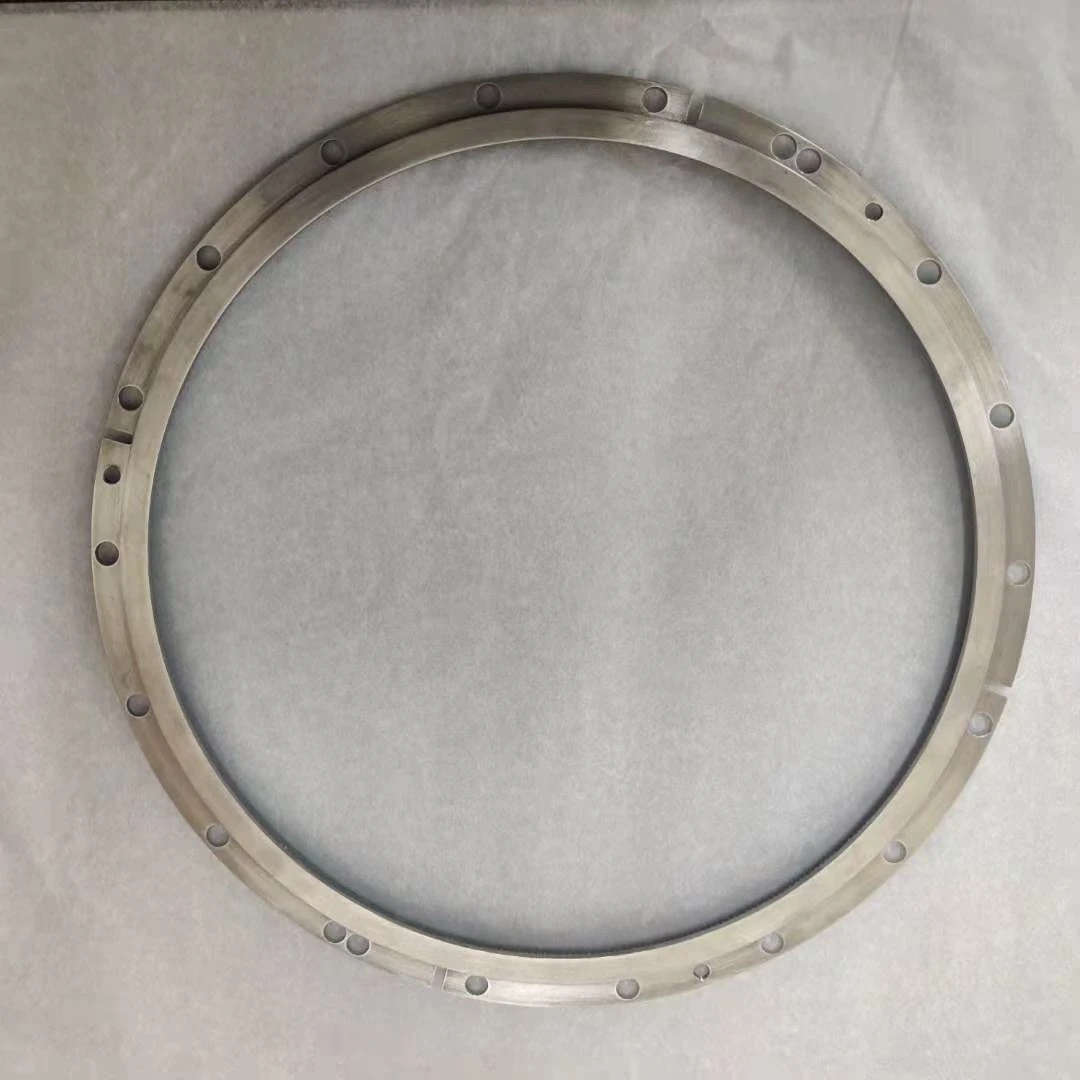
Product spotlight: Hengshi Honeycomb Customized Air Flow Straightener
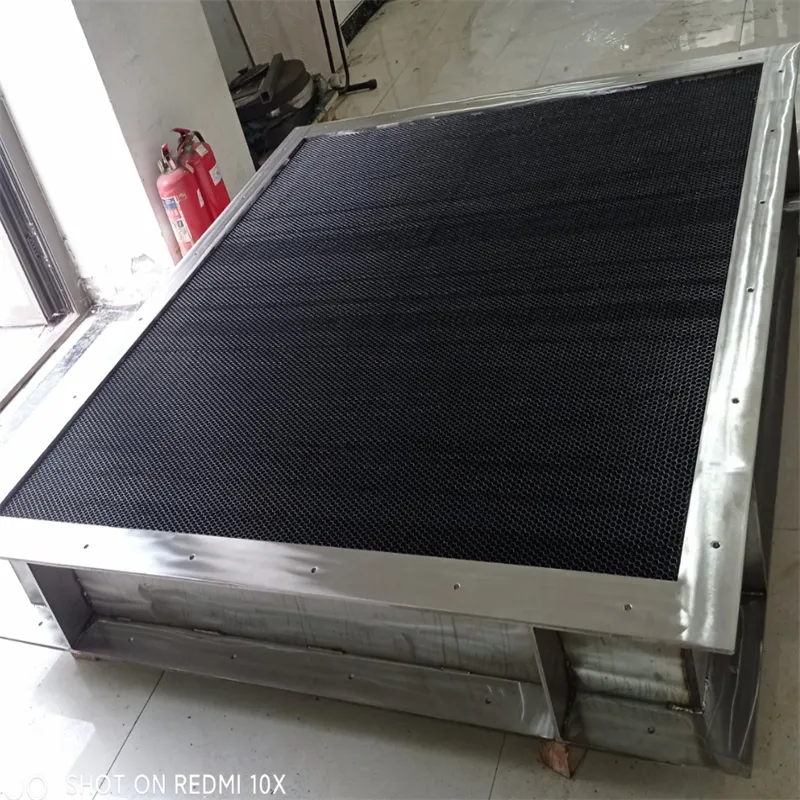
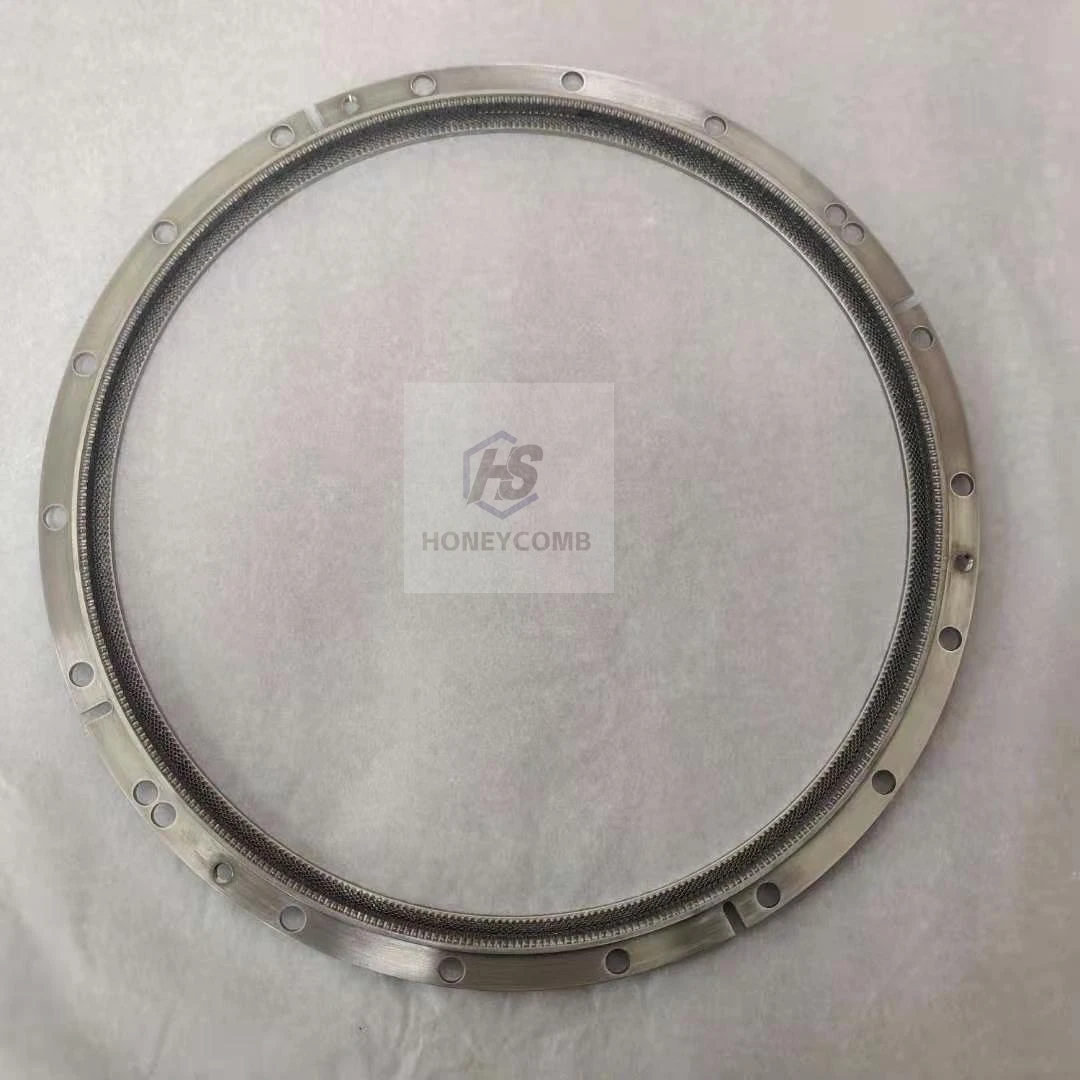
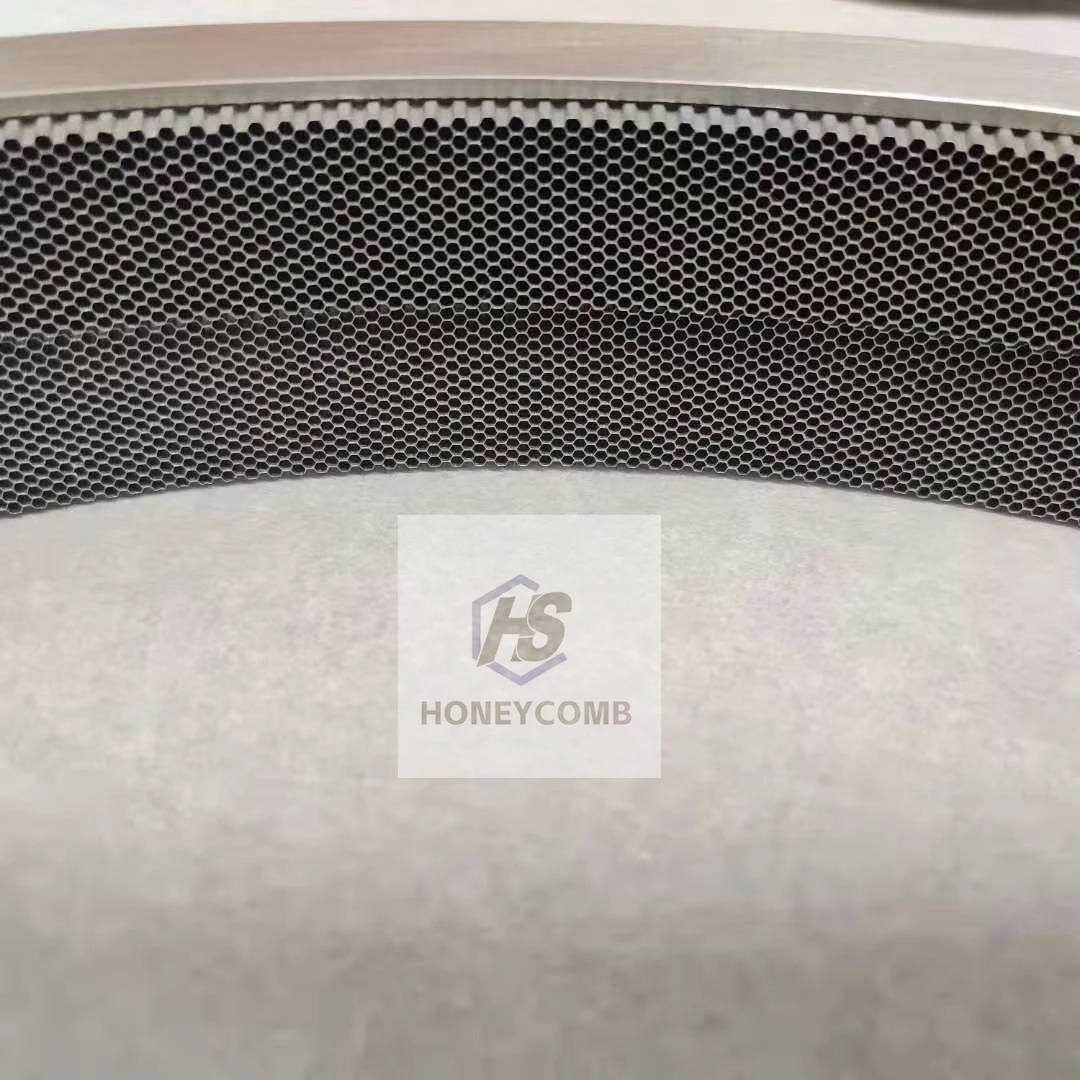
Built in No.2, Tongda Street, High-tech area Gu'an County, Langfang, Hebei, China (065500), Hengshi’s unit is frankly a workhorse. Many customers say the machining is tidy and the frames arrive square—which sounds basic, but it’s surprisingly rare. Below are typical, customizable specs; real-world use may vary by tunnel geometry.
| Parameter | Spec (≈) |
|---|---|
| Materials | 5052 Al, aramid paper (phenolic), PC, PP |
| Cell size (D) | 2–10 mm (custom to 1 mm for special rigs) |
| Foil thickness | 0.03–0.08 mm (Al); 0.05–0.10 mm (aramid) |
| L/D ratio | 6–12 typical; 15+ available |
| Flatness/tolerance | ±0.3 mm per 500 mm; squareness ≤0.2° |
| Max panel | Up to 2000×2000 mm (modular larger) |
| Coatings | Anodized Al, anti-static, flame-retardant phenolic |
| Service life | 5–10 years typical; lab-care dependent |
| Certifications | ISO 9001; AS9100 on request |
How it’s made (short version)
Materials → precision slitting → expansion/forming → bonding in jigs → CNC trimming → frame fitment → surface treatment → QA. Testing typically references AIAA wind tunnel quality guidance, with turbulence intensity mapping, yaw-angle attenuation, and pressure-loss coefficients logged. I’ve seen Hengshi deliver TI ≤0.3% at centerline with L/D≈8 and Δp coefficient ζ≈1.0–1.5 at Re based on cell D around 2×10⁴—solid numbers for most subsonic rigs.
Where it’s used
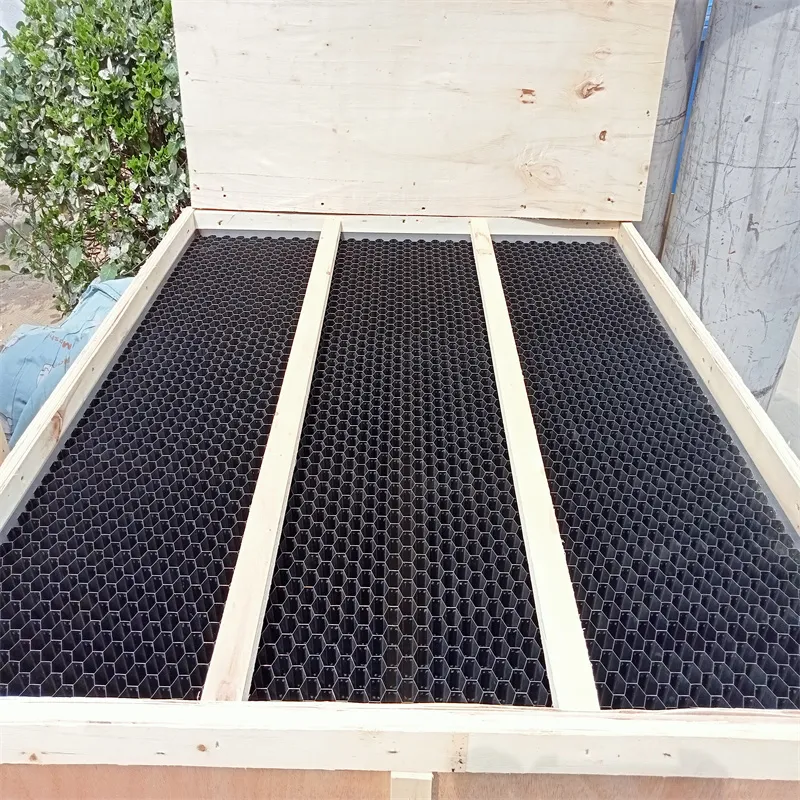
Aerospace model testing, automotive aero labs, UAV propeller rigs, fan/duct performance stands (AMCA-style setups), HVAC classrooms, and university teaching tunnels. In compact tunnels, a wind tunnel honeycomb before the nozzle and a screen pack can tame swirl from tight elbows or blowers.
Vendor snapshot (real-world buying criteria)
| Vendor | Custom L/D | Min Cell | Coatings | Lead Time | Certs |
|---|---|---|---|---|---|
| Hengshi Honeycomb | 6–15+ | ≈1 mm | Anodize, ESD, FR | 3–6 weeks | ISO 9001 (AS9100 opt.) |
| GlobalBrand A | 8–12 | ≈2 mm | Anodize | 6–10 weeks | ISO 9001 |
| Local Fabricator B | Fixed 10 | ≈3 mm | Limited | 2–4 weeks | — |
Customization and results
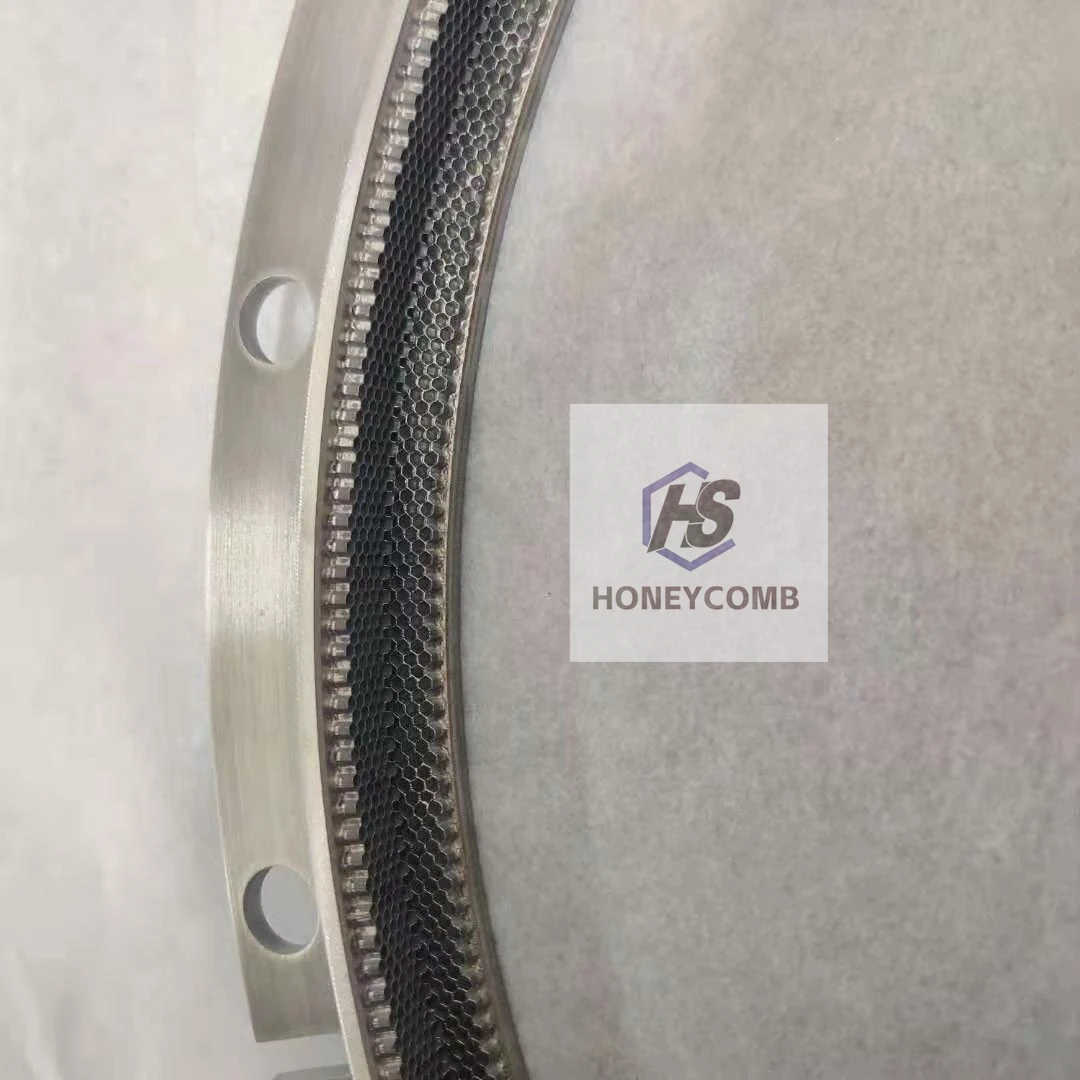
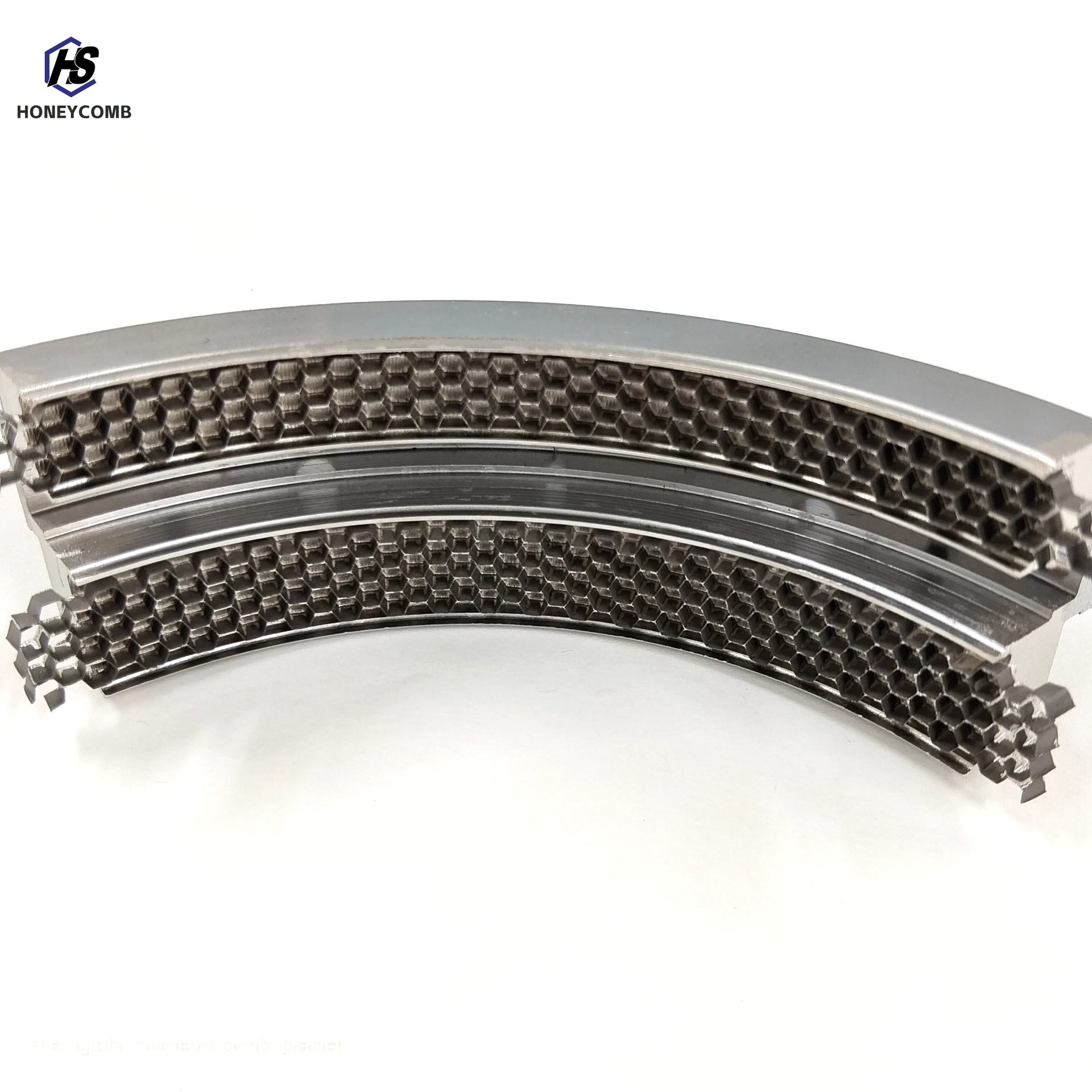
Options include curved wedges, split cartridges, alignment keys, and service frames. For harsher duty, anodized Al or phenolic aramid is common. One university lab swapped in a wind tunnel honeycomb with L/D=10 and saw TI drop from ~2.1% to 0.28% across 0.6 m span; another EV aero team reported yaw-angle standard deviation improving by ≈45% with minor Δp penalty. Feedback I hear most: “fit-up was clean, no rework.”
Testing and standards
Acceptance tests often reference AIAA tunnel quality guides, with uncertainty handled per ASME PTC-style practices and instrumentation traceable to ISO 17025 labs. Cleanliness, by the way, matters—dust accretion can raise Δp and skew TI maps over time.
Authoritative citations:
- AIAA R-016A-2018, Guidance for Wind Tunnel Quality Assurance.
- ASME PTC 19.1 (Measurement Uncertainty) and related airflow test practices.
- ISO/IEC 17025:2017, General requirements for the competence of testing and calibration laboratories.
-
Industrial Airflow Guide for maf воздушная правильная машинаNewsApr.16,2026
-
Best maf струйно правильная машина for Industrial EfficiencyNewsApr.09,2026
-
Сотовая правильная машина A Comprehensive Guide to Honey Packing AutomationNewsApr.07,2026
-
Build Your Own DIY газоправильная Машина A Comprehensive Guide to Gas CorrectionNewsApr.04,2026
-
Understanding Кондиционер отопления Systems for Efficient and Comfortable HeatingNewsMar.31,2026
-
Comprehensive Guide to Cellular Blinds Installation Установка сотовых жалюзиNewsMar.28,2026
-
Mobile Aerodynamic Tunnel Design A Comprehensive Guide to Applications and ImplementationNewsMar.26,2026






 English
  Afrikaans
  Albanian
  Amharic
  Arabic
  Armenian
  Azerbaijani
  Basque
  Belarusian
  Bengali
  Bosnian
  Bulgarian
  Catalan
  Cebuano
  China
China  China (Taiwan)
  Corsican
  Croatian
  Czech
Czech  Danish
  Dutch
Dutch  Esperanto
  Estonian
  Finnish
  French
  Frisian
  Galician
  Georgian
  German
  Greek
Greek  Gujarati
  Haitian Creole
  Hausa
Hausa  Hawaiian
  Hebrew
  Hindi
Hindi  Miao
Miao  Indonesian
  Italian
  Japanese
  Javanese
  Malay
Malay  Persian
  Portuguese
  Punjabi
  Russian
  Spanish
  Swahili
  Telugu
  Vietnamese