


Стальной сотовый (Steel Honeycomb) – Lightweight, Durable Panels for Modern Industry
Understanding стальной сотовый: What It Is and Why It Matters Globally
At first glance, the term стальной сотовый might sound a bit technical or niche, and sure—it’s rooted in industrial engineering and materials science. But, in reality, this “steel honeycomb” structure is quietly revolutionizing sectors from aerospace to construction, humanitarian logistics to automotive design.
The global push for stronger, lighter, and more sustainable materials means that steel honeycomb components are popping up everywhere, solving problems ranging from mitigating structural weight to enhancing energy efficiency. Understanding what стальной сотовый represents—and why it’s getting so much traction—is worth your time, especially if you work in manufacturing, infrastructure, or disaster relief.
Mini takeaway: Steel honeycomb isn’t just metal and voids; it’s a breakthrough design concept driving global innovation in industries where strength meets lightweight efficiency.
Global Relevance in Industry and Beyond
Globally, demand for advanced materials keeps climbing. According to the International Organization for Standardization (ISO), new material composites need to satisfy durability, environmental sustainability, and cost-effectiveness simultaneously.1 The steel honeycomb structure aligns with these demands, especially as aerospace manufacturers report potential weight reductions of up to 40%, translating into massive fuel savings and lower emissions.
And beyond aerospace, sectors like construction, automotive, and even humanitarian aid have spotted the potential. Think of post-disaster scenarios, where fast-to-assemble, strong, and lightweight building panels can mean the difference between chaos and shelter. Yet, major challenges persist—traditional metals are heavy, and other composites may lack durability or recyclability. The steel honeycomb design bridges this gap.
Mini takeaway: As sustainability and efficiency become business imperatives, the стальной сотовый concept emerges as a key player worldwide.
What Exactly Is Стальной Сотовый?
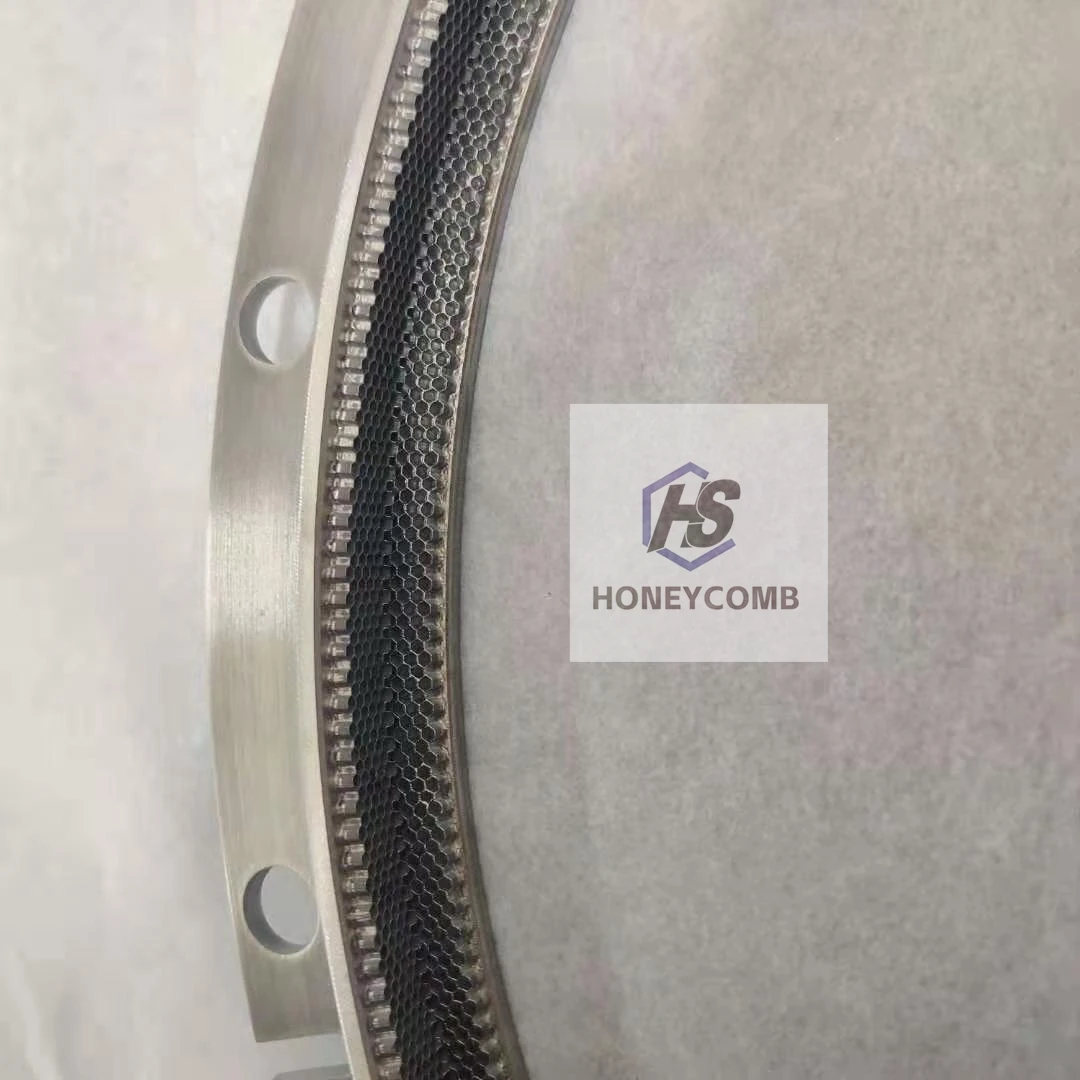
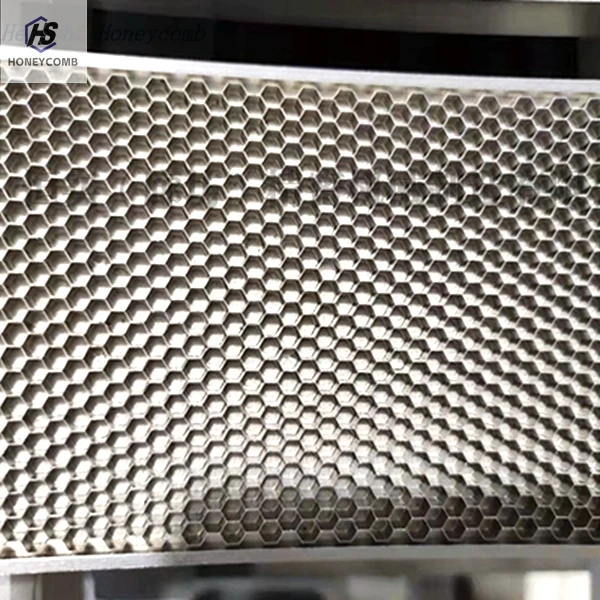
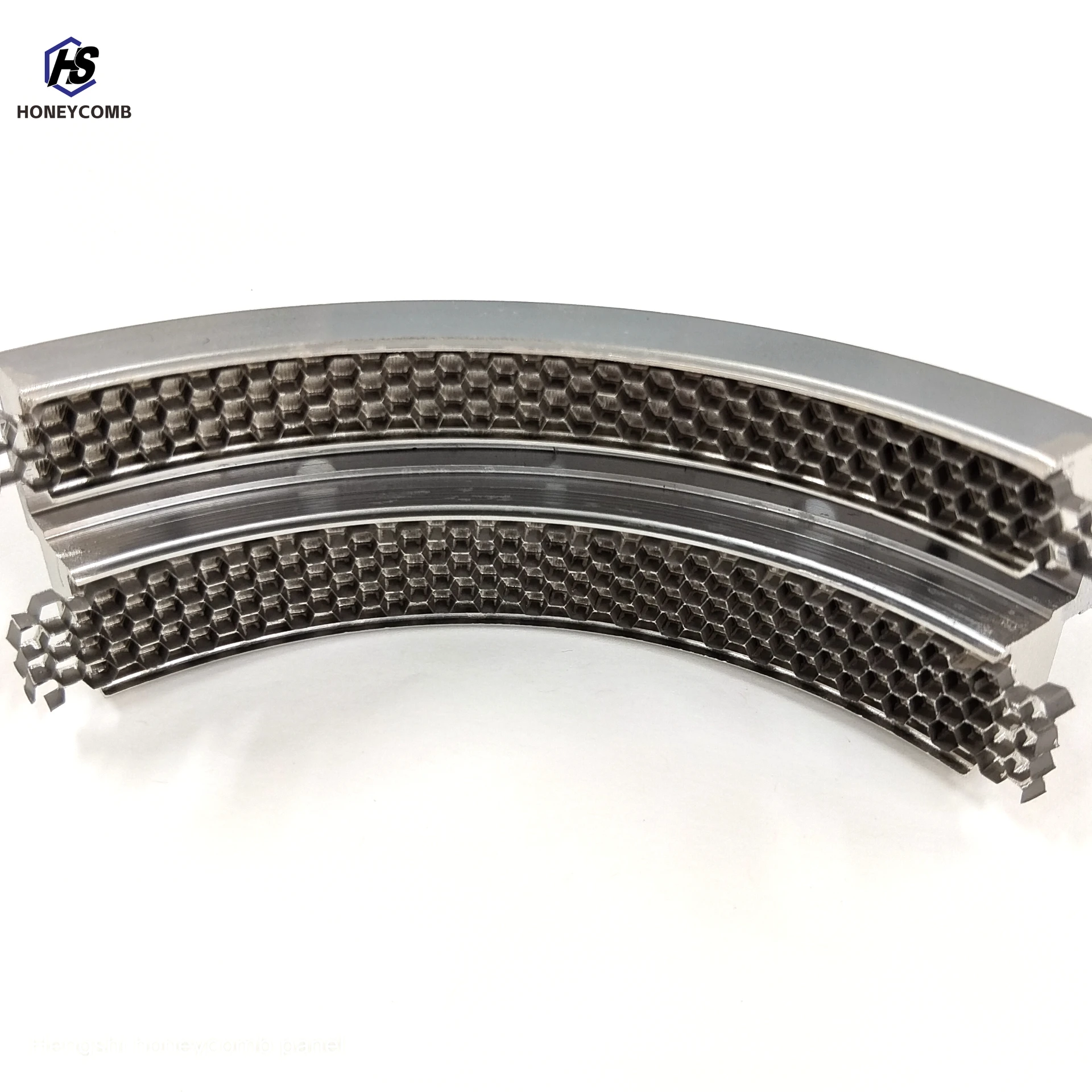
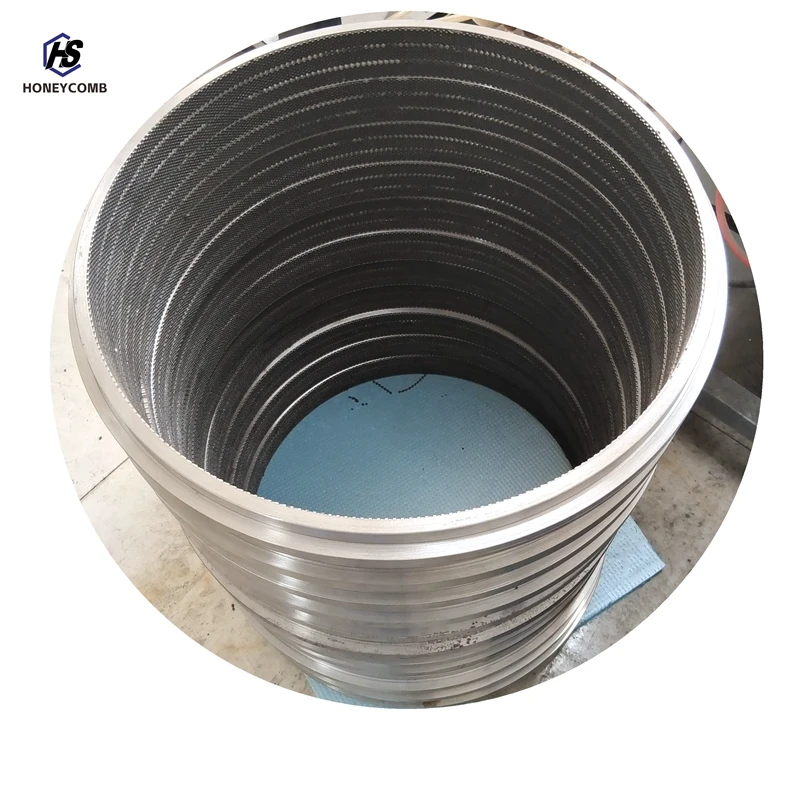
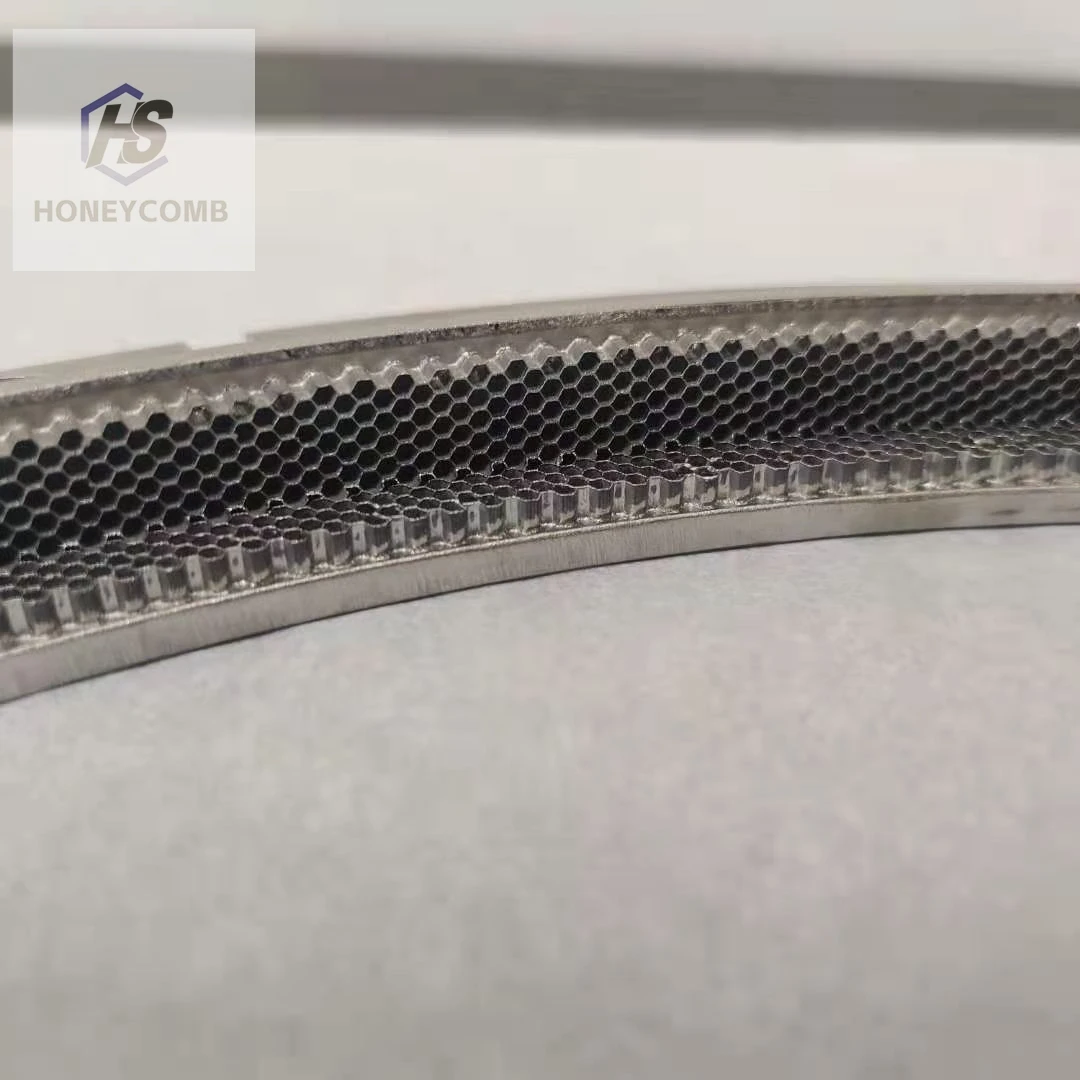
The phrase “стальной сотовый” literally translates to “steel honeycomb.” It’s a structural component made up of thin steel sheets shaped into a hexagonal, honeycomb-like pattern and sandwiched between flat panels. The resulting composite is incredibly strong yet surprisingly lightweight.
Imagine the inside of a beehive's honeycomb, but made out of tough steel — that’s roughly it. This geometry distributes loads evenly, minimizes material use, and gives products a remarkable stiffness-to-weight ratio. In practical terms, it means less steel is needed to build strong panels for walls, floors, or vehicle parts without compromising safety or performance.
In humanitarian contexts, this means temporary shelters or storage units built with стальной сотовый cores can be transported easily, set up quickly, and withstand harsh conditions.
Mini takeaway: Steel honeycomb is engineering’s answer to a long-standing puzzle—balancing strength with minimal weight, using a smart, natural-inspired design.
Key Components Behind Its Success
Durability
Steel’s inherent toughness ensures the honeycomb panels resist corrosion, impact, and deformation. Many coatings also enhance longevity, even in salty or humid environments.
Weight Efficiency
Because the honeycomb core is mostly air, it drastically cuts down on material mass compared to solid steel plates of the same size. This translates to easier handling and less structural load.
Scalability and Customization
Vendors can customize cell size, wall thickness, and panel dimensions to suit various applications—from tiny UAV parts to massive building cladding.
Cost Effectiveness
Though initial production requires precise manufacturing, the long-term material savings and performance longevity often mean lower lifecycle costs.
Environmental Impact
Steel honeycomb panels are recyclable and often manufactured with recycled content, aligning with increasing global sustainability standards.
Fire Resistance
The steel core provides significant fireproofing advantages compared to polymer-based composites, critical in building safety codes.
Mini takeaway: The mix of strength, weight savings, and sustainability makes стальной сотовый a practical go-to for multiple industries.
Real-World Applications Driving Innovation
Steel honeycomb finds use all over the map:
- Aerospace: Aircraft interior panels and cargo floors cut weight to improve fuel efficiency.
- Construction: Lightweight wall panels and facade cladding help architects meet energy codes.
- Transportation: Truck trailers and train car components benefit from added stiffness without the excess weight.
- Humanitarian Aid: Emergency shelters use steel honeycomb panels for fast deployment with durability—a win when lives depend on quick shelter.
- Renewable Energy: Wind turbine blades integrate honeycomb panels to combine rigidity with lightness.
Regions like Europe and North America are leading early adoption; however, emerging markets in Asia and Africa increasingly appreciate the balance between cost and quality.
A recent case study from NGO relief efforts in Southeast Asia showed that steel honeycomb structures reduced shipping volume and boosted shelter lifespan during typhoon recovery by 30%. Oddly enough, something so technical can really impact human dignity.
Mini takeaway: Practical use cases for стальной сотовый keep multiplying—from moon missions (yes, really) to remote field hospitals.
Advantages That Keep It Ahead
Walking the line between engineering demands and real-world needs, here’s what makes steel honeycomb materials stand out:
- Lower lifetime costs: Less material, less transport expense, and durability cut replacement frequency.
- Sustainability: High recyclability rates reduce waste and conserve resources.
- Enhanced safety: Fire-resistant and impact-tolerant attributes increase occupant protection.
- Design freedom: Scalable sizes mean manufacturers can meet client demands with tailored solutions.
- Social impact: Enables resilient, affordable shelter solutions during humanitarian emergencies.
Mini takeaway: The blend of logical advantages and their social implications makes steel honeycomb a material of choice for forward-thinking projects.
Future Trends in the Steel Honeycomb Arena
Innovations don’t stand still, and neither do materials. Experts are now working on ultra-thin, nanocoated steel honeycomb panels to boost corrosion resistance dramatically. Automation in manufacturing—robotic welding and 3D forming—promises faster production times with higher precision. Plus, hybrid panels combining steel cores with bio-based resins may offer even lighter, greener alternatives.
There’s also growing interest in integrating sensors inside honeycomb structures for smart monitoring—think of aircraft panels that report damage themselves. Sustainability policies worldwide push for greener production and circular economy principles, further backing стальной сотовый development.
It feels like steel honeycomb is less a static product and more a platform for continuous, collaborative innovation stretching well into the 2030s.
Mini takeaway: Expect lighter, smarter, greener стальной сотовый solutions that connect material science with digital transformation.
Challenges and How Industry Tackles Them
So, despite all these benefits, not everything’s perfectly smooth sailing.
- Complex manufacturing: High precision needed, increasing initial costs.
- Joining and assembly: Ensuring reliable bonding with outer skins can be tough.
- Standardization gaps: Different industries often have varied specs, complicating mass adoption.
- Cost perception: Many buyers see steel honeycomb as expensive upfront.
But industry veterans argue that with economies of scale, smart automation, and evolving standards (ISO is on this), these challenges are shrinking.
Plus, training programs and international partnerships help spread know-how. In real terms, the initial “investment” quickly pays for itself in durability and lifecycle savings.
Mini takeaway: Challenges exist, but smart solutions and collaborative innovation keep driving стальной сотовый forward.
Product Specification Table: Typical Стальной Сотовый Panel
| Specification | Typical Value | Units |
|---|---|---|
| Core Cell Size | 6–10 | mm (hex side) |
| Core Thickness | 10–100 | mm |
| Panel Weight | 4–10 | kg/m² |
| Compressive Strength | 30–70 | MPa |
| Fire Resistance | Up to 2 | hours (tested) |
| Recyclability | >95% | Percentage |
Vendor Comparison: Top Steel Honeycomb Suppliers
| Supplier | Core Material Options | Customization Level | Industries Served | Lead Time | Price Range (€/m²) |
|---|---|---|---|---|---|
| HoneySteel Inc. | Galvanized, Stainless, Aluminum | High | Aerospace, Construction, Transportation | 3–6 weeks | 120–180 |
| SteelCore Solutions | Carbon Steel, Stainless | Medium | Construction, Industrial Equipment | 2–5 weeks | 90–140 |
| Sotex Honeycomb | Stainless, Galvanized | High | Automotive, Transport, Renewable Energy | 4–7 weeks | 100–160 |
FAQ: Frequently Asked Questions About Стальной Сотовый
What makes steel honeycomb panels better than traditional solid steel plates?
Steel honeycomb panels deliver comparable strength but with significantly less weight, improving transport and handling efficiency. Their design distributes stress evenly, making them more resistant to buckling. Plus, they often provide better thermal and fire resistance than solid plates. This balance reduces costs over the life of a product or structure.
How long can стальной сотовый structures last in harsh environments?
With proper coatings and maintenance, steel honeycomb structures can last decades—even in corrosive or marine environments. Their steel core, often treated with anti-rust layers, withstands humidity and salt exposure better than many alternatives. Real-world installations confirm service lives exceeding 20 years under tough conditions.
Is steel honeycomb eco-friendly and recyclable?
Yes, recycling steel honeycomb panels is straightforward because steel is one of the most recycled materials globally. The honeycomb core and facing panels can be separated and fed back into steel-making processes. Many manufacturers use recycled steel content as well, contributing to circular economy efforts.
How can NGOs import and deploy steel honeycomb shelters internationally?
Many suppliers offer modular panels optimized for shipping containers or palletized loads to reduce transport costs. NGOs should work with vendors to customize sizes and assembly instructions suited to their operational needs. Import regulations vary by country, so engaging logistics and legal experts early helps streamline deployment.
Can steel honeycomb panels be customized for different applications?
Absolutely. Core thickness, material grade, cell size, and panel dimensions can be tailored to meet specific mechanical, thermal, or fire safety requirements. Consult manufacturers for design advice—many offer engineering support to create optimized solutions for your industry or project.
Conclusion: Why Стальной Сотовый Is an Investment Into the Future
Steel honeycomb, стальной сотовый, is more than a clever design—it's a scalable, sustainable answer to some of the most pressing challenges in materials engineering. By blending exceptional strength with admirable lightness, it empowers industries to innovate without compromise. Whether you're dealing with high-flying aerospace demands or the urgent need for rapid-response shelters, steel honeycomb offers unmatched versatility.
The future looks bright for стальной сотовый, especially as technologies refine its manufacturing and expand its capabilities. I’d say it’s time to think beyond the metal sheet and really look at the honeycomb within—it may just be the foundation your next project needs.
Explore more and connect with experts: Visit стальной сотовый manufacturers and see how this remarkable material can transform your projects.
References
- International Organization for Standardization (ISO) – Material Standards and Sustainability
- Wikipedia – Honeycomb Structure
- World Bank Data – Infrastructure and Industry Trends

-
Manufacturer Supply 10mm Stainless Steel 304 Honeycomb for Wind Tunnels Air Flow Testing: Selection ChecksNewsNov.23,2026
-
EMI honeycomb filter comparison for wind and water tunnel flow controlNewsNov.20,2026
-
How to Choose a Vented Aluminum Honeycomb for a 120 × 120 mm FanNewsNov.10,2026
-
High Performance EMI Honeycomb Vent for Sale: Buyer FAQsNewsNov.03,2026
-
Comparing Customized Hexagonal 316 Stainless Steel Honeycomb Core For Sewage Treatment Options: Specifications, Materials and Supplier DocumentationNewsOct.28,2026
-
High Precision Metal Honeycomb Seals buy turbine core datasheetNewsJul.01,2026
-
High Performance Military Grade Metal Honeycomb Core for SaleNewsJun.29,2026






 English
 Afrikaans
 Albanian
 Amharic
 Arabic
 Armenian
 Azerbaijani
 Basque
 Belarusian
 Bengali
 Bosnian
 Bulgarian
 Catalan
 Cebuano
 China
 China (Taiwan)
 Corsican
 Croatian
 Czech
 Danish
 Dutch
 Esperanto
 Estonian
 Finnish
 French
 Frisian
 Galician
 Georgian
 German
 Greek
 Gujarati
 Haitian Creole
 Hausa
 Hawaiian
 Hebrew
 Hindi
 Miao
 Indonesian
 Italian
 Japanese
 Javanese
 Malay
 Persian
 Portuguese
 Punjabi
 Russian
 Spanish
 Swahili
 Telugu
 Vietnamese