


Comprehensive Guide to Chapa Metálica em Favo de Mel: Features, Uses, and Future Trends
Understanding Chapa Metálica em Favo de Mel: A Modern Engineering Marvel
At first glance, chapa metálica em favo de mel might just sound like another technical phrase tossed around in the construction and manufacturing industries. But it’s actually a fascinating concept with global reach and clear benefits. Put simply, it’s a honeycomb-structured metal sheet design, one that’s revolutionizing fields from aerospace to humanitarian shelter. Understanding it matters because, frankly, it blends strength, sustainability, and innovation in a way that few materials do.
Why the World Pays Attention to Honeycomb Metal Sheets
Globally, industries seek materials that solve problems like strength-to-weight ratio, durability, and cost efficiency—facts backed by data from organizations like the International Organization for Standardization (ISO) and research from UN sustainability initiatives. The chapa metálica em favo de mel is a prime candidate to answer those needs. For example, the aerospace sector uses honeycomb metal panels to reduce aircraft weight without compromising safety. Similarly, construction firms in earthquake-prone regions benefit from the material’s flexible strength, which lends buildings better resistance to sudden shocks.
Challenges like rising raw material costs and demand for eco-friendly alternatives push innovation. Enter honeycomb metal sheets: a design answering both.
What Exactly Is Chapa Metálica em Favo de Mel?
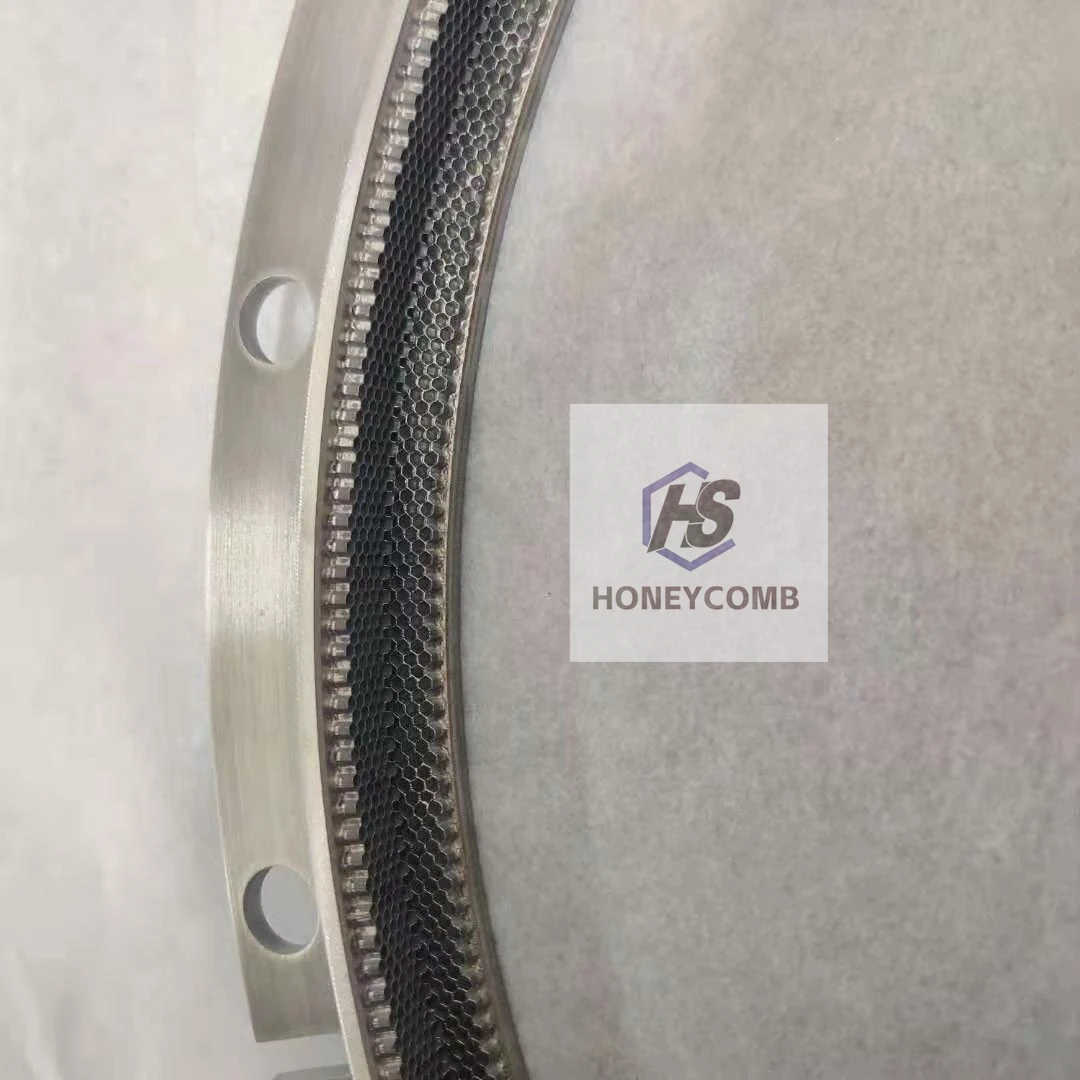
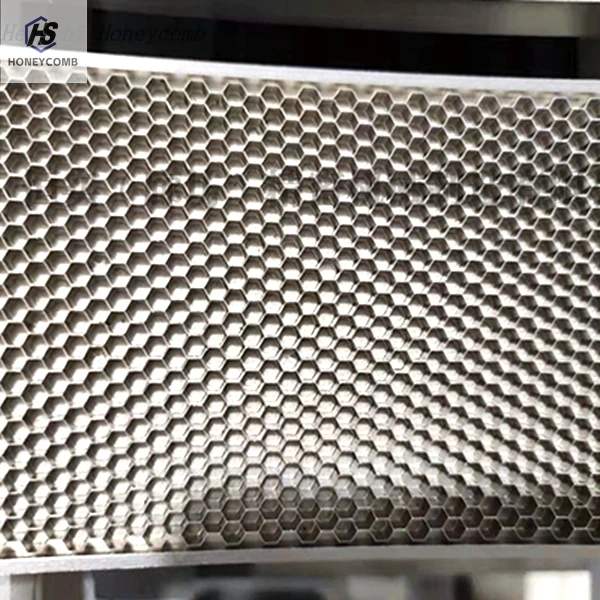
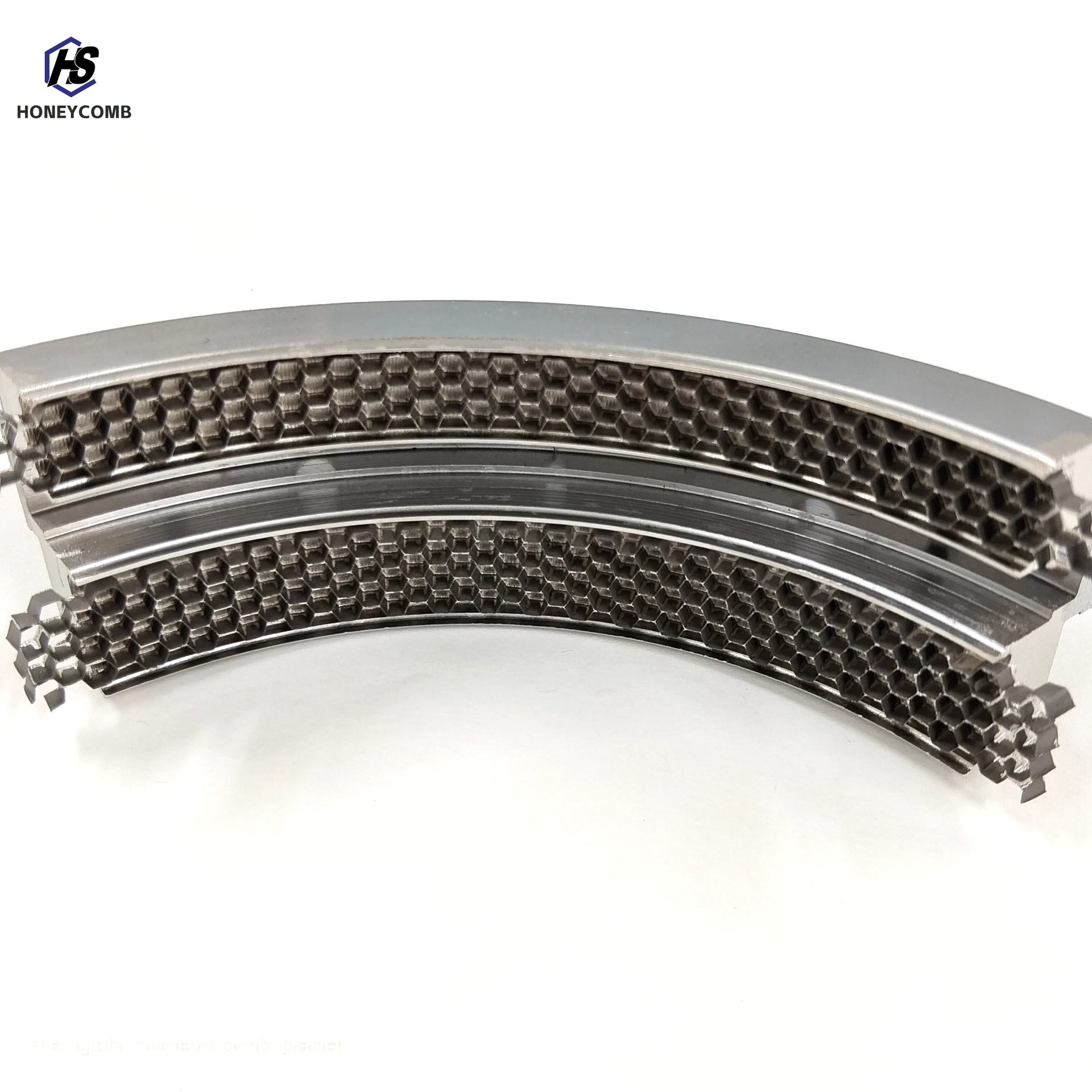
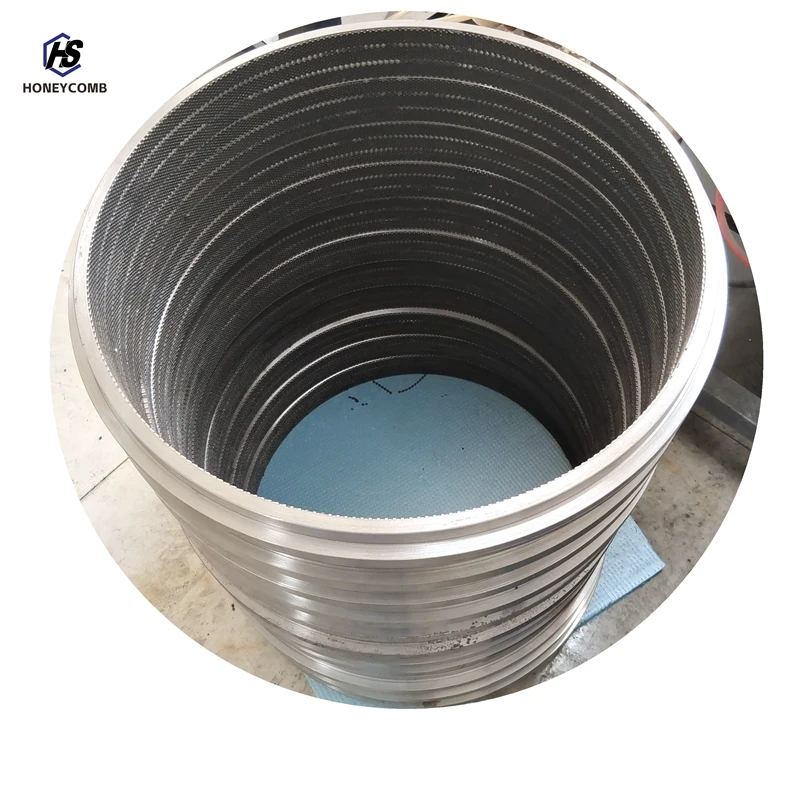
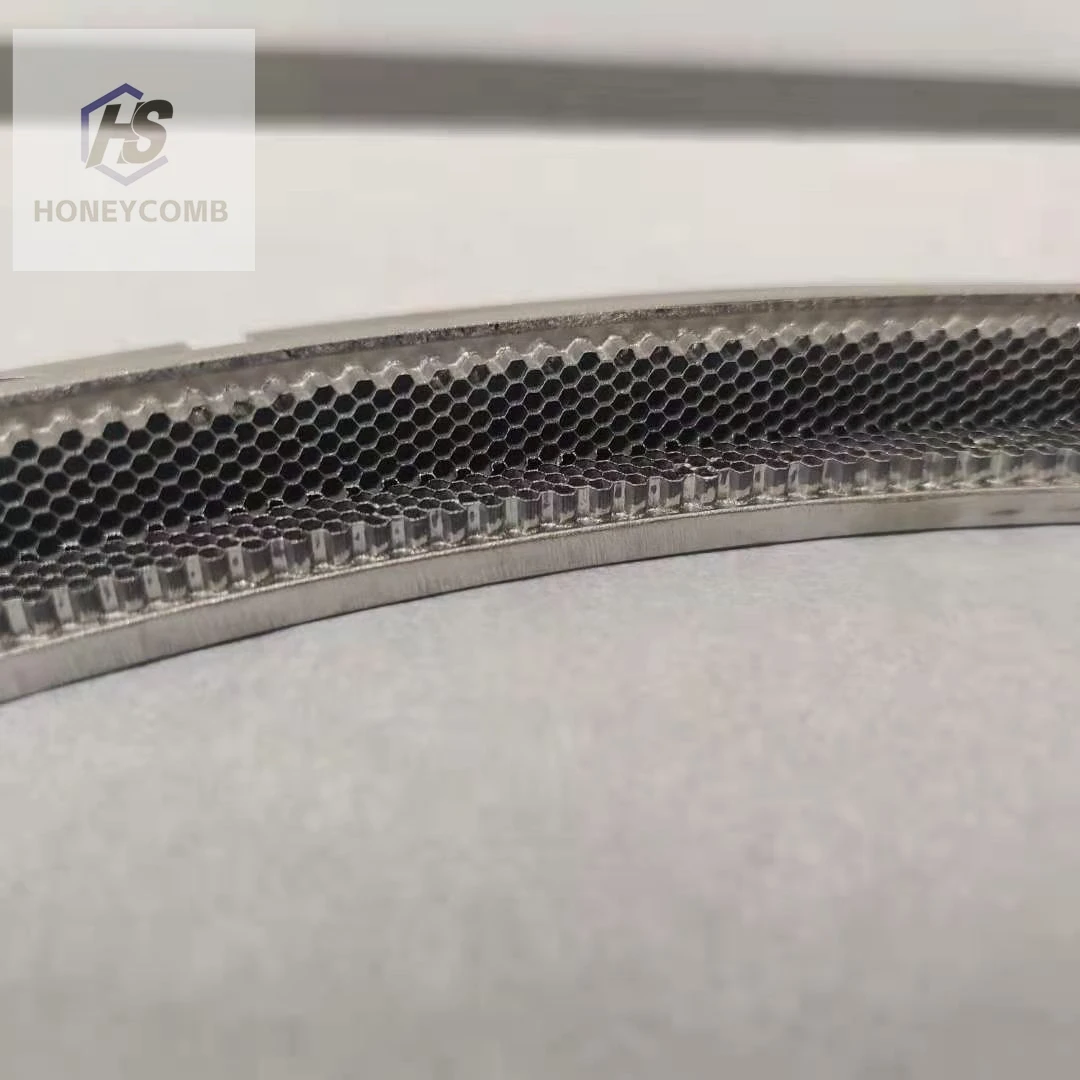
This term translates to “honeycomb metal sheet” in English. Imagine a flat metal sheet, but instead of a uniform slab, it’s engineered with a pattern of hexagonal cells—like a bee’s honeycomb. This structure uses less metal, achieving remarkable weight reduction and distributing forces evenly across the panel.
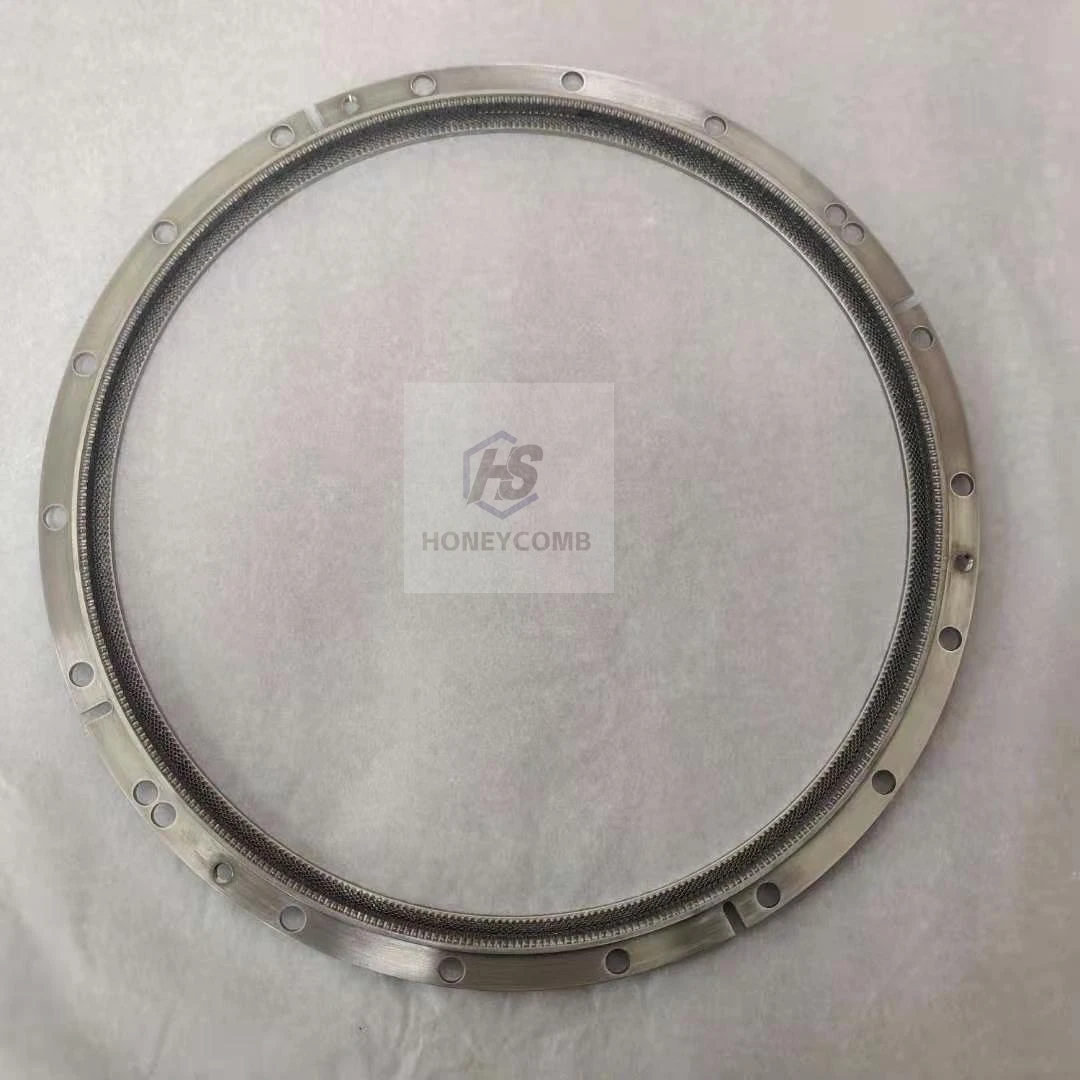
Industrially, these sheets are made by bonding thin metal layers into the honeycomb core, often aluminum or steel, producing panels that don’t just look cool but offer substantial rigidity.
Key Aspects of Honeycomb Metal Sheets
Durability
These sheets resist compression, bending, and impact far better than flat sheets of the same weight. This durability means longer-lasting applications in construction and transport.
Lightweight Design
Cutting down weight is a big deal, especially in aerospace and automotive sectors, where every kilogram saved reduces fuel consumption and emissions.
Cost Efficiency
Though initial manufacturing can be more complex, the longevity and material-saving aspects balance out to cost savings over time.
Sustainability
Honeycomb structures use less raw material, which means less environmental footprint during production. Many manufacturers also use recycled aluminum to build these sheets.
Scalability
From small panels in electronics to large architectural installations, the honeycomb design adapts well.
Product Specifications of Typical Chapa Metálica em Favo de Mel
| Specification | Typical Range | Notes |
|---|---|---|
| Material | Aluminum alloy, stainless steel | Commonly used for corrosion resistance |
| Core Thickness | 5mm to 30mm | Varies by structural requirement |
| Cell Size | 3mm to 10mm (hexagonal) | Smaller cells offer more rigidity |
| Weight Density | 0.2 to 0.8 kg/m² | Significantly lighter than solid sheets |
| Fire Resistance | Class A (varies with core material) | Important for building codes |
Global Applications & Use Cases
Honeycomb metal sheets have a surprising range of real-world uses. Aerospace remains the flagship, with aircraft fuselages, flooring panels, and wing components integrating these lightweight yet strong sheets.
In construction, they form walls and ceilings, especially in chapa metálica em favo de mel panels for high-rise buildings, where fire resistance and weight reduction are critical. Oddly enough, they show promise in remote industrial zones where transport logistics are tough – these lightweight sheets simplify shipping massive construction panels.
Humanitarian efforts also use honeycomb panels for rapid-deploy shelters after disasters. The honeycomb structure lets shelters stay sturdy but light, facilitating quick assembly—very much a matter of dignity and safety for affected populations. NGOs sometimes choose these panels to strike a balance between speed and sustainability.
Vendor Comparison Table: Leading Honeycomb Metal Sheet Suppliers
| Vendor | Material Options | Customization | Lead Time | Price Range |
|---|---|---|---|---|
| HS Honeycomb | Aluminum, Stainless steel | Full custom cell size & thickness | 4–6 weeks | Mid to high |
| Global Honey Sheet | Aluminum only | Standard sizes only | 2–3 weeks | Competitive |
| EcoMetals | Recycled aluminum | Custom eco-certified products | 5–7 weeks | High |
Advantages & Long-Term Value of Honeycomb Metal Sheets
- Cost Savings: Less raw material usage and extended service life reduce total expenses.
- Safety & Reliability: Improved impact resistance means better protection in critical applications.
- Sustainability: The structure’s eco-friendly traits contribute to circular economy goals.
- Design Flexibility: Architects and engineers can innovate boldly with honeycomb panels.
Emotionally, these panels give users and builders peace of mind—knowing they’re combining modern technology with durable, sustainable materials. It’s a kind of quiet assurance that your home, plane, or equipment is backed by solid engineering.
Future Trends & Innovations
The future is bright for chapa metálica em favo de mel. Experts anticipate the integration of nanomaterials and smart coatings that can self-heal or indicate damage. Digital manufacturing techniques like 3D printing could allow even more intricate honeycomb shapes, enhancing performance.
Also, the push towards green energy means shipping and construction sectors will demand ever lighter and stronger materials—honeycomb metal sheets fit well into this green transition.
Challenges & Solutions
Of course, honeycomb metal sheets aren’t without challenges. The manufacturing process demands precision and can be costly upfront. Also, bonding the layers securely to avoid delamination remains a technical hurdle in some environments.
Innovative bonding adhesives, automated quality inspections, and improved metal alloys are pushing these limits backwards. Some firms have developed modular panel designs to ease installation and maintenance.
FAQ: Your Practical Questions About Chapa Metálica em Favo de Mel
Q1: How does chapa metálica em favo de mel improve building safety?
A1: Its honeycomb structure distributes impact forces evenly, preventing localized damage that could lead to failure. This resilience is crucial in earthquake-prone regions, protecting infrastructure and occupants alike.
Q2: Can honeycomb metal sheets be recycled?
A2: Yes, materials like aluminum used in honeycomb sheets are highly recyclable. Using recycled metals further enhances the sustainability profile of these products.
Q3: Are these panels suitable for fast deployment shelters?
A3: Absolutely. Their lightweight, strength, and modularity make them ideal for emergency shelters that need rapid assembly without sacrificing durability.
Q4: What is the typical lifespan of a honeycomb metal panel in outdoor environments?
A4: When properly treated and maintained, these panels can last several decades outdoors, offering corrosion resistance and structural integrity over long periods.
Q5: How can NGOs import honeycomb metal sheets internationally?
A5: Many vendors, including HS Honeycomb, offer logistics support and export documentation to streamline procurement for humanitarian projects.
Conclusion
To sum it up: the chapa metálica em favo de mel embodies a modern engineering solution that answers pressing global demands for strength, sustainability, and efficiency. Whether you’re flying thousands of feet above the earth or building a safe haven after a disaster, these honeycomb metal sheets offer genuine long-term value.
If you want to explore further, please visit our website: https://www.hshihoneycomb.com.
Reflecting on this, it’s fascinating how a pattern inspired by nature – the humble honeycomb – continues to shape our technology and safety. The blend of biology and engineering never fails to impress.
References:
1. Wikipedia: Honeycomb Structure
2. ISO Standards for Construction Materials
3. United Nations Sustainable Development Goals – Goal 9: Industry, Innovation and Infrastructure

-
Industrial Airflow Guide for maf воздушная правильная машинаNewsApr.16,2026
-
Best maf струйно правильная машина for Industrial EfficiencyNewsApr.09,2026
-
Сотовая правильная машина A Comprehensive Guide to Honey Packing AutomationNewsApr.07,2026
-
Build Your Own DIY газоправильная Машина A Comprehensive Guide to Gas CorrectionNewsApr.04,2026
-
Understanding Кондиционер отопления Systems for Efficient and Comfortable HeatingNewsMar.31,2026
-
Comprehensive Guide to Cellular Blinds Installation Установка сотовых жалюзиNewsMar.28,2026
-
Mobile Aerodynamic Tunnel Design A Comprehensive Guide to Applications and ImplementationNewsMar.26,2026






 English
  Afrikaans
  Albanian
  Amharic
  Arabic
  Armenian
  Azerbaijani
  Basque
  Belarusian
  Bengali
  Bosnian
  Bulgarian
  Catalan
  Cebuano
  China
China  China (Taiwan)
  Corsican
  Croatian
  Czech
Czech  Danish
  Dutch
Dutch  Esperanto
  Estonian
  Finnish
  French
  Frisian
  Galician
  Georgian
  German
  Greek
Greek  Gujarati
  Haitian Creole
  Hausa
Hausa  Hawaiian
  Hebrew
  Hindi
Hindi  Miao
Miao  Indonesian
  Italian
  Japanese
  Javanese
  Malay
Malay  Persian
  Portuguese
  Punjabi
  Russian
  Spanish
  Swahili
  Telugu
  Vietnamese