


Сотовая аэродинамическая труба Applications Benefits and Technical Specifications
Сотовая аэродинамическая труба: Applications and Benefits
Honeycomb aerodynamic tunnels, also known as cellular aerodynamic tunnels, are increasingly utilized across various industries for advanced testing and research. These tunnels leverage the unique properties of honeycomb structures to optimize airflow and provide accurate data for aerodynamic analysis. From automotive engineering to aerospace and even sports equipment development, these tunnels offer a cost-effective and efficient solution for performance enhancement. Explore the multifaceted applications and advantages of these critical tools. For a comprehensive look at honeycomb core solutions, visit HSHI Honeycomb.
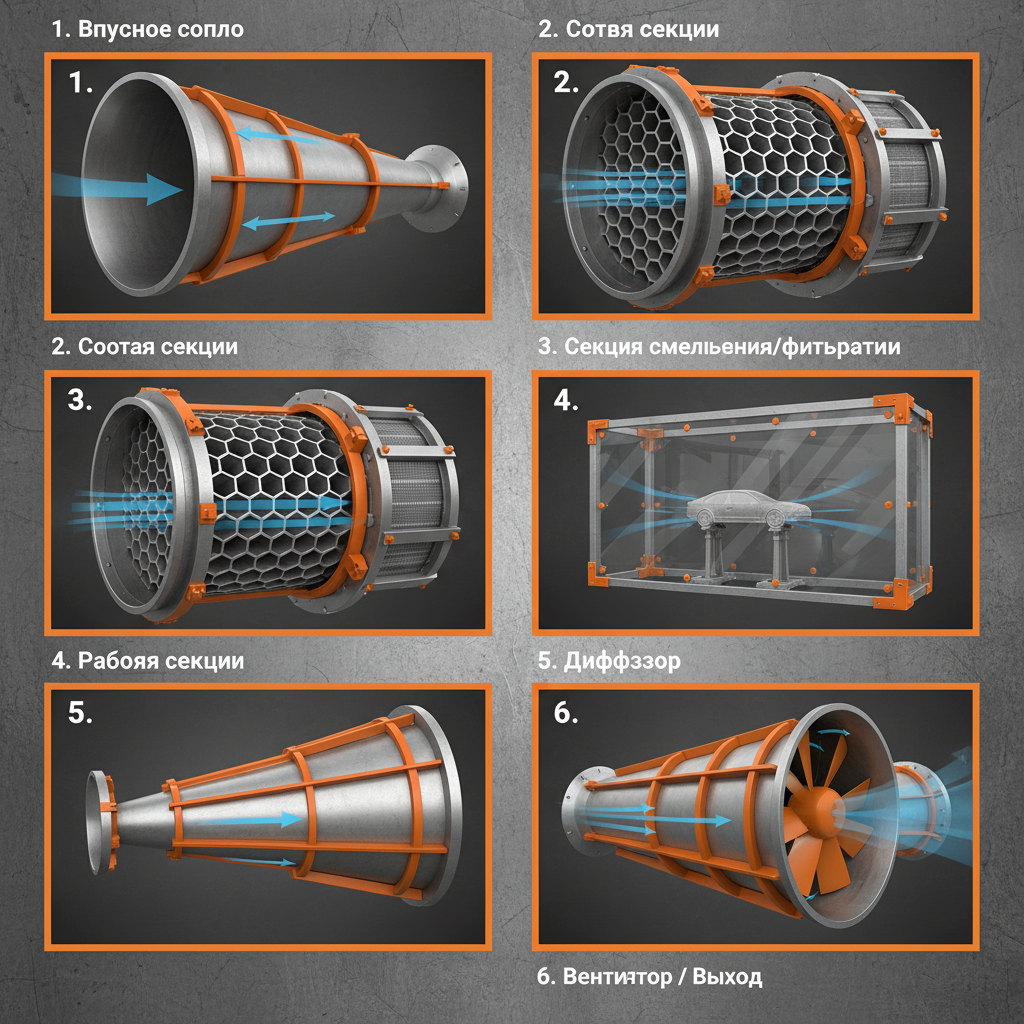
Understanding the Role of Honeycomb Structures
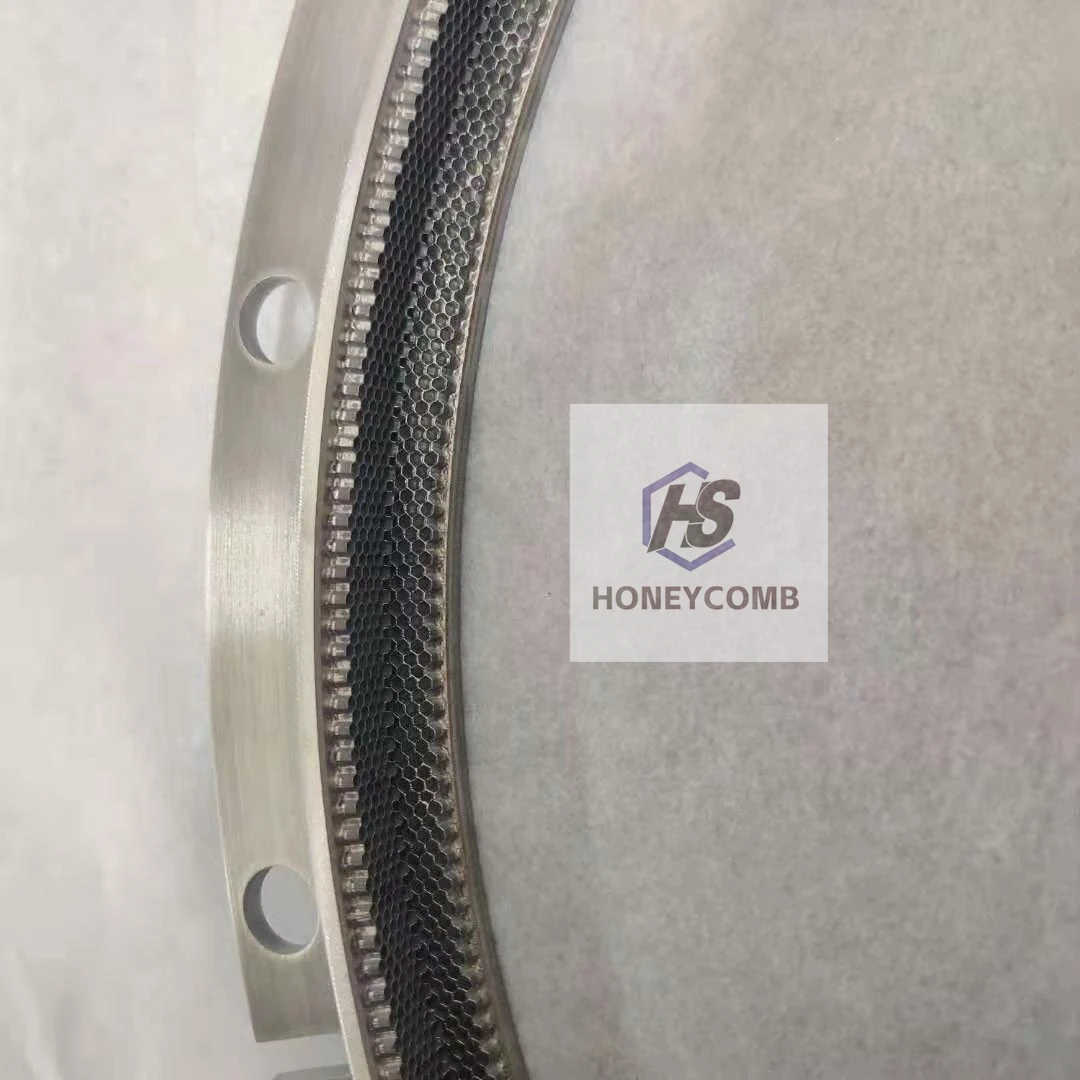
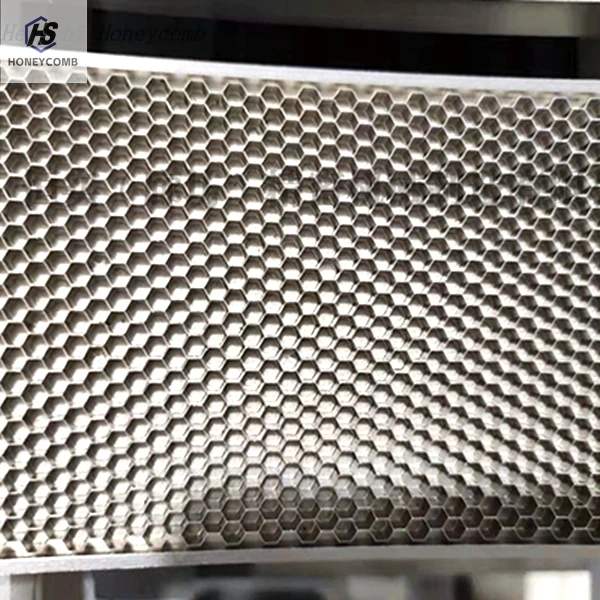
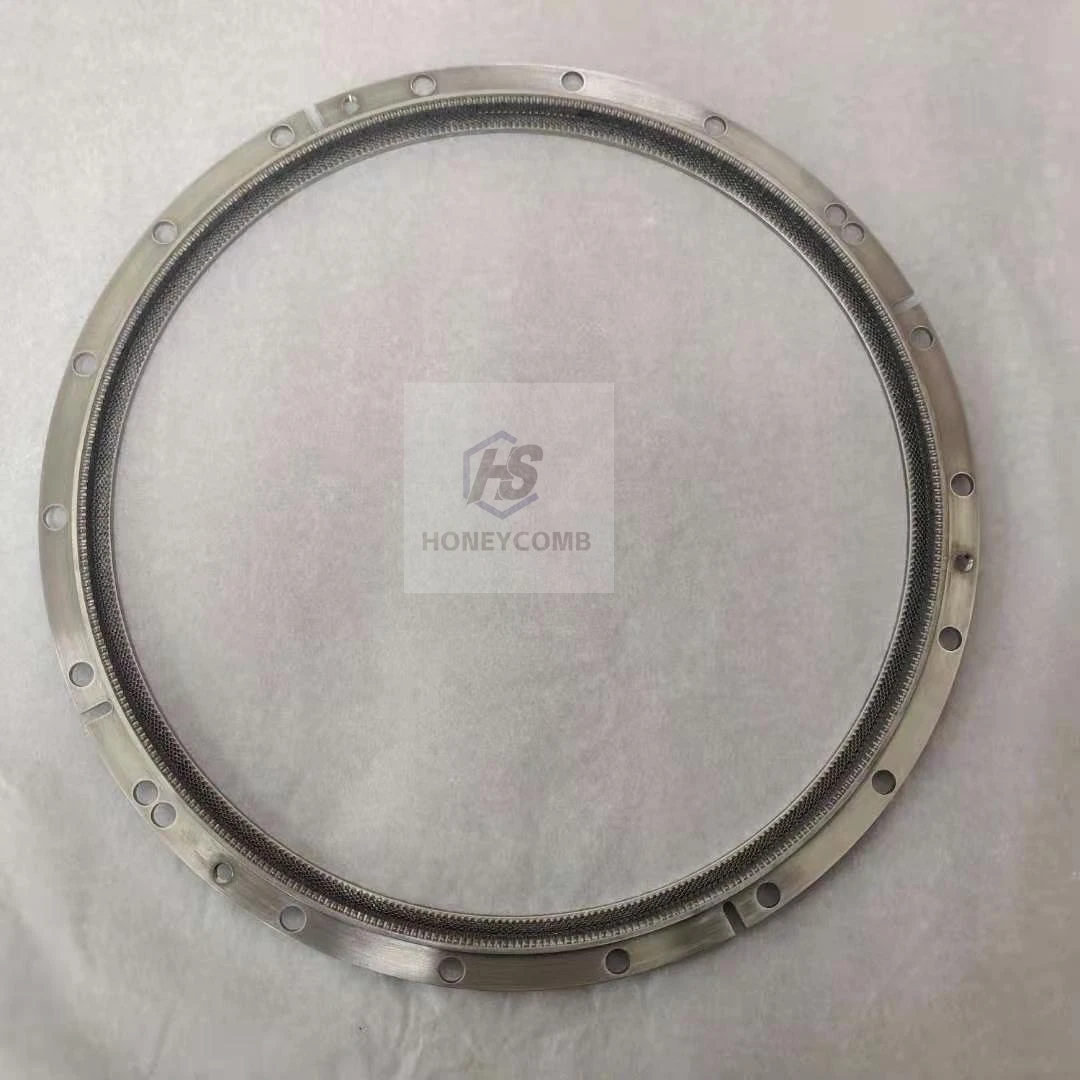
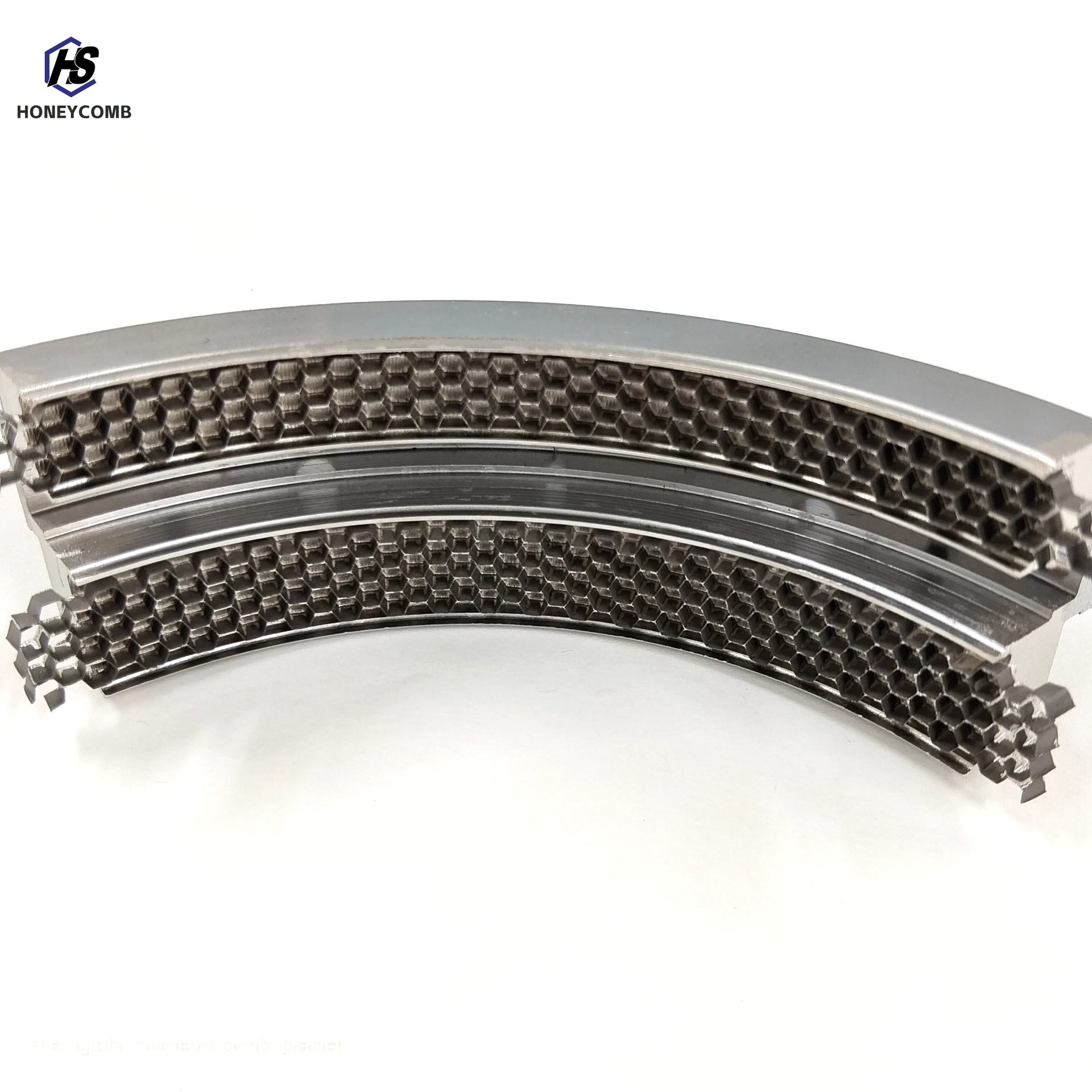
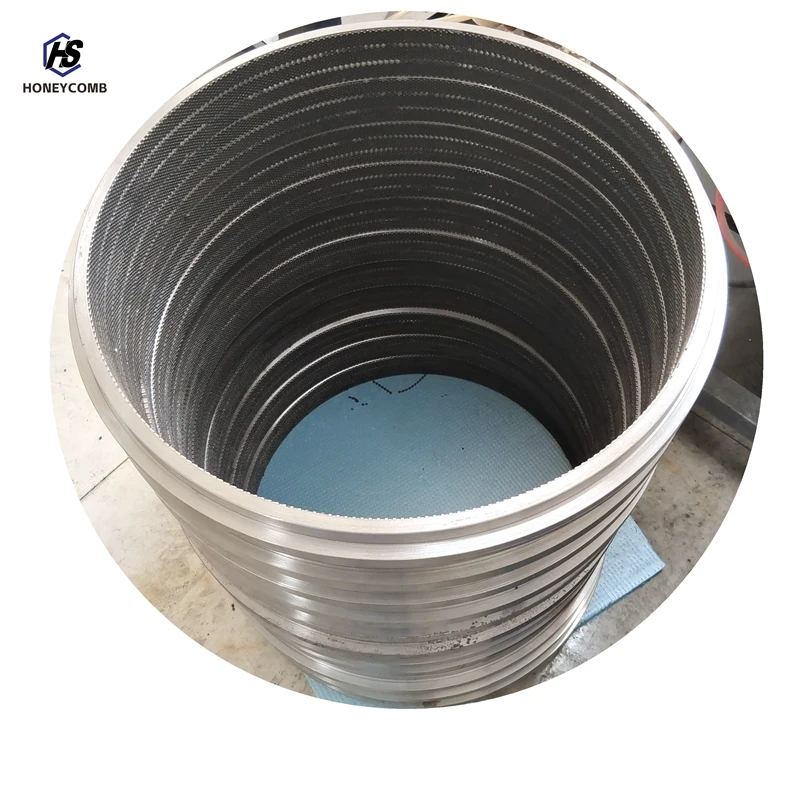
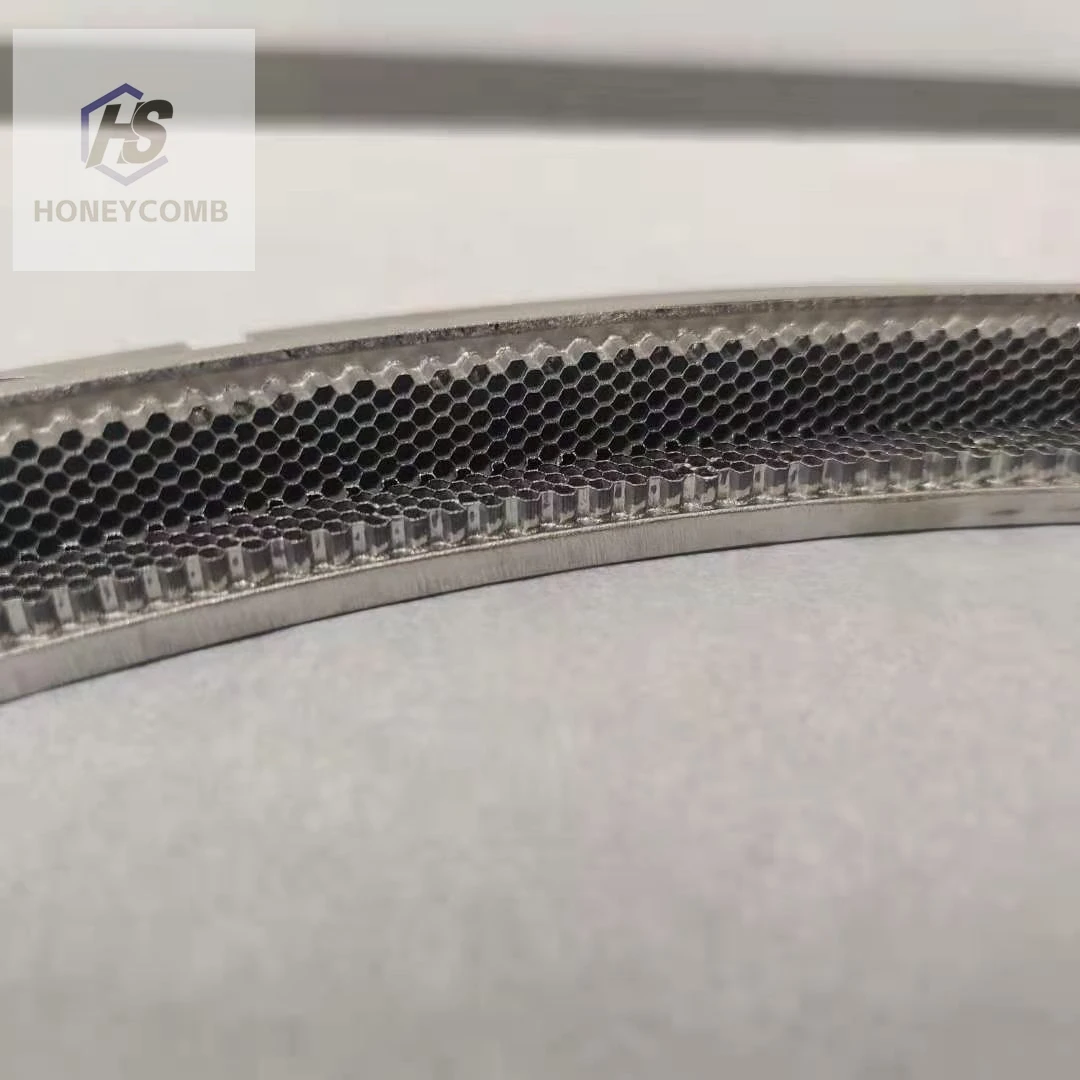
The core component of these tunnels is the honeycomb structure, typically constructed from aluminum, paper, or composite materials. This design provides an exceptional strength-to-weight ratio and excellent energy absorption capabilities. In aerodynamic tunnels, the honeycomb acts as a flow straightener, minimizing turbulence and creating a more uniform airflow profile. This uniformity is crucial for accurate measurements and reliable test results. The cellular structure effectively reduces flow distortions, leading to a more predictable and consistent aerodynamic environment. HSHI Honeycomb specializes in manufacturing high-precision honeycomb cores for various applications, including aerodynamic testing.
Key Highlights: Honeycomb structures deliver an exceptional strength-to-weight ratio and act as flow straighteners, minimizing turbulence for precise aerodynamic measurements.
Applications Across Diverse Industries
The versatility of honeycomb aerodynamic tunnels allows for applications in a wide range of sectors. The automotive industry utilizes these tunnels to refine vehicle designs, reduce drag, and improve fuel efficiency. In aerospace, they are essential for testing aircraft components and validating aerodynamic models. Sports equipment manufacturers employ these tunnels to optimize the performance of bicycles, helmets, and other gear. Furthermore, research institutions leverage them for fundamental aerodynamic studies and the development of new technologies. From Formula 1 racing to the development of commercial airliners, these tunnels are critical tools for innovation.
Application Benefits:
• Automotive: Improved vehicle aerodynamics and fuel efficiency
• Aerospace: Validation of aircraft designs and components
• Sports: Optimization of equipment performance
• Research: Fundamental aerodynamic studies and new technology development
Сотовая аэродинамическая труба vs. Traditional Wind Tunnels: A Comparative Analysis
While traditional wind tunnels have long been the standard for aerodynamic testing, honeycomb aerodynamic tunnels offer distinct advantages in certain applications. Traditional tunnels can be expensive to build and operate, and may require extensive modifications for different test configurations. Honeycomb tunnels, particularly smaller-scale models, are often more cost-effective and versatile. The enhanced flow quality achieved through the honeycomb structure provides more accurate and reliable data, especially for low-speed testing. Furthermore, the modular design of honeycomb tunnels allows for easy customization and adaptation to specific research needs. Learn more about our offerings.
Honeycomb Core Materials and Specifications
The choice of honeycomb core material significantly impacts the performance of the aerodynamic tunnel. Aluminum honeycomb is favored for its strength, rigidity, and thermal conductivity. Paper honeycomb offers a cost-effective solution for less demanding applications. Composite honeycomb, combining different materials, can provide tailored properties for specific requirements. HSHI Honeycomb offers a wide range of honeycomb core materials and specifications to meet diverse customer needs.

Technical Specifications
Here's a glimpse of common honeycomb specifications for aerodynamic tunnel applications:
Conclusion: Enhancing Aerodynamic Performance with Honeycomb Technology
Honeycomb aerodynamic tunnels represent a significant advancement in aerodynamic testing and research. Their cost-effectiveness, versatility, and ability to provide accurate data make them invaluable tools across a wide range of industries. HSHI Honeycomb is dedicated to providing high-quality honeycomb core solutions to meet the evolving needs of the aerodynamic testing community.
Frequently Asked Questions (FAQs)
What are the primary advantages of using a honeycomb structure in an aerodynamic tunnel?
The primary advantages include excellent flow straightening capabilities, minimizing turbulence and ensuring a more uniform airflow profile. This leads to more accurate and reliable test results. Honeycomb structures also offer a high strength-to-weight ratio and good energy absorption, contributing to a robust and efficient tunnel design. They are also relatively cost-effective compared to other flow conditioning methods.
What materials are commonly used for honeycomb cores in aerodynamic tunnels?
Aluminum honeycomb is the most widely used material due to its excellent strength, rigidity, and thermal conductivity. Paper honeycomb offers a more economical option for less demanding applications. Composite honeycomb, combining materials like aluminum and Nomex, is used when specific properties like high temperature resistance or increased strength are required. The best material depends on the specific application and performance requirements.
How does cell size affect the performance of a honeycomb core?
Smaller cell sizes generally provide greater flow straightening capabilities but also increase pressure drop. Larger cell sizes offer lower pressure drop but may compromise flow quality. The optimal cell size depends on the specific application and the desired balance between flow quality and pressure loss. A thorough understanding of these trade-offs is crucial for designing an effective aerodynamic tunnel.

-
Industrial Airflow Guide for maf воздушная правильная машинаNewsApr.16,2026
-
Best maf струйно правильная машина for Industrial EfficiencyNewsApr.09,2026
-
Сотовая правильная машина A Comprehensive Guide to Honey Packing AutomationNewsApr.07,2026
-
Build Your Own DIY газоправильная Машина A Comprehensive Guide to Gas CorrectionNewsApr.04,2026
-
Understanding Кондиционер отопления Systems for Efficient and Comfortable HeatingNewsMar.31,2026
-
Comprehensive Guide to Cellular Blinds Installation Установка сотовых жалюзиNewsMar.28,2026
-
Mobile Aerodynamic Tunnel Design A Comprehensive Guide to Applications and ImplementationNewsMar.26,2026






 English
  Afrikaans
  Albanian
  Amharic
  Arabic
  Armenian
  Azerbaijani
  Basque
  Belarusian
  Bengali
  Bosnian
  Bulgarian
  Catalan
  Cebuano
  China
China  China (Taiwan)
  Corsican
  Croatian
  Czech
Czech  Danish
  Dutch
Dutch  Esperanto
  Estonian
  Finnish
  French
  Frisian
  Galician
  Georgian
  German
  Greek
Greek  Gujarati
  Haitian Creole
  Hausa
Hausa  Hawaiian
  Hebrew
  Hindi
Hindi  Miao
Miao  Indonesian
  Italian
  Japanese
  Javanese
  Malay
Malay  Persian
  Portuguese
  Punjabi
  Russian
  Spanish
  Swahili
  Telugu
  Vietnamese