


Understanding Airflow Rectifiers Redresseur de Flux d'Air for Optimal System Performance
Understanding the Airflow Rectifier: Redresseur de Flux d'Air
In the realm of industrial ventilation and environmental control, efficient airflow management is paramount. A crucial component in achieving this efficiency is the redresseur de flux d'air, or airflow rectifier. These devices play a vital role in ensuring consistent and directed airflow, leading to improved performance and energy savings in various applications. This article will explore the principles, benefits, applications, and selection considerations for airflow rectifiers, with a focus on how HSHI Honeycomb can provide tailored solutions to meet your specific needs. Effective airflow is fundamental to numerous processes, and optimizing it is a key factor in operational success.

What is a Redresseur de Flux d'Air?
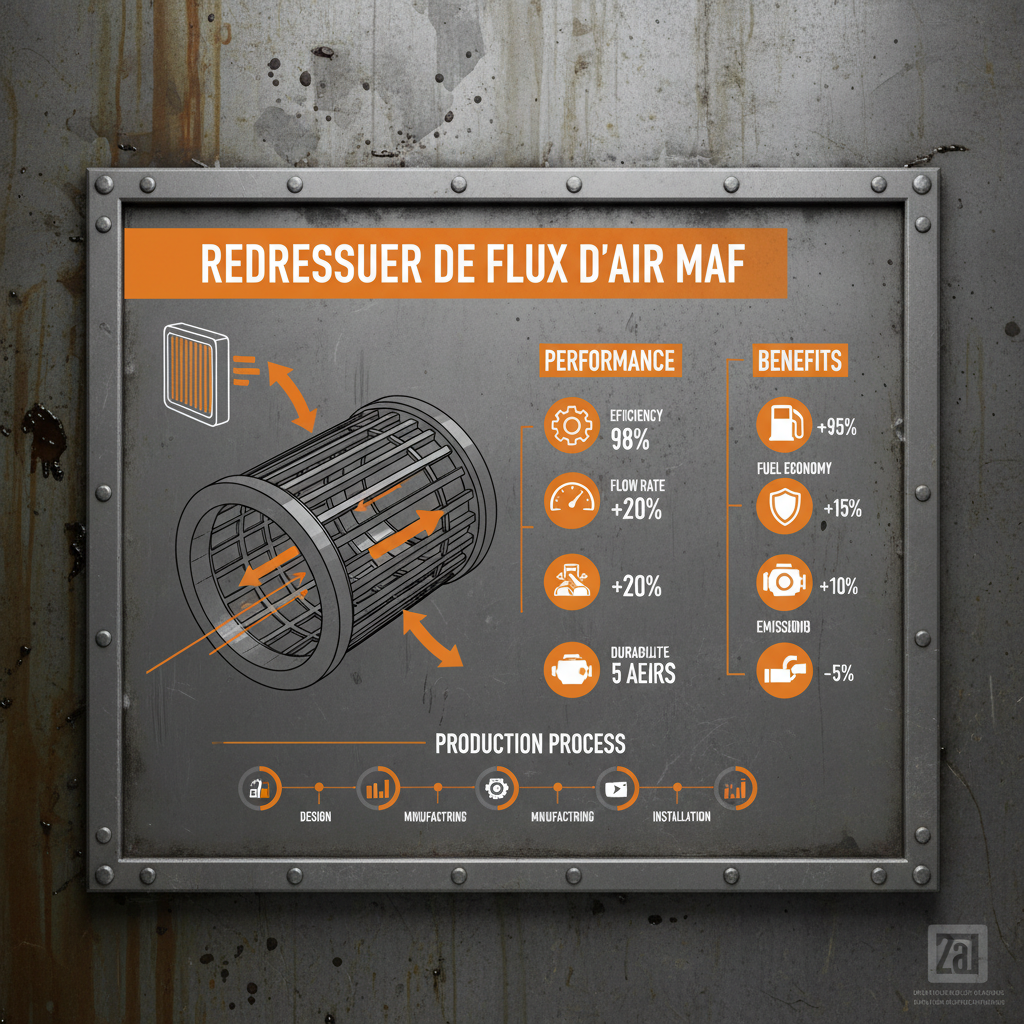
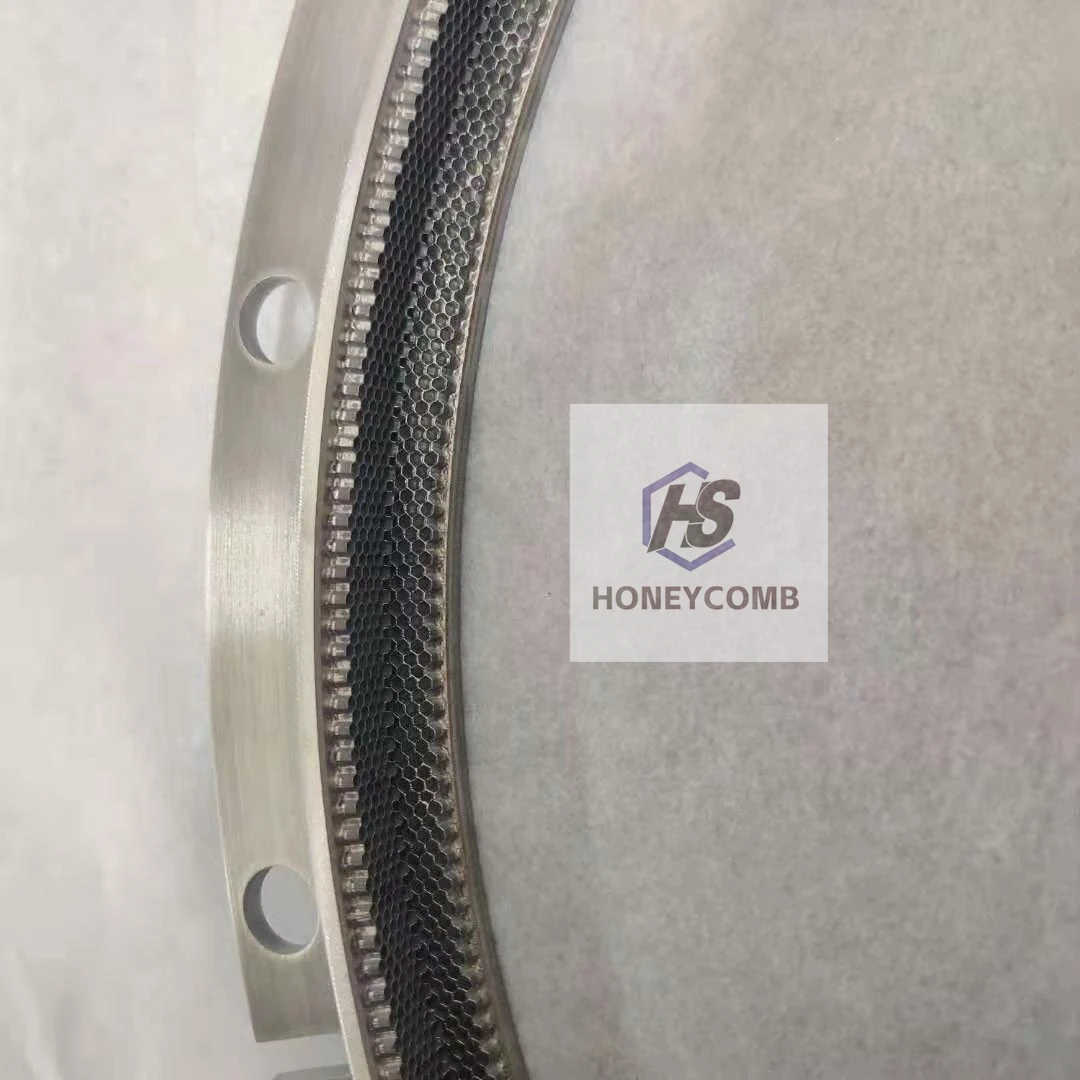
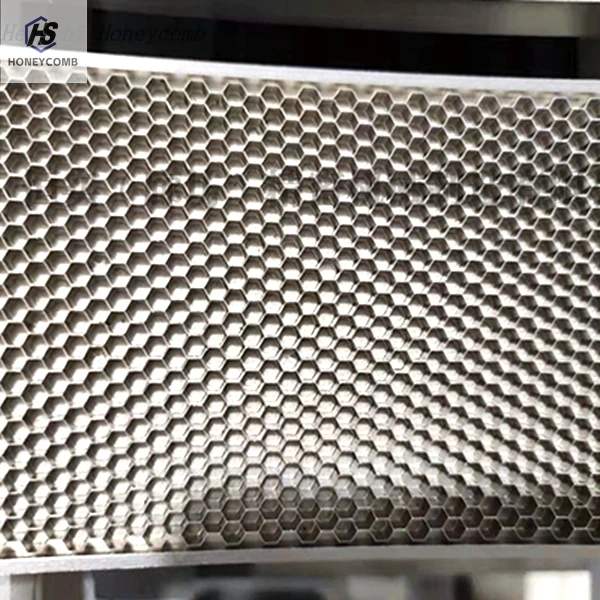
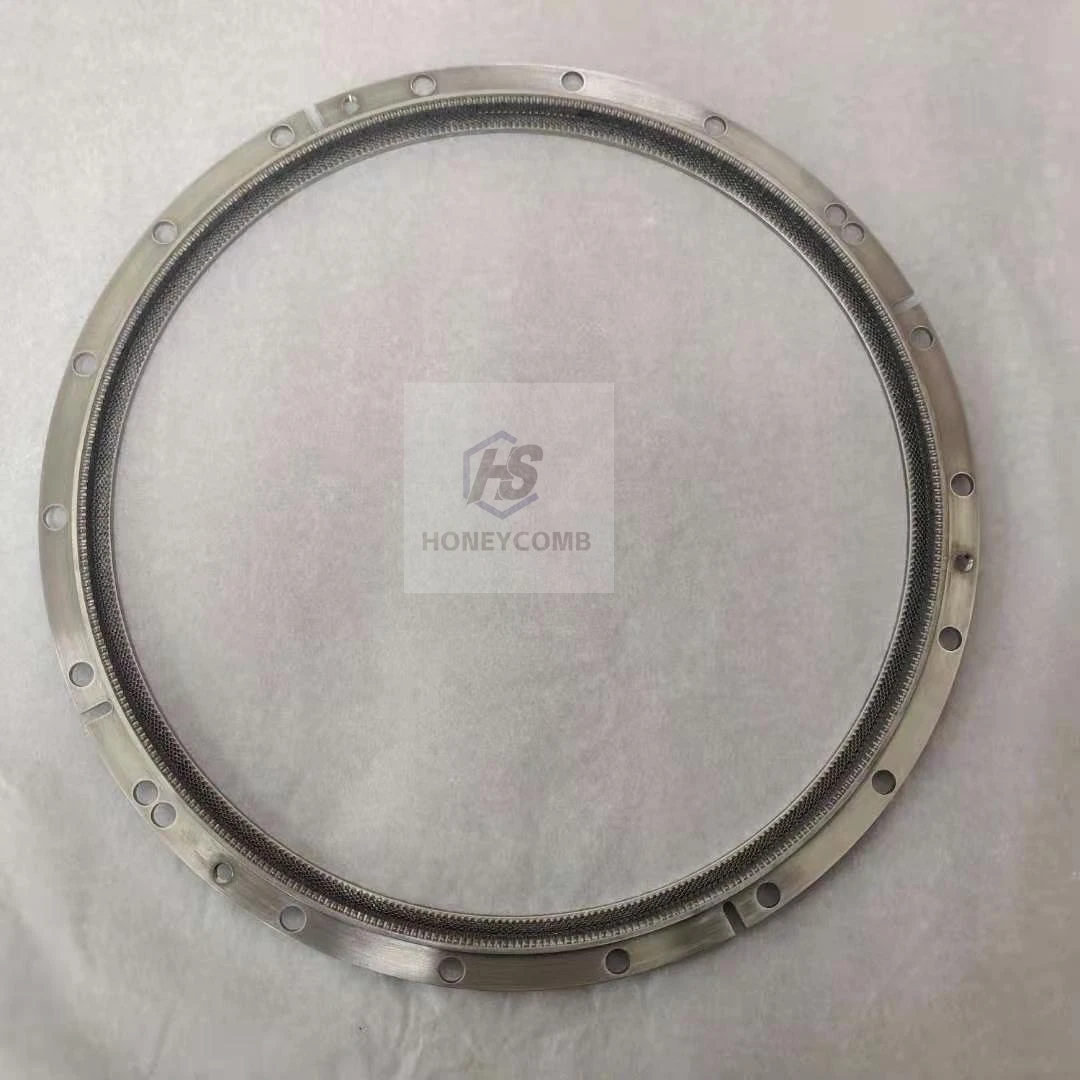
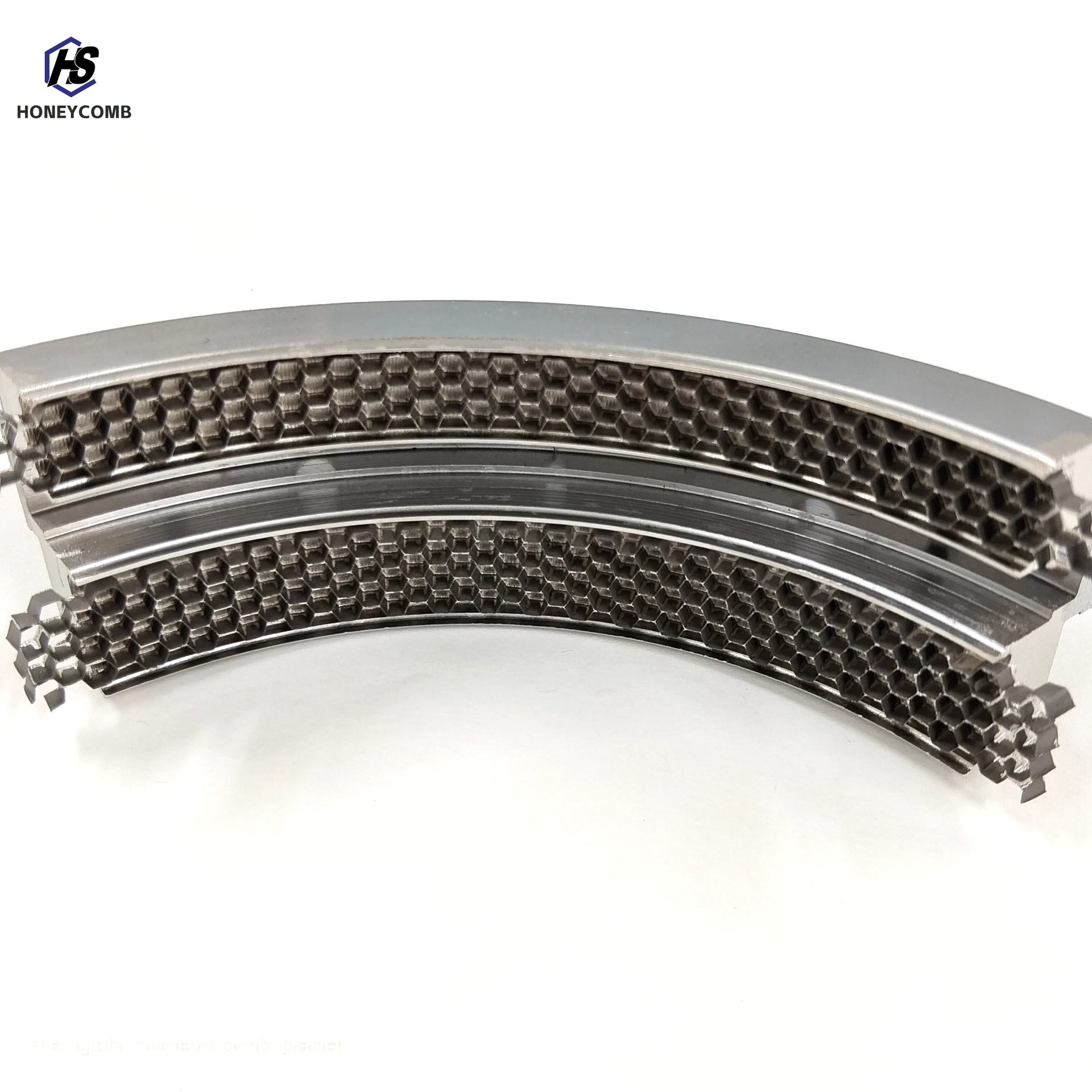
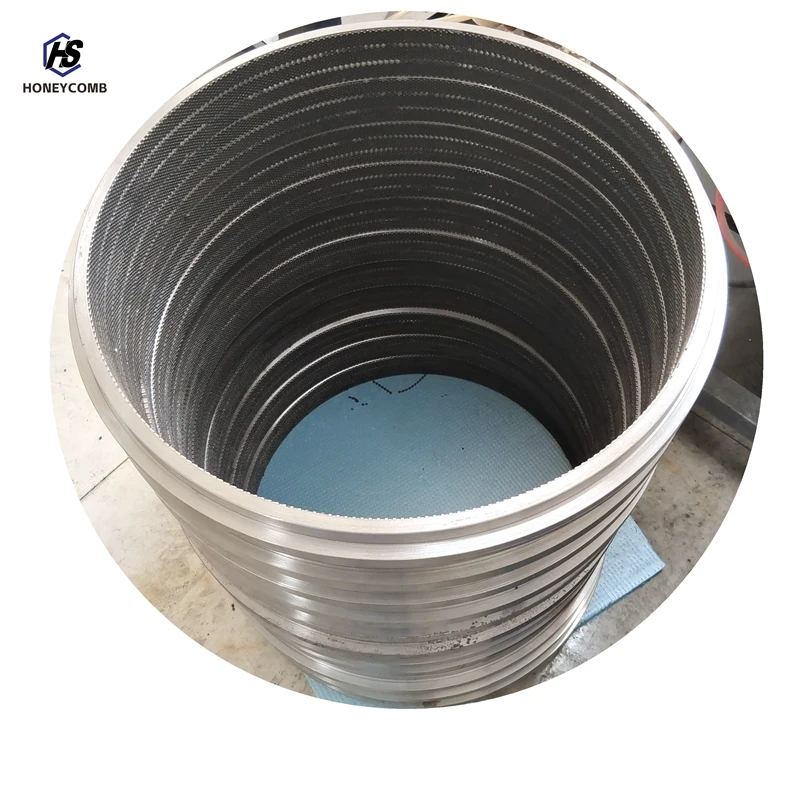
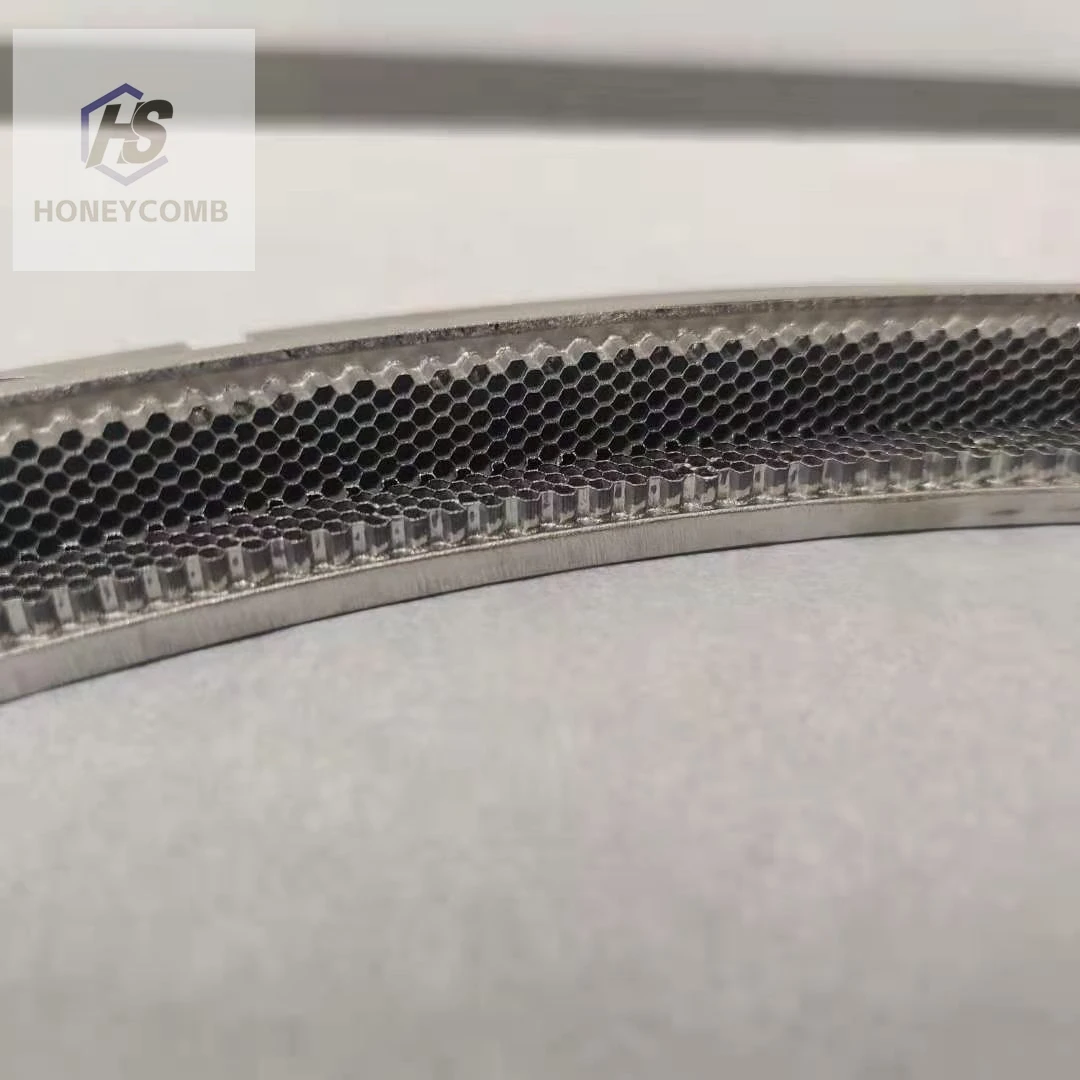
A redresseur de flux d'air, or airflow rectifier, is a device designed to convert swirling or turbulent airflow into a more streamlined and unidirectional flow. It typically consists of an array of carefully designed vanes or blades arranged within a duct or housing. These vanes work by redirecting the airflow, minimizing turbulence and maximizing flow velocity in the desired direction. This process is essential for optimizing the performance of ventilation systems, cooling towers, and other applications where controlled airflow is critical. The effectiveness of an airflow rectifier relies on its precise design and the material used for construction.
Key Benefits: Reduced turbulence, increased airflow efficiency, improved system performance, and energy savings.
Applications of Airflow Rectifiers
Airflow rectifiers find application in a wide range of industries and systems. Common uses include: Cooling Towers – Improving water distribution and maximizing heat transfer efficiency. HVAC Systems – Enhancing airflow distribution and reducing energy consumption. Data Centers – Providing precise airflow control for optimal cooling of server racks. Wind Tunnels – Creating a smooth and consistent airflow for testing and research. Industrial Ventilation – Removing contaminants and maintaining air quality. Cleanrooms – Maintaining laminar airflow to prevent contamination. The versatility of these devices makes them a valuable addition to any system requiring precise airflow control. HSHI Honeycomb offers tailored airflow rectifier solutions to meet the unique requirements of each application.
Application Benefits:
• Enhanced cooling efficiency in cooling towers.
• Reduced energy consumption in HVAC systems.
• Improved server performance in data centers.
• Precise airflow control in industrial processes.
Redresseur de Flux d'Air Design Considerations
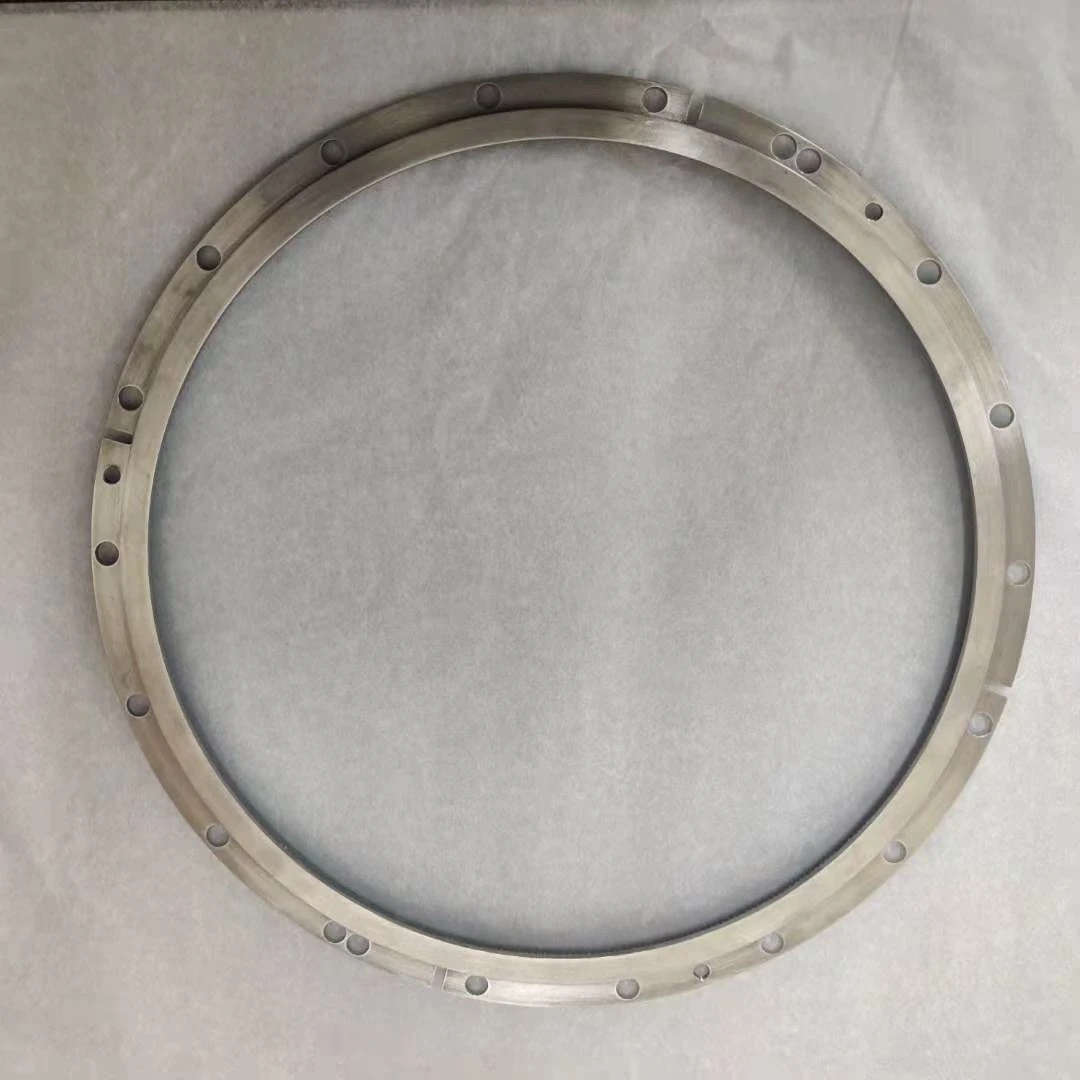
Selecting the right airflow rectifier requires careful consideration of several factors. The duct geometry, airflow velocity, and the desired level of flow straightening all influence the optimal design. Vane angle, vane spacing, and material selection are critical parameters. Materials such as aluminum, stainless steel, and engineered polymers are commonly used, depending on the application’s environmental conditions and corrosion resistance requirements. Properly designed airflow rectifiers minimize pressure drop while maximizing flow straightening. HSHI Honeycomb’s engineering team can provide customized designs based on your specific needs and performance requirements.
HSHI Honeycomb: Your Partner for Airflow Solutions
At HSHI Honeycomb, we specialize in the design and manufacture of high-performance airflow rectifiers. We utilize advanced modeling techniques and rigorous testing to ensure our products deliver optimal performance and reliability. Our team of experienced engineers works closely with clients to understand their specific requirements and develop customized solutions. We offer a wide range of materials and configurations to suit diverse applications and budgets. Contact us today to discuss your airflow challenges and discover how we can help you improve your system’s efficiency and performance.
Conclusion: Optimizing Airflow for Enhanced Performance
Investing in a high-quality redresseur de flux d'air from HSHI Honeycomb is a strategic decision that can lead to significant improvements in system efficiency, reduced energy costs, and enhanced performance. Our commitment to innovation and customer satisfaction ensures that you receive a tailored solution that meets your specific needs.
Frequently Asked Questions (FAQs)
What is the typical payback period for installing an airflow rectifier?
The payback period for installing an airflow rectifier varies depending on the application and the energy savings achieved. However, in many cases, the reduced energy consumption and improved system performance can result in a payback period of less than one year. This is particularly true in applications with high airflow volumes and significant pressure losses. HSHI Honeycomb can provide a detailed cost-benefit analysis to help you determine the potential payback period for your specific application. We consider factors such as energy costs, system operating hours, and the initial investment cost.
What maintenance is required for airflow rectifiers?
Airflow rectifiers generally require minimal maintenance. Regular inspection for dust accumulation is recommended, as excessive dust can reduce performance. Cleaning can be performed with a soft brush or vacuum cleaner. It is also important to periodically check the structural integrity of the vanes and ensure they are securely mounted. HSHI Honeycomb’s airflow rectifiers are designed for long-term durability and require minimal upkeep.
Can airflow rectifiers be retrofitted into existing systems?
Yes, airflow rectifiers can often be retrofitted into existing systems. However, a thorough assessment of the duct geometry and airflow characteristics is necessary to ensure proper fit and performance. HSHI Honeycomb offers site surveys and engineering support to determine the feasibility of retrofitting and to design a custom solution that meets your needs. We can adapt our designs to fit existing constraints and minimize installation costs.
What materials are used in the construction of HSHI Honeycomb airflow rectifiers?
We utilize a variety of high-quality materials, including aluminum, stainless steel, and engineered polymers, depending on the specific application requirements. Aluminum offers a good balance of strength and weight, while stainless steel provides superior corrosion resistance. Engineered polymers are ideal for applications where chemical resistance and lightweight construction are critical. We carefully select materials to ensure durability, longevity, and optimal performance in the intended environment.

-
Industrial Airflow Guide for maf воздушная правильная машинаNewsApr.16,2026
-
Best maf струйно правильная машина for Industrial EfficiencyNewsApr.09,2026
-
Сотовая правильная машина A Comprehensive Guide to Honey Packing AutomationNewsApr.07,2026
-
Build Your Own DIY газоправильная Машина A Comprehensive Guide to Gas CorrectionNewsApr.04,2026
-
Understanding Кондиционер отопления Systems for Efficient and Comfortable HeatingNewsMar.31,2026
-
Comprehensive Guide to Cellular Blinds Installation Установка сотовых жалюзиNewsMar.28,2026
-
Mobile Aerodynamic Tunnel Design A Comprehensive Guide to Applications and ImplementationNewsMar.26,2026






 English
  Afrikaans
  Albanian
  Amharic
  Arabic
  Armenian
  Azerbaijani
  Basque
  Belarusian
  Bengali
  Bosnian
  Bulgarian
  Catalan
  Cebuano
  China
China  China (Taiwan)
  Corsican
  Croatian
  Czech
Czech  Danish
  Dutch
Dutch  Esperanto
  Estonian
  Finnish
  French
  Frisian
  Galician
  Georgian
  German
  Greek
Greek  Gujarati
  Haitian Creole
  Hausa
Hausa  Hawaiian
  Hebrew
  Hindi
Hindi  Miao
Miao  Indonesian
  Italian
  Japanese
  Javanese
  Malay
Malay  Persian
  Portuguese
  Punjabi
  Russian
  Spanish
  Swahili
  Telugu
  Vietnamese