


Nov . 24, 2025 10:30
Back to list
Essential Guide to Honingraatafdichtingen for Industrial Uses
Why Honingraatafdichtingen Matter in Industrial Equipment
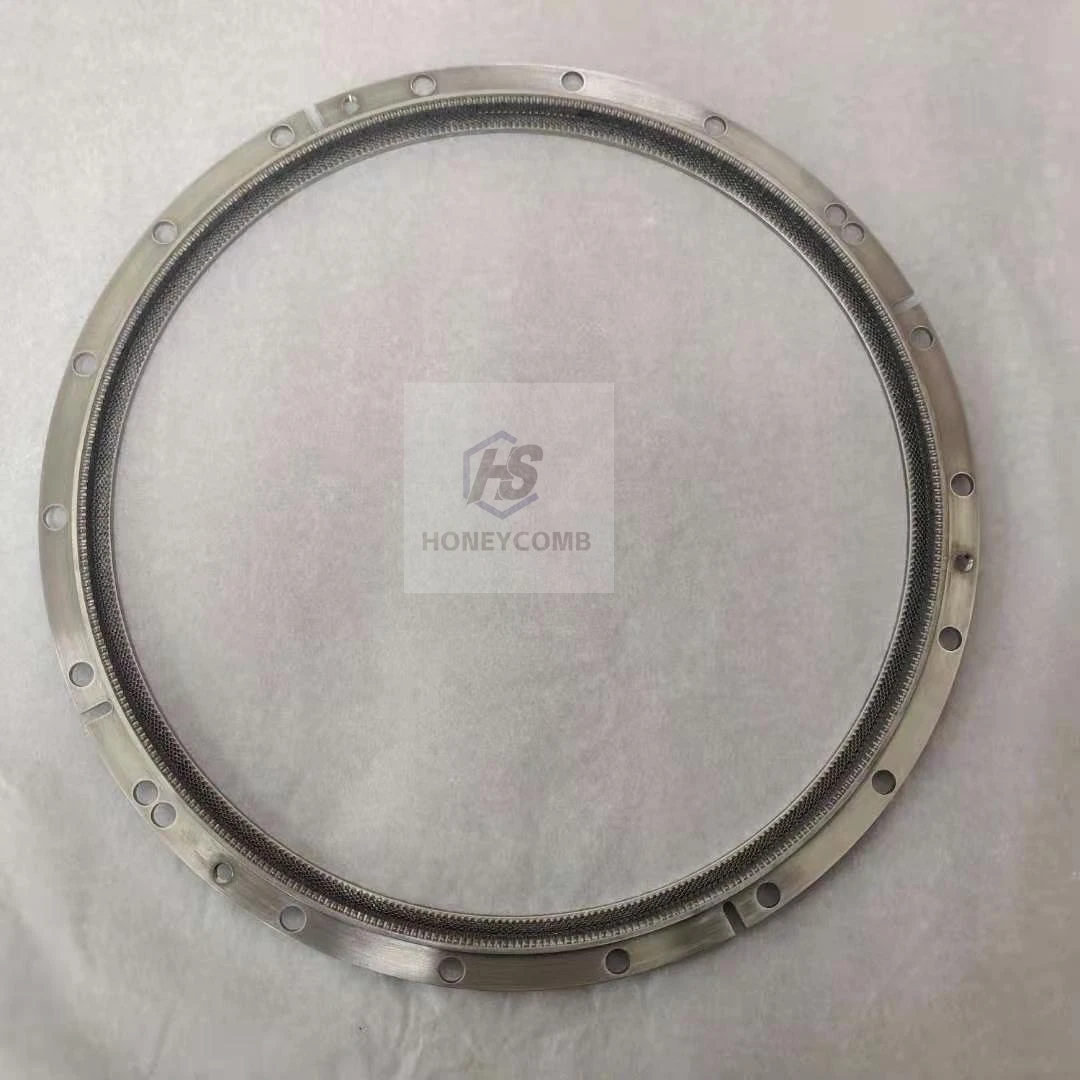
If you’re like me, having spent more than a decade elbow-deep in industrial machinery rooms, then you know the quiet heroes of equipment reliability often go unnoticed. One such unsung hero is the honingraatafdichting — or honeycomb seal, if you prefer the English translation — a component essential for minimizing leaks and maintaining the integrity of fluid or air systems. Frankly, many engineers and maintenance crews overlook how critical these seals are, until something goes sideways. Over the years, I’ve seen honingraatafdichtingen used widely in conveyor belts, turbines, compressors, and even more exotic machinery. Their honeycomb structure offers a clever balance: it’s rigid enough for pressure retention, yet flexible enough to withstand wear and misalignment. Sort of like a seal with a built-in shock absorber, if you will.Inside the Design of Honingraatafdichtingen
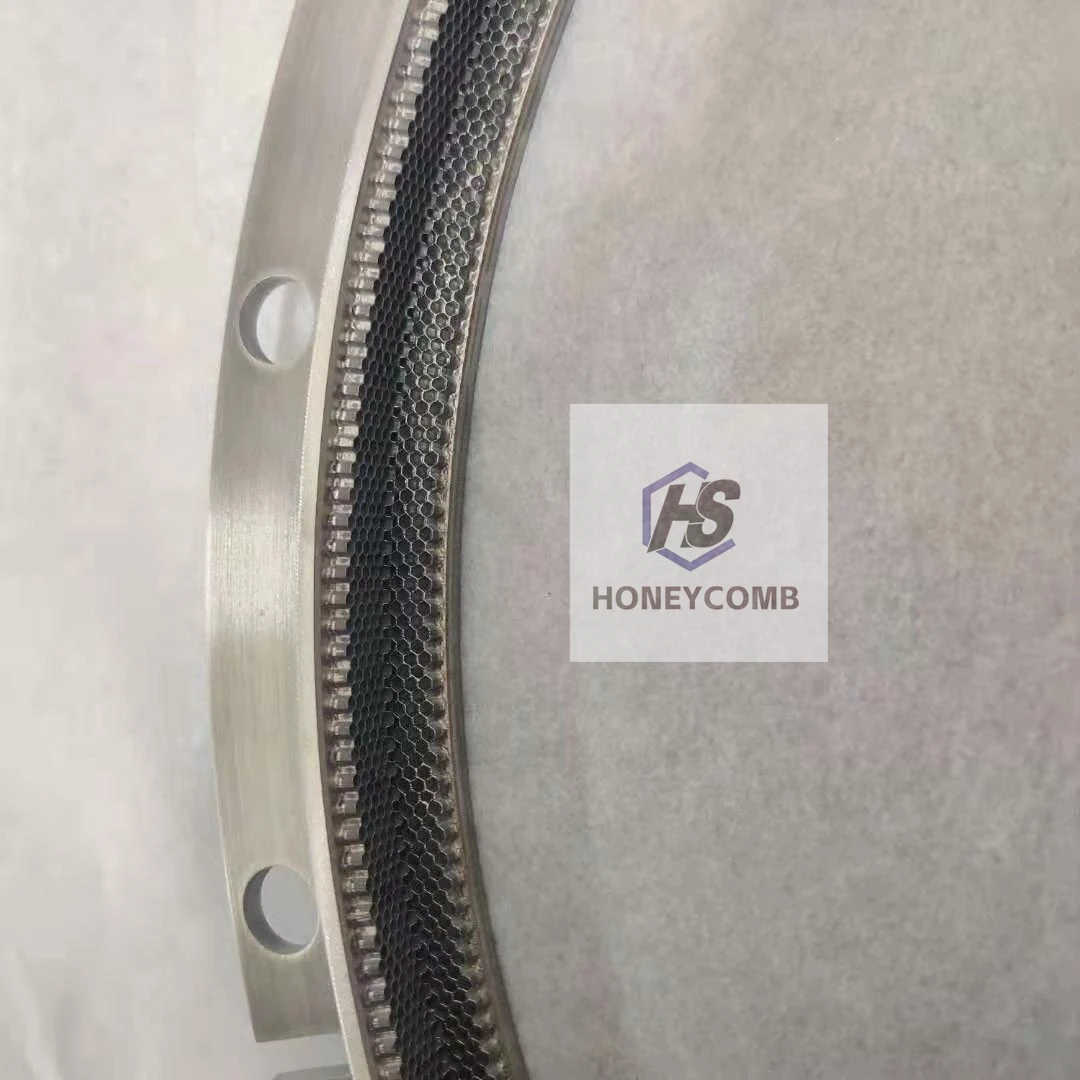
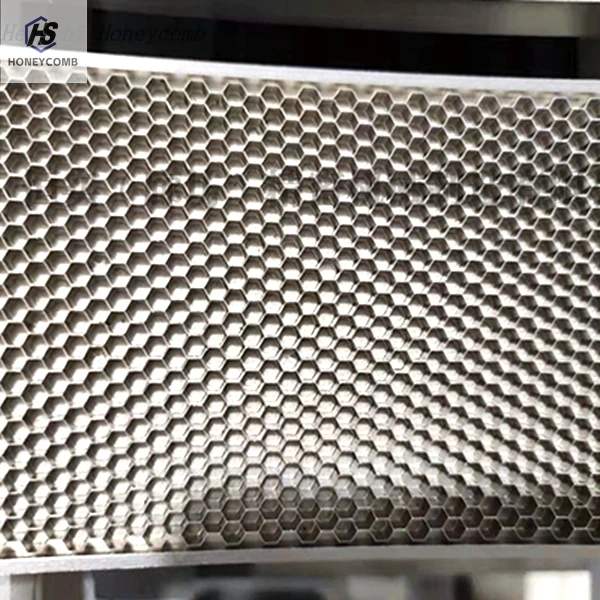
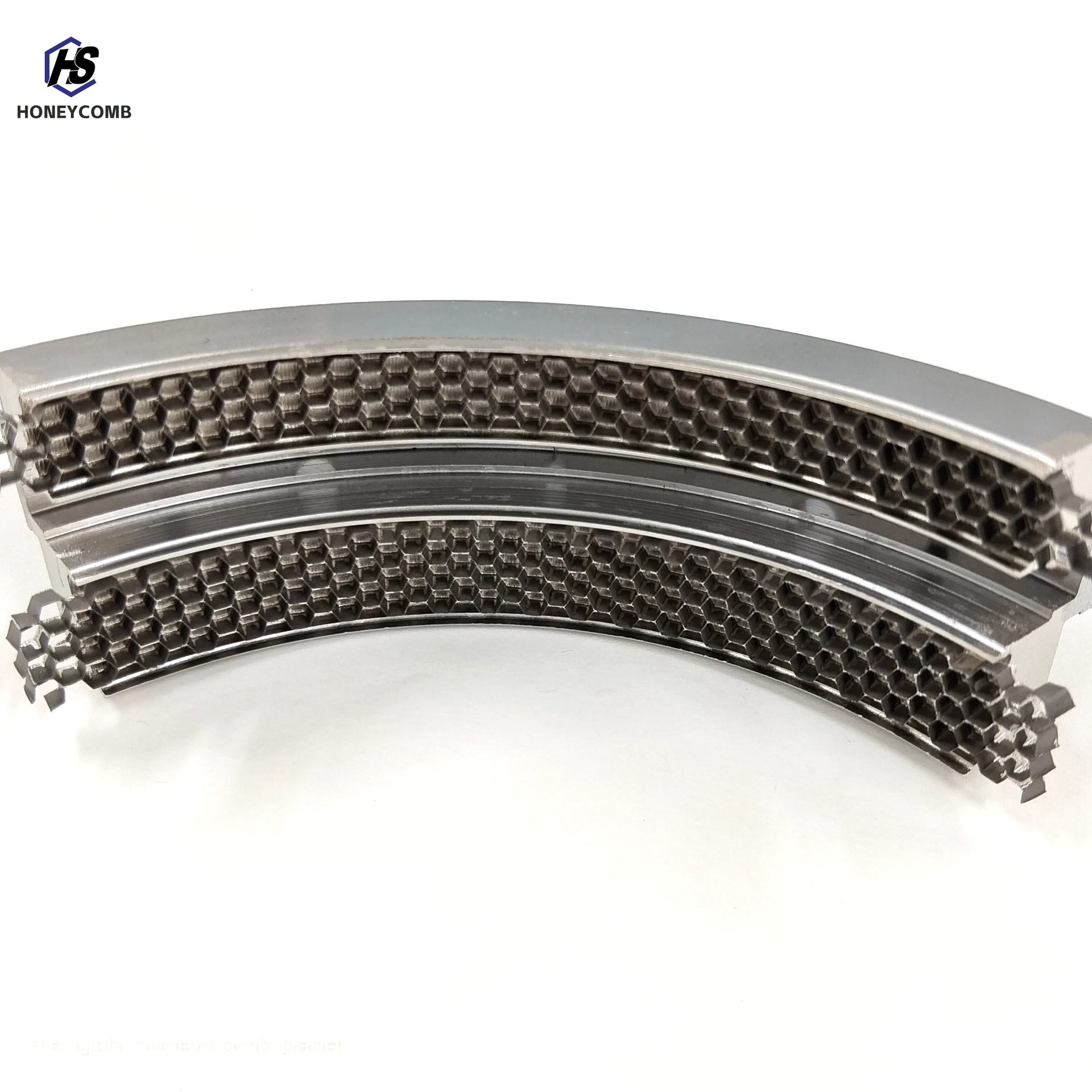
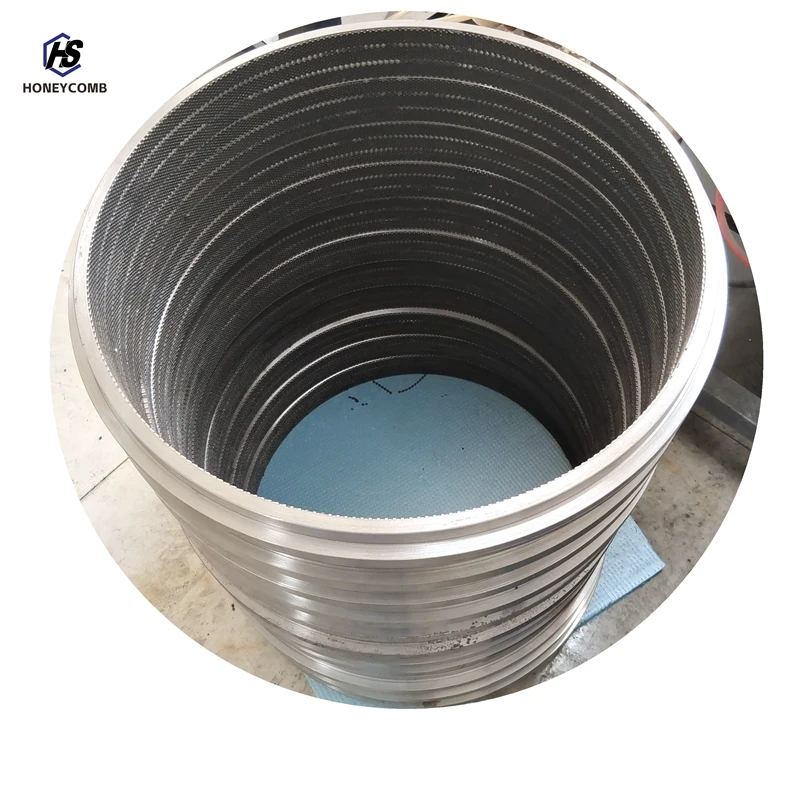
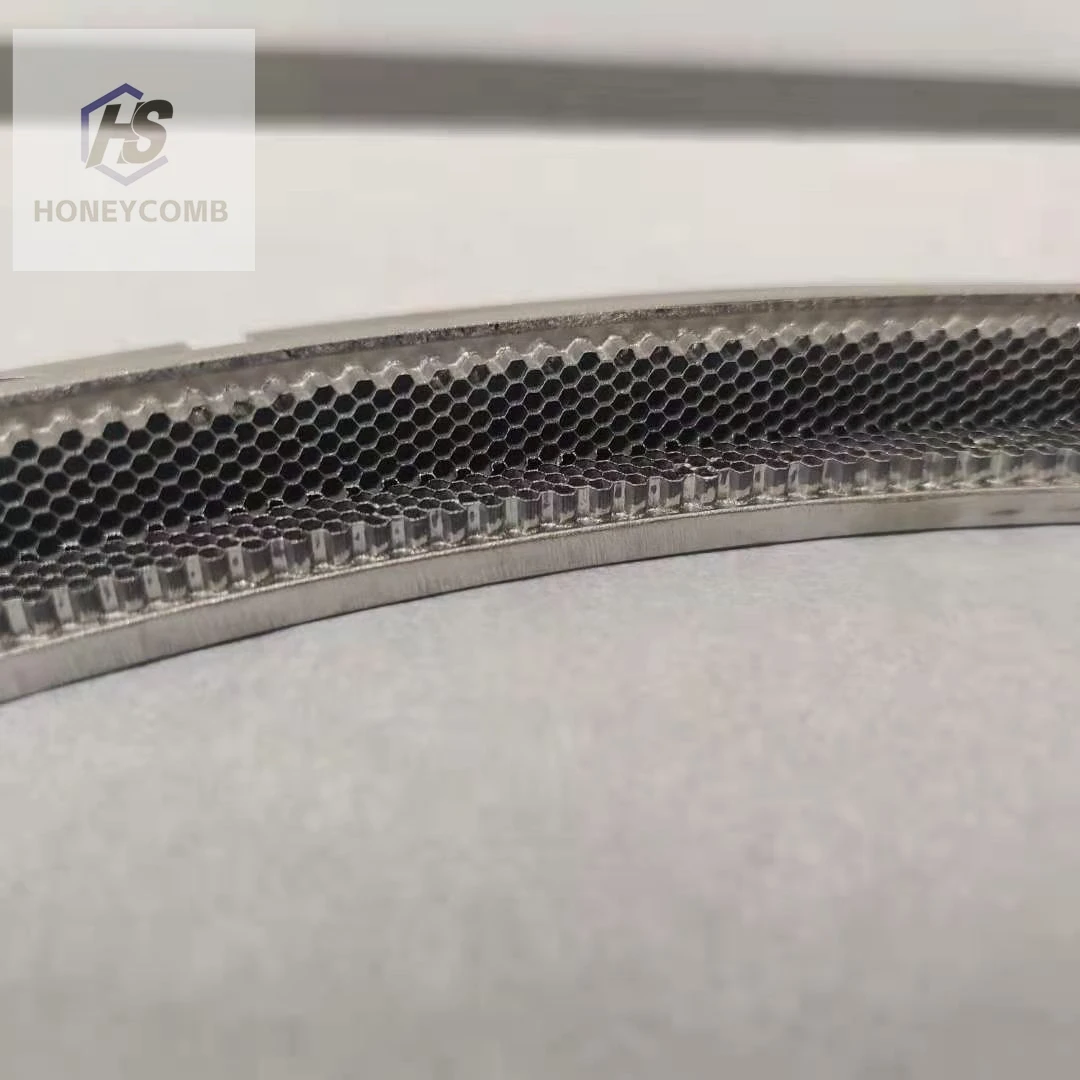
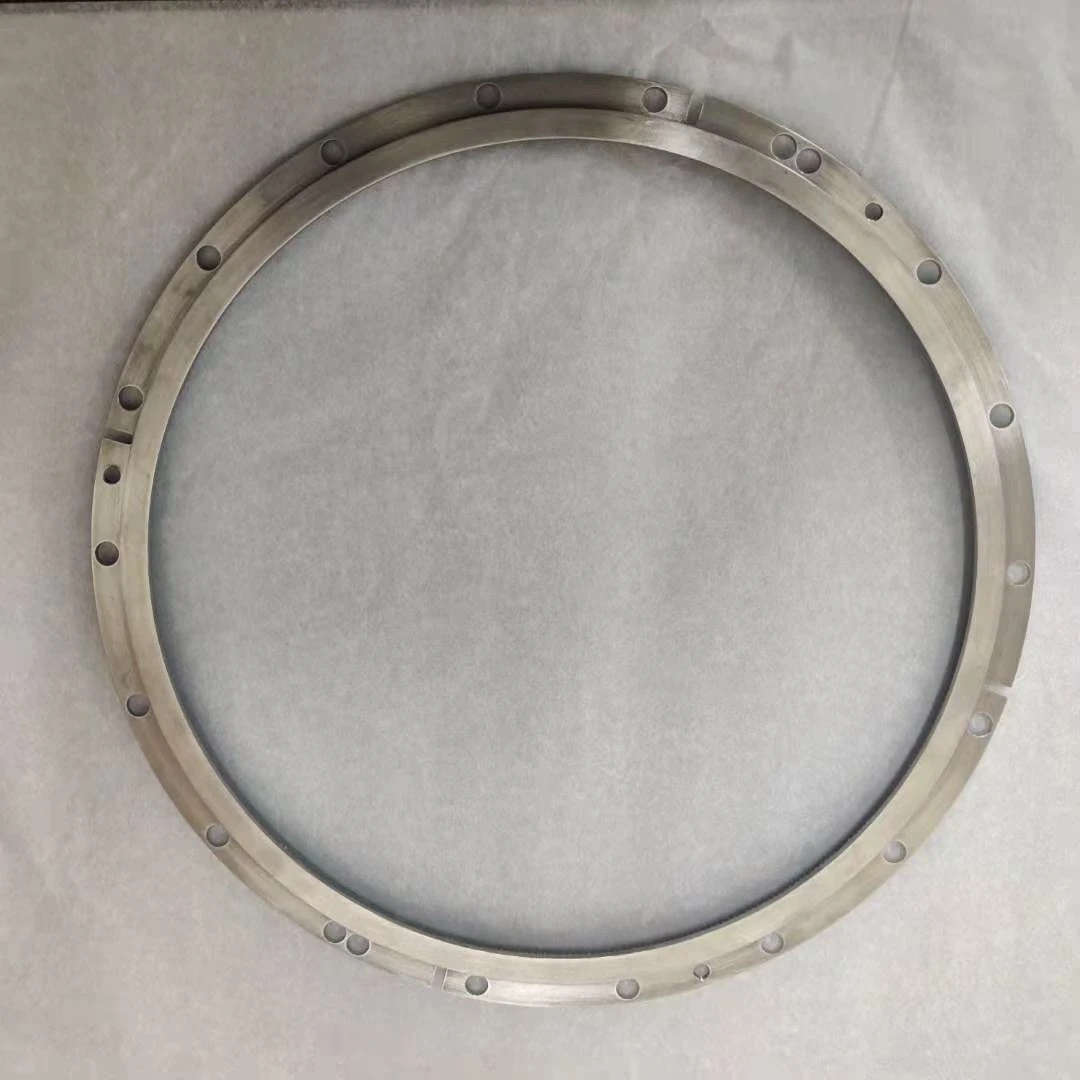
Digging a little deeper, these seals typically consist of a metal honeycomb core, often made from stainless steel or other corrosion-resistant alloys, overlaid with specialized sealing materials that resist abrasion and thermal stress. Oddly enough, the honeycomb geometry does more than just strengthen the structure — it provides a labyrinth path for leakage flow, which dramatically reduces true leakage rates compared to traditional seals. The design flexibility is what really catches my attention. Some vendors offer tight customization options in cell size, material thickness, and coating types, depending on the operating environment. It’s amazing how tweaking just one or two parameters can improve seal life by 30–40%. Naturally, testing under realistic conditions is crucial, and good manufacturers run rigorous pressure, thermal cycling, and endurance tests.| Specification | Typical Value | Notes |
|---|---|---|
| Honeycomb Core Material | Stainless Steel (304, 316L) | Corrosion and heat resistant |
| Cell Size (mm) | 0.5 – 1.5 | Tailored to flow & pressure needs |
| Seal Thickness (mm) | 1.0 – 3.0 | Depends on installation space |
| Operating Temperature (°C) | -40 to 600 | Varies with coating type |
| Pressure Capacity (bar) | Up to 10 | Dependent on seal design |
Comparing Honingraatafdichtingen Vendors: What to Look For
Despite the fairly straightforward concept, the options on the market range widely. I remember a long discussion with a colleague who swore by one brand’s exceptional durability, whereas another emphasized cost-effectiveness above all else. The truth sort of lands somewhere in between — balance is key. Let me share a quick comparison of some leading honingraatafdichtingen providers. This should help give a clearer picture when you're vetting suppliers.| Vendor | Material Range | Customization Level | Typical Lead Time | Price Range |
|---|---|---|---|---|
| HoneyComb Solutions | Stainless steel, nickel alloys | High (cell size, coatings) | 3–4 weeks | $$$ |
| Industrial Seal Tech | Stainless steel 304/316 | Medium (standard sizes) | 2–3 weeks | $$ |
| HSHi Honeycomb | Wide metal alloys, advanced coatings | Very High (tailored solutions) | 2–4 weeks | $$$ |
Real-World Use: A Quick Customer Insight
I recall a case where a conveyor belt manufacturer struggled with leakages in pneumatic conveyors. Installing these honingraatafdichtingen—particularly from a supplier offering custom cell sizes and thick coatings—dramatically reduced downtime. The customer reported noticeable improvements in seal longevity, translating into fewer maintenance checks and lower operational costs. It’s affirming to see how something as “simple” as a honingraatafdichting can ripple through an entire production chain. In real terms, whether you’re designing new equipment or refurbishing existing setups, integrating honingraatafdichtingen thoughtfully can pay dividends. Sometimes, you think “ah, it’s just a seal,” but no, it’s a small marvel of engineering that quietly guards the whole operation. --- To wrap up, if honingraatafdichtingen aren’t yet part of your machinery checklist, consider giving them a closer look. They combine innovation, proven design, and field-proven durability — all wrapped into a neat honeycomb structure. For the curious: many suppliers, including the folks at HSHi Honeycomb, offer tailored options that can make a tangible difference to your equipment’s lifecycle. I hope this sheds some light for those scratching their heads about seals. And if nothing else, next time you spot a honeycomb pattern, you might just think “seal” instead of “beehive.” – From a worn-in industrial technologist who knows a thing or two about gears, belts, and those seemingly minor, yet mighty, sealing solutions.
References & musings:
1. Field observations at multiple pneumatic conveyor installations, 2016–2023.
2. Vendor catalogs and material data sheets from HSHi Honeycomb and competitors.
3. Personal conversations with maintenance engineers regarding seal failures and solutions.
1. Field observations at multiple pneumatic conveyor installations, 2016–2023.
2. Vendor catalogs and material data sheets from HSHi Honeycomb and competitors.
3. Personal conversations with maintenance engineers regarding seal failures and solutions.

Latest news
-
Industrial Airflow Guide for maf воздушная правильная машинаNewsApr.16,2026
-
Best maf струйно правильная машина for Industrial EfficiencyNewsApr.09,2026
-
Сотовая правильная машина A Comprehensive Guide to Honey Packing AutomationNewsApr.07,2026
-
Build Your Own DIY газоправильная Машина A Comprehensive Guide to Gas CorrectionNewsApr.04,2026
-
Understanding Кондиционер отопления Systems for Efficient and Comfortable HeatingNewsMar.31,2026
-
Comprehensive Guide to Cellular Blinds Installation Установка сотовых жалюзиNewsMar.28,2026
-
Mobile Aerodynamic Tunnel Design A Comprehensive Guide to Applications and ImplementationNewsMar.26,2026






 English
  Afrikaans
  Albanian
  Amharic
  Arabic
  Armenian
  Azerbaijani
  Basque
  Belarusian
  Bengali
  Bosnian
  Bulgarian
  Catalan
  Cebuano
  China
China  China (Taiwan)
  Corsican
  Croatian
  Czech
Czech  Danish
  Dutch
Dutch  Esperanto
  Estonian
  Finnish
  French
  Frisian
  Galician
  Georgian
  German
  Greek
Greek  Gujarati
  Haitian Creole
  Hausa
Hausa  Hawaiian
  Hebrew
  Hindi
Hindi  Miao
Miao  Indonesian
  Italian
  Japanese
  Javanese
  Malay
Malay  Persian
  Portuguese
  Punjabi
  Russian
  Spanish
  Swahili
  Telugu
  Vietnamese