


Optimizing Engine Performance with the redresseur d'air d'admission A Comprehensive Guide
Understanding the Redresseur d'Air d'Admission: A Comprehensive Guide
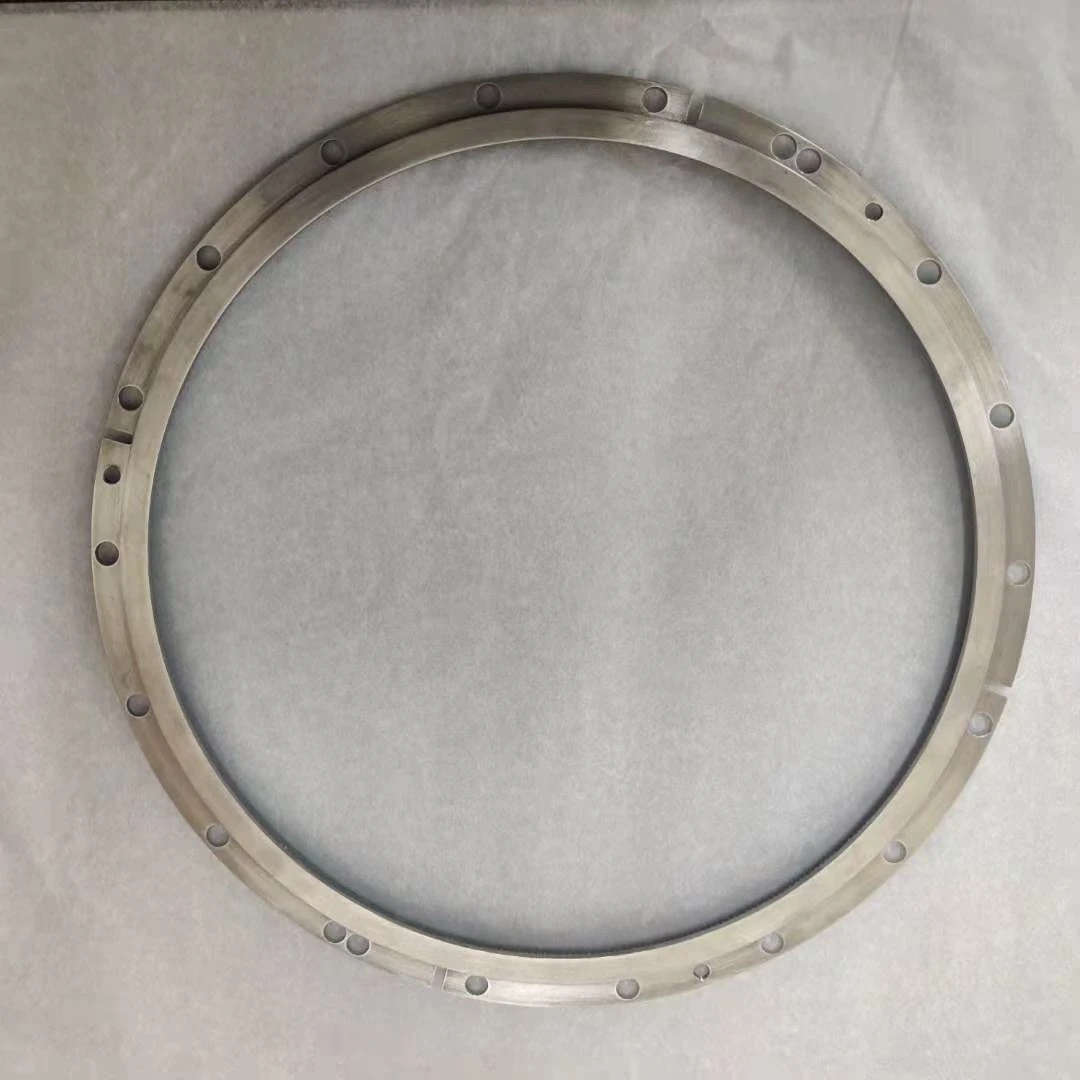
The redresseur d'air d'admission (air intake diffuser) is a crucial component in many engine systems, particularly in vehicles and industrial machinery. It plays a vital role in optimizing airflow into the engine, leading to improved performance, fuel efficiency, and reduced emissions. This article provides a detailed overview of the redresseur d'air d'admission, its function, benefits, applications, and the innovative solutions offered by HSHI Honeycomb. Understanding this component can unlock significant gains in engine operation and longevity.
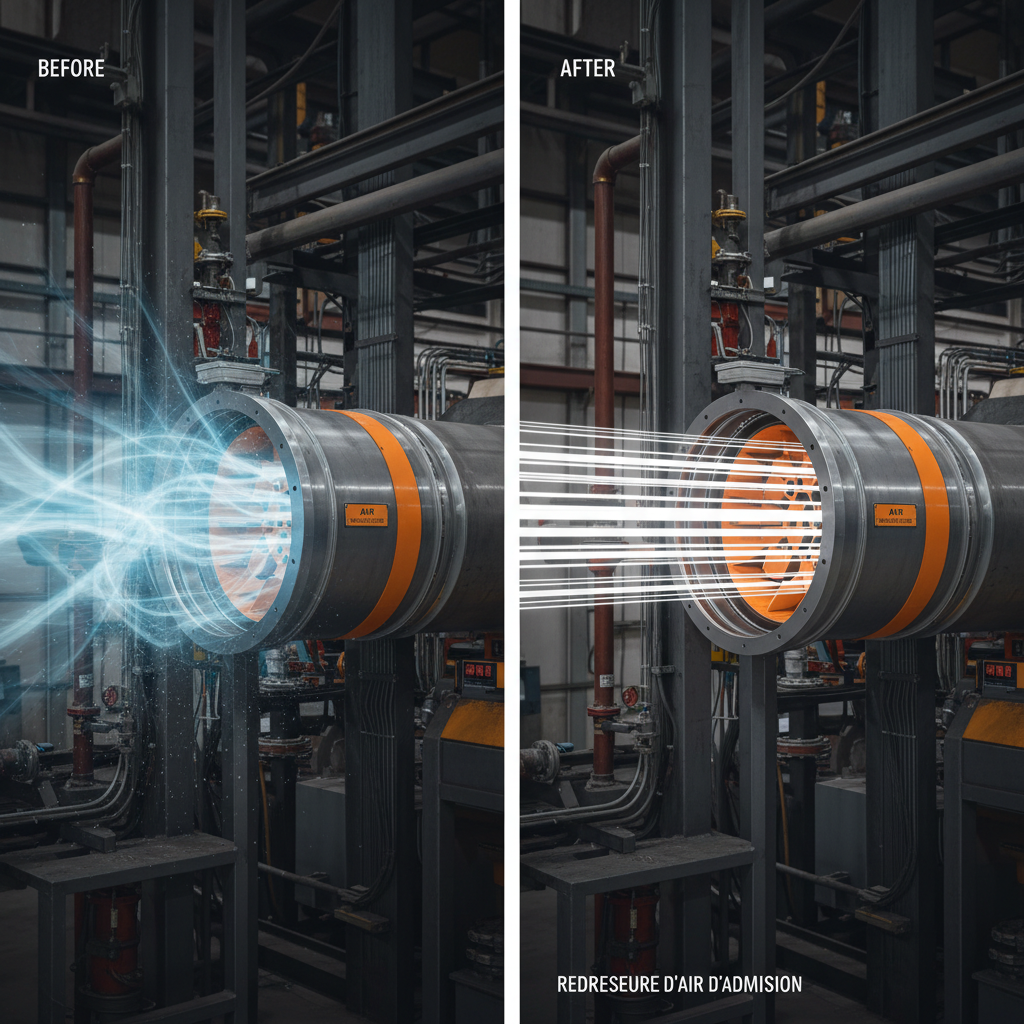
What is a Redresseur d'Air d'Admission and How Does it Work?
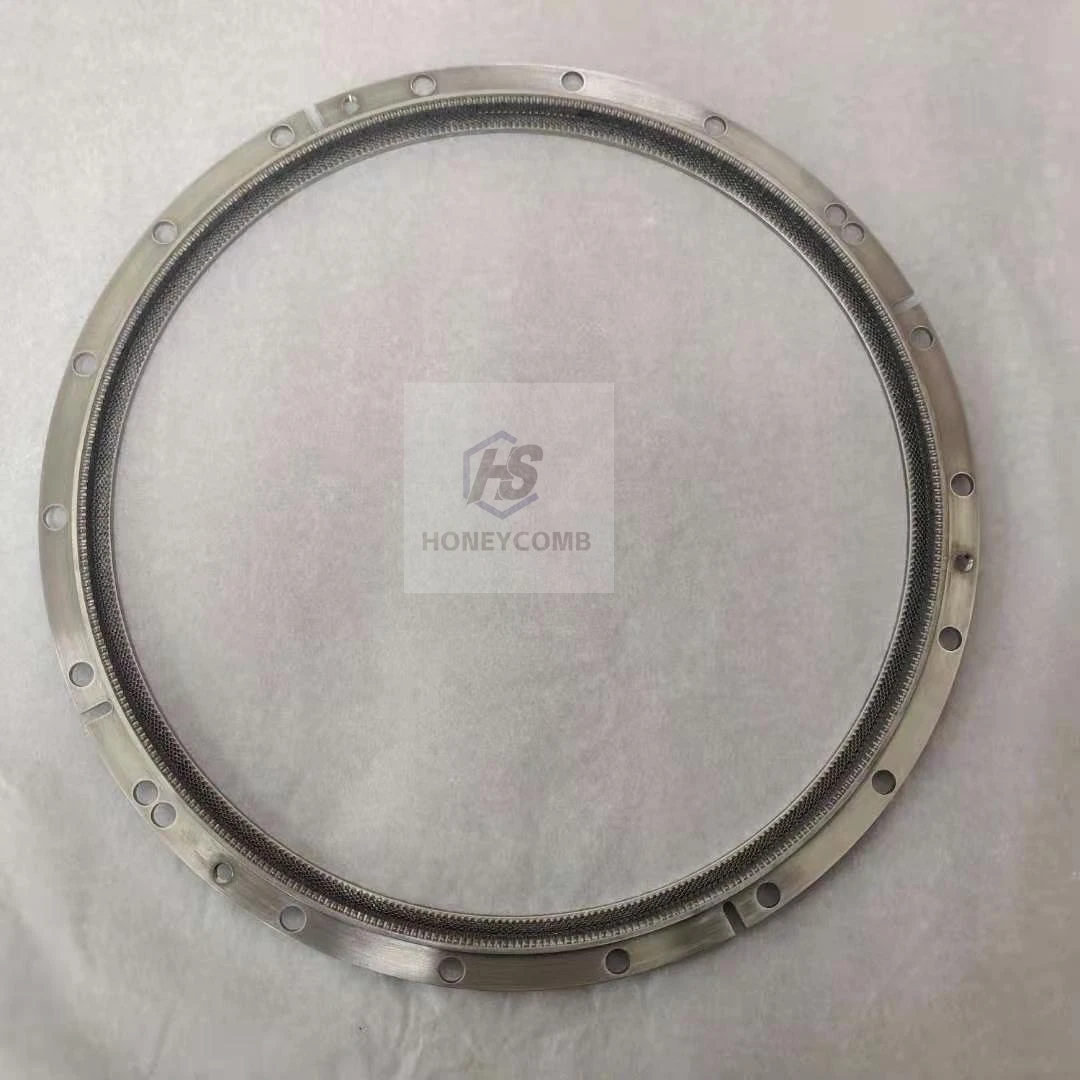
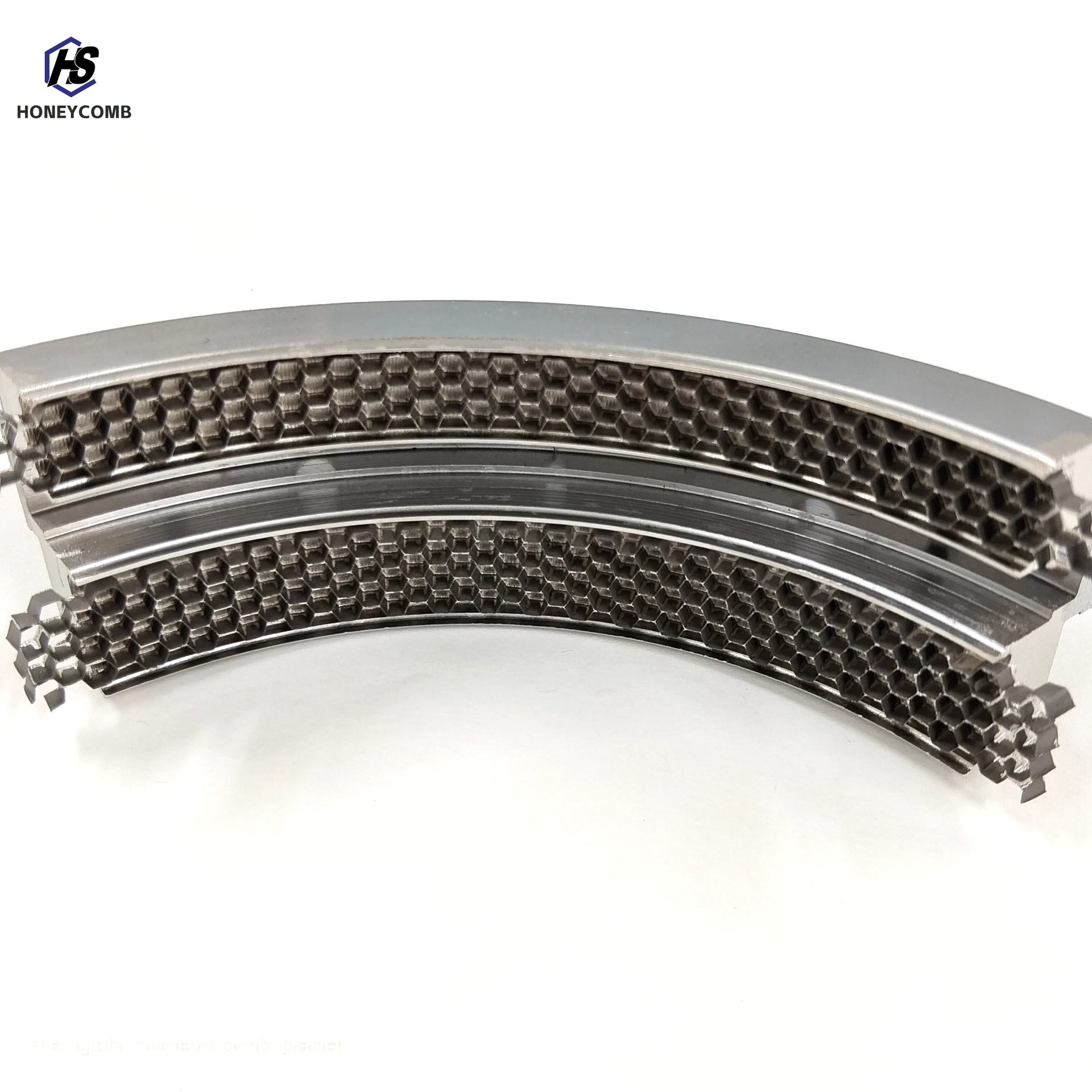
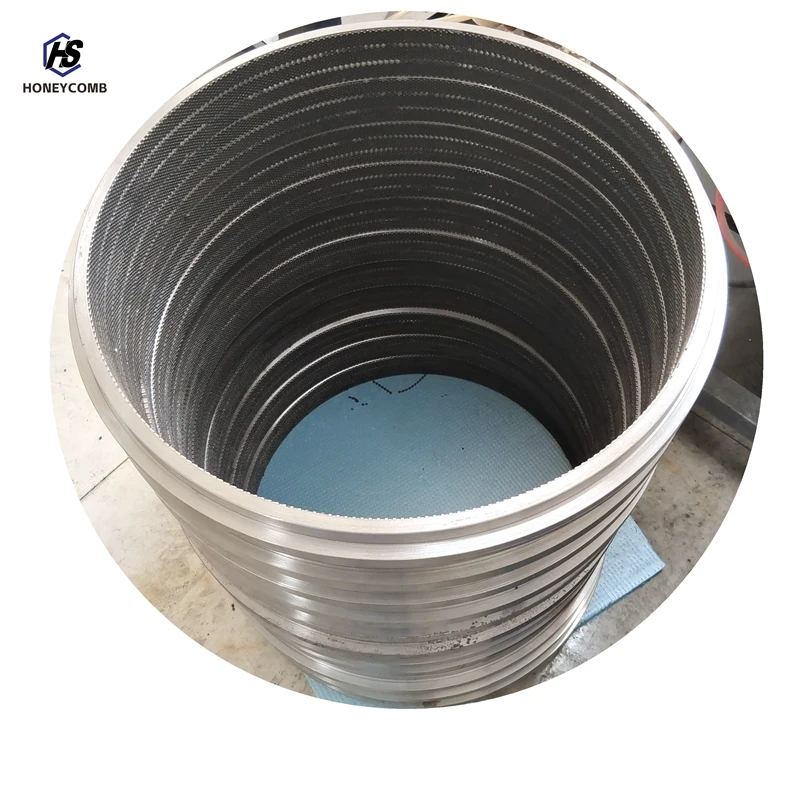
A redresseur d'air d'admission, often utilizing a honeycomb structure, is designed to straighten and evenly distribute airflow entering the engine's intake manifold. Turbulence in the airflow can reduce engine efficiency and power output. The diffuser's purpose is to minimize this turbulence, creating a more laminar flow. This is achieved by redirecting air currents that may be swirling or unevenly distributed. By improving the quality of airflow, the redresseur helps ensure optimal combustion, leading to better engine performance and reduced fuel consumption. HSHI Honeycomb specializes in designing and manufacturing high-performance redresseurs d'air d'admission using advanced materials and engineering techniques.
Key Benefits: Improved engine efficiency, increased power output, reduced fuel consumption, lower emissions, and enhanced engine longevity.
The Importance of the Honeycomb Structure in Redresseurs d'Air
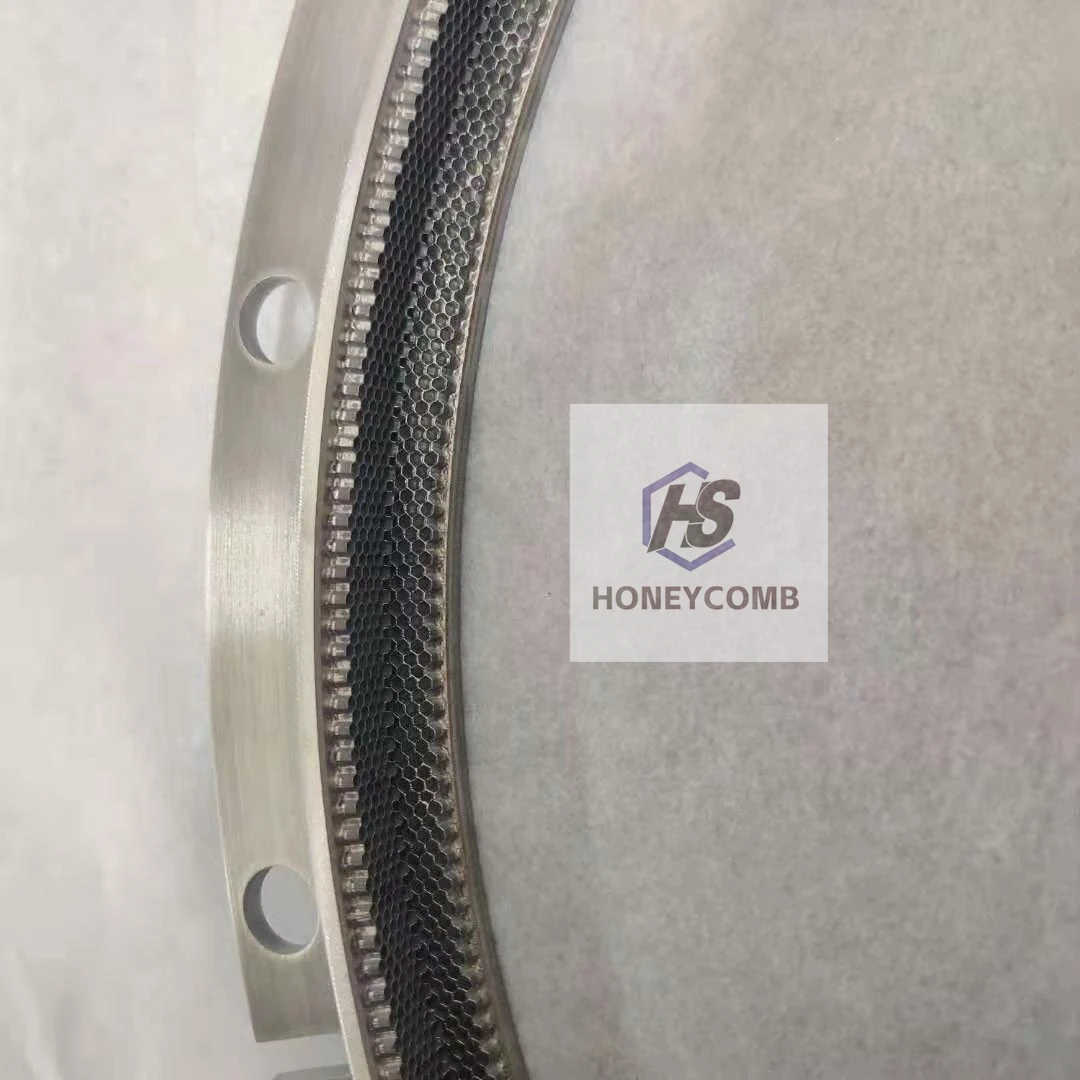
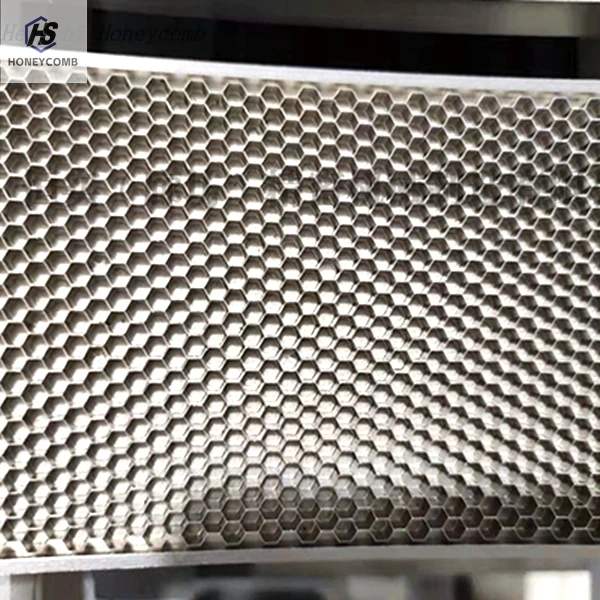
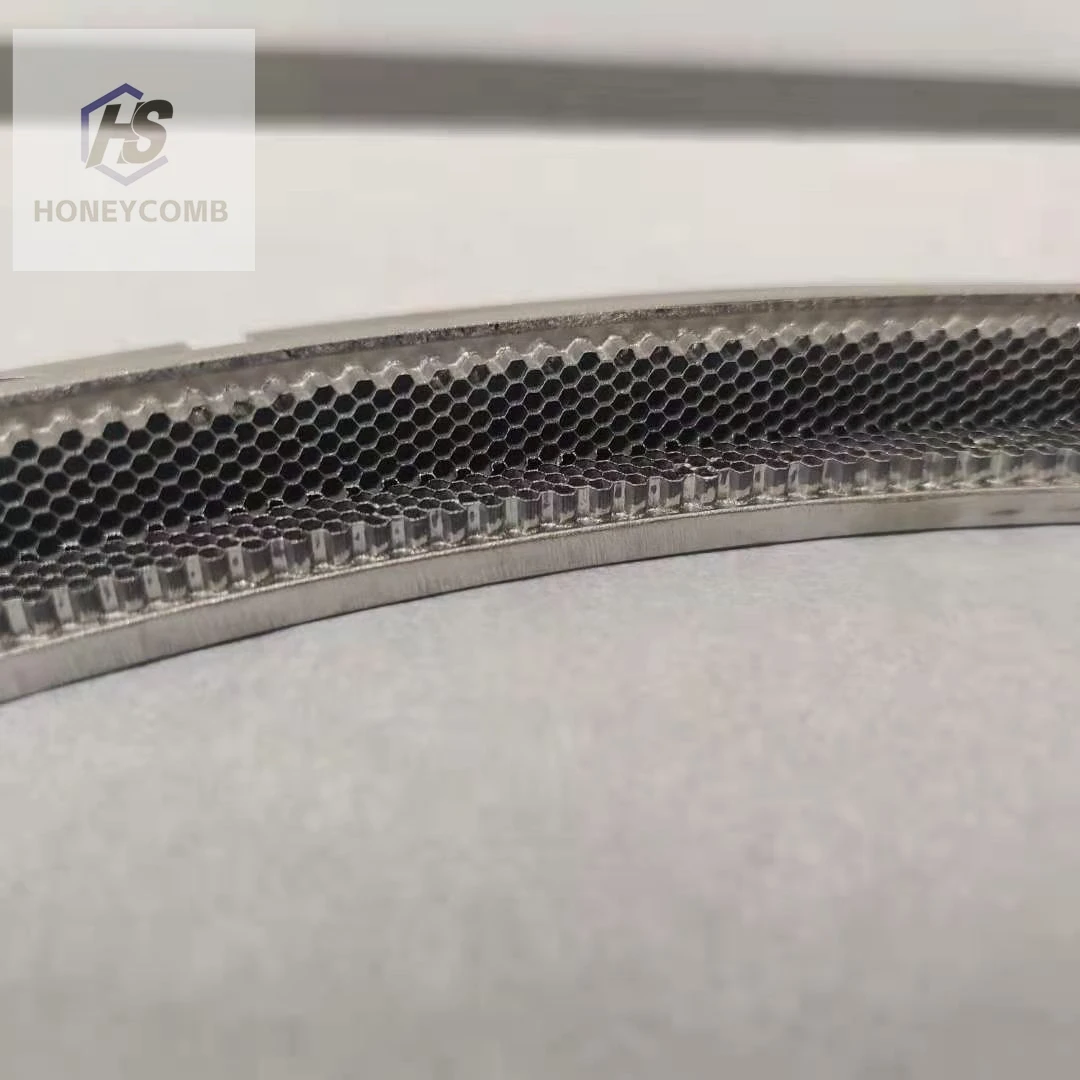
The honeycomb structure is central to the functionality of a modern redresseur d'air d'admission. This structure, comprised of numerous small, interconnected cells, provides a large surface area and creates a series of channels that effectively straighten airflow. The honeycomb design minimizes flow separation and reduces pressure drop, crucial factors in optimizing engine performance. The material used for the honeycomb is also critical – HSHI Honeycomb utilizes high-quality materials such as aluminum and specialized polymers to ensure durability and optimal airflow characteristics.
Honeycomb Structure Advantages:
• High surface area for efficient airflow straightening.
• Minimizes flow separation and turbulence.
• Reduces pressure drop for optimal engine performance.
• Lightweight and durable construction.
Redresseur d'Air d'Admission vs. Traditional Intake Systems
Traditional intake systems often lack the sophisticated airflow management capabilities of systems incorporating a redresseur d'air d'admission. Simple intake pipes or filters can create significant turbulence, hindering engine efficiency. A redresseur, particularly one with a well-designed honeycomb structure, actively works to correct and optimize the airflow. This leads to improved combustion, greater power output, and reduced emissions compared to older, less refined intake setups. The difference can be particularly noticeable in high-performance engines or vehicles designed for fuel economy.
Applications of Redresseurs d'Air d'Admission
Redresseurs d'air d'admission find applications across various industries, including automotive (passenger vehicles, trucks, motorcycles), aerospace, and industrial engines. In automotive engineering, they are vital for optimizing engine performance and fuel efficiency in both gasoline and diesel engines. Industrial applications include power generation equipment, compressors, and gas turbines. HSHI Honeycomb offers customized redresseur solutions tailored to specific application requirements.
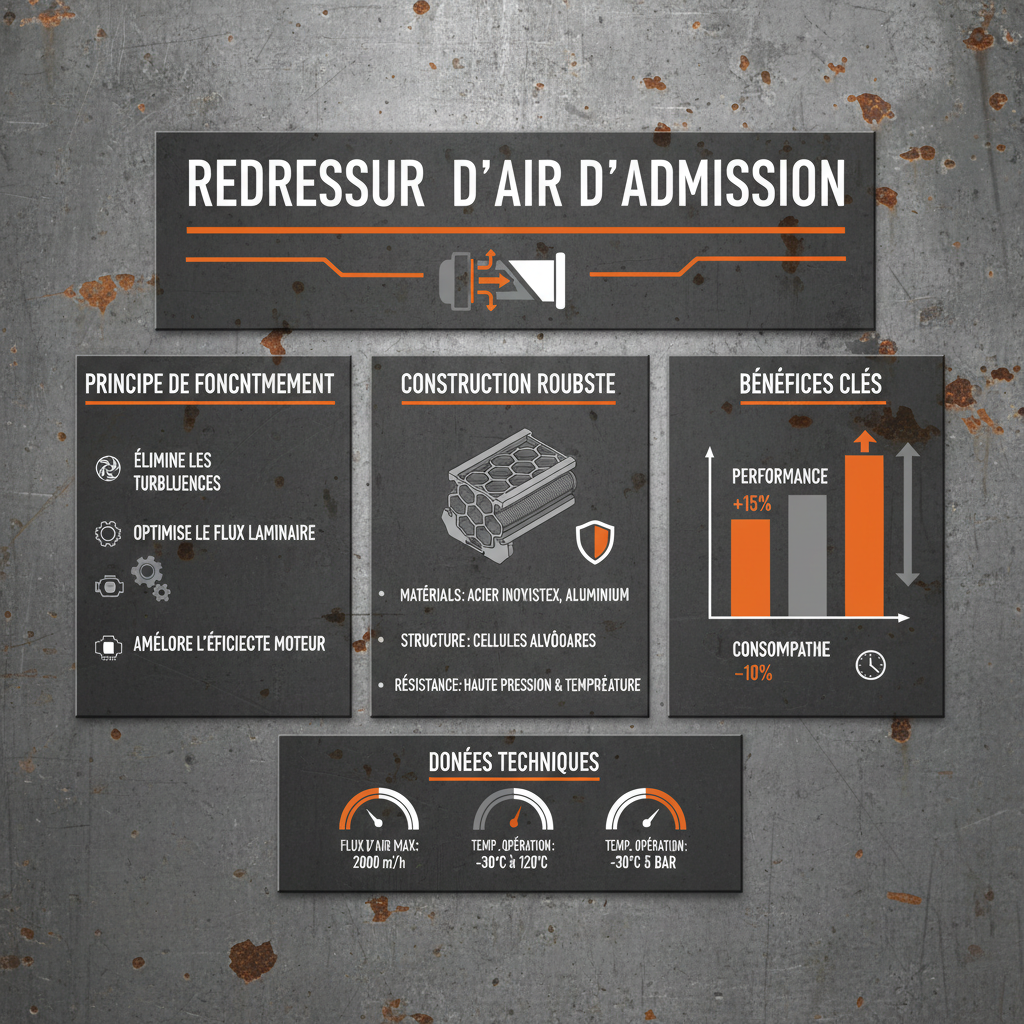
HSHI Honeycomb: Innovative Redresseur Solutions
HSHI Honeycomb is a leading manufacturer of high-performance redresseurs d'air d'admission. We specialize in designing and producing customized solutions using advanced materials and manufacturing techniques. Our redresseurs are engineered to deliver superior airflow characteristics, improved engine efficiency, and reduced emissions. We work closely with our clients to understand their specific needs and develop tailored solutions that meet their performance goals. Contact us today to discuss your requirements and learn how our redresseurs can enhance your engine's performance.
Conclusion
Investing in a high-quality redresseur d'air d'admission from HSHI Honeycomb is a strategic move for optimizing engine performance, enhancing fuel efficiency, and reducing emissions. Our commitment to innovation and quality ensures that you receive a solution tailored to your specific needs. Don't compromise on engine performance – choose HSHI Honeycomb.
Frequently Asked Questions (FAQs)
What materials are used in HSHI Honeycomb redresseurs d'air d'admission?
HSHI Honeycomb utilizes a range of high-performance materials, including aluminum alloys and specialized polymers. The choice of material depends on the specific application and performance requirements. Aluminum offers excellent thermal conductivity and durability, while polymers provide lightweight solutions with good airflow characteristics. We carefully select materials to ensure optimal performance, longevity, and resistance to environmental factors. We also offer custom material options to meet unique client needs.
Can HSHI Honeycomb customize a redresseur for my specific engine?
Yes, HSHI Honeycomb specializes in custom-designed redresseurs d'air d'admission. We work closely with our clients to understand their engine specifications, airflow requirements, and performance goals. Our engineering team utilizes advanced modeling and simulation tools to develop optimized designs that deliver maximum efficiency and performance. We can accommodate various shapes, sizes, and materials to meet your unique needs.
How does a redresseur d'air d'admission affect fuel efficiency?
By straightening and optimizing airflow, a redresseur d'air d'admission promotes more complete combustion within the engine. This results in improved fuel efficiency, as more of the fuel's energy is converted into power. Reduced turbulence also minimizes fuel wastage and helps lower emissions. The improvement in fuel efficiency can vary depending on the engine type and operating conditions, but noticeable gains are commonly observed.
What is the typical lifespan of a HSHI Honeycomb redresseur d'air d'admission?
The lifespan of a HSHI Honeycomb redresseur d'air d'admission is typically very long, often exceeding the lifespan of the engine itself, provided it is properly maintained and not subjected to extreme conditions. Our products are designed for durability and resistance to harsh environments. Regular inspection for any signs of damage or debris buildup is recommended. We provide detailed maintenance guidelines to ensure optimal performance and longevity.

-
Industrial Airflow Guide for maf воздушная правильная машинаNewsApr.16,2026
-
Best maf струйно правильная машина for Industrial EfficiencyNewsApr.09,2026
-
Сотовая правильная машина A Comprehensive Guide to Honey Packing AutomationNewsApr.07,2026
-
Build Your Own DIY газоправильная Машина A Comprehensive Guide to Gas CorrectionNewsApr.04,2026
-
Understanding Кондиционер отопления Systems for Efficient and Comfortable HeatingNewsMar.31,2026
-
Comprehensive Guide to Cellular Blinds Installation Установка сотовых жалюзиNewsMar.28,2026
-
Mobile Aerodynamic Tunnel Design A Comprehensive Guide to Applications and ImplementationNewsMar.26,2026






 English
  Afrikaans
  Albanian
  Amharic
  Arabic
  Armenian
  Azerbaijani
  Basque
  Belarusian
  Bengali
  Bosnian
  Bulgarian
  Catalan
  Cebuano
  China
China  China (Taiwan)
  Corsican
  Croatian
  Czech
Czech  Danish
  Dutch
Dutch  Esperanto
  Estonian
  Finnish
  French
  Frisian
  Galician
  Georgian
  German
  Greek
Greek  Gujarati
  Haitian Creole
  Hausa
Hausa  Hawaiian
  Hebrew
  Hindi
Hindi  Miao
Miao  Indonesian
  Italian
  Japanese
  Javanese
  Malay
Malay  Persian
  Portuguese
  Punjabi
  Russian
  Spanish
  Swahili
  Telugu
  Vietnamese