


Exploring the Versatility and Applications of Nid d'Abeille de Soufflerie Panels
Understanding the Versatility of the Nid d'Abeille de Soufflerie (Honeycomb Panels)
The nid d'abeille de soufflerie, or honeycomb panels, represent a fascinating and highly functional material increasingly used across a diverse range of industries. Their unique cellular structure delivers exceptional strength-to-weight ratios, making them ideal for applications where lightweight yet durable materials are crucial. This article will explore the properties, manufacturing process, applications, and benefits of honeycomb panels, particularly focusing on their relevance to modern engineering and design. We'll delve into how these panels are revolutionizing industries from aerospace to architecture.
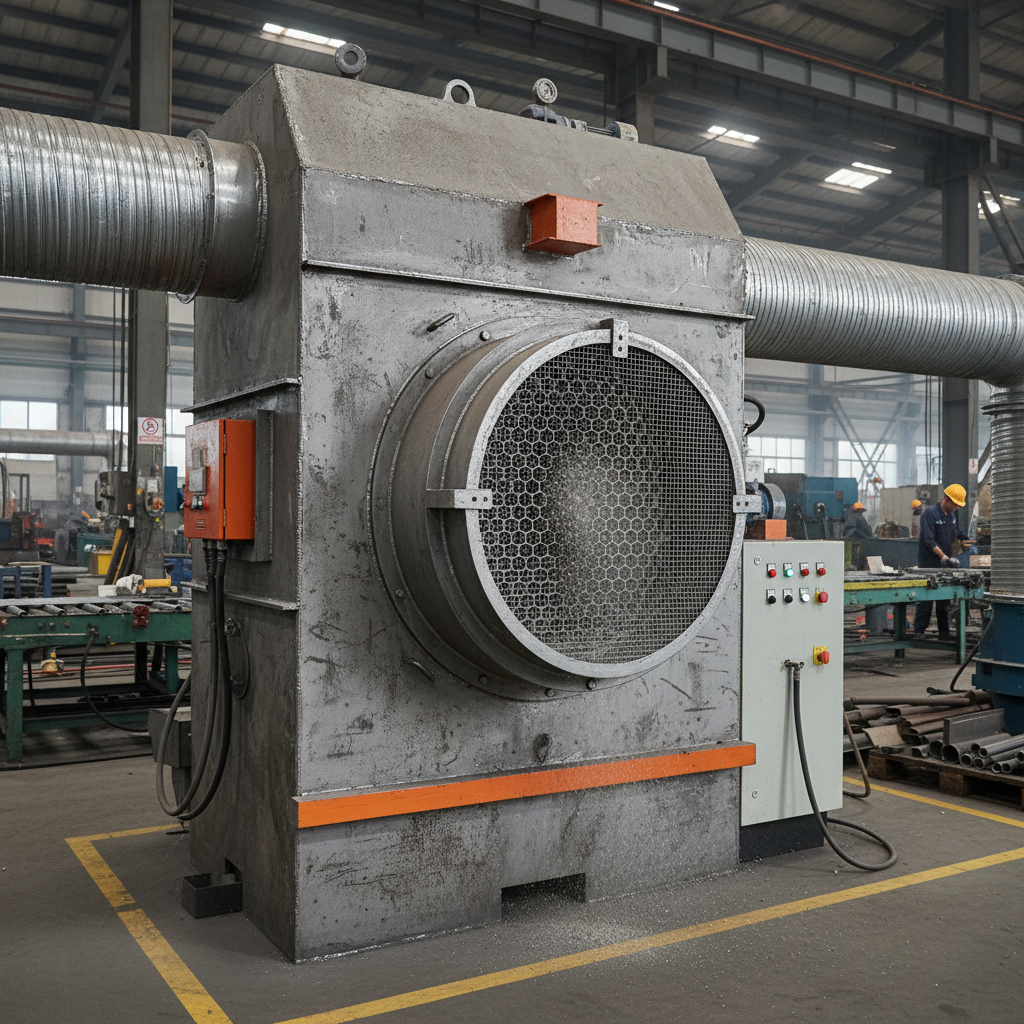
The Core Structure and Material Composition of Nid d'Abeille de Soufflerie
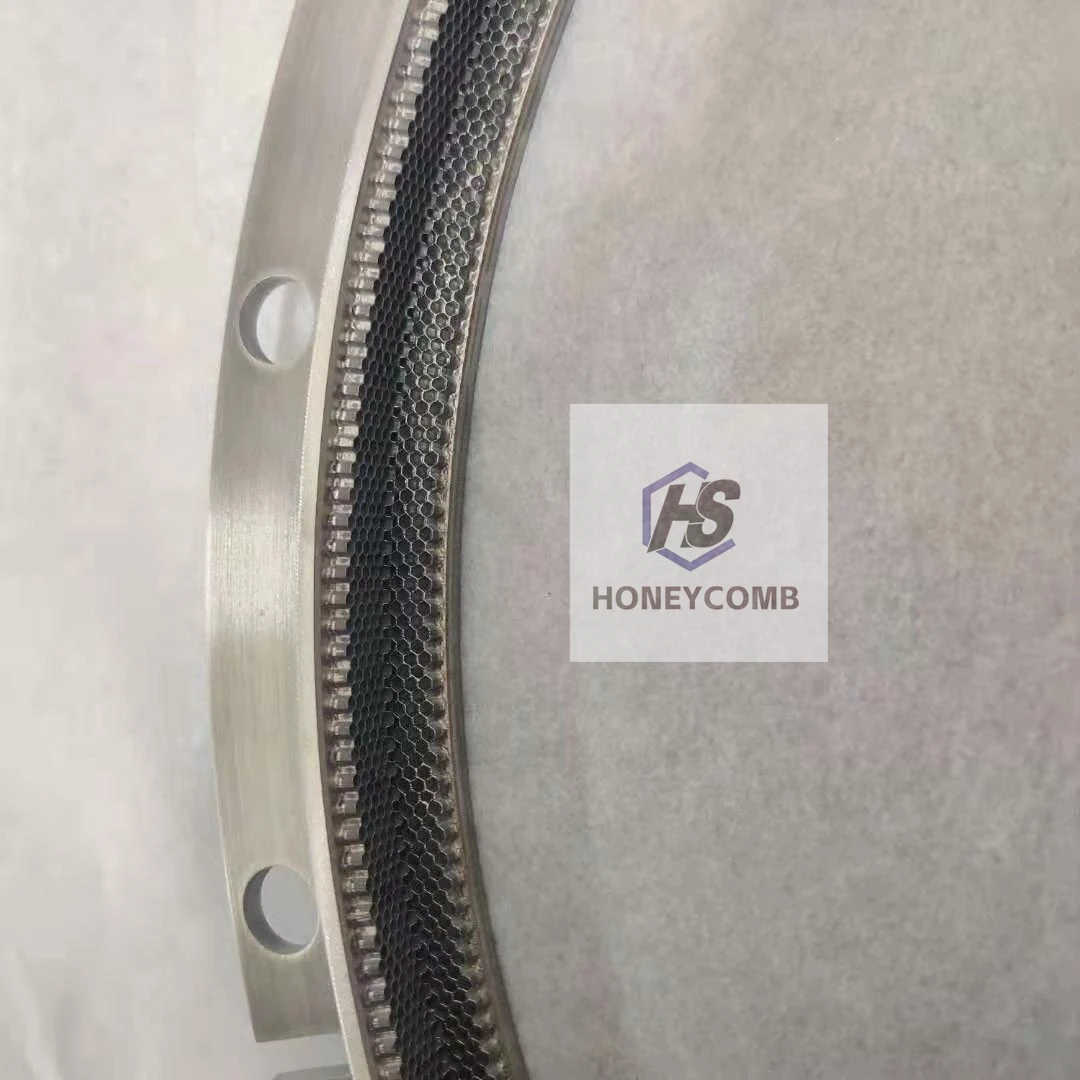
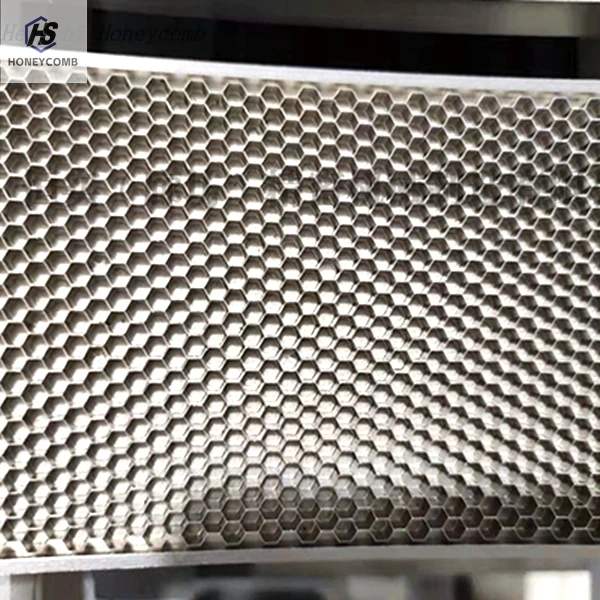
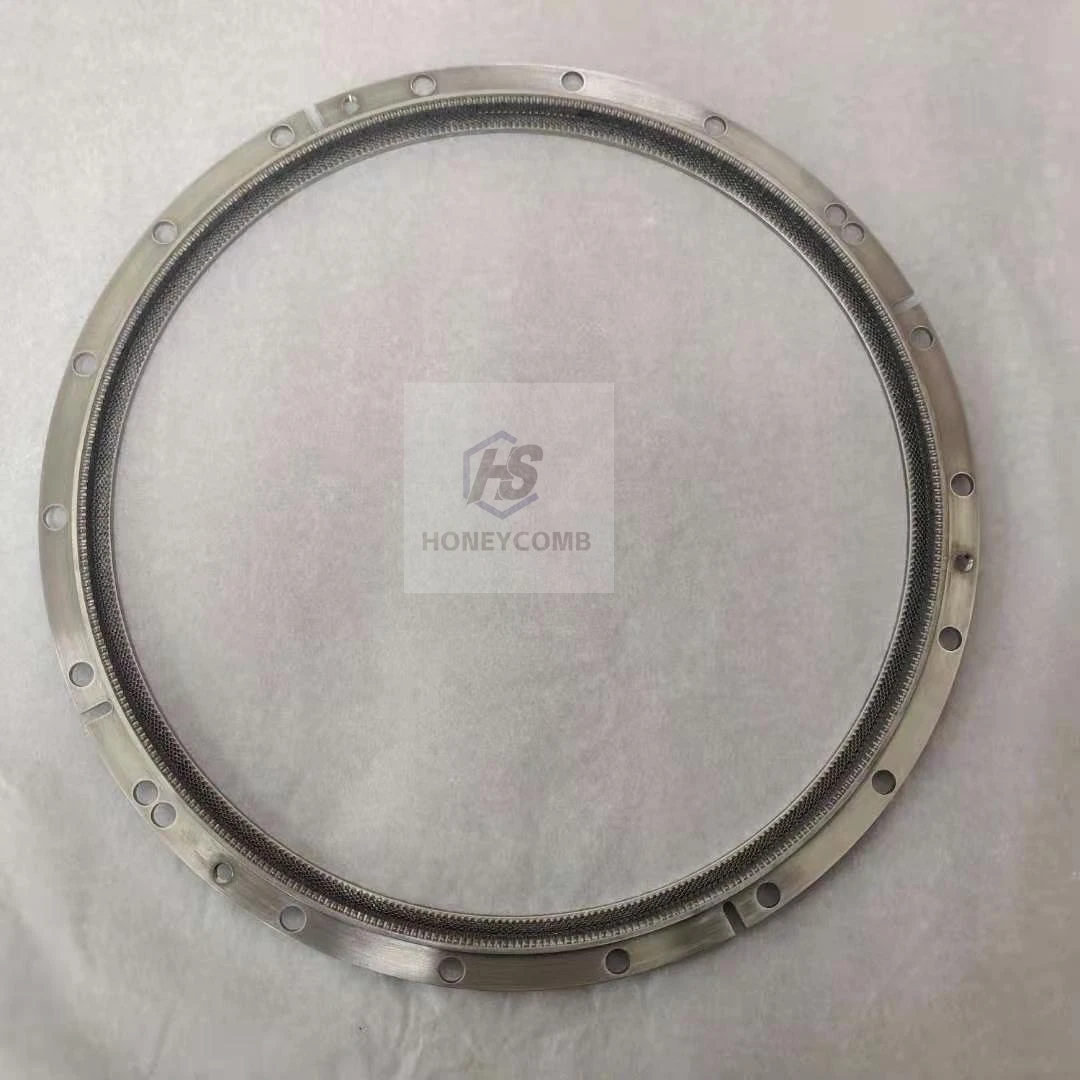
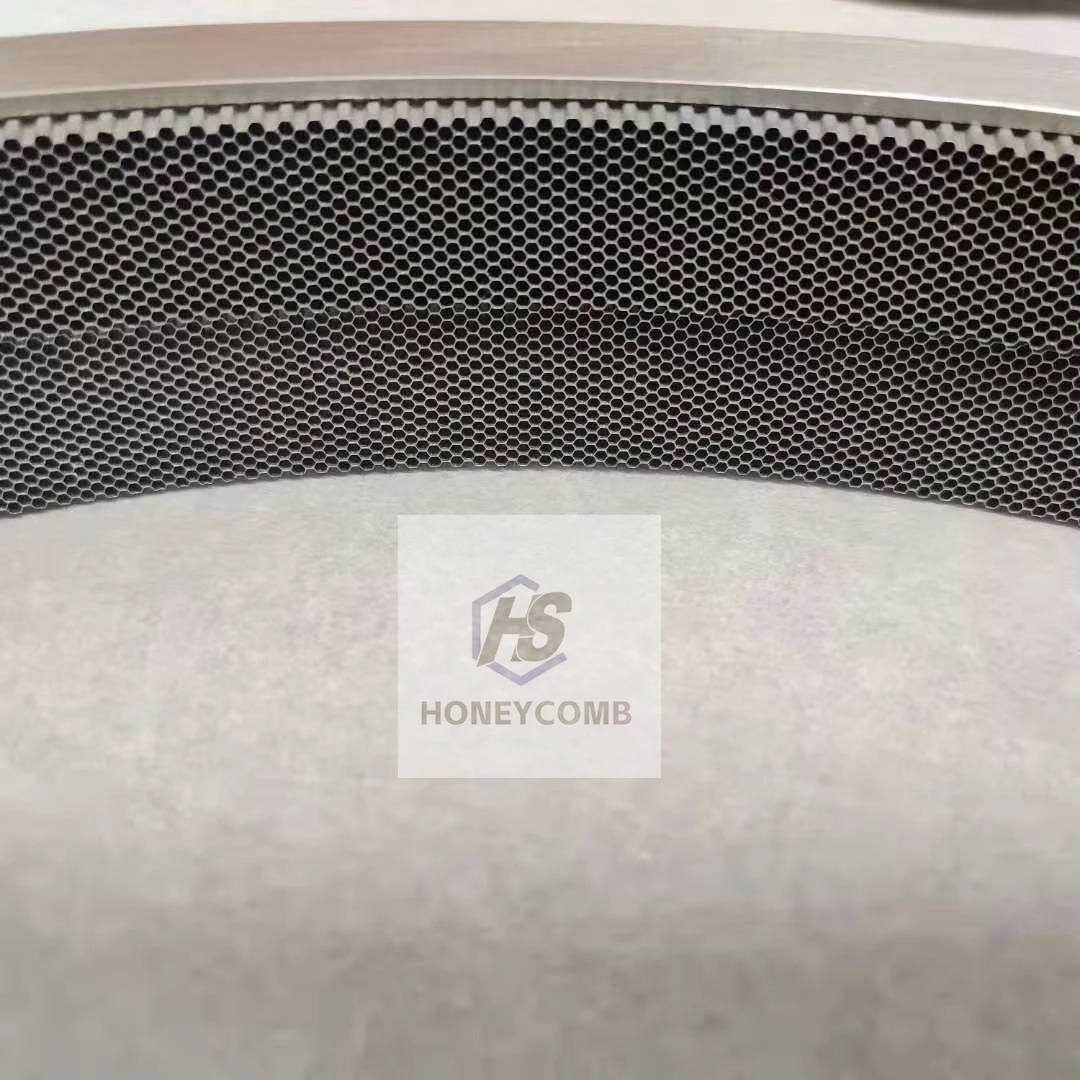
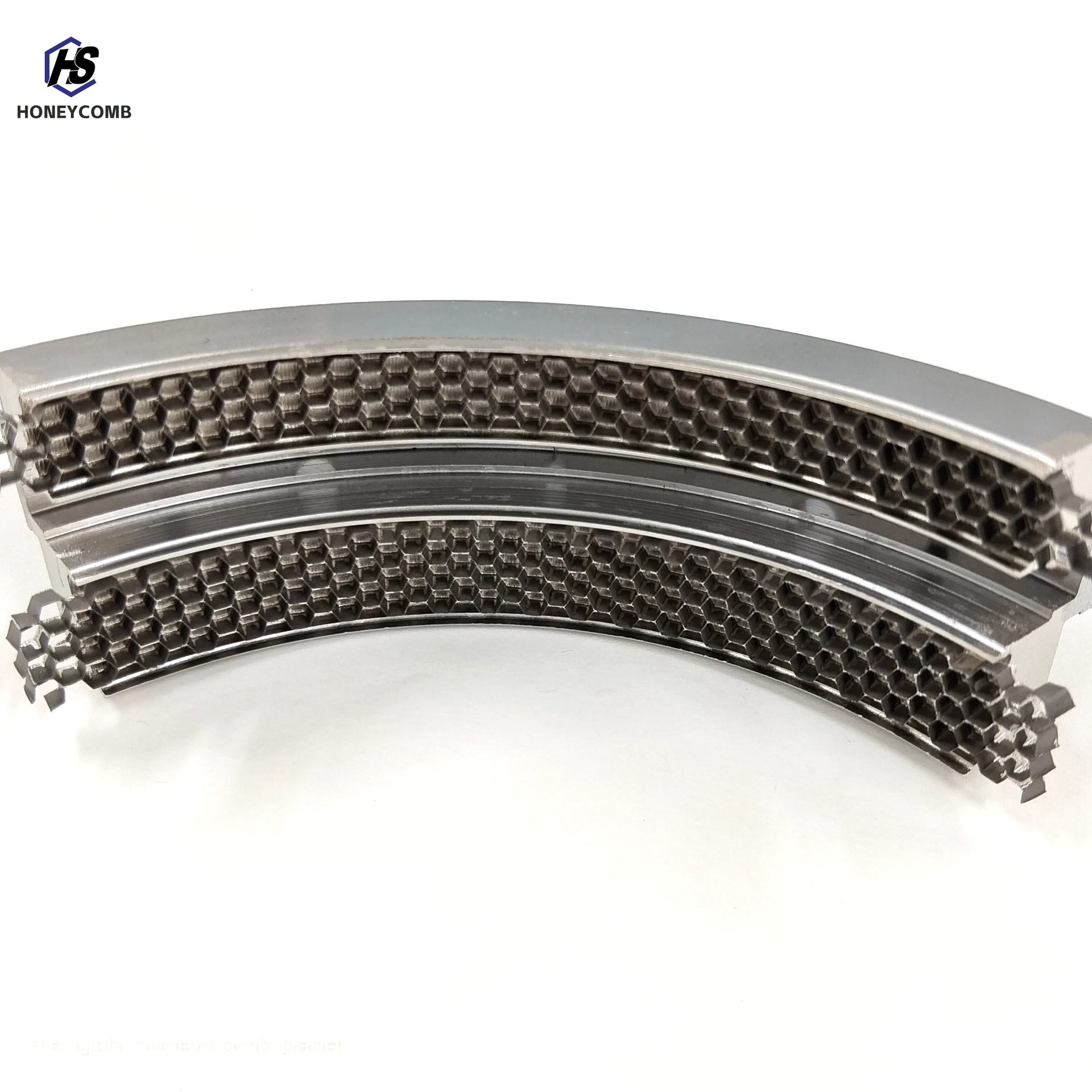
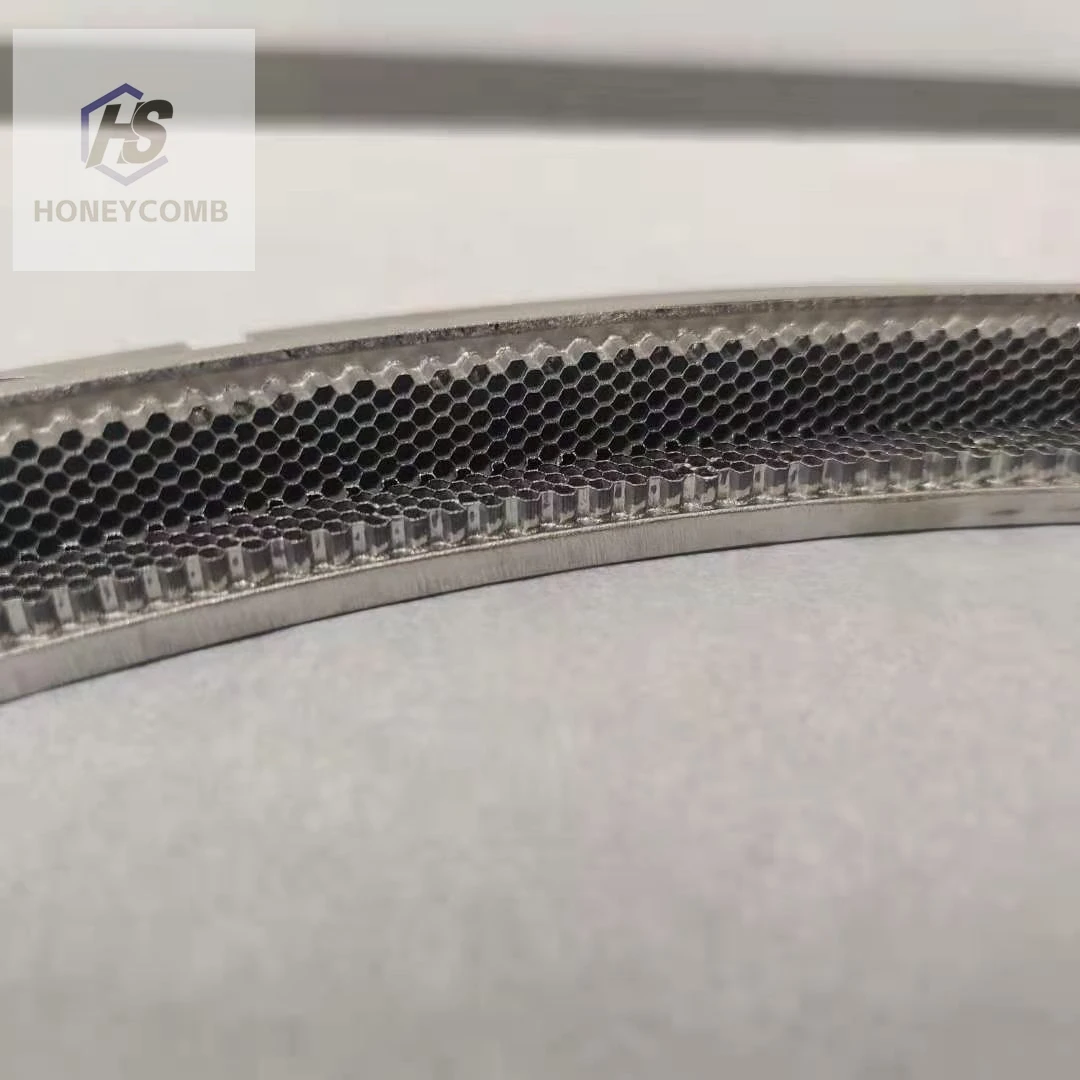
At its heart, the nid d'abeille de soufflerie is defined by its hexagonal cell structure. This structure, mimicking natural beehives, offers unparalleled stiffness and strength when compared to solid materials of equivalent weight. Commonly, the core is made from materials like aluminum, kraft paper, polypropylene, or even carbon fiber, depending on the application’s requirements. The core is then bonded to facing materials (skins) such as aluminum, fiberglass, or composites. This 'sandwich' construction is key to the panel's performance. The choice of materials impacts the panel's fire resistance, weight capacity, and overall cost. The manufacturing process often involves expanding the core material into the hexagonal shape and then adhering it to the skins using adhesives.
Key Highlights: The hexagonal cell structure provides exceptional stiffness and strength, while the choice of core and facing materials allows for customization based on application needs.
Key Advantages of Using Nid d'Abeille de Soufflerie Panels
Employing nid d'abeille de soufflerie in design and manufacturing presents numerous benefits. These include a significant reduction in weight compared to solid materials, improved structural rigidity, excellent energy absorption capabilities, and enhanced thermal and acoustic insulation. Furthermore, these panels offer design flexibility, allowing for the creation of complex shapes and curves. The use of honeycomb structures can also contribute to cost savings by reducing material usage without sacrificing performance. The increased strength and reduced weight contribute to fuel efficiency in transportation applications.
Benefits at a Glance:
• Significant weight reduction
• Enhanced structural rigidity
• Superior energy absorption
• Improved thermal and acoustic insulation
Nid d'Abeille de Soufflerie: Core Materials Comparison
Different core materials offer distinct properties. The choice depends heavily on the application. Aluminum honeycomb provides exceptional strength and durability but is heavier. Kraft paper honeycomb is lightweight and cost-effective, suitable for less demanding applications. Polypropylene honeycomb offers good moisture resistance. Carbon fiber honeycomb is the lightest and strongest but comes at a higher price point. Understanding these trade-offs is crucial for optimal design.
Wide-Ranging Applications of Nid d'Abeille de Soufflerie
The applications for nid d'abeille de soufflerie are incredibly diverse. In aerospace, they are used extensively in aircraft components, reducing weight and improving fuel efficiency. Architecture leverages them for lightweight facade panels, flooring, and roofing systems. The automotive industry utilizes them in body panels and interior components. Further applications include marine vessels, furniture, sporting goods, and even renewable energy technologies. The material’s adaptability continues to drive innovation across various sectors.
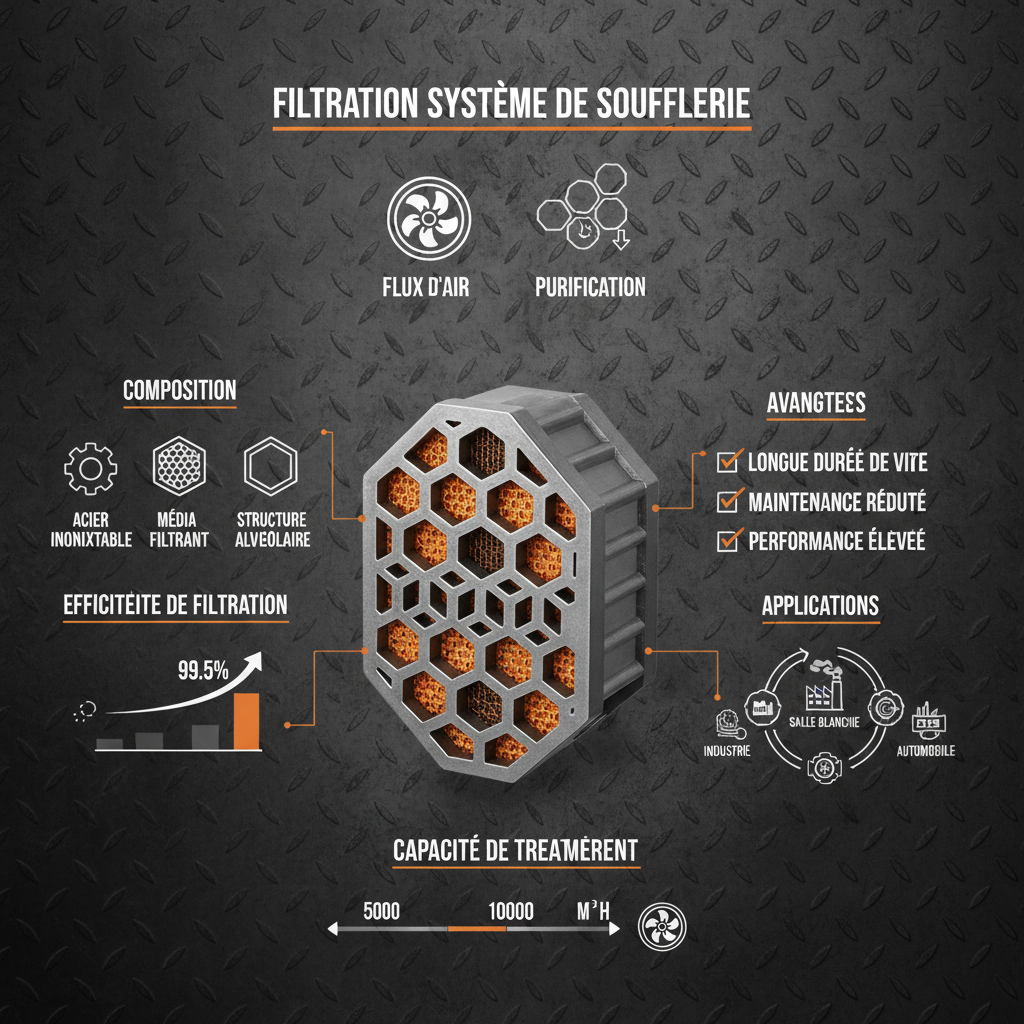
Looking Ahead: The Future of Honeycomb Panel Technology
Ongoing research and development are focused on creating even more sustainable and high-performance honeycomb materials. Innovations include the use of bio-based core materials and advanced adhesive technologies. Furthermore, the integration of sensors and smart materials within honeycomb panels is opening up new possibilities for structural health monitoring and intelligent building systems. The future of nid d'abeille de soufflerie is bright, promising continued advancements in lightweight construction and sustainable design.
Conclusion: A Versatile Material for a Sustainable Future
The nid d'abeille de soufflerie represents a remarkable achievement in materials science, offering a compelling combination of strength, lightness, and versatility. Its applications are expanding rapidly, driven by a demand for more sustainable and efficient solutions across various industries. Choosing honeycomb panels is a strategic investment in performance and innovation.
Frequently Asked Questions (FAQs)
What are the fire resistance properties of honeycomb panels?
Fire resistance varies significantly depending on the core and facing materials used. Aluminum honeycomb generally offers good fire resistance, while kraft paper honeycomb is more susceptible to burning. Fire-retardant treatments can be applied to improve the fire performance of these panels. It’s crucial to select materials that meet the specific fire safety regulations for your application. Always consult with fire safety experts to ensure compliance.
How durable are honeycomb panels in harsh environments?
Durability depends on the materials chosen and the specific environmental conditions. Aluminum honeycomb panels offer excellent corrosion resistance, making them suitable for marine environments. Panels with waterproof coatings can withstand exposure to rain and humidity. However, prolonged exposure to extreme temperatures or harsh chemicals can degrade the materials over time. Regular maintenance and protective coatings can extend the lifespan of the panels in challenging environments.
What is the typical lead time for custom honeycomb panel orders?
Lead times vary depending on the complexity of the order, the materials required, and current production capacity. Generally, standard orders can be fulfilled within 2-4 weeks. Custom orders with specific dimensions, materials, or coatings may require 6-8 weeks or longer. Contacting HSHI Honeycomb directly will provide the most accurate lead time estimation.
Can honeycomb panels be recycled?
Recycling honeycomb panels can be challenging due to the combination of materials. Aluminum honeycomb can be recycled through standard aluminum recycling processes. Kraft paper honeycomb is biodegradable but may require specialized composting facilities. Increasingly, manufacturers are developing more recyclable honeycomb materials and exploring closed-loop recycling systems to minimize waste.
-
Industrial Airflow Guide for maf воздушная правильная машинаNewsApr.16,2026
-
Best maf струйно правильная машина for Industrial EfficiencyNewsApr.09,2026
-
Сотовая правильная машина A Comprehensive Guide to Honey Packing AutomationNewsApr.07,2026
-
Build Your Own DIY газоправильная Машина A Comprehensive Guide to Gas CorrectionNewsApr.04,2026
-
Understanding Кондиционер отопления Systems for Efficient and Comfortable HeatingNewsMar.31,2026
-
Comprehensive Guide to Cellular Blinds Installation Установка сотовых жалюзиNewsMar.28,2026
-
Mobile Aerodynamic Tunnel Design A Comprehensive Guide to Applications and ImplementationNewsMar.26,2026






 English
  Afrikaans
  Albanian
  Amharic
  Arabic
  Armenian
  Azerbaijani
  Basque
  Belarusian
  Bengali
  Bosnian
  Bulgarian
  Catalan
  Cebuano
  China
China  China (Taiwan)
  Corsican
  Croatian
  Czech
Czech  Danish
  Dutch
Dutch  Esperanto
  Estonian
  Finnish
  French
  Frisian
  Galician
  Georgian
  German
  Greek
Greek  Gujarati
  Haitian Creole
  Hausa
Hausa  Hawaiian
  Hebrew
  Hindi
Hindi  Miao
Miao  Indonesian
  Italian
  Japanese
  Javanese
  Malay
Malay  Persian
  Portuguese
  Punjabi
  Russian
  Spanish
  Swahili
  Telugu
  Vietnamese