

- Afrikaans
- Albanian
- Amharic
- Arabic
- Armenian
- Azerbaijani
- Basque
- Belarusian
- Bengali
- Bosnian
- Bulgarian
- Catalan
- Cebuano
- China
- China (Taiwan)
- Corsican
- Croatian
- Czech
- Danish
- Dutch
- English
- Esperanto
- Estonian
- Finnish
- French
- Frisian
- Galician
- Georgian
- German
- Greek
- Gujarati
- Haitian Creole
- hausa
- hawaiian
- Hebrew
- Hindi
- Miao
- Indonesian
- Italian
- Japanese
- Javanese
- Malay
- Persian
- Portuguese
- Punjabi
- Russian
- Spanish
- Swahili
- Telugu
- Vietnamese


2.5mm Honeycomb Seal for Turbines—Abradable, High-Temp?
Why the 2.5mm Honeycomb Seal is Quietly Redefining Turbomachinery Efficiency
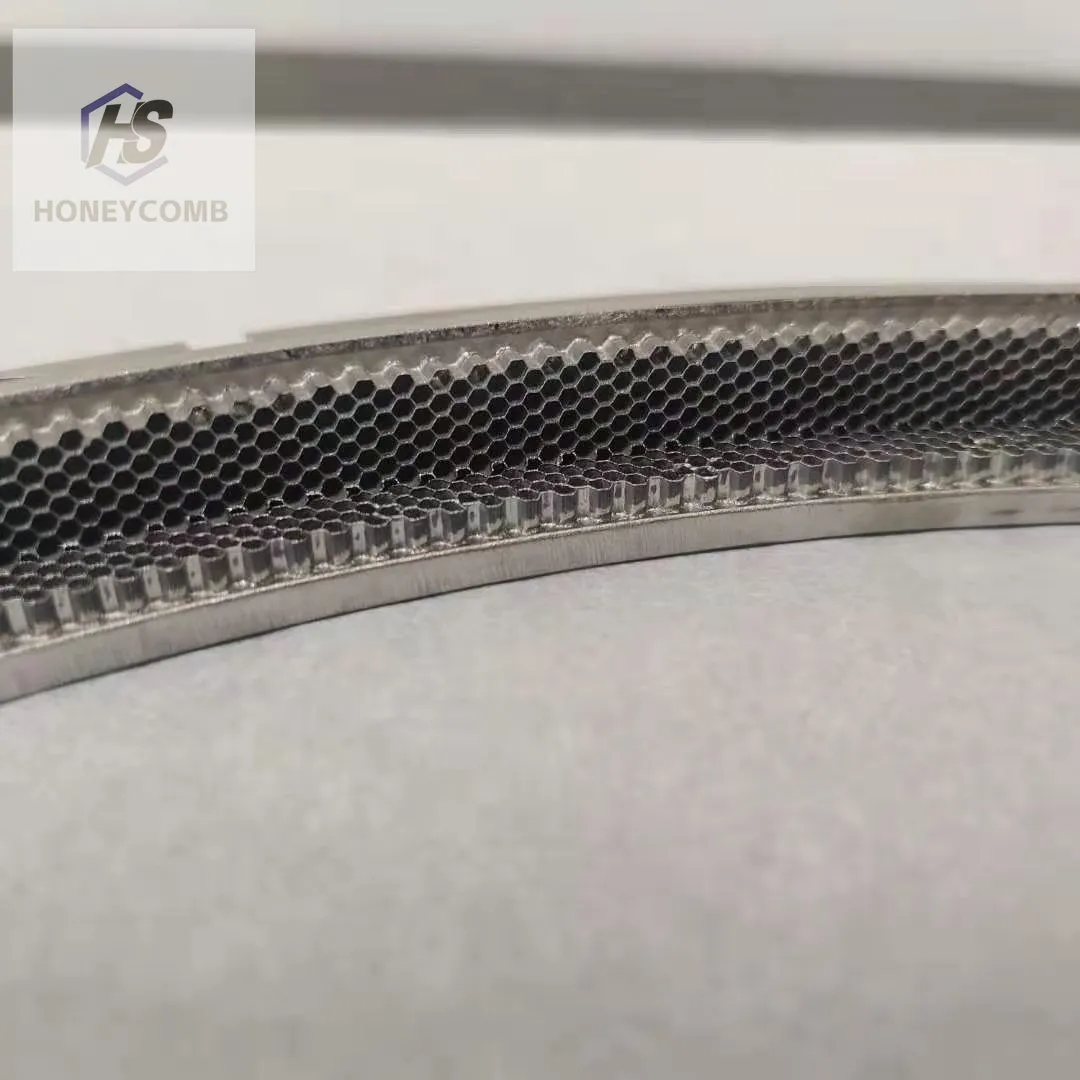
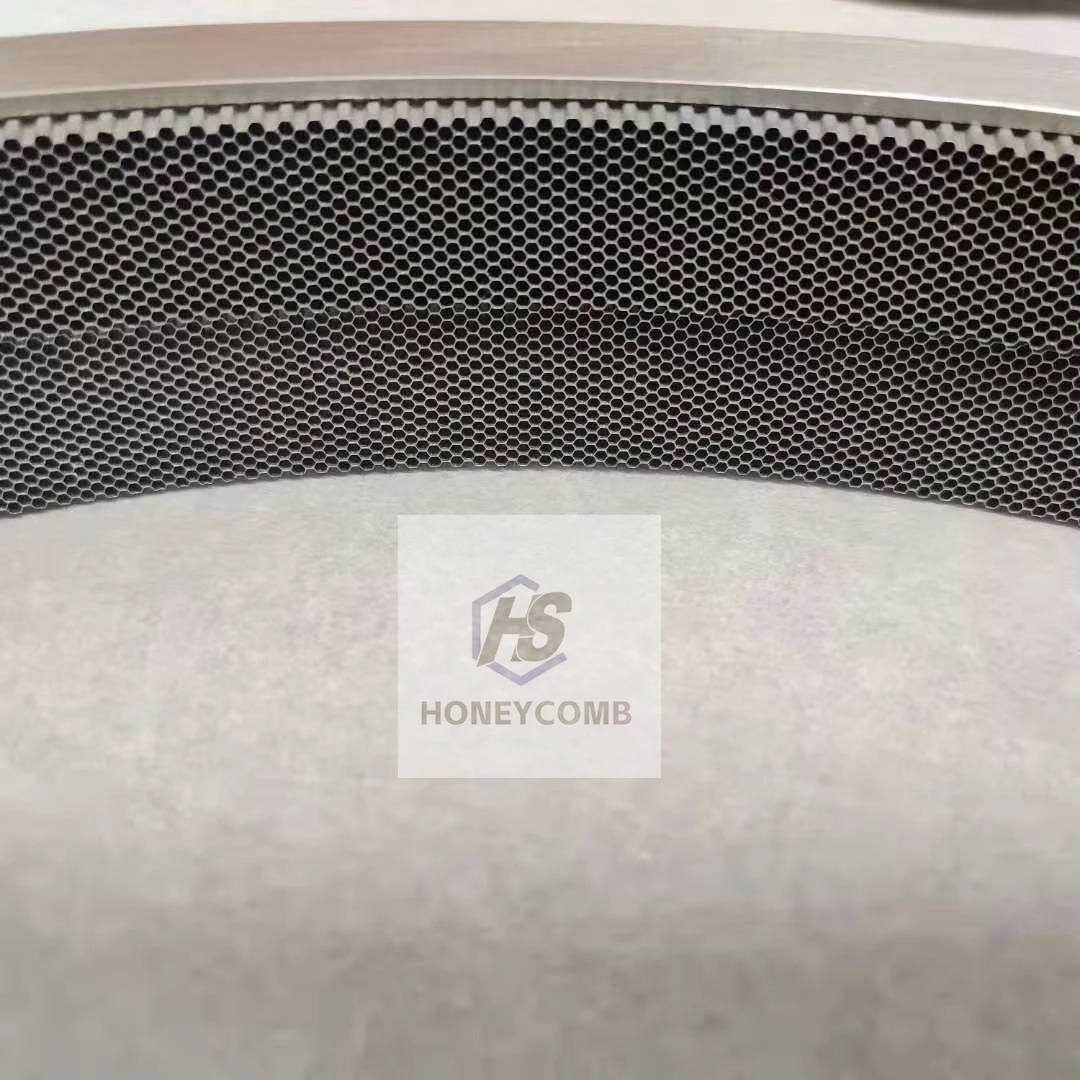
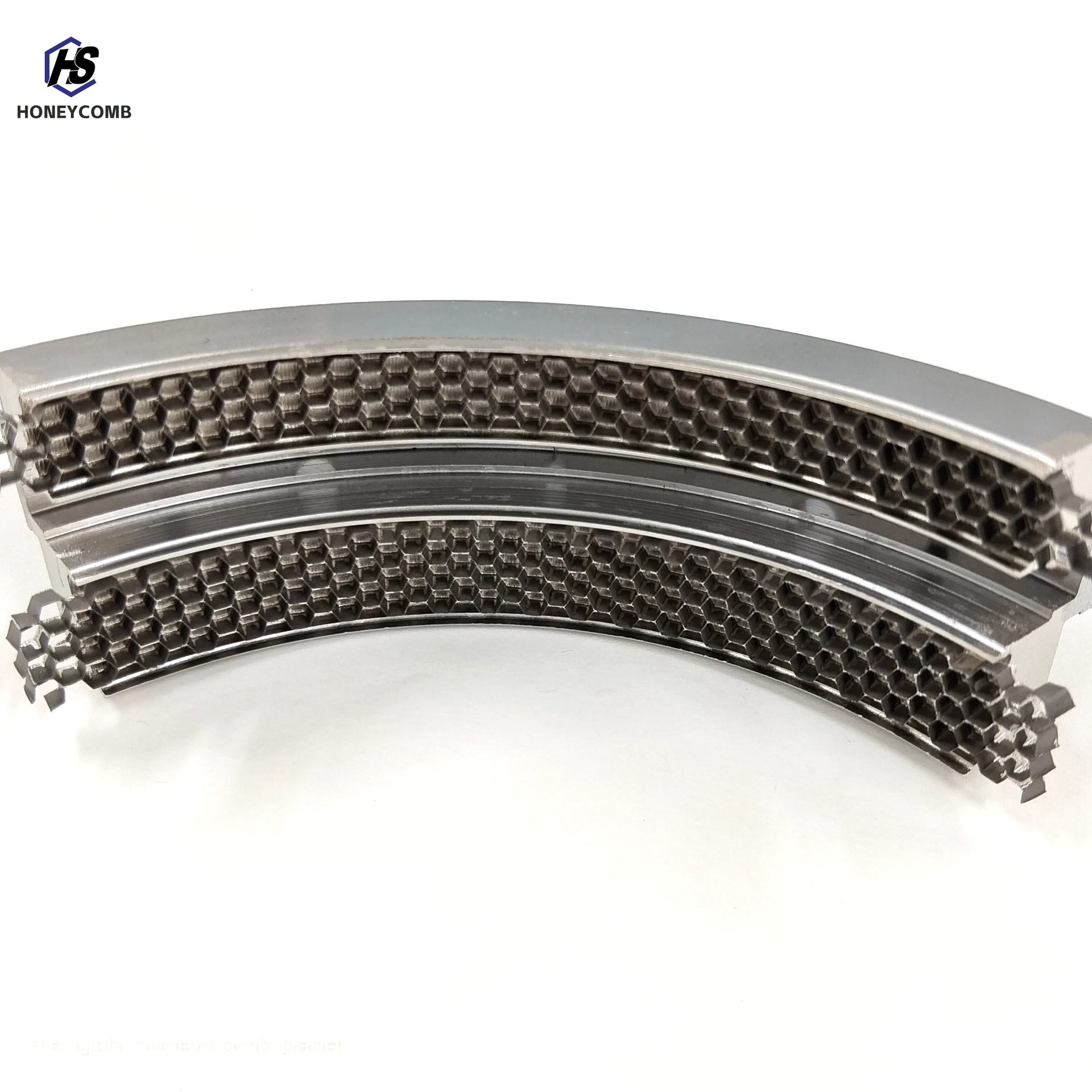
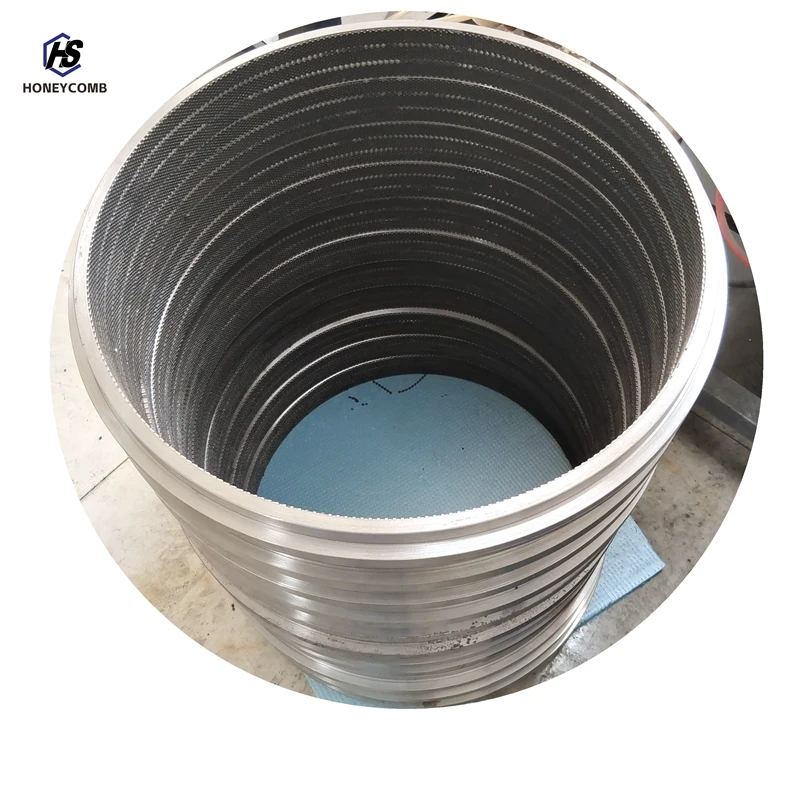
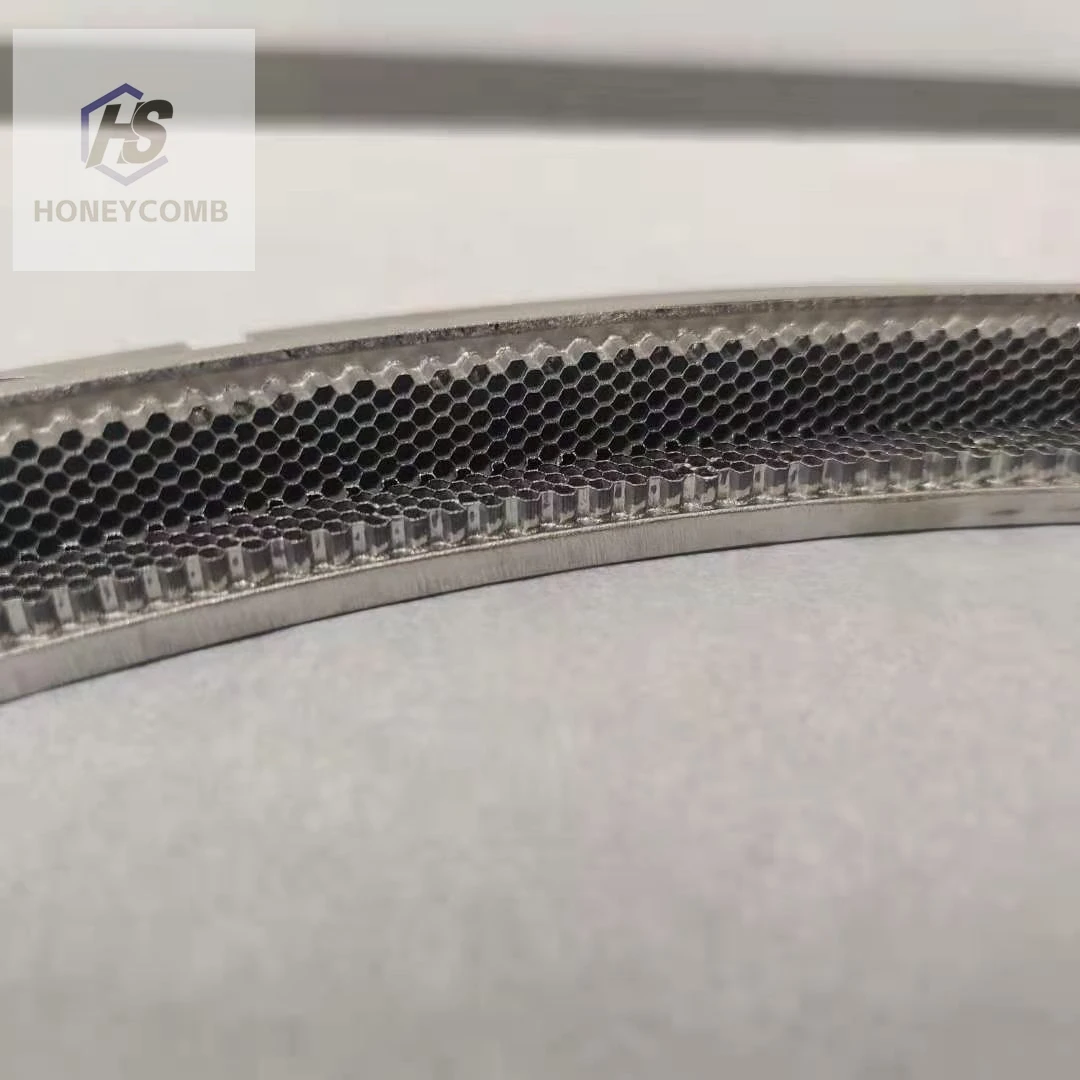
If you spend time around turbines and high-speed spindles (guilty), you’ll notice a quiet trend: operators swapping traditional labyrinths for honeycomb. Not hype—measurable gains. The 2.5mm Honeycomb Seal slots neatly into that story, bringing lower leakage, calmer rotordynamics, and better thermal behavior without drama. I’ve seen maintenance teams literally breathe easier after a retrofit, because their power balance sheets did.
At a glance: Where it works (and shines)
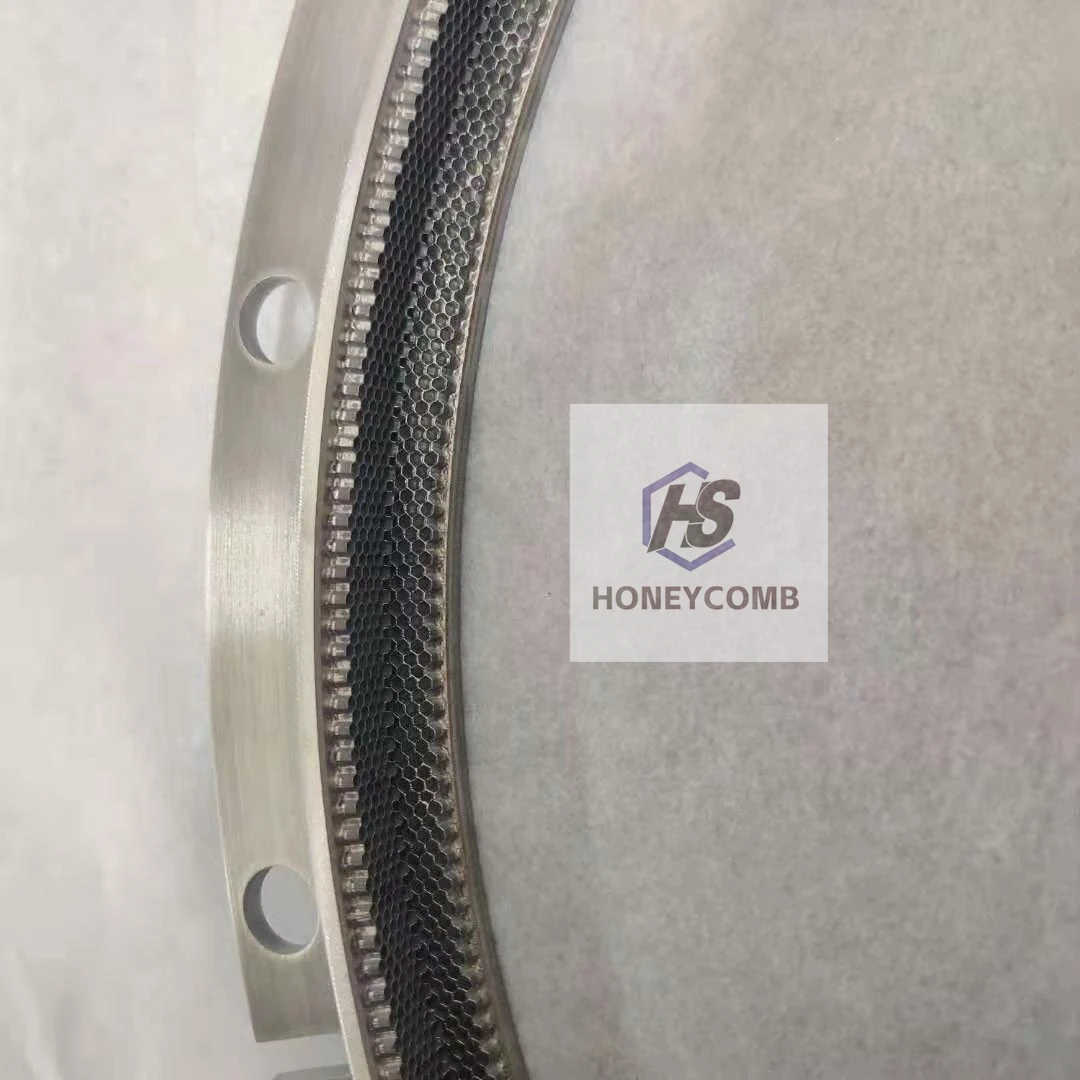
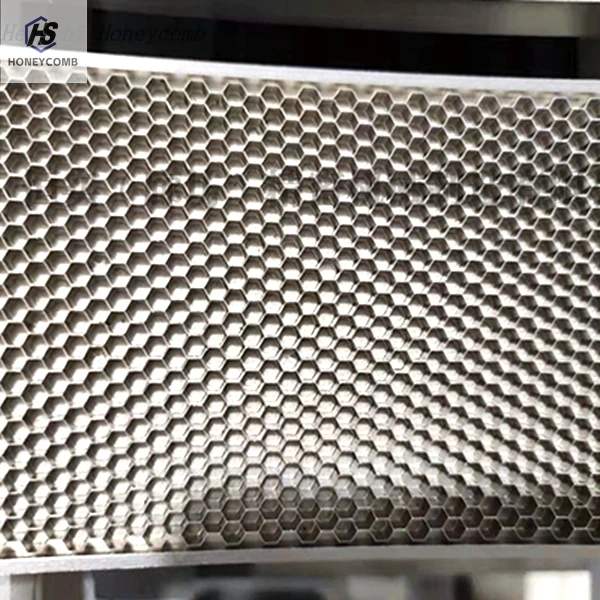
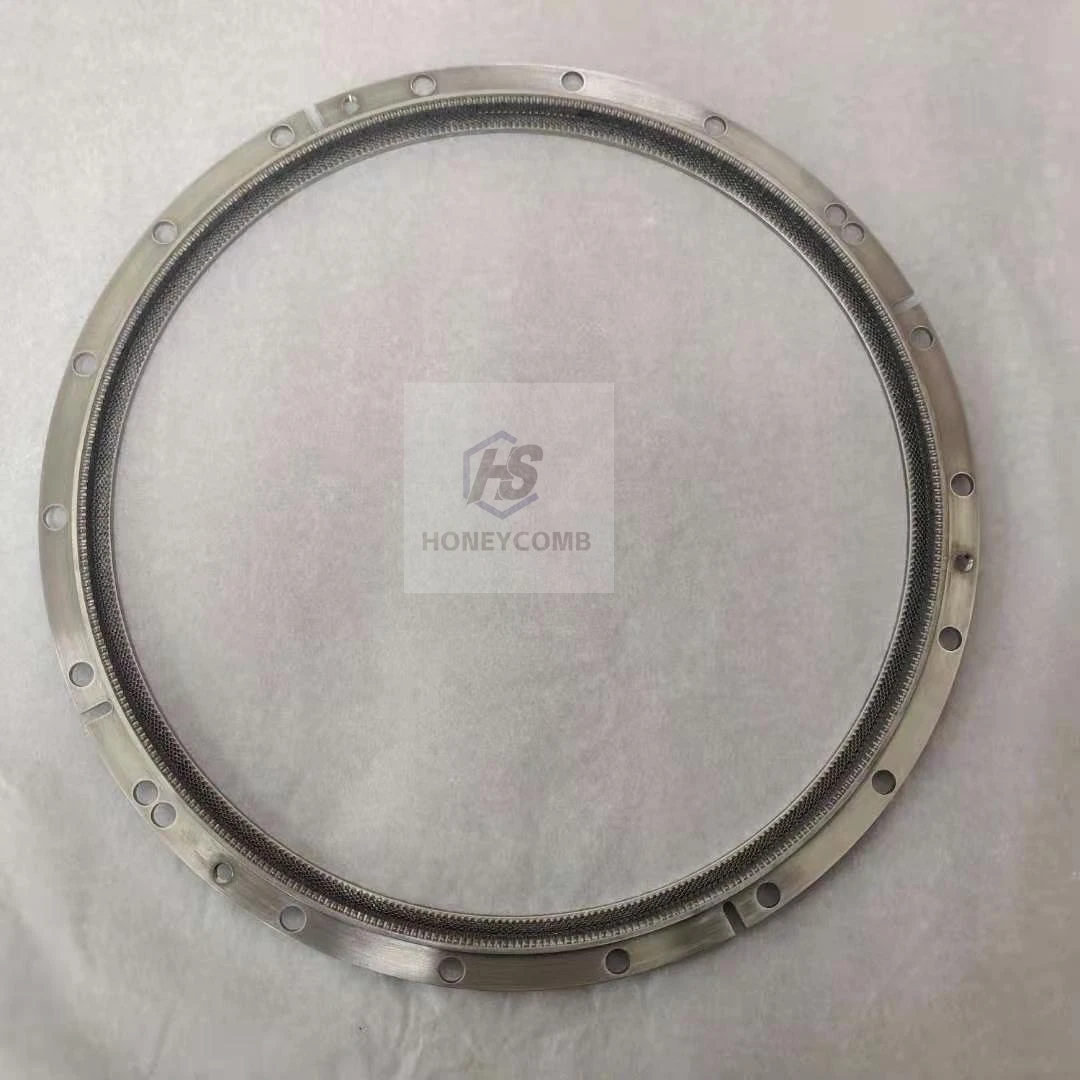
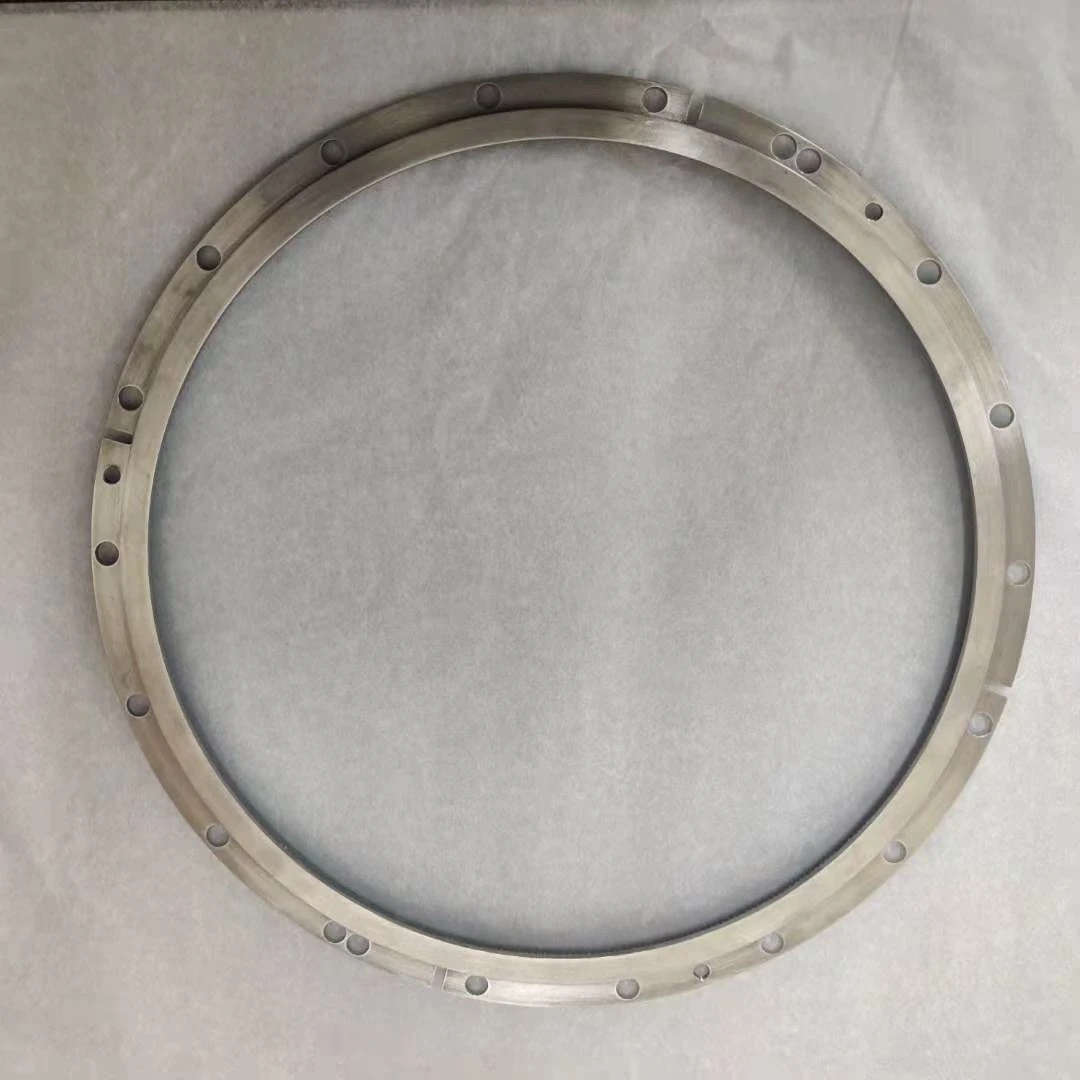
Designed for gas turbines, steam turbines, jet engines, compressors, and high-speed rotating machinery, the 2.5mm Honeycomb Seal trims flow-induced losses and adds damping at the seal interface. In fact, many customers say stability at part-load improves more than they expected—especially during hot restarts.
Product specifications (typical, real-world use may vary)
| Cell size | 2.5 mm (≈0.098 in) |
| Materials | Inconel 718, Hastelloy X, SS304/316 (foil + backing ring) |
| Foil thickness | 0.05–0.20 mm (≈0.002–0.008 in) |
| Operating temperature | Up to ≈950°C for Ni-base; ≈650°C for SS |
| Typical clearances | 0.15–0.40 mm depending on shaft size/duty |
| Surface finish (rotor land) | Ra ≤ 0.8 μm (ISO 4287) |
| Balance grade | G2.5 (ISO 1940-1) recommended |
| Brazing | Vacuum furnace, Ni-braze (AWS C3.6) |
| Service life | ≈30,000–60,000 hrs with proper rotor land and filtration |
Process flow (what actually happens)
- Select alloy foil and backing ring per duty (temp/chemistry).
- Form and expand honeycomb; tack to backing.
- Vacuum-braze per AWS C3.6; controlled cool to limit distortion.
- Finish machining: EDM/truing, ring OD/ID, clearance profiling.
- Inspection: CMM geometry, dye penetrant (ASTM E1417), braze integrity.
- Performance checks: air/helium leak bench, thermal cycle, runout; balance per ISO 1940-1.
What operators usually notice
Leakage cuts of around 20–40% versus straight labyrinths at ΔP 3–8 bar; sometimes more at tight clearances. One test set I saw at 5 bar and 0.30 mm clearance showed ≈32% less flow and visibly steadier vibration above 0.8× running speed. To be honest, the biggest surprise is often thermal stability during transients.
Vendor snapshot (apples-to-apples-ish)
| Vendor | Cell Size Options | Alloys | Brazing | Testing |
| HSHI (Hebei, China) | 2.0–4.0 mm incl. 2.5mm Honeycomb Seal | Inconel, Hastelloy, SS | Vacuum (AWS C3.6) | Leak, CMM, thermal cycle, balance |
| Vendor A | Primarily 3.2 mm | SS, limited Ni-base | Belt furnace | Geometry, basic leak |
| Vendor B | Custom on request | Ni-base focus | Vacuum/Ni-braze | Leak + spin checks |
Customization and compliance
Clearances, ring geometry, and alloy selection are tailored to shaft size, gas chemistry, and duty cycle. Documentation packs can include ISO 9001 traceability, material certs (e.g., AMS for Ni alloys), NDT reports, and test data aligned with API 617 rotordynamic guidance. AS9100 or additional aerospace documentation can be arranged when required. Origin: No.2, Tongda Street, High-tech area Gu'an County, Langfang,065500, Hebei China.
Field notes (two quick cases)
- Industrial gas turbine, 14 MW: retrofit to 2.5mm Honeycomb Seal cut compressor discharge leak by ≈28%, netting ~0.7% heat-rate improvement. Vibe levels at 1.0× dropped modestly but noticeably.
- Petrochemical compressor train: high-temp steam seal region switched to Ni-base honeycomb; reported fewer rub events during hot restarts and extended inspection interval by a full outage cycle.
Testing touchpoints and standards referenced: geometry via CMM; leak tests (helium/air) per common practice; dye penetrant per ASTM E1417; balancing per ISO 1940-1; material conformity to AMS where specified; performance acceptance guided by API 617 rotordynamic considerations. Honestly, nothing exotic—just disciplined execution.
- API Standard 617: Axial and Centrifugal Compressors and Expander-compressors
- ISO 1940-1: Mechanical vibration — Balance quality requirements for rotors
- AWS C3.6M/C3.6: Specification for Furnace Brazing
- ASTM E1417/E1417M: Standard Practice for Liquid Penetrant Testing
- ISO 4287: Geometrical product specifications — Surface texture — Profile method
- ISO 9001: Quality management systems — Requirements
-
Industrial Airflow Guide for maf воздушная правильная машинаNewsApr.16,2026
-
Best maf струйно правильная машина for Industrial EfficiencyNewsApr.09,2026
-
Сотовая правильная машина A Comprehensive Guide to Honey Packing AutomationNewsApr.07,2026
-
Build Your Own DIY газоправильная Машина A Comprehensive Guide to Gas CorrectionNewsApr.04,2026
-
Understanding Кондиционер отопления Systems for Efficient and Comfortable HeatingNewsMar.31,2026
-
Comprehensive Guide to Cellular Blinds Installation Установка сотовых жалюзиNewsMar.28,2026
-
Mobile Aerodynamic Tunnel Design A Comprehensive Guide to Applications and ImplementationNewsMar.26,2026






 English
  Afrikaans
  Albanian
  Amharic
  Arabic
  Armenian
  Azerbaijani
  Basque
  Belarusian
  Bengali
  Bosnian
  Bulgarian
  Catalan
  Cebuano
  China
China  China (Taiwan)
  Corsican
  Croatian
  Czech
Czech  Danish
  Dutch
Dutch  Esperanto
  Estonian
  Finnish
  French
  Frisian
  Galician
  Georgian
  German
  Greek
Greek  Gujarati
  Haitian Creole
  Hausa
Hausa  Hawaiian
  Hebrew
  Hindi
Hindi  Miao
Miao  Indonesian
  Italian
  Japanese
  Javanese
  Malay
Malay  Persian
  Portuguese
  Punjabi
  Russian
  Spanish
  Swahili
  Telugu
  Vietnamese