

- Afrikaans
- Albanian
- Amharic
- Arabic
- Armenian
- Azerbaijani
- Basque
- Belarusian
- Bengali
- Bosnian
- Bulgarian
- Catalan
- Cebuano
- China
- China (Taiwan)
- Corsican
- Croatian
- Czech
- Danish
- Dutch
- English
- Esperanto
- Estonian
- Finnish
- French
- Frisian
- Galician
- Georgian
- German
- Greek
- Gujarati
- Haitian Creole
- hausa
- hawaiian
- Hebrew
- Hindi
- Miao
- Indonesian
- Italian
- Japanese
- Javanese
- Malay
- Persian
- Portuguese
- Punjabi
- Russian
- Spanish
- Swahili
- Telugu
- Vietnamese


Accurate MAF Honeycomb Screen: Enhanced Airflow Straightening
Understanding the Advanced maf honeycomb screen for Precision Airflow Management
In industrial and automotive applications requiring precise airflow control, the device, often referred to as an air flow straightener or intake air straightener, is engineered to transform turbulent, swirling air into a laminar flow profile, significantly enhancing measurement accuracy and system efficiency. Its robust construction and meticulously designed cellular structure make it indispensable for demanding environments where flow distortion can lead to suboptimal performance and inaccurate data.
The demand for highly accurate airflow measurement and conditioning is continuously growing across various sectors, driven by stricter environmental regulations, the pursuit of energy efficiency, and the increasing sophistication of process control systems. Our Stainless Steel Hengshi Honeycomb Core is designed to meet these challenges, offering unparalleled performance and durability.
Industry Trends and the Role of Flow Straighteners
The global market for airflow management solutions is experiencing robust growth, propelled by advancements in HVAC, automotive, aerospace, and process industries. A key trend is the increasing emphasis on optimizing energy consumption and reducing emissions, which necessitates highly accurate flow metering. According to market research by Grand View Research, the global flow measurement devices market size was valued at USD 8.04 billion in 2022 and is expected to expand at a compound annual growth rate (CAGR) of 4.9% from 2023 to 2030. This growth underscores the critical need for components like the maf honeycomb screen that ensure the reliability of these measurement systems.
Regulatory frameworks, such as Euro 7 emissions standards and stringent industrial safety protocols, are also driving innovation in flow conditioning. These regulations demand not only precise measurement but also a deeper understanding of fluid dynamics within complex systems. Modern industrial facilities are integrating smart sensors and IoT technologies, making the quality of input data, directly influenced by laminar flow, paramount for effective predictive maintenance and operational analytics. The air flow straightener contributes directly to this by providing the ideal conditions for sensor operation.
Detailed Manufacturing Process of the Stainless Steel Honeycomb Core
The production of a high-performance maf honeycomb screen, particularly from stainless steel, involves a precise, multi-stage manufacturing process designed to achieve structural integrity, uniform cell geometry, and exceptional durability. Our Stainless Steel Hengshi Honeycomb Core follows stringent quality control at every step.
-
Material Selection and Preparation: We begin with high-grade stainless steel coils, typically AISI 304 or 316L, chosen for their superior corrosion resistance, high temperature tolerance, and mechanical strength. These materials are certified to international standards like ASTM A240. The coils are precisely slit to specified widths, ensuring minimal material waste and accurate subsequent processing.
-
Corrugation: The slit stainless steel strips undergo a precision cold-forming process where they are corrugated into a sinusoidal or trapezoidal wave pattern. The accuracy of this step is paramount as it defines the cell geometry (e.g., cell size and wall thickness), which directly impacts the flow straightening characteristics and pressure drop. Advanced tooling and CNC-controlled machinery ensure consistent corrugation profiles.
-
Layer Assembly and Bonding: Corrugated sheets are then meticulously stacked and interleaved with flat stainless steel sheets. This creates the characteristic hexagonal (or other specified) cellular structure. The layers are then joined using specialized high-temperature brazing or resistance welding techniques. Brazing, typically performed in a vacuum furnace or controlled atmosphere, creates robust metallic bonds at the contact points, ensuring high structural rigidity and excellent resistance to vibration and thermal cycling. This process adheres to ISO 17672 standards for brazing.
-
Slicing and Cutting: The large honeycomb blocks formed in the previous step are then precisely sliced to the desired thickness using high-speed abrasive cutting or wire EDM (Electrical Discharge Machining). This ensures flat, parallel faces and accurate dimensions for the final honeycomb core.
-
Framing and Assembly: For specific applications, the honeycomb core may be integrated into a frame, often also made of stainless steel, aluminum, or composite materials. This frame provides structural support and facilitates mounting within a duct or sensor housing. Precision CNC machining is utilized for frame fabrication, ensuring tight tolerances and seamless integration.
-
Quality Control and Testing: Each intake air straightener undergoes rigorous quality assurance. This includes visual inspection for structural integrity, dimensional verification against CAD specifications, and non-destructive testing (NDT) such as ultrasonic inspection for bond quality. Flow uniformity testing, often in accordance with standards like ISO 5801 or specific client protocols, is performed to ensure the desired reduction in turbulence and swirl. Our products are tested to ensure a service life exceeding 10-15 years under normal operating conditions.
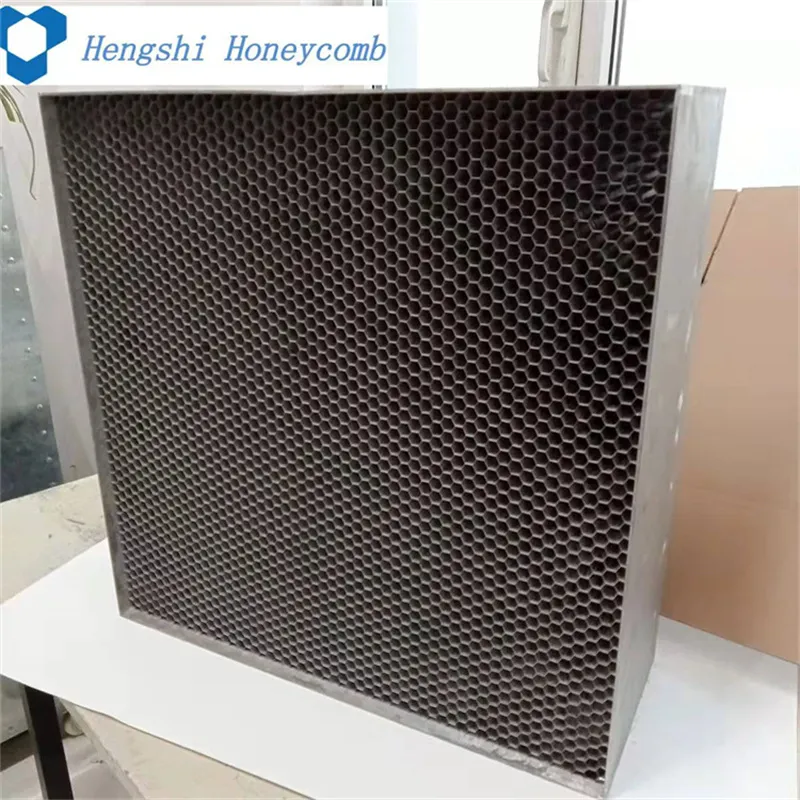
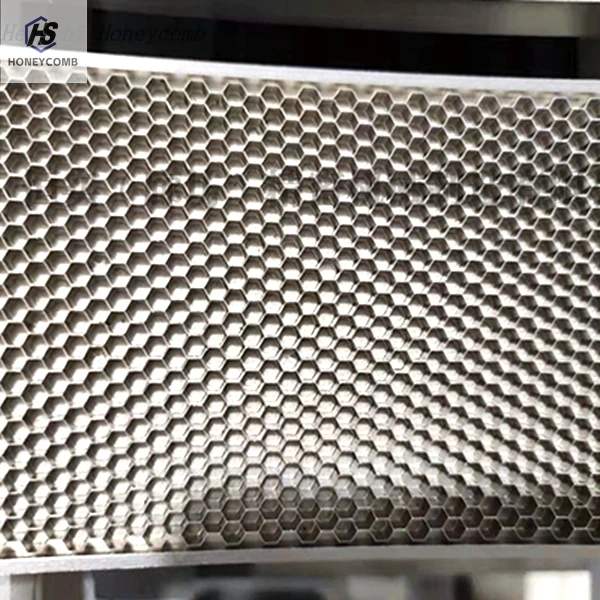
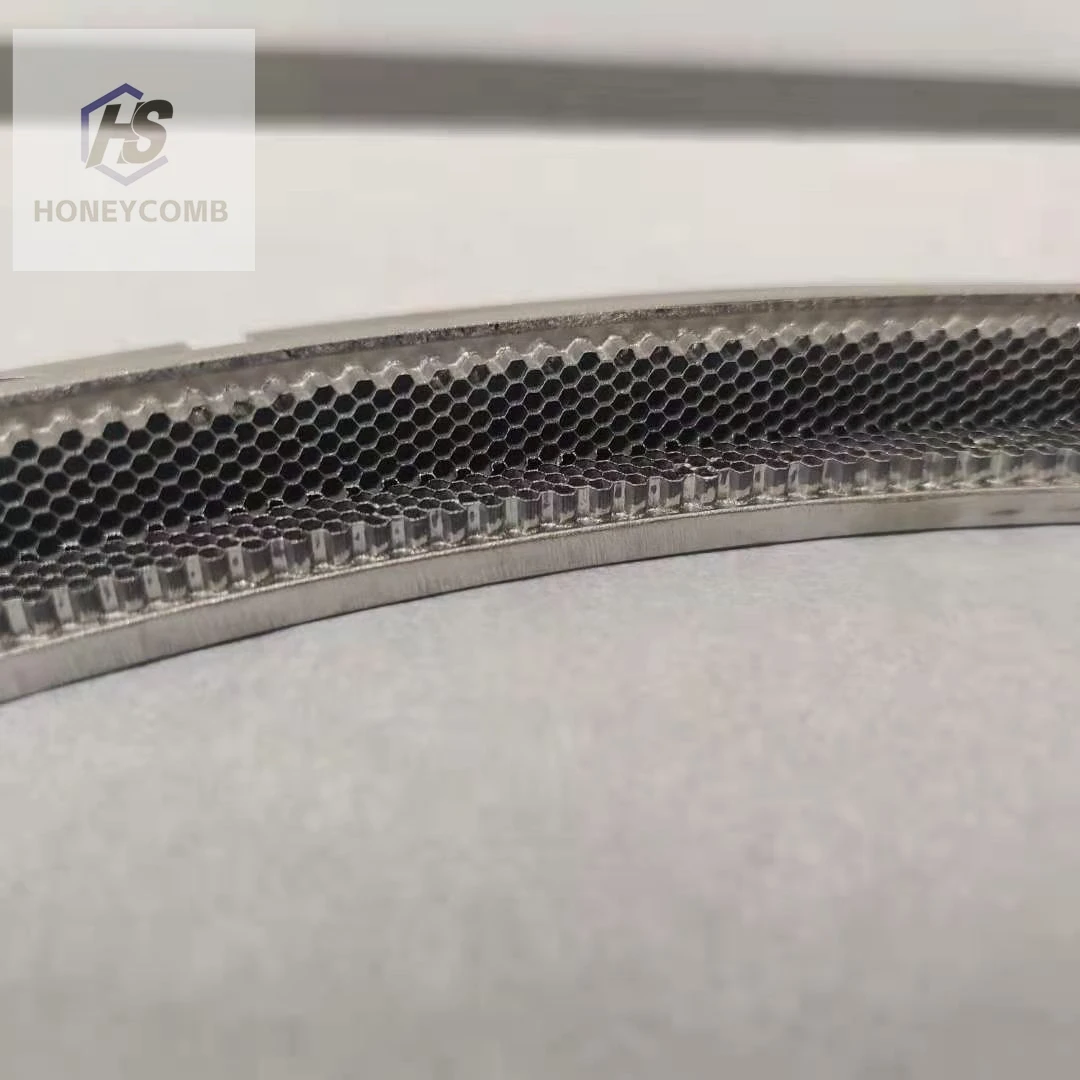
Figure 1: Illustration of honeycomb core structure and manufacturing precision.
This meticulous process ensures that our maf honeycomb screen products deliver consistent performance and reliability, meeting the exacting demands of target industries such as petrochemical, metallurgy, and water supply & drainage, where factors like energy saving and corrosion resistance are paramount.
Technical Specifications and Parameters
The performance of an air flow straightener is defined by several key technical parameters. These specifications are crucial for engineers and procurement specialists to select the appropriate component for their specific application, balancing flow conditioning effectiveness with minimal pressure drop.
The effectiveness of the maf honeycomb screen in flow straightening is primarily determined by its cell aspect ratio (length-to-diameter ratio, L/D). A higher L/D ratio typically results in more effective flow conditioning but also increased pressure drop. Engineers must carefully consider these trade-offs based on system requirements. For optimal performance, a minimum L/D of 6-8 is often recommended for significant swirl reduction.
Application Scenarios and Technical Advantages
The versatility and robust performance of the maf honeycomb screen make it invaluable across a wide spectrum of industrial and research applications. Its primary function is to transform highly turbulent and swirling flows into a more uniform, axial (laminar) profile, which is crucial for the accurate operation of downstream equipment.
- Wind Tunnels and Aerodynamic Testing: Essential for generating laminar flow fields required for precise aerodynamic measurements on models, ensuring that test results are accurate and repeatable. Our stainless steel honeycomb cores are specified for their ability to withstand high velocities and provide consistent flow uniformity.
- Mass Airflow (MAF) Sensor Pre-conditioning: In automotive engine intake systems, a precisely conditioned intake air straightener before the MAF sensor ensures accurate air mass measurement, leading to optimal fuel-air mixture, improved fuel economy, and reduced emissions. Swirling air can cause significant errors in MAF readings.
- HVAC and Ventilation Systems: Used in large-scale air handling units to distribute air evenly across coils or filters, improving heat exchange efficiency, reducing fan energy consumption, and extending filter life.
- Industrial Process Control: Critical for conditioning flow before flow meters, sensors, and control valves in petrochemical, power generation, and chemical processing plants, guaranteeing accurate process monitoring and control.
- Medical and Cleanroom Environments: Ensuring highly uniform airflow in laminar flow hoods and cleanrooms to maintain stringent contamination control standards.
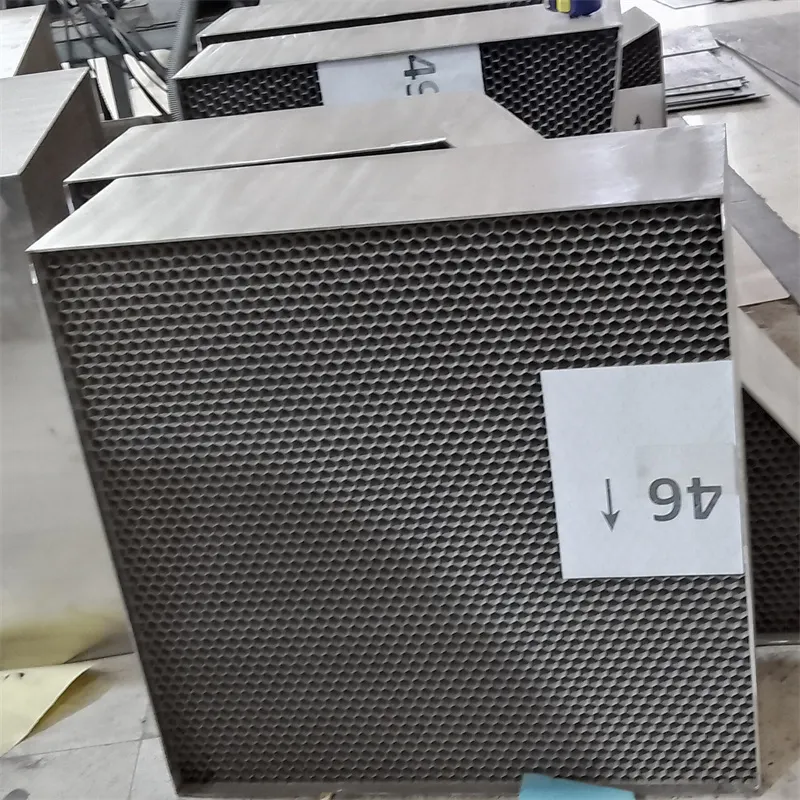
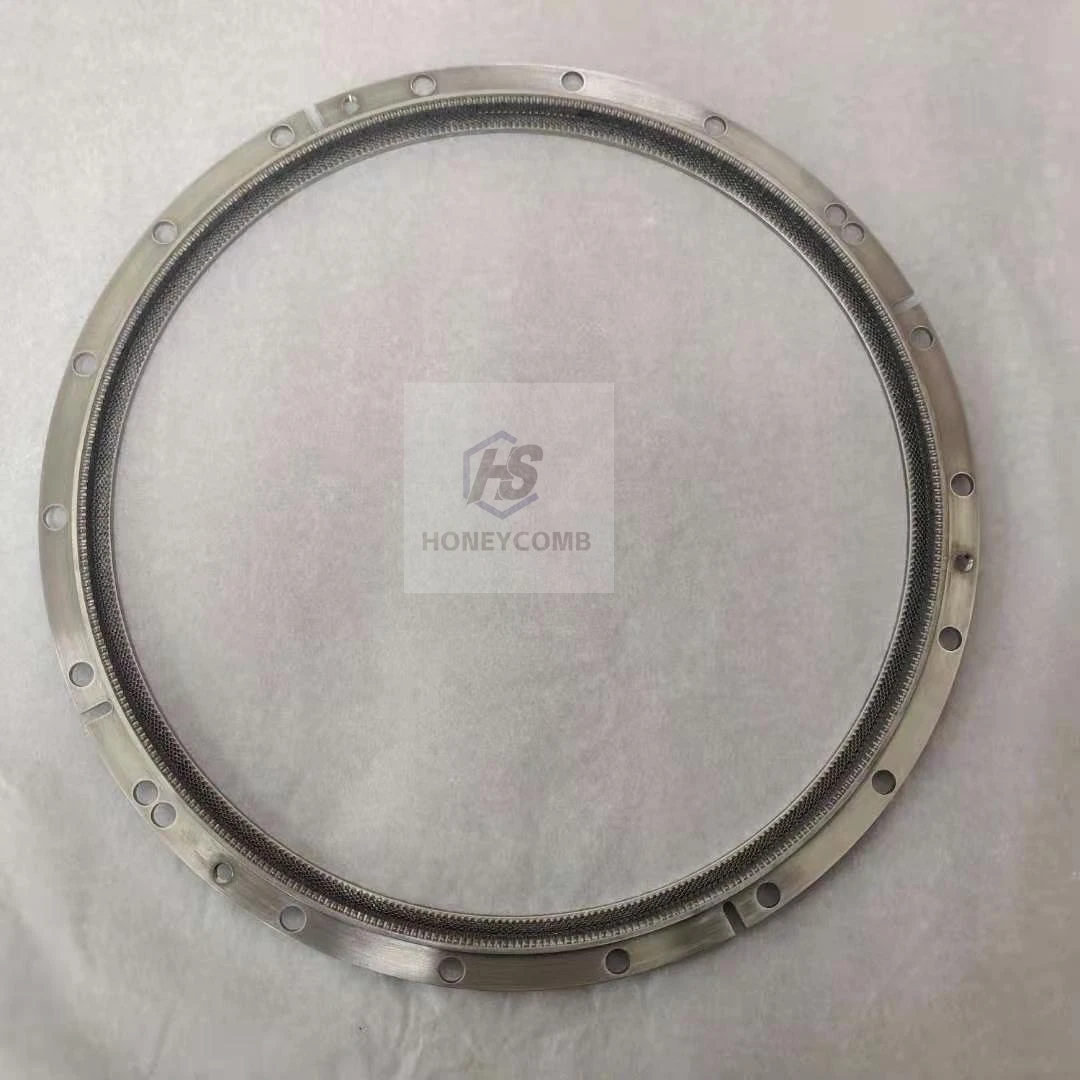
Figure 2: Exemplary application of a honeycomb core for flow straightening.
Key Technical Advantages:
- Superior Flow Conditioning: Reduces turbulence intensity by up to 80% and eliminates swirl, providing a highly uniform velocity profile crucial for downstream sensor accuracy and system efficiency.
- Low Pressure Drop: Engineered cell geometries (e.g., high Open Frontal Area) ensure minimal resistance to airflow, thereby reducing fan power requirements and achieving significant energy savings. This directly translates to lower operational costs.
- Exceptional Corrosion Resistance: Manufactured from AISI 304 or 316L stainless steel, our honeycomb cores withstand aggressive chemical environments, high humidity, and extreme temperatures, ensuring long service life and reduced maintenance in petrochemical and water treatment industries.
- High Temperature Endurance: Stainless steel construction allows operation in environments up to 800°C, far exceeding the capabilities of plastic or aluminum alternatives.
- Robust Mechanical Strength: The brazed honeycomb structure provides excellent rigidity and resistance to vibration and deformation, making it suitable for high-velocity flows and demanding industrial settings.
- Customizability: Cell size, core thickness, and overall dimensions can be precisely tailored to meet specific aerodynamic and structural requirements of diverse applications.
These advantages underscore why the Stainless Steel Hengshi Honeycomb Core is the preferred choice for engineers seeking reliable, high-performance air flow straightener solutions.
Vendor Comparison: Hengshi vs. Alternative Solutions
When selecting an intake air straightener, decision-makers face a choice between various materials and manufacturing approaches. While plastic and aluminum options exist, stainless steel honeycomb cores, particularly those from specialized manufacturers like Hengshi, offer distinct advantages for critical B2B applications.
While initial costs for stainless steel maf honeycomb screen solutions might be higher than for plastic or aluminum alternatives, the long-term total cost of ownership (TCO) often favors stainless steel due to its extended service life, minimal maintenance requirements, and consistent performance in harsh conditions. For mission-critical applications where failure is not an option, the superior reliability of stainless steel is paramount.
Customized Solutions and Case Studies
Recognizing that every industrial application presents unique challenges, Hengshi specializes in providing highly customized maf honeycomb screen solutions. Our engineering team works closely with clients from conceptual design to final implementation, ensuring that the honeycomb core perfectly matches the specific flow, temperature, and chemical compatibility requirements.
Customization options include:
- Material Grade: Beyond 304 and 316L, we offer specialized alloys for extreme environments (e.g., Inconel for very high temperatures).
- Cell Geometry: Tailored cell sizes and foil thicknesses to optimize the balance between flow straightening efficiency and pressure drop.
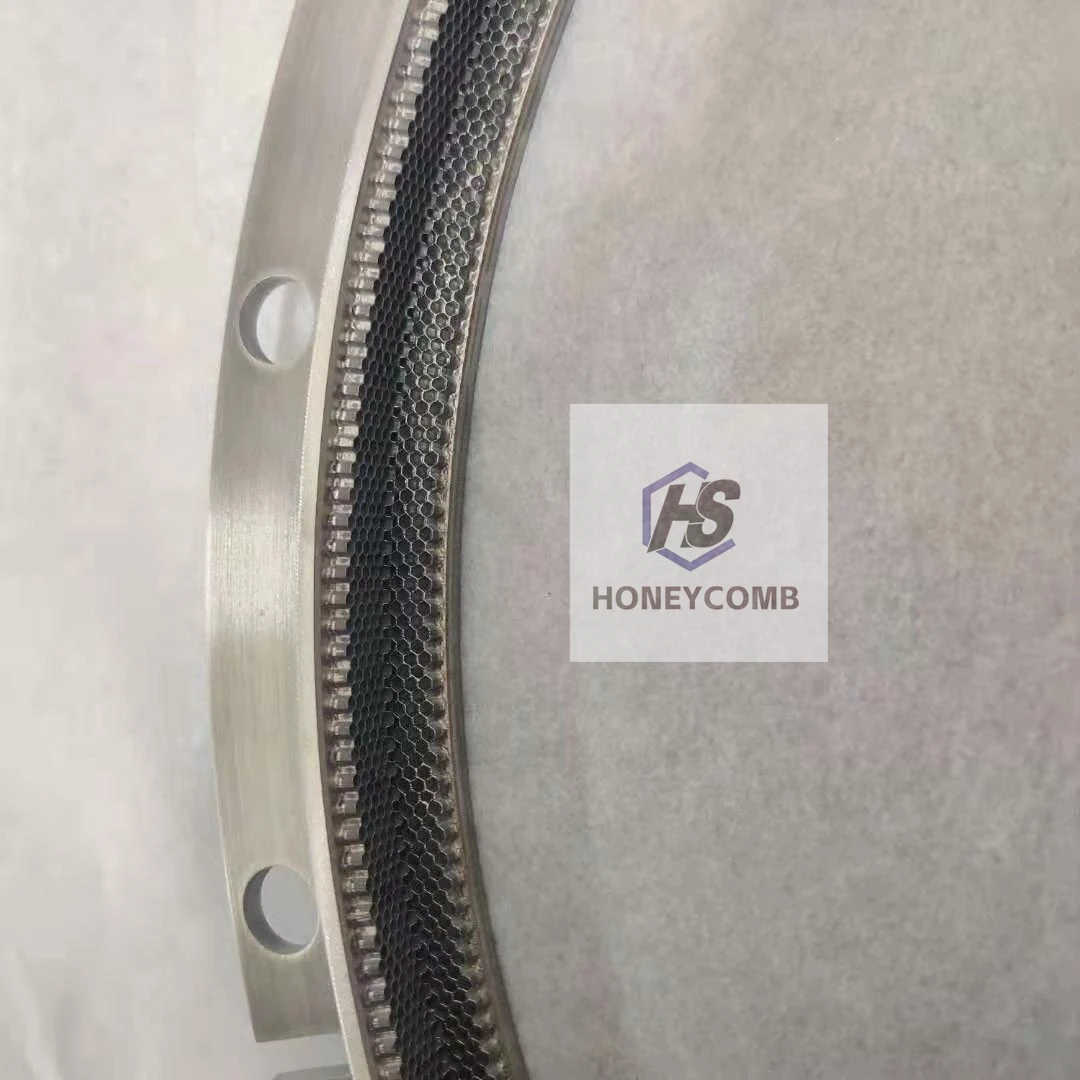
- Dimensions and Shape: Manufacturing capabilities for custom shapes (e.g., circular, rectangular, annular, curved) and precise dimensions to fit existing system architecture.
- Framing and Integration: Design and fabrication of custom frames and mounting solutions for seamless integration into ducts, plenums, or sensor assemblies.
Application Case Studies:
Case Study 1: Automotive Engine Test Bench
A leading automotive R&D center required a highly accurate airflow measurement system for their engine test benches. Pre-existing swirl in the intake manifold caused significant deviations in MAF sensor readings, leading to inconsistent engine tuning data. Hengshi provided a custom-engineered intake air straightener with a specific cell size and length (L/D ratio of 8) in AISI 304 stainless steel. Post-installation, the turbulence intensity was reduced by 75%, and MAF sensor accuracy improved by over 90%, resulting in more reliable test data and accelerated engine development cycles.
Case Study 2: Petrochemical Reactor Feed Line
A major petrochemical client experienced issues with premature wear in a reactor feed line's control valve due to uneven flow distribution and localized high velocities. The environment was highly corrosive and operated at elevated temperatures. We designed a bespoke air flow straightener from AISI 316L stainless steel, precisely dimensioned to fit within the existing piping. The honeycomb effectively homogenized the flow, reducing localized erosion, extending the control valve's service life by 40%, and improving overall process stability. The investment paid for itself within two years through reduced maintenance and increased uptime.
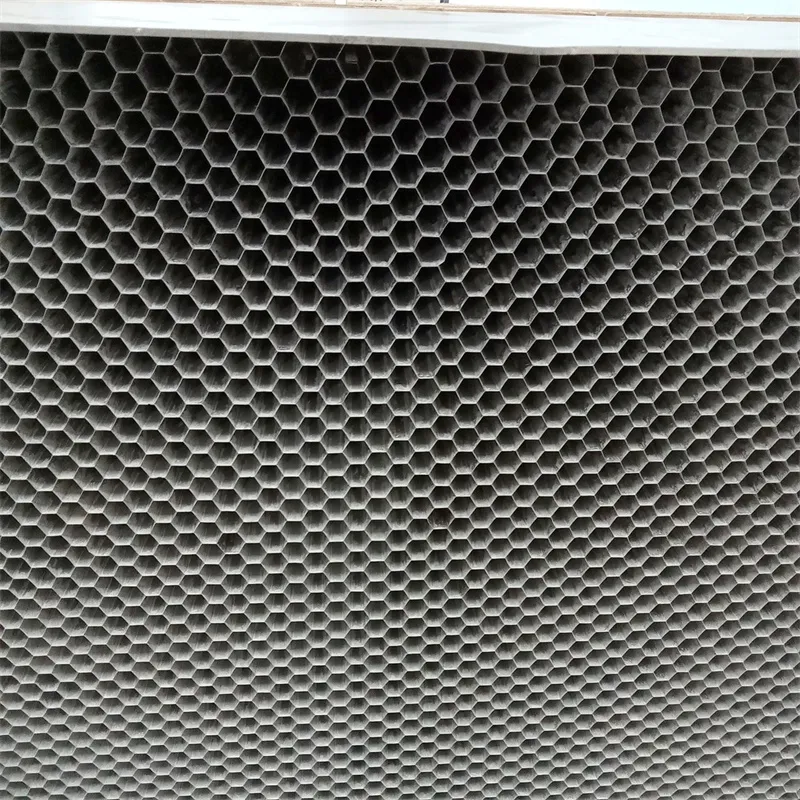
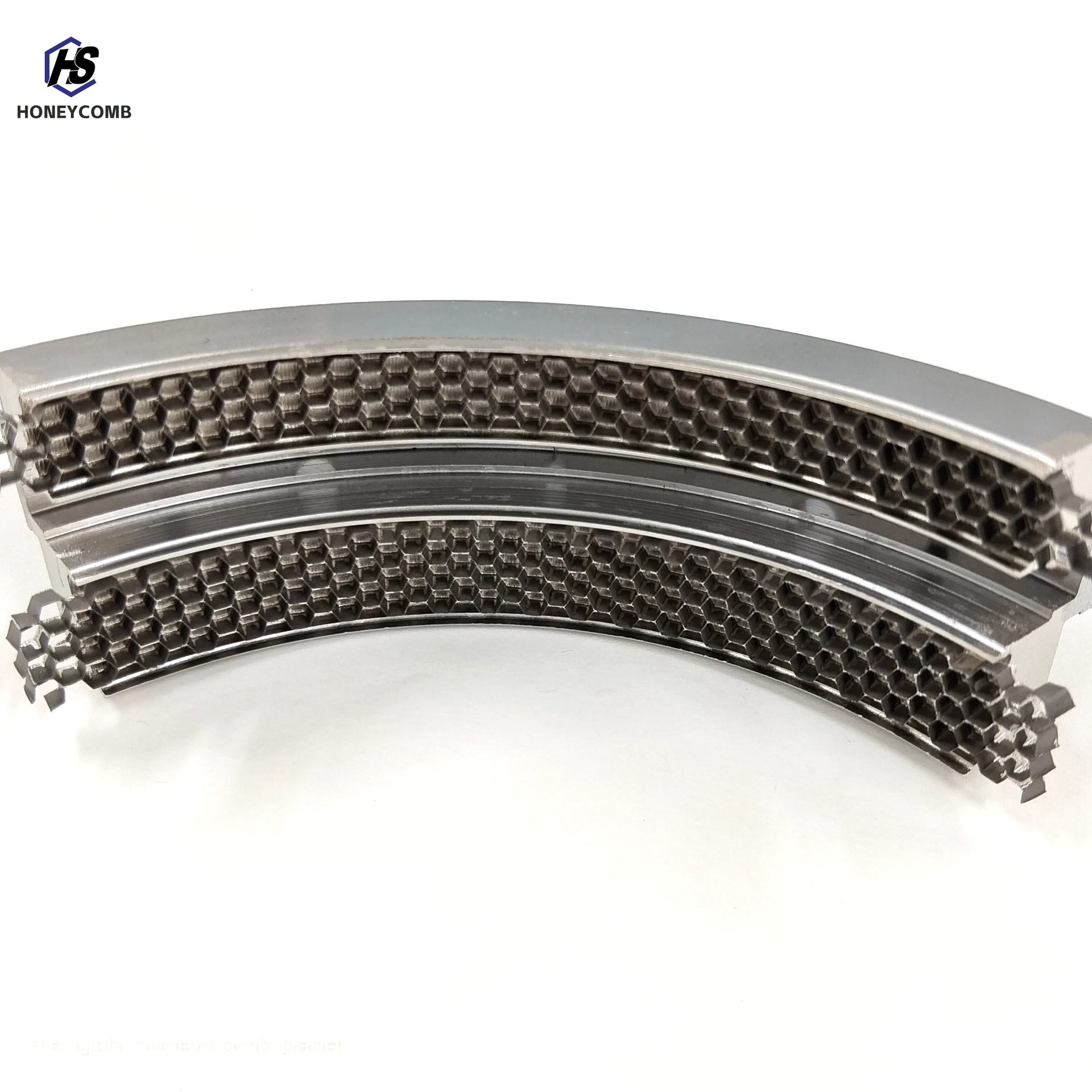
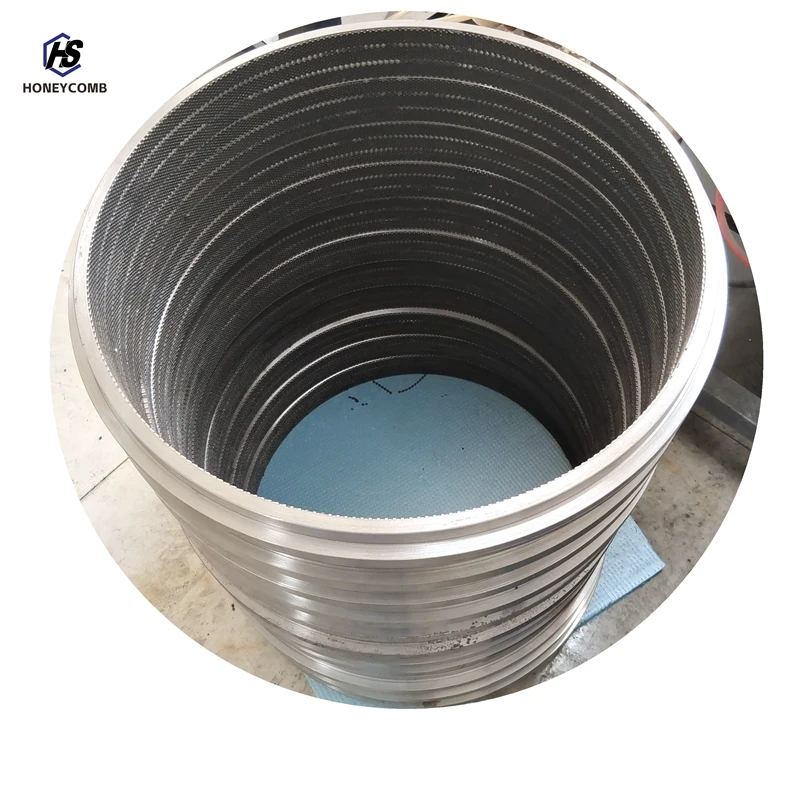
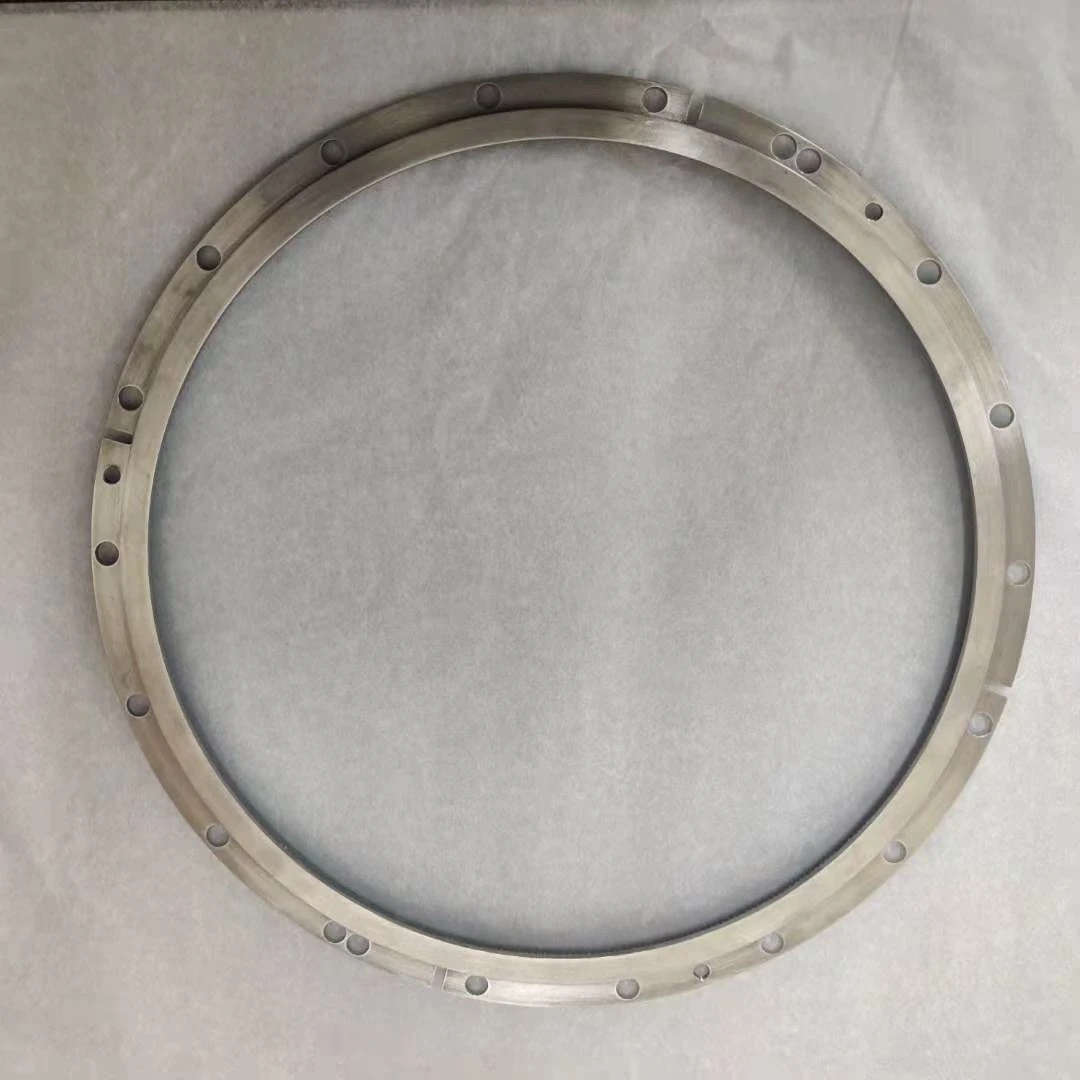
Figure 3: Customized maf honeycomb screen solutions ready for integration.
Authoritativeness and Trustworthiness
Hengshi is committed to upholding the highest standards of quality and customer satisfaction. Our long-standing presence in the industry, coupled with rigorous certification processes, underpins our reputation as a trusted provider of industrial honeycomb solutions.
Certifications and Quality Assurance:
- ISO 9001:2015 Certified: Our manufacturing facilities and quality management systems adhere to the international benchmark for quality.
- Material Traceability: All raw materials are sourced from reputable suppliers and come with full mill test certificates, ensuring complete traceability from origin to finished product.
- Adherence to ASTM & ANSI Standards: Products are designed and tested in compliance with relevant industry standards for material properties and performance.
- Dedicated R&D: Continuous investment in research and development ensures our products remain at the forefront of flow conditioning technology.
Frequently Asked Questions (FAQ):
Q: What is the primary benefit of using a stainless steel maf honeycomb screen over other materials?
A: Stainless steel offers superior resistance to corrosion, high temperatures, and mechanical stress, making it ideal for harsh industrial environments where plastic or aluminum alternatives would quickly degrade or fail. This translates to longer service life and greater reliability.
Q: How do I determine the correct cell size and core thickness for my application?
A: The optimal cell size and core thickness (L/D ratio) depend on your specific flow conditions (velocity, turbulence intensity) and desired downstream flow uniformity. Our engineering team can provide expert consultation and CFD analysis to recommend the ideal configuration.
Q: Can your honeycomb cores be cleaned or maintained?
A: Yes, stainless steel honeycomb cores are robust and can typically be cleaned using standard industrial methods such as high-pressure washing, ultrasonic cleaning, or chemical cleaning, depending on the accumulated contaminants. Regular maintenance can further extend their already long service life.
Lead Time and Fulfillment:
Standard products typically have a lead time of 2-4 weeks. Customized solutions, depending on complexity and material availability, may require 4-8 weeks. We maintain robust supply chain management to ensure timely delivery and accommodate urgent requests when possible.
Warranty and Customer Support:
All Stainless Steel Hengshi Honeycomb Cores come with a comprehensive 2-year warranty covering manufacturing defects and material integrity under specified operating conditions. Our dedicated after-sales support team is available via email (support@hshihoneycomb.com) and phone (+XX-XXX-XXXX-XXXX) to provide technical assistance, troubleshooting, and expedited spare parts service. We are committed to ensuring the uninterrupted performance of your systems.
Conclusion
The maf honeycomb screen is more than just a component; it is a precision engineering solution critical for optimizing performance, ensuring accuracy, and enhancing the longevity of industrial and automotive systems. By investing in high-quality stainless steel honeycomb cores from a reputable manufacturer like Hengshi, businesses secure a foundational element for reliable airflow management and superior operational efficiency. Our commitment to advanced manufacturing, rigorous quality control, and tailored solutions makes us the ideal partner for your most challenging flow conditioning requirements.
References
- Grand View Research. (2023). Flow Measurement Devices Market Size, Share & Trends Analysis Report By Product, By Application, By End-use, By Region, And Segment Forecasts, 2023 - 2030.
- White, F. M. (2006). Fluid Mechanics. McGraw-Hill Higher Education.
- National Institute of Standards and Technology (NIST). (Reference for measurement standards and best practices).
- ASTM International. (Standards for materials and testing procedures, e.g., ASTM A240 for stainless steel).
- ISO 9001:2015 Quality Management Systems – Requirements. (International standard for quality management).

-
Industrial Airflow Guide for maf воздушная правильная машинаNewsApr.16,2026
-
Best maf струйно правильная машина for Industrial EfficiencyNewsApr.09,2026
-
Сотовая правильная машина A Comprehensive Guide to Honey Packing AutomationNewsApr.07,2026
-
Build Your Own DIY газоправильная Машина A Comprehensive Guide to Gas CorrectionNewsApr.04,2026
-
Understanding Кондиционер отопления Systems for Efficient and Comfortable HeatingNewsMar.31,2026
-
Comprehensive Guide to Cellular Blinds Installation Установка сотовых жалюзиNewsMar.28,2026
-
Mobile Aerodynamic Tunnel Design A Comprehensive Guide to Applications and ImplementationNewsMar.26,2026
Accurate MAF Honeycomb Screen: Enhanced Airflow Straightening
Understanding the Advanced maf honeycomb screen for Precision Airflow Management
In industrial and automotive applications requiring precise airflow control, the device, often referred to as an air flow straightener or intake air straightener, is engineered to transform turbulent, swirling air into a laminar flow profile, significantly enhancing measurement accuracy and system efficiency. Its robust construction and meticulously designed cellular structure make it indispensable for demanding environments where flow distortion can lead to suboptimal performance and inaccurate data.
The demand for highly accurate airflow measurement and conditioning is continuously growing across various sectors, driven by stricter environmental regulations, the pursuit of energy efficiency, and the increasing sophistication of process control systems. Our Stainless Steel Hengshi Honeycomb Core is designed to meet these challenges, offering unparalleled performance and durability.
Industry Trends and the Role of Flow Straighteners
The global market for airflow management solutions is experiencing robust growth, propelled by advancements in HVAC, automotive, aerospace, and process industries. A key trend is the increasing emphasis on optimizing energy consumption and reducing emissions, which necessitates highly accurate flow metering. According to market research by Grand View Research, the global flow measurement devices market size was valued at USD 8.04 billion in 2022 and is expected to expand at a compound annual growth rate (CAGR) of 4.9% from 2023 to 2030. This growth underscores the critical need for components like the maf honeycomb screen that ensure the reliability of these measurement systems.
Regulatory frameworks, such as Euro 7 emissions standards and stringent industrial safety protocols, are also driving innovation in flow conditioning. These regulations demand not only precise measurement but also a deeper understanding of fluid dynamics within complex systems. Modern industrial facilities are integrating smart sensors and IoT technologies, making the quality of input data, directly influenced by laminar flow, paramount for effective predictive maintenance and operational analytics. The air flow straightener contributes directly to this by providing the ideal conditions for sensor operation.
Detailed Manufacturing Process of the Stainless Steel Honeycomb Core
The production of a high-performance maf honeycomb screen, particularly from stainless steel, involves a precise, multi-stage manufacturing process designed to achieve structural integrity, uniform cell geometry, and exceptional durability. Our Stainless Steel Hengshi Honeycomb Core follows stringent quality control at every step.
-
Material Selection and Preparation: We begin with high-grade stainless steel coils, typically AISI 304 or 316L, chosen for their superior corrosion resistance, high temperature tolerance, and mechanical strength. These materials are certified to international standards like ASTM A240. The coils are precisely slit to specified widths, ensuring minimal material waste and accurate subsequent processing.
-
Corrugation: The slit stainless steel strips undergo a precision cold-forming process where they are corrugated into a sinusoidal or trapezoidal wave pattern. The accuracy of this step is paramount as it defines the cell geometry (e.g., cell size and wall thickness), which directly impacts the flow straightening characteristics and pressure drop. Advanced tooling and CNC-controlled machinery ensure consistent corrugation profiles.
-
Layer Assembly and Bonding: Corrugated sheets are then meticulously stacked and interleaved with flat stainless steel sheets. This creates the characteristic hexagonal (or other specified) cellular structure. The layers are then joined using specialized high-temperature brazing or resistance welding techniques. Brazing, typically performed in a vacuum furnace or controlled atmosphere, creates robust metallic bonds at the contact points, ensuring high structural rigidity and excellent resistance to vibration and thermal cycling. This process adheres to ISO 17672 standards for brazing.
-
Slicing and Cutting: The large honeycomb blocks formed in the previous step are then precisely sliced to the desired thickness using high-speed abrasive cutting or wire EDM (Electrical Discharge Machining). This ensures flat, parallel faces and accurate dimensions for the final honeycomb core.
-
Framing and Assembly: For specific applications, the honeycomb core may be integrated into a frame, often also made of stainless steel, aluminum, or composite materials. This frame provides structural support and facilitates mounting within a duct or sensor housing. Precision CNC machining is utilized for frame fabrication, ensuring tight tolerances and seamless integration.
-
Quality Control and Testing: Each intake air straightener undergoes rigorous quality assurance. This includes visual inspection for structural integrity, dimensional verification against CAD specifications, and non-destructive testing (NDT) such as ultrasonic inspection for bond quality. Flow uniformity testing, often in accordance with standards like ISO 5801 or specific client protocols, is performed to ensure the desired reduction in turbulence and swirl. Our products are tested to ensure a service life exceeding 10-15 years under normal operating conditions.
Figure 1: Illustration of honeycomb core structure and manufacturing precision.
This meticulous process ensures that our maf honeycomb screen products deliver consistent performance and reliability, meeting the exacting demands of target industries such as petrochemical, metallurgy, and water supply & drainage, where factors like energy saving and corrosion resistance are paramount.
Technical Specifications and Parameters
The performance of an air flow straightener is defined by several key technical parameters. These specifications are crucial for engineers and procurement specialists to select the appropriate component for their specific application, balancing flow conditioning effectiveness with minimal pressure drop.
The effectiveness of the maf honeycomb screen in flow straightening is primarily determined by its cell aspect ratio (length-to-diameter ratio, L/D). A higher L/D ratio typically results in more effective flow conditioning but also increased pressure drop. Engineers must carefully consider these trade-offs based on system requirements. For optimal performance, a minimum L/D of 6-8 is often recommended for significant swirl reduction.
Application Scenarios and Technical Advantages
The versatility and robust performance of the maf honeycomb screen make it invaluable across a wide spectrum of industrial and research applications. Its primary function is to transform highly turbulent and swirling flows into a more uniform, axial (laminar) profile, which is crucial for the accurate operation of downstream equipment.
- Wind Tunnels and Aerodynamic Testing: Essential for generating laminar flow fields required for precise aerodynamic measurements on models, ensuring that test results are accurate and repeatable. Our stainless steel honeycomb cores are specified for their ability to withstand high velocities and provide consistent flow uniformity.
- Mass Airflow (MAF) Sensor Pre-conditioning: In automotive engine intake systems, a precisely conditioned intake air straightener before the MAF sensor ensures accurate air mass measurement, leading to optimal fuel-air mixture, improved fuel economy, and reduced emissions. Swirling air can cause significant errors in MAF readings.
- HVAC and Ventilation Systems: Used in large-scale air handling units to distribute air evenly across coils or filters, improving heat exchange efficiency, reducing fan energy consumption, and extending filter life.
- Industrial Process Control: Critical for conditioning flow before flow meters, sensors, and control valves in petrochemical, power generation, and chemical processing plants, guaranteeing accurate process monitoring and control.
- Medical and Cleanroom Environments: Ensuring highly uniform airflow in laminar flow hoods and cleanrooms to maintain stringent contamination control standards.
Figure 2: Exemplary application of a honeycomb core for flow straightening.
Key Technical Advantages:
- Superior Flow Conditioning: Reduces turbulence intensity by up to 80% and eliminates swirl, providing a highly uniform velocity profile crucial for downstream sensor accuracy and system efficiency.
- Low Pressure Drop: Engineered cell geometries (e.g., high Open Frontal Area) ensure minimal resistance to airflow, thereby reducing fan power requirements and achieving significant energy savings. This directly translates to lower operational costs.
- Exceptional Corrosion Resistance: Manufactured from AISI 304 or 316L stainless steel, our honeycomb cores withstand aggressive chemical environments, high humidity, and extreme temperatures, ensuring long service life and reduced maintenance in petrochemical and water treatment industries.
- High Temperature Endurance: Stainless steel construction allows operation in environments up to 800°C, far exceeding the capabilities of plastic or aluminum alternatives.
- Robust Mechanical Strength: The brazed honeycomb structure provides excellent rigidity and resistance to vibration and deformation, making it suitable for high-velocity flows and demanding industrial settings.
- Customizability: Cell size, core thickness, and overall dimensions can be precisely tailored to meet specific aerodynamic and structural requirements of diverse applications.
These advantages underscore why the Stainless Steel Hengshi Honeycomb Core is the preferred choice for engineers seeking reliable, high-performance air flow straightener solutions.
Vendor Comparison: Hengshi vs. Alternative Solutions
When selecting an intake air straightener, decision-makers face a choice between various materials and manufacturing approaches. While plastic and aluminum options exist, stainless steel honeycomb cores, particularly those from specialized manufacturers like Hengshi, offer distinct advantages for critical B2B applications.
While initial costs for stainless steel maf honeycomb screen solutions might be higher than for plastic or aluminum alternatives, the long-term total cost of ownership (TCO) often favors stainless steel due to its extended service life, minimal maintenance requirements, and consistent performance in harsh conditions. For mission-critical applications where failure is not an option, the superior reliability of stainless steel is paramount.
Customized Solutions and Case Studies
Recognizing that every industrial application presents unique challenges, Hengshi specializes in providing highly customized maf honeycomb screen solutions. Our engineering team works closely with clients from conceptual design to final implementation, ensuring that the honeycomb core perfectly matches the specific flow, temperature, and chemical compatibility requirements.
Customization options include:
- Material Grade: Beyond 304 and 316L, we offer specialized alloys for extreme environments (e.g., Inconel for very high temperatures).
- Cell Geometry: Tailored cell sizes and foil thicknesses to optimize the balance between flow straightening efficiency and pressure drop.
- Dimensions and Shape: Manufacturing capabilities for custom shapes (e.g., circular, rectangular, annular, curved) and precise dimensions to fit existing system architecture.
- Framing and Integration: Design and fabrication of custom frames and mounting solutions for seamless integration into ducts, plenums, or sensor assemblies.
Application Case Studies:
Case Study 1: Automotive Engine Test Bench
A leading automotive R&D center required a highly accurate airflow measurement system for their engine test benches. Pre-existing swirl in the intake manifold caused significant deviations in MAF sensor readings, leading to inconsistent engine tuning data. Hengshi provided a custom-engineered intake air straightener with a specific cell size and length (L/D ratio of 8) in AISI 304 stainless steel. Post-installation, the turbulence intensity was reduced by 75%, and MAF sensor accuracy improved by over 90%, resulting in more reliable test data and accelerated engine development cycles.
Case Study 2: Petrochemical Reactor Feed Line
A major petrochemical client experienced issues with premature wear in a reactor feed line's control valve due to uneven flow distribution and localized high velocities. The environment was highly corrosive and operated at elevated temperatures. We designed a bespoke air flow straightener from AISI 316L stainless steel, precisely dimensioned to fit within the existing piping. The honeycomb effectively homogenized the flow, reducing localized erosion, extending the control valve's service life by 40%, and improving overall process stability. The investment paid for itself within two years through reduced maintenance and increased uptime.
Figure 3: Customized maf honeycomb screen solutions ready for integration.
Authoritativeness and Trustworthiness
Hengshi is committed to upholding the highest standards of quality and customer satisfaction. Our long-standing presence in the industry, coupled with rigorous certification processes, underpins our reputation as a trusted provider of industrial honeycomb solutions.
Certifications and Quality Assurance:
- ISO 9001:2015 Certified: Our manufacturing facilities and quality management systems adhere to the international benchmark for quality.
- Material Traceability: All raw materials are sourced from reputable suppliers and come with full mill test certificates, ensuring complete traceability from origin to finished product.
- Adherence to ASTM & ANSI Standards: Products are designed and tested in compliance with relevant industry standards for material properties and performance.
- Dedicated R&D: Continuous investment in research and development ensures our products remain at the forefront of flow conditioning technology.
Frequently Asked Questions (FAQ):
Q: What is the primary benefit of using a stainless steel maf honeycomb screen over other materials?
A: Stainless steel offers superior resistance to corrosion, high temperatures, and mechanical stress, making it ideal for harsh industrial environments where plastic or aluminum alternatives would quickly degrade or fail. This translates to longer service life and greater reliability.
Q: How do I determine the correct cell size and core thickness for my application?
A: The optimal cell size and core thickness (L/D ratio) depend on your specific flow conditions (velocity, turbulence intensity) and desired downstream flow uniformity. Our engineering team can provide expert consultation and CFD analysis to recommend the ideal configuration.
Q: Can your honeycomb cores be cleaned or maintained?
A: Yes, stainless steel honeycomb cores are robust and can typically be cleaned using standard industrial methods such as high-pressure washing, ultrasonic cleaning, or chemical cleaning, depending on the accumulated contaminants. Regular maintenance can further extend their already long service life.
Lead Time and Fulfillment:
Standard products typically have a lead time of 2-4 weeks. Customized solutions, depending on complexity and material availability, may require 4-8 weeks. We maintain robust supply chain management to ensure timely delivery and accommodate urgent requests when possible.
Warranty and Customer Support:
All Stainless Steel Hengshi Honeycomb Cores come with a comprehensive 2-year warranty covering manufacturing defects and material integrity under specified operating conditions. Our dedicated after-sales support team is available via email (support@hshihoneycomb.com) and phone (+XX-XXX-XXXX-XXXX) to provide technical assistance, troubleshooting, and expedited spare parts service. We are committed to ensuring the uninterrupted performance of your systems.
Conclusion
The maf honeycomb screen is more than just a component; it is a precision engineering solution critical for optimizing performance, ensuring accuracy, and enhancing the longevity of industrial and automotive systems. By investing in high-quality stainless steel honeycomb cores from a reputable manufacturer like Hengshi, businesses secure a foundational element for reliable airflow management and superior operational efficiency. Our commitment to advanced manufacturing, rigorous quality control, and tailored solutions makes us the ideal partner for your most challenging flow conditioning requirements.
References
- Grand View Research. (2023). Flow Measurement Devices Market Size, Share & Trends Analysis Report By Product, By Application, By End-use, By Region, And Segment Forecasts, 2023 - 2030.
- White, F. M. (2006). Fluid Mechanics. McGraw-Hill Higher Education.
- National Institute of Standards and Technology (NIST). (Reference for measurement standards and best practices).
- ASTM International. (Standards for materials and testing procedures, e.g., ASTM A240 for stainless steel).
- ISO 9001:2015 Quality Management Systems – Requirements. (International standard for quality management).
-
Industrial Airflow Guide for maf воздушная правильная машинаNewsApr.16,2026
-
Best maf струйно правильная машина for Industrial EfficiencyNewsApr.09,2026
-
Сотовая правильная машина A Comprehensive Guide to Honey Packing AutomationNewsApr.07,2026
-
Build Your Own DIY газоправильная Машина A Comprehensive Guide to Gas CorrectionNewsApr.04,2026
-
Understanding Кондиционер отопления Systems for Efficient and Comfortable HeatingNewsMar.31,2026
-
Comprehensive Guide to Cellular Blinds Installation Установка сотовых жалюзиNewsMar.28,2026
-
Mobile Aerodynamic Tunnel Design A Comprehensive Guide to Applications and ImplementationNewsMar.26,2026






 English
  Afrikaans
  Albanian
  Amharic
  Arabic
  Armenian
  Azerbaijani
  Basque
  Belarusian
  Bengali
  Bosnian
  Bulgarian
  Catalan
  Cebuano
  China
China  China (Taiwan)
  Corsican
  Croatian
  Czech
Czech  Danish
  Dutch
Dutch  Esperanto
  Estonian
  Finnish
  French
  Frisian
  Galician
  Georgian
  German
  Greek
Greek  Gujarati
  Haitian Creole
  Hausa
Hausa  Hawaiian
  Hebrew
  Hindi
Hindi  Miao
Miao  Indonesian
  Italian
  Japanese
  Javanese
  Malay
Malay  Persian
  Portuguese
  Punjabi
  Russian
  Spanish
  Swahili
  Telugu
  Vietnamese