


Air Straightener Intake: Boost Performance & Efficiency | Global Applications
Understanding Air Straightener Intake: Why It Matters in Today’s World
If you’ve ever paused at an industrial plant or glanced under a vehicle hood, you might not realize the quiet hero at work: the air straightener intake. It’s one of those niche components that seem minor but can change the game globally, especially in fields from aerospace to humanitarian relief. Frankly, understanding what this element does and why it’s critical unlocks a lot about air flow efficiency, energy savings, and operational reliability.
Globally, industries generate billions in energy costs every year due to inefficient air flow in their systems. Enter the air straightener intake—a device designed to optimize how air enters combustion chambers or mechanical systems. Not only does it improve performance, but it also cuts down on harmful emissions and extends the lifespan of machinery. For engineers, manufacturers, and disaster response teams alike, grasping this topic means smarter, cleaner, and more reliable results.
Global Context: Why Does Air Flow Accuracy Matter Today?
The global drive toward energy efficiency and cleaner industrial operations has never been stronger. According to the International Energy Agency (IEA), industrial energy use accounts for roughly 40% of total global energy consumption. A small portion of that energy loss stems from poorly managed air intake systems (source: IEA).
It’s fascinating — the world is tightening environmental regulations constantly, with ISO standards like ISO 16890 emphasizing filtration performance. But these standards also lean heavily on how air is delivered inside machinery. Problems such as turbulence, uneven pressure, and pollutants lead to premature equipment wear and inefficient combustion.
That’s where air straightener intakes come in—correcting airflow before it reaches sensitive components. They don’t just improve performance; they help solve serious operational headaches like overheating and noise, which often plague heavy machinery worldwide, from remote mining in Canada to dense urban factories in China.
What Is an Air Straightener Intake?
Put simply, an air straightener intake is a device that conditions incoming air, ensuring it flows smoothly and uniformly into a system. Imagine trying to drink a milkshake through a bent straw — that’s airflow without a straightener. This tool “straightens” the air, eliminating swirling or chaotic currents.
In industry and humanitarian fields alike, this means engines, turbines, or ventilation systems work as they were designed—nothing more, nothing less. The result is not just performance but safety and reliability, which can be a literal lifeline in disaster zones where fuel or power inefficiency isn’t an option.
Key Components That Make a Difference
1. Durability and Material Choice
Most air straightener intakes are crafted from lightweight metals or composites, built to withstand harsh environments. Aluminum and stainless steel are favorites, balancing weight and corrosion resistance. In dusty or humid zones, this matters because replacement downtime can be costly.
2. Aerodynamic Design
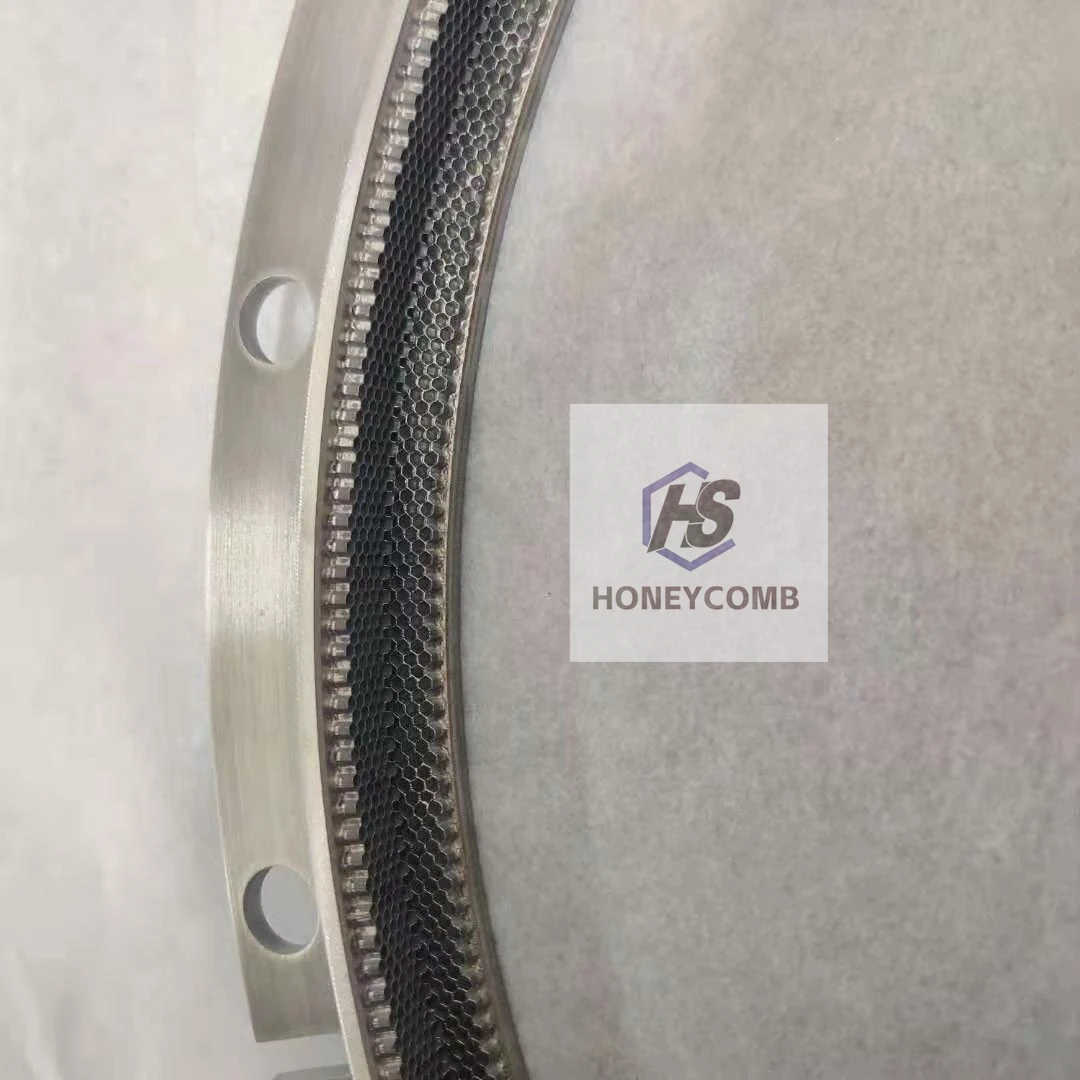
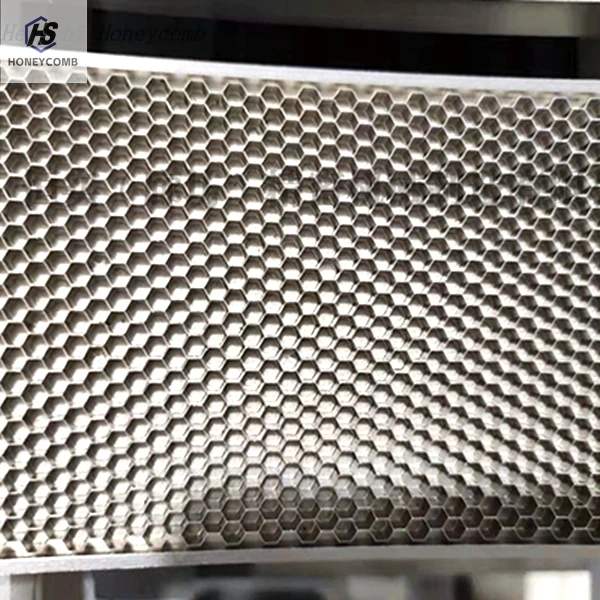
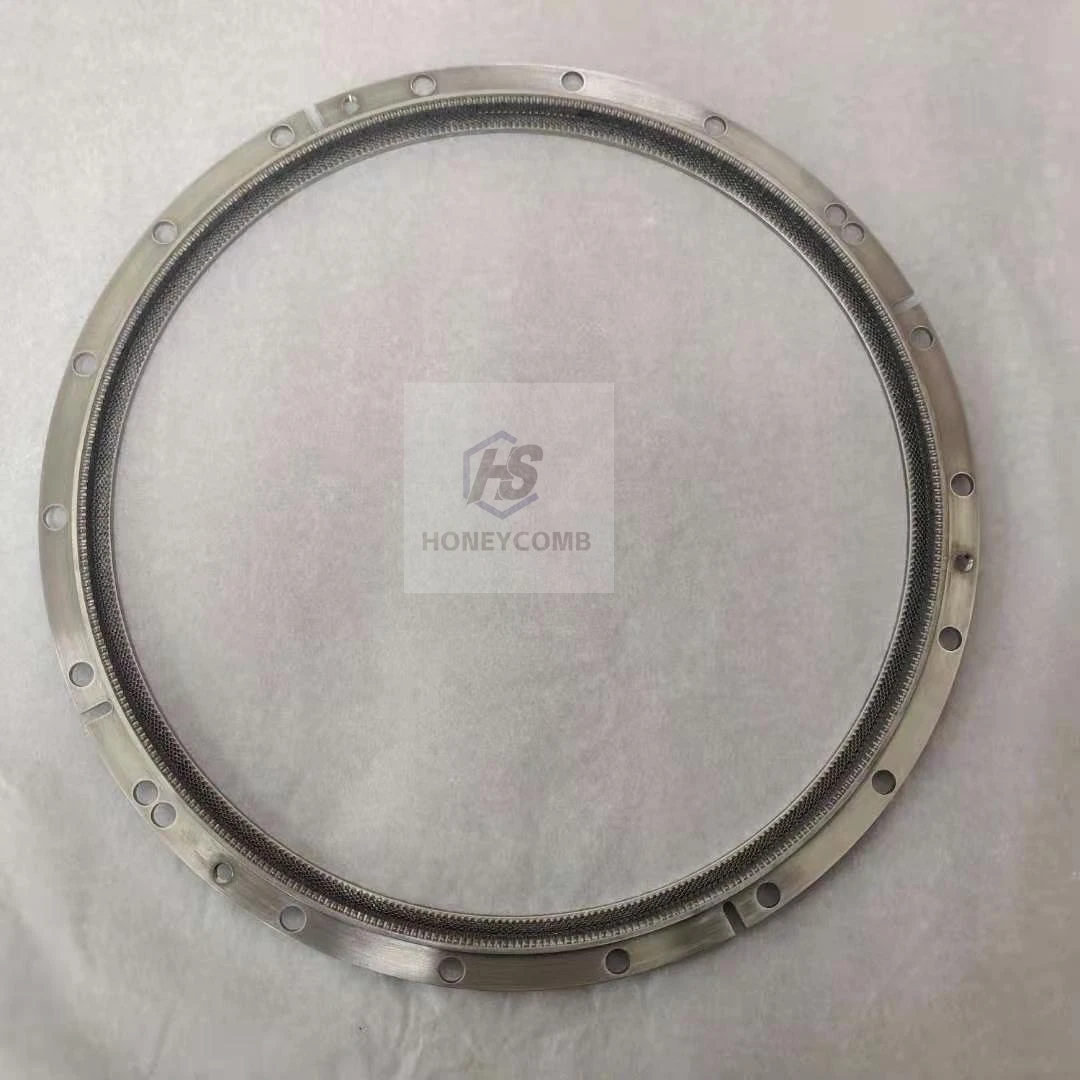
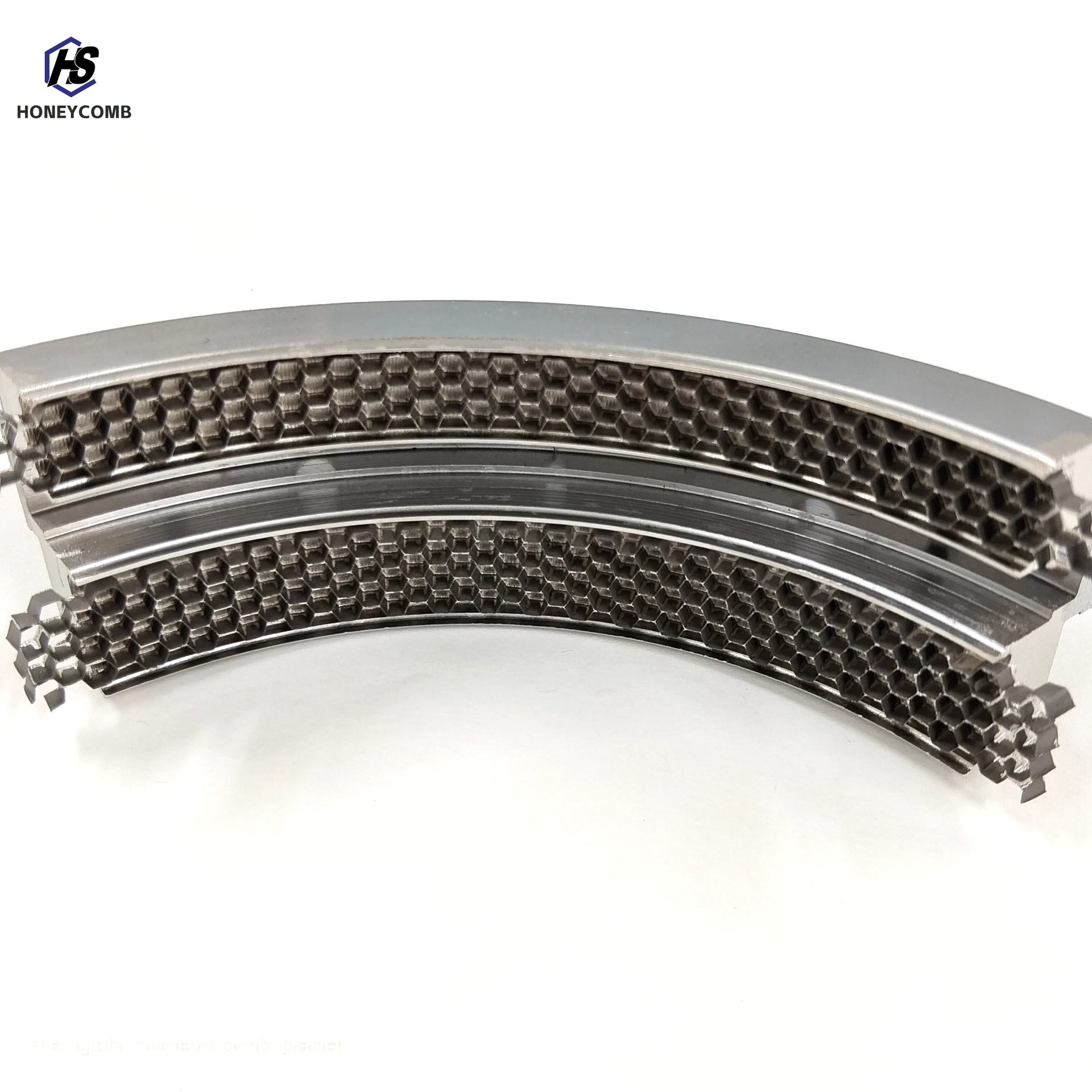
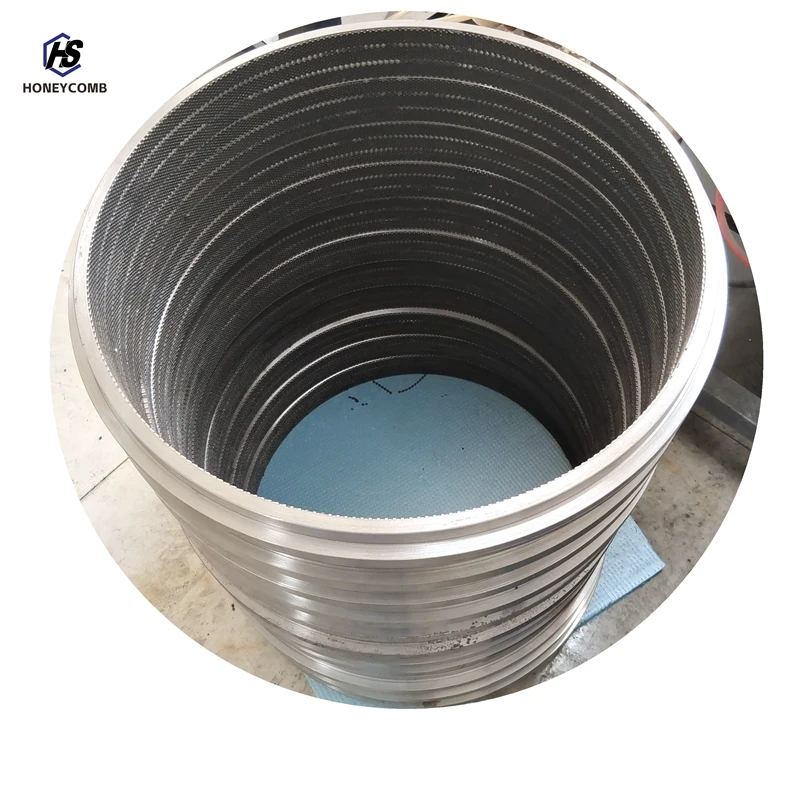
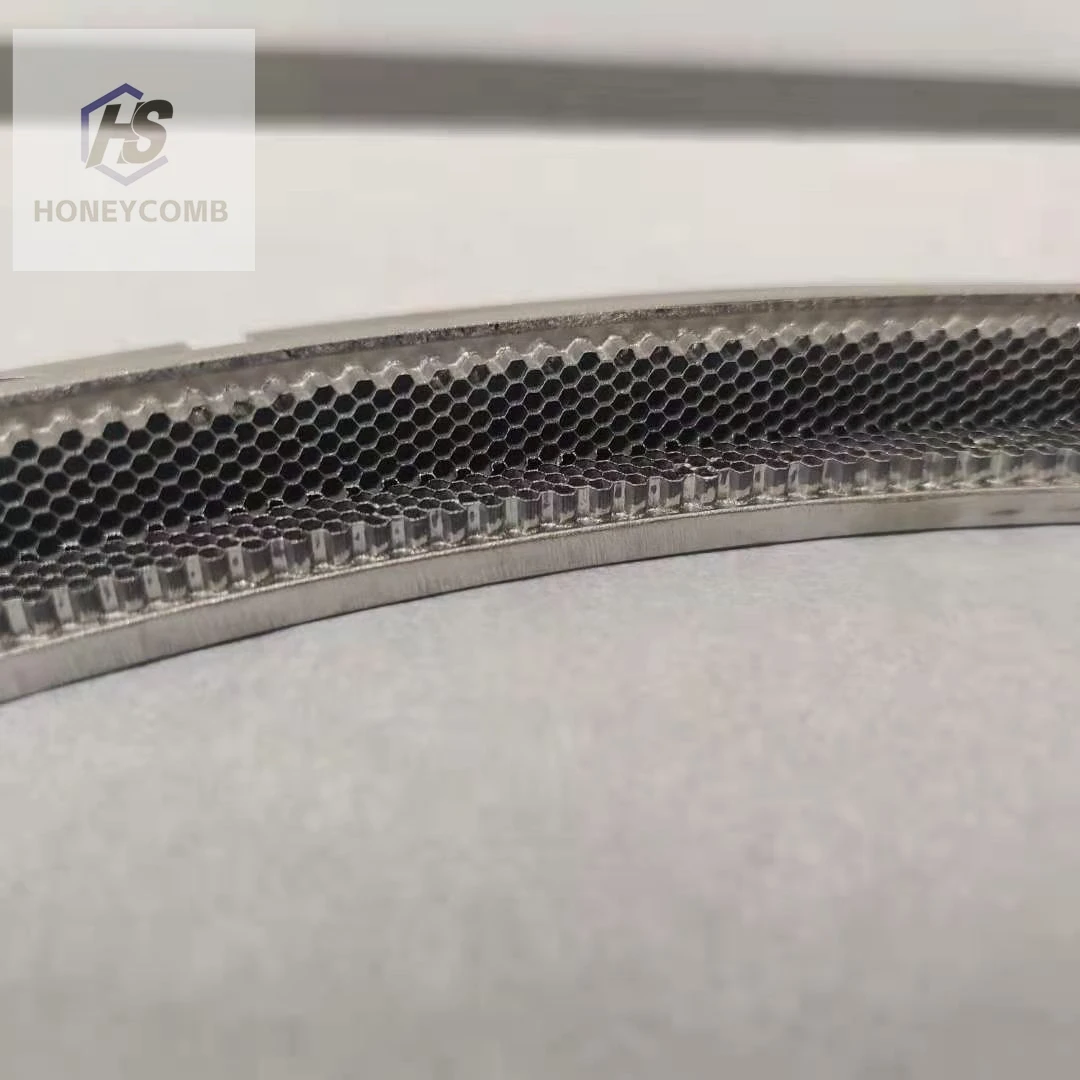
Designers focus on minimizing turbulence through precision-engineered honeycomb or slotted grids inside the intake housing. The air straightener intake’s geometry dictates how efficiently airflow is regularized. Oddly enough, these shapes often mimic natural forms like beehives.
3. Scalability for Different Needs
From tiny drones to massive jet engines, the size and complexity of air straightener intakes vary hugely. Scalability enables custom solutions that fit the airflow volume, speed, and environmental variables of each use case.
4. Cost Efficiency
You’d think these things are pricey, yet many manufacturers optimize production with standardized modular parts. That keeps them affordable, especially important in developing regions or emergency relief missions.
5. Integration with Filtration Systems
More advanced models come with integrated filters or allow easy attachment points—for dust, debris, or even chemical contaminants. Over time, this feature adds real value in maintaining system integrity and clean air quality.
Mini takeaway: Materials, design, and cost all thread into the performance of an air straightener intake. The right combo spells operational success.
Applications Around the World: Practical Use Cases
In real terms, you’ll find air straightener intakes embedded everywhere:
- Aerospace: Jet engines need air flow to enter combustors as clean, uniform streams. Turbulence can reduce fuel efficiency, a costly problem when you’re burning thousands of liters per hour.
- Industrial Machinery: Large manufacturing plants in Germany or the US install them to boost turbine lifespans and reduce maintenance downtime.
- Humanitarian Relief: In places hit by natural disasters—say, after a typhoon in the Philippines—portable generators with air straightener intakes prevent clogging, ensuring non-stop power for critical aid tasks.
- Remote Mining Sites: Harsh dust and particulate matter in South African mines makes air straightening plus filtration an operational must.
Mini takeaway: The air straightener intake is a quiet workhorse behind everything from saving fuel on flights to powering communities post-crisis.
Advantages That Last: Why Invest in Air Straightener Intake?
- Energy Savings: Smoother airflow means engines burn fuel more efficiently — saving money and reducing emissions.
- Maintenance & Longevity: Less turbulent air causes less wear; machines last longer without expensive part swaps.
- Environmental Benefits: Lower particulate ingress means cleaner exhaust — a win for environmental compliance.
- Safety & Reliability: Avoiding unexpected system failure sustains critical operations, especially life-supporting ones.
- Dignity & Comfort: Believe it or not, consistent airflow improves HVAC systems in shelters or mobile hospitals, enhancing occupant well-being.
Overall, investing in proper air straightener intakes reflects a forward-thinking mindset. It feels like a smart blend of innovation and responsibility — and customers notice.
Future Trends: What’s Next for Air Straightener Intake Technology?
The horizon looks pretty exciting. Here’s what’s brewing:
- Green Materials: Expect biodegradable composites that maintain durability but reduce end-of-life waste.
- Smart Sensors: Embedded IoT devices could monitor airflow in real-time, adjusting the intake design dynamically for optimal performance.
- 3D Printing: Custom-shaped intakes with complex internal geometries that traditional manufacturing can’t match.
- Integration with Renewable Energy Systems: Enhancing wind turbines and biofuel engines with bespoke air straightening units.
It’s a rapid evolution, pushing air management from basic mechanics to digitally enhanced ecosystems.
Challenges & How Industry Experts Are Solving Them
Not everything is smooth sailing though. Common issues include:
- Maintenance in Dusty Environments: Dirt can clog intakes faster than expected.
- Cost Barriers for Small Operators: Custom solutions can seem out of reach for small scale or humanitarian users.
- Performance Loss in Extreme Weather: Ice, heavy rain, or scorching heat can reduce intake efficiency.
Experts suggest modular filter upgrades, enhanced coating materials, and collaborative subsidies to offset costs. Industry groups also share open-source designs and best practices (here’s a shout-out to ISO standards again, ISO 62061 provides guidance on machinery safety). In real terms, progress happens because stakeholders pool knowledge and invest in research.
Frequently Asked Questions About Air Straightener Intake
Q1: How does an air straightener intake improve engine performance?
A1: It reduces turbulence and uneven airflow entering the engine, which enhances combustion efficiency and stability, ultimately improving fuel consumption and power output.
Q2: Can air straightener intakes be retrofitted to existing machinery?
A2: Yes, many models are designed for retrofit. Depending on the application, they can be integrated without major system modifications, often improving performance immediately.
Q3: Are there maintenance challenges with air straightener intakes?
A3: Like any component, they require periodic inspection and cleaning, particularly in dusty or humid environments. However, modular filters and durable materials minimize downtime.
Q4: What industries benefit most from air straightener intake technology?
A4: Aerospace, heavy machinery manufacturing, renewable energy sectors, and humanitarian aid organizations rely heavily on these devices for efficiency and reliability.
Q5: How do environmental regulations influence air straightener intake design?
A5: Tighter emissions and energy standards push manufacturers to develop more efficient, cleaner air intake solutions that align with compliance and sustainability goals.
Product Specification Table
| Specification | Value/Range |
|---|---|
| Material | Aluminum Alloy, Stainless Steel, Composite Polymer |
| Operating Temperature | -40°C to +150°C |
| Airflow Capacity | 100 - 5000 CFM (Cubic Feet per Minute) |
| Pressure Drop | ≤ 5% at rated flow |
| Weight | 0.5 - 15 kg (varies by size) |
| Filter Compatibility | Modular filter options available |
Vendor Comparison
| Vendor | Price Range | Material Options | Lead Time | Customization | Notable Clients |
|---|---|---|---|---|---|
| AirFlow Solutions Inc. | $$$ | Aluminum, Stainless Steel | 4-6 weeks | High | Boeing, Siemens |
| EcoAir Components | $$ | Composite Polymers | 3-4 weeks | Medium | Tesla, NASA |
| Global Air Systems | $ | Aluminum | 2-3 weeks | Low | Local Manufacturing Units |
If you’re curious and ready to improve your system’s airflow, you might want to explore products at air straightener intake. Their range offers all the above benefits and more, tailored to your needs.
Wrapping Up: Why Air Straightener Intake Is More Important Than You Think
In the end, an air straightener intake might sound like technical jargon, but it quietly underpins efficiency, sustainability, and reliability across many sectors. When it’s done right, it conserves energy, saves lives through dependable machine operation, and reduces environmental footprints. What’s not to love?
Want to dive deeper? Visit our website at https://www.hshihoneycomb.com and see how you can integrate better airflow solutions today.
References

-
Industrial Airflow Guide for maf воздушная правильная машинаNewsApr.16,2026
-
Best maf струйно правильная машина for Industrial EfficiencyNewsApr.09,2026
-
Сотовая правильная машина A Comprehensive Guide to Honey Packing AutomationNewsApr.07,2026
-
Build Your Own DIY газоправильная Машина A Comprehensive Guide to Gas CorrectionNewsApr.04,2026
-
Understanding Кондиционер отопления Systems for Efficient and Comfortable HeatingNewsMar.31,2026
-
Comprehensive Guide to Cellular Blinds Installation Установка сотовых жалюзиNewsMar.28,2026
-
Mobile Aerodynamic Tunnel Design A Comprehensive Guide to Applications and ImplementationNewsMar.26,2026






 English
  Afrikaans
  Albanian
  Amharic
  Arabic
  Armenian
  Azerbaijani
  Basque
  Belarusian
  Bengali
  Bosnian
  Bulgarian
  Catalan
  Cebuano
  China
China  China (Taiwan)
  Corsican
  Croatian
  Czech
Czech  Danish
  Dutch
Dutch  Esperanto
  Estonian
  Finnish
  French
  Frisian
  Galician
  Georgian
  German
  Greek
Greek  Gujarati
  Haitian Creole
  Hausa
Hausa  Hawaiian
  Hebrew
  Hindi
Hindi  Miao
Miao  Indonesian
  Italian
  Japanese
  Javanese
  Malay
Malay  Persian
  Portuguese
  Punjabi
  Russian
  Spanish
  Swahili
  Telugu
  Vietnamese