


Stainless Steel Honeycomb Mesh: Strength, Sustainability, and Innovation in Modern Industry
Unpacking the Role of Stainless Steel Honeycomb Mesh in Today’s Industrial Landscape
At first glance, the term stainless steel honeycomb mesh might evoke an image of a delicate, geometric structure—true, but also a powerhouse of strength, versatility, and innovation. Whether in advanced aerospace components, filtration technology, or architectural facades, this material has quietly become crucial worldwide. Understanding it is more than a niche interest; it’s a gateway to grasping how industries solve complex engineering challenges while pushing sustainability and efficiency. Let’s stroll through why this material is making waves globally and why you might want to keep it on your radar.
Why Stainless Steel Honeycomb Mesh Matters on a Global Scale
The global industrial mesh market is projected to soar past $10 billion within the next few years, driven largely by advances in materials like stainless steel honeycomb mesh. According to the International Organization for Standardization (ISO), stainless steels are prized for their corrosion resistance and strength, qualities that honeycomb mesh leverages excellently.
In real terms, the world is facing increasing demands for lightweight yet ultra-strong materials. From the automotive sectors in Europe to large-scale filtration systems in Asia, and energy-efficient buildings in North America, industries are crying out for solutions that combine performance with sustainability.
One challenge is balancing material strength with weight and cost — a classic engineering headache. Honeycomb mesh structures address this elegantly by mimicking nature’s own favorite load-bearers, like beehives, providing renewed strength without the bulk.
Mini takeaway: Stainless steel honeycomb mesh is stepping up as a global answer to material challenges, marrying strength and lightness while serving industries eager to innovate responsibly.
Decoding Stainless Steel Honeycomb Mesh: What Is It?
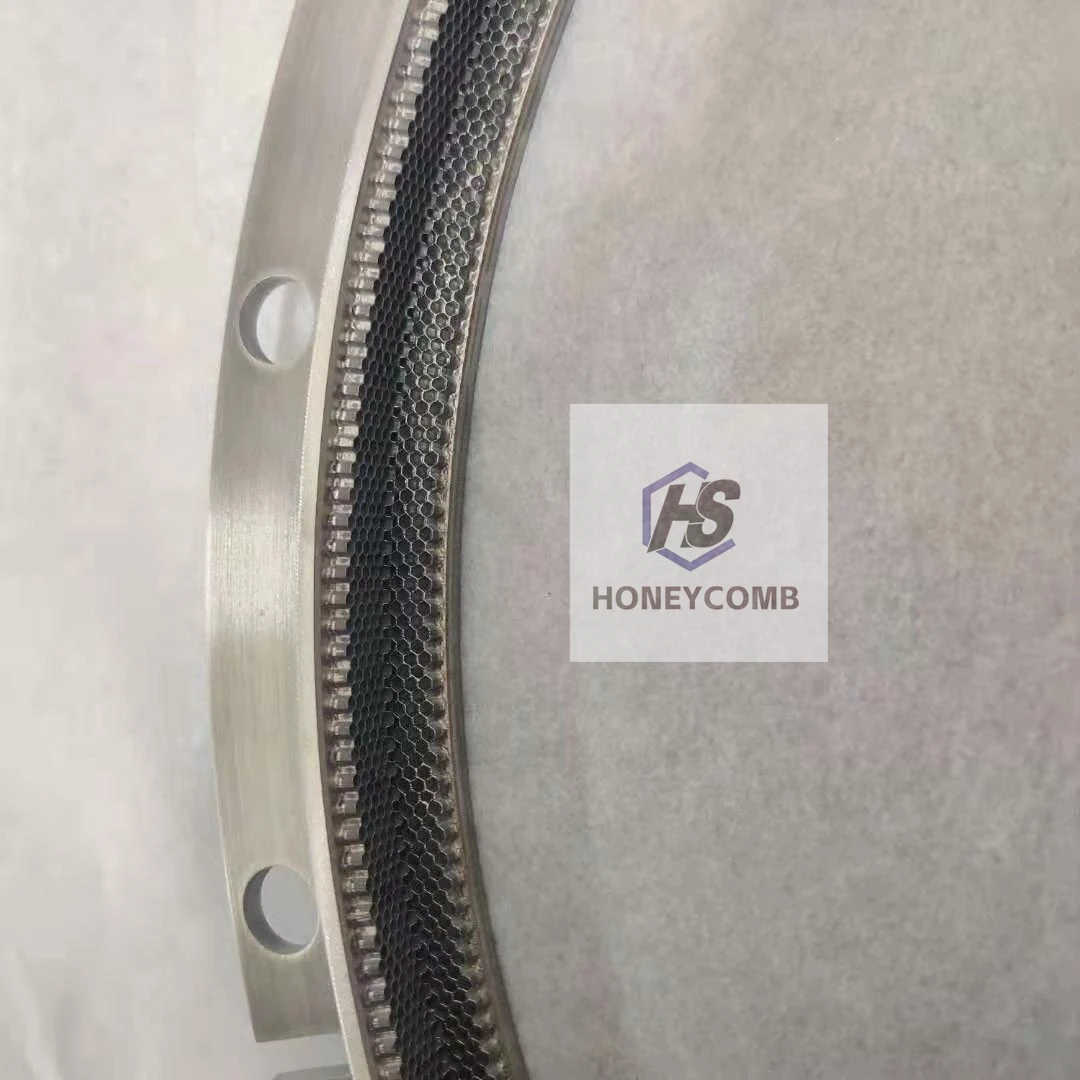
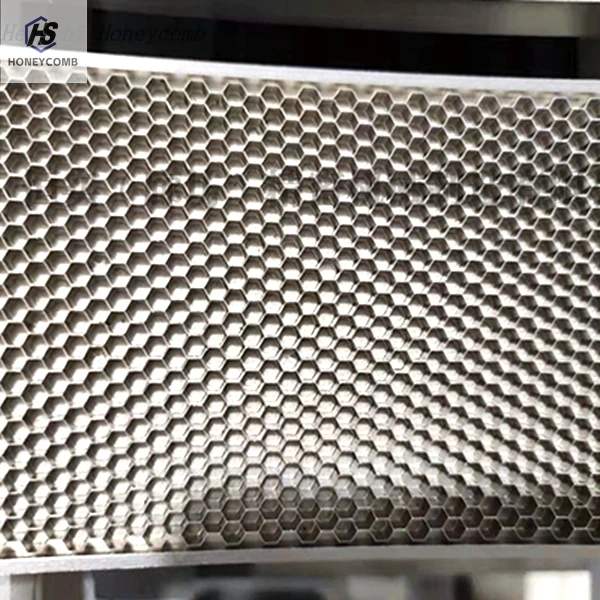
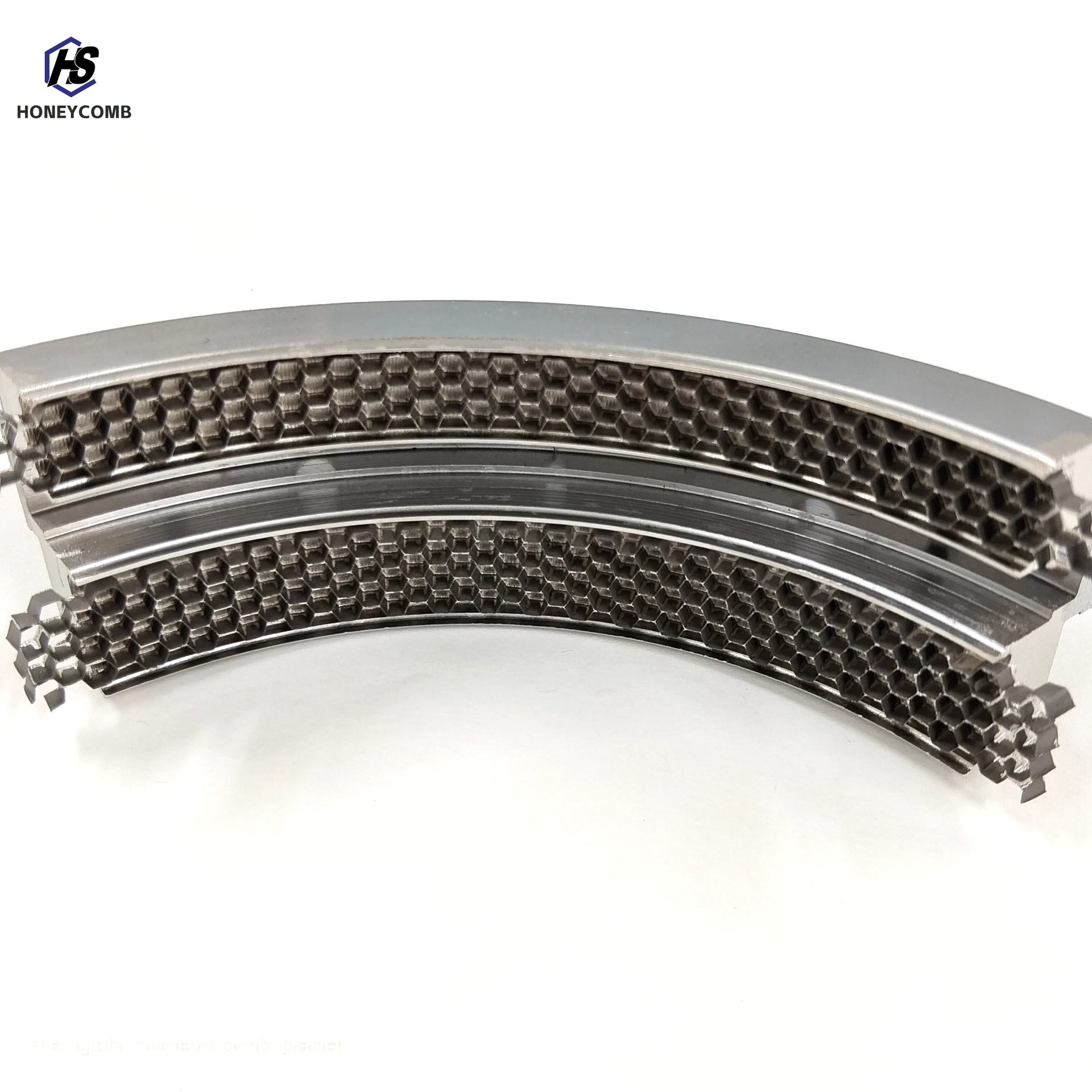
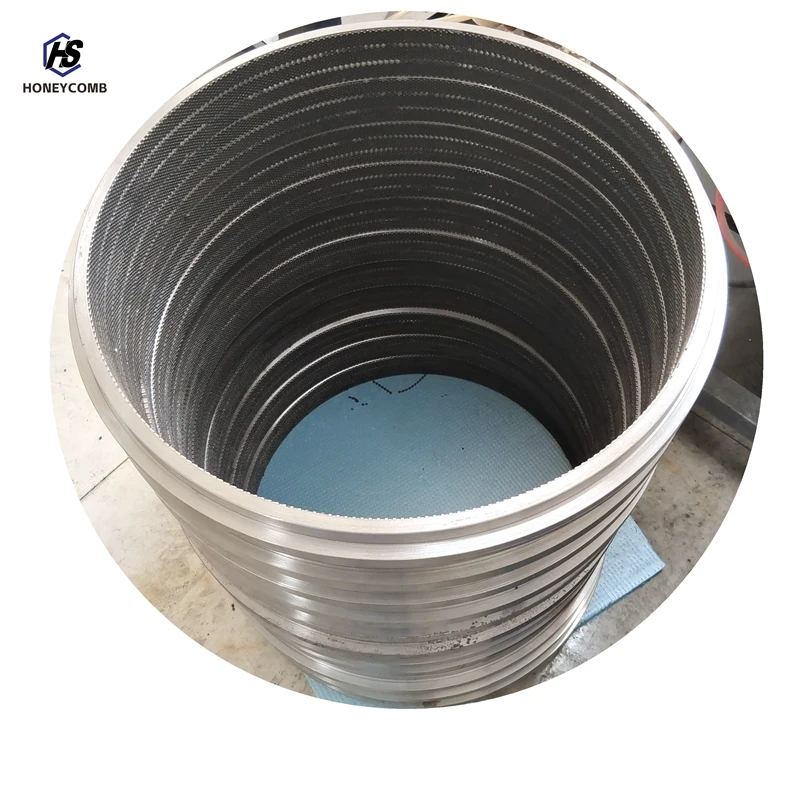
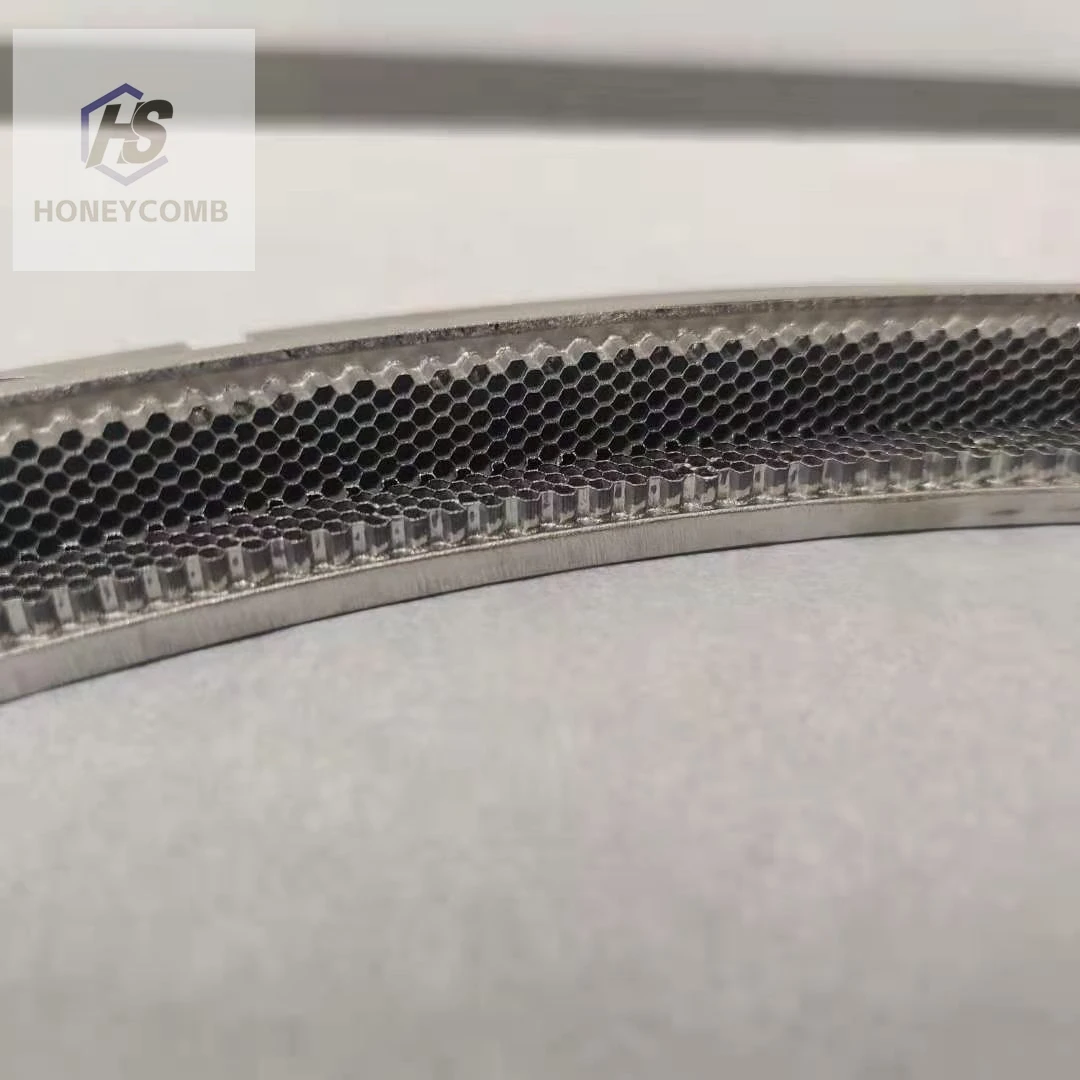
In simple terms, stainless steel honeycomb mesh is a sheet material formed into an interconnected hexagonal pattern — a honeycomb — made from stainless steel ribbons or strips. This construction offers a unique combination of rigidity, flexibility, and thermal resistance.
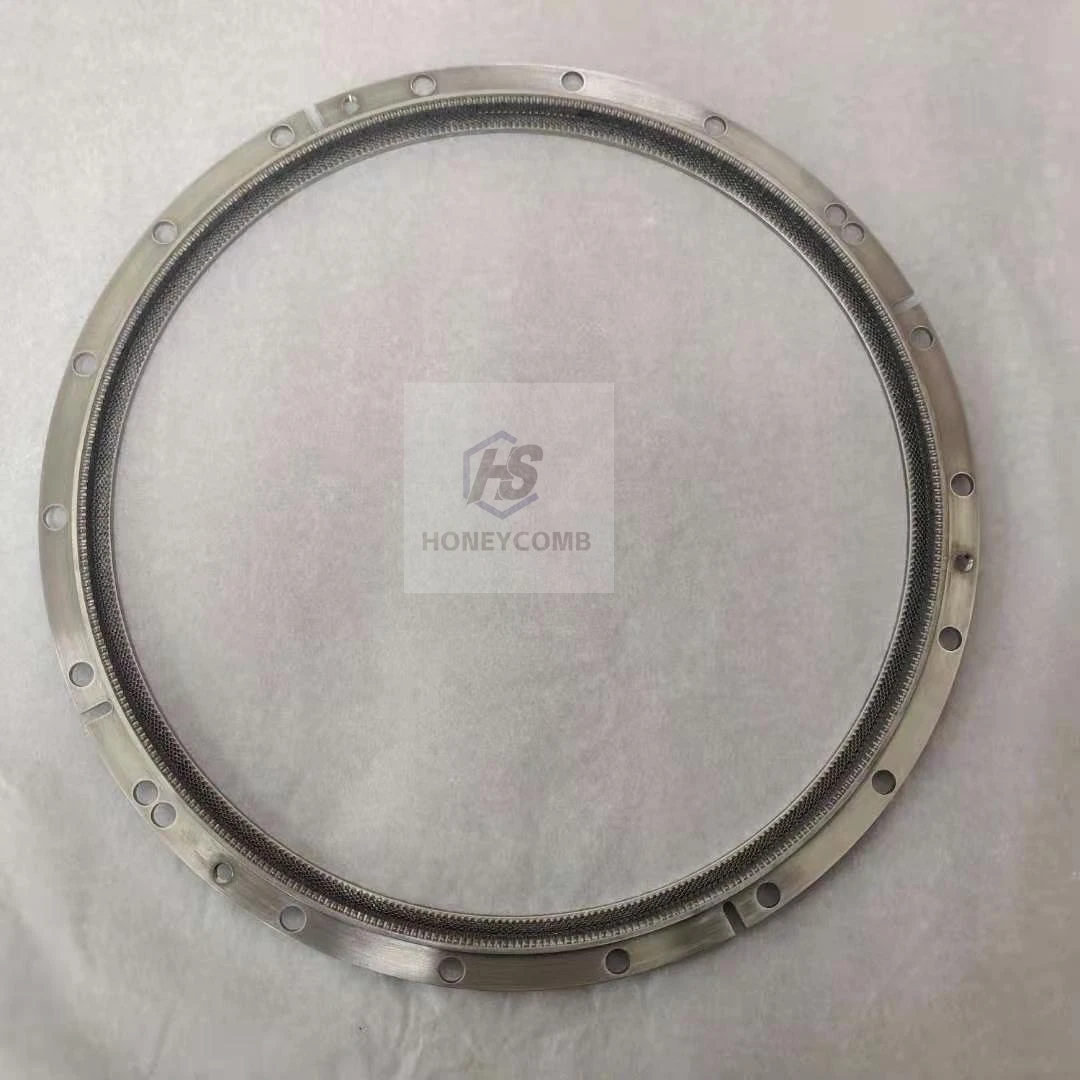
Beyond the abstract, this means it acts like a sophisticated structural support, airflow controller, or protective screen in everything from stainless steel honeycomb mesh panels to filtration units or core elements of composite structures.
Interestingly, its use has extended beyond industry aisles and into humanitarian design, serving as durable, reusable components in areas where lightweight, strong materials make a big difference for disaster relief and remote construction.
Key Features That Make Stainless Steel Honeycomb Mesh Shine
Durability
Stainless steel’s inherent corrosion resistance combined with the honeycomb’s stress-distributing geometry means these meshes last against rust, fatigue, and environmental wear—crucial for harsh settings like offshore platforms or desert climates.
Lightweight Strength
The honeycomb structure offers maximum stiffness with minimal mass. Compared to solid steel sheets, you get roughly the same rigidity but dramatically less weight — think aircraft wings or high-rise building panels. Many engineers say this odd geometry is what makes the difference between workable and unwieldy materials.
Thermal & Acoustic Performance
Due to its geometry, stainless steel honeycomb mesh excels at dissipating heat and reducing vibration. This makes it ideal for HVAC systems or noise insulation in transportation and industrial buildings.
Scalability & Customization
Manufacturers can tailor cell sizes, thicknesses, and layers based on specific needs—from fine meshes filtering minute particles to larger cells used structurally. The adaptability saves costs and opens new application possibilities, especially when combined with other materials.
Cost Efficiency
While stainless steel honeycomb mesh might have higher upfront costs than traditional metals or plastics, its long service life and reduced maintenance often tip the balance in its favor. Plus, it’s recyclable, which gives it an edge amid mounting sustainability demands.
Mini takeaway: Durability, lightness, and versatility are the hallmarks of stainless steel honeycomb mesh — it’s engineered to perform where other materials stumble.
Where in the World Is Stainless Steel Honeycomb Mesh Making an Impact?
Applications span continents and industries:
- Aerospace: Lightweight cores in aircraft panels reduce fuel consumption on long-haul flights across North America and Europe.
- Construction: Facades and ventilation grilles featuring stainless steel honeycomb mesh are becoming popular in eco-friendly buildings in Asia.
- Energy: Wind turbine blades and solar panel mounts in remote industrial zones utilize these meshes for added strength and corrosion resistance.
- Disaster Relief: Post-disaster temporary shelters and water filtration units benefit from the mesh’s lightweight but robust qualities, especially favored by NGOs.
In many ways, it’s a material bridging high-tech innovation with practical, on-the-ground needs worldwide.
Advantages & The Real-World Value of Stainless Steel Honeycomb Mesh
You might wonder, beyond structural facts, what does it really bring to the table? The long-term benefits stretch across tangible savings to human-centered gains:
- Cost Savings: Lower lifetime expenses through durability and minimal maintenance.
- Sustainability: Recyclable and often used to improve energy efficiency in building envelopes and HVAC systems.
- Safety & Trust: Dependable in harsh conditions, it offers confidence to engineers, architects, and clients alike.
- Innovation & Adaptability: Enables new design possibilities in product manufacturing, aerospace, and infrastructure.
It’s not just a steel sheet with holes—it’s a step toward smarter, safer, and greener engineering.
Looking Ahead: Trends and Innovations on the Horizon
The industry is buzzing about integrating stainless steel honeycomb mesh with green-tech initiatives. Imagine honeycomb cores combined with nanocoatings for self-cleaning surfaces or smart sensors embedded for predictive maintenance in aerospace.
Digital transformation also plays a part. Automated production lines now let manufacturers customize meshes rapidly with near-zero waste. Meanwhile, stricter environmental regulations worldwide are pushing greener material sourcing, which favors recyclable stainless steel.
In essence, stainless steel honeycomb mesh isn’t static—it evolves as industries digitize and refocus on sustainability.
Challenges in Working with Stainless Steel Honeycomb Mesh—and How Experts Solve Them
No material is perfect. Challenges include:
- Higher Initial Cost: Stainless steel honeycomb mesh tends to cost more upfront than simpler meshes or plastic alternatives.
- Manufacturing Complexity: Precision to maintain consistent honeycomb geometry can be demanding.
- Weight Considerations: Though light compared to solid steel, it’s heavier than some composites.
Fortunately, innovations like robotic weaving, cost-reducing alloys, and hybrid composites are addressing these points. Plus, lifecycle costing often reveals savings that justify the initial investment.
Product Specification Table
| Specification | Typical Value | Remarks |
|---|---|---|
| Material Grade | 304, 316 | Common corrosion-resistant types |
| Cell Size | 3–25 mm | Customizable to application needs |
| Thickness | 0.05–0.3 mm per ribbon | Affects weight and durability |
| Panel Dimensions | Up to 1500 mm wide, cut to length | Standard sizes or custom orders |
| Operating Temperature | -200°C to +800°C | Suitable for harsh environments |
Vendor Comparison Table
| Vendor | Product Range | Lead Time | Customization | Typical Applications |
|---|---|---|---|---|
| HSHI Honeycomb | Wide (304/316 stainless) | 2-4 weeks | High (cell size, thickness) | Filtration, aerospace, architecture |
| SteelMesh Corp. | Moderate (mostly 304) | 3-6 weeks | Medium (limited cell sizes) | Construction, HVAC |
| Global Honeycomb Inc. | Specialty Alloys | 4-8 weeks | Custom engineering available | Aerospace, military |
FAQ: Your Top Questions About Stainless Steel Honeycomb Mesh
Q: How does stainless steel honeycomb mesh improve energy efficiency in buildings?
A: The honeycomb’s cellular structure enhances thermal insulation by trapping air pockets and reducing heat transfer. When used in facade panels or ventilation filters, it lowers HVAC loads and energy consumption, contributing to greener buildings.
Q: What maintenance does stainless steel honeycomb mesh typically require?
A: Thanks to the corrosion-resistant stainless steel grade, maintenance is minimal—usually periodic cleaning to remove dust or debris suffices. Its durability means fewer replacements and less downtime, especially in outdoor or industrial environments.
Q: Can the honeycomb mesh be customized for specific industrial applications?
A: Absolutely. Cell size, ribbon thickness, and mesh density can be tailored to optimize strength, airflow, or filtration needs. This customization helps manufacturers meet precise engineering criteria without excessive material waste.
Q: Is stainless steel honeycomb mesh suitable for use in chemical plants?
A: Yes. Grades like 316 stainless steel offer excellent resistance to acids and chemicals, and the mesh structure can support filtration and protective functions in aggressive industrial settings.
Q: How can NGOs sourcing materials for disaster relief ensure prompt delivery?
A: Working with manufacturers offering shorter lead times and stock inventory, such as stainless steel honeycomb mesh suppliers with global distribution, can reduce delays. Planning orders well ahead and prioritizing standard customizations also help.
Wrapping It Up: Why Stainless Steel Honeycomb Mesh Is Worth Watching
When you consider durability, sustainability, and adaptability all bundled in one sheet, stainless steel honeycomb mesh starts feeling less like an industrial curiosity and more like a foundational material for future-forward engineering. It’s a quiet enabler of everything from energy-efficient buildings to protective disaster relief infrastructure.
If you’re intrigued and want to explore technical specs, customization options, or supply solutions, don’t hesitate to visit our website and see how this remarkable mesh can support your next project.
References

-
Industrial Airflow Guide for maf воздушная правильная машинаNewsApr.16,2026
-
Best maf струйно правильная машина for Industrial EfficiencyNewsApr.09,2026
-
Сотовая правильная машина A Comprehensive Guide to Honey Packing AutomationNewsApr.07,2026
-
Build Your Own DIY газоправильная Машина A Comprehensive Guide to Gas CorrectionNewsApr.04,2026
-
Understanding Кондиционер отопления Systems for Efficient and Comfortable HeatingNewsMar.31,2026
-
Comprehensive Guide to Cellular Blinds Installation Установка сотовых жалюзиNewsMar.28,2026
-
Mobile Aerodynamic Tunnel Design A Comprehensive Guide to Applications and ImplementationNewsMar.26,2026






 English
  Afrikaans
  Albanian
  Amharic
  Arabic
  Armenian
  Azerbaijani
  Basque
  Belarusian
  Bengali
  Bosnian
  Bulgarian
  Catalan
  Cebuano
  China
China  China (Taiwan)
  Corsican
  Croatian
  Czech
Czech  Danish
  Dutch
Dutch  Esperanto
  Estonian
  Finnish
  French
  Frisian
  Galician
  Georgian
  German
  Greek
Greek  Gujarati
  Haitian Creole
  Hausa
Hausa  Hawaiian
  Hebrew
  Hindi
Hindi  Miao
Miao  Indonesian
  Italian
  Japanese
  Javanese
  Malay
Malay  Persian
  Portuguese
  Punjabi
  Russian
  Spanish
  Swahili
  Telugu
  Vietnamese