


Stainless Steel Honeycomb Core: Strength, Sustainability & Global Applications
Understanding the Stainless Steel Honeycomb Core: A Global Overview
In a world increasingly driven by demands for lighter, stronger, and more sustainable materials, the stainless steel honeycomb core stands tall as a fascinating innovation. But what exactly is it, and why does it matter to industries spanning from aerospace to construction? At its heart, this core type is a material marvel combining structural integrity with remarkable versatility. On a global scale, as industries push for performance improvements while grappling with environmental and economic pressures, understanding how this honeycomb core contributes can unlock smarter design choices and trusted solutions.
Put simply: if you’re curious about modern material science or how manufacturers are innovating to meet rising ecological standards, it’s worth delving into this topic. Plus, the potential applications could literally shape infrastructure resilience and innovation in humanitarian operations worldwide.
The Global Context: Why Stainless Steel Honeycomb Cores Are in the Spotlight
Why all this buzz? Well, consider these data points: According to the International Organization for Standardization (ISO), lightweight structures are pivotal to reducing carbon footprints across transport and construction sectors. The World Bank estimates that upgrading infrastructure resilience, especially in vulnerable regions, can save billions in disaster-related losses annually. The stainless steel honeycomb core directly answers some of these pressing challenges by offering a unique balance of strength, weight, and durability.
Issues like climate change demand materials that not only perform well mechanically but also contribute to sustainability goals. Meanwhile, manufacturing sectors worldwide face strict regulations on emissions and waste. I’ve noticed firsthand that clients in aerospace or even high-end architectural projects increasingly ask for material solutions that are recyclable and rugged — all reasonable asks, frankly.
Oddly enough, these honeycomb cores also intersect humanitarian challenges: lightweight, robust panels can be critical in rapidly deployable shelters or medical units in post-disaster zones. So it’s not just about luxury or advanced tech — it’s about lifesaving practicality.
What Is a Stainless Steel Honeycomb Core, Really?
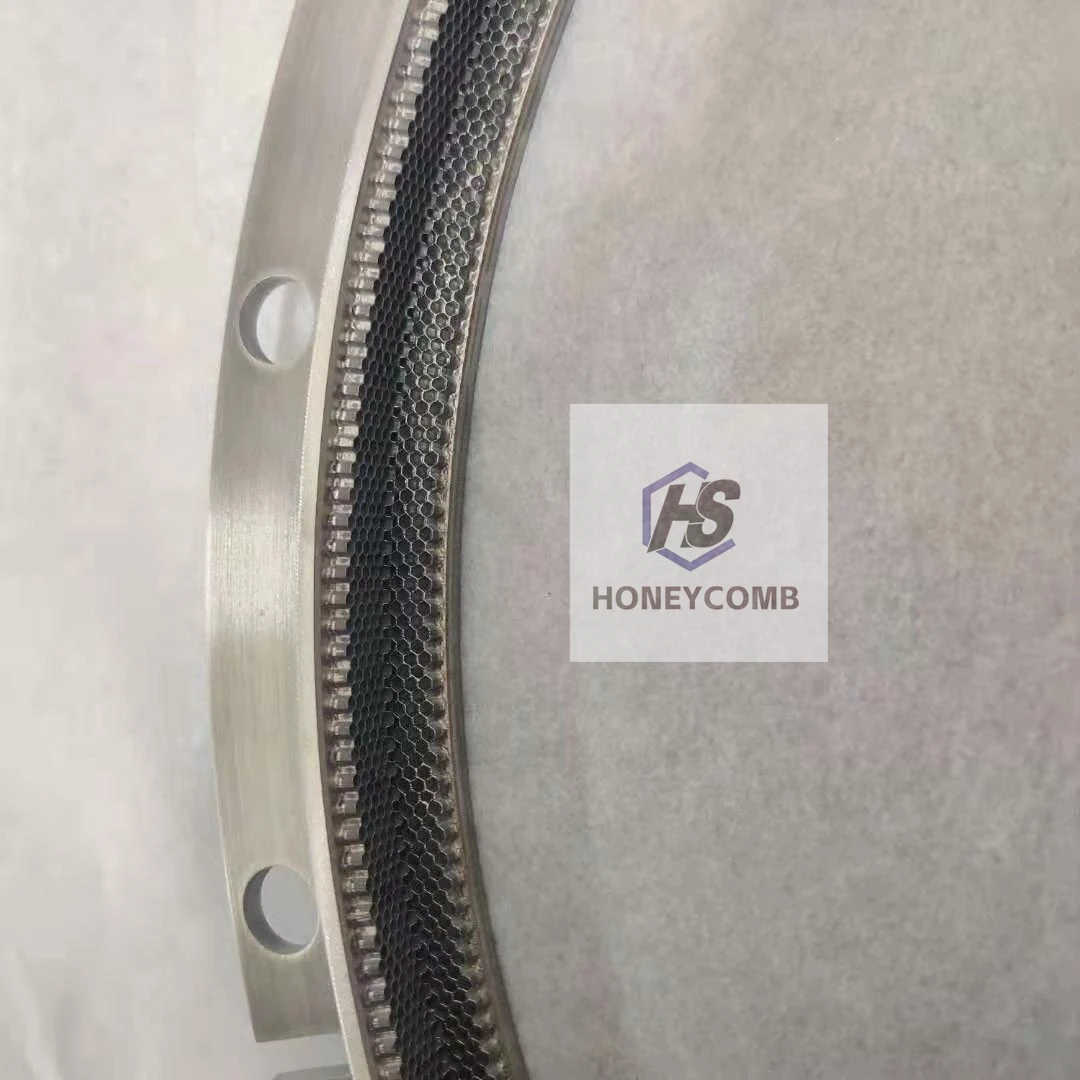
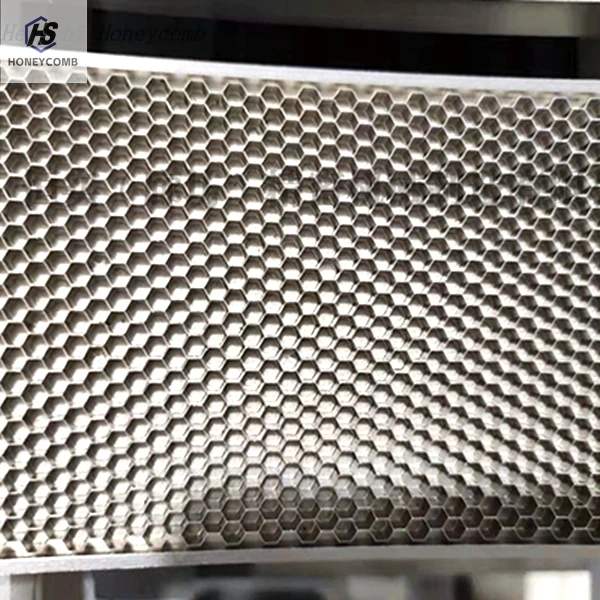
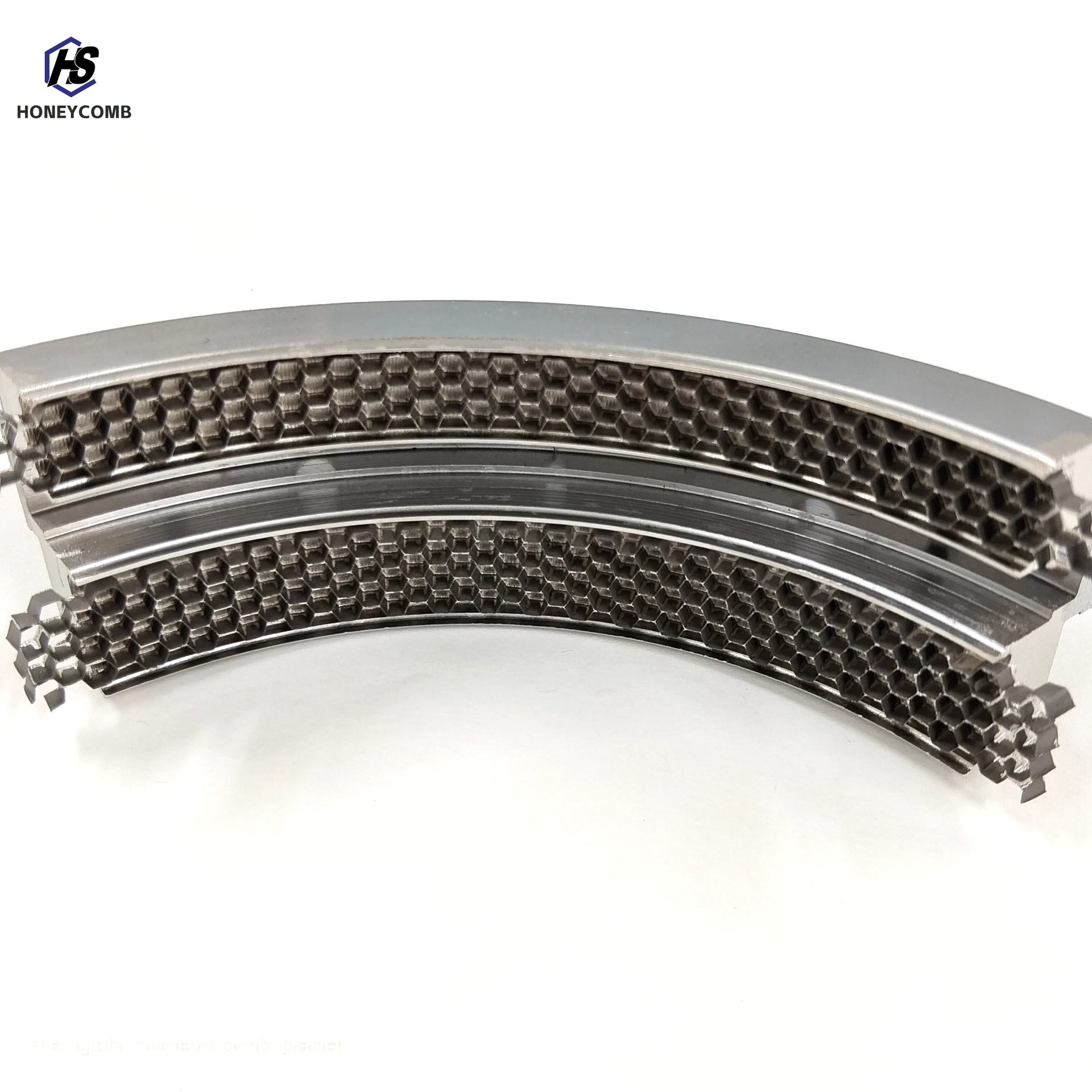
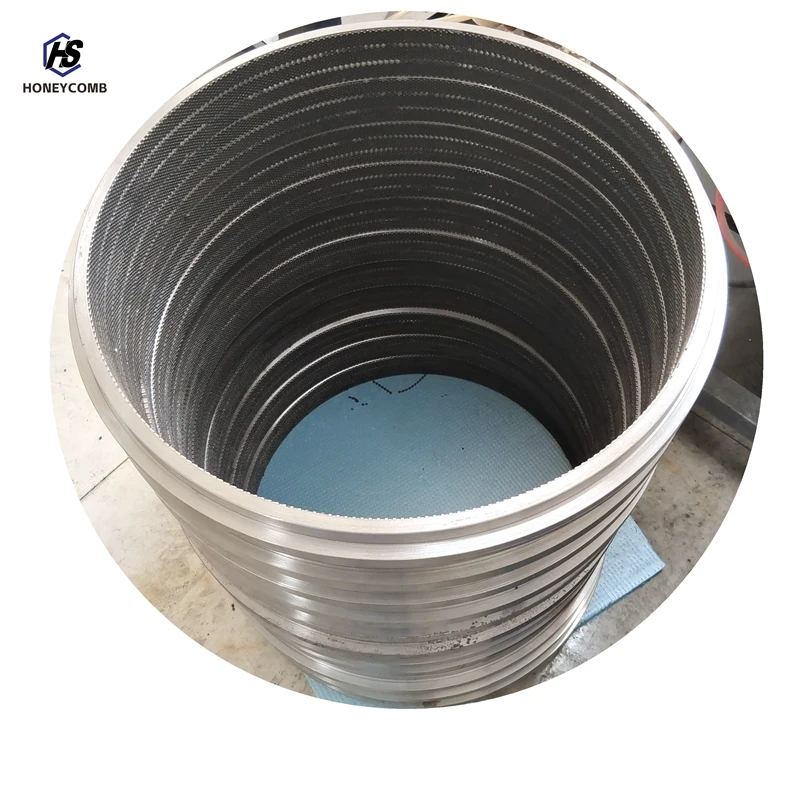
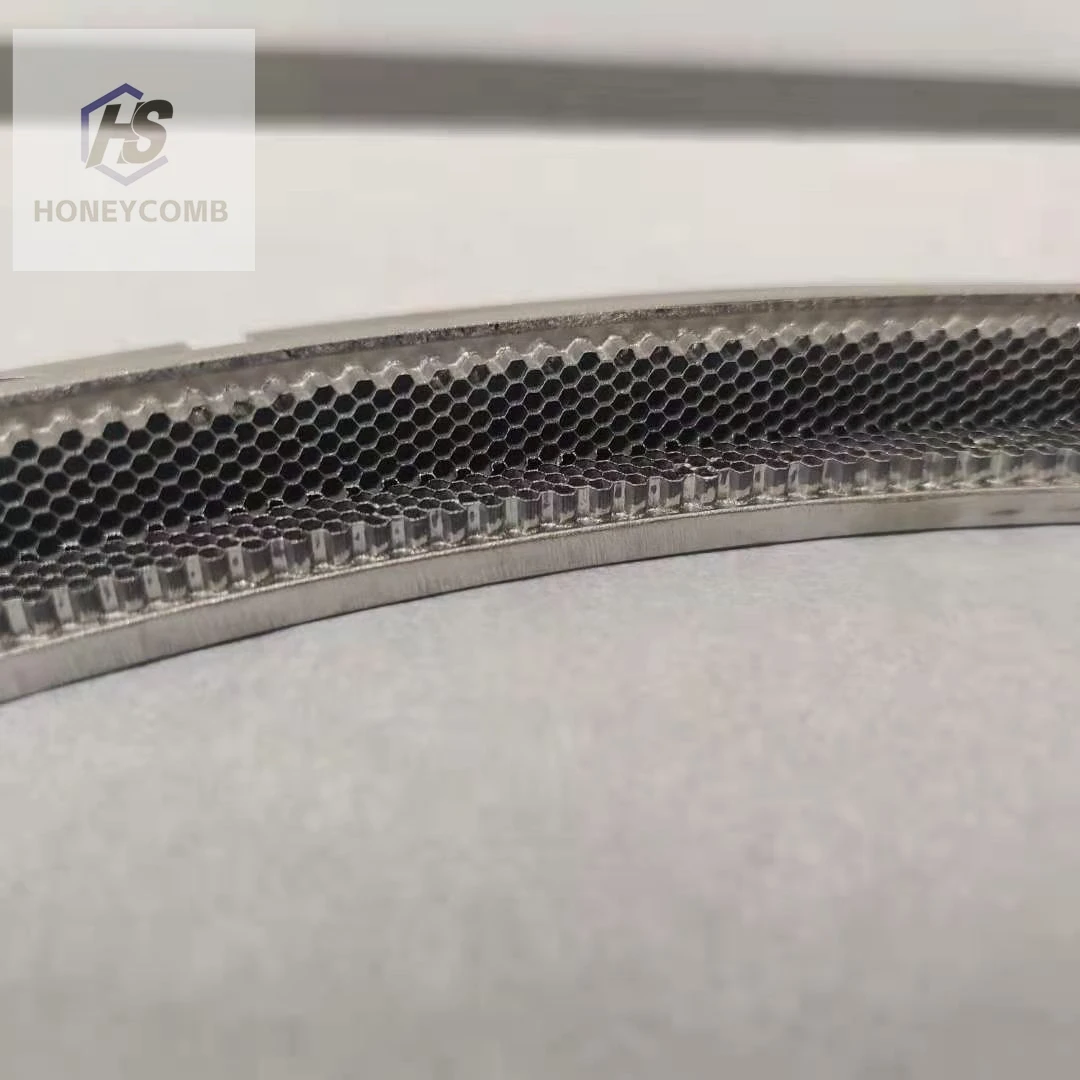
At its essence, a stainless steel honeycomb core is a panel made of a network of hexagonal or otherwise tessellated cells, much like a natural honeycomb but engineered for rigorous use. These cells are formed from stainless steel strips that are bonded or welded together, creating an ultra-lightweight yet incredibly stiff structure.
Think of it as a "skeleton" used inside sandwich panels or composite materials, lending them strength while keeping weight down. Because stainless steel is corrosion-resistant, the core is highly durable, even in harsh environments — salt spray, humidity, temperature swings, you name it.
This core plays a vital role in industries ranging from aviation to clean energy, and even in humanitarian relief. It answers the simple but complex question: how to build something both lightweight and tough without sacrificing longevity — a challenge quite familiar to structural engineers and designers.
Key Characteristics of Stainless Steel Honeycomb Core
Durability and Corrosion Resistance
Stainless steel naturally resists rust and oxidation, meaning the core can last decades—quite essential for infrastructure exposed to the elements. In many corrosive environments, like coastal areas or industrial zones, this is a game-changer.
Weight Efficiency
Its honeycomb design minimizes material used, translating to lighter panels without compromising strength. Lighter structures mean less fuel consumption in transportation or easier installation on-site—both huge practical upsides.
Structural Strength and Stiffness
The hexagonal geometry evenly distributes loads, providing high mechanical strength. Engineers often say that this shape provides an optimal balance between stiffness and flexibility—often a headache in material design.
Scalability and Customization
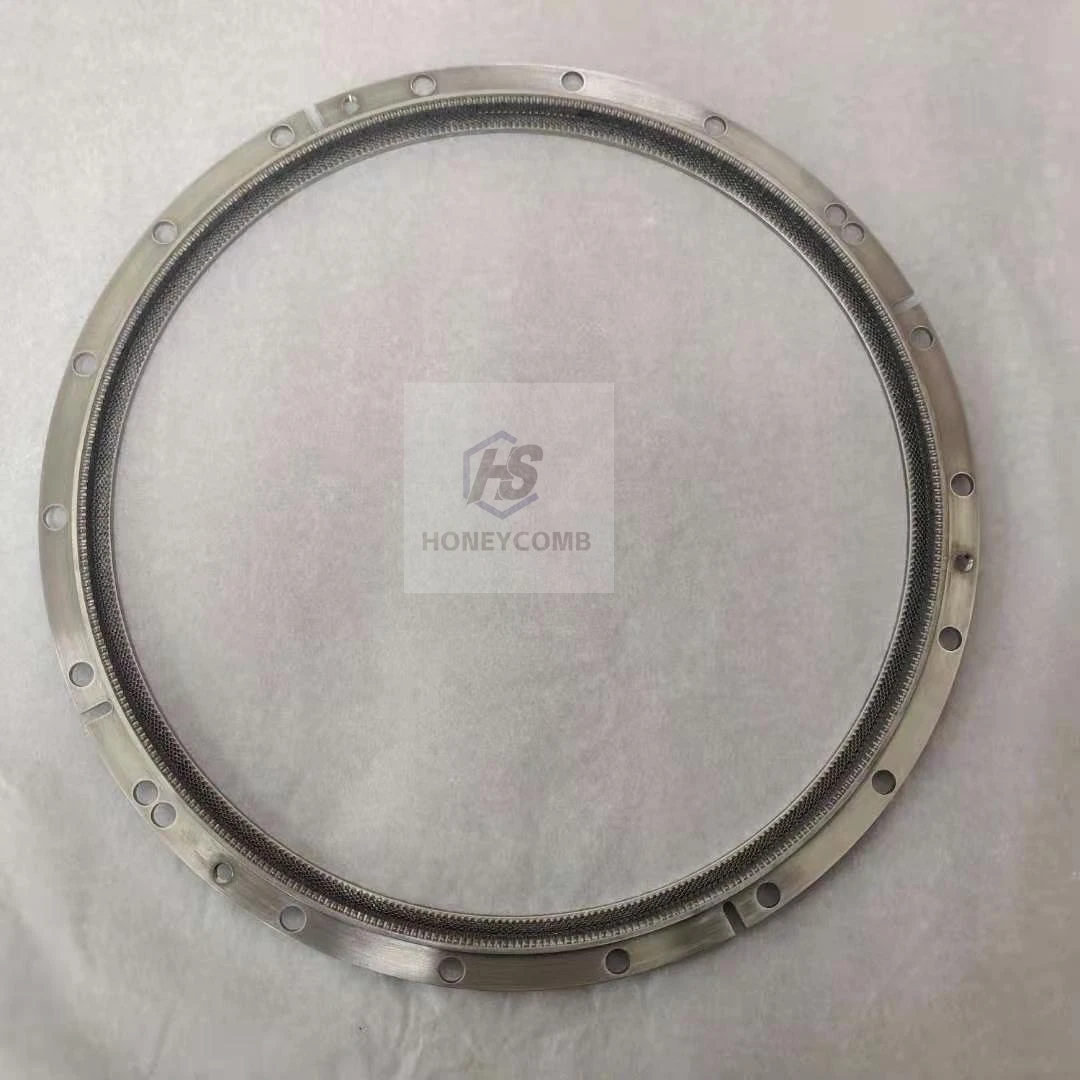
Manufacturers can tailor core thickness, cell size, and stainless steel grade according to the project’s needs. This adaptability makes it suitable for everything from aircraft floor panels to emergency shelter walls.
Cost Efficiency Over Lifecycle
Though initial costs can be higher than traditional materials, the lifespan and reduced maintenance needs often lead to lower total ownership costs. It’s an investment, but many users end up smiling once they tally up savings on repairs and downtime.
Global Applications and Real-World Examples
The stainless steel honeycomb core finds itself at the heart of some fascinating projects:
- Aerospace: Airlines benefit from weight savings, improving fuel efficiency and reducing emissions. Honeycomb panels support floors, bulkheads, and cargo compartments.
- Architectural Façades: Urban developments, especially in Europe and Asia, use these cores in cladding systems that must endure weather and impact.
- Disaster Relief Shelters: NGOs and governments deploy lightweight, sturdy shelters in disaster zones, easing logistics and speeding up installation.
- Industrial Equipment: Factories with corrosive chemicals use stainless steel honeycomb panels for protective barriers and noise dampening.
In post-tsunami recovery efforts in Southeast Asia, temporary housing using panels with honeycomb cores dramatically reduced setup times. Likewise, scattered industrial zones in Northern Europe harness these for modular setups — adaptability and resilience in one package.
Mini takeaway: The stainless steel honeycomb core is versatile — a quiet hero behind many transformative and urgent solutions worldwide.
Advantages and Long-Term Value
Let’s be frank: one big reason for adopting stainless steel honeycomb cores is the blend of tangible and intangible benefits. From a cost perspective, initial expenses are higher relative to conventional materials, but this evens out when you factor in maintenance and replacement. Not to mention the environmental advantages — reducing material usage and enabling lighter structures means fewer resources consumed upstream.
On an emotional level, durability conveys trust. Structures built with these cores offer a safety net, especially in areas prone to natural disasters. They’re also aesthetically pleasing options in modern design, allowing architects creative freedom without compromising safety — that’s a sort of dignity in material form.
Moreover, many attribute sustainability value to such cores, as stainless steel is highly recyclable – an important piece in the circular economy puzzle.
An Inside Look: Stainless Steel Honeycomb Core Specifications
| Specification | Typical Value | Units |
|---|---|---|
| Material Grade | 304 / 316 | - |
| Cell Size (Hexagonal Width) | 3 - 10 | mm |
| Core Thickness | 5 - 100 | mm |
| Density | 0.3 - 0.8 | g/cm³ |
| Compressive Strength | Up to 30 | MPa |
How Do Leading Vendors Stack Up?
| Vendor | Material Grades Offered | Customization Options | Delivery Time | Typical Applications |
|---|---|---|---|---|
| HS HiHoneycomb | 304, 316L | Core thickness, cell size, edge treatments | 4-6 weeks | Aerospace, architectural cladding, industrial shielding |
| SteelCore Ltd. | 304, 316, duplex SS | Standard core sizes, limited custom shapes | 3-5 weeks | Marine, transport, noise barriers |
| HexaMetal Works | 304, specialty SS alloys | Full customization including coatings | 6-8 weeks | Custom engineering projects, defense |
Looking Ahead: Future Trends and Innovations
The stainless steel honeycomb core is far from static. With pressures to improve energy efficiency and embrace green materials, manufacturers explore hybrid cores combining stainless steel with recycled composites. Digital transformation is another factor — automated quality control with AI ensures exact tolerances and reduces waste.
We’re also seeing a subtle shift towards “smart” cores that incorporate sensors to monitor structural health in real time. Imagine bridges or aircraft panels alerting maintenance crews before a crack appears — it’s the stuff of tomorrow, happening now.
Finally, policy drives these innovations too — upcoming international environmental standards encourage designs that extend product lifecycles and reduce carbon embedded in materials.
Challenges and Solutions in Stainless Steel Honeycomb Core Use
No tech is perfect, right? The biggest obstacles tend to relate to cost and fabrication complexity. High-grade stainless steel costs more than aluminum or plastics. Also, working with the honeycomb geometry often requires specialized machinery.
Experts advise economies of scale and smart supply chain partnerships to mitigate this. A few vendors improve yields by combining robotic welding and additive manufacturing to customize cores on demand.
In real use, it’s vital to carefully analyze load requirements and environmental conditions before selecting a core type — one size, as always, never fits all.
FAQ: Practical Questions on Stainless Steel Honeycomb Core
Q1: How does a stainless steel honeycomb core compare with aluminum honeycomb in corrosion resistance?
A1: Stainless steel offers superior corrosion resistance, especially in marine or chemically harsh environments, due to its chromium oxide layer. Aluminum can corrode over time unless specially treated, making stainless steel cores a preferred choice where durability is critical.
Q2: Can these honeycomb cores be recycled at end-of-life?
A2: Absolutely. Stainless steel is highly recyclable and can be reprocessed with minimal quality loss, which supports sustainability efforts. Recycling rates for stainless steel products are among the highest in the metal industry.
Q3: Are stainless steel honeycomb cores suitable for high-temperature applications?
A3: Yes, especially using grades like 316 or duplex stainless steel, cores can maintain integrity under elevated temperatures, which benefits aerospace or industrial heat shielding uses.
Q4: What’s the typical lead time to get a customized stainless steel honeycomb core?
A4: It varies by vendor and customization scope but roughly ranges from 4 to 8 weeks. Planning ahead is essential, especially for larger or highly custom orders.
Q5: How does the use of stainless steel honeycomb cores support sustainability goals?
A5: By reducing material weight and volume, improving durability to extend service life, and utilizing recyclable metals, these cores enable projects to lower carbon footprints over their lifecycle compared to traditional materials.
Wrapping Up: Why the Stainless Steel Honeycomb Core Matters
In the end, the stainless steel honeycomb core isn’t just another industrial material—it’s a thoughtfully engineered solution that balances durability, weight, and environmental responsibility. Its adaptability makes it invaluable from aeronautics to emergency relief and beyond. For anyone eyeing the future of strong, lightweight, and sustainable materials, getting acquainted with this technology feels... well, essential.
If you want to explore options or learn more about stainless steel honeycomb core technology, I recommend visiting HS HiHoneycomb’s official website. Trust me, it’s a great place to start a deeper dive into the specs, applications, and innovations shaping tomorrow’s structures.
References:

-
Industrial Airflow Guide for maf воздушная правильная машинаNewsApr.16,2026
-
Best maf струйно правильная машина for Industrial EfficiencyNewsApr.09,2026
-
Сотовая правильная машина A Comprehensive Guide to Honey Packing AutomationNewsApr.07,2026
-
Build Your Own DIY газоправильная Машина A Comprehensive Guide to Gas CorrectionNewsApr.04,2026
-
Understanding Кондиционер отопления Systems for Efficient and Comfortable HeatingNewsMar.31,2026
-
Comprehensive Guide to Cellular Blinds Installation Установка сотовых жалюзиNewsMar.28,2026
-
Mobile Aerodynamic Tunnel Design A Comprehensive Guide to Applications and ImplementationNewsMar.26,2026






 English
  Afrikaans
  Albanian
  Amharic
  Arabic
  Armenian
  Azerbaijani
  Basque
  Belarusian
  Bengali
  Bosnian
  Bulgarian
  Catalan
  Cebuano
  China
China  China (Taiwan)
  Corsican
  Croatian
  Czech
Czech  Danish
  Dutch
Dutch  Esperanto
  Estonian
  Finnish
  French
  Frisian
  Galician
  Georgian
  German
  Greek
Greek  Gujarati
  Haitian Creole
  Hausa
Hausa  Hawaiian
  Hebrew
  Hindi
Hindi  Miao
Miao  Indonesian
  Italian
  Japanese
  Javanese
  Malay
Malay  Persian
  Portuguese
  Punjabi
  Russian
  Spanish
  Swahili
  Telugu
  Vietnamese