


The Ultimate Guide to Stainless Steel Honeycomb Pan: Benefits, Applications & Trends
Understanding the Stainless Steel Honeycomb Pan: Why It Matters Globally
When you hear stainless steel honeycomb pan, the first thought might be something from a fancy kitchen set. But in reality, this isn’t just cookware — it's a marvel of industrial engineering with a global footprint. From factory floors to disaster relief shelters, stainless steel honeycomb pans provide a unique blend of strength, lightweight efficiency, and durability. The global demand for such versatile material solutions is rising, mostly because the modern world increasingly needs components that are sustainable, resilient, and scalable.
Take a moment to imagine how industries dealing with energy, aerospace, or emergency housing depend on materials that do more with less. The honeycomb design isn’t just about aesthetics; it’s engineered to deliver high strength-to-weight ratios and excellent thermal or acoustic properties. Learning about this pan, then, is not just for engineers — it’s for everyone interested in sustainable innovation and practical global solutions.
Mini takeaway: The stainless steel honeycomb pan symbolizes a convergence of durability, efficiency, and sustainability critical in today's global industries.
The Global Context: Why Stainless Steel Honeycomb Structures are Rising Stars
The stainless steel honeycomb pan is more than a niche product; it's part of a growing global trend toward durable, lightweight materials. According to ISO standards on metallic materials and composites, honeycomb structures significantly enhance performance without adding bulk, essential across the US, Europe, and emerging markets in Asia.
Globally, the stainless steel honeycomb pan tackles a big challenge — how to meet rising demands for energy efficiency, sustainability, and robustness, especially in places prone to disasters or extreme climates. For example, in the shipping and aerospace industries, reducing weight means cutting fuel consumption, which directly impacts carbon emissions. Meanwhile, humanitarian efforts benefit enormously from quick-to-deploy, strong, and reusable materials — exactly what this honeycomb structure provides.
Mini takeaway: Worldwide demand for sustainable, lightweight, and strong materials fuels the rise of stainless steel honeycomb designs.
What Exactly is a Stainless Steel Honeycomb Pan?
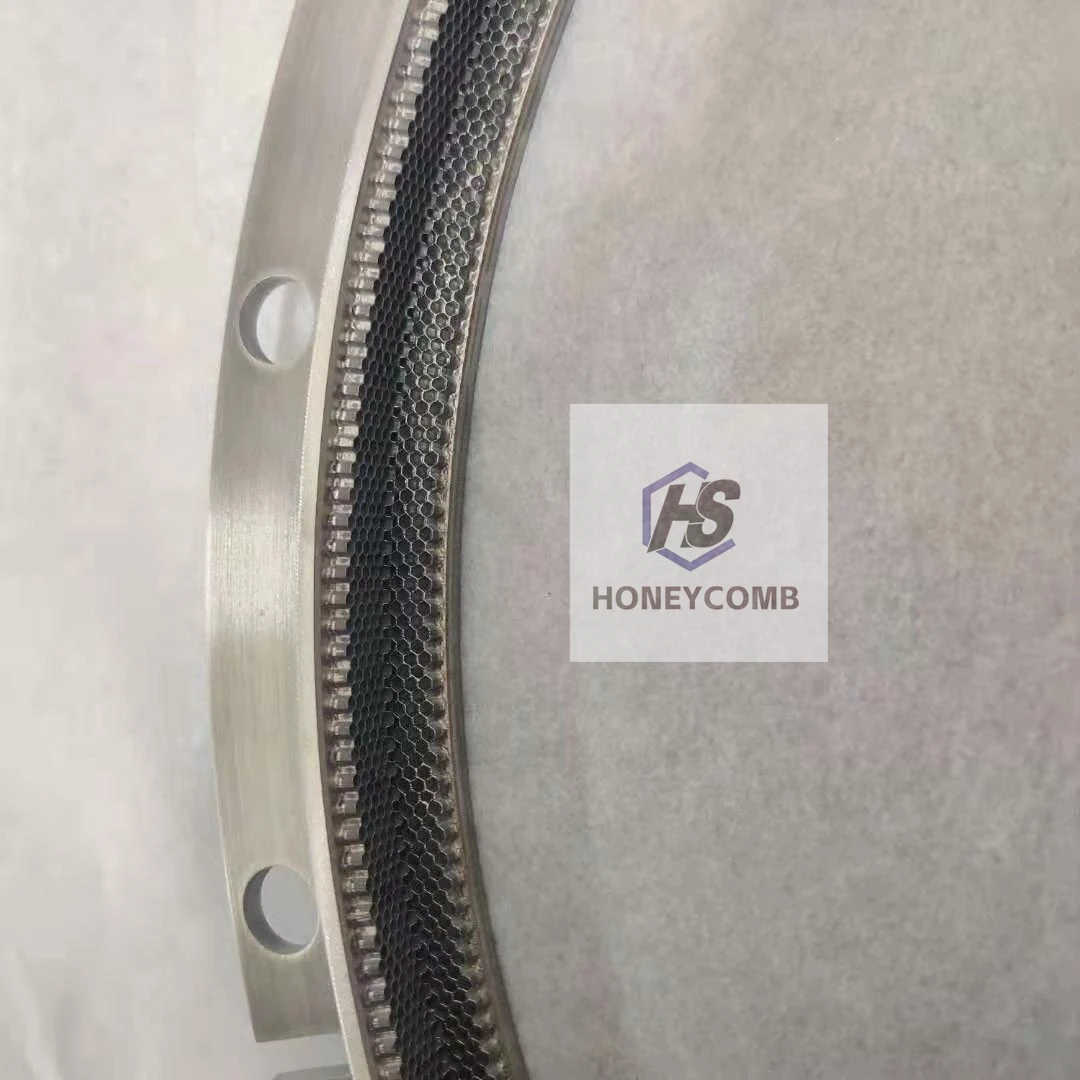
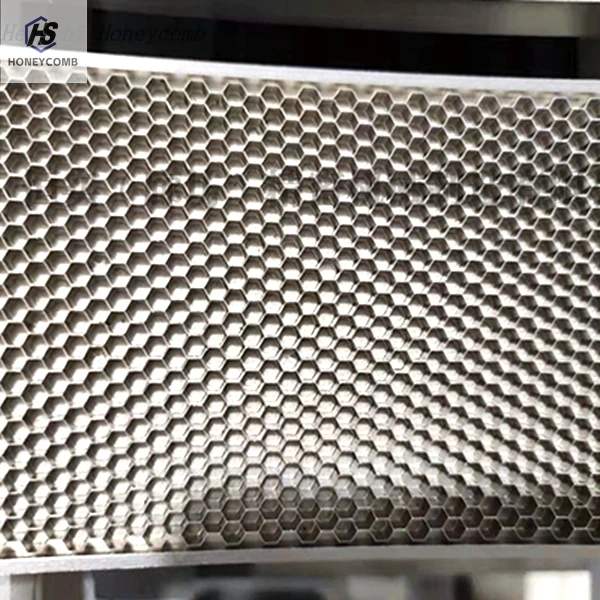
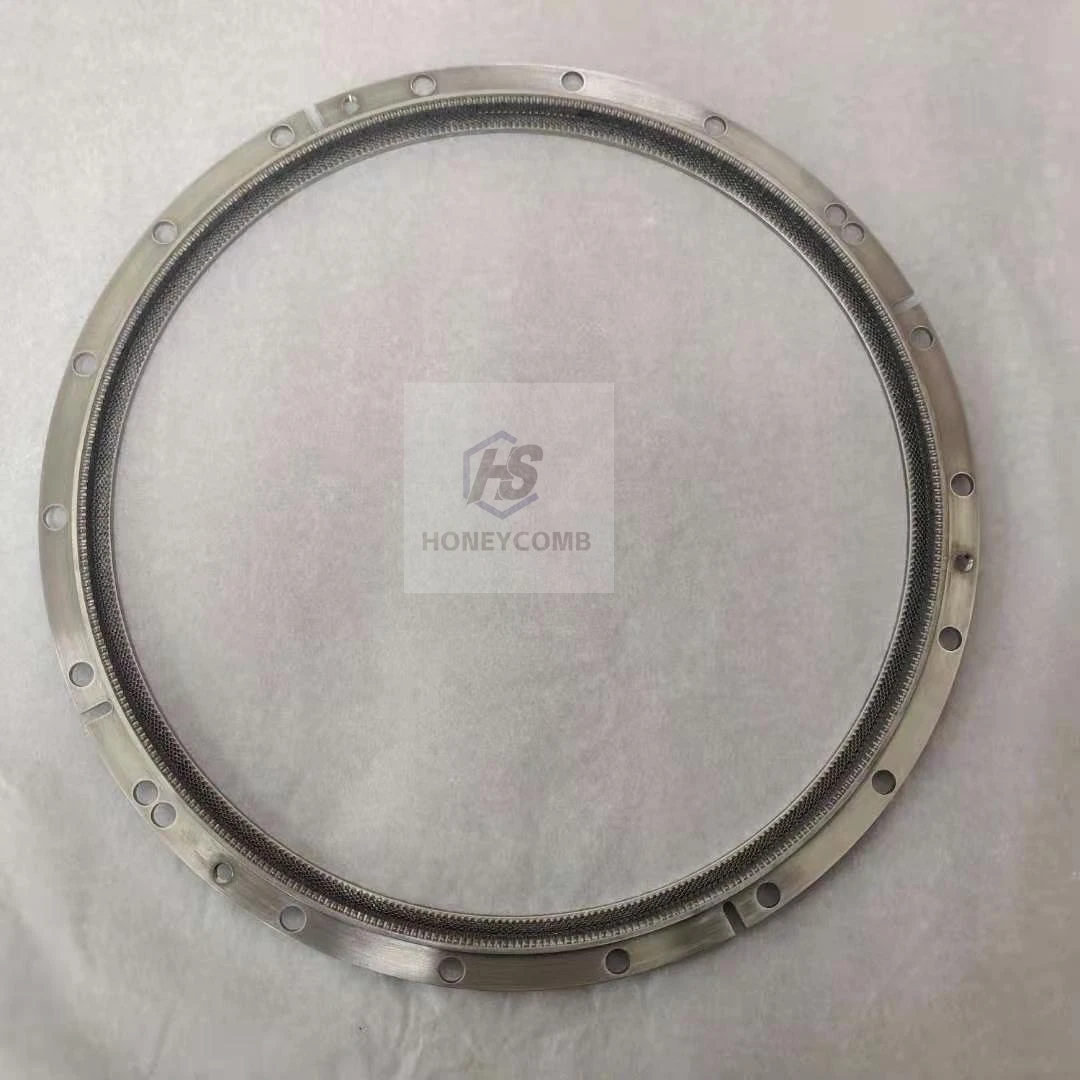
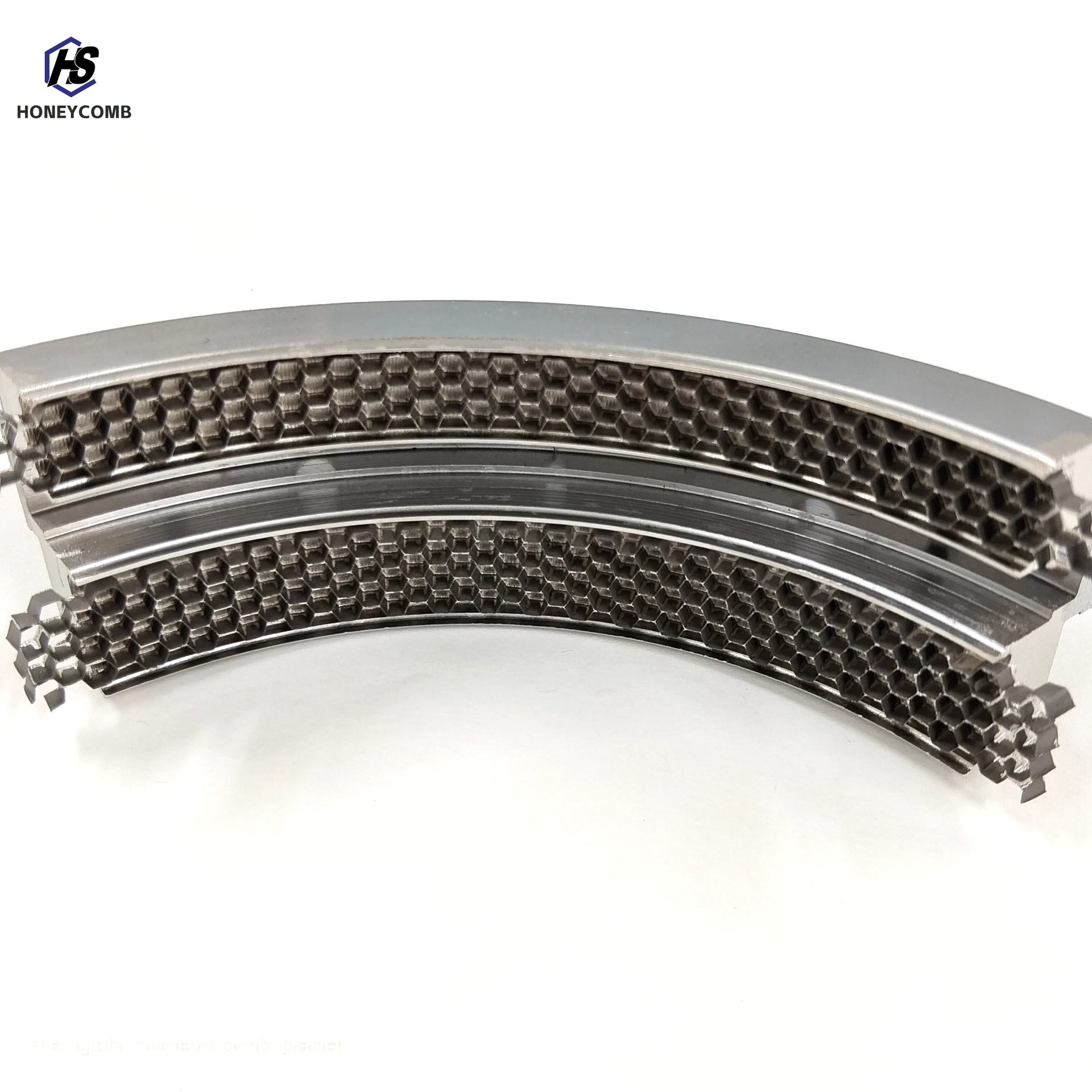
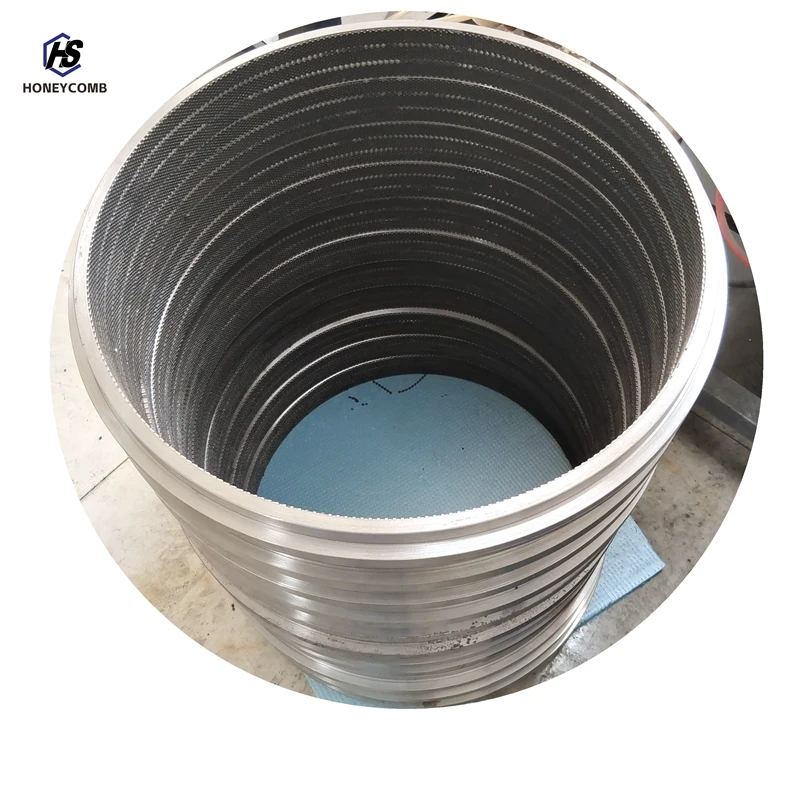
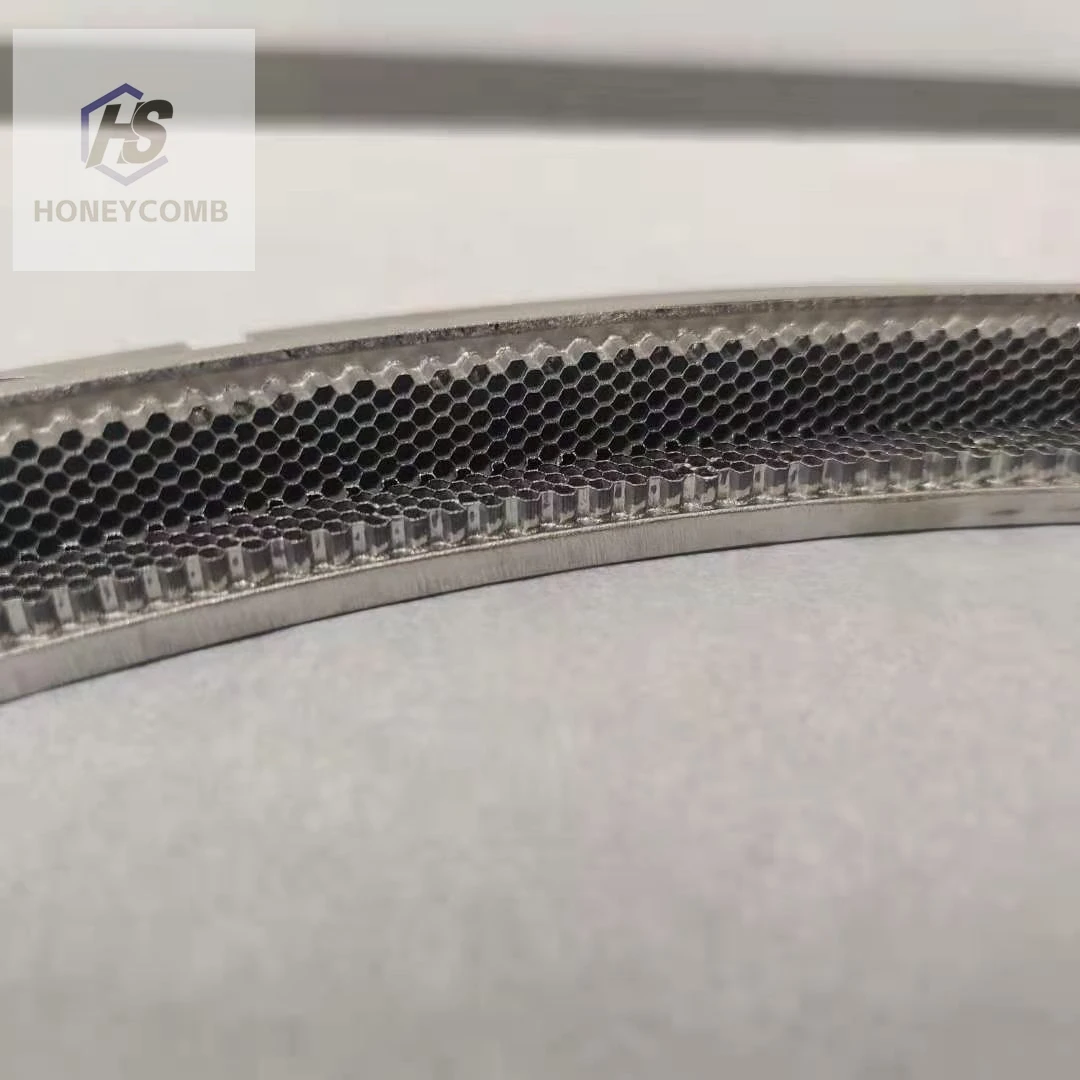
At its core, a stainless steel honeycomb pan is a panel or sheet composed of a hexagonal (honeycomb-like) grid sandwiched between two stainless steel skins. This structure mimics nature’s efficient honeycomb design, combining minimal material use with maximal structural strength.
Think of it as a clever engineering compromise: you don’t need solid, heavy sheets, but still get impressive resistance to pressure, vibration, and corrosion. Industries use these pans in everything from cleanroom equipment, noise dampening panels, aerospace components, to lightweight flooring, and even certain types of modular construction.
The connection to humanitarian needs is profound — rapid installation, durability in extreme environments, and reusability make this product ideal for shelters or temporary infrastructure.
Mini takeaway: Stainless steel honeycomb pans are hexagonal-core panels designed for efficiency, strength, and versatility.
Key Factors That Make Stainless Steel Honeycomb Pans Stand Out
Durability & Corrosion Resistance
Stainless steel is well-known for resisting rust and environmental wear, but the honeycomb structure takes durability to another level. It provides structural integrity while staying lightweight, so your pan won't buckle under stress or degrade quickly—even in salty marine climates or industrial chemical exposure.
Lightweight Design & Scalability
Because the core is hollow yet strategically reinforced, the weight reduction can be as much as 70%-80% compared to solid steel sheets of the same size. This design flexibility allows projects ranging from small-scale machinery panels to massive facade claddings.
Thermal & Acoustic Efficiency
The air pockets within the honeycomb core inhibit heat transfer and absorb acoustic vibrations. So whether it’s used in HVAC systems or vehicle interiors, it improves user comfort and energy costs.
Cost Efficiency over Lifetime
Sure, the initial cost might be higher than standard sheet metal, but durability and maintenance savings tip the scales in favor of honeycomb pans. Fewer replacements, less downtime, less welding/repair means better ROI over the years.
Environmental Sustainability
Honeycomb panels are recyclable and often produced from recycled stainless steel, plus their lightweight nature reduces shipping emissions.
Some forward-thinking companies even integrate green manufacturing processes, aligning with circular economy principles.
Mini takeaway: The blend of durability, lightweight, efficiency, cost savings, and sustainability make these pans a smart investment.
Global Applications and Use Cases
- Aerospace & Automotive: Used for lightweight floor panels, fuselage reinforcements, and more, saving fuel and boosting safety.
- Construction & Architecture: Found in curtain walls, roofing, flooring, and modular housing — especially in regions demanding earthquake resistance or rapid build-out like Japan or California.
- Industrial Machinery: Noise suppression and thermal panels in factories worldwide, reducing downtime and wear.
- Disaster Relief & Humanitarian Aid: NGOs in Southeast Asia and Sub-Saharan Africa use modular shelters with stainless steel honeycomb cores, prized for durability and quick assembly.
- Marine & Offshore: Corrosion resistance makes this perfect for ship decks, offshore platforms, and dock systems.
Mini takeaway: This product crosses multiple sectors and geographies, proving its versatile appeal and impact.
Advantages and Long-Term Value
Many engineers and project managers quickly spot the profound advantages: tremendous weight savings, fewer replacements, and better protection against extreme conditions. This naturally leads to safer working conditions, higher occupant comfort, and less environmental toll. Crucially, the steel honeycomb pan’s design supports innovation in modular construction — an area fast becoming vital for urban growth and disaster resilience alike.
Beyond bricks and metal, the emotional comfort arising from knowing your shelter or vehicle is robust yet elegant shouldn’t be underestimated. This product quietly earns trust where it counts.
Product Specification Table
| Specification | Typical Range | Notes |
|---|---|---|
| Material Grade | 304 / 316 Stainless Steel | Corrosion-resistant, food-grade options |
| Core Cell Size | 3 - 10 mm (Hexagonal) | Impacts weight and strength balance |
| Panel Thickness | 10 - 50 mm | Customized by application |
| Weight Reduction | 60% - 80% | Compared to solid sheets |
| Operating Temperature | -100°C to 600°C | Suitable for industrial extremes |
Vendor Comparison Table
| Vendor | Material Options | Customization | Lead Time | Sustainability Certifications |
|---|---|---|---|---|
| HSHi Honeycomb | 304, 316 Stainless Steel | Full core size & thickness | 2-4 weeks | ISO 14001, RoHS |
| SteelCore Panels | 304 only | Limited thickness | 4-6 weeks | None |
| EcoHoneycomb Inc. | Recycled 316 Stainless Steel | Core sizes 4-8 mm only | 3-5 weeks | LEED, Cradle to Cradle |
Looking Ahead: Future Trends and Innovations
Innovation in this space feels steady but exciting. We’re seeing integrations with digital manufacturing like 3D printing, which enables more complex honeycomb cores tailored precisely to stress analysis data. Plus, the material science world is advancing new stainless steel alloys — greener, stronger, and cheaper. Oddly enough, that + honeycomb combo might soon outpace traditional composites.
And green energy trends mean stainless steel honeycomb structures are poised for usage in solar panel supports, wind turbine blades, and lightweight electric vehicle components. The push from regulators for sustainable products also aligns perfectly with these technologies.
Mini takeaway: The stainless steel honeycomb pan is on an innovation trajectory combining digital tech, new steels, and sustainability to meet future industrial demands.
Challenges to Watch and How to Overcome Them
One big issue is manufacturing cost. Stainless steel honeycomb panels cost more upfront than typical sheets. But smarter production methods, such as automated welding and core fabrication, are helping bring prices down.
Another challenge is repair. Unlike solid sheets that can be patched easily, honeycomb panels sometimes require replacement of whole sections. Innovations in modular repair kits and adhesive bonding technologies are promising solutions.
Finally, awareness remains low among smaller manufacturers. That’s an education gap — companies like HSHi Honeycomb invest heavily in training and consultation to overcome this.
Mini takeaway: Costs, repairs, and knowledge gaps remain hurdles but are steadily being addressed through innovation and education.
FAQ: Quick Answers for Stainless Steel Honeycomb Pans
- Q: How does a stainless steel honeycomb pan improve energy efficiency?
- A: Its lightweight and insulating honeycomb core reduce heat transfer and structural weight, which lowers energy needed in transportation or building heating/cooling.
- Q: Are stainless steel honeycomb panels suitable for marine applications?
- A: Absolutely. The corrosion-resistant stainless steel combined with the strong honeycomb core withstands marine environments better than many alternatives.
- Q: What is the typical lifespan of these panels in industrial use?
- A: With proper maintenance, stainless steel honeycomb panels can last 20+ years, thanks to their corrosion resistance and durability.
- Q: Can these panels be customized for specific industrial needs?
- A: Yes, vendors like HSHi Honeycomb often offer tailored core sizes, thicknesses, and steel grades.
- Q: How do NGOs procure and deploy these materials internationally?
- A: Many global suppliers provide export services, plus technical support for assembly. Working with established vendors ensures compliance with local regulations and smoother logistics.
Wrapping Up: Why Stainless Steel Honeycomb Pans Are Here to Stay
Looking back, the stainless steel honeycomb pan isn’t just a product — it's a practical solution for many industries seeking to build stronger, lighter, and more sustainable structures. Its versatile nature bridges the gap between innovation and real-world demands, from aerospace to humanitarian relief.
If you want to explore how these materials could transform your project, visit HSHi Honeycomb’s site. It’s a resource packed with expert insights, detailed specs, and vendor support that helps turn the complex into something achievable.
In this fast-evolving landscape, stay curious — and your structures will thank you for it.
References:

-
Industrial Airflow Guide for maf воздушная правильная машинаNewsApr.16,2026
-
Best maf струйно правильная машина for Industrial EfficiencyNewsApr.09,2026
-
Сотовая правильная машина A Comprehensive Guide to Honey Packing AutomationNewsApr.07,2026
-
Build Your Own DIY газоправильная Машина A Comprehensive Guide to Gas CorrectionNewsApr.04,2026
-
Understanding Кондиционер отопления Systems for Efficient and Comfortable HeatingNewsMar.31,2026
-
Comprehensive Guide to Cellular Blinds Installation Установка сотовых жалюзиNewsMar.28,2026
-
Mobile Aerodynamic Tunnel Design A Comprehensive Guide to Applications and ImplementationNewsMar.26,2026






 English
  Afrikaans
  Albanian
  Amharic
  Arabic
  Armenian
  Azerbaijani
  Basque
  Belarusian
  Bengali
  Bosnian
  Bulgarian
  Catalan
  Cebuano
  China
China  China (Taiwan)
  Corsican
  Croatian
  Czech
Czech  Danish
  Dutch
Dutch  Esperanto
  Estonian
  Finnish
  French
  Frisian
  Galician
  Georgian
  German
  Greek
Greek  Gujarati
  Haitian Creole
  Hausa
Hausa  Hawaiian
  Hebrew
  Hindi
Hindi  Miao
Miao  Indonesian
  Italian
  Japanese
  Javanese
  Malay
Malay  Persian
  Portuguese
  Punjabi
  Russian
  Spanish
  Swahili
  Telugu
  Vietnamese