


Stainless Steel Honeycomb Panels: Durable, Lightweight Solutions for Global Industries
What Are Stainless Steel Honeycomb Panels and Why They Matter Globally
If you've ever wondered about the lightweight yet incredibly strong materials behind modern architecture, aerospace, or even disaster-relief structures, stainless steel honeycomb panels are probably near the top of the list. These panels marry strength with efficiency, offering solutions to a host of global challenges — from sustainable building to high-performance engineering. Understanding stainless steel honeycomb panels means appreciating a smart design that tackles issues like resource scarcity, safety, and durability, all wrapped into one clever material.
At its core, this topic is about pushing the boundaries of how materials support human needs, whether that’s in urban high-rises or mobile shelters for remote humanitarian missions.
Setting the Stage: The Global Relevance of Stainless Steel Honeycomb Panels
According to the United Nations’ data on sustainable development goals (SDGs), there is a growing need for efficient, durable infrastructure that uses fewer resources and produces less waste. The World Bank’s climate-smart infrastructure reports echo this call. Here enters the stainless steel honeycomb panel, a prime candidate for enabling lightweight structures with high resilience. Think about it — cities expanding vertically, industries demanding lightweight but ultra-strong materials, and emergency response units requiring rapid deployment solutions.
Yet, there’s a common challenge: ensuring structural materials deliver exceptional performance without excessive costs or environmental impact. Panels made purely from solid metals often weigh too much, spiking transportation and installation expenses. Meanwhile, cheaper alternatives don’t always last or meet safety standards. Stainless steel honeycomb panels neatly bridge this gap.
Mini takeaway:
- Global infrastructure demands sustainable, efficient materials.
- Stainless steel honeycomb panels respond precisely to these efficiency and durability challenges.
Breaking It Down: What Exactly Are Stainless Steel Honeycomb Panels?
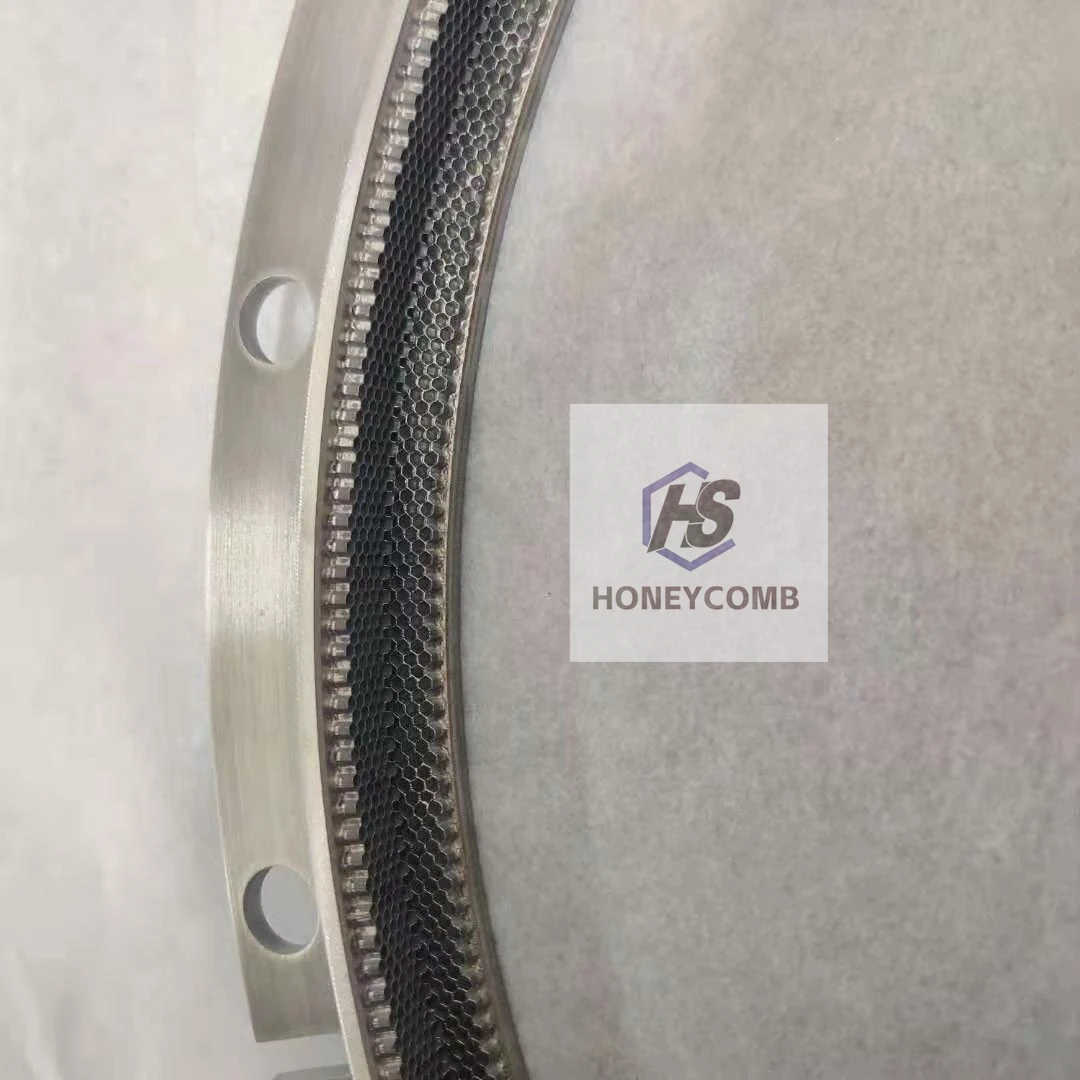
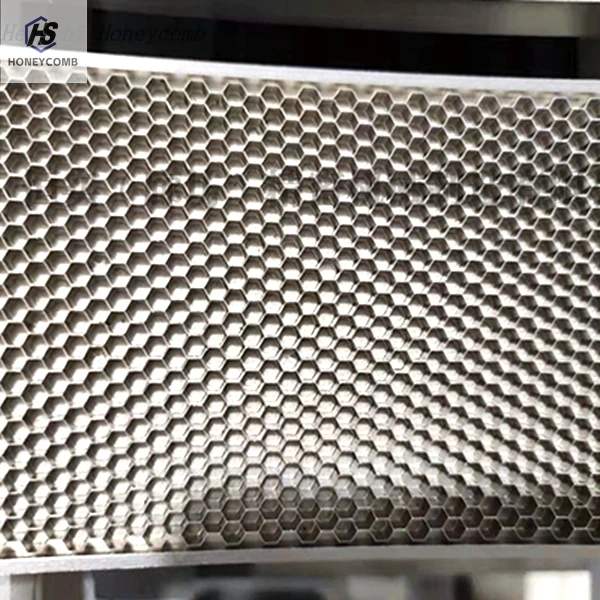
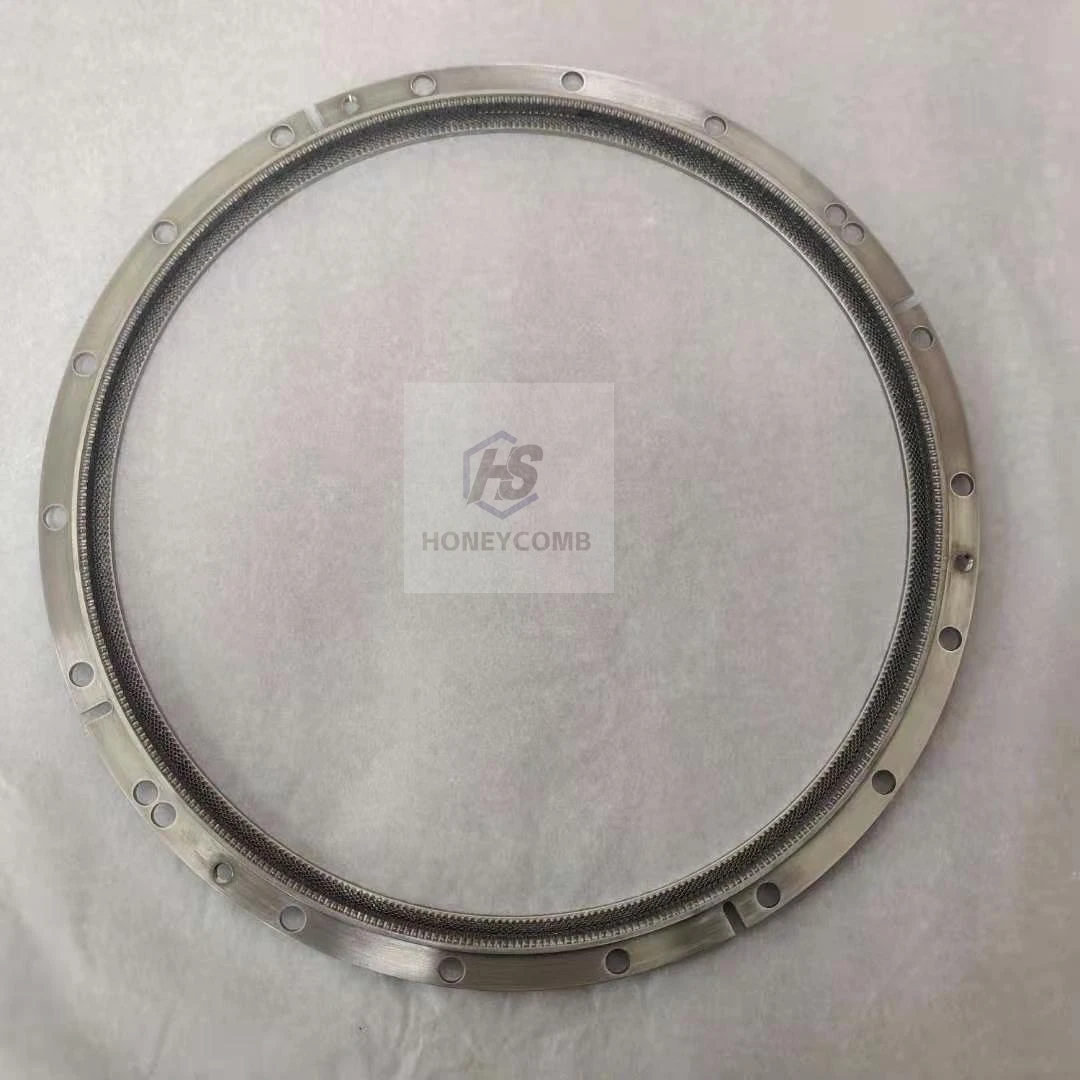
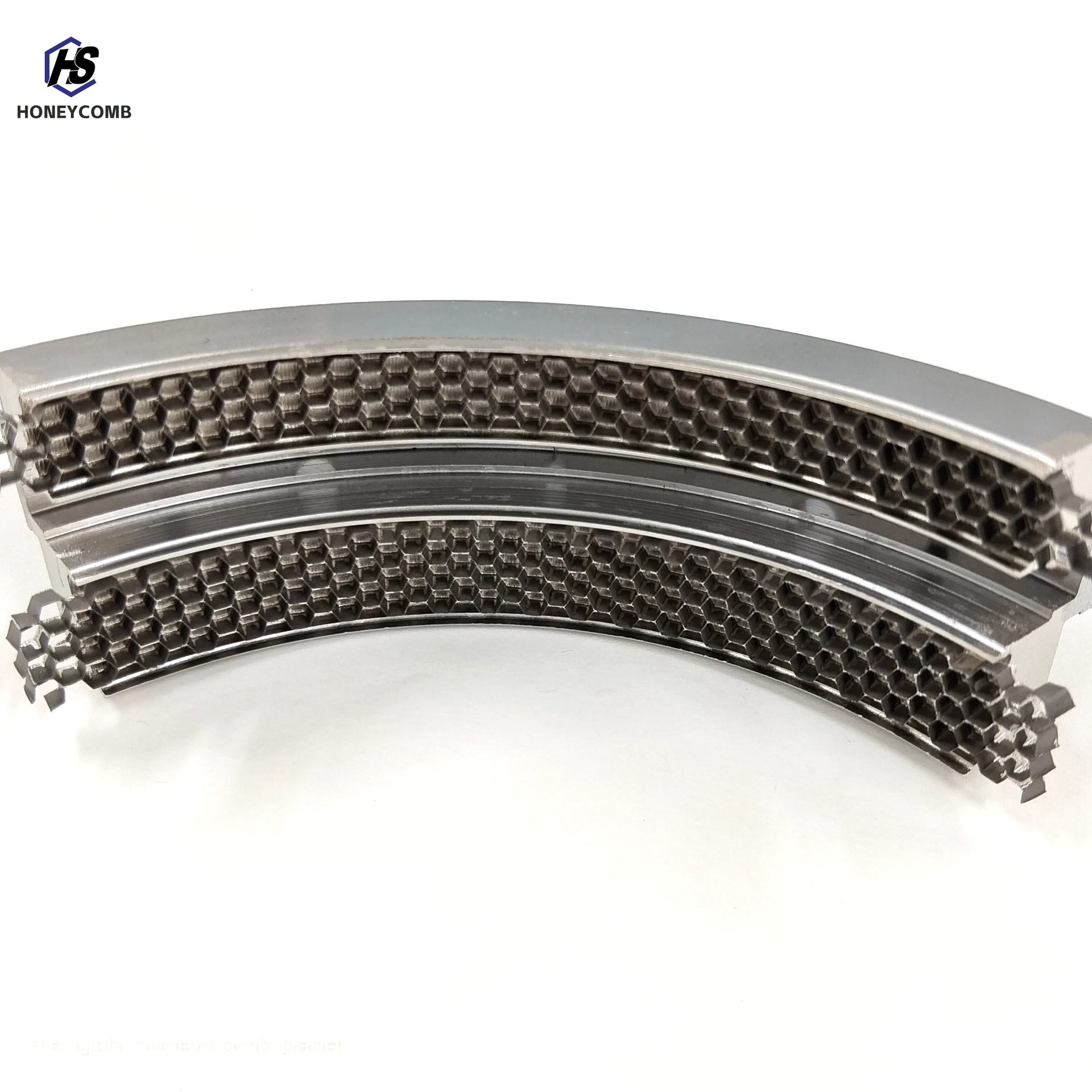
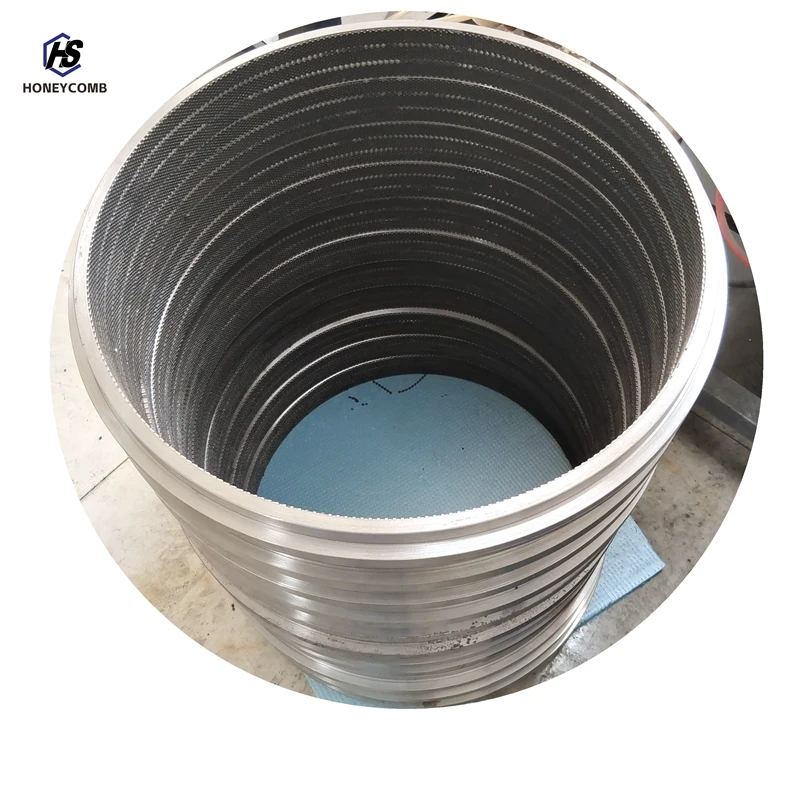
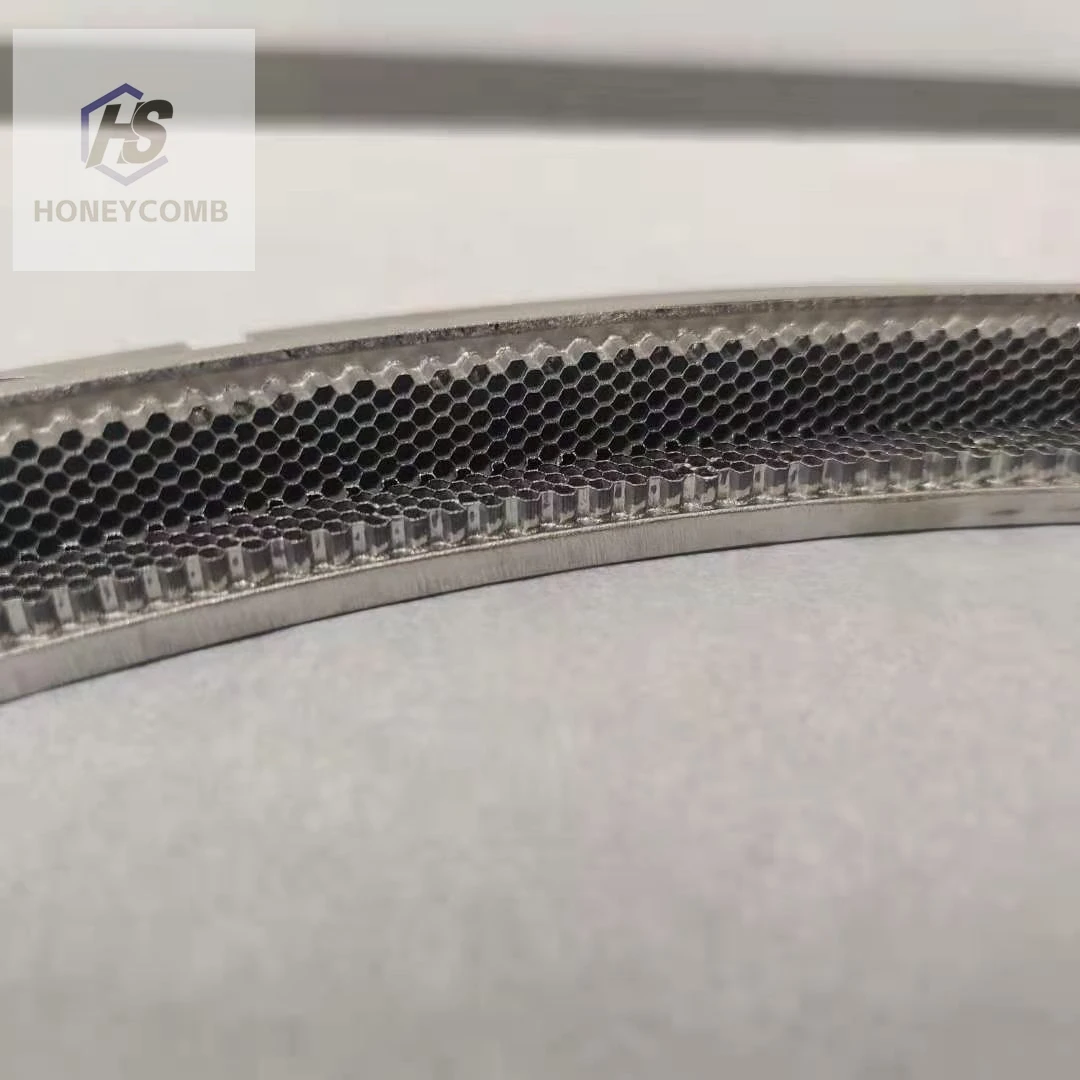
In straightforward terms, stainless steel honeycomb panels are composite panels with a core shaped like a honeycomb — that is, a network of hexagonal cells — sandwiched between two stainless steel sheets. This structure mimics the geometric brilliance found in bees’ honeycombs, known for maximum strength with minimal material.
The stainless steel sheets add corrosion resistance and strength, while the honeycomb core provides rigidity without the bulk. This design enables these panels to combine lightness with exceptional resilience, making them critical in industries where weight-saving and durability translate into cost savings or enhanced safety.
You’ll often find them in areas where modular components speed up construction or improve transport efficiency, ranging from aerospace to architectural facades, and even in emergency housing setups. Their inherent qualities also align well with humanitarian aid requirements—think rapid deployment but lasting performance.
Spotlight on Key Aspects of Stainless Steel Honeycomb Panels
Durability and Corrosion Resistance
One major selling point: stainless steel doesn’t rust or degrade easily. This longevity means structures last longer, especially in harsh environments like coastal areas or industrial zones with pollution.
Lightweight Strength
The honeycomb core drastically cuts down on weight while preserving rigidity. Many engineers say it’s the closest thing to “structural magic” — providing metallic strength without the typical heft.
Thermal and Acoustic Performance
Interestingly, these panels aren’t just strong; they often provide insulation benefits. The air trapped in the honeycomb cells helps reduce heat transfer and dampen sound, which is why you see them in aircraft cabins and office partitions.
Customization and Scalability
Thanks to modular manufacturing processes, stainless steel honeycomb panels can be tailored for different thicknesses, cell sizes, and surface treatments — adapting to various project requirements easily. This quality is a game-changer for industries from transportation to construction.
Cost Efficiency Over Time
Though their upfront cost might be higher than traditional panels, the long-term savings in maintenance, transportation, and installation add up. Plus, recycling stainless steel means environmental cost savings down the line.
Mini takeaway:
- Durability means fewer repairs and safer installations.
- Lightweight design cuts transport and structural costs.
- Thermal and sound insulation add functional value.
- Customization suits diverse global needs.
Applications Around the World: Who Uses Stainless Steel Honeycomb Panels and How?
From aerospace firms in Europe to urban developers in Asia, the practical uses of these panels cover a surprising breadth.
- In aerospace: Their strength-to-weight ratio makes them perfect for aircraft flooring, bulkheads, and interior panels, where reducing aircraft weight cuts fuel consumption.
- Construction and Architecture: Architects love them for façade panels that look sleek but withstand years of weather, pollution, and wear.
- Disaster relief: NGOs use them in modular shelters that are durable, fire-resistant, and transport-ready — critical in post-disaster zones like Southeast Asia or earthquake-prone regions.
- Marine industry: The corrosion resistance is ideal for shipbuilding and offshore platforms.
- Industrial applications: Chemical plants and factories demand panels that endure aggressive environments without frequent replacement.
Basically, wherever strength, durability, and a lightweight structure are needed, stainless steel honeycomb panels find a home.
Product Specification Table
| Specification | Details |
|---|---|
| Core Material | Aluminum or stainless steel honeycomb |
| Face Sheets | 304 or 316 Grade Stainless Steel |
| Panel Thickness | 10mm to 100mm (customizable) |
| Weight | 4–6 kg/m² (varies by thickness) |
| Thermal Conductivity | 0.035 W/m·K (approximate) |
| Fire Resistance | Class A (non-combustible) |
Advantages and Long-Term Value: Why Invest in Stainless Steel Honeycomb Panels?
Cost savings are tangible here but so is peace of mind. These panels aren’t just about numbers — they touch on safety, innovation, and dignity. For example, in long-lasting shelters, the sturdiness protects families long after the disaster relief teams have left. In industrial plants, the panels’ longevity minimizes shutdowns for maintenance. Plus, the materials are recyclable, ticking sustainability boxes.
Frankly, these benefits combine logical sense and emotional trust — the kind that engineers and project leaders cherish. It's not just about choosing the next cool material; it’s about future-proofing investments.
How Innovations Shape the Future of Stainless Steel Honeycomb Panels
The future looks bright — and a bit shiny! Emerging tech promises ultra-thin yet super-strong alloys, and integration with smart sensors could allow panels to monitor stresses or damage in real time (a little like a health checkup for buildings).
Environmental regulations push toward even greener manufacturing methods, encouraging recycled content and less energy-intensive production. Digital modeling software enables better customization — slashing waste and speeding design cycles.
Expect automation to bring down costs while quality improves, a win-win for everyone eyeing large-scale deployment in sustainable infrastructure.
Common Challenges and How Experts Address Them
Despite benefits, stainless steel honeycomb panels aren’t perfect. One hurdle is production complexity that can limit quantity or increase lead times. Also, heavy cold climates might impact adhesive bonds used in panel assembly.
Expert developers tackle these through innovations like alternative bonding agents, improved quality control, and modular designs that simplify installation without sacrificing strength. Field testing in varying environments helps prep for real-world challenges.
Ultimately, continuing R&D and close client feedback loops keep ironing out bumps.
Vendor Comparison Table
| Vendor | Material Grades | Customization | Lead Time | Typical Applications |
|---|---|---|---|---|
| HS Shi Honeycomb | 304, 316 Stainless Steel | High (thickness, core size, coatings) | 4-6 Weeks | Architecture, Relief Housing, Industrial |
| GlobalMetal Panels | Aluminum cores, Stainless Steel | Medium | 6-8 Weeks | Marine, Aerospace |
| TechCore Systems | Custom Alloys | Low | 3-5 Weeks | Automotive, Electronics |
Frequently Asked Questions About Stainless Steel Honeycomb Panels
- Q: What makes stainless steel honeycomb panels better than traditional solid panels?
- A: Their honeycomb core drastically reduces weight while maintaining remarkable structural strength, cutting transportation and handling costs without sacrificing durability.
- Q: How long can these panels last in harsh outdoor environments?
- When made with high-grade stainless steel like 316, panels can last 20+ years with minimal maintenance, even in coastal or industrial settings.
- Q: Are stainless steel honeycomb panels environmentally friendly?
- Yes, they use less raw material due to their design, have recyclable stainless steel components, and offer energy savings through improved insulation properties.
- Q: Can these panels be customized for specific project requirements?
- Absolutely! Thickness, core cell size, and surface treatments can all be tailored to optimize performance for different applications.
- Q: How do NGOs procure stainless steel honeycomb panels for international relief projects?
- Many vendors assist with export documentation and logistics, making it possible for NGOs to get panels shipped efficiently worldwide. It's best to connect early with manufacturers to plan approval and delivery timelines.
Wrapping it Up: Why Stainless Steel Honeycomb Panels Should Be on Your Radar
All in all, stainless steel honeycomb panels offer a smart, future-friendly solution to many engineering and humanitarian challenges. Their lightweight yet tough nature, combined with long-term cost and environmental benefits, makes them an asset you’ll see more of in years to come. If your project demands durability, sustainability, and scalability, it’s well worth exploring these versatile panels.
To dive deeper or get a tailored quote, visit HS Shi Honeycomb — pioneers in stainless steel honeycomb technology.
References

-
Industrial Airflow Guide for maf воздушная правильная машинаNewsApr.16,2026
-
Best maf струйно правильная машина for Industrial EfficiencyNewsApr.09,2026
-
Сотовая правильная машина A Comprehensive Guide to Honey Packing AutomationNewsApr.07,2026
-
Build Your Own DIY газоправильная Машина A Comprehensive Guide to Gas CorrectionNewsApr.04,2026
-
Understanding Кондиционер отопления Systems for Efficient and Comfortable HeatingNewsMar.31,2026
-
Comprehensive Guide to Cellular Blinds Installation Установка сотовых жалюзиNewsMar.28,2026
-
Mobile Aerodynamic Tunnel Design A Comprehensive Guide to Applications and ImplementationNewsMar.26,2026






 English
  Afrikaans
  Albanian
  Amharic
  Arabic
  Armenian
  Azerbaijani
  Basque
  Belarusian
  Bengali
  Bosnian
  Bulgarian
  Catalan
  Cebuano
  China
China  China (Taiwan)
  Corsican
  Croatian
  Czech
Czech  Danish
  Dutch
Dutch  Esperanto
  Estonian
  Finnish
  French
  Frisian
  Galician
  Georgian
  German
  Greek
Greek  Gujarati
  Haitian Creole
  Hausa
Hausa  Hawaiian
  Hebrew
  Hindi
Hindi  Miao
Miao  Indonesian
  Italian
  Japanese
  Javanese
  Malay
Malay  Persian
  Portuguese
  Punjabi
  Russian
  Spanish
  Swahili
  Telugu
  Vietnamese