


Stainless Steel Honeycomb Sheet: Lightweight Strength Meets Durability
What is a Stainless Steel Honeycomb Sheet — and Why Should You Care?
If you’ve ever marveled at materials that manage to be incredibly strong yet surprisingly lightweight, you’ve encountered the magic of honeycomb structures. Stainless steel honeycomb sheets are one such marvel. Think of them as the architectural concept of a beehive, but made for industry and modern engineering. Why does this matter globally? Because they offer an elegant, efficient solution for challenges ranging from aerospace to sustainable building — and yes, even humanitarian aid.
Understanding these sheets means grasping how industries tackle the never-ending quest for durability, weight savings, and corrosion resistance all at once. In a world increasingly driven by environmental concerns and cost effectiveness, stainless steel honeycomb sheets bring just enough innovation to make a noticeable difference.
stainless steel honeycomb sheet is not just a fancy phrase — it’s a material with real impact.The Global Importance of Stainless Steel Honeycomb Sheets
Worldwide, industries face the conundrum of building stronger, lighter, and longer-lasting products — often under strict environmental standards. According to the International Organization for Standardization (ISO), materials contributing to sustainability goals while maintaining performance are top priorities in manufacturing and construction (1). Stainless steel honeycomb sheets fit right into that narrative.
Globally, metal consumption in construction and transport sectors grew by over 3% annually over the last decade (World Bank data, 2022) (2). Yet, heavier metals slow down machinery and increase fuel consumption. The honeycomb structure inside stainless steel sheets helps boost strength without the usual weight penalty, addressing this problem squarely.
Why is this a challenge? Traditional solid sheets are heavier, more prone to corrosion, and less customizable. For automotive production, aviation, or even protective wall cladding, these downsides translate into cost overruns or reduced safety margins. Stainless steel honeycomb sheets provide an elegant fix, blending form and function.
Breaking It Down: What Exactly is a Stainless Steel Honeycomb Sheet?
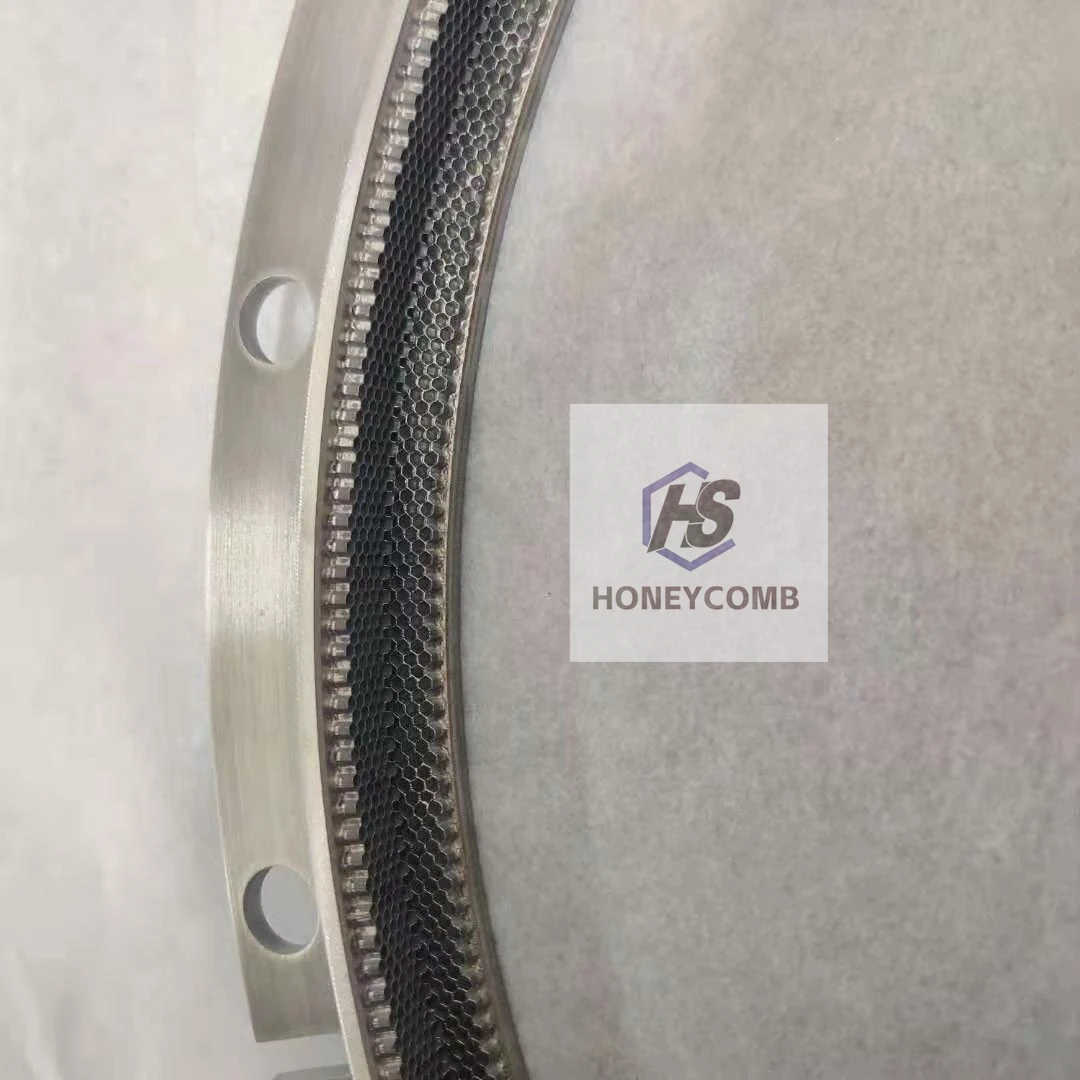
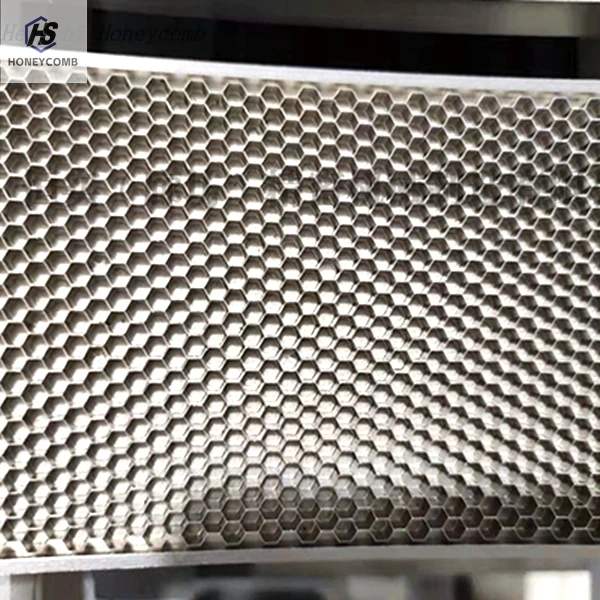
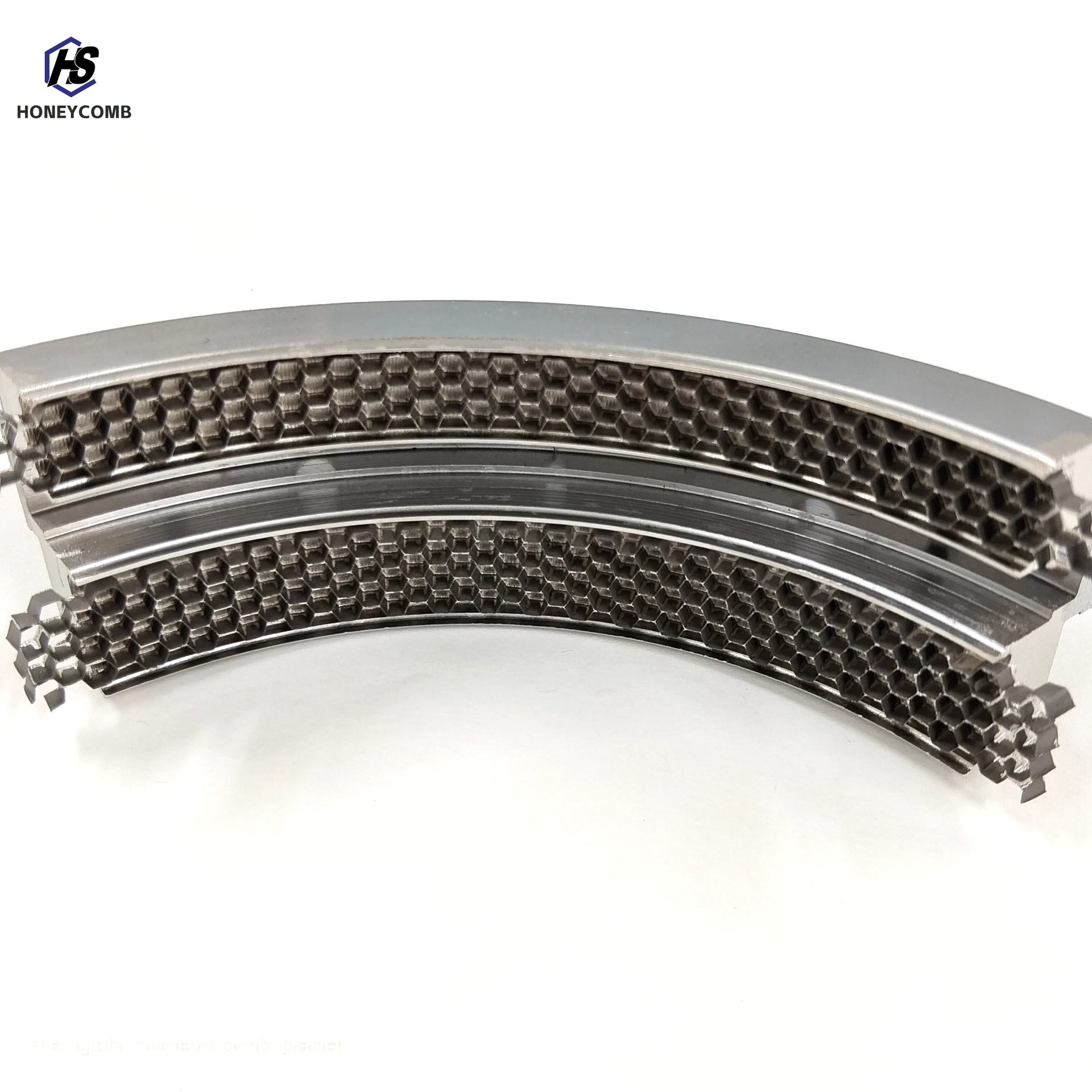
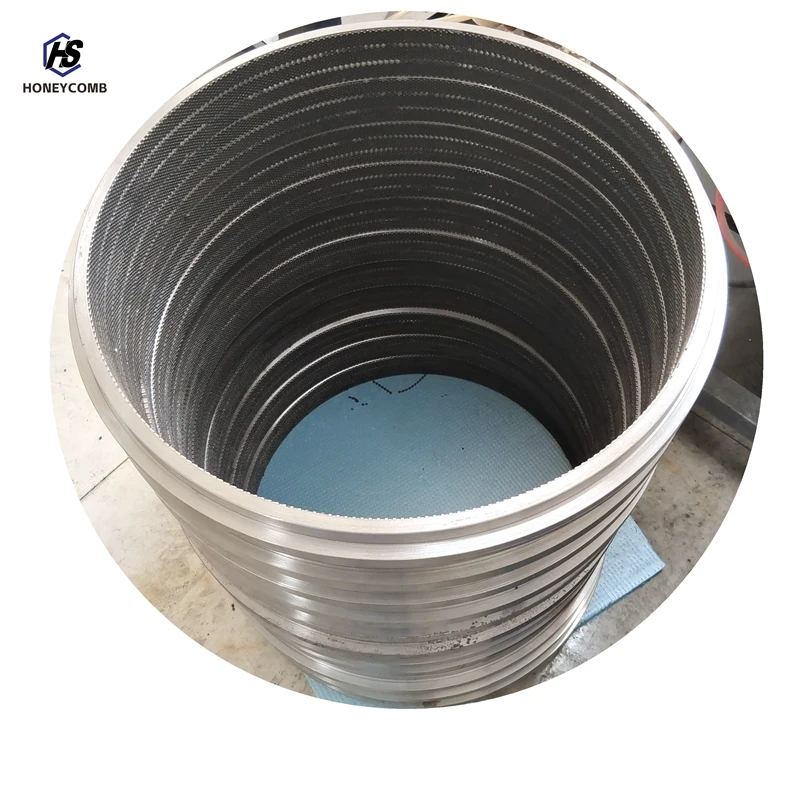
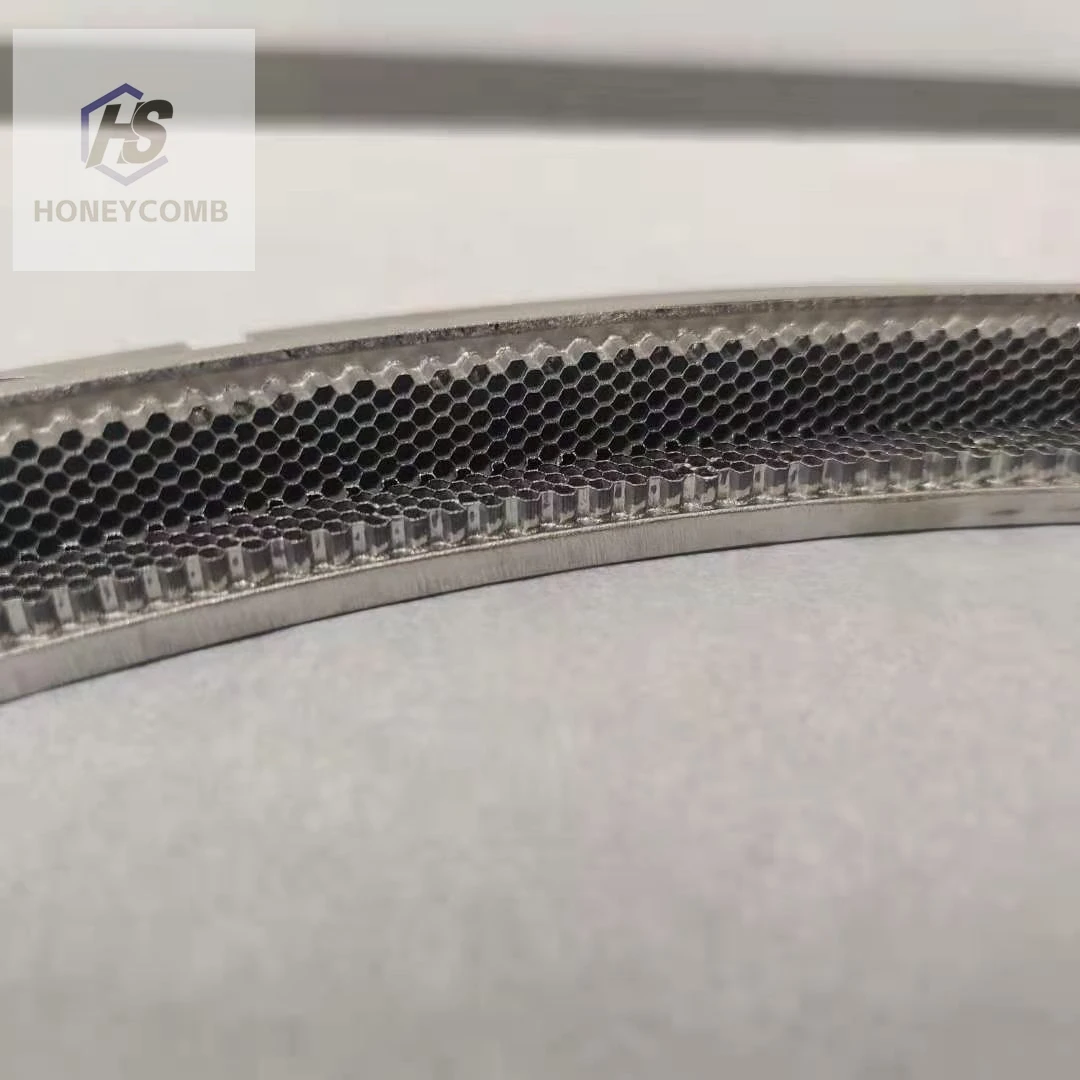
Put simply, a stainless steel honeycomb sheet is a panel formed from many small hexagonal cells, shaped somewhat like a honeycomb you’d see in a beehive. These cells are sandwiched between two stainless steel face sheets, creating a composite material that’s lightweight yet extremely stiff and resistant to deformation.
They’re commonly used as structural and protective components in environments demanding longevity, chemical resistance, and minimal maintenance.
Oddly enough, their design echoes principles we find in nature’s most efficient structures, showing how industry borrows from biology. Whether in aerospace wing panels or blast-resistant barriers, these sheets meet needs for safety and innovation — even humanitarian applications like quick-deploy shelters or durable transport containers.
Essential Features that Make Stainless Steel Honeycomb Sheets Stand Out
Durability and Corrosion Resistance
Being stainless steel, these sheets are inherently immune to rust and many chemical agents. This matters a lot in marine environments or urban infrastructure where moisture and pollutants are daily nuisances. Added longevity means fewer replacements and lower lifecycle costs.
Lightweight Strength
Weight is the silent enemy in transport and construction. Honeycomb sheets are roughly 60–80% lighter than solid stainless steel plates of the same size but retain similar stiffness. Engineers often call this “structural efficiency” — a major reason why aerospace trends lean heavily on these materials.
Thermal and Acoustic Insulation
The hollow cell design naturally traps air, offering modest insulation benefits. In cold climates, this means improved energy efficiency. Similarly, it dampens noise, making it popular in urban architecture and industrial settings alike.
Scalability and Customization
Depending on the application, the honeycomb core size, cell thickness, and sheet dimensions can all be tailored. This versatility means the same base technology serves vastly different sectors — from lightweight truck flooring to intricate art installations.
Cost Efficiency Over Time
Although initial costs might be higher than traditional steel sheets, the durability and performance gains deliver better value overall. Less maintenance, fewer replacements, and fuel savings add up — especially at scale.
How Stainless Steel Honeycomb Sheets Power Real-World Solutions
From East Asia’s booming high-speed rail lines to Europe’s eco-friendly skyscraper facades, these sheets are everywhere — quietly doing the heavy lifting.
- Aerospace & Defense: Aircraft interiors and structural panels rely on honeycomb sheets for saving fuel weight without sacrificing safety.
- Architecture & Construction: Cladding systems, ceiling panels, and flooring — especially in seismic zones — use stainless steel honeycomb for its rigidity and corrosion resistance.
- Transportation: Truck trailer floors and train interiors often employ these sheets to extend service life and reduce tare weights.
- Disaster Relief & Humanitarian Aid: Rapid-deploy shelter frameworks leverage these materials for their durability and ease of transport.
- Chemical & Marine Industry: Corrosion-prone settings benefit from their robust stainless steel faces and corrosion-resistant cores.
In remote industrial zones, for example, replacing or repairing parts is costly and slow. Using stainless steel honeycomb sheets cuts downtime and keeps operations humming. Or consider post-disaster relief operations where lightweight but tough shelter panels matter: rapid assembly means people stay safe sooner.
Product Specification Table: Typical Stainless Steel Honeycomb Sheet
| Feature | Specification | Notes |
|---|---|---|
| Material Grade | 304 / 316 Stainless Steel | Common options; 316 preferred for marine |
| Core Cell Size | 3mm – 10mm | Smaller cells = stronger sheets |
| Panel Thickness | 6mm – 50mm | Varies by application |
| Standard Sheet Size | 1500mm x 3000mm (customizable) | Custom orders common |
| Weight | 1.5 – 4.0 kg/m² | Depends on thickness and core size |
Comparing Leading Stainless Steel Honeycomb Sheet Vendors
| Vendor | Material Grades | Core Cell Options | Lead Time | Special Services |
|---|---|---|---|---|
| HSHI Honeycomb | 304, 316L | 3mm-10mm | 2–3 weeks | Custom cutting, technical consulting |
| SteelCore Solutions | 304 only | 5mm, 8mm standard | 3–4 weeks | Bulk pricing |
| MetalHive Ltd. | 316L, 321 | 4mm, 6mm, 10mm | 1–2 weeks | Rapid prototyping, international shipping |
Why Are Stainless Steel Honeycomb Sheets a Smart Long-Term Investment?
Putting your money into these sheets means buying into safety, reliability, and green innovation. They reduce weight, meaning vehicles waste less fuel — a win for the environment and your wallet. Plus, their stainless steel composition means installations last longer with minimal upkeep.
On a softer note, many companies find that choosing such materials aligns with brand values focused on sustainability and quality — which customers appreciate more than ever.
What Lies Ahead: Innovations on the Horizon
The future of stainless steel honeycomb sheets is tied to advanced materials science. Companies are experimenting with hybrid cores that mix stainless steel with carbon fiber or ceramics to push strength-to-weight ratios even further.
Automation technology, including robotic fabrication, promises faster production with razor-thin tolerances. Green energy projects are eyeing these sheets for solar panel backing and wind turbine structures. And digital twins (virtual replicas) let engineers simulate performance long before any steel is bent.
Facing Challenges Head-On
Sure, these sheets aren’t a silver bullet. High initial costs and specialized manufacturing can slow adoption. But innovative financing options and improved production methods are helping overcome these hurdles.
Engineers also mention that optimizing honeycomb cell geometry for specific loads reduces material waste — a kind of “right-sizing” that brings better economics to the table.
FAQs: What People Commonly Ask About Stainless Steel Honeycomb Sheets
- Q: How does a stainless steel honeycomb sheet compare to regular steel in corrosion resistance?
- A: Stainless steel honeycomb sheets typically use 304 or 316 grade steel, offering significantly superior corrosion resistance compared to plain carbon steel. This makes them ideal for marine or chemical environments where rusting is a major concern.
- Q: Can these honeycomb sheets be customized for specific industrial uses?
- A: Absolutely. Core cell sizes, thicknesses, and surface finishes can all be tailored. Vendors like HSHI Honeycomb often offer technical consulting to fit sheets perfectly to your needs.
- Q: Are stainless steel honeycomb sheets recyclable?
- A: Yes, stainless steel is highly recyclable, and honeycomb sheets can be recovered and reused with little environmental impact, supporting circular economy goals.
- Q: What typical lead times should I expect when ordering these sheets?
- A: Lead times vary by vendor and customization but generally range from one to four weeks depending on volume and specifications.
- Q: How do these sheets improve energy efficiency in construction?
- A: The honeycomb structure offers natural insulation by trapping air, which helps reduce thermal transfer and noise pollution. This translates to lower heating/cooling costs in buildings.
Wrapping Up: Why Stainless Steel Honeycomb Sheets Matter Long-Term
As industries push for smarter, greener materials, stainless steel honeycomb sheets stand out as a prime example of how careful design and engineering come together to solve real problems. From saving fuel to protecting structures, their long lifecycle and adaptable nature make them a prudent investment.
If you’re considering this versatile product, visit our website to explore specs, customization options, and vendor support — because in the end, a better material can mean a better future.
References:
1. International Organization for Standardization (ISO). Sustainability Standards.
2. World Bank Data. Metal Consumption Statistics.
3. Wikipedia. Honeycomb Structure.

-
Industrial Airflow Guide for maf воздушная правильная машинаNewsApr.16,2026
-
Best maf струйно правильная машина for Industrial EfficiencyNewsApr.09,2026
-
Сотовая правильная машина A Comprehensive Guide to Honey Packing AutomationNewsApr.07,2026
-
Build Your Own DIY газоправильная Машина A Comprehensive Guide to Gas CorrectionNewsApr.04,2026
-
Understanding Кондиционер отопления Systems for Efficient and Comfortable HeatingNewsMar.31,2026
-
Comprehensive Guide to Cellular Blinds Installation Установка сотовых жалюзиNewsMar.28,2026
-
Mobile Aerodynamic Tunnel Design A Comprehensive Guide to Applications and ImplementationNewsMar.26,2026






 English
  Afrikaans
  Albanian
  Amharic
  Arabic
  Armenian
  Azerbaijani
  Basque
  Belarusian
  Bengali
  Bosnian
  Bulgarian
  Catalan
  Cebuano
  China
China  China (Taiwan)
  Corsican
  Croatian
  Czech
Czech  Danish
  Dutch
Dutch  Esperanto
  Estonian
  Finnish
  French
  Frisian
  Galician
  Georgian
  German
  Greek
Greek  Gujarati
  Haitian Creole
  Hausa
Hausa  Hawaiian
  Hebrew
  Hindi
Hindi  Miao
Miao  Indonesian
  Italian
  Japanese
  Javanese
  Malay
Malay  Persian
  Portuguese
  Punjabi
  Russian
  Spanish
  Swahili
  Telugu
  Vietnamese