


Honeycomb Ventilation Panels – Innovative Solutions for Sustainable & Efficient Airflow
Honeycomb Ventilation Panels: What They Are and Why They Matter Globally
Honeycomb ventilation panels might sound like a specialized term reserved for engineers or architects, but their impact echoes far beyond that. These panels, built with a unique honeycomb-structured core, offer intriguing benefits for airflow, durability, and energy efficiency that industries worldwide are embracing. From industrial plants to humanitarian shelters, understanding these panels helps us appreciate a blend of smart design and sustainable innovation. In a world that’s increasingly conscious about energy savings and indoor air quality, honeycomb ventilation panels quietly solve some pressing challenges.
The Rising Global Demand for Honeycomb Ventilation Panels
Across continents, the demand for efficient yet sustainable building components is soaring. According to the International Energy Agency (IEA), buildings account for nearly 40% of global energy consumption. Ventilation, an overlooked aspect, substantially influences heating and cooling costs and indoor air quality. Honeycomb ventilation panels provide a solution balancing airflow and insulation, reducing the load on HVAC systems. The United Nations Environment Programme (UNEP) highlights sustainable construction as a key pillar in meeting climate targets—panels like these fit squarely into that ambition.
Yet, despite these benefits, many industries still grapple with balancing cost, durability, and environmental impact. That’s where honeycomb ventilation panels come in, setting a benchmark that meets ecological concerns with practical performance.
Mini takeaway: As global energy policies tighten, honeycomb ventilation panels are increasingly valuable for reducing environmental footprints while improving ventilation efficiency.
What Exactly Are Honeycomb Ventilation Panels?
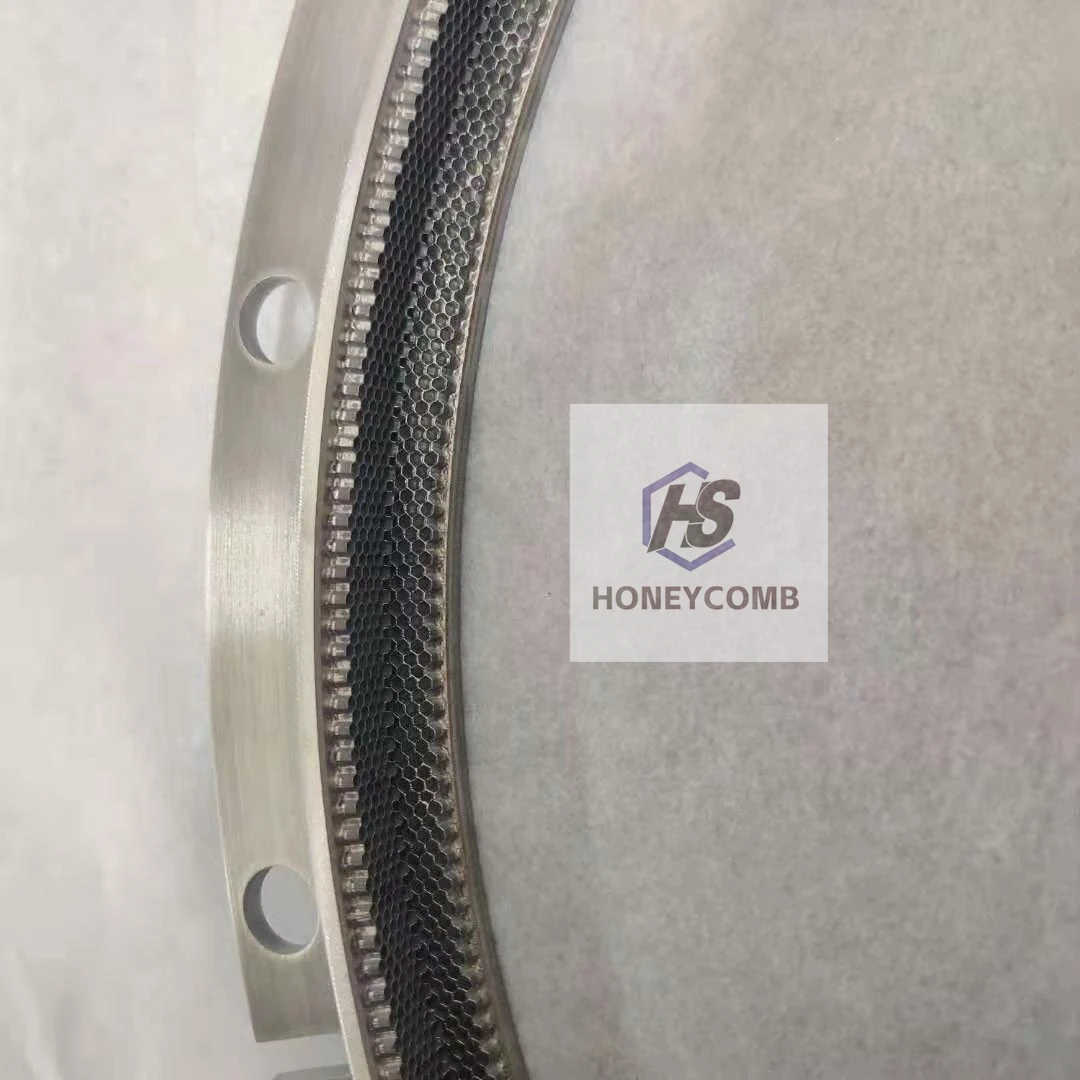
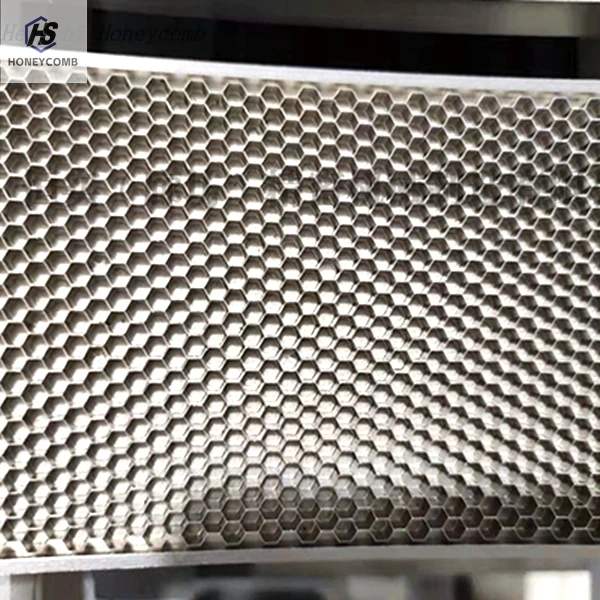
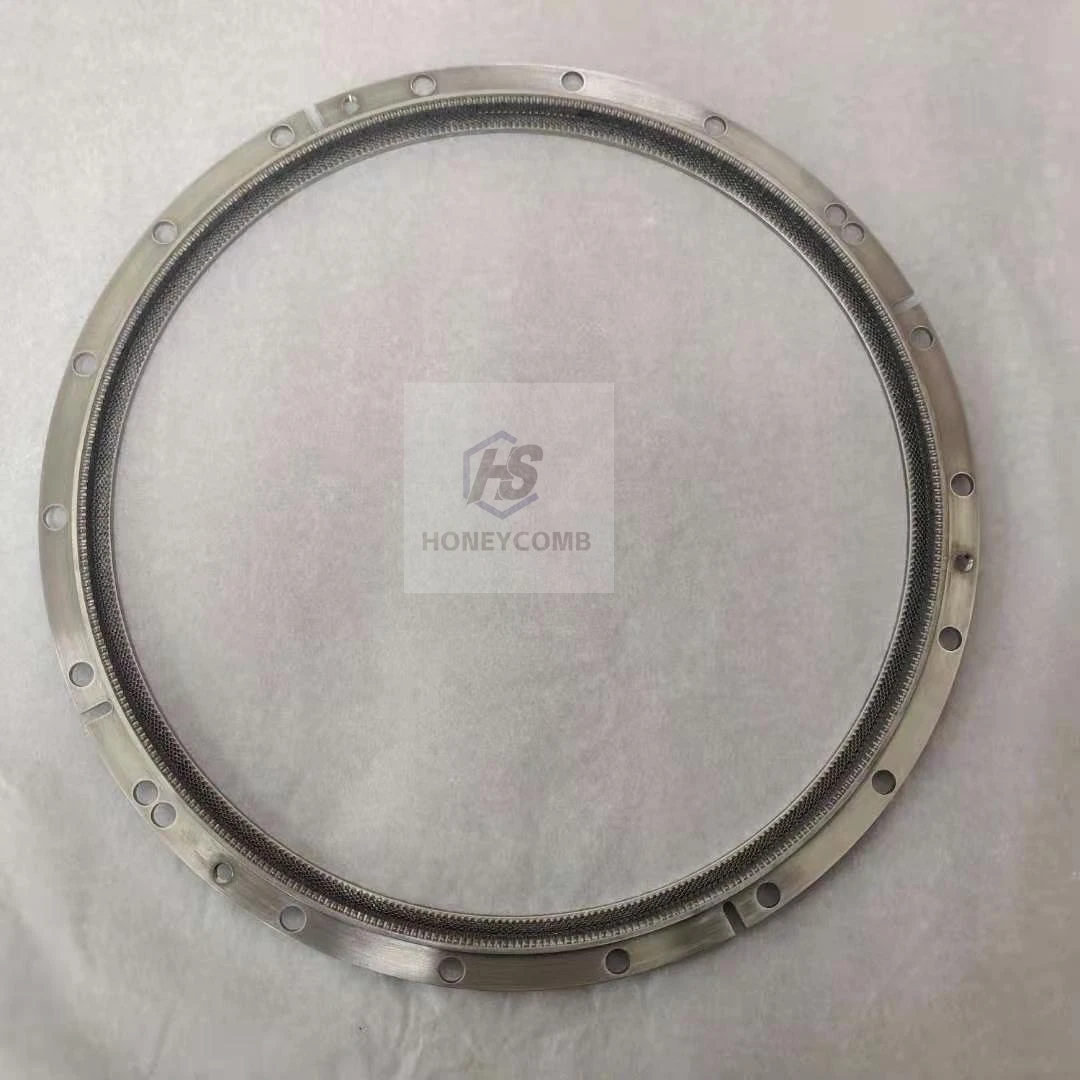
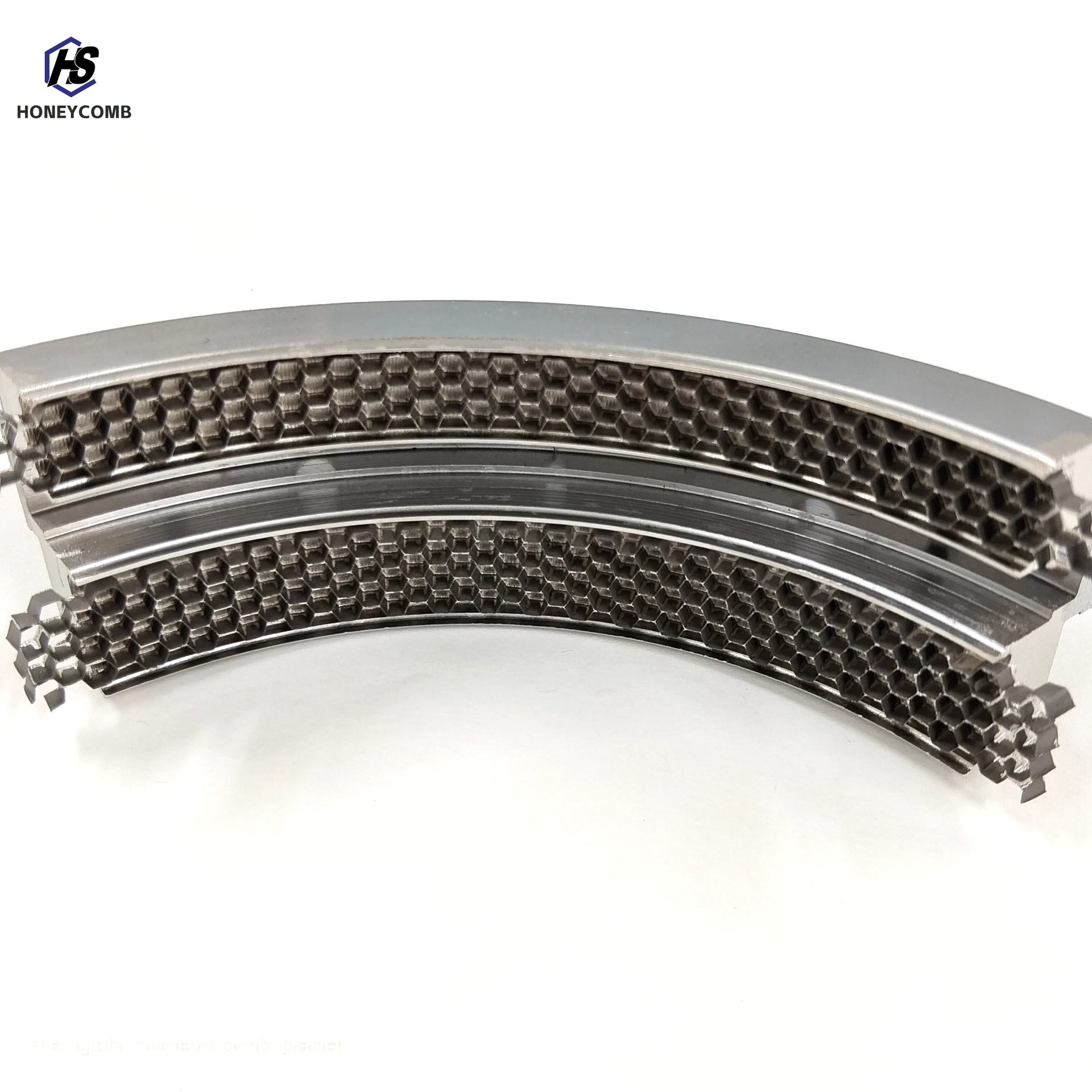
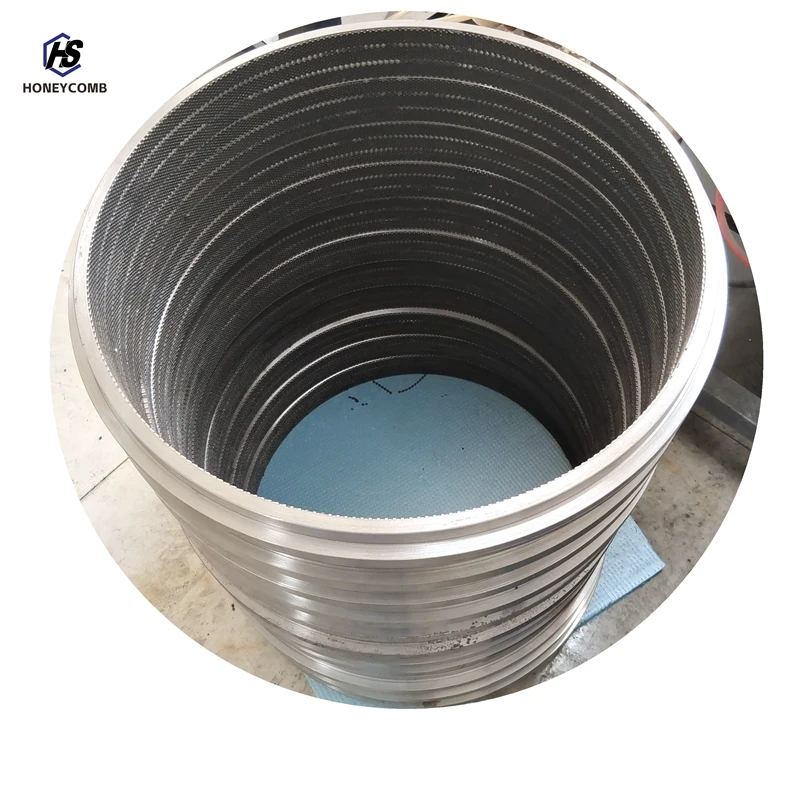
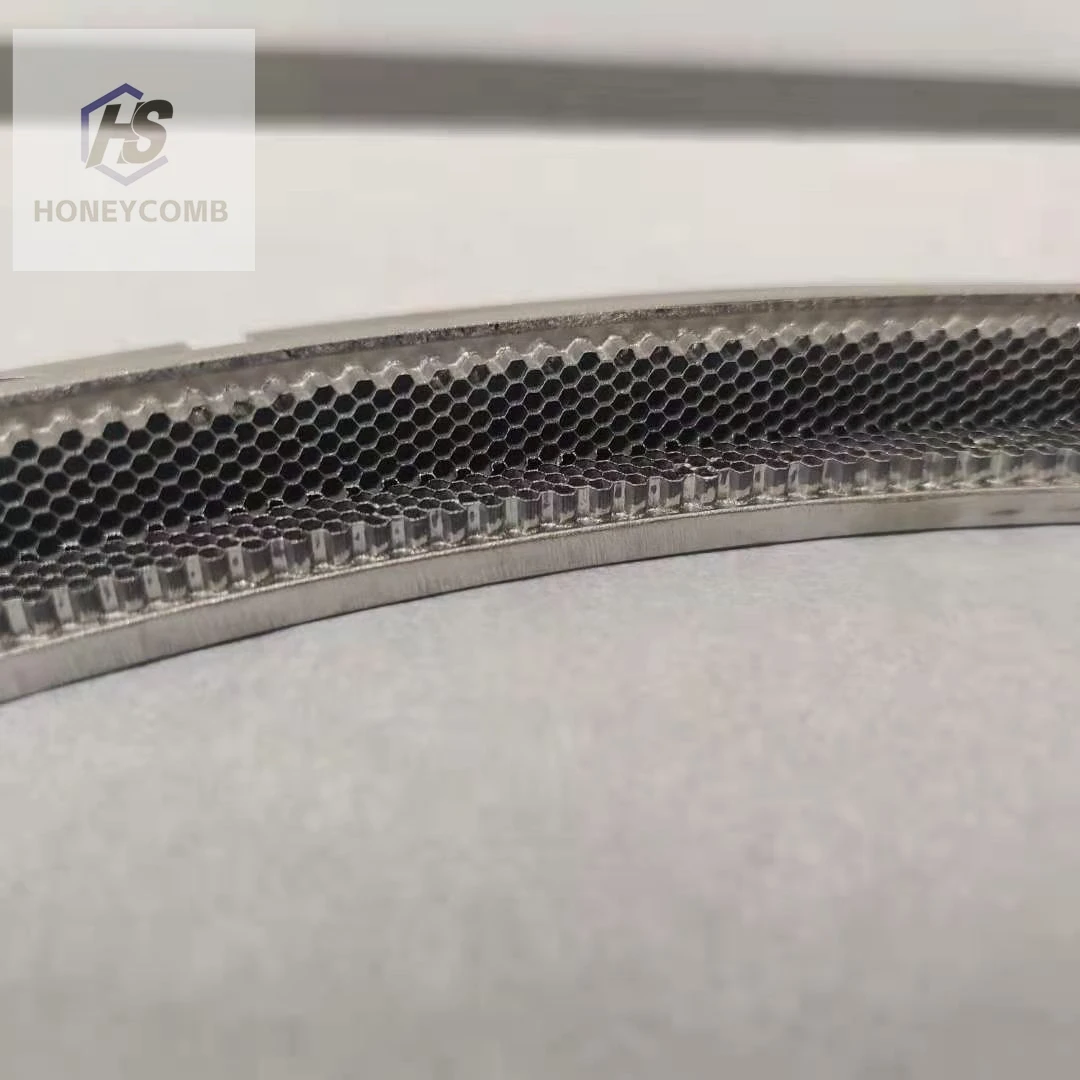
Simply put, honeycomb ventilation panels are ventilated panels constructed with a core material shaped like a honeycomb—think of those neat hexagonal cells bees make. This structure offers high strength-to-weight ratio and creates channels for air to flow smoothly through the panel. They’re typically used as facades, partitions, or ventilators in buildings and industrial setups.
These panels have become essential components in sectors ranging from clean rooms to cold storage units. They’re also cropping up in quick-build shelters and modular homes, where controlled airflow is critical for user comfort and structural health. Oddly enough, this humble pattern inspired by nature now underpins modern industrial and humanitarian innovations.
honeycomb ventilation panels leverage natural geometry to boost both mechanical strength and ventilation.
Core Components and Key Features of Honeycomb Ventilation Panels
1. Durability & Structural Integrity
The honeycomb core applies load evenly, making these panels incredibly sturdy despite being lightweight. Engineers often prefer them in environments where resistance to wind, seismic activities, or mechanical stress matter.
2. Ventilation Efficiency
The design allows excellent airflow without sacrificing protection against elements. This balance improves indoor air circulation, reducing mold buildup and improving occupant health.
3. Thermal Regulation
Thanks to the combination of air channels and insulated outer layers, these panels help stabilize indoor temperatures—cutting down HVAC costs and carbon footprints.
4. Cost-Effectiveness
While initial outlay may seem higher, the long-term savings in energy and maintenance make these panels an economical choice.
5. Scalability and Adaptability
Modular by design, honeycomb panels can be tailored to different sizes and industries, from small vents on commercial facades to full-scale emergency shelters.
6. Environmental Sustainability
Many panels incorporate recyclable materials and require less raw resource use, supporting green building certifications like LEED and ISO 14001.
Mini takeaway: Honeycomb ventilation panels bring together a powerful set of features that align durability, energy efficiency, and green objectives.
Global Applications & Real-World Use Cases
Honeycomb ventilation panels have found homes everywhere from Arctic research stations to the sweltering deserts of Saudi Arabia. Industrial plants in Europe, concerned with strict emissions and air quality standards, rely heavily on these for ventilation systems. In Asia's rapidly expanding urban landscapes, the modular nature of honeycomb ventilation panels helps streamline construction timelines and meet safety codes.
Beyond industrial usage, humanitarian organizations utilize these panels in temporary shelters during disaster relief operations. The panels’ lightweight nature makes transport easier, and their durability gives displaced populations safer, more comfortable housing.
One example is the 2022 earthquake relief effort in Turkey—shelters equipped with honeycomb ventilation dramatically reduced humidity and improved air turnover compared to traditional plywood structures.
Advantages & Long-Term Value That Matter
In practical terms, the advantages translate to energy savings, longer infrastructure life, and healthier environments. But there’s an emotional layer, too. Safety. Comfort. Dignity. Sometimes we forget how critical airflow is to wellbeing — especially in crisis zones or cramped factories.
- Cost Savings: Reduced HVAC loads and low maintenance.
- Sustainability: Contributes to eco-friendly building practices.
- Durability: Resistant to weather, wear, and pests.
- Health Impact: Minimizes mold, allergens, and stagnant air.
- Trust & Innovation: The cutting-edge tech brings peace of mind and pride.
Mini takeaway: Honeycomb ventilation panels aren’t just building blocks—they’re about building better lives and futures.
Product Specification Table
| Specification | Details |
|---|---|
| Core Material | Aluminum honeycomb or recyclable polypropylene |
| Panel Thickness | 10 mm to 50 mm |
| Airflow Rate | Up to 600 CFM/m² (cubic feet per minute per square meter) |
| Weight | Approximately 5-8 kg/m² depending on materials |
| Fire Rating | Class B or better per ASTM E84 |
| Recyclability | 80–90% depending on panel type |
Comparing Leading Honeycomb Ventilation Panel Vendors
| Vendor | Material Quality | Customization Options | Lead Time | Price Range |
|---|---|---|---|---|
| HSIH Honeycomb | High-grade aluminum & recyclable polymers | Extensive (thickness, size, airflow) | 2-4 weeks | Mid to high |
| VentPro Solutions | Standard aluminum core | Limited (preset sizes) | 3-5 weeks | Mid |
| EcoVent Panels | Recyclable polypropylene predominant | Moderate customization | 4-6 weeks | Low to mid |
Looking Ahead: Trends and Innovations in Honeycomb Ventilation Panels
The sector isn’t standing still. The shift towards greener construction pushes vendors to develop panels with even higher recyclability and integration with solar shading systems. Some are experimenting with smart sensors embedded in panels for real-time indoor air quality monitoring—digital transformation creeping in, as usual.
Materials are also evolving. Biodegradable resins and plant-based composites may soon replace conventional polymers, cutting carbon footprint further. Predictive maintenance using IoT could minimize operational hiccups, increasing reliability. Frankly, these innovations hint at a future where ventilation units not only breathe but think along.
Common Challenges and Practical Solutions
No product is perfect. For honeycomb ventilation panels, the main challenges include initial installation complexity, susceptibility to dirt clogging if not maintained, and potential cost barriers for smaller projects.
Experts advise routine maintenance regimes and design tweaks like self-cleaning coatings to tackle dirt buildup. Modular installation kits simplify deployment even for less experienced teams. Moreover, bulk ordering and partnering with reliable vendors like honeycomb ventilation panels suppliers often unlock better pricing.
FAQ: Frequently Asked Questions About Honeycomb Ventilation Panels
Q1: How do honeycomb ventilation panels improve indoor air quality?
A: Their design promotes consistent airflow while filtering out debris and moisture, reducing mold risks and keeping air fresh. The channels help evenly distribute air, which is crucial for maintaining comfort and health indoors.
Q2: Are honeycomb ventilation panels suitable for extreme weather conditions?
A: Yes, thanks to their structural integrity and resistant materials, these panels withstand wind, rain, heat, and cold. They are commonly used in diverse climates from Arctic bases to tropical factories.
Q3: Can these panels be customized for specialized industrial uses?
A: Absolutely. Vendors like HSIH offer various panel thicknesses, materials, and airflow configurations to match specific environmental or regulatory requirements.
Q4: What is the typical lifespan of a honeycomb ventilation panel?
A: With proper maintenance, these panels can last 15-20 years or longer, outperforming many traditional ventilation alternatives due to their design and corrosion resistance.
Q5: How can NGOs or relief agencies source these panels internationally?
A: Many suppliers provide global shipping and support documentation for customs. Collaborations with experienced vendors streamline procurement and logistics.
Conclusion: Why Honeycomb Ventilation Panels Are a Smart Investment
When you consider the push for sustainability, the need for healthier indoor environments, and the undeniable cost savings, honeycomb ventilation panels emerge as a modern building marvel. They’re not just panels; they’re a testament to how clever design inspired by nature can meet global challenges head-on.
If you want to explore detailed options or have a bespoke ventilation solution in mind, I encourage you to visit https://www.hshihoneycomb.com and discover how these panels might fit your project — or even the world’s next big industrial venture.
References:
1. International Energy Agency, "Buildings and Climate Change," 2023
2. United Nations Environment Programme, "Sustainable Construction," 2022
3. ASTM E84 Fire Rating Standards, 2021

-
Industrial Airflow Guide for maf воздушная правильная машинаNewsApr.16,2026
-
Best maf струйно правильная машина for Industrial EfficiencyNewsApr.09,2026
-
Сотовая правильная машина A Comprehensive Guide to Honey Packing AutomationNewsApr.07,2026
-
Build Your Own DIY газоправильная Машина A Comprehensive Guide to Gas CorrectionNewsApr.04,2026
-
Understanding Кондиционер отопления Systems for Efficient and Comfortable HeatingNewsMar.31,2026
-
Comprehensive Guide to Cellular Blinds Installation Установка сотовых жалюзиNewsMar.28,2026
-
Mobile Aerodynamic Tunnel Design A Comprehensive Guide to Applications and ImplementationNewsMar.26,2026






 English
  Afrikaans
  Albanian
  Amharic
  Arabic
  Armenian
  Azerbaijani
  Basque
  Belarusian
  Bengali
  Bosnian
  Bulgarian
  Catalan
  Cebuano
  China
China  China (Taiwan)
  Corsican
  Croatian
  Czech
Czech  Danish
  Dutch
Dutch  Esperanto
  Estonian
  Finnish
  French
  Frisian
  Galician
  Georgian
  German
  Greek
Greek  Gujarati
  Haitian Creole
  Hausa
Hausa  Hawaiian
  Hebrew
  Hindi
Hindi  Miao
Miao  Indonesian
  Italian
  Japanese
  Javanese
  Malay
Malay  Persian
  Portuguese
  Punjabi
  Russian
  Spanish
  Swahili
  Telugu
  Vietnamese