

- Afrikaans
- Albanian
- Amharic
- Arabic
- Armenian
- Azerbaijani
- Basque
- Belarusian
- Bengali
- Bosnian
- Bulgarian
- Catalan
- Cebuano
- China
- China (Taiwan)
- Corsican
- Croatian
- Czech
- Danish
- Dutch
- English
- Esperanto
- Estonian
- Finnish
- French
- Frisian
- Galician
- Georgian
- German
- Greek
- Gujarati
- Haitian Creole
- hausa
- hawaiian
- Hebrew
- Hindi
- Miao
- Indonesian
- Italian
- Japanese
- Javanese
- Malay
- Persian
- Portuguese
- Punjabi
- Russian
- Spanish
- Swahili
- Telugu
- Vietnamese


Boost Turbine Efficiency with Honeycomb Seal Technology – Aerospace & Power Applications
When it comes to the complex world of turbine technology, efficiency and reliability are key factors that determine the performance of any gas turbine system. One of the most critical components that help ensure these systems operate smoothly is the honeycomb seal gas turbine. This highly specialized component has proven to be invaluable in many industrial applications. Whether it’s in the aerospace industry or power generation, the honeycomb seal turbine technology is designed to prevent gas leakage, minimize losses, and increase operational efficiency.
The Role of Honeycomb Strips in Turbine Seals
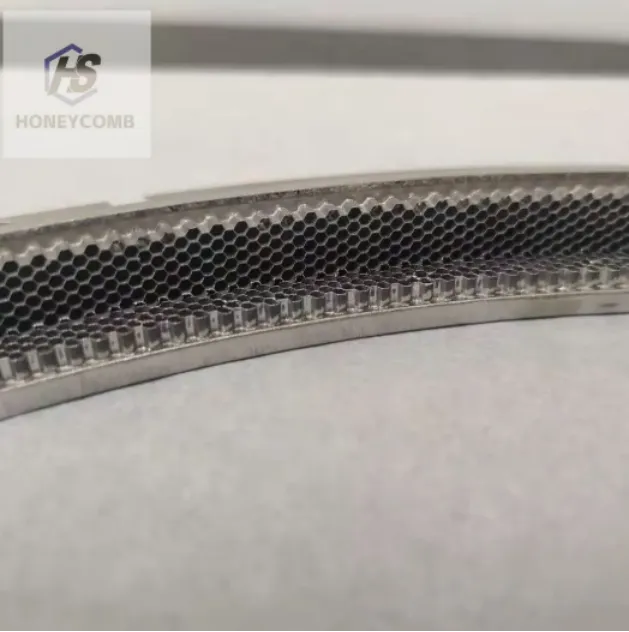
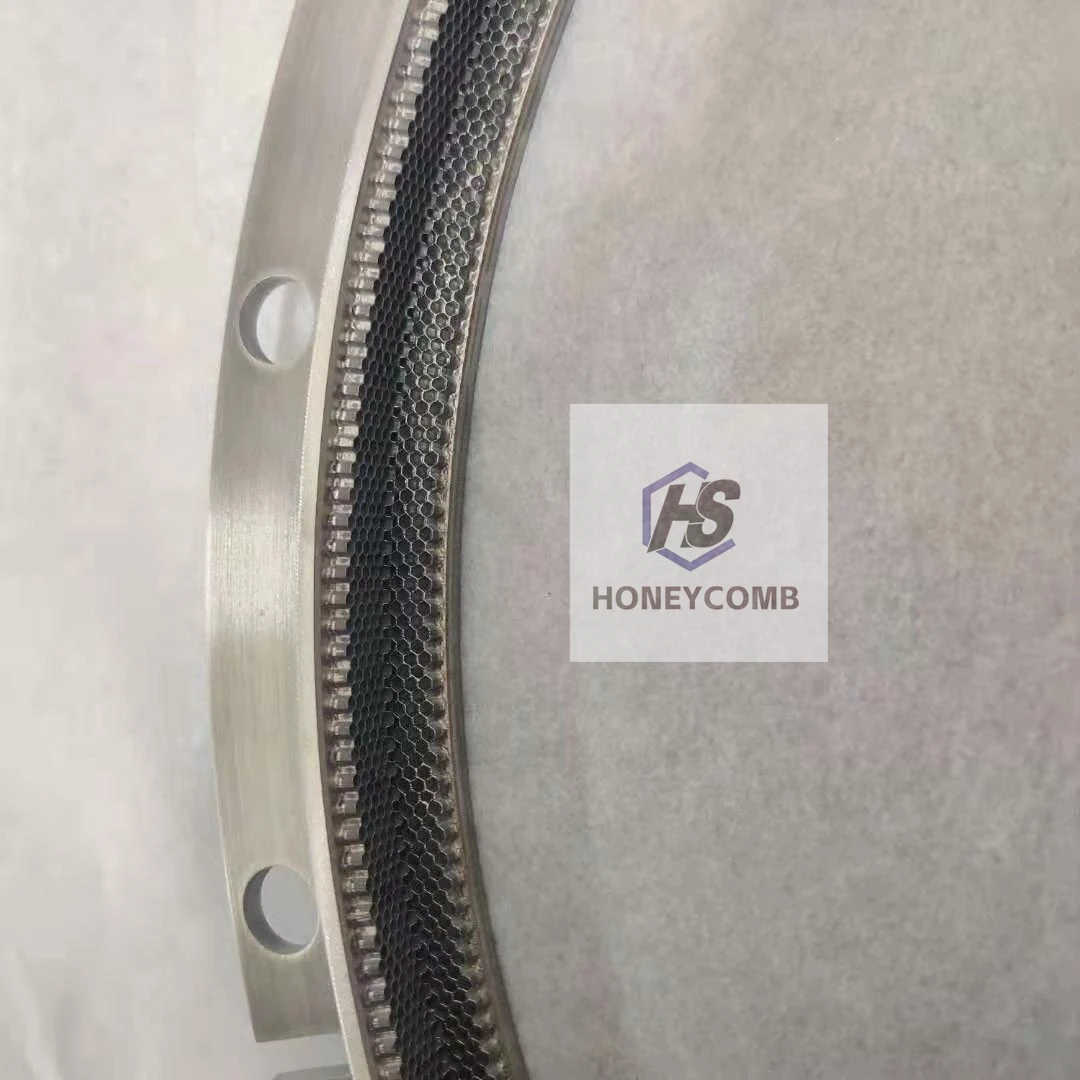
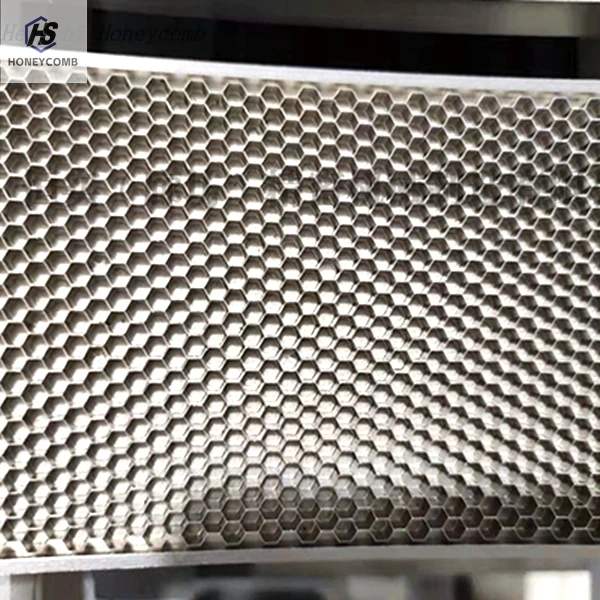
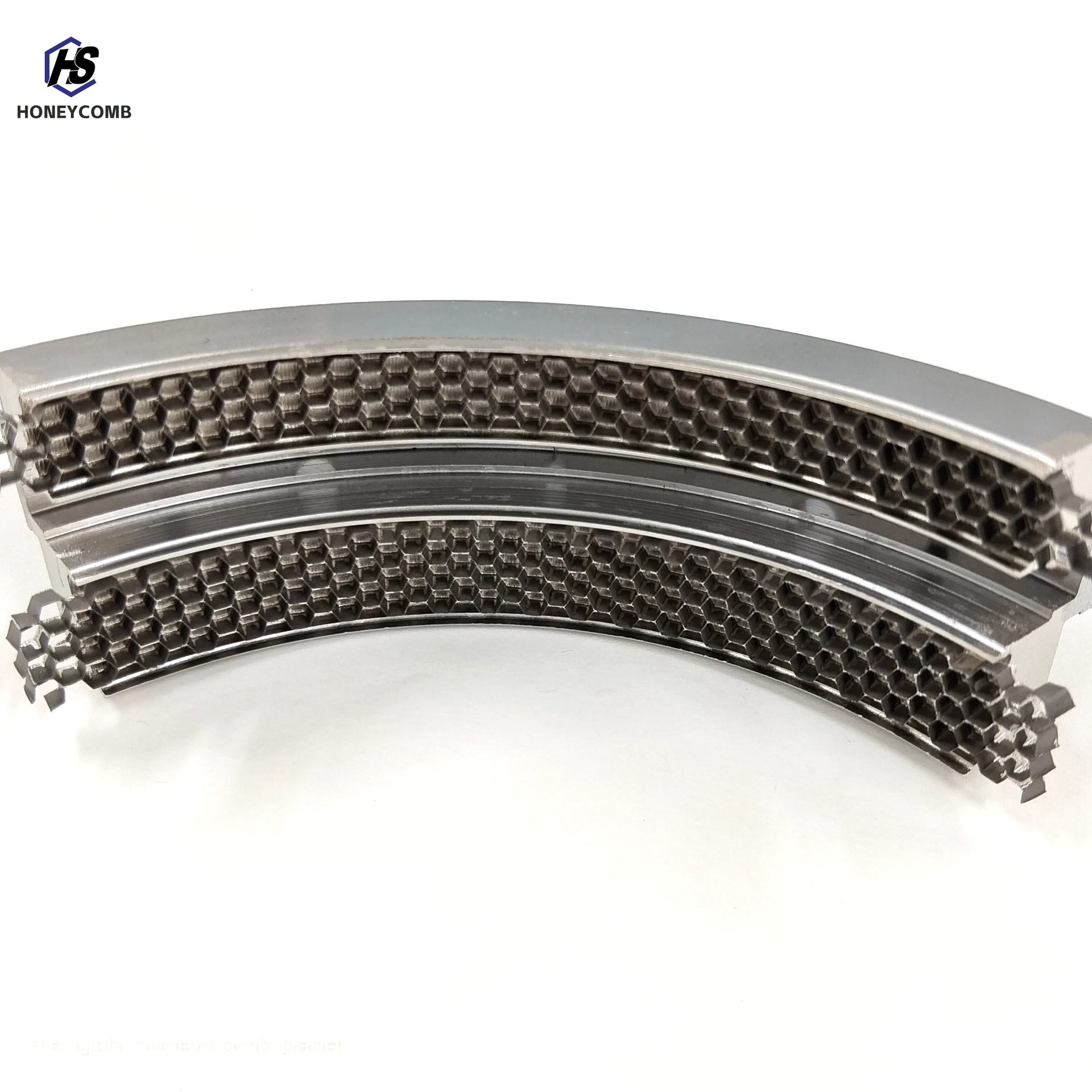
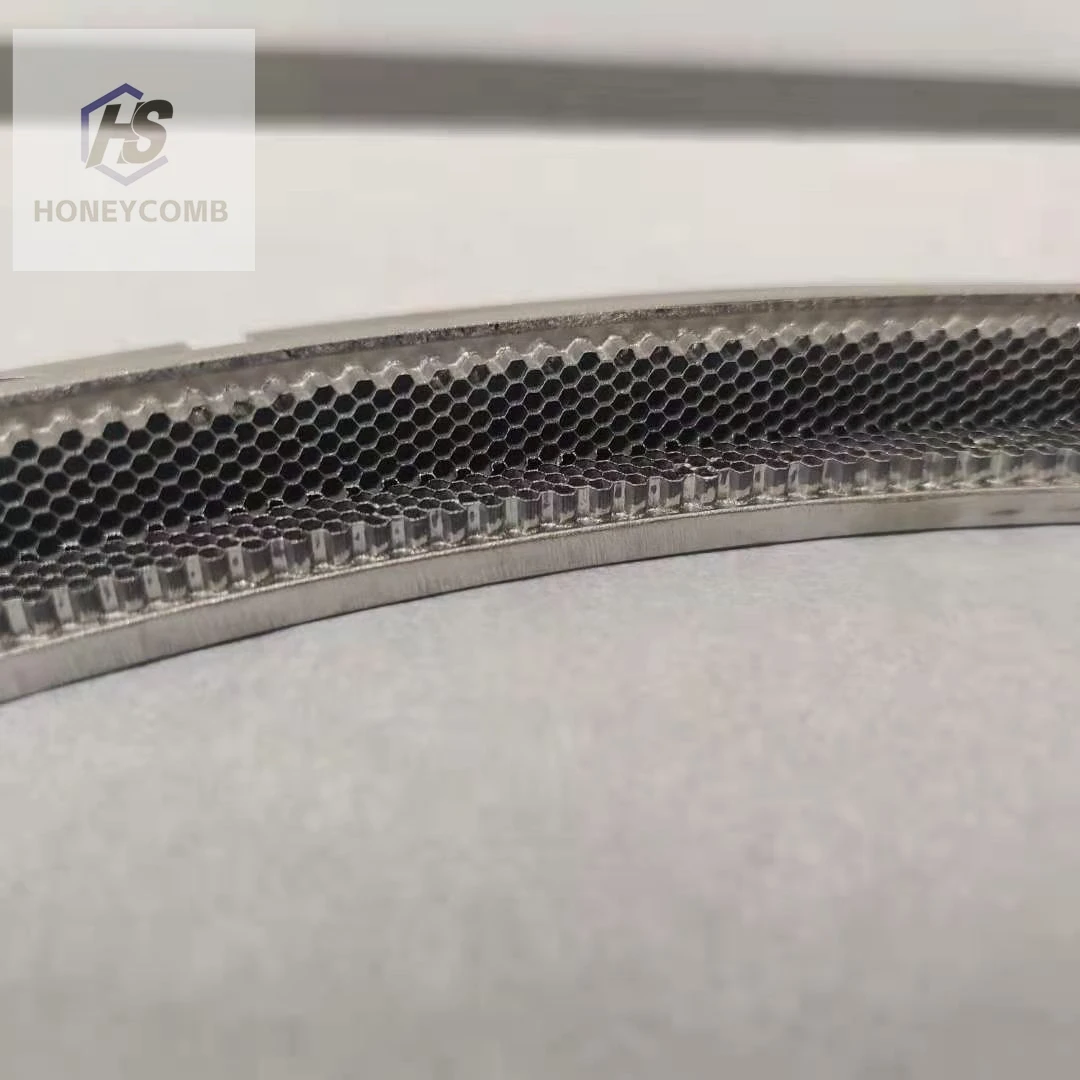
Honeycomb strips are often used in the design of turbine seals to enhance the efficiency of the turbine system. These strips are essentially made up of interlaced, honeycomb-shaped structures that offer outstanding performance in gas turbines. Their primary function is to minimize the amount of gas that escapes between the rotating and stationary parts of a turbine. This is crucial because any unwanted leakage can result in significant energy loss, which ultimately affects the efficiency and cost-effectiveness of the turbine system.
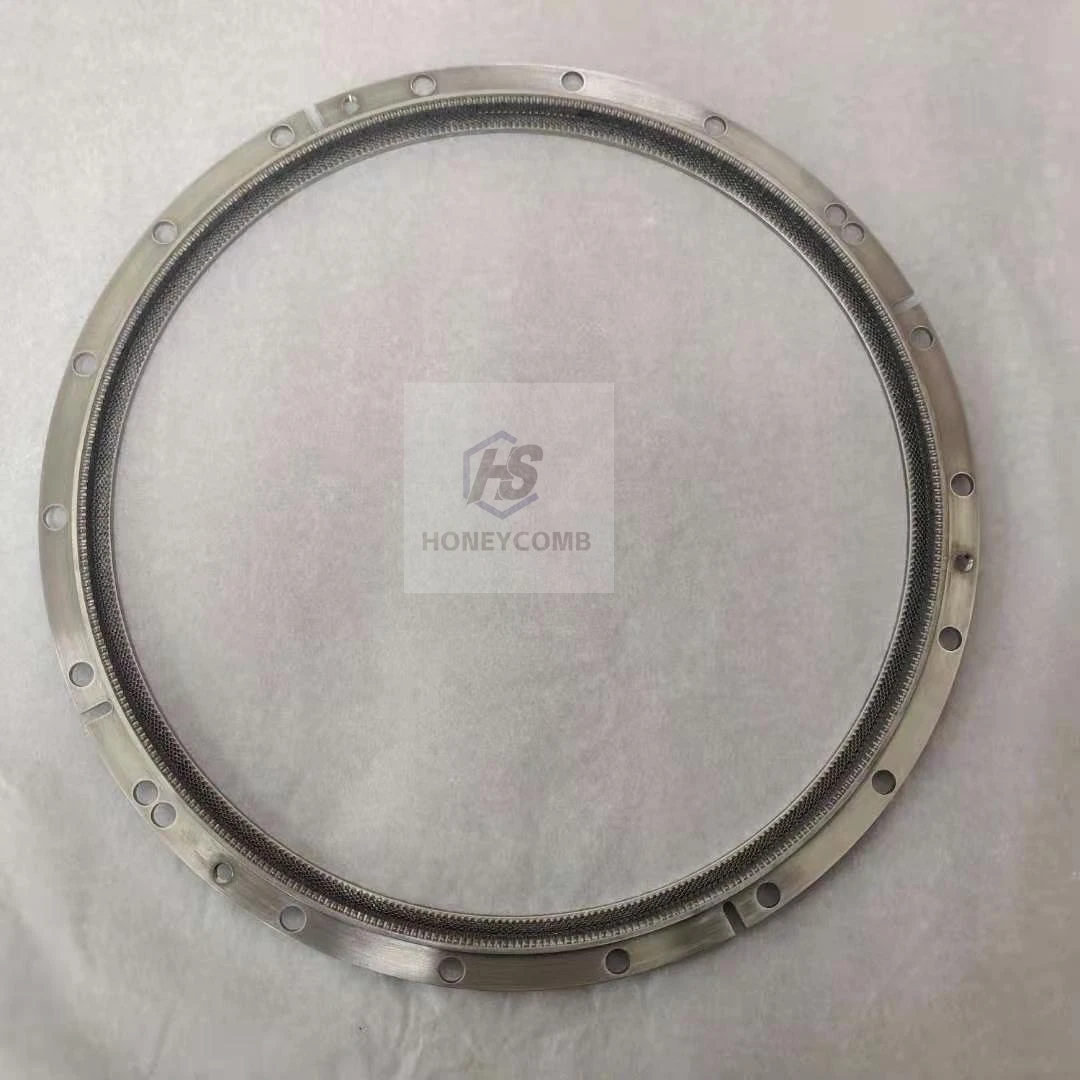
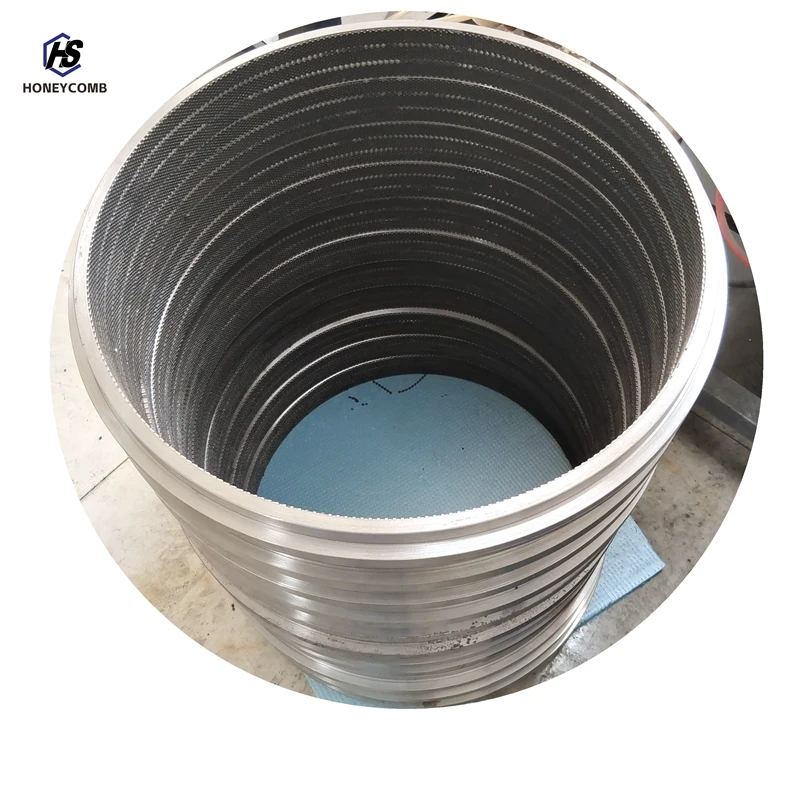
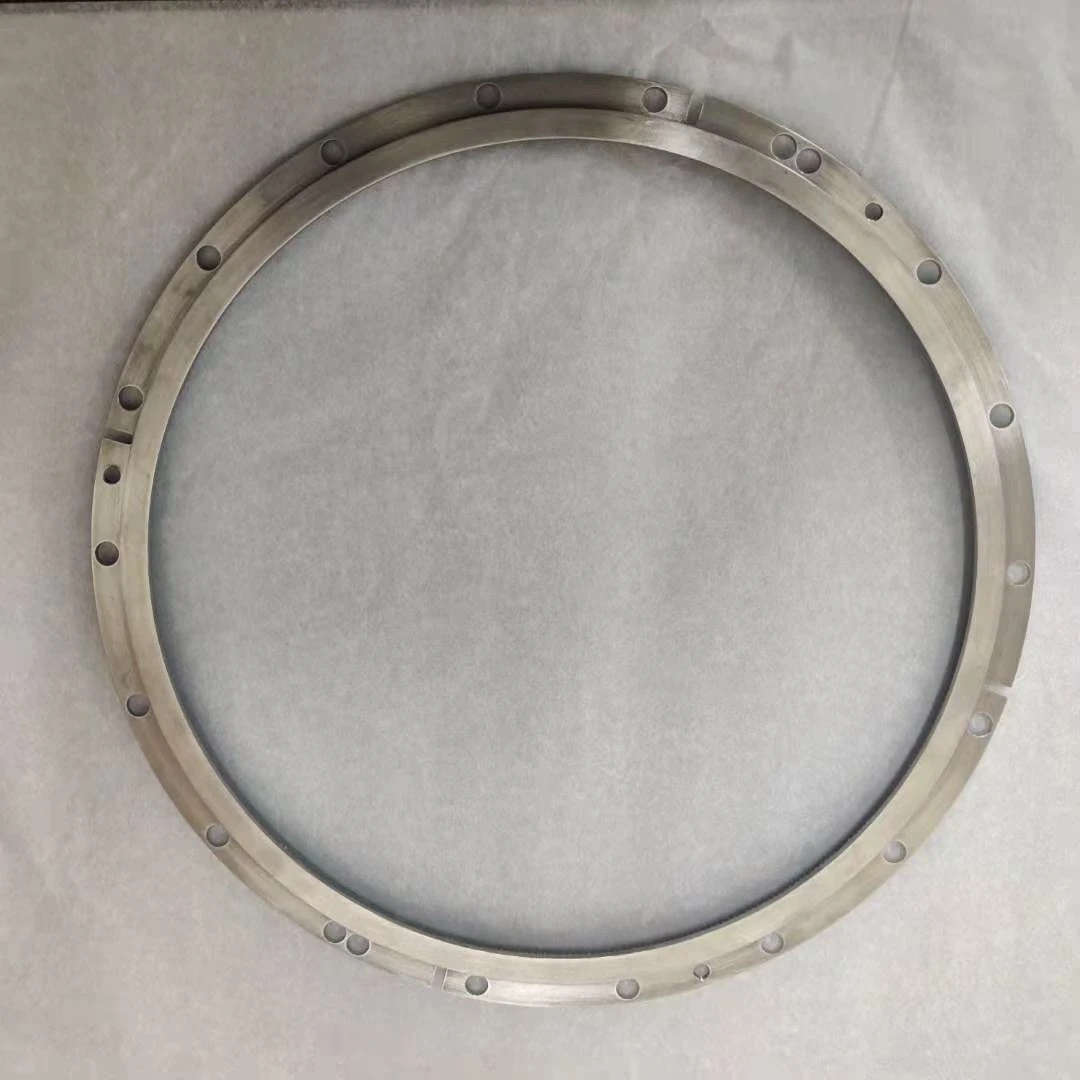
The honeycomb strips are placed around turbine components such as blades and casings, creating a barrier that reduces leakage and helps maintain high pressure within the system. These strips are engineered to be highly durable, heat-resistant, and able to withstand extreme pressures, making them ideal for the harsh environments turbines typically operate in. By employing honeycomb strips in the sealing process, turbine manufacturers can improve the overall performance of their systems and reduce maintenance costs over time.
What is a Honeycomb Seal Gas Turbine?
A honeycomb seal gas turbine utilizes advanced honeycomb seal technology to significantly enhance the performance of gas turbines. This design is specifically engineered to provide an optimal balance between minimal leakage and high durability, all while keeping manufacturing costs reasonable. Gas turbines operate under extreme conditions where maintaining pressure and efficiency is crucial. Honeycomb seals provide the perfect solution to prevent gas leakage between the turbine rotor and the stator, ensuring that maximum energy is harnessed.
Honeycomb seal gas turbines are commonly used in a wide variety of industrial applications, from power generation plants to aircraft engines. These turbines rely on the honeycomb seal’s unique ability to act as a barrier between different components, reducing gas flow leakage and maintaining system integrity. The honeycomb structure itself is made up of alternating layers of materials such as metal or ceramic, allowing for high thermal conductivity and resistance to high temperatures, which is essential for turbines operating at temperatures exceeding 1000°C.
In short, honeycomb seals in gas turbines allow for higher efficiency, longer operational life, and better performance. The seals are crucial in any setting where turbines are used, from large industrial machines to aircraft engines.
Sealed Honeycomb: The Ultimate Solution for Turbine Efficiency
When designing a turbine system, one of the biggest challenges is maintaining its performance over time. The use of sealed honeycomb technology offers a long-term solution to this challenge. The sealed design enhances the effectiveness of the honeycomb structure, preventing gas leakage and maintaining system integrity. By using sealed honeycomb technology, engineers can achieve tight tolerances, ensuring that turbines operate at peak efficiency.
Sealed honeycomb components can be found in various turbine applications, from gas turbines used in electricity generation to jet engines powering aircraft. These seals help prevent the loss of fuel and ensure that energy is not wasted, keeping the turbine working efficiently throughout its operational life. The high durability of sealed honeycomb systems also means fewer maintenance interventions, saving both time and cost for operators.
What sets sealed honeycomb apart from conventional seals is its ability to form a near-perfect barrier. With tightly integrated honeycomb structures, the seal reduces the leakage of gases to a minimal level, resulting in improved efficiency, performance, and longevity for turbines.
Honeycomb Seal Turbine: A Technological Advancement in Performance
The honeycomb seal turbine is not just a simple replacement for older sealing methods; it represents a significant technological leap in terms of turbine performance and operational life. Traditional sealing methods often fail under the extreme conditions turbines face, leading to unnecessary repairs and high operational costs. In contrast, the honeycomb seal turbine offers unparalleled advantages in both function and design.
By implementing honeycomb seal turbine technology, manufacturers are able to prevent turbine degradation caused by heat and friction, two of the biggest culprits behind performance failure. The honeycomb structure's ability to withstand high pressures and temperatures makes it an ideal choice for modern turbines. The honeycomb seal turbine technology is used in industries such as aviation, where precision and efficiency are paramount. With its exceptional capability to reduce wear and tear, the honeycomb seal turbine ensures that turbines operate with less downtime, leading to increased reliability and reduced maintenance costs.
As turbines are increasingly used in high-performance applications, the need for advanced sealing technologies like honeycomb seal turbine systems becomes more critical. It is an innovation that sets new standards in turbine performance and efficiency, guaranteeing optimal results for any system.
Honeycomb Seal FAQs
What is a honeycomb seal and how does it work?
A honeycomb seal is a turbine component designed to prevent the leakage of gas between the rotor and stator parts. The honeycomb structure allows for a minimal amount of gas to pass through, which helps improve turbine efficiency. The design is both heat-resistant and durable, making it ideal for high-temperature environments.
Why should I use a honeycomb seal gas turbine?
A honeycomb seal gas turbine offers superior performance by reducing gas leakage and improving system efficiency. This is especially important in high-pressure environments like gas turbines, where maintaining energy is crucial for optimal functioning. It also reduces maintenance needs and operational costs.
What is the difference between a honeycomb seal and a regular seal?
The main difference lies in the design. Honeycomb seals use a unique, layered honeycomb structure that helps prevent gas leakage while offering high durability and resistance to heat. Regular seals are typically less efficient and may not perform as well in extreme turbine conditions.
How long do sealed honeycomb systems last?
Sealed honeycomb systems are designed to last a long time. Their high durability and heat-resistant properties ensure that turbines using this technology can function for extended periods with minimal maintenance, making them an ideal choice for applications requiring long-term performance.
What industries benefit from honeycomb seal turbine technology?
Industries such as aerospace, power generation, and industrial machinery benefit greatly from honeycomb seal turbine technology. These systems are particularly valuable in environments where high efficiency and reliability are critical, such as in jet engines and power plants.
In conclusion, the introduction of honeycomb strips, honeycomb seal gas turbines, sealed honeycomb, and honeycomb seal turbines has revolutionized the way turbines perform across various industries. Whether you’re working in aerospace, energy, or any sector that relies on high-efficiency turbines, honeycomb sealing technology offers unmatched benefits. These seals significantly reduce gas leakage, minimize energy loss, and enhance operational efficiency, ensuring that your turbine systems perform optimally.
For engineers and manufacturers looking to improve the efficiency and lifespan of their turbine systems, investing in honeycomb seal technology is a smart and cost-effective decision. Visit our website today to explore our range of high-performance honeycomb seal solutions and make your turbine systems more efficient and reliable than ever!

-
Industrial Airflow Guide for maf воздушная правильная машинаNewsApr.16,2026
-
Best maf струйно правильная машина for Industrial EfficiencyNewsApr.09,2026
-
Сотовая правильная машина A Comprehensive Guide to Honey Packing AutomationNewsApr.07,2026
-
Build Your Own DIY газоправильная Машина A Comprehensive Guide to Gas CorrectionNewsApr.04,2026
-
Understanding Кондиционер отопления Systems for Efficient and Comfortable HeatingNewsMar.31,2026
-
Comprehensive Guide to Cellular Blinds Installation Установка сотовых жалюзиNewsMar.28,2026
-
Mobile Aerodynamic Tunnel Design A Comprehensive Guide to Applications and ImplementationNewsMar.26,2026






 English
  Afrikaans
  Albanian
  Amharic
  Arabic
  Armenian
  Azerbaijani
  Basque
  Belarusian
  Bengali
  Bosnian
  Bulgarian
  Catalan
  Cebuano
  China
China  China (Taiwan)
  Corsican
  Croatian
  Czech
Czech  Danish
  Dutch
Dutch  Esperanto
  Estonian
  Finnish
  French
  Frisian
  Galician
  Georgian
  German
  Greek
Greek  Gujarati
  Haitian Creole
  Hausa
Hausa  Hawaiian
  Hebrew
  Hindi
Hindi  Miao
Miao  Indonesian
  Italian
  Japanese
  Javanese
  Malay
Malay  Persian
  Portuguese
  Punjabi
  Russian
  Spanish
  Swahili
  Telugu
  Vietnamese