


Brazed Honeycomb Seals: High-Performance, Durable & Precise Solutions
Introduction to High-Performance Sealing Technologies
In critical industrial applications, the efficiency and longevity of machinery heavily depend on advanced sealing solutions. One such indispensable technology is the Brazed Honeycomb Seal, engineered for environments demanding superior performance under extreme conditions. These seals are pivotal in minimizing leakage, enhancing operational efficiency, and extending the service life of high-speed rotating equipment across various sectors.
Developed through precision engineering and advanced material science, these seals offer an unparalleled combination of thermal stability, mechanical strength, and customizable configurations, making them a preferred choice for B2B decision-makers and design engineers.
Industry Trends in Advanced Sealing Solutions
The global industrial sealing market is experiencing significant growth, driven by increasing demands for energy efficiency, stringent environmental regulations, and the operational requirements of next-generation machinery. Trends indicate a strong shift towards lightweight, high-temperature resistant, and erosion-resistant sealing components. Industries such as aerospace, power generation, and petrochemical are actively seeking solutions that can reduce operational costs by minimizing fluid leakage and extending maintenance cycles.
Specifically, the demand for non-contacting and quasi-contacting seals, like the Brazed Honeycomb Seal, is rising due to their ability to operate with minimal friction and wear, leading to lower energy consumption and reduced component degradation. The integration of advanced materials, such as superalloys (e.g., Inconel, Hastelloy) and ceramics, combined with sophisticated manufacturing techniques like brazing and additive manufacturing, is propelling the innovation in this sector. Furthermore, the focus on smart seals with integrated sensors for real-time performance monitoring is an emerging trend that promises to revolutionize predictive maintenance strategies.
Manufacturing Process of a Brazed Honeycomb Seal
The fabrication of a Brazed Honeycomb Seal is a meticulous process, combining precision engineering with advanced metallurgical techniques to ensure unparalleled performance and durability. This sophisticated manufacturing flow is designed to meet stringent industry standards and application-specific requirements.
- 1. Material Selection: High-performance alloys such as Inconel 600/625/718, Hastelloy X, and various grades of Stainless Steel (e.g., 304, 316) are selected based on the operating environment's temperature, pressure, and corrosive media. These materials are chosen for their excellent mechanical strength, oxidation resistance, and thermal stability at elevated temperatures.
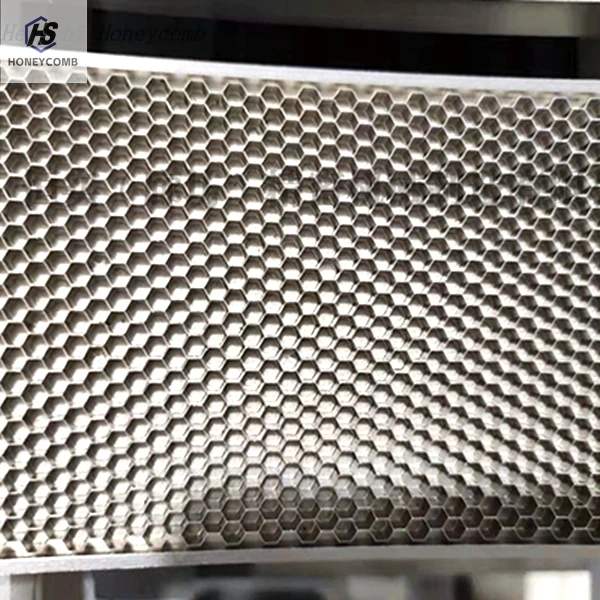
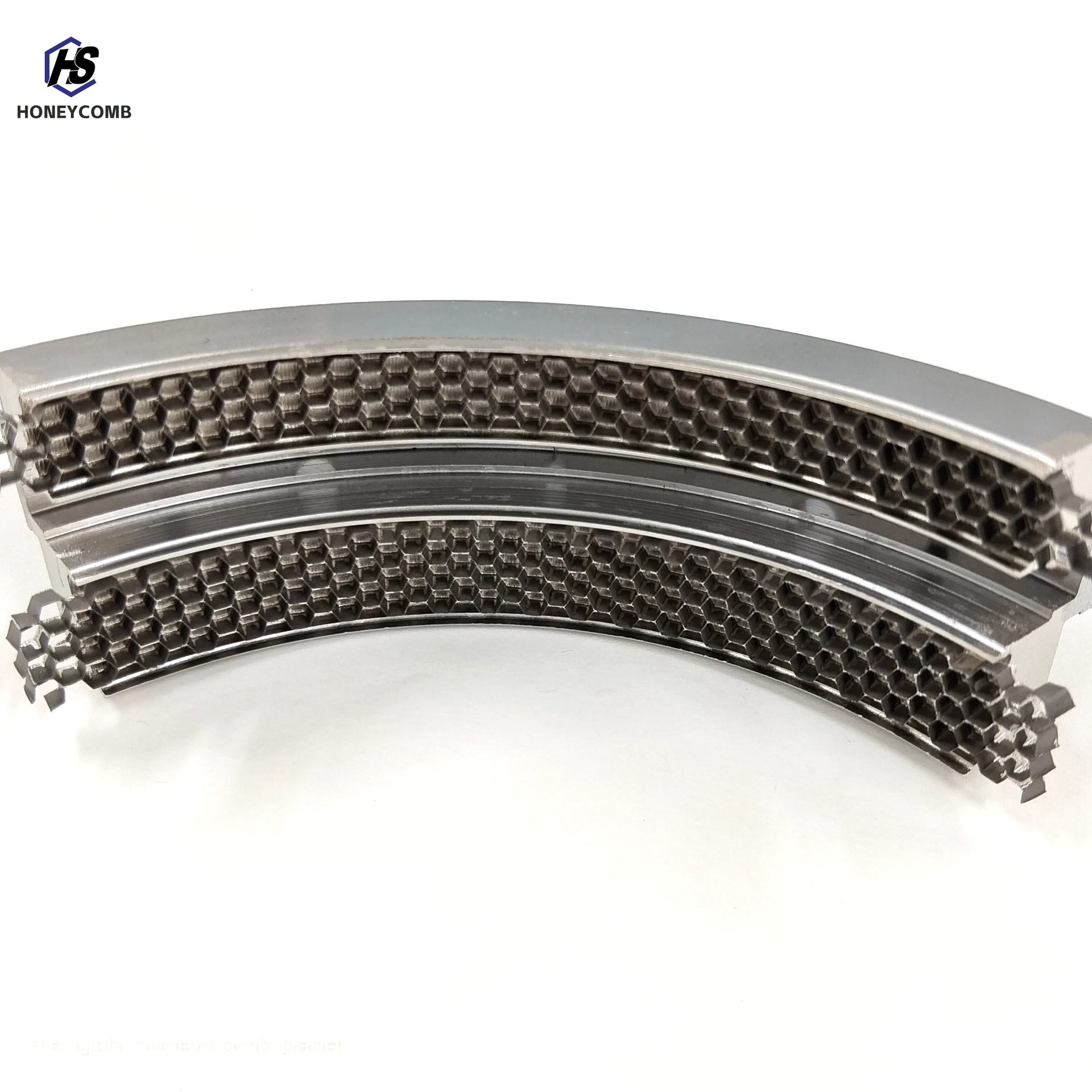
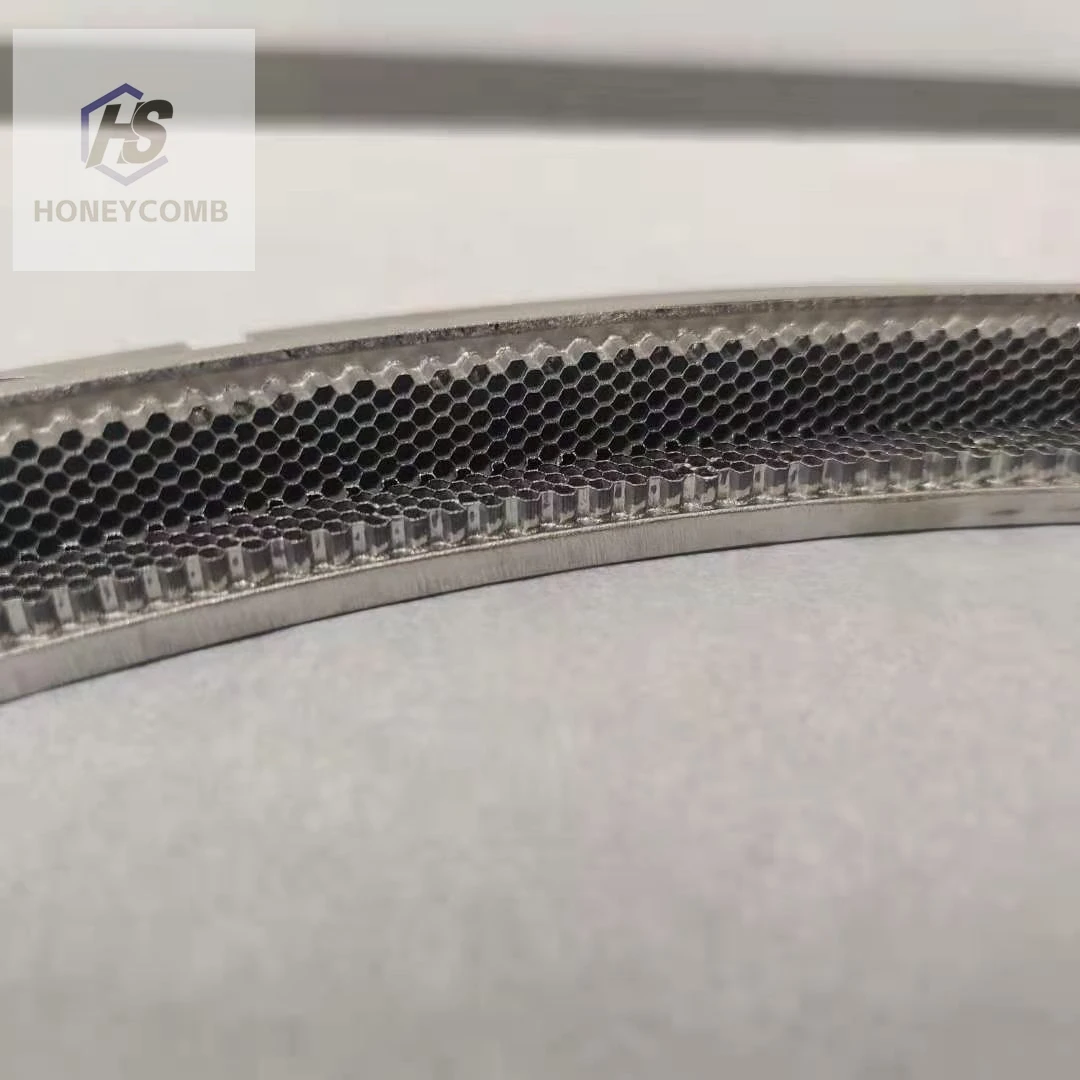
- 2. Honeycomb Core Fabrication: Thin foils of the chosen alloy are precision-formed and assembled into a honeycomb structure. This involves corrugating and bonding individual strips, creating an array of hexagonal or custom-shaped cells. The cell size, foil thickness, and density are critical parameters influencing the seal's performance characteristics.
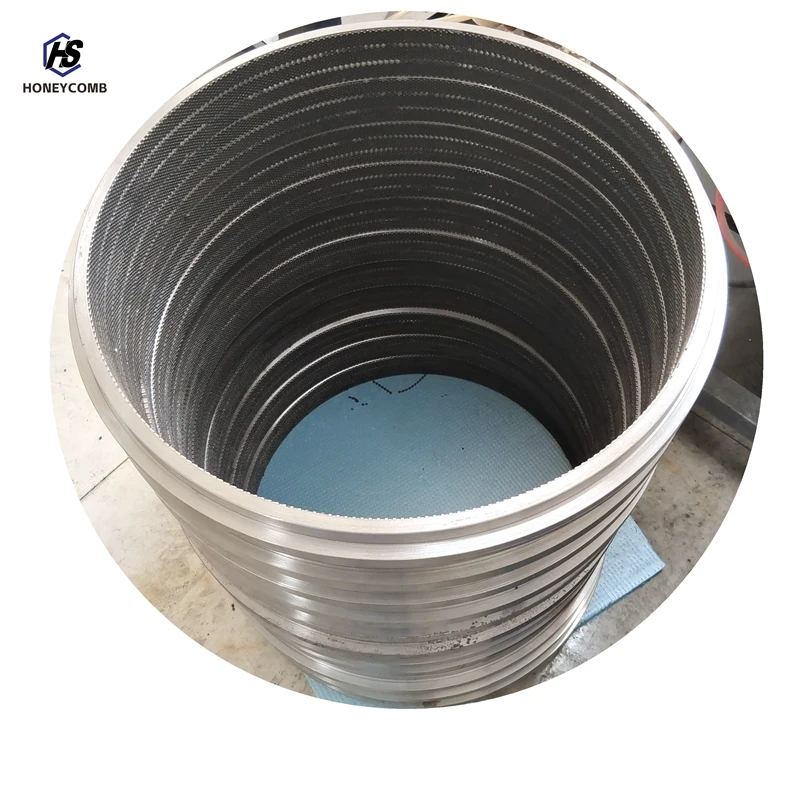
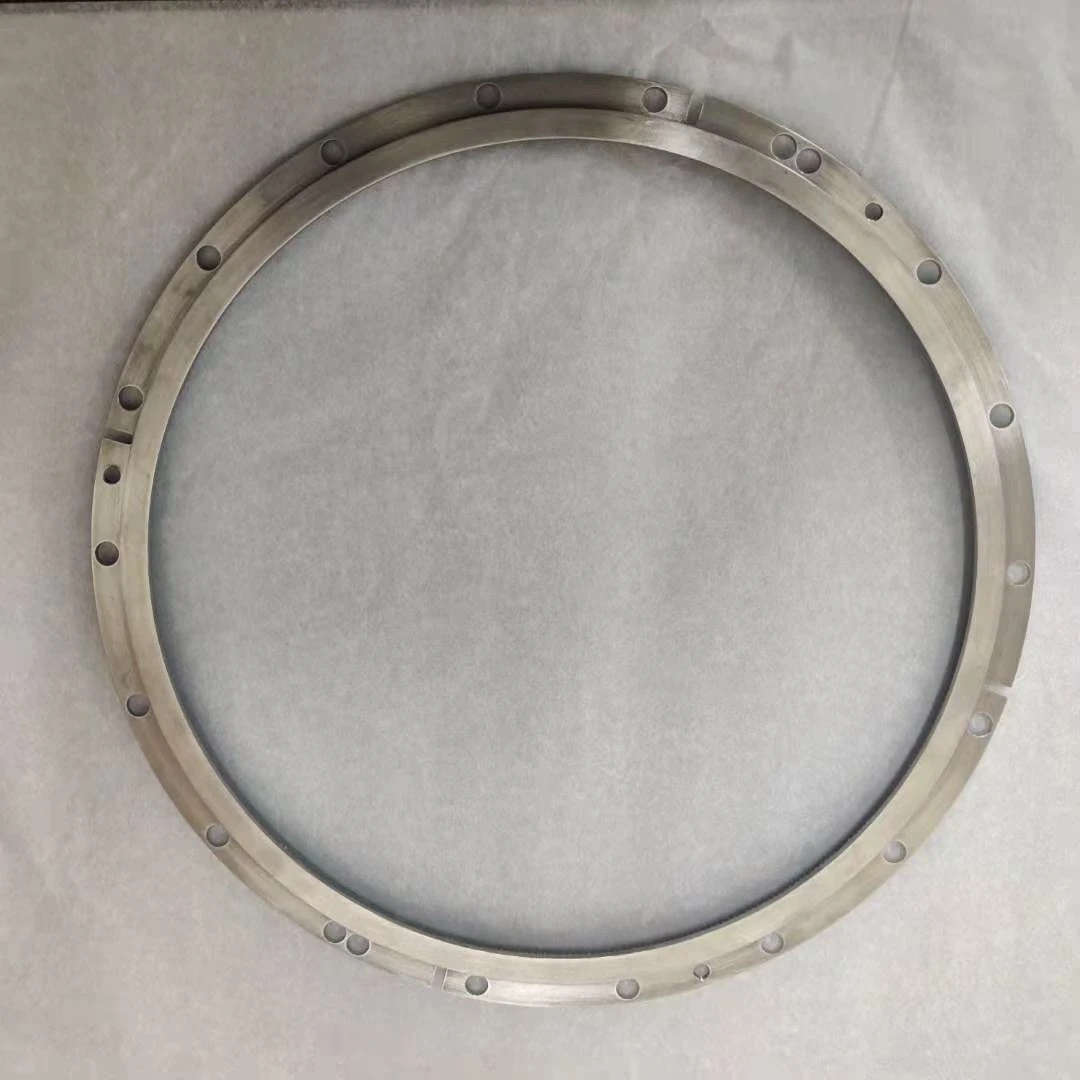
- 3. Skirt/Frame Manufacturing: A rigid outer skirt or frame, typically manufactured through CNC machining from a solid block or forged ring of a compatible alloy, provides structural integrity to the seal. This component is designed to precisely fit within the designated housing in the application.
- 4. Brazing Preparation: The honeycomb core is carefully positioned within the skirt. A specialized brazing filler metal, chosen for its compatibility with the parent materials and its melting point, is applied to the joint areas. This often involves applying paste, foil, or wire forms of the filler material. The entire assembly is then meticulously cleaned to ensure optimal wetting and bonding during brazing.
- 5. Brazing Process: The assembly is placed in a vacuum furnace or controlled atmosphere furnace. High-temperature brazing involves heating the assembly above the melting point of the filler metal but below the melting point of the parent materials. The filler metal flows into the joint by capillary action, creating a strong, leak-tight metallurgical bond between the honeycomb and the skirt. This process ensures structural integrity and dimensional stability.
- 6. Post-Brazing Machining: After cooling, the brazed assembly undergoes precision CNC machining to achieve the final dimensions, tolerances, and surface finishes required for installation. This step ensures the seal meets exacting geometric specifications for optimal performance.
- 7. Inspection & Testing: Each Brazed Honeycomb Seal undergoes rigorous quality control. This includes dimensional inspection (ISO 2768-1, ANSI B4.1), visual inspection for surface defects, leak testing (e.g., pressure decay, helium leak detection to ASTM E498/E499 standards), and material verification (e.g., X-ray fluorescence, destructive metallurgical analysis on sample batches). These tests ensure compliance with ISO 9001 quality management systems and specific customer requirements.
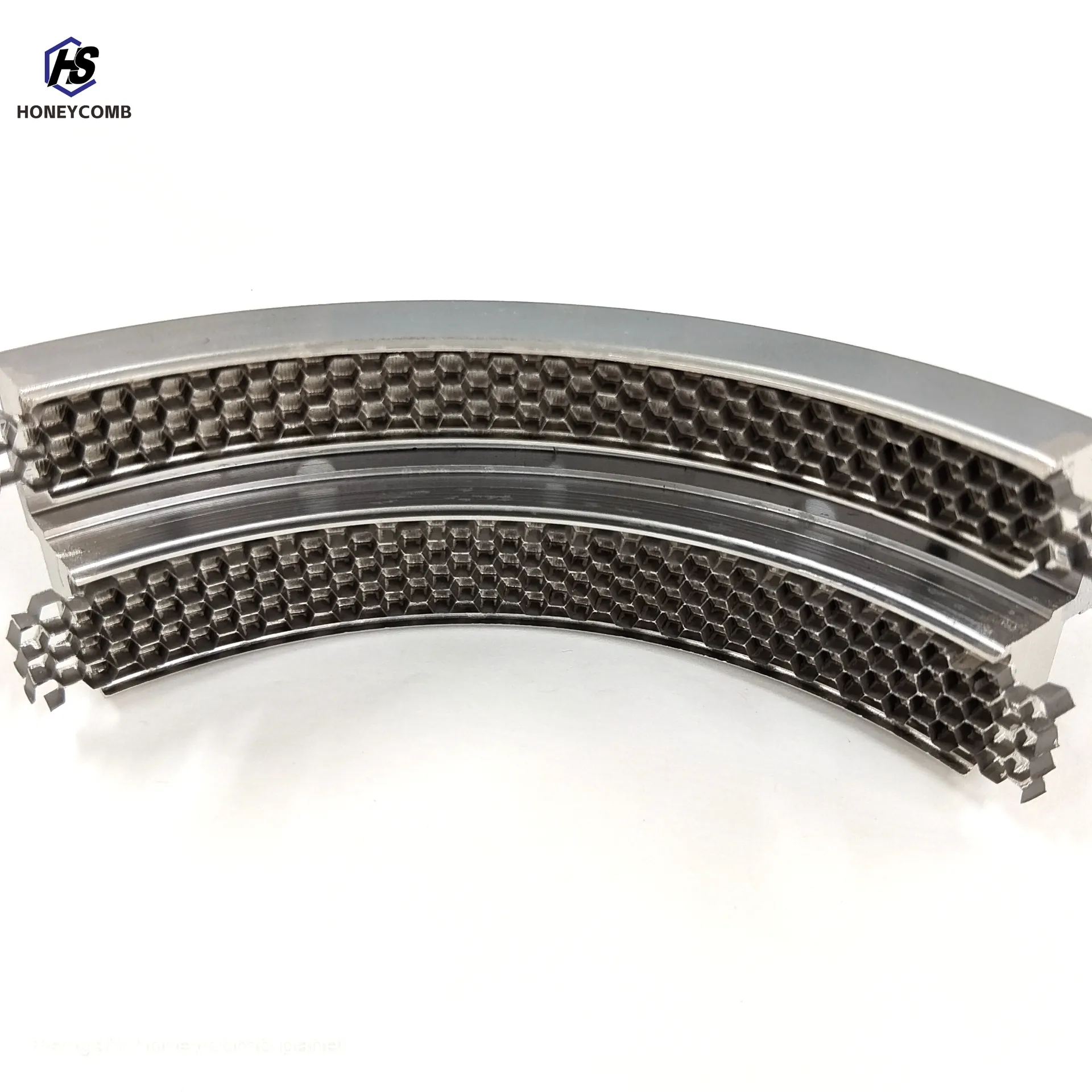
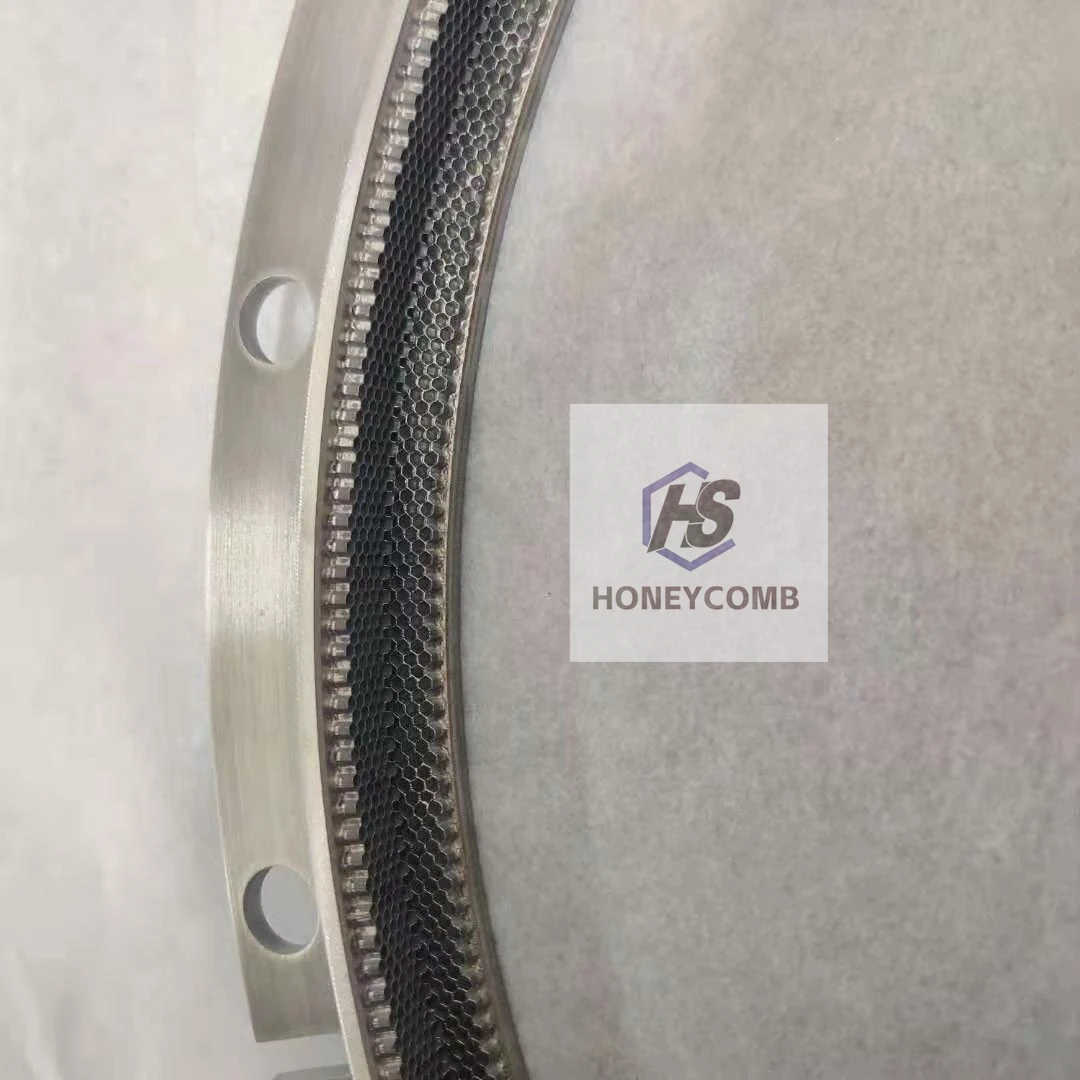
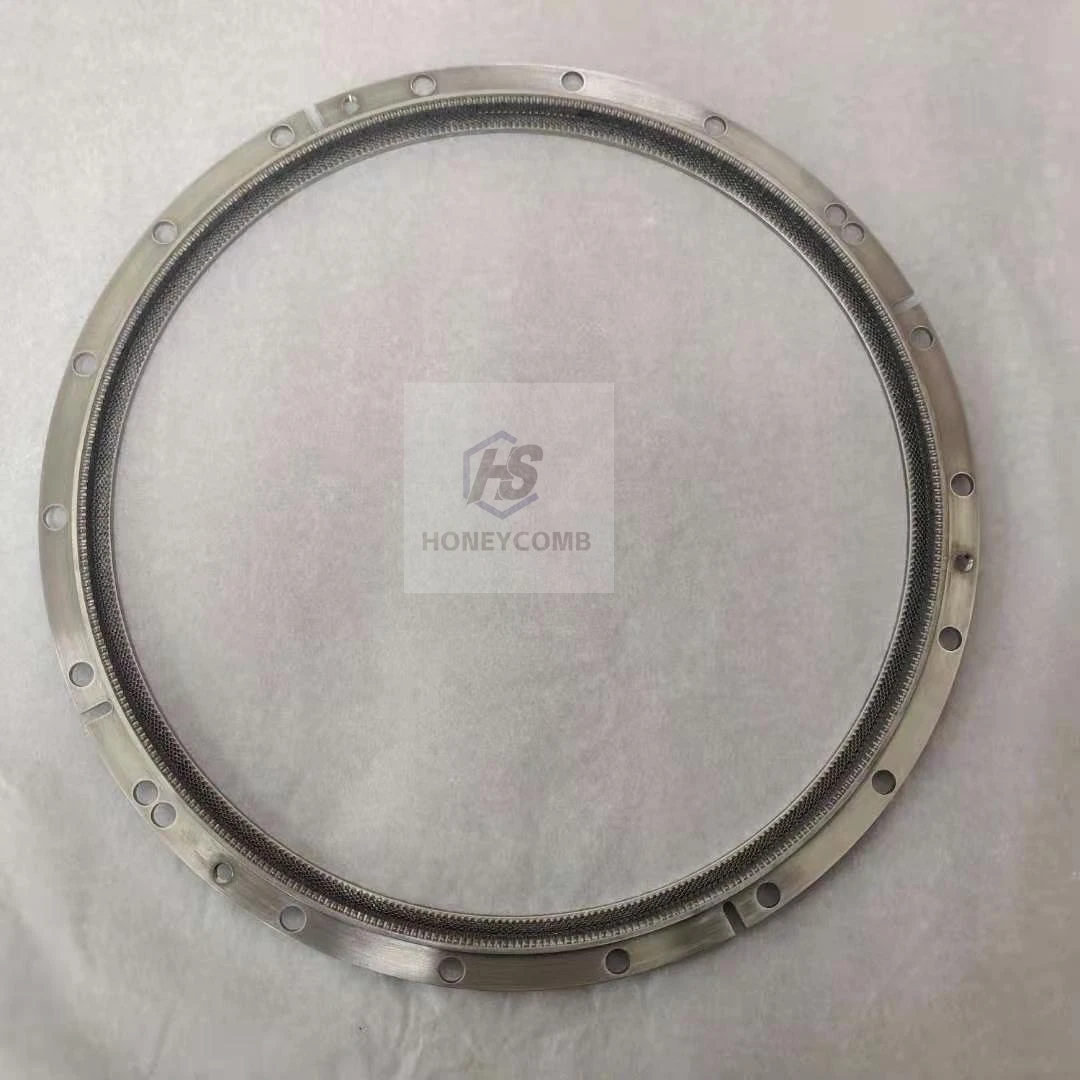
This intricate process results in a seal with a typical service life ranging from 5 to 15 years, depending on the application severity and maintenance practices. The primary target industries benefiting from these seals include petrochemical (e.g., sealing in compressors and turbines to prevent gas leakage, reducing energy loss by up to 15%), metallurgy (e.g., high-temperature furnace seals, protecting bearings from abrasive dust), and power generation (e.g., steam and gas turbine labyrinth seals for improved efficiency and corrosion resistance in humid, hot environments).
Technical Specifications and Performance Parameters
The performance characteristics of a Brazed Honeycomb Seal are defined by a range of technical parameters crucial for effective integration into industrial systems. Understanding these specifications is vital for engineers designing high-performance machinery.
| Parameter | Typical Range/Value | Notes |
|---|---|---|
| Operating Temperature | -200°C to +1100°C | Material dependent (e.g., Inconel 718 for >700°C) |
| Pressure Differential | Up to 20 MPa (3000 psi) | Higher possible with reinforced designs |
| Leakage Rate | 0.001 - 0.05 kg/s/m (for air at 1 bar diff.) | Significantly lower than traditional labyrinth seals |
| Cell Size (Hexagonal) | 1.6 mm - 6.4 mm (1/16" - 1/4") | Optimized for specific flow/pressure conditions |
| Foil Thickness | 0.05 mm - 0.15 mm (0.002" - 0.006") | Impacts stiffness and thermal response |
| Material Hardness | Varies with alloy (e.g., Inconel 718 ~36 HRC) | Post-brazing heat treatment can adjust hardness |
| Thermal Expansion | Specific to alloy (e.g., Inconel 625: 12.8 µm/m·°C at 20-1000°C) | Crucial for maintaining clearance at temp. |
| Vibration Resistance | Excellent | Honeycomb structure inherently dampens vibrations |
These specifications underscore the versatility and robustness of Brazed Honeycomb Seal technology. The selection of specific parameters is typically guided by the fluid being sealed, the operating speed of the rotating component, and the environmental conditions, ensuring optimal performance and compliance with relevant industry standards such as ISO 10438 for petroleum, petrochemical and natural gas industries - Special purpose industrial gear units.
Application Scenarios and Industry Benefits
The unique attributes of Brazed Honeycomb Seal solutions make them ideal for a diverse range of demanding B2B applications, contributing significantly to operational efficiency, safety, and environmental compliance.
- Aerospace & Defense: In gas turbine engines (jet engines, auxiliary power units), honeycomb seals are deployed as abradable or labyrinth seals. Their primary role is to minimize bypass leakage between rotating and static components, leading to a substantial improvement in engine thrust and fuel efficiency. For instance, the use of these seals can reduce leakage by up to 50% compared to traditional brush seals, directly translating to enhanced thrust-to-weight ratios and reduced fuel burn.
- Power Generation: Within steam and gas turbines, honeycomb seals are crucial for sealing hot gases or steam in high-pressure sections. By controlling inter-stage leakage, they prevent efficiency losses and maintain optimal turbine output. In a typical 500 MW gas turbine, upgrading to advanced honeycomb seals can contribute to a 1-2% increase in overall thermal efficiency, equivalent to millions in annual fuel savings.
- Petrochemical & Oil & Gas: Compressors, pumps, and expanders in refineries and processing plants operate with highly corrosive and flammable fluids. Honeycomb seals provide a robust, non-contacting seal that prevents fugitive emissions, improving worker safety and complying with environmental regulations (e.g., EPA's Leak Detection and Repair programs). Their resistance to aggressive chemicals and high temperatures ensures reliability in continuous operation.
- Metallurgy & Heavy Industry: In high-temperature furnaces, rolling mills, and other heavy industrial machinery, seals must withstand extreme heat, abrasive particles, and harsh environments. Honeycomb seals, made from heat-resistant superalloys, offer extended service life by maintaining sealing integrity where conventional seals would rapidly degrade, reducing costly downtime for maintenance.
- Water Supply & Drainage: While less extreme than other sectors, certain high-speed pumps and turbines in large-scale water treatment or hydroelectric systems can benefit from the reduced friction and enhanced longevity offered by honeycomb seals, leading to lower energy consumption and less frequent component replacement.
In all these scenarios, the inherent advantages of the Brazed Honeycomb Seal – including superior thermal stability, reduced wear, and adaptability to high-speed operations – deliver tangible economic and operational benefits, reinforcing their status as a critical component in advanced industrial design.
Comparative Analysis: Brazed Honeycomb Seals vs. Alternatives
Choosing the optimal sealing solution involves weighing the technical merits and economic implications of various technologies. Here, we compare the Brazed Honeycomb Seal with other common industrial seals, highlighting its distinct advantages.
| Feature | Brazed Honeycomb Seal | Traditional Labyrinth Seal | Brush Seal |
|---|---|---|---|
| Leakage Rate | Very Low (50-70% reduction over labyrinth) | High (Dependent on clearance) | Low (Similar to honeycomb, but prone to wear) |
| Operating Temperature Range | Excellent (-200°C to +1100°C) | Good (Limited by thermal expansion effects) | Moderate (Limited by brush material, typically |
| Wear/Friction | Minimal (Non-contacting) | Minimal (Non-contacting) | Moderate to High (Contacting, can shed bristles) |
| Durability/Service Life | Excellent (Long-term stability) | Good (If no rubbing) | Moderate (Degradation due to wear and heat) |
| Installation Complexity | Moderate (Requires precision) | Low | Moderate |
| Cost (Initial) | Moderate to High | Low | Moderate |
| Total Cost of Ownership | Low (Due to efficiency gains & long life) | Moderate to High (Due to leakage losses) | Moderate (Replacement costs from wear) |
The compelling data presented illustrates why the Brazed Honeycomb Seal represents a superior investment for applications where long-term efficiency, extreme temperature resilience, and minimal leakage are paramount. While initial costs might be higher, the significant operational savings through reduced energy consumption and extended maintenance intervals quickly justify the investment, offering a lower total cost of ownership over the seal's extensive lifespan.
Customized Solutions and Vendor Capabilities
The ability to tailor sealing solutions to precise operational requirements is a cornerstone of modern B2B engineering. As a leading manufacturer, HSHI Honeycomb specializes in providing highly customized Brazed Honeycomb Seal designs, ensuring optimal performance for unique industrial challenges.
Our customization capabilities extend to:
- Material Selection: Beyond standard Inconel and Stainless Steel, we work with exotic alloys and specialized coatings to address extreme temperature, corrosive, or abrasive environments. This ensures material compatibility with diverse media, from aggressive chemicals to high-purity gases.
- Dimensional Configuration: Seals can be manufactured to precise diameters (from a few inches to several feet) and thicknesses, conforming to exact housing specifications. This includes variations in radial, axial, and circumferential designs.
- Honeycomb Cell Geometry: The size, shape (e.g., hexagonal, square, custom), and foil thickness of the honeycomb cells can be optimized for specific leakage rates, pressure differentials, and stiffness requirements. Finer cell structures typically offer lower leakage but higher pressure drop.
- Attachment Methods: Integration with existing machinery is crucial. We offer various attachment methods, including bolted flanges, weldable interfaces, and press-fit designs, ensuring seamless installation and reliable operation.
HSHI Honeycomb's commitment to authoritativeness is reflected in our ISO 9001 certified manufacturing processes and rigorous testing protocols, which align with international standards such as ASTM and ASME. Our extensive client portfolio includes major players in aerospace and power generation, with partnerships spanning over two decades, testifying to our expertise and trustworthiness in delivering mission-critical components.
Our engineering team collaborates closely with clients from conceptual design through to final implementation, leveraging advanced simulation tools (e.g., CFD for leakage prediction, FEA for structural integrity) to validate designs before manufacturing, ensuring optimal performance and reliability for every customized Brazed Honeycomb Seal.
Real-World Application Case Studies
The practical impact of advanced sealing technology is best demonstrated through successful deployments. Here are examples illustrating the tangible benefits delivered by our Brazed Honeycomb Seal solutions:
Case Study 1: Enhanced Efficiency in Aerospace Gas Turbines
Client: Leading Aerospace Engine Manufacturer
Challenge: A critical section of a new generation high-bypass turbofan engine required a sealing solution that could drastically reduce inter-stage leakage at temperatures exceeding 800°C, thereby improving fuel efficiency and thrust.
Solution: We developed a custom Inconel 718 Brazed Honeycomb Seal with optimized cell geometry and an abradable inner surface. The seal was designed for a precise radial clearance, allowing minimal rotor contact during transient conditions while maintaining a tight seal during steady-state operation.
Results: Post-installation and extensive flight testing, the engine demonstrated a 1.8% improvement in specific fuel consumption (SFC) compared to designs using conventional labyrinth seals. This translated to an estimated annual fuel cost saving of $15 million per aircraft fleet, alongside increased engine performance metrics.
Case Study 2: Extending Lifespan in Petrochemical Compressors
Client: Major Petrochemical Processing Plant
Challenge: Centrifugal compressors handling corrosive natural gas mixtures experienced frequent seal failures and excessive leakage with conventional carbon ring seals, leading to unscheduled downtime and environmental compliance concerns. Operating temperatures reached up to 350°C with pressure differentials of 5 MPa.
Solution: We engineered a Hastelloy X Brazed Honeycomb Seal, renowned for its excellent corrosion resistance and high-temperature strength. The seal was designed to maintain a stable, non-contacting gap with the rotating shaft, effectively containing the process gas.
Results: The deployment of the new seals extended the Mean Time Between Failures (MTBF) for the compressors by over 200%, reducing seal-related downtime from an average of 3 times per year to less than once every two years. Furthermore, observed leakage rates decreased by approximately 60%, significantly improving plant safety and environmental performance.
Frequently Asked Questions (FAQ)
What materials are typically used for Brazed Honeycomb Seals?
Common materials include high-performance superalloys like Inconel (600, 625, 718), Hastelloy X, and various grades of Stainless Steel (304, 316). The choice depends on the specific application's temperature, pressure, and chemical compatibility requirements.
How do Brazed Honeycomb Seals reduce leakage compared to traditional seals?
The intricate honeycomb structure creates a tortuous path for fluid flow, significantly increasing the pressure drop across the seal and thus reducing leakage. When used as abradable seals, they allow for tighter clearances with rotating components, further minimizing leakage without causing significant wear.
What is the typical service life of a Brazed Honeycomb Seal?
With proper installation and within specified operating conditions, a Brazed Honeycomb Seal can have a service life ranging from 5 to 15 years, often matching or exceeding the lifespan of the machinery it seals. This longevity contributes to a lower total cost of ownership.
Are these seals suitable for high-speed rotating equipment?
Absolutely. Brazed Honeycomb Seal designs are inherently suited for high-speed applications, including gas turbines and centrifugal compressors. Their non-contacting nature and excellent thermal stability minimize friction and heat generation, which are critical factors in high-speed environments.
Lead Time, Warranty, and Customer Support
At HSHI Honeycomb, we understand the critical nature of lead times, reliability, and ongoing support for our B2B clients.
- Lead Time & Fulfillment: Standard configurations for Brazed Honeycomb Seal units typically have a lead time of 4-6 weeks from order confirmation, subject to material availability. Custom-engineered solutions may require 8-12 weeks due to specialized design and manufacturing processes. We offer expedited manufacturing and shipping options for urgent requirements, ensuring project timelines are met with efficiency and reliability. Our global logistics network facilitates prompt delivery to various international destinations, adhering to all necessary customs and shipping regulations.
- Warranty Commitments: All our Brazed Honeycomb Seal products are backed by a comprehensive 12-month warranty against manufacturing defects from the date of shipment. This commitment reflects our confidence in the quality and durability of our seals, manufactured under stringent ISO 9001:2015 certified quality management systems. We stand by our products, ensuring they perform to the highest standards.
- After-Sales Support: Our dedicated team of technical support engineers is available to provide expert assistance, from installation guidance and operational troubleshooting to maintenance advice and performance optimization. Clients can access support via phone, email, or a dedicated online portal. We also offer on-site technical assistance and training programs to ensure seamless integration and long-term optimal performance of our sealing solutions.
Our commitment extends beyond product delivery, ensuring that our clients receive unparalleled service and support throughout the entire lifecycle of their equipment. We are a trusted partner, dedicated to your operational success.
Conclusion
The Brazed Honeycomb Seal stands as a testament to advanced engineering in industrial sealing. Its superior performance in extreme environments, coupled with the potential for significant operational efficiencies and reduced total cost of ownership, makes it an indispensable component for critical applications in aerospace, power generation, petrochemicals, and other demanding industries. As industries continue to push the boundaries of performance and sustainability, innovative solutions like the brazed honeycomb seal will remain at the forefront, driving progress and ensuring reliability.
Partnering with a specialized manufacturer like HSHI Honeycomb ensures access to not only cutting-edge technology but also unparalleled expertise, customization capabilities, and steadfast support, empowering B2B clients to achieve optimal operational outcomes.
References
- ISO 9001:2015 - Quality management systems – Requirements. International Organization for Standardization.
- ASTM E498/E499 - Standard Test Methods for Leaks Using the Mass Spectrometer Leak Detector. ASTM International.
- Environmental Protection Agency (EPA). Leak Detection and Repair (LDAR) Programs.
- Bloxham, J. W., & Miller, R. R. (2001). Advanced Seal Concepts for Gas Turbine Engines. NASA/TM-2001-211028.

-
Industrial Airflow Guide for maf воздушная правильная машинаNewsApr.16,2026
-
Best maf струйно правильная машина for Industrial EfficiencyNewsApr.09,2026
-
Сотовая правильная машина A Comprehensive Guide to Honey Packing AutomationNewsApr.07,2026
-
Build Your Own DIY газоправильная Машина A Comprehensive Guide to Gas CorrectionNewsApr.04,2026
-
Understanding Кондиционер отопления Systems for Efficient and Comfortable HeatingNewsMar.31,2026
-
Comprehensive Guide to Cellular Blinds Installation Установка сотовых жалюзиNewsMar.28,2026
-
Mobile Aerodynamic Tunnel Design A Comprehensive Guide to Applications and ImplementationNewsMar.26,2026






 English
  Afrikaans
  Albanian
  Amharic
  Arabic
  Armenian
  Azerbaijani
  Basque
  Belarusian
  Bengali
  Bosnian
  Bulgarian
  Catalan
  Cebuano
  China
China  China (Taiwan)
  Corsican
  Croatian
  Czech
Czech  Danish
  Dutch
Dutch  Esperanto
  Estonian
  Finnish
  French
  Frisian
  Galician
  Georgian
  German
  Greek
Greek  Gujarati
  Haitian Creole
  Hausa
Hausa  Hawaiian
  Hebrew
  Hindi
Hindi  Miao
Miao  Indonesian
  Italian
  Japanese
  Javanese
  Malay
Malay  Persian
  Portuguese
  Punjabi
  Russian
  Spanish
  Swahili
  Telugu
  Vietnamese