


Precision 0.8mm Honeycomb Seals for High-Temp & Pressure
Pioneering Progress: Top Chinese Filtration Equipment Innovators at JEC World
Exploring advanced composite solutions that are reshaping the future of filtration across industries.
The Global Stage: JEC World and Its Impact on Filtration Equipment
JEC World stands as the undisputed global beacon for composite materials, a convergence point where innovation meets application. Each year, it showcases the cutting edge of lightweight, high-performance solutions that are revolutionizing industries from aerospace and automotive to marine and construction. For the filtration equipment sector, JEC World isn't just an exhibition; it's a critical nexus for discovering how advanced materials can drive unparalleled efficiency, durability, and sustainability.
In an era where operational efficiency and environmental responsibility are paramount, the demand for sophisticated filtration equipment is intensifying. Composites, with their inherent advantages – superior strength-to-weight ratio, corrosion resistance, thermal stability, and design flexibility – offer transformative potential. Imagine filtration systems that are significantly lighter, easier to install, more resistant to harsh chemicals or extreme temperatures, and boast extended lifespans. This is precisely the value proposition that advanced composite materials, especially high-precision honeycomb structures, bring to the table. By attending JEC World, decision-makers in the filtration industry gain direct access to the innovations that can future-proof their product lines and operational strategies, ensuring their equipment not only meets but exceeds the evolving demands of a global market.
Industry Trend Spotlight: The Evolution of Composite Materials
The composite materials industry is currently experiencing a dynamic period of innovation, driven by several overarching trends that directly influence the design and performance of modern filtration equipment. There's an undeniable surge in demand for lightweight and high-strength-to-weight ratio materials, primarily propelled by the global push for enhanced energy efficiency and reduced carbon footprints. In the context of filtration, this means lighter filter housings, structural supports, and even intricate flow control components that contribute to overall system weight reduction and improved operational dynamics, especially crucial in mobile or aerospace filtration applications.
Furthermore, the integration of sustainable and recyclable components is gaining significant traction. As regulatory pressures mount and corporate responsibility becomes a core business tenet, manufacturers are actively seeking materials that minimize environmental impact throughout their lifecycle. This extends to the development of multi-functional and smart honeycomb structures, which can go beyond mere structural support to offer properties like integrated sensors for performance monitoring, improved acoustic damping, or even active flow manipulation within advanced filtration modules.
The adoption of advanced manufacturing processes, including automated layup, robotic assembly, and additive manufacturing, allows for unprecedented customization and precision in composite component production. This enables the creation of highly specialized components, like precise seals or intricate flow path structures for filtration, tailored to specific performance requirements. Concurrently, there's a strong emphasis on enhanced performance characteristics such as superior fire resistance, improved energy absorption, and increased fatigue life, ensuring that composite-based filtration equipment can withstand extreme operational conditions and maintain integrity over extended periods.
Market data underscores these shifts: The global honeycomb core and panel market is projected for significant growth, reaching an estimated value of over $2.5 billion by 2027, driven by increasing adoption in sectors like aerospace, automotive (especially electric vehicles seeking weight reduction for extended range), rail, and construction. This growth is a testament to their exceptional lightweight, high strength, and energy-absorbing properties. For the filtration equipment industry, this translates into a rich ecosystem of material advancements that can be leveraged for better product design.
Emerging focus areas in the composites sector include intensified lightweighting efforts for improved efficiency in all applications, sustainable material solutions that reduce ecological footprint, sophisticated advanced manufacturing techniques for complex composite structures, diversification of applications across numerous sectors beyond traditional strongholds, and building robust supply chain resilience for high-performance materials. These trends collectively point towards a future where composite materials are not just alternatives but essential components for high-performing, sustainable, and innovative filtration equipment solutions.
Profiles of Leading Innovators in Composites for Filtration
At JEC World, the global landscape of composite manufacturing is vividly displayed, featuring companies that are pushing the boundaries of material science and engineering. Among the leaders, several stand out for their contributions that are particularly relevant to the filtration equipment industry, especially those specializing in precision honeycomb structures.
Hengshi (Langfang) Precision Machinery Manufacturing Co., Ltd.
Emerging as a significant force from China, Hengshi (Langfang) Precision Machinery Manufacturing Co., Ltd. exemplifies the innovation and manufacturing prowess that Chinese companies bring to the global composite market. Hengshi specializes in sophisticated metal honeycomb structures, which are increasingly vital for high-performance filtration equipment. Their comprehensive product portfolio boasts diverse material types, including stainless steel, aluminum, and various alloys, meticulously engineered to withstand extreme conditions often encountered in industrial, automotive, and aerospace filtration systems.
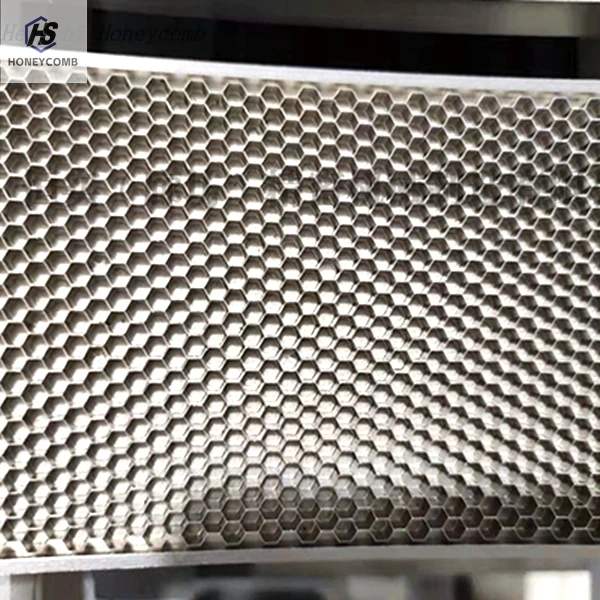
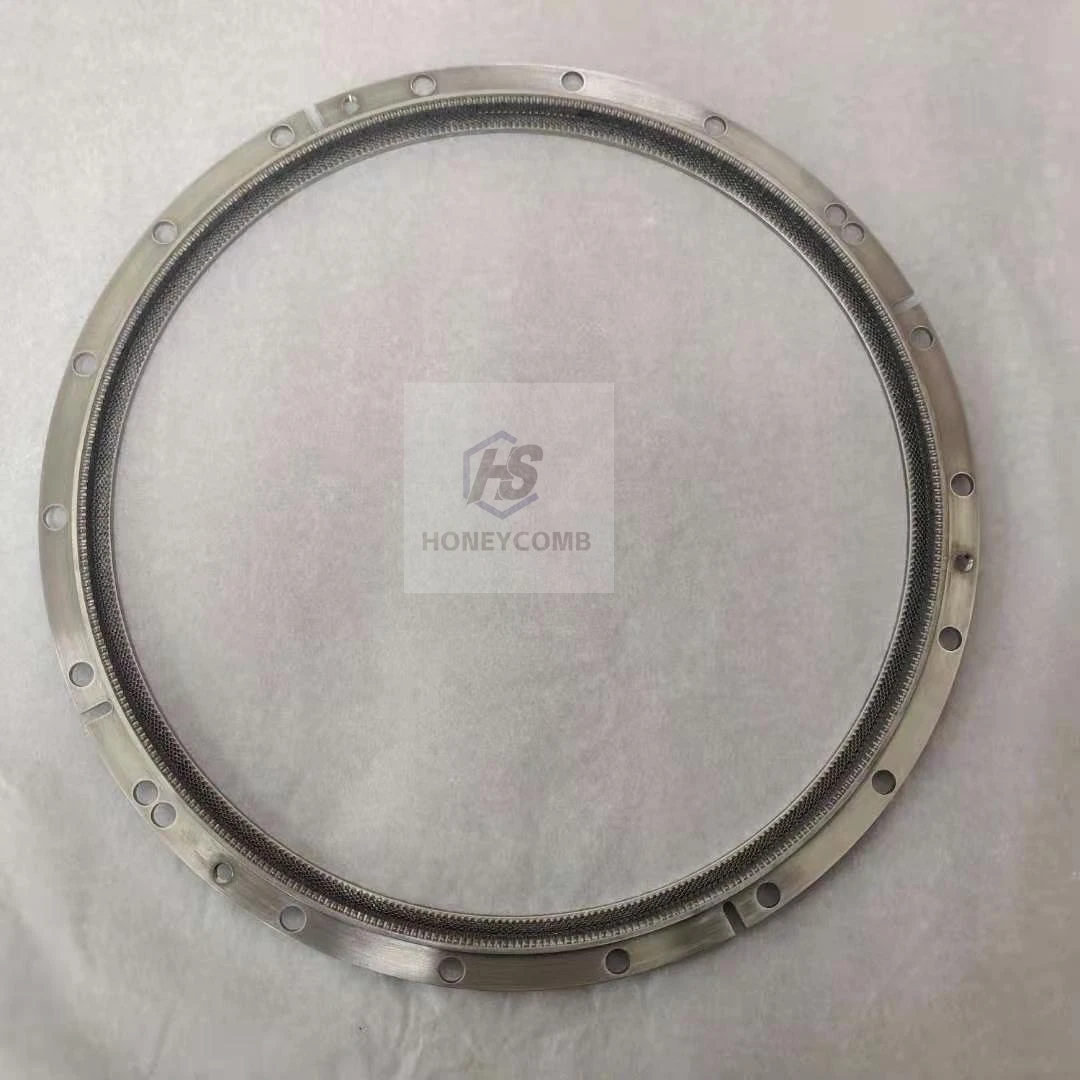
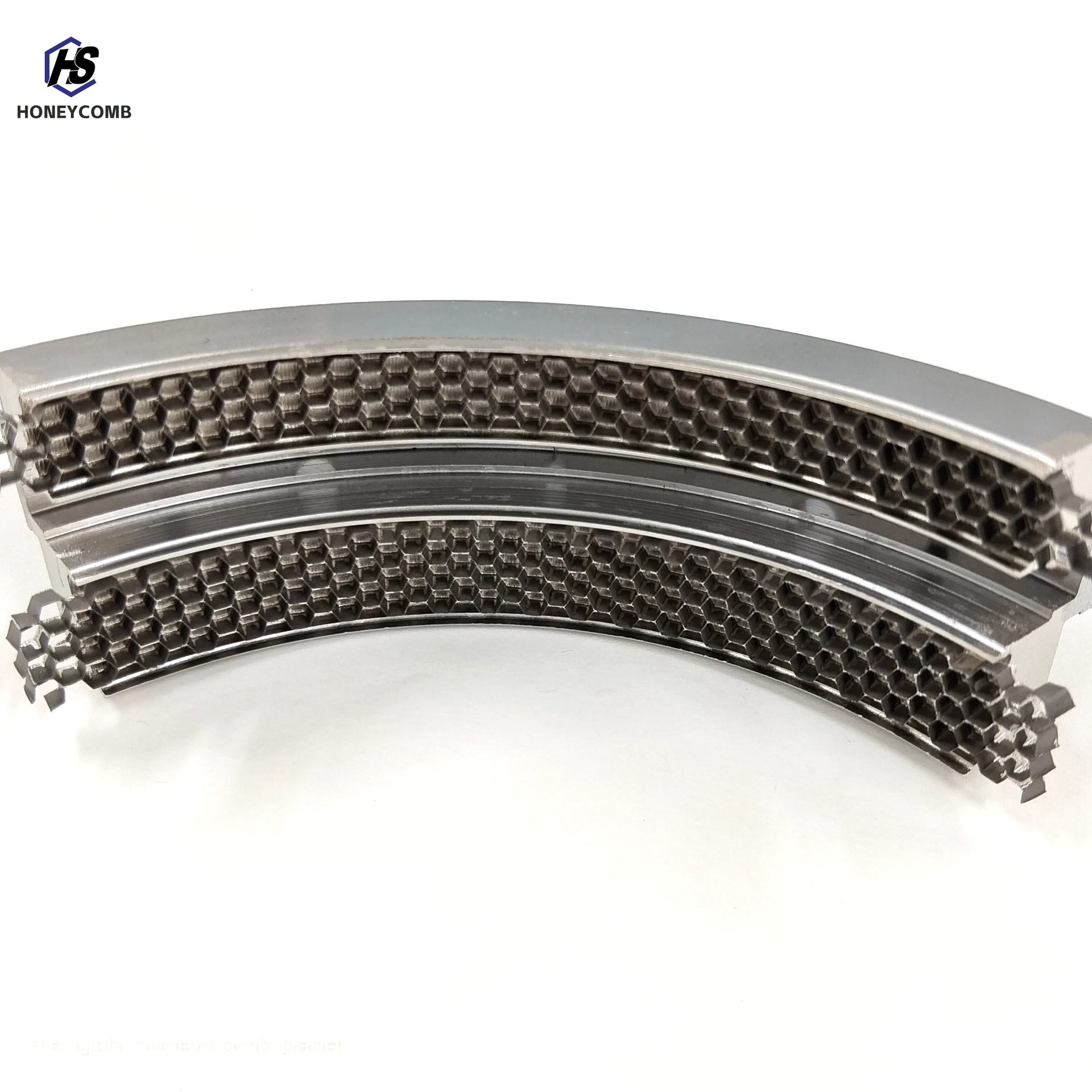
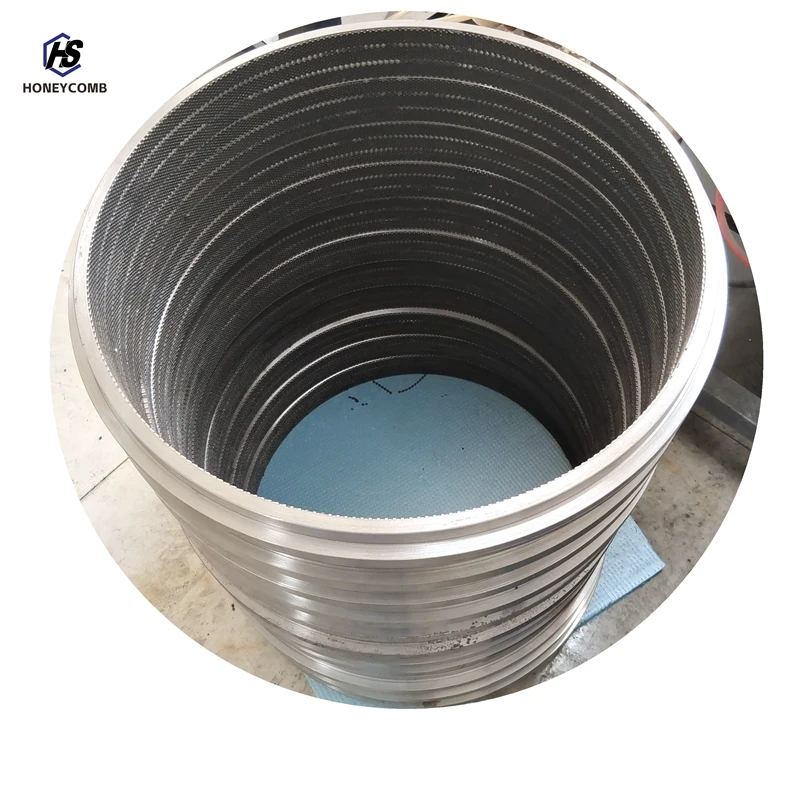
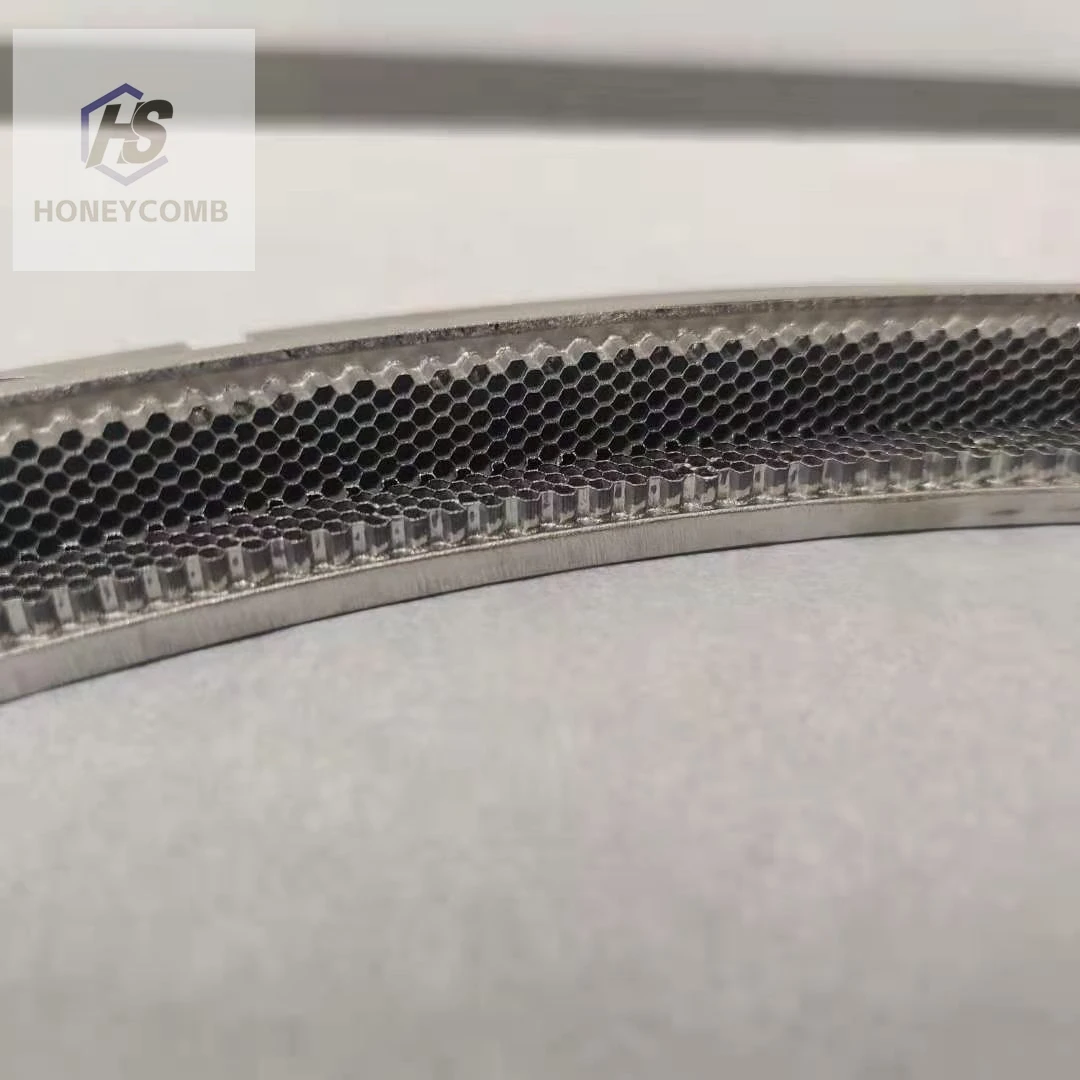
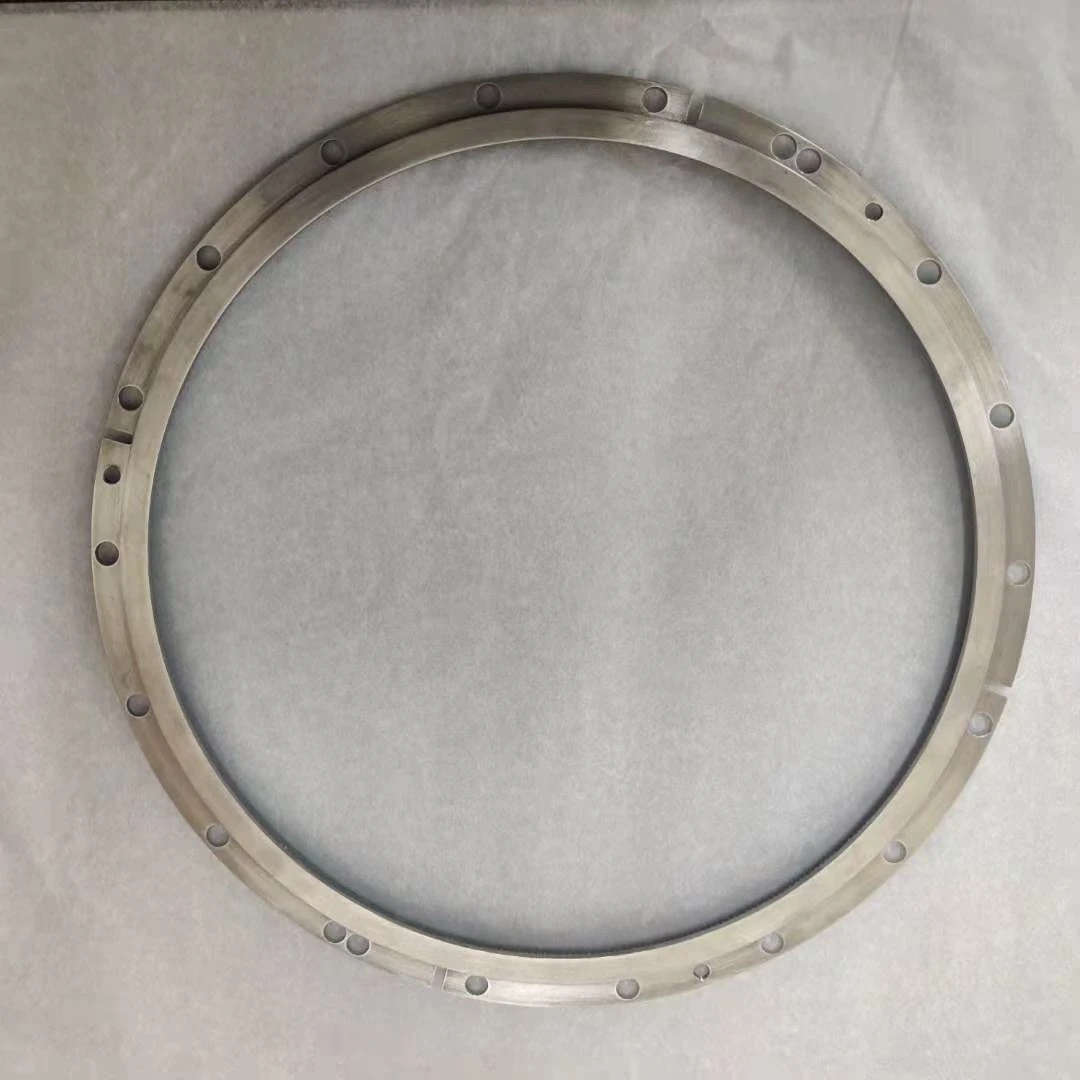
What truly sets Hengshi apart is its relentless commitment to strong R&D and innovation capabilities. They understand that off-the-shelf solutions rarely suffice for the complex demands of modern filtration. This dedication is evident in their development of precision components like the 0.8mm Honeycomb Seal – a critical element for ensuring airtight integrity and structural stability in advanced filtration modules. This incredibly precise seal is engineered to perform in environments requiring extreme reliability, such as exhaust gas filtration systems or high-pressure liquid filtration, where even the slightest leakage can compromise efficiency or safety.
Explore the precision and performance of the 0.8mm Honeycomb Seal:
 Learn More About the 0.8mm Honeycomb Seal
Hengshi's stringent quality control measures, backed by international certifications such as IATF 16949 (essential for automotive components, including filtration systems) and DNV GL (critical for marine and industrial applications), assure clients of consistent, high-grade products. Their extensive application experience across multiple industries—from automotive catalytic converters and diesel particulate filters to industrial heat exchangers and aerospace components—demonstrates their versatility and deep understanding of performance requirements. Critically, their capacity for customized solutions means they can collaborate closely with filtration equipment manufacturers to design and produce bespoke honeycomb structures that precisely meet unique dimensional, material, and performance specifications.
Other Global Leaders Shaping the Composite Landscape:
- Hexcel Corporation: A global leader in advanced composites technology, Hexcel supplies structural materials including carbon fiber, honeycomb, and prepregs to aerospace, wind energy, and industrial markets. Their lightweight solutions are instrumental in reducing fuel consumption and enhancing performance, which translates directly to more efficient and durable filtration equipment.
- Euro-Composites S.A.: Known for their high-quality honeycomb and composite panels, Euro-Composites caters primarily to the aerospace industry but also serves other high-performance sectors. Their expertise in precision manufacturing ensures components that can withstand demanding conditions, making them ideal for specialized filtration applications.
- Plascore, Inc.: This company offers a wide range of thermoplastic and aluminum honeycomb cores, alongside composite panel products. Their materials are utilized in diverse applications requiring high strength-to-weight ratios and energy absorption, properties that can significantly enhance the structural integrity and performance of large-scale industrial filtration equipment.
- The Gill Corporation: Specializing in lightweight, high-strength composite structures and materials, Gill is a key supplier to the aerospace and defense industries. Their composite capabilities often extend to applications where extreme environmental resistance and durability are paramount, offering advanced solutions for filtration in challenging operational environments.
These companies, along with various other specialized composite material manufacturers globally and regionally, are collectively pushing the boundaries of what's possible with advanced materials. Their innovations provide the foundational elements for the next generation of high-efficiency, robust, and sustainable filtration equipment, enabling industries to meet increasingly stringent performance and environmental standards.
Market Outlook & Opportunities in Composite-Driven Filtration
The trajectory for composite materials in filtration equipment is unequivocally upward, driven by a confluence of technological advancements and evolving buyer demands. Looking ahead, we anticipate several upcoming trends that will shape this market significantly. The deeper integration of AI and machine learning in material design will lead to composites with tailored properties, optimized specifically for various filtration media and operating conditions, pushing the boundaries of what's possible in terms of efficiency and longevity. Predictive maintenance capabilities for composite components will become standard, reducing downtime and operational costs for complex filtration systems. Furthermore, circular economy principles will increasingly influence material selection, with a greater emphasis on recyclable and reusable composites for sustainable filtration solutions.
Buyer demand is increasingly sophisticated. Businesses are no longer just seeking filters; they demand high-performance, durable, cost-effective, and sustainably produced solutions. For filtration equipment, this translates into a need for systems that are lighter, last significantly longer, perform optimally under extreme conditions (high temperature, corrosive environments), and are easier to recycle or dispose of responsibly at end-of-life. The push for reduced total cost of ownership (TCO) means that initial material investments in advanced composites are justified by longer service intervals, lower maintenance, and superior performance over time.
Significant opportunities lie in leveraging automation and smart manufacturing techniques for composite production. This allows for greater precision, consistency, and scalability in creating complex components like precision honeycomb structures or customized filter housings. Imagine automated lines producing a variety of specialized 0.8mm Honeycomb Seal variants with minimal human intervention, ensuring both cost-efficiency and flawless quality. Sustainability, far from being a mere buzzword, is emerging as a core differentiator and a major opportunity. Companies that can offer composite-based filtration solutions with a verifiable eco-friendly footprint—from manufacturing processes to end-of-life options—will capture a substantial market share. The ability to innovate with new materials, integrate smart functionalities, and adhere to strict environmental standards will define the leaders in this evolving market.
Buyer/Business Takeaways: Strategic Moves in Filtration Technology
For B2B decision-makers, investing in advanced filtration equipment that incorporates cutting-edge composite materials isn't just an expense; it's a strategic imperative. The benefits are manifold: immediate cost savings through lighter, more durable systems that require less maintenance and lower energy consumption; significant performance improvements in filtration efficiency, reduced pressure drop, and enhanced operational reliability, leading to cleaner output and prolonged equipment life. Moreover, aligning with advanced material solutions ensures compliance with increasingly stringent environmental regulations, providing a crucial competitive advantage in a market that prioritizes sustainability and efficiency.
When considering adoption or partnership with Chinese manufacturers, a nuanced approach is key. Look beyond initial cost and scrutinize their capabilities thoroughly. Prioritize manufacturers with robust R&D programs, a proven track record of innovation (such as the development of specialized components like the 0.8mm Honeycomb Seal), and comprehensive international certifications like IATF 16949 or DNV GL. These certifications are non-negotiable indicators of stringent quality control and reliability. Seek out partners with extensive customization capabilities and a willingness to collaborate closely on bespoke solutions for your unique filtration equipment needs. Effective communication channels and a clear understanding of supply chain logistics are also vital for long-term success. Chinese manufacturers, particularly those like Hengshi, often offer a compelling value proposition of cost-effectiveness combined with rapid innovation and substantial production capacity, making them attractive partners for scaling advanced filtration solutions.
To future-proof your strategies in the dynamic filtration equipment market, embracing advanced materials is non-negotiable. Explore how honeycomb structures, for instance, can optimize flow, provide structural integrity in harsh environments, or even serve as active components in next-generation filters. Adopt a lifecycle analysis approach for all materials, considering environmental impact from raw material extraction to end-of-life disposal. Foster collaborative relationships with material innovators and composite manufacturers to co-develop solutions that address emerging challenges. Finally, focus on building resilient and diversified supply chains that can withstand global disruptions, ensuring a steady flow of high-performance materials for your evolving filtration equipment lines. By taking these steps, businesses can ensure they remain at the forefront of filtration technology, delivering superior performance while meeting the demands of a sustainable future.
Shape the Future of Filtration with Precision Composites
JEC World continues to be the ultimate platform for unveiling the innovations that are driving the global filtration equipment market forward. The advancements in composite materials, particularly high-precision honeycomb structures, are not merely incremental improvements but fundamental shifts that redefine efficiency, sustainability, and performance.
Embrace the opportunity to integrate these cutting-edge solutions into your designs. Discover how precision components, such as the 0.8mm Honeycomb Seal from Hengshi (Langfang) Precision Machinery Manufacturing Co., Ltd., can revolutionize your filtration equipment, offering unmatched reliability and efficiency.
Explore the 0.8mm Honeycomb Seal & Advanced Filtration Solutions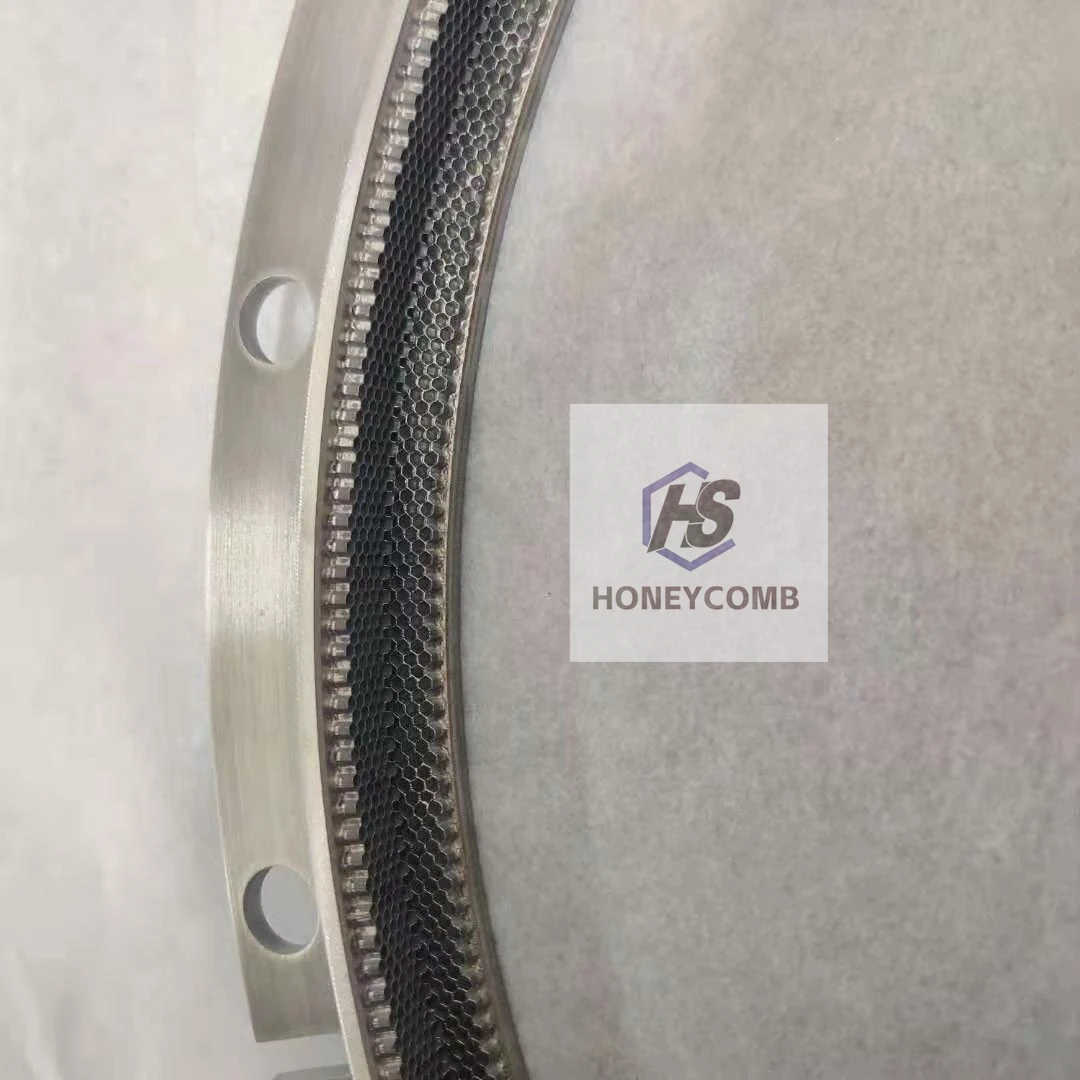

-
Industrial Airflow Guide for maf воздушная правильная машинаNewsApr.16,2026
-
Best maf струйно правильная машина for Industrial EfficiencyNewsApr.09,2026
-
Сотовая правильная машина A Comprehensive Guide to Honey Packing AutomationNewsApr.07,2026
-
Build Your Own DIY газоправильная Машина A Comprehensive Guide to Gas CorrectionNewsApr.04,2026
-
Understanding Кондиционер отопления Systems for Efficient and Comfortable HeatingNewsMar.31,2026
-
Comprehensive Guide to Cellular Blinds Installation Установка сотовых жалюзиNewsMar.28,2026
-
Mobile Aerodynamic Tunnel Design A Comprehensive Guide to Applications and ImplementationNewsMar.26,2026






 English
  Afrikaans
  Albanian
  Amharic
  Arabic
  Armenian
  Azerbaijani
  Basque
  Belarusian
  Bengali
  Bosnian
  Bulgarian
  Catalan
  Cebuano
  China
China  China (Taiwan)
  Corsican
  Croatian
  Czech
Czech  Danish
  Dutch
Dutch  Esperanto
  Estonian
  Finnish
  French
  Frisian
  Galician
  Georgian
  German
  Greek
Greek  Gujarati
  Haitian Creole
  Hausa
Hausa  Hawaiian
  Hebrew
  Hindi
Hindi  Miao
Miao  Indonesian
  Italian
  Japanese
  Javanese
  Malay
Malay  Persian
  Portuguese
  Punjabi
  Russian
  Spanish
  Swahili
  Telugu
  Vietnamese