


Comprehensive Guide to Aluminio Celular: Benefits, Applications & Innovations
Aluminio Celular: An Innovative Material Shaping Modern Industry
If you’re working in construction, aerospace, or even humanitarian aid, you’ve probably bumped into the concept of aluminio celular. Oddly enough, despite sounding like some high-tech jargon, it is simply a honeycomb-structured aluminum material — and it’s quietly changing how industries tackle challenges globally. Its lightweight yet ultra-strong nature promises benefits like reduced costs, faster deployment of structures, and better sustainability — which frankly, in today’s world, matter a whole lot.
Why Does Aluminio Celular Matter Globally?
World Bank data shows that lightweight, durable materials are crucial to infrastructure development, especially in disaster-prone or remote areas. Aluminum honeycomb panels, or aluminio celular, help meet these needs by offering a sophisticated solution to age-old problems: how to build faster, safer, and greener. This material’s significance spans continents — from European aerospace applications to African mobile clinics — proving its versatility and global relevance.
Takeaway: Understanding how aluminio celular works helps industries innovate sustainably while lowering costs worldwide.
What Exactly is Aluminio Celular?
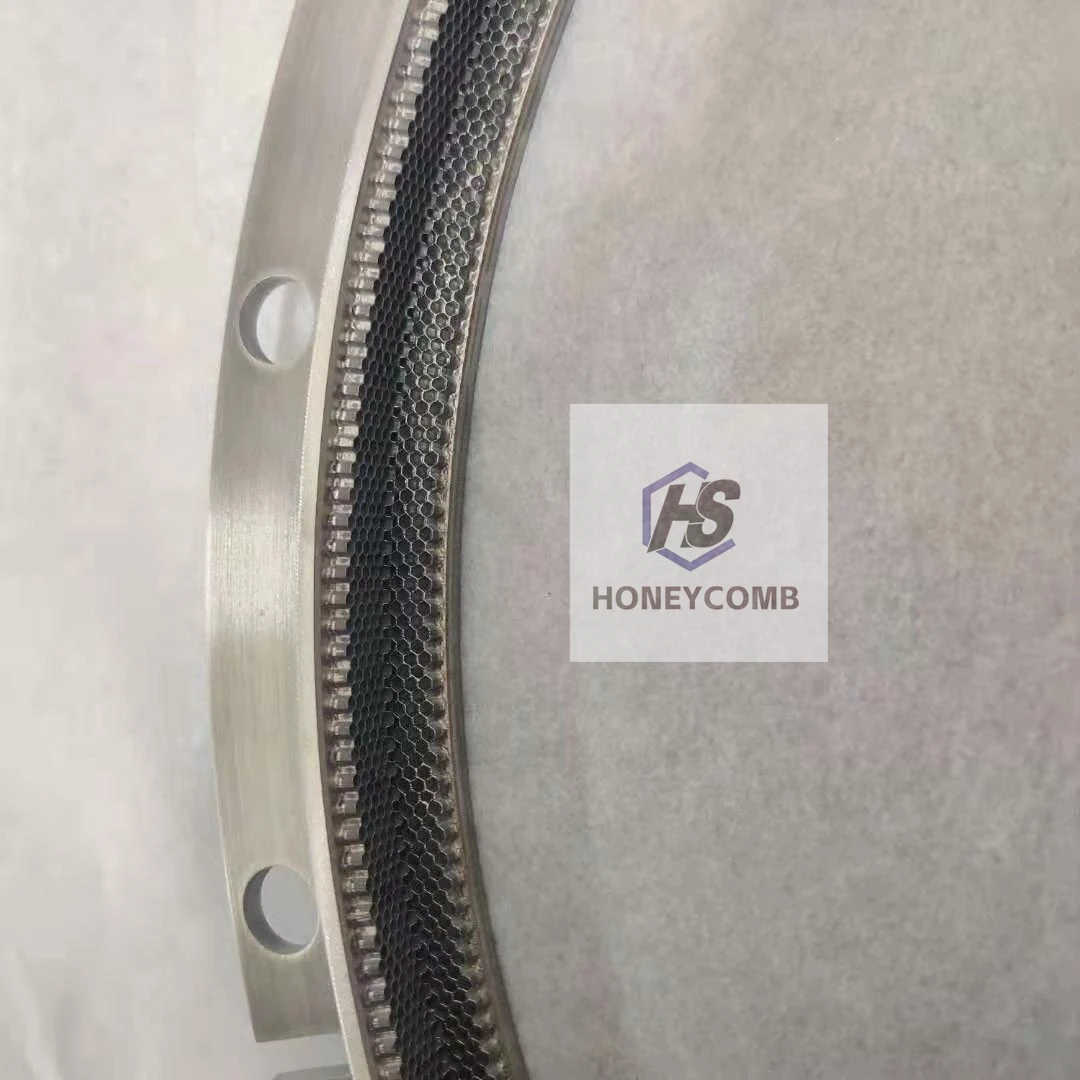
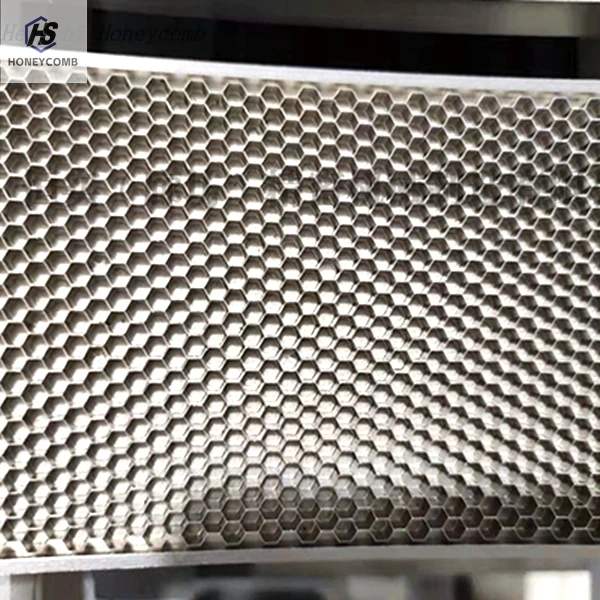
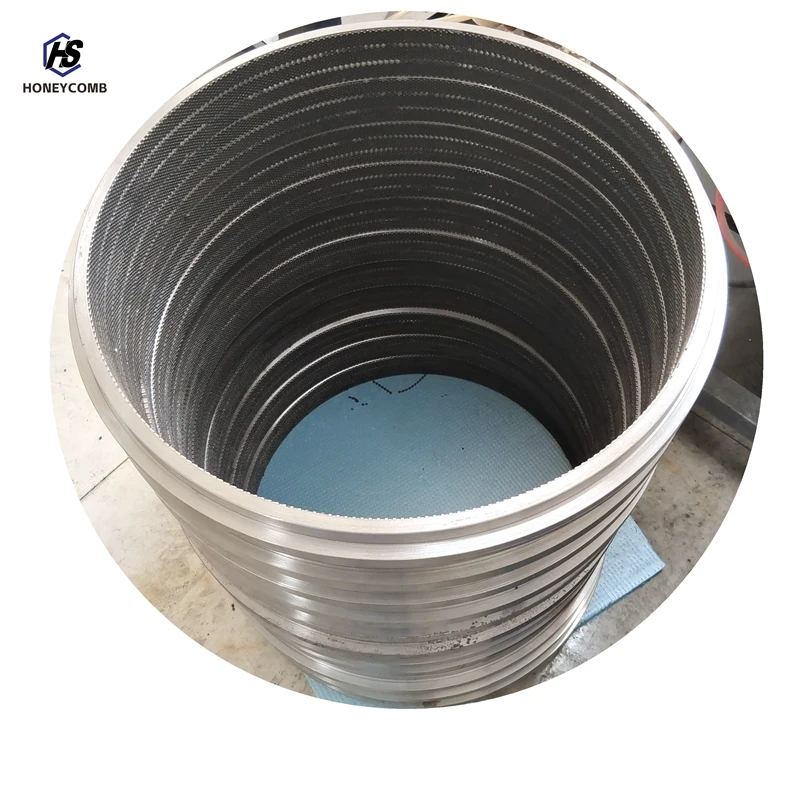
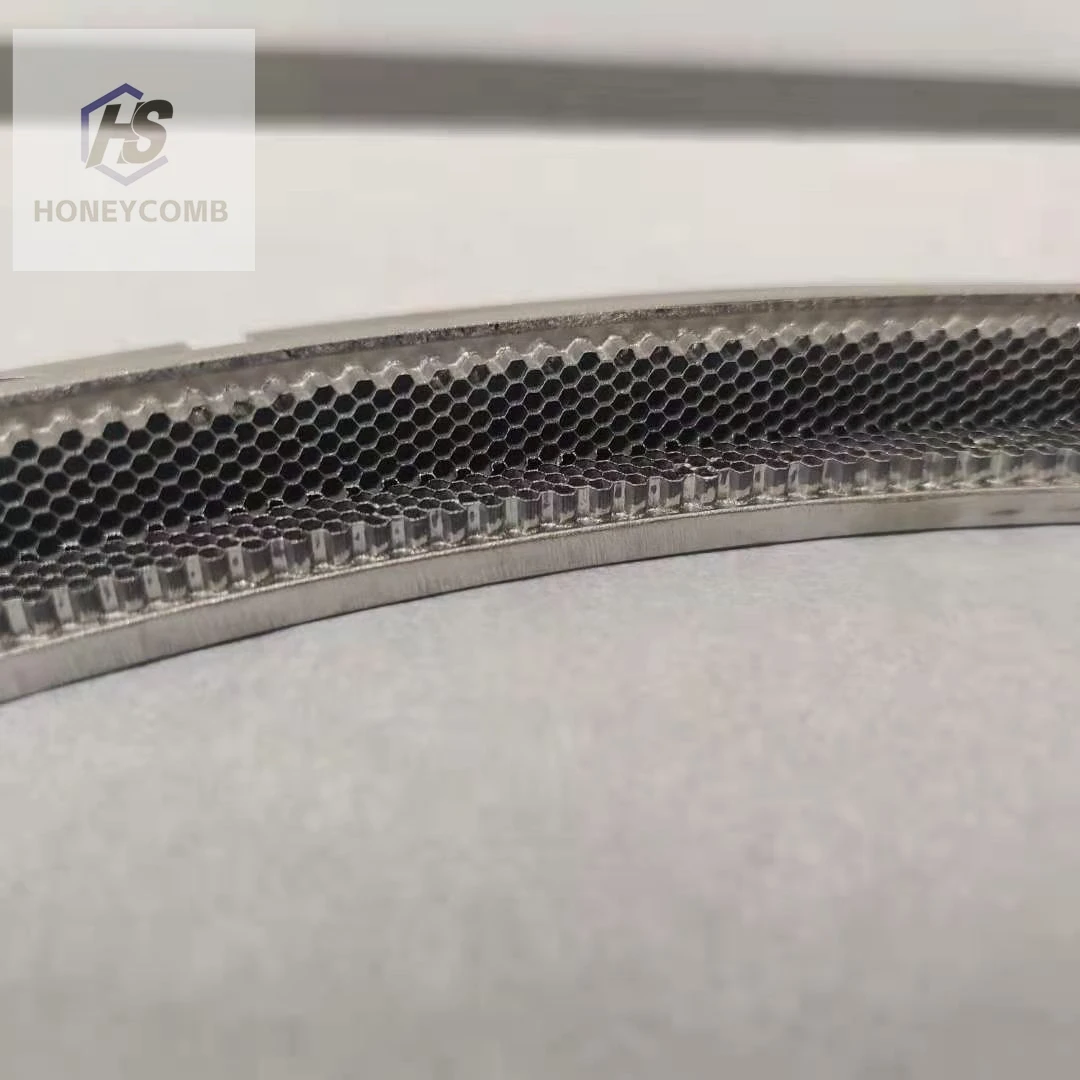
Simply put, aluminio celular is aluminum formed into a honeycomb pattern — that unique hexagonal structure you see in beehives. This design gives it exceptional strength-to-weight ratios, which is critical in sectors needing sturdy yet lightweight materials. It’s often sandwiched between panels in composite structures to boost rigidity without adding bulk.
In real-world terms, this means aircraft wings can be lighter, buildings can resist forces like wind or earthquakes better, and temporary shelters can be set up swiftly with less material. For humanitarian needs, aluminio celular-based modules might be the difference between vulnerable communities receiving fast, reliable shelter or waiting weeks for traditional structures.
Core Components of Aluminio Celular
1. Durability
The honeycomb’s geometry distributes stress evenly, giving superior resistance against compression, shear, and impact. It also performs well under corrosive environments, especially when treated with surface coatings.
2. Lightweight Construction
Aluminum itself is light, but creating a honeycomb structure amplifies this benefit. It reduces material use without compromising load-bearing capabilities — essential for transportation or modular construction.
3. Thermal Insulation
The cell structure traps air pockets, improving thermal performance in walls or panels. This helps regulate indoor temperatures, cutting down on heating and cooling energy consumption.
4. Scalability & Customization
The honeycomb can be manufactured in various thicknesses and cell sizes depending on load demands. This adaptability makes it suitable for small mobile units or large architectural panels.
5. Cost Efficiency
Because less material is used and installation times shrink, overall project costs decline, though the initial outlay can be higher than traditional materials. Long-term savings often justify the expense.
Product Specifications at a Glance
| Property | Typical Value | Units |
|---|---|---|
| Core Thickness | 6 - 50 | mm |
| Cell Size | 3 - 10 | mm |
| Density | 50 - 100 | kg/m³ |
| Compressive Strength | 1.5 - 3.5 | MPa |
| Thermal Conductivity | 0.18 - 0.24 | W/m·K |
Global Applications & Use Cases of Aluminio Celular
Globally, industries leverage aluminio celular in many fascinating ways:
- Aerospace: Boeing and Airbus utilize honeycomb aluminum as a core material for airplane flooring and wings, cutting weight without sacrificing safety.
- Architecture: In Europe, it’s popular for curtain walls and roofing to improve seismic resilience with minimal weight increase.
- Humanitarian Aid: NGOs use modular containers lined with aluminum honeycomb panels for quick-dispatch mobile clinics or schools post-disaster.
- Automotive: Lightweight vehicles rely on this material to meet fuel efficiency regulations.
To give a real-world example: after the 2010 Haiti earthquake, rapid shelter deployment using lightweight aluminum modules helped provide refuge faster than traditional lumber-based solutions.
Takeaway: Aluminio celular’s global footprint spans many industries, especially where strength and speed are paramount.
Advantages and Long-Term Value
The benefits stack up quite well:
- Cost Savings: Lower transport and labor fees due to lighter panels and faster assembly.
- Environmental Impact: Recyclable aluminum and reduced energy consumption contribute to sustainable building practices.
- Social Impact: Swift, reliable shelters restore safety and dignity in crisis zones.
- Reliability: Resistant to corrosion, fire, and weather extremes.
Emotionally, there's comfort in knowing structures won’t fail when stakes are highest — a trust aluminum honeycomb often delivers.
Looking Ahead: Future Trends & Innovations
In the coming years, we expect materials science to push aluminio celular even further:
- Green Energy Integration: Honeycomb core panels embedded with photovoltaic cells are already under trial.
- Digital Fabrication: Automation in honeycomb pattern cutting and bonding enhances precision and scalability.
- Advanced Coatings: Nano-coatings improve corrosion resistance and thermal control.
- Hybrid Materials: Aluminum honeycomb combined with carbon fiber or biodegradable substances might open new application frontiers.
Common Challenges and Expert Solutions
That said, no material is perfect. Challenges include:
- Initial Cost: Higher upfront investment can deter some buyers.
- Joining Techniques: Specialized bonding methods are required, raising complexity.
- Damage Detection: Internal honeycomb damage is not always visible without advanced inspection.
Experts suggest focusing on long-term ROI, investing in training installers, and leveraging non-destructive testing methods like ultrasound to overcome these hurdles.
Frequently Asked Questions About Aluminio Celular
Q1: How durable is aluminum honeycomb compared to solid aluminum?
A1: Aluminum honeycomb structure offers similar strength-to-weight ratios as solid aluminum but with significantly less material, meaning it’s lighter yet able to withstand compression and shear forces effectively in most applications.
Q2: Can aluminum honeycomb panels be recycled?
A2: Yes, aluminum is one of the most recyclable metals globally, and honeycomb panels can usually be recycled at end-of-life, supporting sustainable manufacturing cycles.
Q3: How does aluminio celular help in disaster relief efforts?
A3: Its lightweight nature allows rapid transportation and assembly, providing fast, durable shelter solutions in disaster zones where infrastructure is compromised.
Q4: Is the honeycomb pattern customizable for specific needs?
A4: Absolutely, manufacturers can vary cell size, thickness, and panel dimensions to tailor properties for specific load or thermal requirements.
Q5: What industries besides construction use aluminio celular?
A5: Aerospace, automotive, maritime industries, and even furniture manufacturing utilize aluminum honeycomb for its strength, lightness, and durability.
Vendor Comparison: Leading Providers of Aluminio Celular
| Vendor | Product Range | Customization | Global Reach | Typical Lead Time |
|---|---|---|---|---|
| HSH Honeycomb | Wide (5-50mm thickness) | High | Global | 2-4 weeks |
| AluCell Inc. | Medium (10-30mm thickness) | Moderate | Europe, N.America | 3-6 weeks |
| Global Honeycombs Ltd. | Narrow (6-20mm thickness) | Low | Asia, Europe | 4-8 weeks |
Conclusion: Why Aluminio Celular Should Be on Your Radar
In sum, aluminio celular offers a fascinating blend of strength, lightness, and adaptability that industries across the world are increasingly appreciating. Whether you’re focused on aerospace innovation, green architecture, or rapid humanitarian response, this material delivers long-term value that transcends immediate costs. Frankly, with the push toward sustainability and resilience accelerating, overlooking aluminum honeycomb solutions might cost more than you think.
Ready to explore the possibilities? Visit our website: https://www.hshihoneycomb.com to discover cutting-edge products and expert consultation.
And there you have it — lightweight, strong, smart. Aluminio celular isn’t just material science; it’s a practical revolution quietly underway.
References:
1. Wikipedia - Aluminium honeycomb
2. World Bank Urban Development Overview
3. International Organization for Standardization

-
Industrial Airflow Guide for maf воздушная правильная машинаNewsApr.16,2026
-
Best maf струйно правильная машина for Industrial EfficiencyNewsApr.09,2026
-
Сотовая правильная машина A Comprehensive Guide to Honey Packing AutomationNewsApr.07,2026
-
Build Your Own DIY газоправильная Машина A Comprehensive Guide to Gas CorrectionNewsApr.04,2026
-
Understanding Кондиционер отопления Systems for Efficient and Comfortable HeatingNewsMar.31,2026
-
Comprehensive Guide to Cellular Blinds Installation Установка сотовых жалюзиNewsMar.28,2026
-
Mobile Aerodynamic Tunnel Design A Comprehensive Guide to Applications and ImplementationNewsMar.26,2026






 English
  Afrikaans
  Albanian
  Amharic
  Arabic
  Armenian
  Azerbaijani
  Basque
  Belarusian
  Bengali
  Bosnian
  Bulgarian
  Catalan
  Cebuano
  China
China  China (Taiwan)
  Corsican
  Croatian
  Czech
Czech  Danish
  Dutch
Dutch  Esperanto
  Estonian
  Finnish
  French
  Frisian
  Galician
  Georgian
  German
  Greek
Greek  Gujarati
  Haitian Creole
  Hausa
Hausa  Hawaiian
  Hebrew
  Hindi
Hindi  Miao
Miao  Indonesian
  Italian
  Japanese
  Javanese
  Malay
Malay  Persian
  Portuguese
  Punjabi
  Russian
  Spanish
  Swahili
  Telugu
  Vietnamese