


Filtro Celular EMI: Industrial Insights & Product Guide
Understanding the filtro celular emi: Insights from Industrial Experience
Having spent a fair share of my career around industrial equipment — frankly, the kind that hums or buzzes with an occasional static zap — I’ve come to appreciate how subtle technology like a filtro celular emi plays a quiet but crucial role. EMI filters (that’s electromagnetic interference filters, just in case) are probably less glamorous than massive motors or hydraulic systems, but they’re absolutely vital for keeping signals clean and machines running smoothly.
Oddly enough, these filters often fly under the radar despite their importance. I remember one particular factory where a minor glitch was traced back to EMI noise — and swapping out the filter made all the difference. That got me curious about the design, materials, and customization of the filtro celular emi, especially in challenging industrial environments.
What is a filtro celular emi?
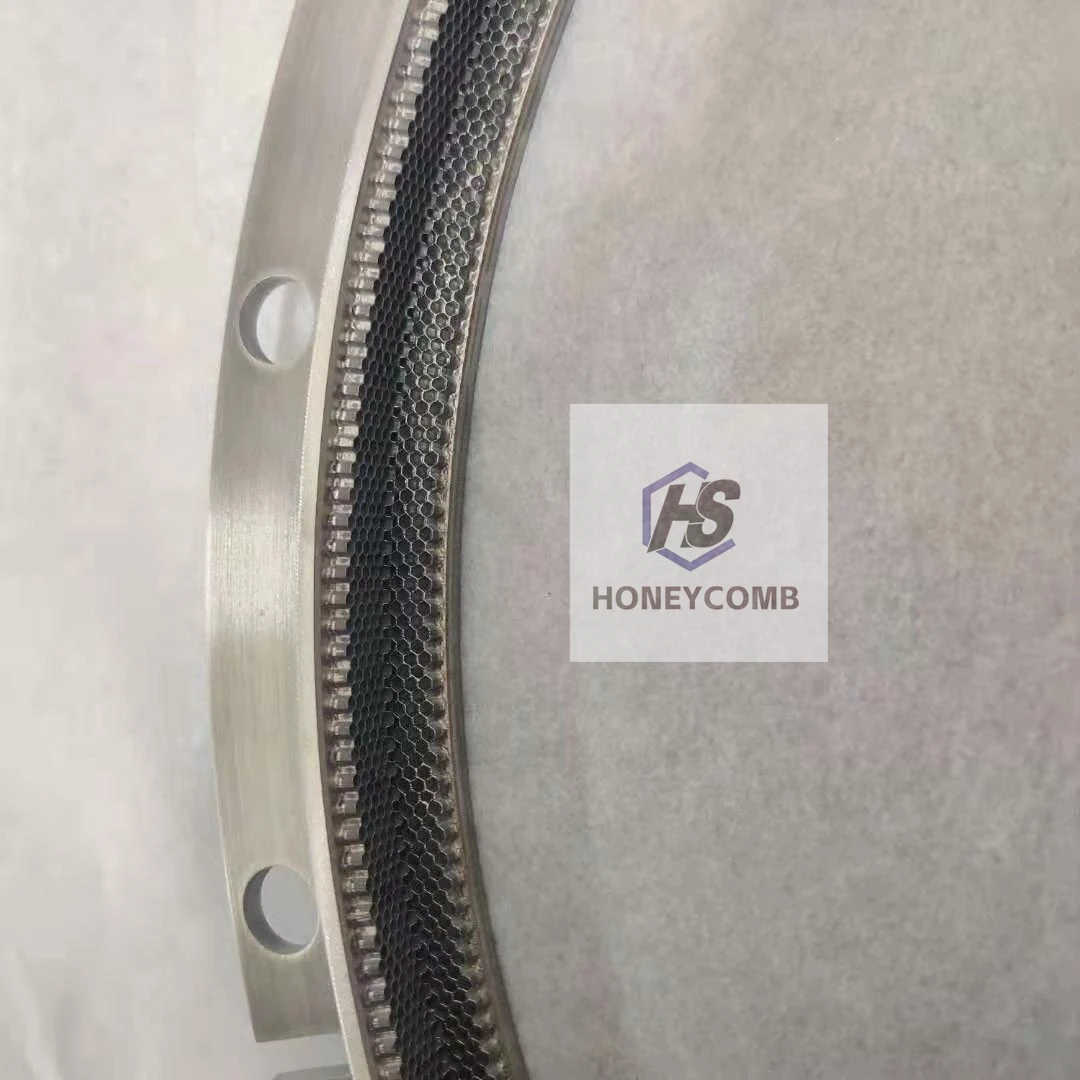
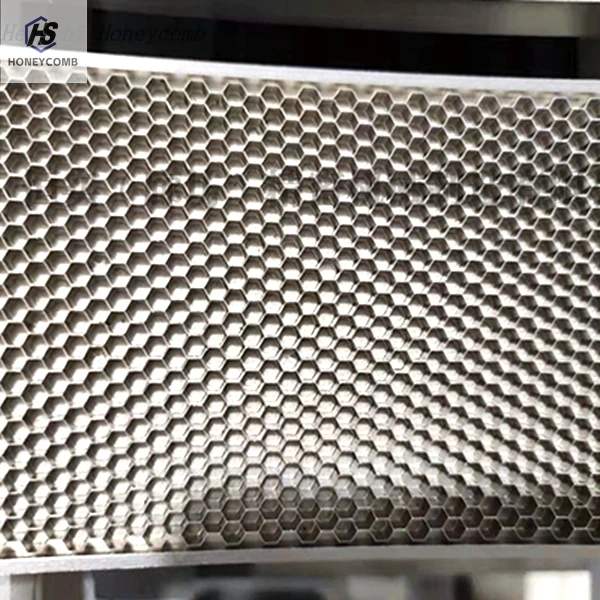
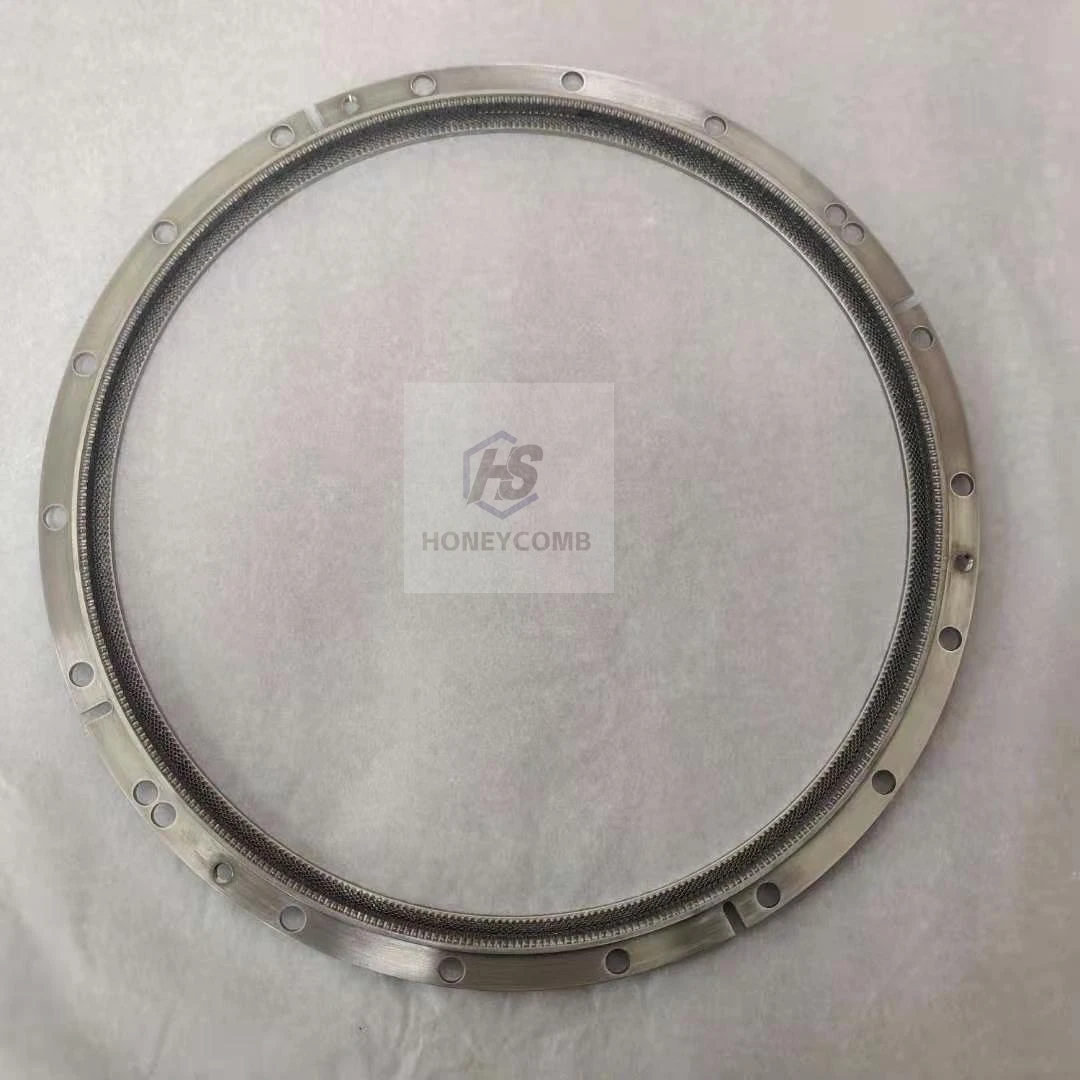
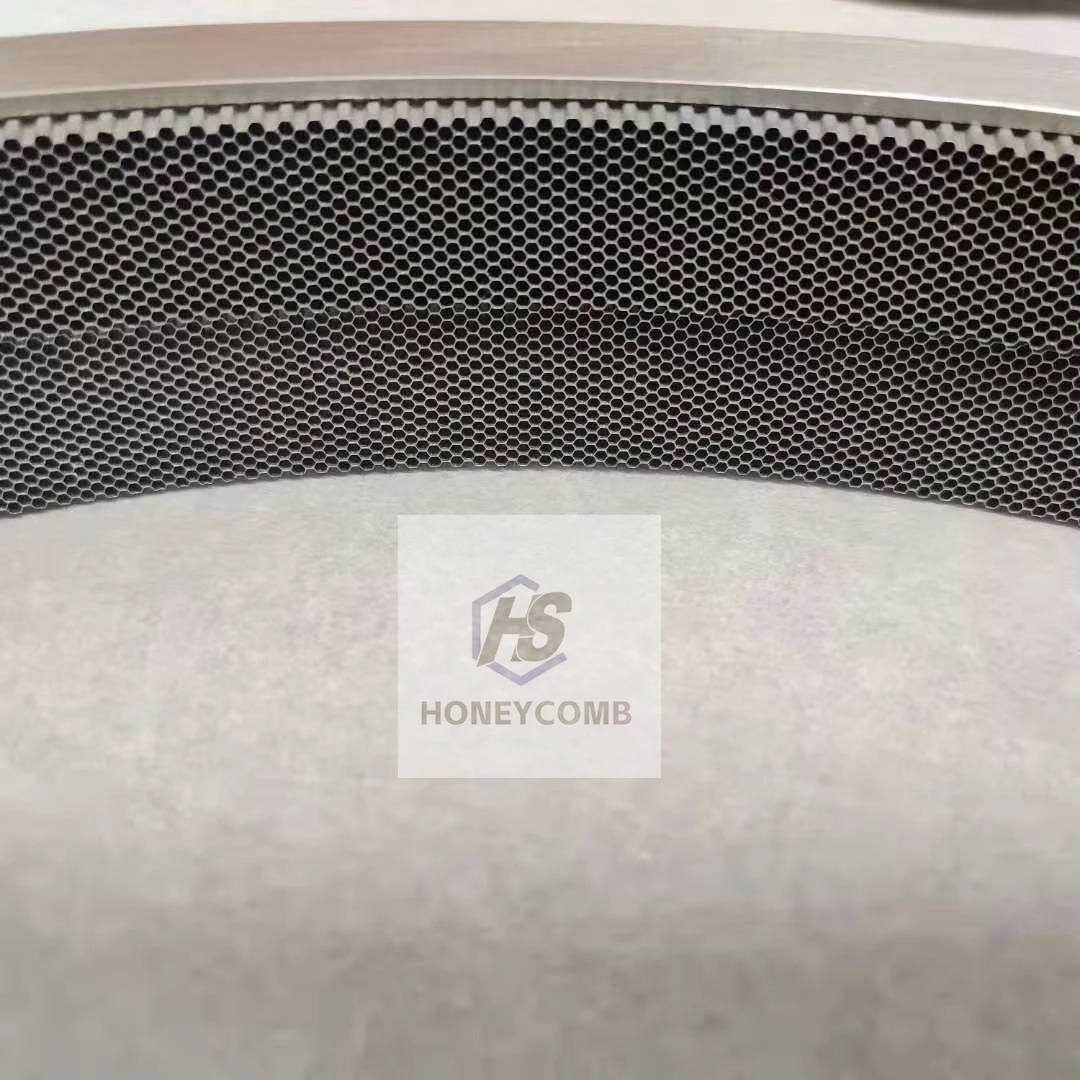
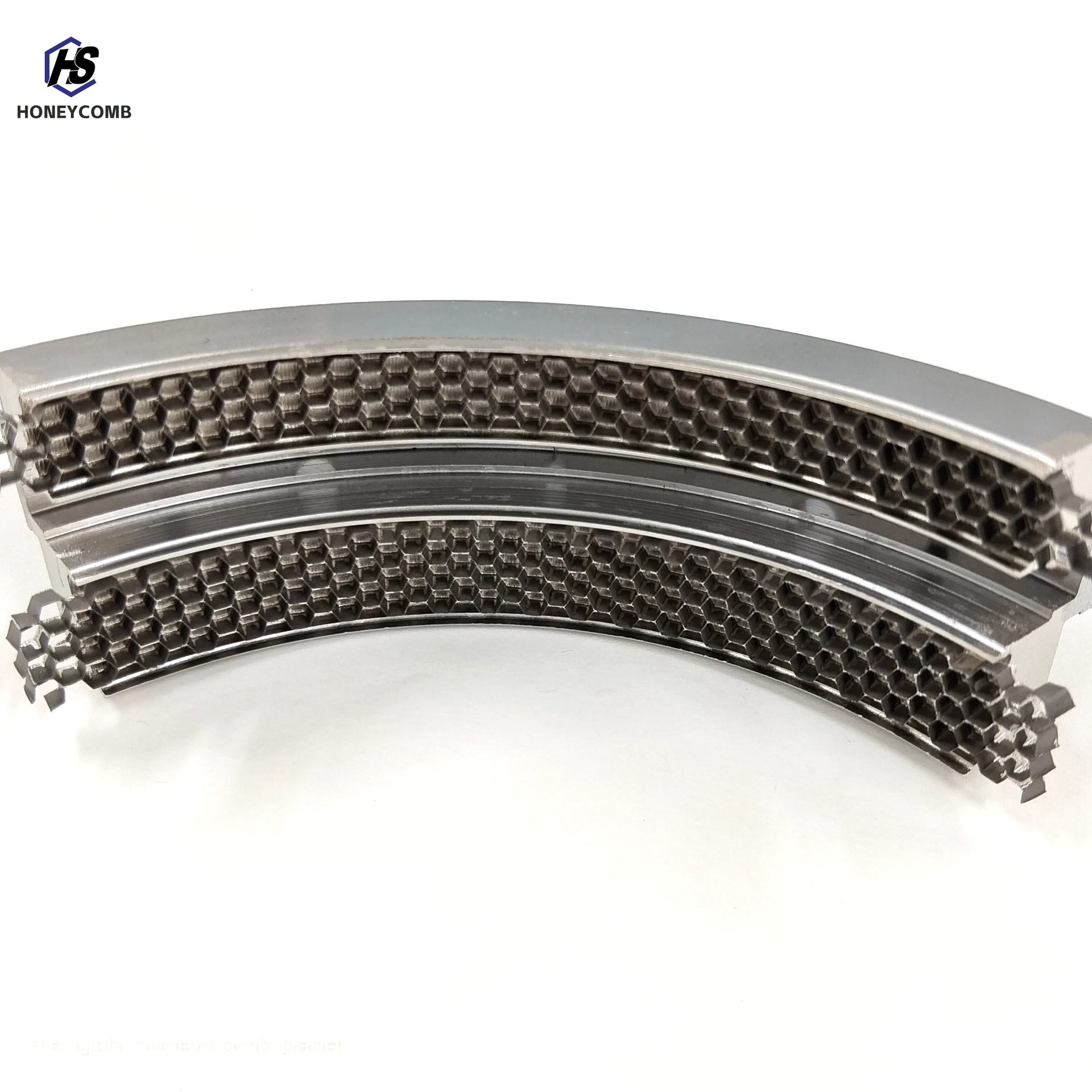
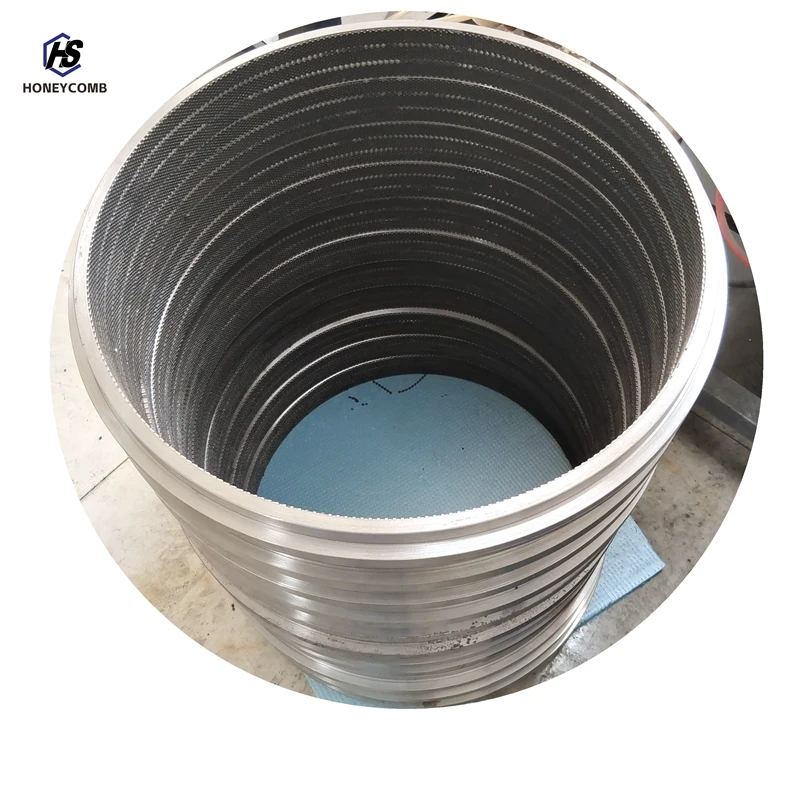
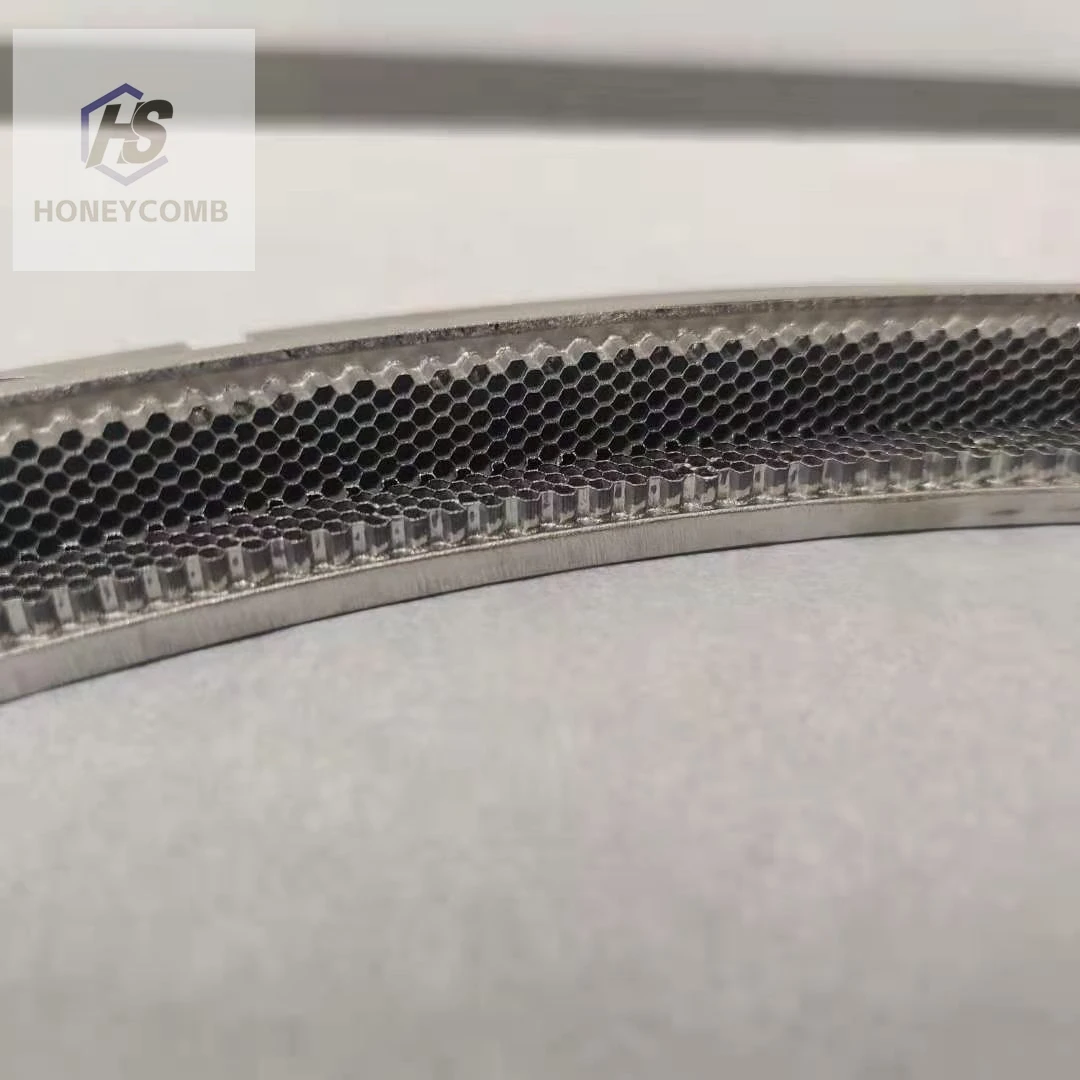
The term “filtro celular” points to a specific structure within the EMI filter, often incorporating honeycomb or cellular materials — lightweight but strong, and excellent at attenuating interference across a broad frequency range. These filters aim to block unwanted electromagnetic frequencies that can cause data corruption, equipment malfunction, or even operator hazards. In real terms, it means smoother operations and fewer mysterious shutdowns.
Materials and Design Considerations
These filters typically use specialized metal foams or honeycomb ceramics inside a robust metal casing. I’ve noticed many engineers gravitate towards materials that balance conductivity and durability — especially when the filter has to handle wide temperature swings or corrosive environments. The ones with ceramic honeycomb cores stand out since they provide excellent high-frequency suppression with a relatively low footprint.
Customizing the cellular structure lets suppliers tune the filter's impedance characteristics for specific machine signatures. It’s not a one-size-fits-all deal, you know. For example, a filter optimized for a CNC machining center will differ slightly from one used in power electronics in a photovoltaic system. The adaptability factor is, frankly, what separates an average filter from a great one.
Performance Specs in Brief
| Specification | Detail |
|---|---|
| Insertion Loss | 30–60 dB (1 MHz – 1 GHz) |
| Dielectric Withstand Voltage | Up to 2500 V AC |
| Operating Temperature | -40°C to 125°C |
| Material | Ceramic honeycomb with aluminum casing |
| Customization | Frequency range, size, mounting options |
Choosing the Right Supplier: A Quick Comparison
Speaking from experience, vendor choice can make or break the reliability of EMI filtering. While many suppliers offer a baseline product, you want to look beyond specs and ask: How adaptable is their filter? What about testing protocols? Support? My colleagues and I distilled the key differences in the table below, focusing on three well-known vendors:
| Vendor | Customization Options | Testing & Certification | Typical Lead Time |
|---|---|---|---|
| HS Shihoneycomb | Extensive (frequency & size) | ISO 9001, RoHS certified | 4–6 weeks |
| Vendor B | Limited, mostly standard sizes | UL listed | 6–8 weeks |
| Vendor C | Moderate, some tuning available | CE and FCC Compliance | 5–7 weeks |
Customer Story: When EMI Filter Saved the Day
I recall a client in the automotive manufacturing sector who struggled with erratic sensor readings on paint robots. At first, their engineers suspected software bugs, but after some digging — and a bit of trial and error — the culprit was identified: EMI noise. Replacing their old filters with a customized filtro celular emi from an experienced supplier improved signal integrity dramatically. The downtime dropped, quality checks passed smoothly, and frankly, the operations manager was thrilled. Stories like this, to me, highlight why we shouldn’t overlook the “small stuff.”
The Final Word
In summary, a well-designed and properly specified filtro celular emi isn’t just another component; it’s an investment in machine health and productivity. If you’re juggling electromagnetic issues or planning a new installation, considering a cellular EMI filter’s materials, design, and vendor support can save headaches down the line. It’s all about balance — robustness, attenuation, and tailored fit.
After all, if the industrial world keeps humming efficiently, it’s often thanks to these silent guardians.
- Electromagnetic Compatibility in Manufacturing Equipment – IEEE Standards
- Material Advances in EMI Filters – Journal of Industrial Materials, 2022
- HS Shihoneycomb Technical Datasheets and Certifications (2023)
-
Industrial Airflow Guide for maf воздушная правильная машинаNewsApr.16,2026
-
Best maf струйно правильная машина for Industrial EfficiencyNewsApr.09,2026
-
Сотовая правильная машина A Comprehensive Guide to Honey Packing AutomationNewsApr.07,2026
-
Build Your Own DIY газоправильная Машина A Comprehensive Guide to Gas CorrectionNewsApr.04,2026
-
Understanding Кондиционер отопления Systems for Efficient and Comfortable HeatingNewsMar.31,2026
-
Comprehensive Guide to Cellular Blinds Installation Установка сотовых жалюзиNewsMar.28,2026
-
Mobile Aerodynamic Tunnel Design A Comprehensive Guide to Applications and ImplementationNewsMar.26,2026






 English
  Afrikaans
  Albanian
  Amharic
  Arabic
  Armenian
  Azerbaijani
  Basque
  Belarusian
  Bengali
  Bosnian
  Bulgarian
  Catalan
  Cebuano
  China
China  China (Taiwan)
  Corsican
  Croatian
  Czech
Czech  Danish
  Dutch
Dutch  Esperanto
  Estonian
  Finnish
  French
  Frisian
  Galician
  Georgian
  German
  Greek
Greek  Gujarati
  Haitian Creole
  Hausa
Hausa  Hawaiian
  Hebrew
  Hindi
Hindi  Miao
Miao  Indonesian
  Italian
  Japanese
  Javanese
  Malay
Malay  Persian
  Portuguese
  Punjabi
  Russian
  Spanish
  Swahili
  Telugu
  Vietnamese