


Comprehensive Guide to Honungskaksälar: Honeycomb Seals for Modern Industry
Understanding Honungskaksälar and Their Growing Global Impact
If you’ve stumbled upon the term honungskaksälar and wondered what all the fuss is about, you’re not alone. This rather niche-sounding concept is quietly becoming a crucial player in a variety of industries, from humanitarian aid to industrial manufacturing. But why does it matter globally? Well, in simple terms, honungskaksälar — a Swedish term meaning “honeycomb seals” — refer to structures or materials employing honeycomb-like patterns to combine efficiency, strength, and versatility.
Understanding honungskaksälar means grasping how clever design can lead to sustainable solutions that are lightweight yet durable, cost-efficient yet reliable, and scalable yet adaptable. And frankly, in an age where materials science and eco-friendly designs are the focus of so many innovations worldwide, honungskaksälar offer a fascinating peek into the future of smarter engineering. We'll talk about how these honeycomb seals work, why they’re a big deal, and how they’re already making a difference around the world.
Introducing Honungskaksälar to a Global Audience
Globally, the demand for high-performance materials that don't sacrifice sustainability is climbing steeply. According to ISO reports, industries constantly seek solutions that reduce material usage without compromising structural integrity. Here’s where honungskaksälar come in.
The honeycomb design principle—found in nature’s own engineering marvels like beehives—has inspired countless sectors to rethink strength-to-weight ratios. Industrial sectors in Europe, Asia, and North America, especially aerospace, automotive, and packaging, are increasingly adopting honeycomb seals to optimize their products. Even humanitarian organizations are exploring honungskaksälar for quick-deploy solutions in disaster areas.
Yet, the challenge remains: how to mass-produce complex, geometrically efficient honeycomb seals without escalating costs or complicating recyclability? This trade-off lies at the heart of many ongoing R&D projects worldwide.
What Exactly Are Honungskaksälar?
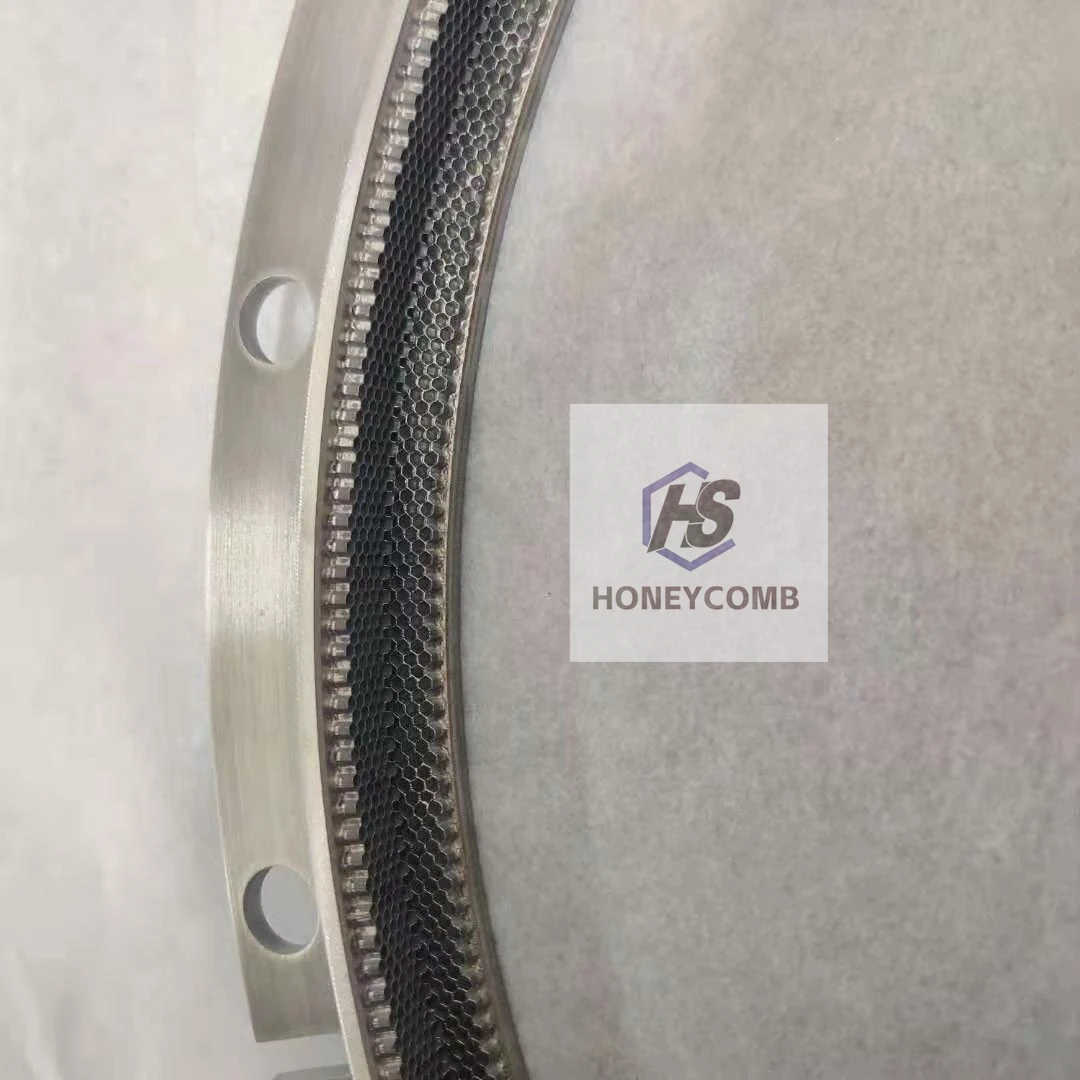
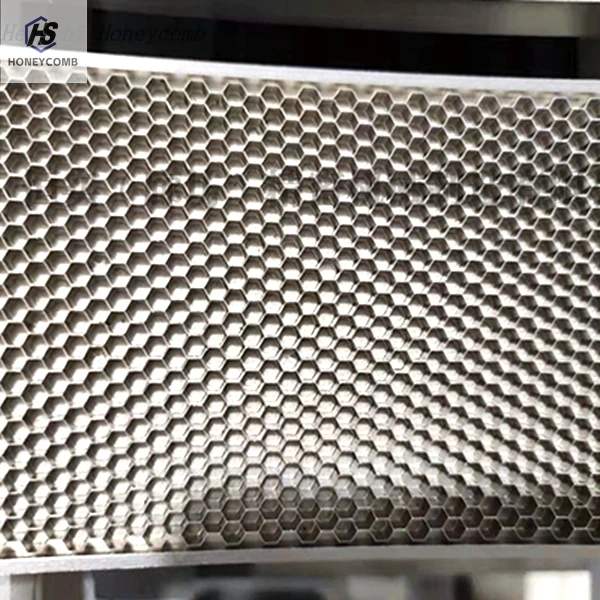
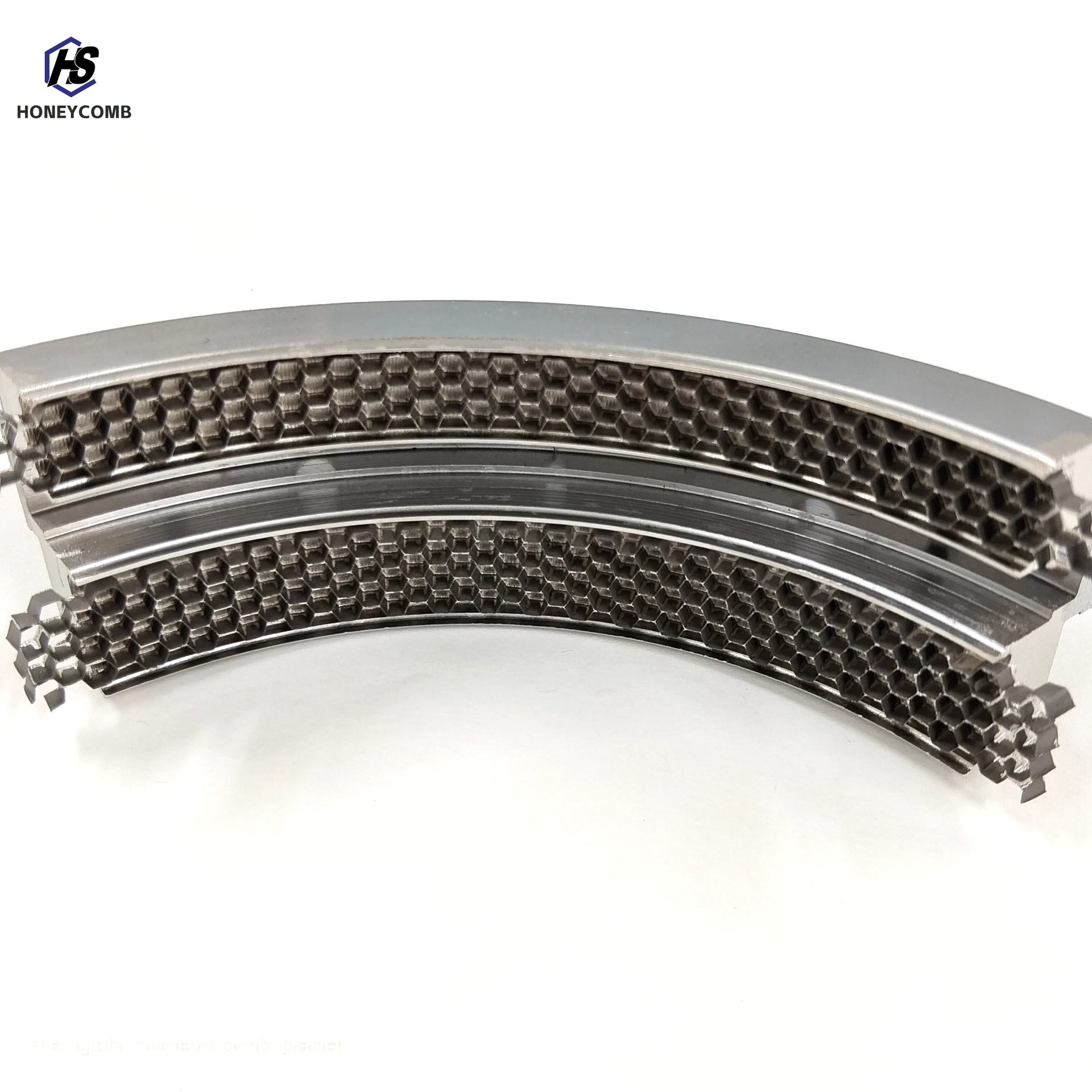
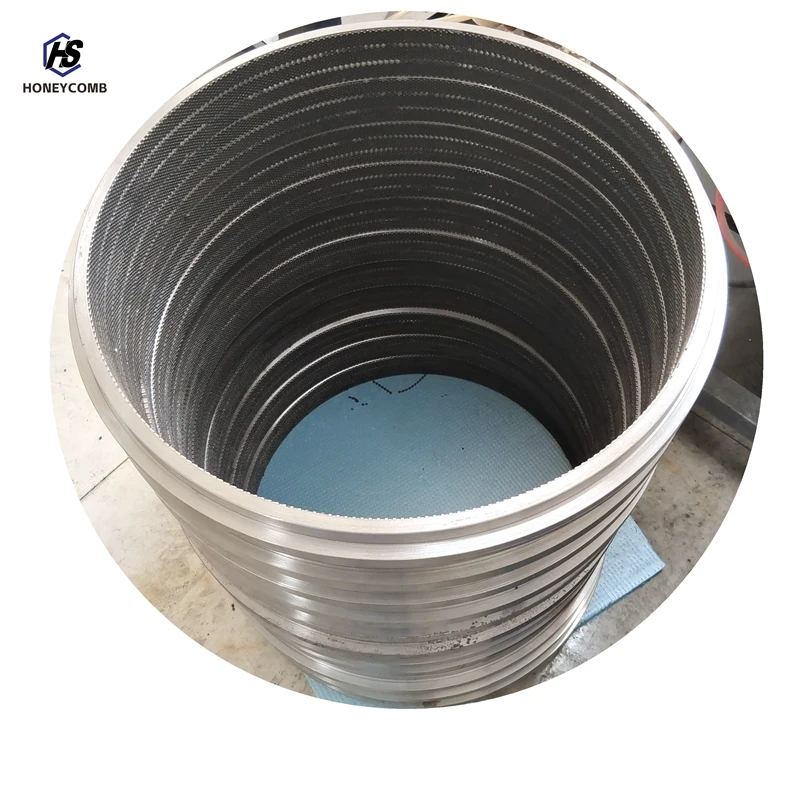
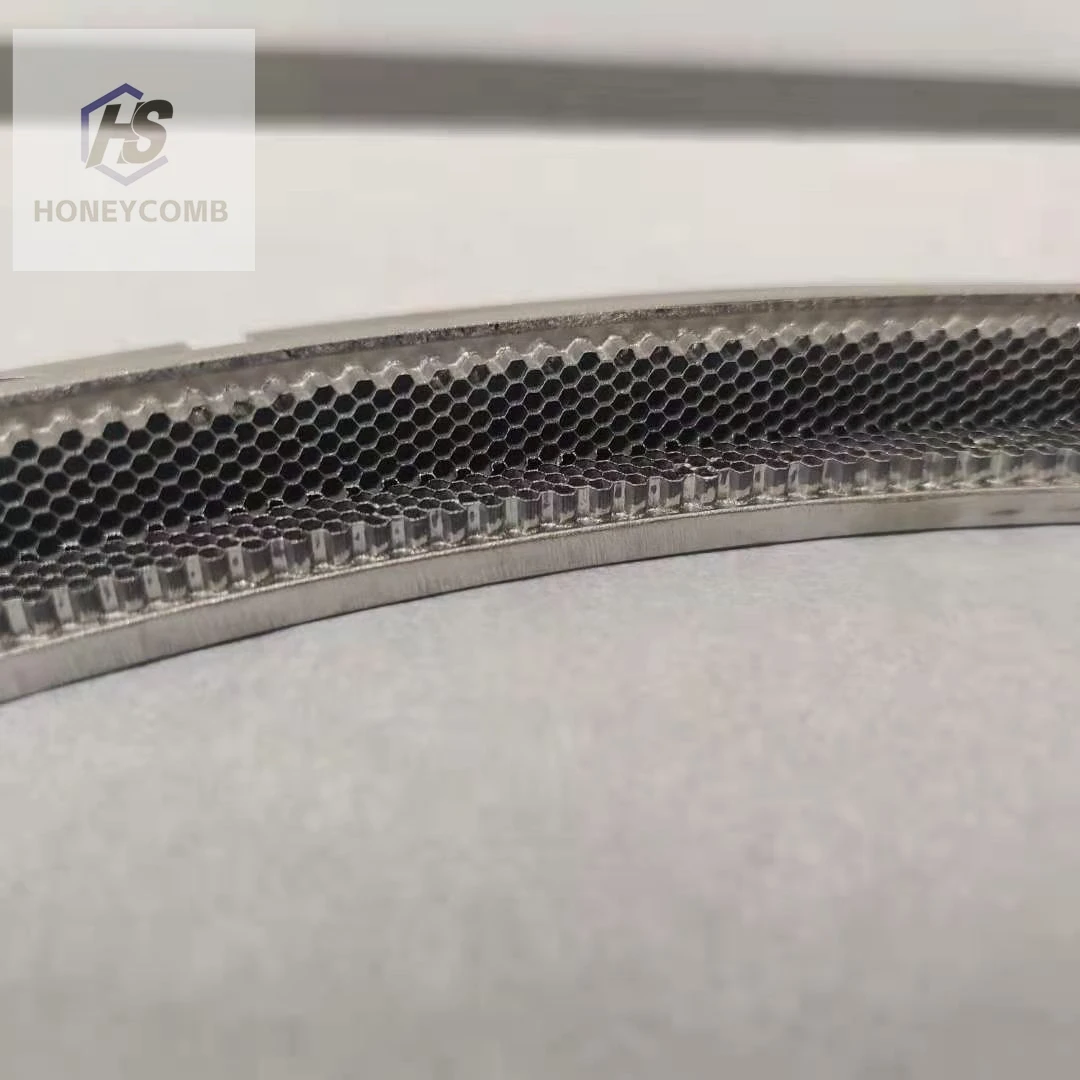
Put simply, honungskaksälar are honeycomb-shaped sealing components or structural elements designed to provide airtight, watertight, or insulating properties while saving weight and materials. Think of the way a wasp’s nest or a beehive is organized — those compact hexagonal cells offer tremendous strength with minimal material.
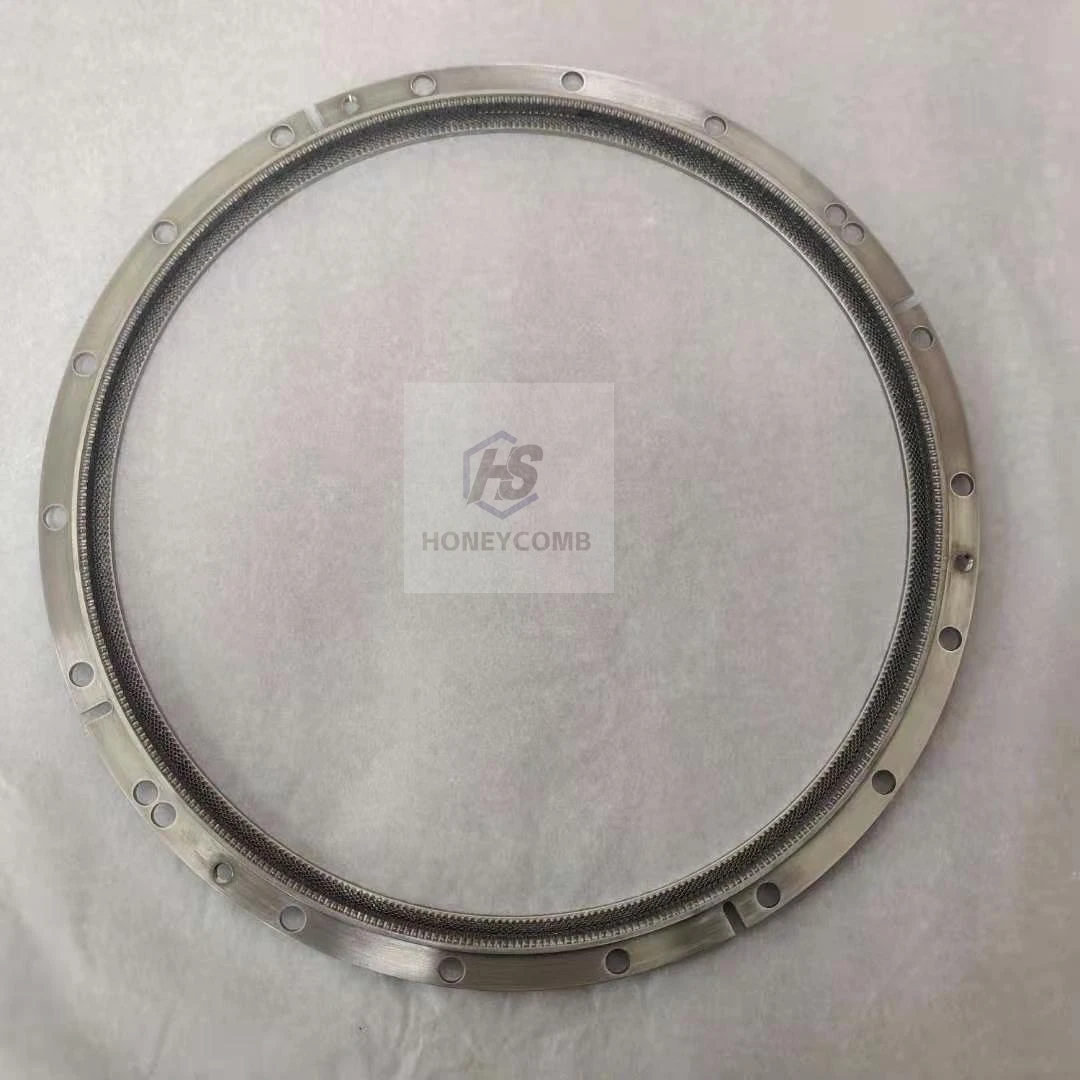
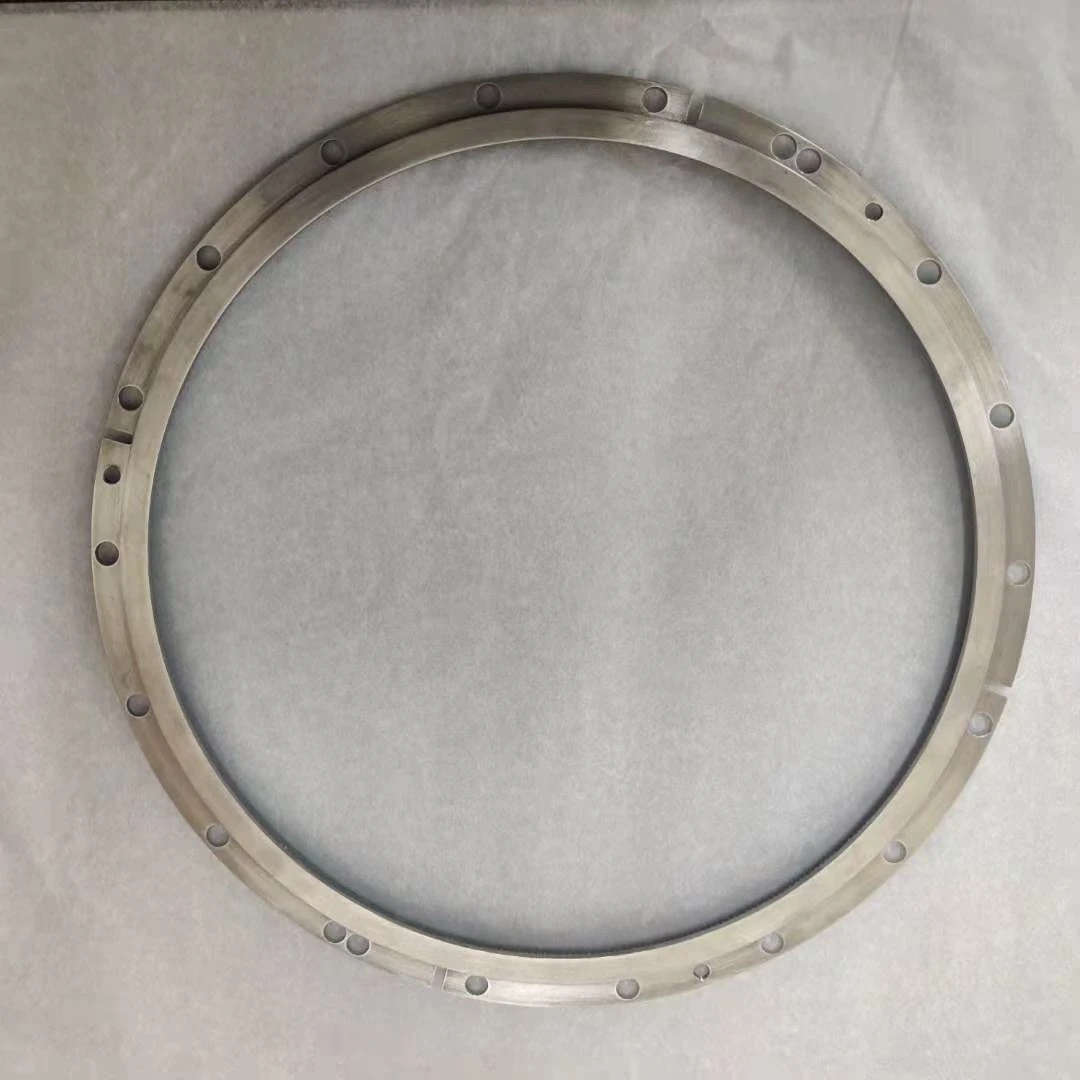
In modern industry, honungskaksälar might be found as gaskets in machinery, lightweight fillers in composite panels, or even modular insulation layers in container housing. Their design is fundamentally about spreading stress evenly and using geometry to do the “heavy lifting,” pun intended.
What’s impressive is how they merge natural design principles with advanced materials — polymers, metals, even advanced aerogels — to meet various usage scenarios.
Core Features of Honungskaksälar and Why They Matter
Durability That Surprises
Honeycomb seals are renowned for their durability. Thanks to the geometric pattern, loads applied to one point distribute across many cells, minimizing risks of tearing or deformation. This is why many engineers say honungskaksälar excel even in harsh industrial environments.
Lightweight Without Compromise
Weight is a critical factor, especially in aerospace or automotive industries. Honeycomb seals significantly reduce overall weight compared to bulkier sealing materials—even as they maintain strength. This helps reduce fuel consumption and carbon emissions.
Scalability and Customization
Manufacturers can produce honungskaksälar in different sizes, thicknesses, and cell densities. This makes them adaptable—from tiny seals in electronic equipment to massive panels for building insulation or container housing.
Cost Efficiency and Material Savings
Less material equals lower production cost, right? In most cases, yes. Honeycomb seals are highly material-efficient because the cells use minimal substance for maximal coverage. Plus, manufacturing techniques have improved remarkably in recent years, making them viable for mass production.
Eco-Friendly and Sustainable
Because of reduced raw material use and better energy efficiency throughout their lifecycle, honungskaksälar contribute to greener production. Many suppliers now produce them using recyclable or bio-based materials—adding a sustainability edge.
Global Applications: Where Honungskaksälar Shine
Honungskaksälar are not just technical curiosities — they solve real problems worldwide.
- Disaster Relief Housing: Flexible honeycomb seals improve insulation and water-resistance for temporary shelter units, enabling refugees to live in safer, warmer conditions.
- Industrial Equipment: Large manufacturers in Germany and Japan use honungskaksälar inside machinery to reduce vibration and improve sealing, extending equipment lifespan.
- Automotive Sector: Car manufacturers integrate honeycomb seals around doors and windows to improve sound isolation and reduce weight.
- Packaging Industry: Lightweight honeycomb panels with seals cushion fragile goods during shipment, reducing damage and waste.
Regions embracing these uses include Scandinavia, North America, and parts of Asia, where R&D investments around biomimetic materials grow steadily.
Mini Takeaway
Honungskaksälar leverage nature’s design secrets for efficiency and durability, proving indispensable in sectors ranging from housing to heavy industry.
Honungskaksälar Specifications: A Quick Product Overview
| Specification | Typical Range | Remarks |
|---|---|---|
| Cell Size (mm) | 3-10 | Depends on material and application |
| Material | Aluminum/Polypropylene/Composite | Chosen by durability vs cost considerations |
| Thickness (mm) | 1-25 | Customizable for seal tightness & insulation |
| Operating Temp (°C) | -50 to 150 | Varies with base material |
| Weight (g/m²) | 50-300 | Lightweight nature helps transport cost savings |
Comparing Honungskaksälar Vendors: Key Differences
| Vendor | Material Options | Production Scale | Sustainability Focus | Global Reach |
|---|---|---|---|---|
| HoneySeal Industries | Aluminum, Polycarbonate | Large Scale | Moderate | Europe, Asia |
| EcoHoney Seal Co. | Bio-based Polymers | Medium Scale | High (100% recyclable) | North America |
| SealMax Solutions | Composite & Metal Hybrids | Custom / Small Batch | Moderate | Global |
Advantages of Using Honungskaksälar Long-Term
In real terms, the long-term value of honungskaksälar plays out on several levels:
- Cost Savings: From lower material use to reduced transport weight, savings accumulate over product lifecycles.
- Environmental Impact: By using recyclable materials and reducing waste, companies contribute to circular economies.
- Reliable Performance: No one wants seals that fail halfway through a project—honungskaksälar offer consistent performance even under stress.
- Social Impact: In humanitarian contexts, better sealing means safer shelters and dignified living conditions.
- Innovation Edge: Companies integrating honungskaksälar often find themselves leading market trends, thanks to material efficiency and design.
The Future of Honungskaksälar: Innovations on the Horizon
Innovation circles around honungskaksälar revolve mostly around smarter materials & digital fabrication:
- Advanced Composites: Research on graphene-infused honeycomb seals might soon push strength limits far beyond current polymers.
- Automation & 3D Printing: Customized honungskaksälar tailored quickly to project specs can become the norm, increasing responsiveness.
- Green Chemistry: New bio-polymers increasing biodegradability without loss of durability promise greener alternatives.
- Smart Sensors: Embedding sensors in seals for real-time health monitoring, especially in aerospace and energy sectors.
Common Challenges and How Experts Are Tackling Them
Despite their promise, honungskaksälar face a few bumps. Firstly, not all honeycomb designs are equally suited to all climates—extreme cold or heat needs bespoke materials. Then there’s manufacturing scalability, where complex cells can be expensive or slow to produce.
However, many vendors are adopting modular production lines and material blends to solve these dilemmas. Plus, ongoing research into adaptive cells that respond to environmental stress dynamically is promising—but it might be years before that hits the mainstream.
FAQs About Honungskaksälar
- Q: Are honungskaksälar suitable for outdoor use in extreme weather?
- A: Yes, many honungskaksälar are designed with materials like aluminum or specially treated polymers that withstand temperature swings, UV exposure, and moisture. Selection depends on specific application requirements.
- Q: How do honeycomb seals compare cost-wise with traditional sealing materials?
- A: While initial costs for honungskaksälar may be slightly higher due to design complexity, their durability, weight savings, and reduced material volume often translate to lower lifecycle costs.
- Q: Can honungskaksälar be customized for irregular shapes?
- A: Absolutely. Modern manufacturing techniques, including CNC machining and 3D printing, allow honeycomb seals to be tailored for unique geometries and tight-fitting applications.
- Q: Where can NGOs source honungskaksälar for humanitarian projects?
- A: Several global suppliers specialize in honungskaksälar suitable for shelters and emergency units. NGOs should liaise with certified vendors offering quick-delivery options and eco-certified materials.
For more information and tailored solutions, check out honungskaksälar specialists who can advise on your industry-specific needs.
Wrapping Up: Why Honungskaksälar Matter for Your Industry
It’s fascinating to see how something inspired by bees can lead to so many practical advances across industries and societies. Honungskaksälar embody this kind of elegant, nature-mimicking technology that balances sturdiness with efficiency and sustainability.
So, whether you’re looking to reduce costs, improve performance, or pioneer greener options, honungskaksälar might just be the element you’re missing in your product lineup.
Curious to explore more? Visit our website for detailed product info, custom requests, and friendly advice.
Reference Highlights

-
Industrial Airflow Guide for maf воздушная правильная машинаNewsApr.16,2026
-
Best maf струйно правильная машина for Industrial EfficiencyNewsApr.09,2026
-
Сотовая правильная машина A Comprehensive Guide to Honey Packing AutomationNewsApr.07,2026
-
Build Your Own DIY газоправильная Машина A Comprehensive Guide to Gas CorrectionNewsApr.04,2026
-
Understanding Кондиционер отопления Systems for Efficient and Comfortable HeatingNewsMar.31,2026
-
Comprehensive Guide to Cellular Blinds Installation Установка сотовых жалюзиNewsMar.28,2026
-
Mobile Aerodynamic Tunnel Design A Comprehensive Guide to Applications and ImplementationNewsMar.26,2026






 English
  Afrikaans
  Albanian
  Amharic
  Arabic
  Armenian
  Azerbaijani
  Basque
  Belarusian
  Bengali
  Bosnian
  Bulgarian
  Catalan
  Cebuano
  China
China  China (Taiwan)
  Corsican
  Croatian
  Czech
Czech  Danish
  Dutch
Dutch  Esperanto
  Estonian
  Finnish
  French
  Frisian
  Galician
  Georgian
  German
  Greek
Greek  Gujarati
  Haitian Creole
  Hausa
Hausa  Hawaiian
  Hebrew
  Hindi
Hindi  Miao
Miao  Indonesian
  Italian
  Japanese
  Javanese
  Malay
Malay  Persian
  Portuguese
  Punjabi
  Russian
  Spanish
  Swahili
  Telugu
  Vietnamese