


Honeycomb Seal Gasturbin: Enhancing Turbine Efficiency & Reliability Globally
The Essential Role of Honeycomb Seal Gasturbin in Modern Engineering
When you hear "honeycomb seal gasturbin," it might sound technical, maybe even intimidating. But behind this seemingly complicated term lies an engineering marvel that's quietly supporting global energy and industrial sectors. Understanding the honeycomb seal gasturbin concept isn’t just for specialists; it’s key to grasping how efficiency and sustainability merge in modern turbine technology.
In a world pushing for greener and more reliable energy sources, optimizing turbine seals helps reduce energy loss, avoid costly repairs, and improve carbon footprints. So, yes, it matters globally—big time.
Setting the Scene: Why Honeycomb Seal Gasturbin Is a Global Game-Changer
Fast-growing industrial power demands push gas turbines to work harder and longer. According to the International Organization for Standardization (ISO), turbines account for a significant slice of global power generation capacity, sometimes exceeding 30% in certain countries.
However, sealing the gaps within turbines has been a persistent challenge. Leaks reduce efficiency and can cause serious wear over time. Enter the honeycomb seal gasturbin—engineered to tackle these issues head-on. They’re not just an upgrade; they’re pivotal for tomorrow’s energy landscape.
What Exactly Is a Honeycomb Seal Gasturbin?
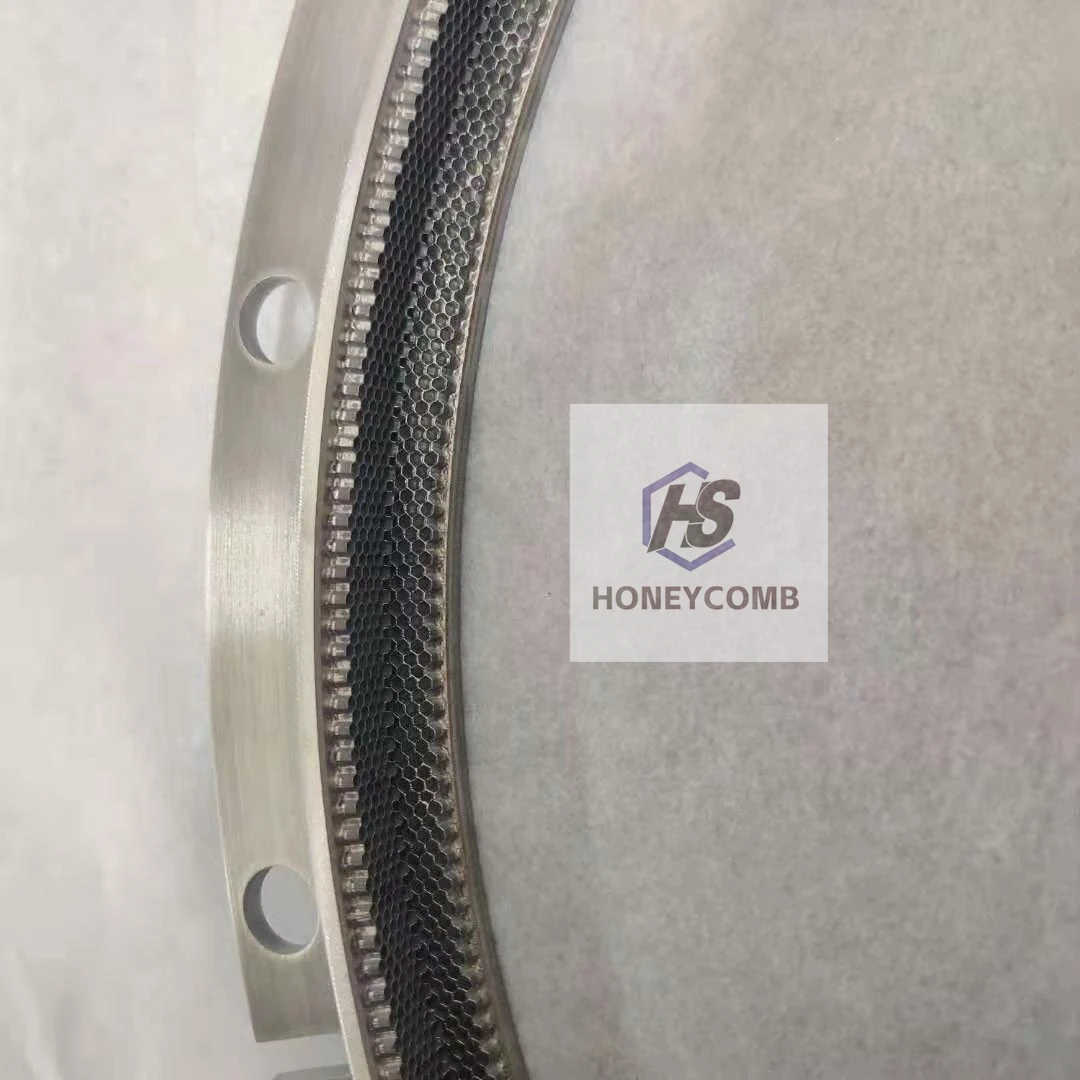
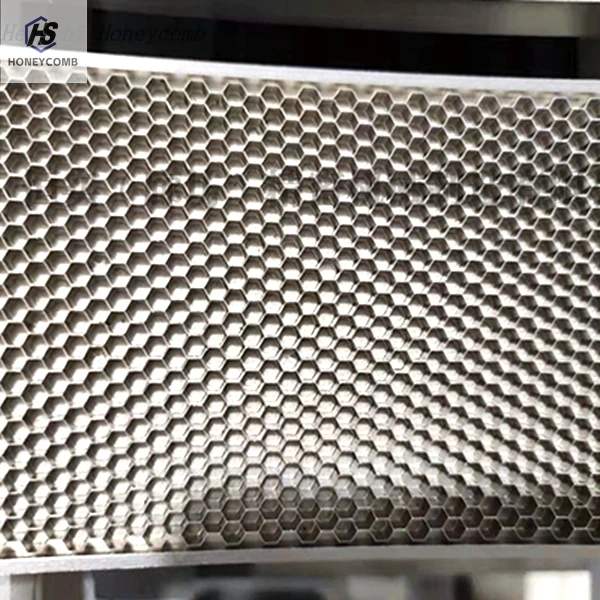
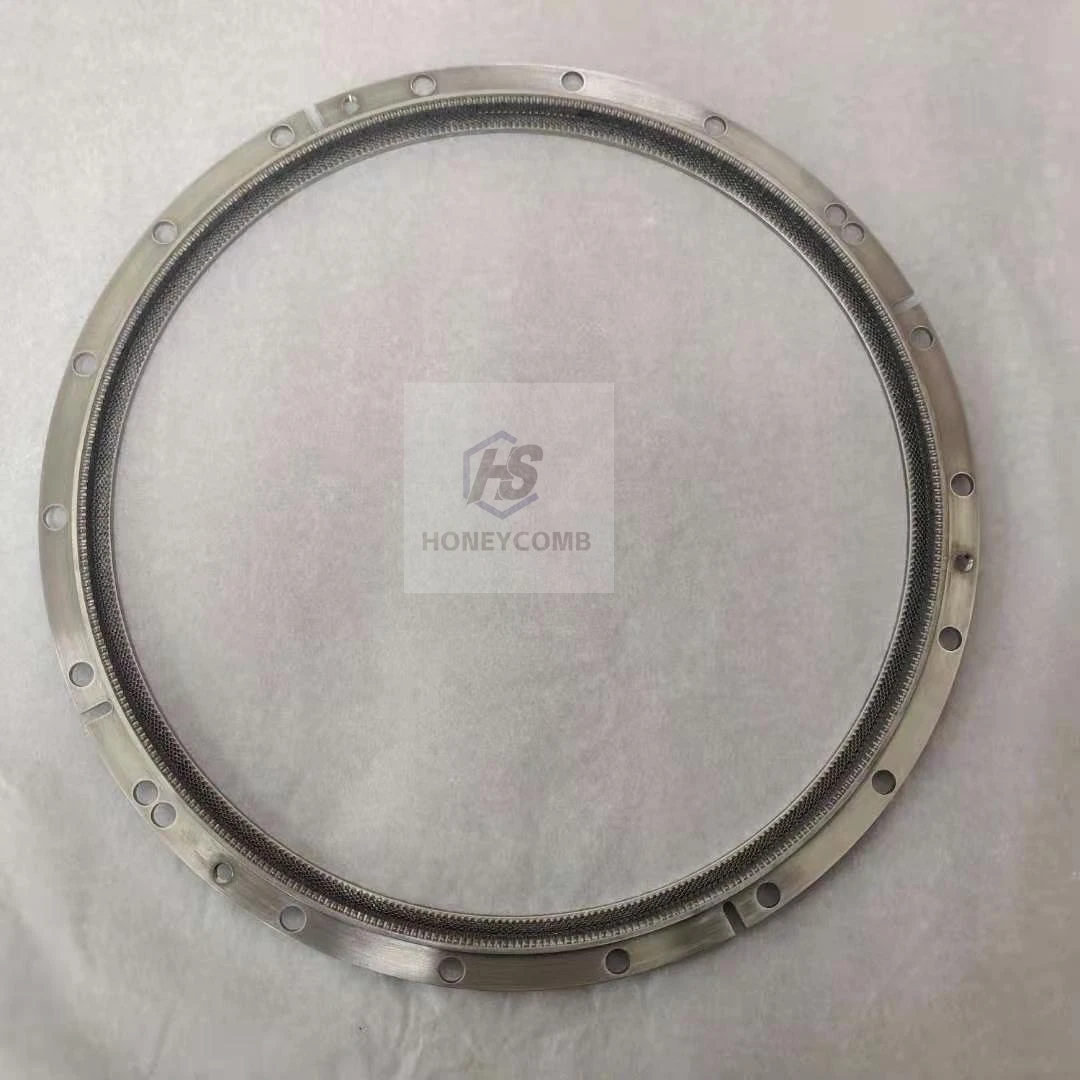
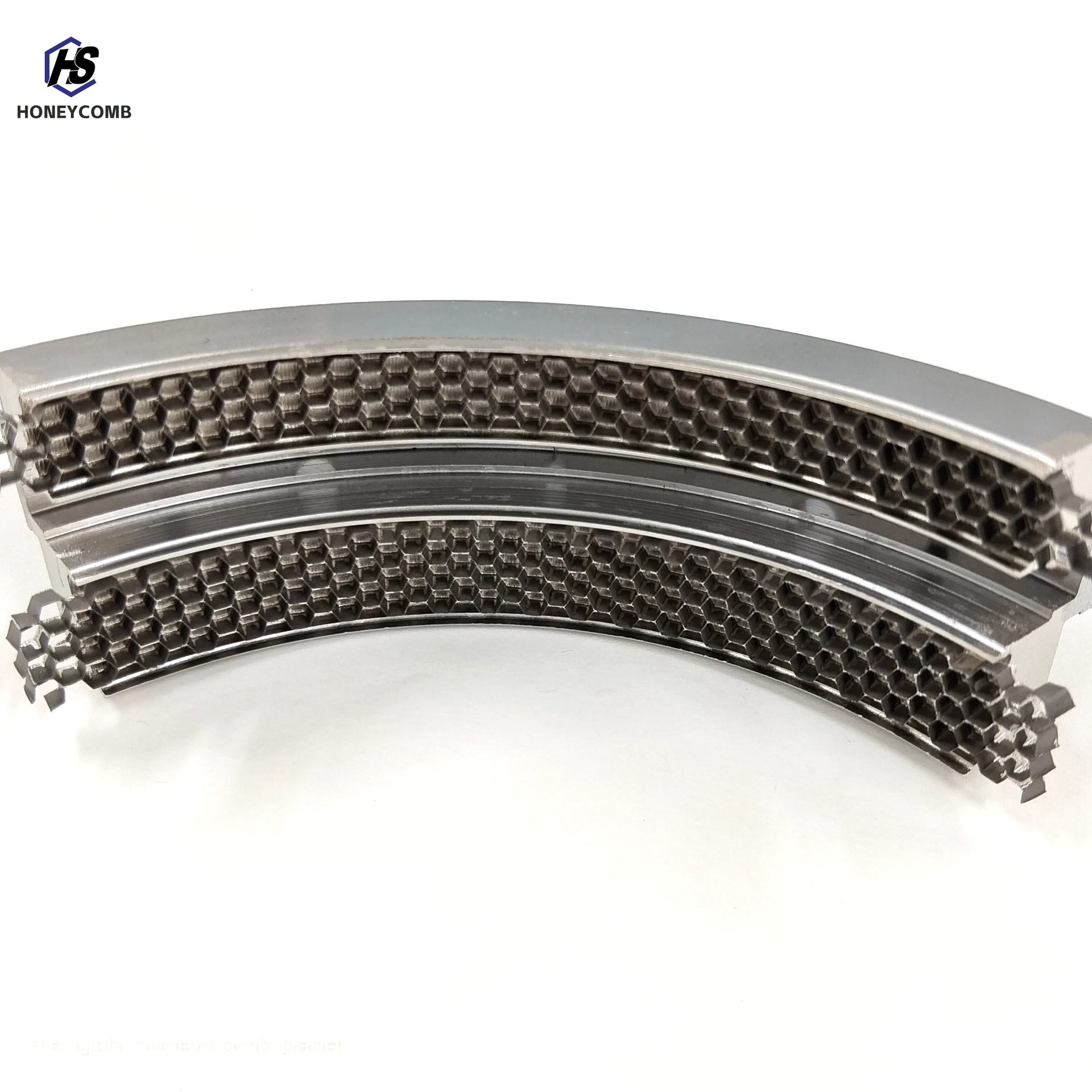
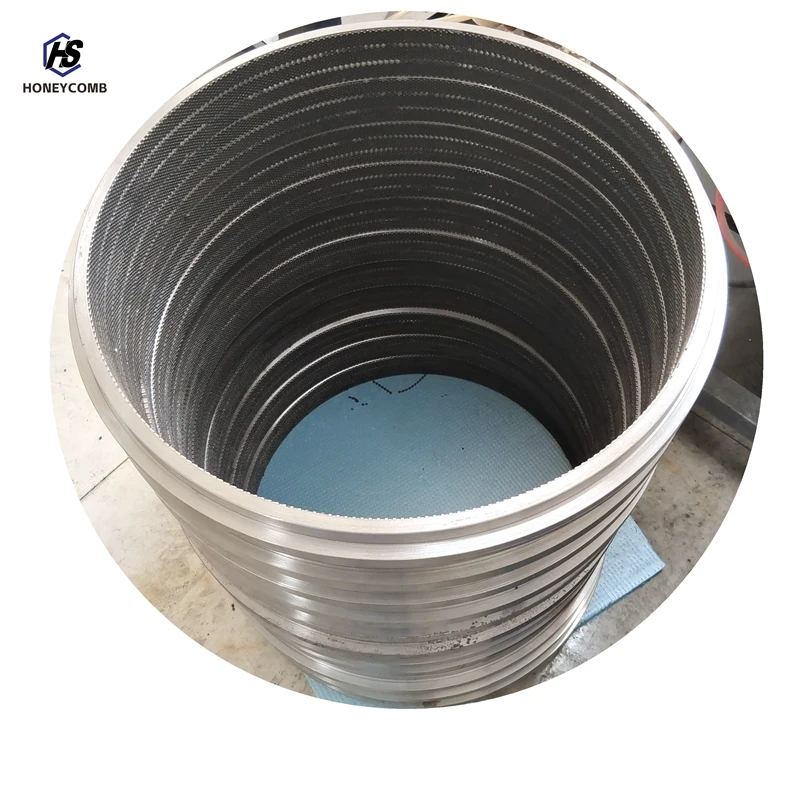
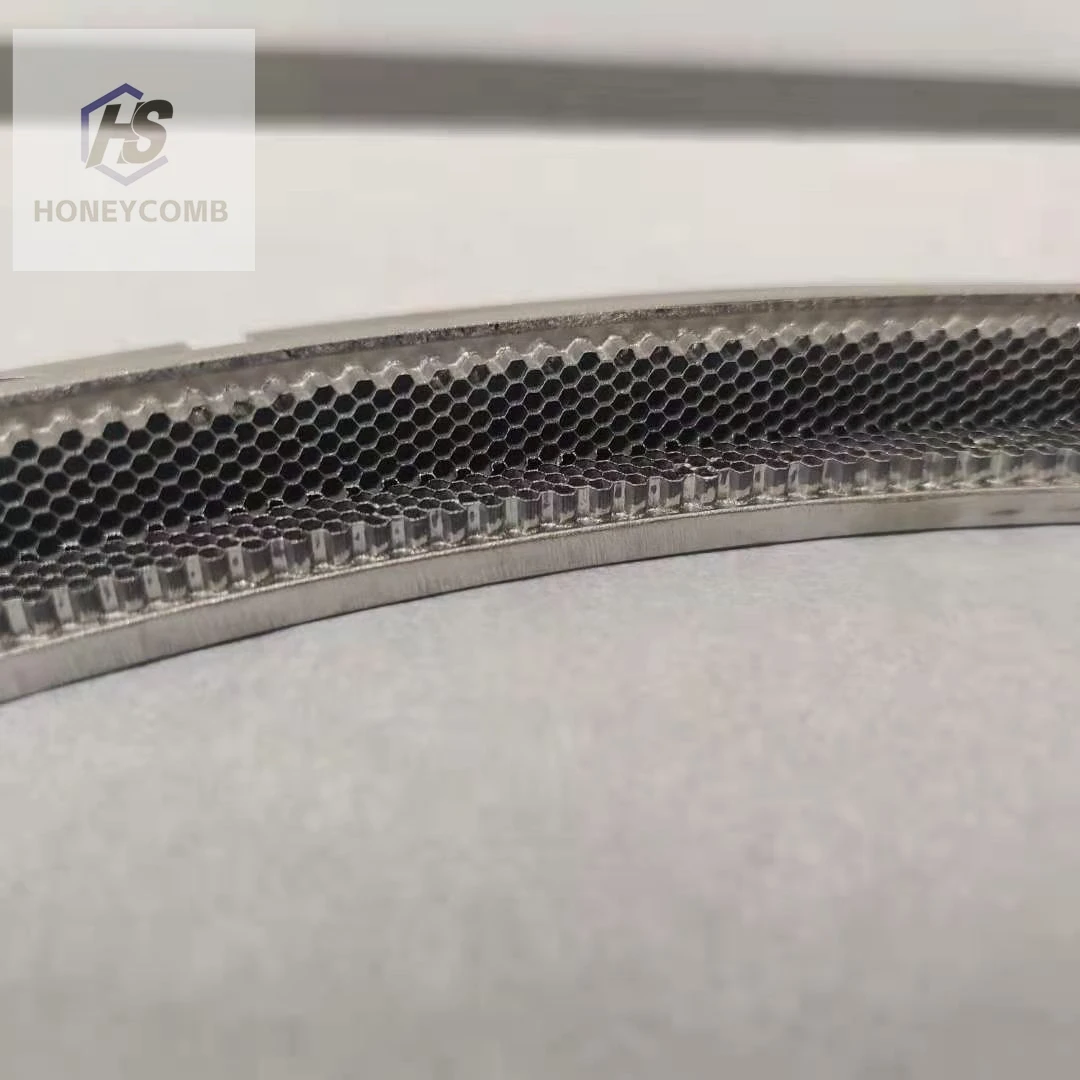
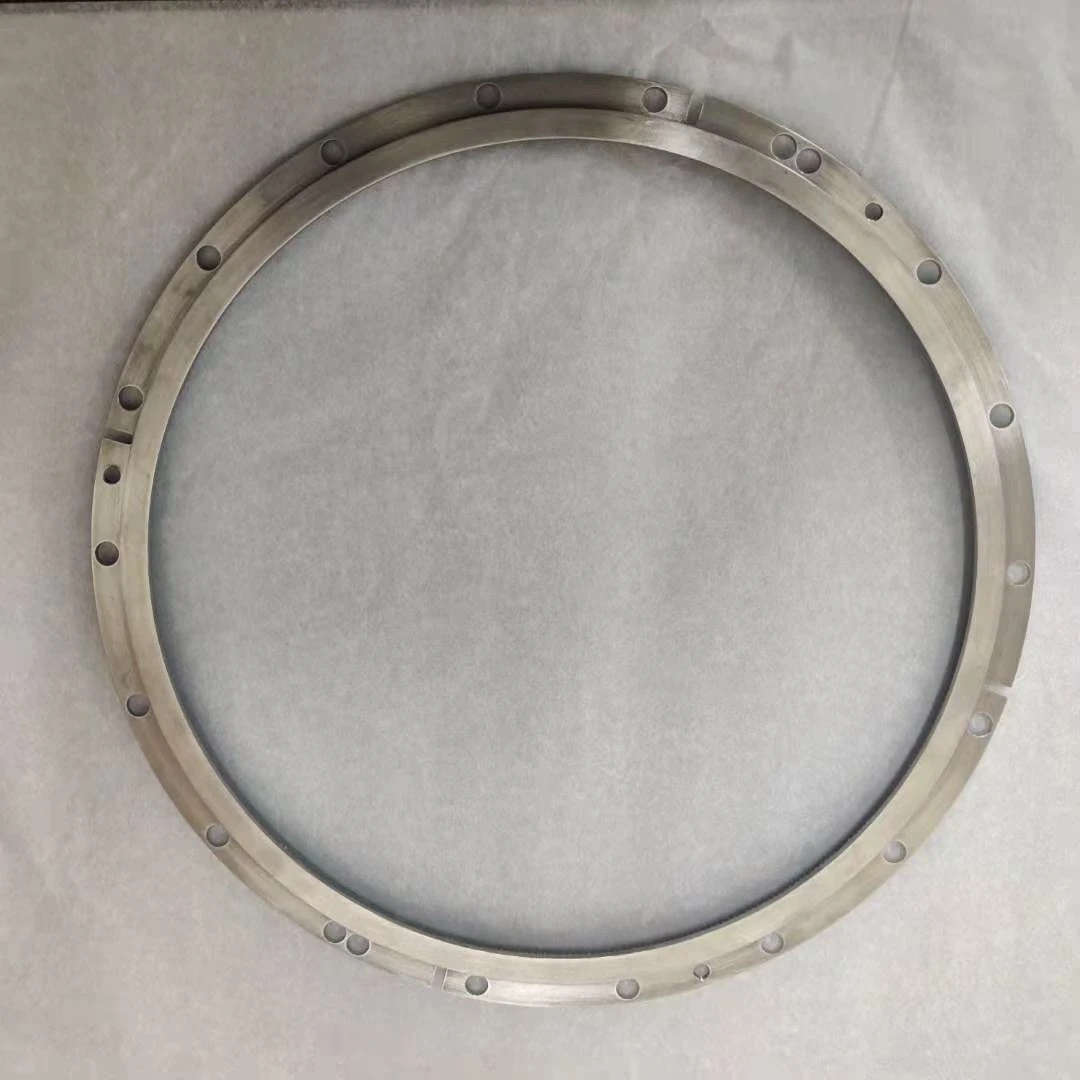
In simple terms, a honeycomb seal in a gas turbine is a specialized sealing element, usually shaped like a honeycomb grid, designed to reduce leakage between rotating and stationary parts. Think of it like a highly efficient barrier that curbs unwanted airflow or gas escape inside the engine.
This technology makes turbines run cleaner, longer, and more reliably—a huge deal for industries relying on continuous energy. The honeycomb structure isn’t just for looks; its geometry offers optimal stiffness and elastodynamics, which help manage pressure differentials and temperature fluctuations in real time.
Mini Takeaway
Honeycomb seals offer a clever solution to an old problem: how to seal tough, high-speed components with minimal energy loss.
Core Components and Characteristics of Honeycomb Seal Gasturbin
Durability
Made typically from advanced alloys like Inconel or stainless steel, these seals tolerate extreme temperatures and pressures—sometimes up to 700°C and beyond. That means less frequent downtime for maintenance.
Precision Engineering
Each honeycomb cell is meticulously designed to balance rigidity with flexibility, preventing wear on mating surfaces. Oddly enough, slight deformation actually helps maintain the seal’s effectiveness during temperature swings.
Cost Efficiency
While initial manufacturing can be complex, many operators see payback quickly from fuel savings and extended turbine life. Plus, fewer repairs mean fewer operational headaches.
Scalability
These seals are adaptable. From small aviation turbines to massive industrial gas turbines powering cities, honeycomb seals come in sizes and densities tailored to specific needs.
Environmental Resilience
Resistance to corrosion and thermal shock means honeycomb seals hold up in harsh environmental conditions, ideal for offshore platforms or desert-based power plants.
Specification Snapshot
| Specification | Details |
|---|---|
| Material | Inconel 718 / Stainless Steel Alloy |
| Operating Temperature Range | -196°C to 700°C |
| Pressure Differential | Up to 10 bar |
| Cell Size | 1.5 mm to 5 mm |
| Typical Lifespan | 40,000+ operating hours |
Mini Takeaway
Balance of material science and engineering finesse gives honeycomb seals a noticeable edge in demanding turbine environments.
Global Applications & Real-World Use Cases
Honeycomb seal gasturbin technology is truly global. You’ll find it in:
- Power plants across North America and Europe striving for better emissions control.
- Oil and gas rigs in the harsh North Sea, where seal failure could mean catastrophic downtime.
- In aviation turbines, especially military jets requiring reliable performance under extreme stress.
- honeycomb seal gasturbin suppliers partnering with manufacturers in Asia, where rapid industrial expansion pushes tech innovation.
For instance, after the 2015 wildfires in Australia, power grid operators upgraded turbines with advanced honeycomb seals to improve resilience against surges in demand and environmental wear. It’s a practical example of tech helping communities bounce back faster.
Mini Takeaway
Real-world impact stretches beyond efficiency; it’s about stability and resilience where it matters the most.
Comparing Leading Vendors of Honeycomb Seal Systems
| Vendor | Specialty | Typical Lead Time | Customization | Price Range |
|---|---|---|---|---|
| HS Shi Honeycomb | Wide material options, global delivery | 4-6 weeks | High (custom cell sizes) | $$$ |
| TurboSeal Inc. | Focus on aerospace applications | 6-8 weeks | Moderate | $$$$ |
| SealTech Solutions | Industrial turbine retrofits | 3-5 weeks | High | $$ |
Advantages & Long-Term Value of Honeycomb Seal Gasturbin
First off, improved energy efficiency leads to a smaller carbon footprint—something that resonates emotionally and logically as climate concerns mount. Lower fuel consumption saves money, yes, but also nurtures trust among stakeholders who value sustainability.
Operational reliability reduces unexpected shutdowns, which I noticed many engineers swear by. Imagine avoiding the nerve-racking costs of turbine down periods or emergency fixes in remote locations. The peace of mind is priceless.
Finally, these seals enable innovations in turbine design, allowing manufacturers to push boundaries while keeping safety and durability front and center.
Mini Takeaway
Honeycomb seals aren’t just parts; they’re investments in safety, economy, and future readiness.
Looking Ahead: Future Trends & Innovations
Tech geeks will appreciate how digital scanning and additive manufacturing (3D printing) are revolutionizing seal production. These enable highly customized geometries, reducing waste and improving performance.
Green energy policies push turbine makers to seek seals that perform under even higher temperatures, unlocking more efficient combustion cycles with less pollution. Plus, automation in quality control promises consistent high standards at scale.
Some researchers are exploring ceramic matrix composites for honeycomb seals — ultra-light and super-heat resistant. If these become mainstream, it could be a paradigm shift for gas turbine engineering.
Challenges & Innovative Solutions
No tech is perfect. Honeycomb seal gasturbin still faces challenges like:
- Manufacturing complexity leading to higher upfront costs.
- Material fatigue under aggressive thermal cycles.
- Installation precision required to maintain seal integrity.
Experts suggest combined approaches: modular repair kits for quick onsite fixes, real-time sensor monitoring inside turbines, and using hybrid materials to improve resilience. Frankly, the industry is moving fast; what felt like limitations a few years ago are now solvable puzzles.
FAQ: Your Top Questions about Honeycomb Seal Gasturbin
Q1: How does a honeycomb seal improve gas turbine efficiency?
A1: By minimizing unwanted gas leakage between moving and static components, honeycomb seals reduce loss of compression and maintain pressure balance. This translates directly into better fuel efficiency and more power output from the turbine.
Q2: What materials are most common for honeycomb seals?
A2: High-performance alloys like Inconel 718 and stainless steels dominate because they withstand high temperatures and corrosion. Emerging materials include ceramics and composites, which offer even better heat resistance.
Q3: Can honeycomb seals be customized for unique turbine designs?
A3: Absolutely. Thanks to advances in CAD and additive manufacturing, cell sizes, wall thicknesses, and overall seal shapes are tailored to match specific turbine models and operational requirements.
Q4: What’s the expected service life of these seals?
A4: Typically, a well-maintained honeycomb seal can last 40,000+ operating hours, but this depends on operating conditions like temperature, pressure, and maintenance schedules.
Q5: Are honeycomb seals easy to replace during maintenance?
A5: Replacing honeycomb seals requires skilled technicians due to precision installation needs. However, modular designs and improved tooling are making replacements faster and less intrusive over time.
In Conclusion: Why Honeycomb Seal Gasturbin Matters
Honeycomb seal gasturbin technology elegantly combines science and practicality. It’s not just about sealing turbines; it’s about building a future where power generation is cleaner, more efficient, and more reliable. For engineers and plant operators, it’s a hidden hero in the quest for sustainable energy.
If you’re keen to explore or upgrade your turbine components, feel free to visit our website — they’re among the best in honeycomb seal solutions worldwide.
Final Thought
Sometimes the smallest parts make the biggest difference. Honeycomb seals? Definitely that kind of part.
References

-
Industrial Airflow Guide for maf воздушная правильная машинаNewsApr.16,2026
-
Best maf струйно правильная машина for Industrial EfficiencyNewsApr.09,2026
-
Сотовая правильная машина A Comprehensive Guide to Honey Packing AutomationNewsApr.07,2026
-
Build Your Own DIY газоправильная Машина A Comprehensive Guide to Gas CorrectionNewsApr.04,2026
-
Understanding Кондиционер отопления Systems for Efficient and Comfortable HeatingNewsMar.31,2026
-
Comprehensive Guide to Cellular Blinds Installation Установка сотовых жалюзиNewsMar.28,2026
-
Mobile Aerodynamic Tunnel Design A Comprehensive Guide to Applications and ImplementationNewsMar.26,2026






 English
  Afrikaans
  Albanian
  Amharic
  Arabic
  Armenian
  Azerbaijani
  Basque
  Belarusian
  Bengali
  Bosnian
  Bulgarian
  Catalan
  Cebuano
  China
China  China (Taiwan)
  Corsican
  Croatian
  Czech
Czech  Danish
  Dutch
Dutch  Esperanto
  Estonian
  Finnish
  French
  Frisian
  Galician
  Georgian
  German
  Greek
Greek  Gujarati
  Haitian Creole
  Hausa
Hausa  Hawaiian
  Hebrew
  Hindi
Hindi  Miao
Miao  Indonesian
  Italian
  Japanese
  Javanese
  Malay
Malay  Persian
  Portuguese
  Punjabi
  Russian
  Spanish
  Swahili
  Telugu
  Vietnamese