


Comprehensive Guide to Vent d'Aération EMI: Function, Applications, and Innovations
Understanding Vent d'Aération EMI: A Key Solution for Modern Ventilation and EMI Shielding
You might wonder, what exactly is a vent d'aération emi? At first glance, it sounds technical and a bit mysterious. Yet, this concept is quietly crucial in fields ranging from electronics manufacturing to industrial ventilation—and frankly, it’s becoming an essential piece of the puzzle for meeting global standards on safety, sustainability, and efficiency.
Global Context: Why Vent d'Aération EMI Matters Worldwide
Globally, industries are facing increasing demands for environmentally-friendly and electromagnetic interference (EMI) compliant ventilation solutions. According to reports from the International Organization for Standardization (ISO), managing airflow in sensitive environments—such as data centers, hospitals, and manufacturing lines—is critical to maintaining equipment integrity and regulatory compliance.
Oddly enough, while ventilation itself is an age-old practice, combining it with EMI shielding addresses modern challenges created by the proliferation of wireless devices and electronics, which often interfere with each other’s signals, causing costly disruptions. This dual-function venting system safeguards operational continuity and human comfort simultaneously.
“Without effective vent d'aération emi, sensitive electronics can overheat or suffer interference, leading to failures that may cascade across industries.” — Industry Expert
What Is Vent d'Aération EMI?
Put simply, a vent d'aération emi is a ventilation system—or a component thereof—that serves two simultaneous purposes: allowing airflow (aération) while also blocking electromagnetic interference (EMI). It involves specially designed filters or materials that let air pass through for cooling or fresh air intake but prevent electromagnetic waves from causing trouble. You see, in modern electronics-heavy environments, it’s not enough to just have air flow; you must also control the electromagnetic environment.
Its significance spans industries: from protecting medical devices to ensuring data servers remain glitch-free, not to mention industrial sites where ventilation and signal integrity are both essential.
Core Components & Features of Vent d'Aération EMI
1. Material Durability
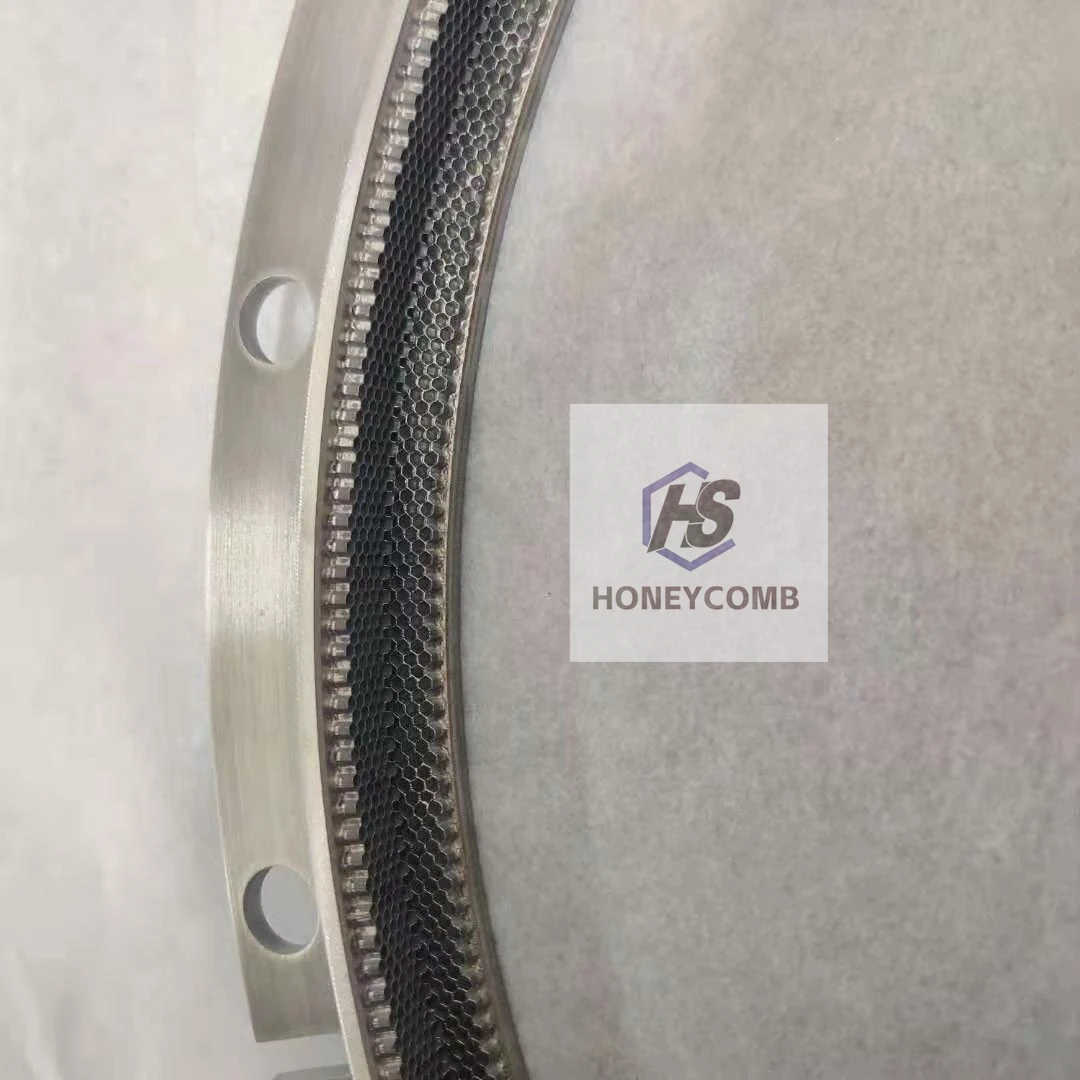
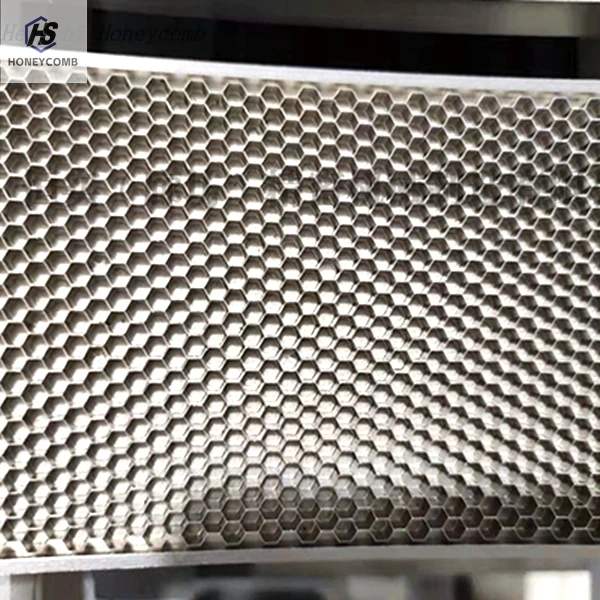
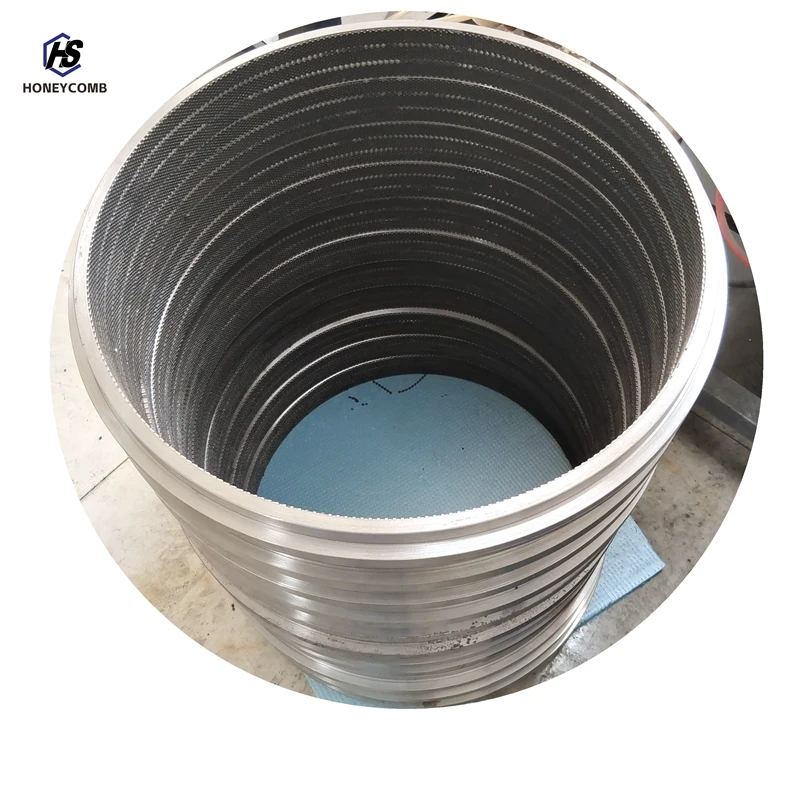
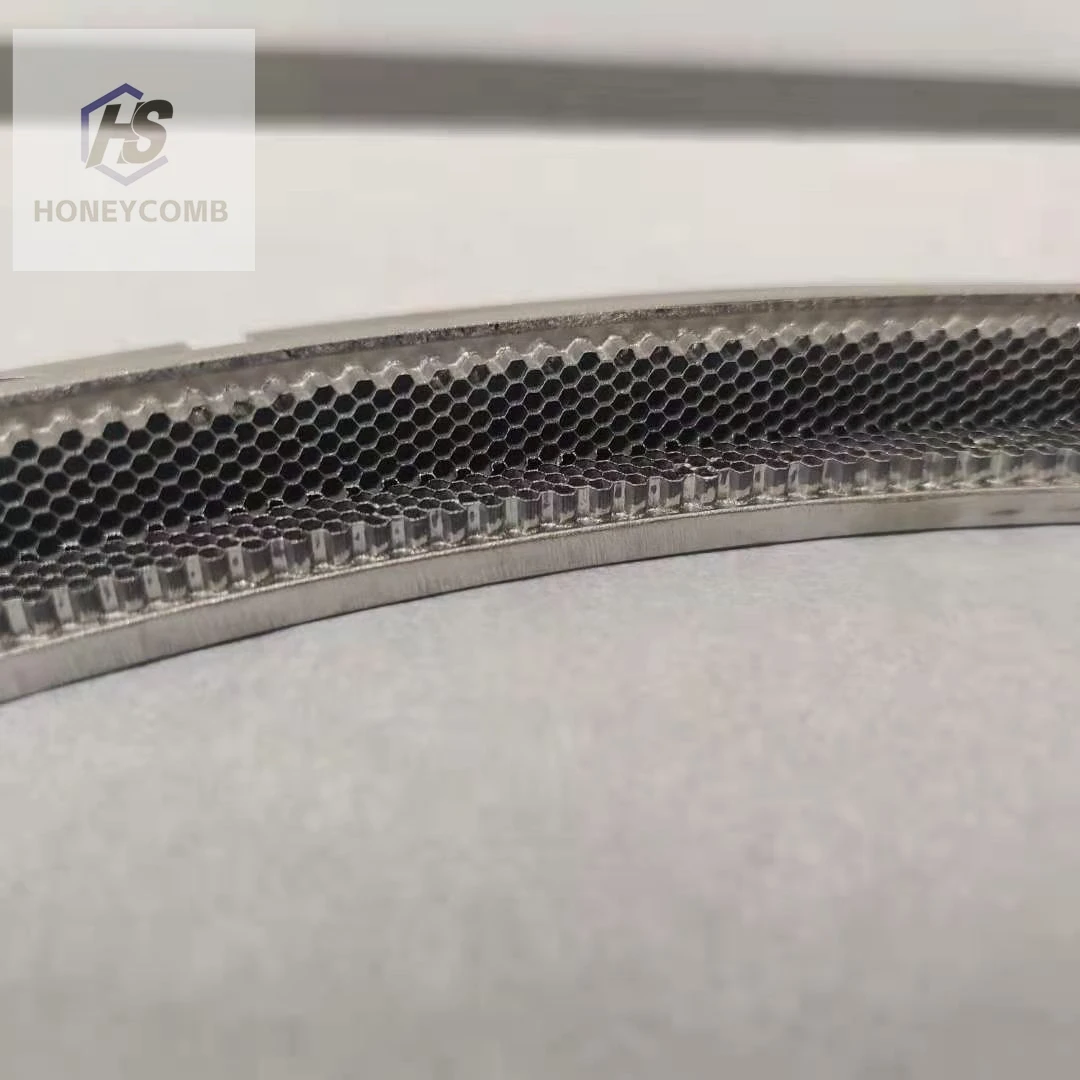
Typically, vents use metals like aluminum or copper mesh combined with corrosion-resistant coatings. This ensures longevity, especially in harsh industrial or outdoor settings where humidity, dust, or chemicals are present.
2. EMI Shielding Effectiveness
Effectiveness is measured in decibels (dB) of attenuation. A good vent d'aération emi blocks frequencies ranging from a few MHz to several GHz, essentially shielding sensitive circuits from interference while allowing necessary airflow.
3. Airflow Capacity
Balancing shielding and ventilation means vents must maintain adequate airflow rates (measured in cubic feet per minute—CFM or cubic meters per hour) for cooling or environmental needs without compromising EMI barriers.
4. Installation Flexibility
Designs often accommodate various panel thicknesses and mounting options. Compatibility with OEM housings or retrofit projects is vital in real-world applications.
5. Compliance and Testing
Standards such as IEC 61000-4-3 for electromagnetic compatibility testing help verify vent performance, ensuring products meet regional safety regulations.
| Specification | Typical Value | Notes |
|---|---|---|
| EMI Attenuation Range | 30–60 dB | Depends on frequency band |
| Airflow Rate | 10–50 CFM (cubic feet per minute) | Varies with vent size |
| Material | Aluminum mesh or copper | Corrosion-resistant options |
| Operating Temperature | -40°C to 85°C | Suitable for most industrial environments |
Mini takeaway: Vent d'aération emi isn’t just about letting air pass; it’s a sophisticated compromise ensuring airflow and electromagnetic silence—quite the balancing act.
Worldwide Applications: Where the Vent d'Aération EMI Makes a Difference
Vent d'aération emi has established itself firmly in diverse applications:
- Data Centers: These environments are highly sensitive to heat and EMI, affecting server reliability.
- Medical Equipment: Hospitals require ventilation for devices while maintaining strict EMI compliance to avoid interference with life-critical instruments.
- Telecommunications: Base stations and shelters in remote areas utilize EMI vents to safeguard equipment exposed to extreme conditions.
- Industrial Automation: Factories deploying robotic arms and sensor networks rely on controlled airflow and EMI management.
For instance, in post-disaster relief operations, rapid deployment shelters using vent d'aération emi ensure portable communication devices work optimally without overheating or signal loss. Similarly, in remote industrial zones—think mining camps—these vents protect critical electronics from dust and EMI simultaneously.
Advantages & Long-Term Value of Vent d'Aération EMI
Beyond the obvious—temperature regulation and signal protection—there’s a deeper value proposition: safety, innovation, and sustainability. You can think of these vents as guardians providing dignity to both operators and equipment.
- Cost savings: Fewer hardware failures, less downtime, and lower maintenance expenses.
- Sustainability: Resistant materials and designs that extend product life reduce waste.
- Trust & Compliance: Meeting increasingly strict international standards creates business confidence.
- Human impact: Safer environments where soldiers, engineers, or healthcare workers rely on equipment to perform under pressure.
Frankly, companies often overlook how such small components can make a large impact over the equipment lifecycle.
Emerging Innovations in Vent d'Aération EMI Technology
Interestingly, the future of vent d'aération emi is tied to new materials like graphene-enhanced meshes and nano-coatings that improve both airflow and EMI shielding. There's also growing integration with digital monitoring—products equipped with sensors to detect filter clogging or airflow reduction, enabling predictive maintenance.
Green energy initiatives promote the use of recyclable materials and designs that reduce carbon footprints during manufacturing and transportation.
Challenges and Smart Solutions
Common challenges include maintaining adequate airflow without sacrificing EMI protection and coping with harsh environmental conditions like salt spray or industrial pollutants.
Innovative solutions involve modular designs that allow onsite replacement of filter media, and hybrid materials combining metallic meshes with conductive polymers.
Working closely with vendors ensures customization to unique project needs — something many engineers say is a crucial step often underestimated.
| Vendor | Material Options | Customization | Typical Lead Time | Price Range |
|---|---|---|---|---|
| AlphaVent Solutions | Aluminum, Copper Mesh | High, OEM tailored | 3-5 weeks | $$$ |
| Ventronix Global | Copper Mesh with Nano Coating | Medium, standard sizing | 2-4 weeks | $$ |
| Honeycomb Solutions Inc. | Graphene-enhanced Mesh | Custom and off-the-shelf | 4-6 weeks | $$$$ |
Frequently Asked Questions About Vent d'Aération EMI
- Q1: How does vent d'aération emi differ from regular ventilation?
- A vent d'aération emi not only allows air passage but also blocks electromagnetic interference, which regular vents do not address. This is crucial in environments with sensitive electronics.
- Q2: Can vent d'aération emi be retrofitted to existing equipment?
- Yes, many designs are compatible with retrofit applications. However, it’s important to verify size, airflow needs, and EMI specifications before installation.
- Q3: Are these vents recyclable or environmentally friendly?
- Many manufacturers now use recyclable metals and sustainable coatings. Advances in material science continue to improve eco-friendliness without compromising functionality.
- Q4: What maintenance is required for vent d'aération emi?
- Periodic cleaning and filter inspection are recommended to maintain airflow and EMI effectiveness. Some newer products even feature monitoring sensors.
- Q5: How to source vent d'aération emi for overseas projects?
- Look for vendors with export experience and certifications complying with international standards. Establish clear communication about customization and delivery timelines.
Conclusion
To sum it up, vent d'aération emi components are quietly revolutionizing how industries protect sensitive electronics while ensuring optimal ventilation. Their blend of engineering precision and practical design addresses global needs for safety, compliance, and sustainability.
If you're exploring efficient, robust ventilation solutions for electronic equipment, you’ll definitely want to check out trusted manufacturers like vent d'aération emi specialists. They offer innovative products tailored for today’s challenging industrial environments.
Mini takeaway: It feels like vent d'aération emi is one of those hidden heroes in tech infrastructure—doing its job silently but indispensably.
References:

-
Industrial Airflow Guide for maf воздушная правильная машинаNewsApr.16,2026
-
Best maf струйно правильная машина for Industrial EfficiencyNewsApr.09,2026
-
Сотовая правильная машина A Comprehensive Guide to Honey Packing AutomationNewsApr.07,2026
-
Build Your Own DIY газоправильная Машина A Comprehensive Guide to Gas CorrectionNewsApr.04,2026
-
Understanding Кондиционер отопления Systems for Efficient and Comfortable HeatingNewsMar.31,2026
-
Comprehensive Guide to Cellular Blinds Installation Установка сотовых жалюзиNewsMar.28,2026
-
Mobile Aerodynamic Tunnel Design A Comprehensive Guide to Applications and ImplementationNewsMar.26,2026






 English
  Afrikaans
  Albanian
  Amharic
  Arabic
  Armenian
  Azerbaijani
  Basque
  Belarusian
  Bengali
  Bosnian
  Bulgarian
  Catalan
  Cebuano
  China
China  China (Taiwan)
  Corsican
  Croatian
  Czech
Czech  Danish
  Dutch
Dutch  Esperanto
  Estonian
  Finnish
  French
  Frisian
  Galician
  Georgian
  German
  Greek
Greek  Gujarati
  Haitian Creole
  Hausa
Hausa  Hawaiian
  Hebrew
  Hindi
Hindi  Miao
Miao  Indonesian
  Italian
  Japanese
  Javanese
  Malay
Malay  Persian
  Portuguese
  Punjabi
  Russian
  Spanish
  Swahili
  Telugu
  Vietnamese