


Comprehensive Guide to Vents d'Aération à Guide d'Ondes Blindé EMI RFI – Shielding and Ventilation in Electronics
Understanding Vents d'Aération à Guide d'Ondes Blindé EMI RFI: A Key to Modern Electromagnetic Shielding
At first glance, the phrase vents d'aération à guide d'ondes blindé emi rfi might feel like a mouthful — and, frankly, a bit mysterious. Yet, these specialized venting solutions are quietly pivotal in protecting sensitive electronic environments from electromagnetic interference (EMI) and radio-frequency interference (RFI). In our hyper-connected world, where wireless signals, sensors, and electromagnetic devices abound, the need for such innovations is global, pressing, and growing.
Why does this matter? Well, think about critical infrastructure like hospital equipment, aerospace communication hubs, or data centers. Even a minor disruption caused by EMI or RFI can spell trouble, from equipment malfunction to data loss. That’s where these vents—ingeniously designed as waveguides with shielding properties—come in, enabling airflow while stifling unwanted electromagnetic waves.
Global Context: Why the World is Paying Attention
Currently, the global electronics market approaches $1.1 trillion, with expectations to grow as IoT, 5G, and smart infrastructure expand. According to the International Electrotechnical Commission (IEC), electromagnetic compliance (EMC) standards are tightening (IEC). This has created a sharper demand for effective solutions like waveguide vents to prevent EMI/RFI without sacrificing critical ventilation.
Moreover, regions with dense industrial zones (Europe, North America, parts of Asia) are grappling with increasing electromagnetic pollution. Emergencies and disaster relief scenarios further highlight the need for rugged, reliable shielded ventilation — preventing interference in vital equipment used by NGOs and government agencies alike. Oddly enough, despite their essential role, these components often go unnoticed until something fails.
What exactly are Vents d'Aération à Guide d'Ondes Blindé EMI RFI?
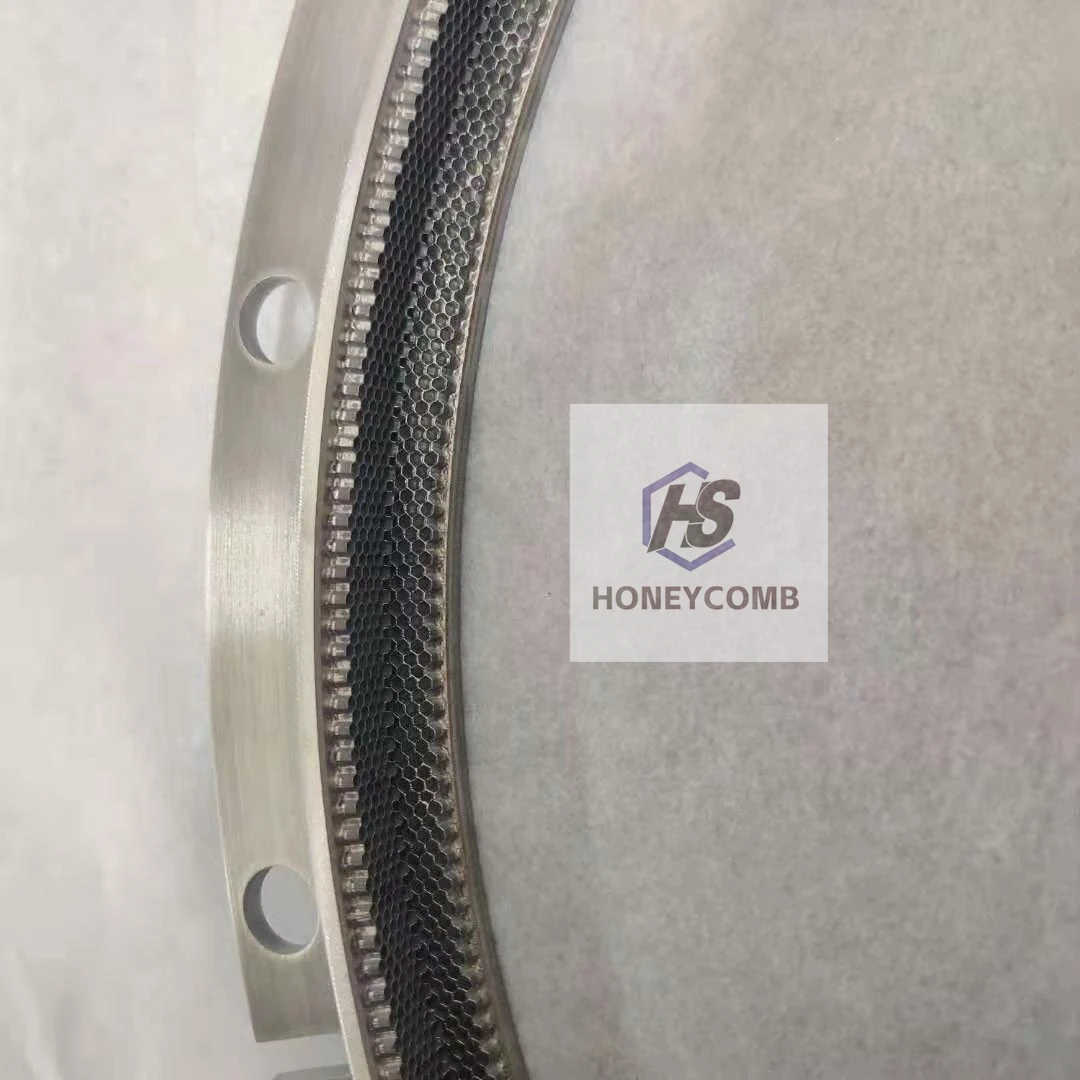
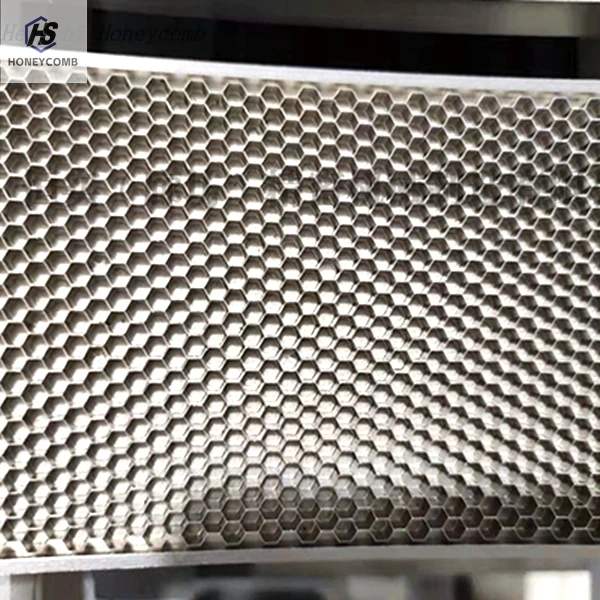
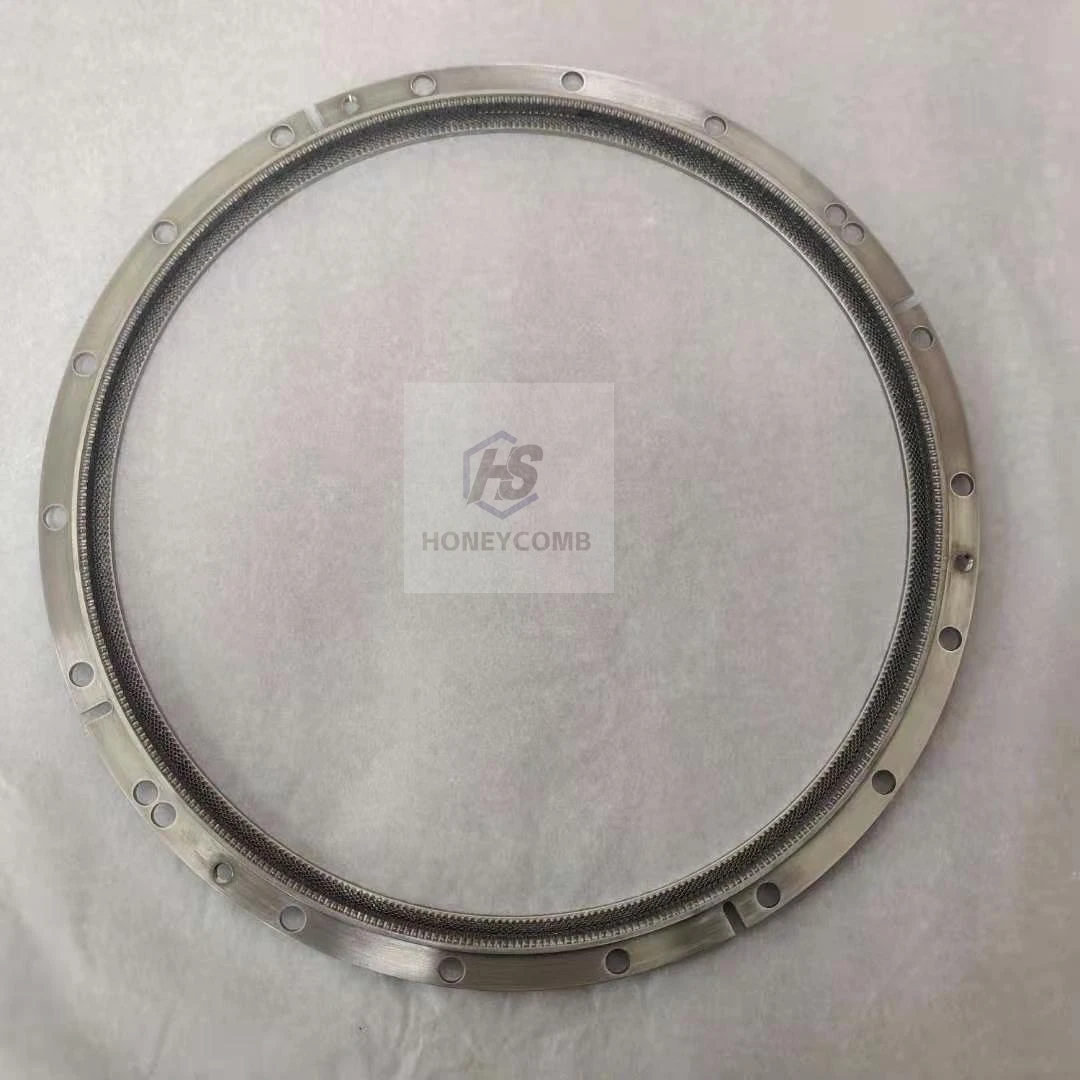
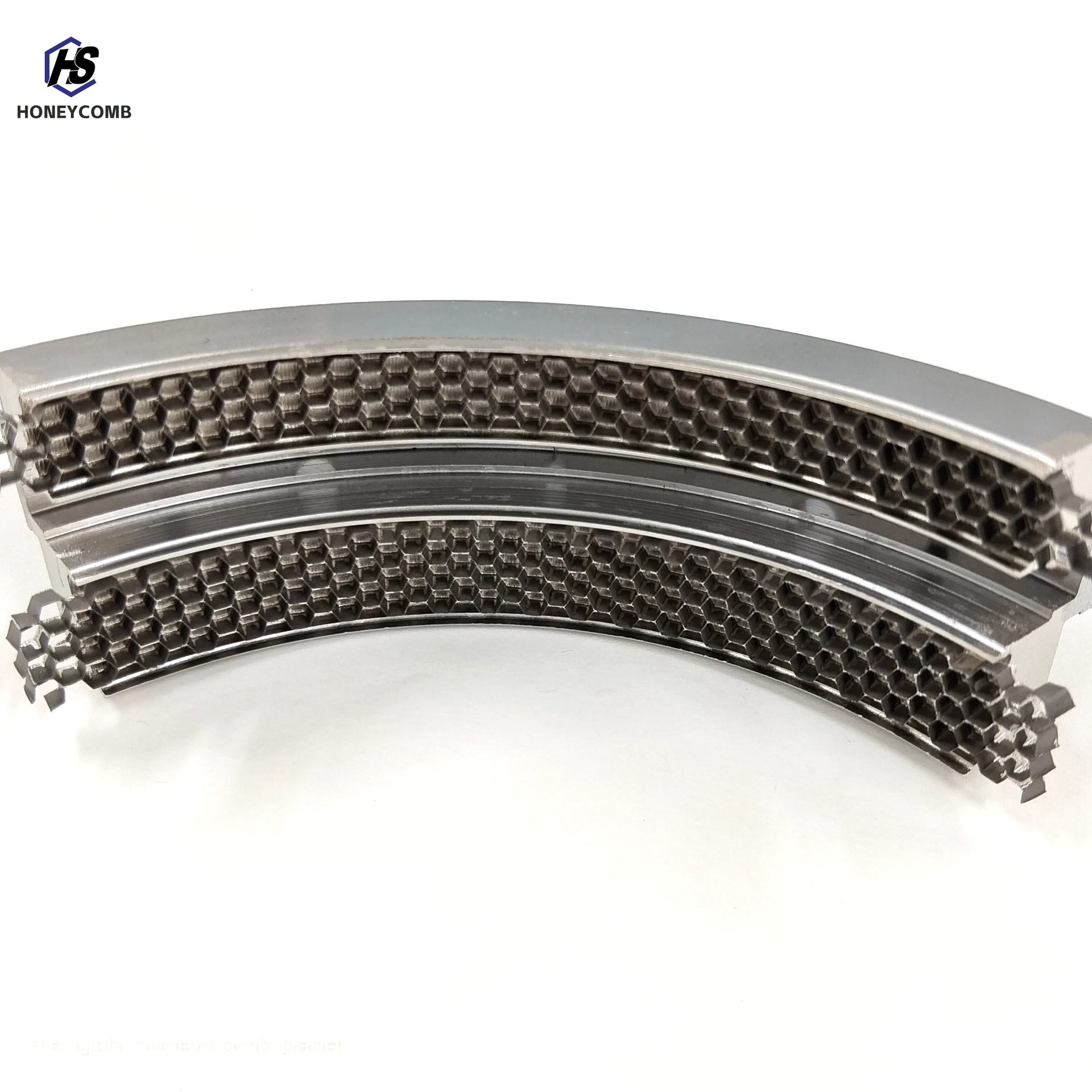
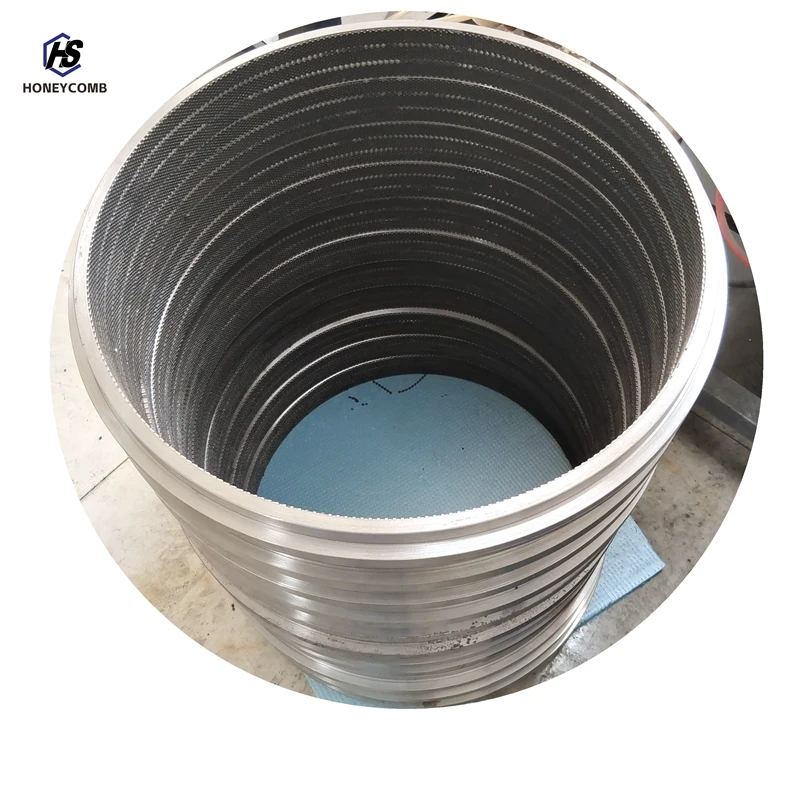
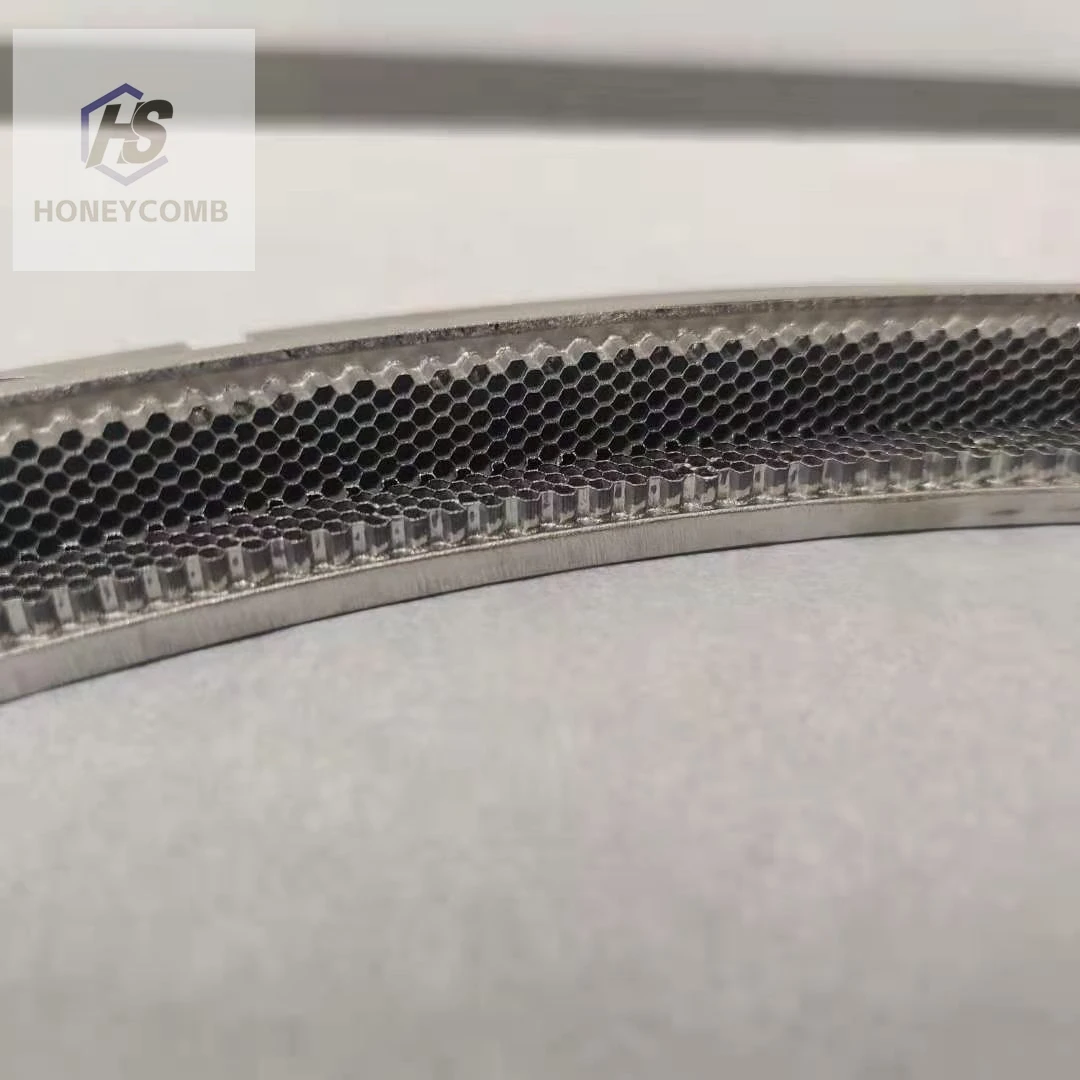
Put simply, these vents are specially crafted air passages designed as waveguide structures. Their primary job? To allow air to circulate—because heat dissipation is vital—while blocking electromagnetic waves above a particular cutoff frequency. Essentially, they're clever with physics: the size and shape prevent EM waves from passing through but allow free airflow.
They are usually made from conductive materials such as aluminum or copper and treated to withstand harsh conditions. These vents appear in all kinds of shielding enclosures — from telecom cabinets to medical devices — providing a balance that modern industries desperately need: ventilation without electromagnetic leakage.
Core Components of EMI RFI Waveguide Vents
- Material Durability: High corrosion resistance and mechanical strength matter since vents are often used outdoors or in harsh environments. Stainless steel or coated aluminum is popular.
- Cutoff Frequency & Shielding Effectiveness: This aspect dictates which frequencies are blocked. The vent is designed to allow air yet shield frequencies typical of EMI/RFI threats.
- Size & Scalability: Different industrial applications require vents of differing sizes. A telecom tower needs different specs than a medical cabinet.
- Environmental Resistance: Resistance to dust, moisture, chemicals, and temperature variations, important for reliability over time.
- Installation Ease: Modular or customizable designs ease integration into existing or new equipment.
These facets essentially govern how these vents perform in the field. You may not think of them, but when your data center or medical gear is humming along without interruption, that’s partly due to this silent guardian.
Mini Takeaway:
Waveguide vents smartly merge physics with engineering, ensuring devices breathe without electromagnetic vulnerability.
Global Use Cases and Applications
Across sectors, the application of vents d'aération à guide d'ondes blindé emi rfi is fascinatingly broad:
- Healthcare: Hospitals use shielded enclosures for devices like MRI machines and diagnostic tools to avoid interference that could distort results.
- Telecommunications: Cell tower equipment must be ventilated yet shielded to maintain signal integrity.
- Military & Aerospace: Electromagnetic compatibility is mission-critical; vents here protect sensitive electronics from jamming or interference.
- Disaster Relief and Remote Installations: In emergency shelters or remote power units, these vents keep equipment cool and operational, even when deployed rapidly.
For instance, in sub-Saharan Africa, NGOs deploying emergency communication shelters incorporate these vents, ensuring radios and servers remain cool without absorbing local electromagnetic noise. This is where the real-life value shines — in preserving critical communication links under pressure.
Advantages & Long-Term Value Proposition
Users repeatedly praise several benefits:
- Cost Efficiency: By avoiding equipment damage due to EMI/RFI, operational costs fall in the long run.
- Safety and Reliability: Preventing interference means critical systems avoid malfunction—protecting lives or data.
- Sustainability: Durable materials reduce waste and lower replacement frequency.
- Innovation: These vents enable new design paradigms where equipment can be more compact due to integrated shielding.
- Dignity and Trust: Especially for humanitarian groups, maintaining operational integrity is crucial for community trust.
When you think about it, a well-designed vent like this is a tiny but vital part of a much larger system of safety and technological progress.
Product Specifications at a Glance
| Specification | Typical Value |
|---|---|
| Material | Anodized Aluminum / Stainless Steel |
| Cutoff Frequency | >10 GHz (varies by geometry) |
| Shielding Effectiveness | >60 dB attenuation |
| Operating Temperature | -40 °C to +85 °C |
| Ingress Protection | IP65 / IP66 (dust & water resistant) |
| Installation | Screw mount / Snap-in |
Vendor Comparison — What to Look For
| Vendor | Material Quality | Customization Options | Lead Time | Price Range |
|---|---|---|---|---|
| TechShield Inc. | High-grade anodized aluminum | Extensive (sizes/shapes) | 4-6 weeks | $$$ |
| WaveGuard Solutions | Stainless steel options | Moderate, custom quotes | 3-5 weeks | $$ |
| ShieldVent Corp. | Standard aluminum | Limited | 2-3 weeks | $ |
Emerging Trends & Innovations
The smart venting market is evolving alongside broader tech trends. There’s increasing interest in environmentally friendly materials — like recycled aluminum alloys — to reduce carbon footprints. Automation is creeping in, with some vents integrating sensors to monitor airflow or shield integrity remotely.
Also, as 5G and future wireless tech ramp up, vents designed with higher cutoff frequencies will become standard, given their role in avoiding interference. Companies are also exploring hybrid composite materials that balance conductivity with lightweight properties.
In real terms, this means the next generation of vents won’t just be passive elements but active parts of an intelligent infrastructure. If you’re intrigued, check out vents d'aération à guide d'ondes blindé emi rfi producers pushing these boundaries today.
Common Challenges and Expert Solutions
Despite their utility, waveguide vents face some hurdles:
- Balancing Airflow and Shielding: Bigger vents mean better airflow but can compromise EMI/RFI protection. Manufacturers tackle this by designing labyrinthine waveguide paths.
- Corrosion in Harsh Environments: Coatings and anodization help, but ongoing maintenance is necessary in extreme conditions.
- Customization Lead Times: Custom vents require precise engineering, sometimes slowing delivery. Modular designs are mitigating this.
Overall, expert manufacturers, leveraging decades of cumulative experience, often combine simulation software, lab testing, and field feedback to iteratively improve their products.
Mini Takeaway:
Design ingenuity and quality manufacturing mitigate most common issues in EMI/RFI waveguide vents — but user awareness is key.
FAQ: Clearing Up Common Questions
- Q: How do vents d'aération à guide d'ondes blindé emi rfi differ from regular vents?
A: Unlike ordinary vents, waveguide vents block electromagnetic waves by design, allowing air without interference leakage, crucial in shielding sensitive devices. - Q: Are these vents expensive to install in existing equipment?
A: It varies. While specialized vents may cost more upfront, their protective benefits reduce downtime and equipment damage, offering cost savings long-term. - Q: Can these vents be used outdoors?
A: Definitely. Many are rated IP65 or higher, meaning they resist dust and water ingress, ideal for outdoor telecom or industrial use. - Q: How do I choose the right cutoff frequency for my application?
A: It depends on the frequencies your equipment emits or must block. Consulting with manufacturers or EMC engineers helps identify the optimal vent design. - Q: Where can I source trusted vendors for these vents?
A: Established companies like TechShield Inc. and WaveGuard Solutions offer tested products. You can also visit industry specialized suppliers for tailored solutions.
Conclusion
In a world increasingly reliant on flawless electronic communication and sensitive equipment, vents d'aération à guide d'ondes blindé emi rfi quietly do the important work of marrying ventilation and electromagnetic shielding. Their thoughtful design and materials not only protect devices but also extend equipment life, support sustainability, and enhance safety. If you’re spec’ing equipment or solving electromagnetic challenges, these vents are an investment in reliability and peace of mind.
Curious to explore cutting-edge waveguide vents or need tailored advice? Visit our website to discover how modern vents can safeguard your sensitive electronics without compromising airflow.
It feels like these products are underappreciated heroes in the EMI landscape — but once you get to know them, their value becomes crystal clear.
References

-
Industrial Airflow Guide for maf воздушная правильная машинаNewsApr.16,2026
-
Best maf струйно правильная машина for Industrial EfficiencyNewsApr.09,2026
-
Сотовая правильная машина A Comprehensive Guide to Honey Packing AutomationNewsApr.07,2026
-
Build Your Own DIY газоправильная Машина A Comprehensive Guide to Gas CorrectionNewsApr.04,2026
-
Understanding Кондиционер отопления Systems for Efficient and Comfortable HeatingNewsMar.31,2026
-
Comprehensive Guide to Cellular Blinds Installation Установка сотовых жалюзиNewsMar.28,2026
-
Mobile Aerodynamic Tunnel Design A Comprehensive Guide to Applications and ImplementationNewsMar.26,2026






 English
  Afrikaans
  Albanian
  Amharic
  Arabic
  Armenian
  Azerbaijani
  Basque
  Belarusian
  Bengali
  Bosnian
  Bulgarian
  Catalan
  Cebuano
  China
China  China (Taiwan)
  Corsican
  Croatian
  Czech
Czech  Danish
  Dutch
Dutch  Esperanto
  Estonian
  Finnish
  French
  Frisian
  Galician
  Georgian
  German
  Greek
Greek  Gujarati
  Haitian Creole
  Hausa
Hausa  Hawaiian
  Hebrew
  Hindi
Hindi  Miao
Miao  Indonesian
  Italian
  Japanese
  Javanese
  Malay
Malay  Persian
  Portuguese
  Punjabi
  Russian
  Spanish
  Swahili
  Telugu
  Vietnamese