


Comprehensive Guide to Nid d'Abeille EMI: Innovations in Electromagnetic Shielding
Understanding Nid d'Abeille EMI: A Global Perspective on Innovation and Impact
Ever stumbled upon the term nid d'abeille emi and wondered what it truly entails and why so many industries worldwide are investing heavily in it? At first glance, it's a bit esoteric. Yet, as you dig in, it becomes clear that this concept—rooted in honeycomb-structured materials designed to combat electromagnetic interference (EMI)—is transforming sectors from aerospace to humanitarian aid. The allowance for lightweight, durable, and sustainable shielding solutions carries enormous benefits globally, especially as wireless technologies become ever more pervasive.
That’s why understanding nid d'abeille emi isn’t just a niche member of materials science but an essential facet driving innovation, safety, and resilience on a planetary scale.
Global Context: Why Nid d'Abeille EMI Matters
Today’s interconnected world depends critically on electromagnetic signals. According to the International Telecommunication Union (ITU), global wireless data traffic has surged exponentially, doubling about every two years. While this explosion brings convenience, it also threatens the seamless operation of electronic equipment due to electromagnetic interference. Nid d'abeille emi offers a pragmatic answer to this challenge, reducing signal disruption by mimicking the natural honeycomb structure—nature’s marvel known for strength and minimal material use.
Globally, markets for EMI shielding are expected to grow at a CAGR of nearly 7% until 2027, according to recent ISO reports, highlighting not just commercial urgency but safety imperatives from healthcare to militaries.
So, What Is Nid d'Abeille EMI?
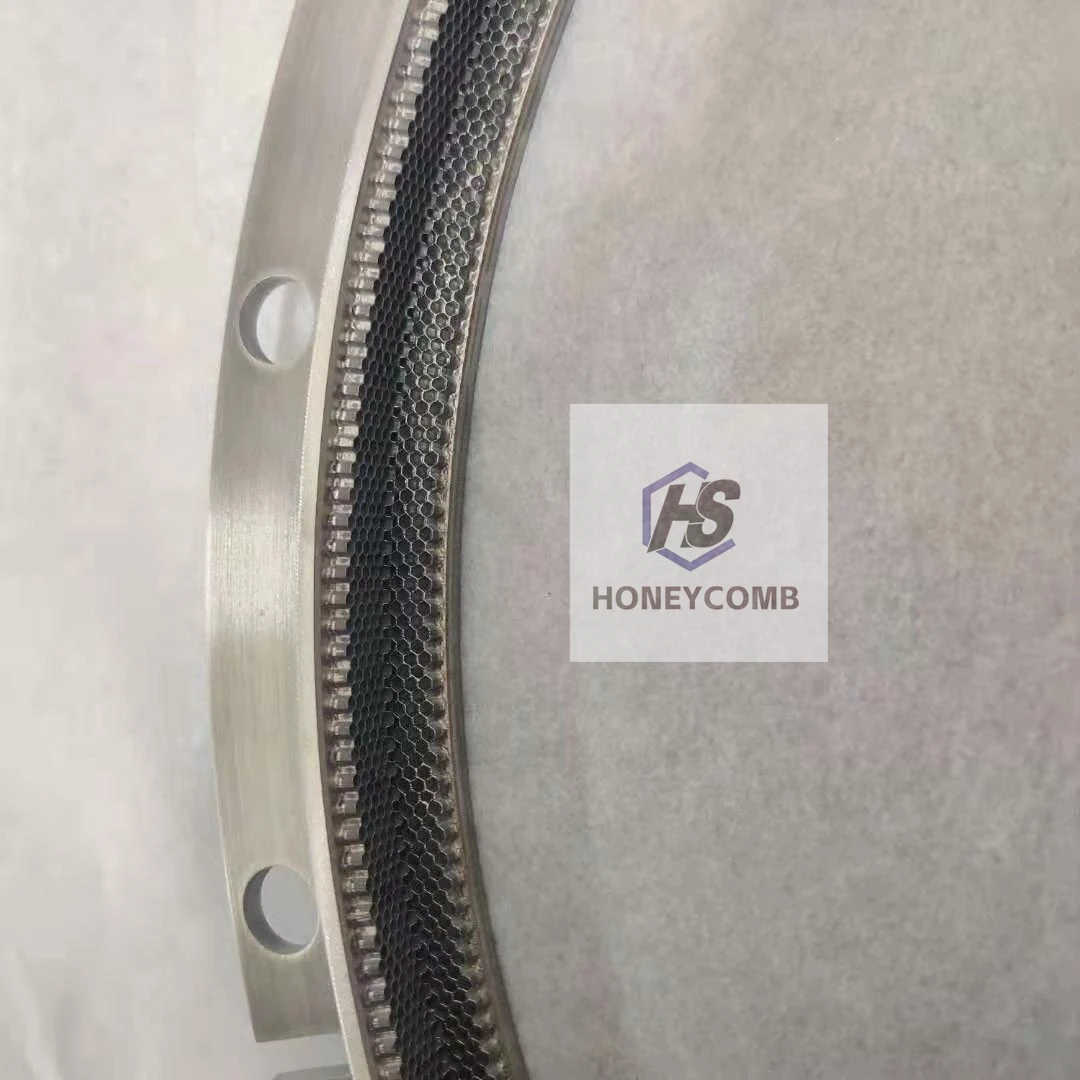
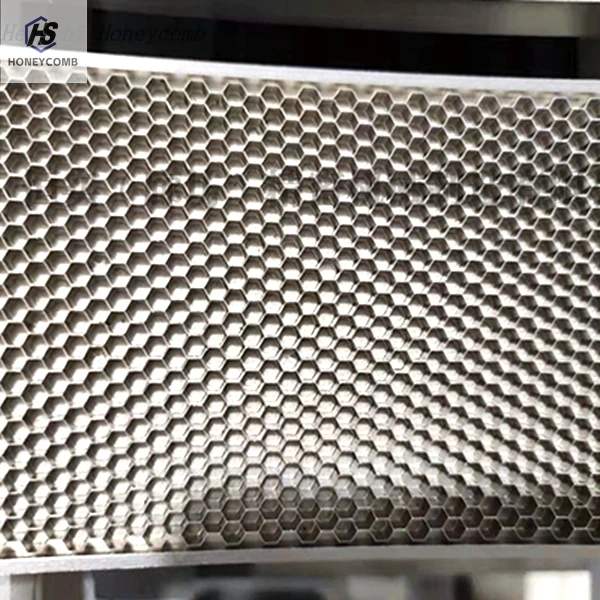
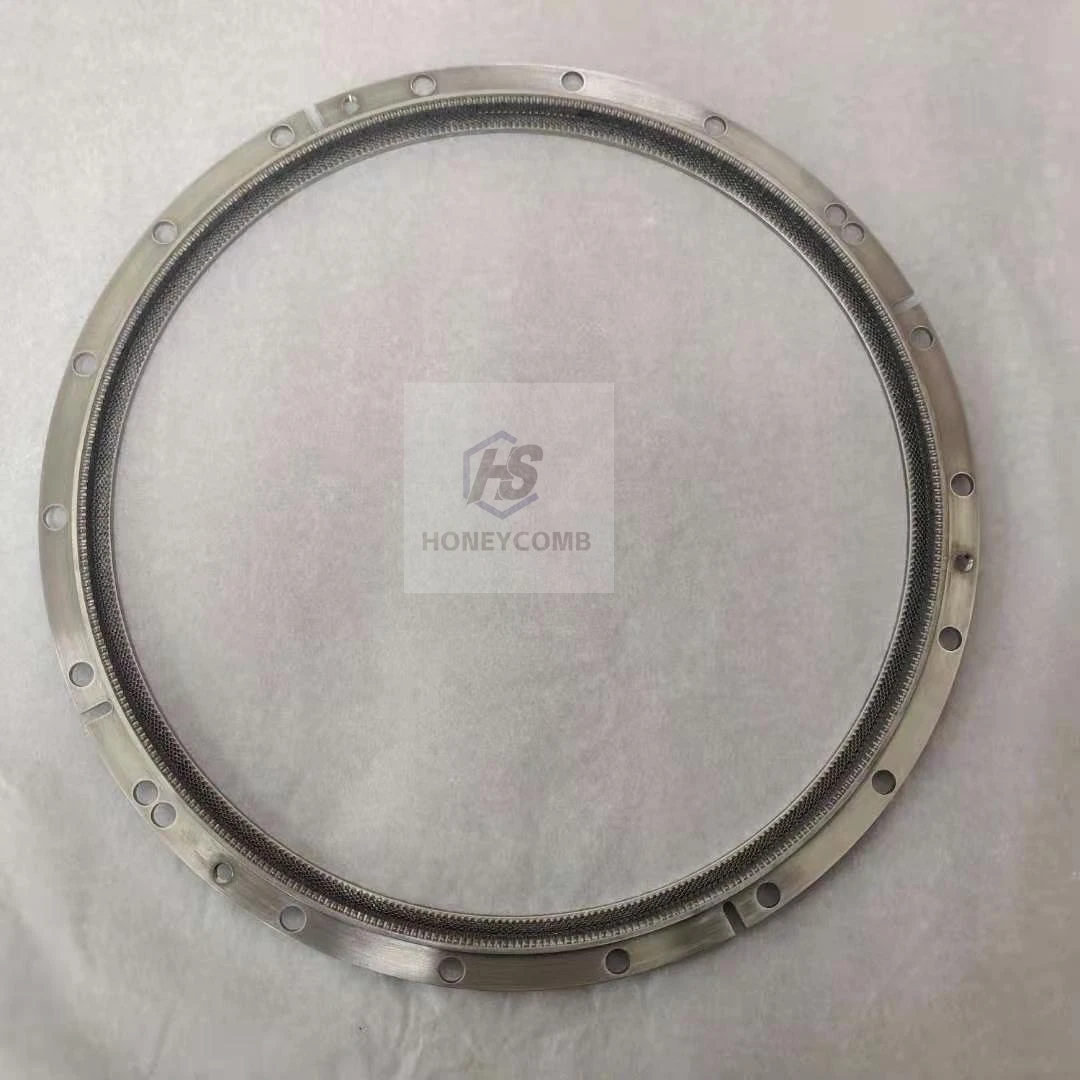
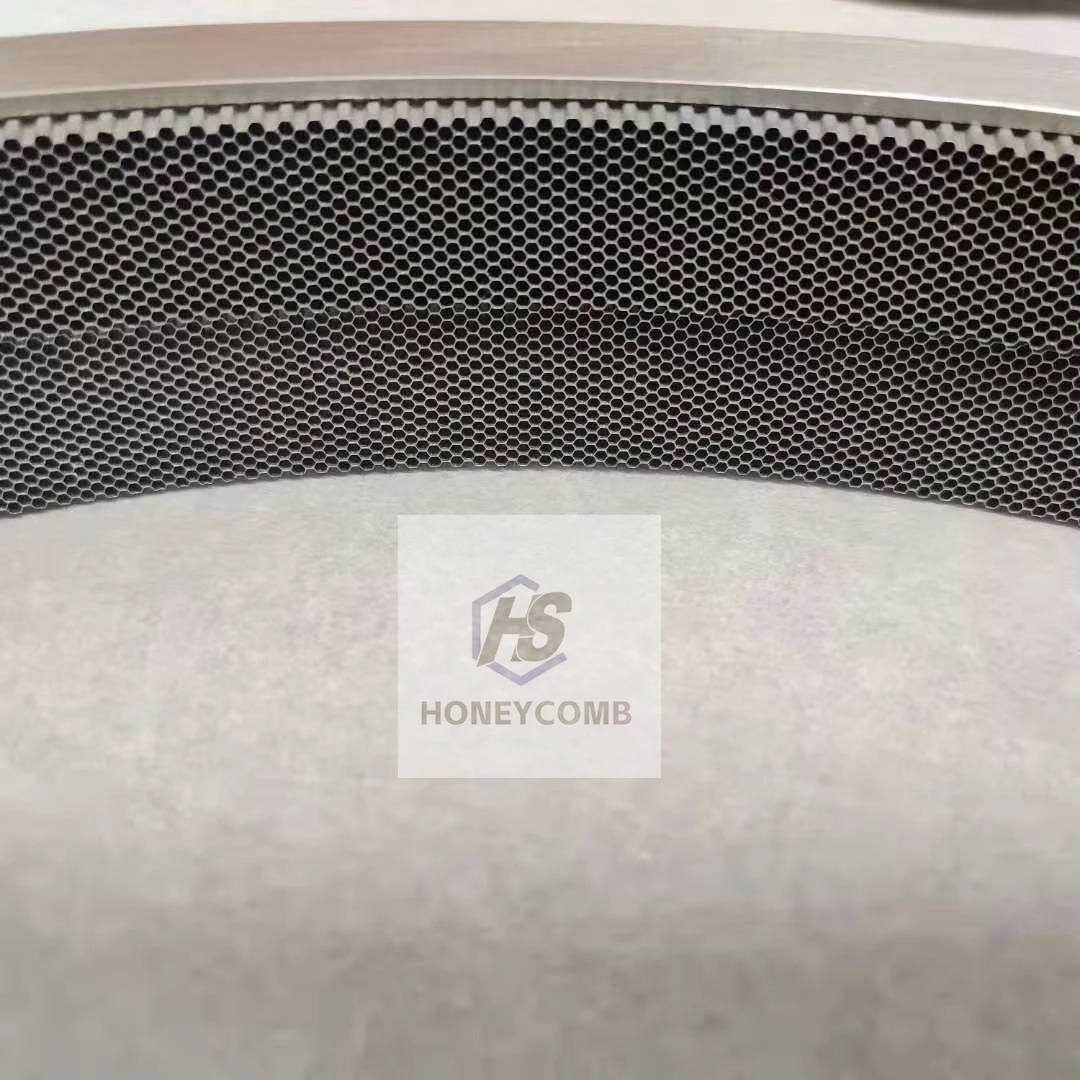
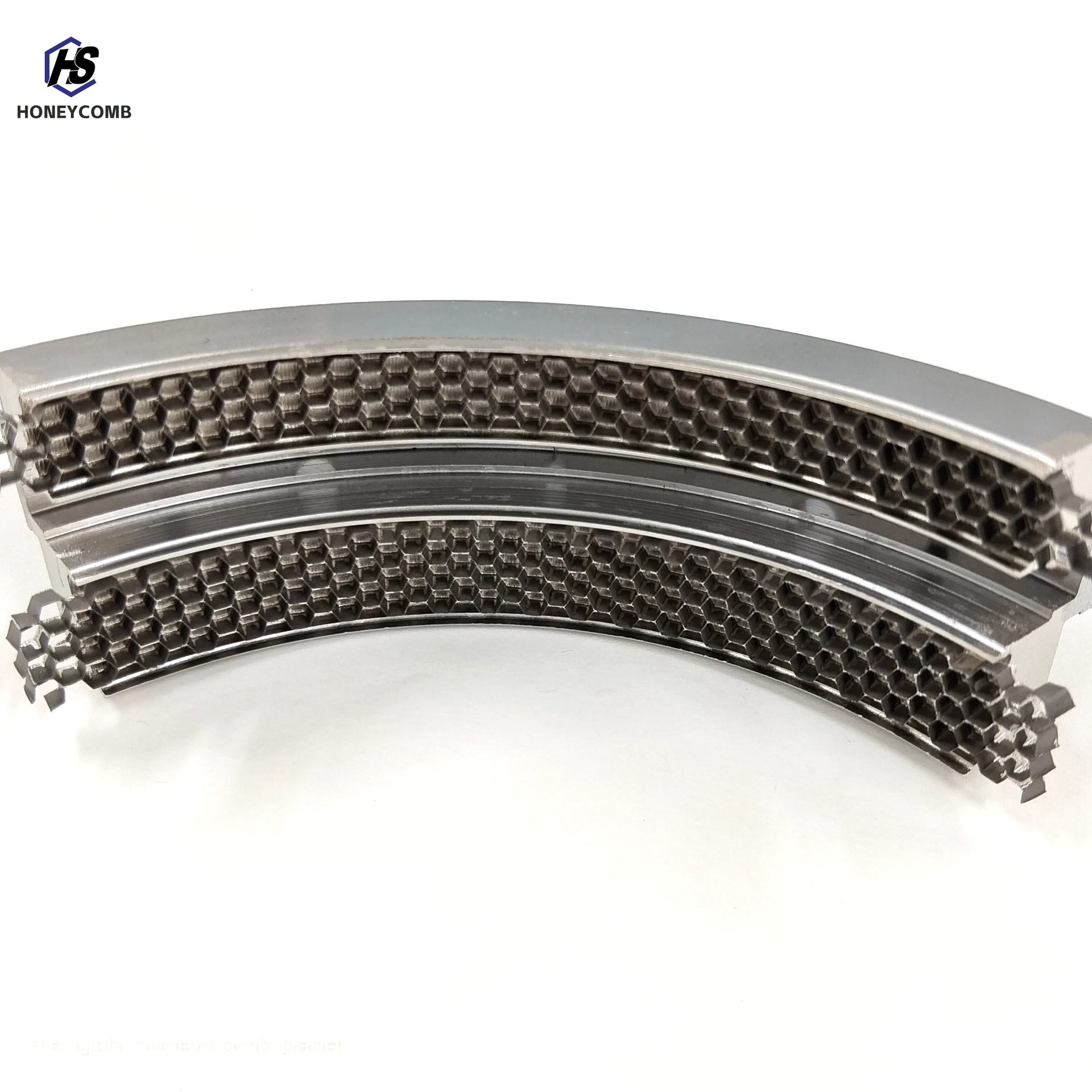
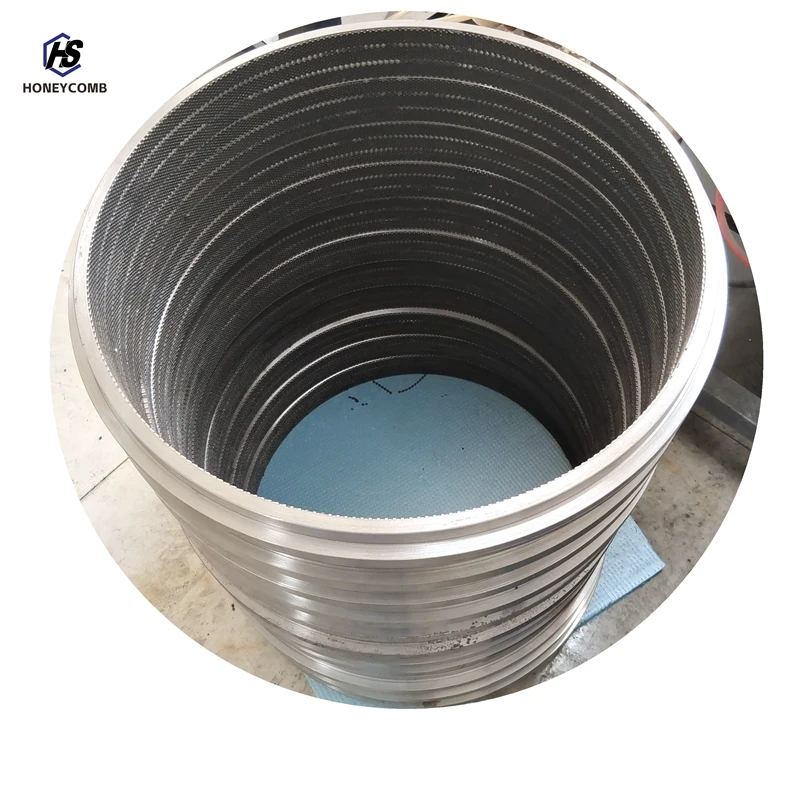
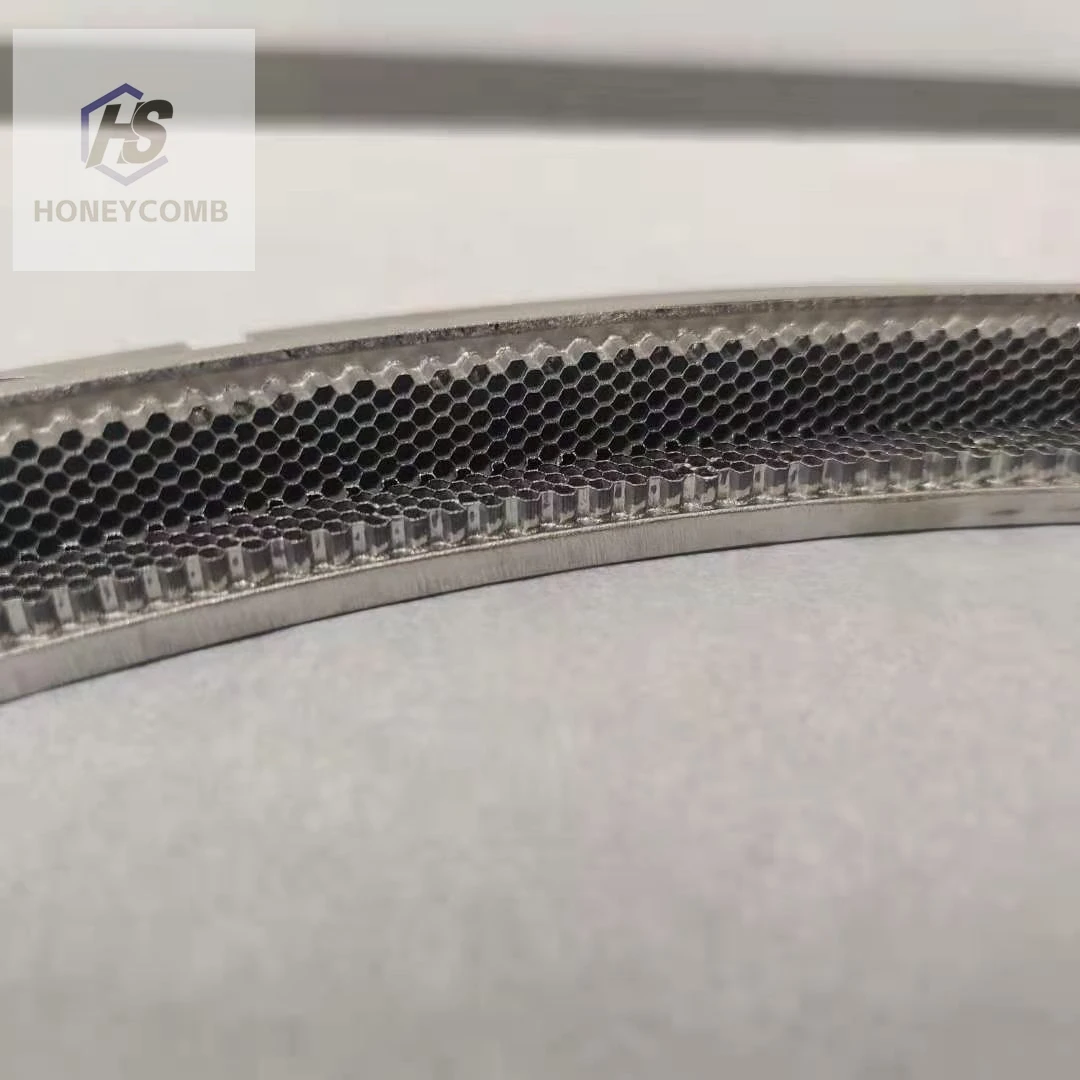
Put simply, nid d’abeille emi refers to honeycomb-structured materials engineered specifically to provide effective electromagnetic interference shielding. The “nid d’abeille” (French for ‘honeycomb’) component relates to the geometric design—hexagonal cells that create a high-strength, minimal-weight core, often made from aluminum or composite materials and coated or embedded with conductive elements to block or redirect EMI.
This material design is crucial in modern industries requiring both durability and EMI shielding, such as aerospace components, electronic enclosures, and even in mobile disaster relief infrastructure, where rapid deployment and reliable operation are vital.
Core Components of Nid d'Abeille EMI
1. Lightweight Durability
Thanks to its honeycomb geometry, this material achieves an outstanding strength-to-weight ratio. This makes it ideal for industries like aviation and transportation, where every gram matters but durability cannot be sacrificed.
2. Electromagnetic Shielding Efficiency
The embedded conductive layers scatter or absorb electromagnetic waves, reducing interference noise. You get protection without bulky metallic sheets — a sleek, efficient barrier.
3. Thermal Management
The honeycomb design facilitates airflow and heat dissipation, keeping sensitive electronics within safe operating temperatures.
4. Sustainability & Recyclability
Many manufacturers now produce nid d’abeille emi cores from recyclable aluminum or bio-composites, lowering environmental footprint — an increasingly critical factor in supply chains.
5. Scalability & Modularity
Panels made from nid d'abeille emi material are easily sized and modular — handy in fields like rapid-deployment shelters or aerospace parts manufacturing, where customization is key.
Product Specifications Highlight
| Specification | Standard Value | Remarks |
|---|---|---|
| Material Core | Aluminum Alloy 5052 | Corrosion-resistant, lightweight |
| Cell Size | 6 mm Hexagonal | Optimized for strength & EMI reduction |
| Thickness Options | 5 mm - 25 mm | Customizable per application |
| EMI Shielding Effectiveness | Up to 90 dB | Frequency range 100 MHz - 10 GHz |
| Operating Temp | -40°C to 120°C | Suitable for harsh environments |
Global Applications & Use Cases of Nid d'Abeille EMI
You might be wondering how this specific material actually finds use beyond labs and theory. Well, it’s quite widespread, and oddly enough, the geography of its applications reflects the broad urgency of EMI challenges everywhere.
- Aerospace & Defense: Lightweight EMI shielding keeps avionics safe from interference which could be catastrophic mid-flight.
- Medical Equipment: Hospitals increasingly rely on this shielding to maintain accuracy of diagnostic machines amidst a tangle of electronic devices.
- Disaster Relief & Remote Infrastructure: Rapid deployment shelters (nid d'abeille emi-based) provide wireless connectivity while shielding from unpredictable EMI surges.
- Automotive & Telecommunications: EVs and 5G equipment benefit from shielding that ensures smooth data transmission and passenger safety.
Vendor Comparison at a Glance
| Vendor | Material Options | Typical Use Cases | Customization Level | Price Range |
|---|---|---|---|---|
| HoneyTech Materials | Al, Fiberglass Composite | Aerospace, Telecom | High | $$$ |
| EMI Solutions Inc. | Aluminum Only | Medical, Industrial | Medium | $$ |
| EcoShield Composites | Bio-based composites | Sustainable construction, Relief Shelters | Variable | $ - $$ |
Advantages & Long-Term Value of Nid d'Abeille EMI
There’s the logical stuff: cost savings from lighter materials, less maintenance, and longer operational life of electronics shielded properly. But oddly enough, the emotional and ethical angles play a sizeable role too. Consider the relief organizations using this tech to restore communication networks in disaster zones—providing dignity through safety and stability. Or the engineers who swear by it for dependable aircraft performance.
- Reduces downtime by protecting sensitive equipment from interference.
- Supports sustainability initiatives through recyclable and eco-friendly materials.
- Enhances safety for people relying on wireless medical or transportation systems.
- Fosters innovation by enabling lighter, more efficient designs.
Future Trends & Innovations
The field is advancing rapidly. We’re seeing integration of nano-materials and graphene coatings that could boost EMI shielding effectiveness beyond 100 dB while reducing weight further. Digital manufacturing techniques like 3D printing honeycomb structures on-demand are also on the horizon, which frankly opens doors to faster prototyping and bespoke applications.
Sustainability remains at the forefront, with policymakers pushing for greener supply chains and circular production models—meaning nid d'abeille emi technology must evolve to incorporate biodegradable or fully recyclable composites without sacrificing performance.
Challenges & Solutions
That said, no tech is without its hurdles. One persistent problem is cost and complexity at scale. The precision manufacturing of honeycomb cores can be expensive, and that can slow adoption in price-sensitive markets or urgent deployments. Another issue is balancing shielding with thermal management in extreme environments.
Solutions are emerging through modular panel designs that simplify installation and repairs, and hybrid composites that blend heat resistance with conductivity. Moreover, partnerships between R&D labs and manufacturers help reduce costs via economies of scale.
FAQ: Common Questions About Nid d'Abeille EMI
- Q: How does nid d’abeille EMI compare to traditional metal EMI shielding?
A: It offers similar or better shielding with much lighter weight and better thermal management, making it preferable for aerospace, automotive, and mobile applications. - Q: Can these honeycomb panels be customized for different frequencies?
A: Yes, by adjusting cell sizes and conductive coatings, manufacturers tailor shielding effectiveness across frequency bands from MHz to GHz. - Q: Are nid d’abeille EMI materials recyclable?
A: Many vendors use aluminum and bio-composites allowing for recycling, but recyclability depends on coatings and adhesives used. - Q: How soon can relief agencies deploy shelters made with this material?
A: Thanks to modular panels, deployment can be as fast as a few hours to a day, critical in disaster recovery scenarios. - Q: Is nid d’abeille EMI suitable for outdoor harsh environments?
A: Absolutely. Many versions are corrosion-resistant and operable in temperatures from -40°C to 120°C.
Conclusion + Call to Action
All told, the nid d'abeille emi framework stands as a smart, evolving solution to the persistent global challenge of electromagnetic interference—wrapping up strength, sustainability, and adaptability in one neat package. It’s a bit like nature lending a hand to technology, bringing order and protection with a honeycomb’s grace.
To dive deeper or explore tailored solutions, do visit nid d'abeille emi specialists who combine expertise with innovation.
Mini takeaway: Nid d’abeille EMI isn’t just engineering; it’s a global enabler of safer, smarter tech integration — lightweight, reliable, and environmentally conscious.
References
-
Industrial Airflow Guide for maf воздушная правильная машинаNewsApr.16,2026
-
Best maf струйно правильная машина for Industrial EfficiencyNewsApr.09,2026
-
Сотовая правильная машина A Comprehensive Guide to Honey Packing AutomationNewsApr.07,2026
-
Build Your Own DIY газоправильная Машина A Comprehensive Guide to Gas CorrectionNewsApr.04,2026
-
Understanding Кондиционер отопления Systems for Efficient and Comfortable HeatingNewsMar.31,2026
-
Comprehensive Guide to Cellular Blinds Installation Установка сотовых жалюзиNewsMar.28,2026
-
Mobile Aerodynamic Tunnel Design A Comprehensive Guide to Applications and ImplementationNewsMar.26,2026






 English
  Afrikaans
  Albanian
  Amharic
  Arabic
  Armenian
  Azerbaijani
  Basque
  Belarusian
  Bengali
  Bosnian
  Bulgarian
  Catalan
  Cebuano
  China
China  China (Taiwan)
  Corsican
  Croatian
  Czech
Czech  Danish
  Dutch
Dutch  Esperanto
  Estonian
  Finnish
  French
  Frisian
  Galician
  Georgian
  German
  Greek
Greek  Gujarati
  Haitian Creole
  Hausa
Hausa  Hawaiian
  Hebrew
  Hindi
Hindi  Miao
Miao  Indonesian
  Italian
  Japanese
  Javanese
  Malay
Malay  Persian
  Portuguese
  Punjabi
  Russian
  Spanish
  Swahili
  Telugu
  Vietnamese