


Vents en Nid d'Abeille: Efficient, Sustainable Honeycomb Ventilation Solutions
Understanding Vents en Nid d'Abeille: A Global Perspective
The world’s infrastructure needs are rapidly evolving, shaped by environmental concerns, material innovations, and the ever-increasing demand for sustainability. At the intersection of innovation and practicality lies the fascinating technology of vents en nid d'abeille, or honeycomb vents, which are quietly transforming ventilation solutions globally. Why does this matter? Because efficient airflow and structural resilience aren’t just technical concerns—they impact energy consumption, indoor air quality, and even humanitarian relief efforts in disaster zones.
These ingenious vents combine intricate geometry with cutting-edge material science, delivering benefits that extend far beyond their lightweight appearance. Understanding this technology offers deep insights into modern engineering challenges and sustainable design solutions.
Mini takeaway: vents en nid d'abeille merge nature-inspired design with advanced materials to offer an effective, sustainable ventilation solution important across industries worldwide.
Global Context: Why Vents en Nid d'Abeille Are Essential Today
According to data from the International Organization for Standardization (ISO), about 33% of global energy consumption is related to heating, ventilation, and air conditioning (HVAC) systems. This means innovations that optimize airflow without compromising structural integrity can significantly reduce carbon footprints.
The United Nations has also highlighted energy efficiency in buildings as a critical climate action point, pushing for more efficient materials and designs. Honeycomb vents answer this call by providing energy-efficient ventilation methods that adapt well from massive industrial applications to small-scale emergency shelters.
However, conventional vent designs often struggle with durability, clogging, or insufficient airflow. That’s where honeycomb vents step in, addressing those challenges head-on with their unique structure.
Defining Vents en Nid d'Abeille
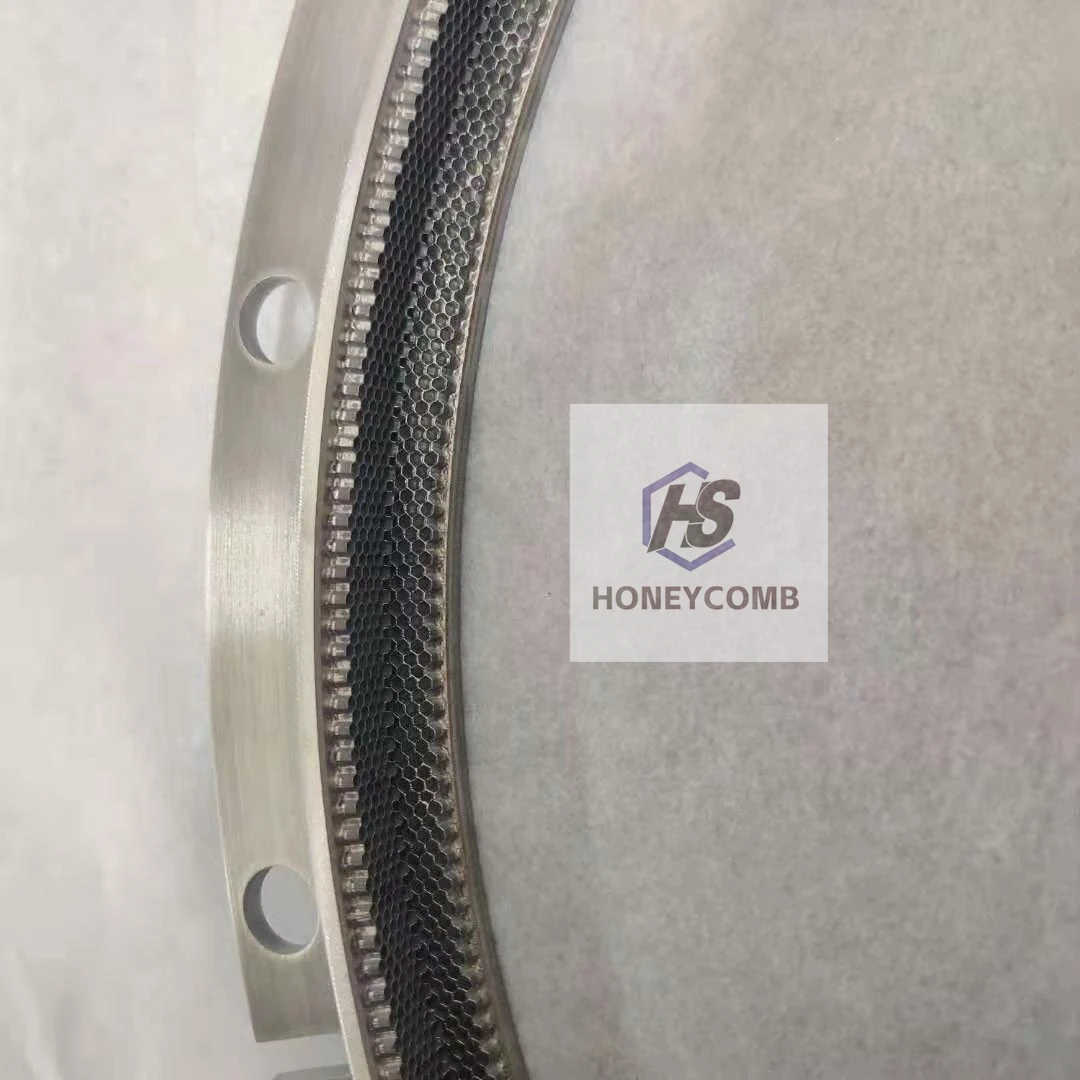
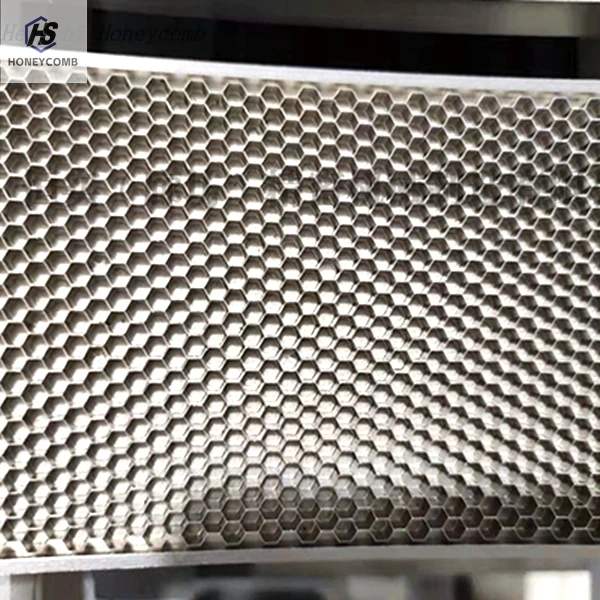
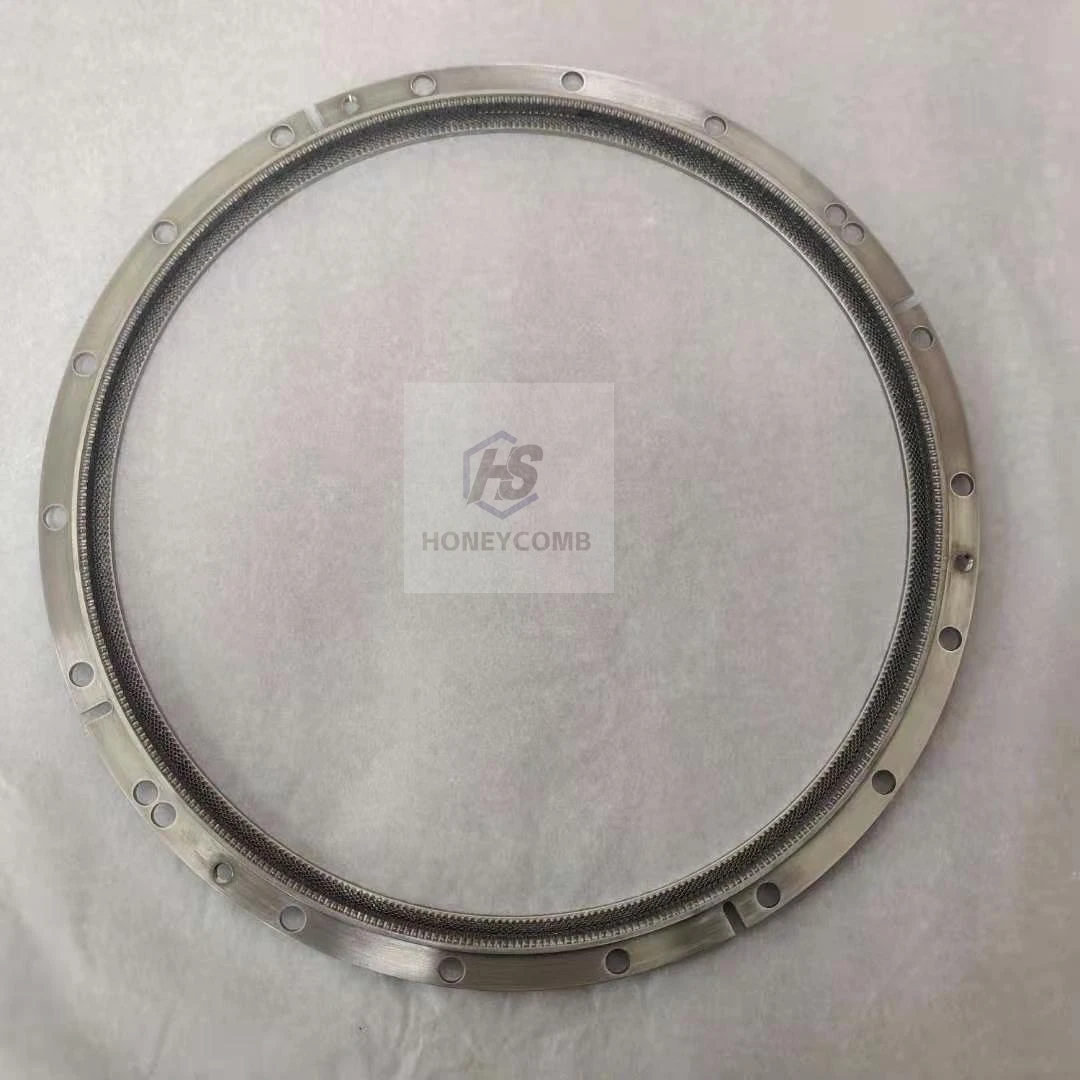
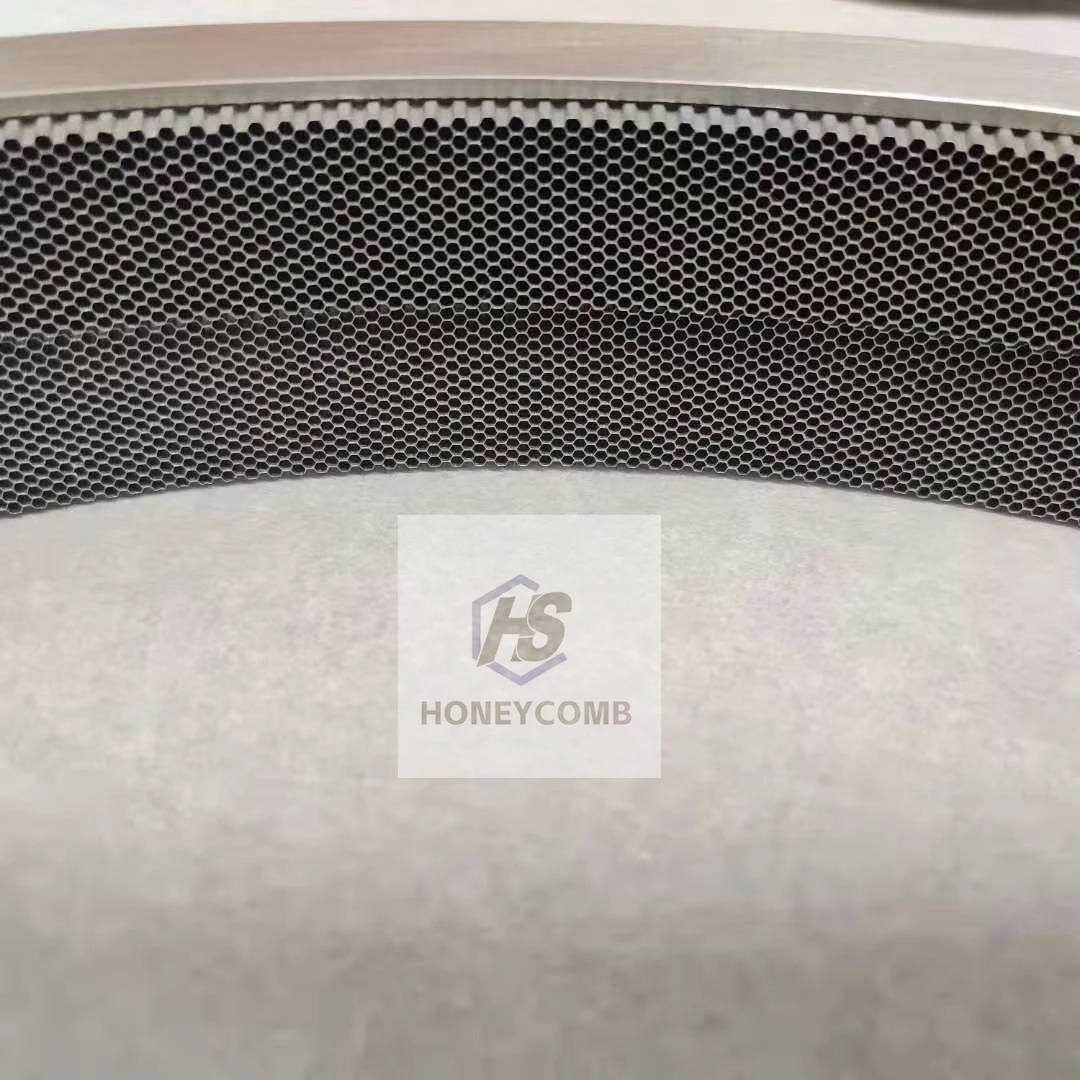
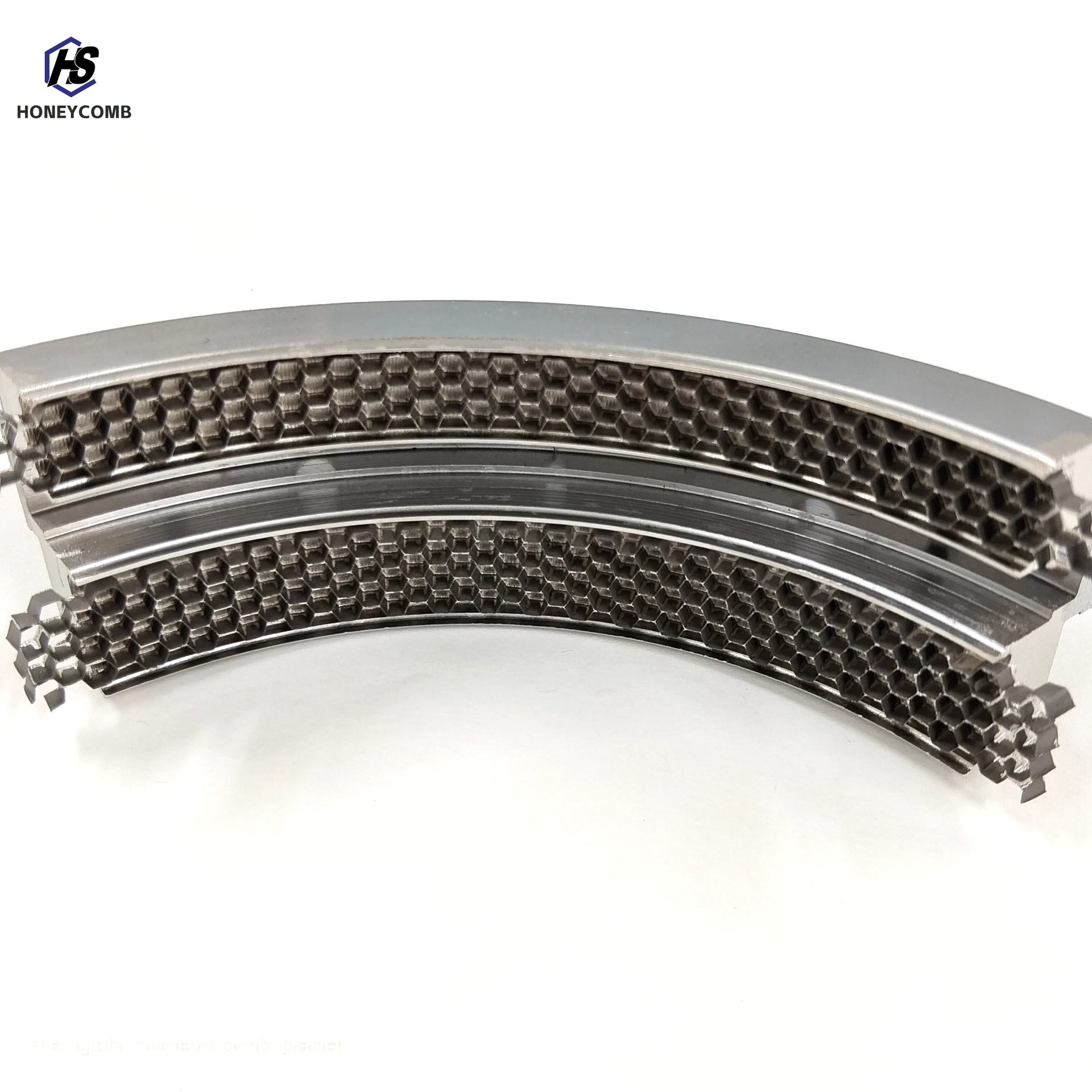
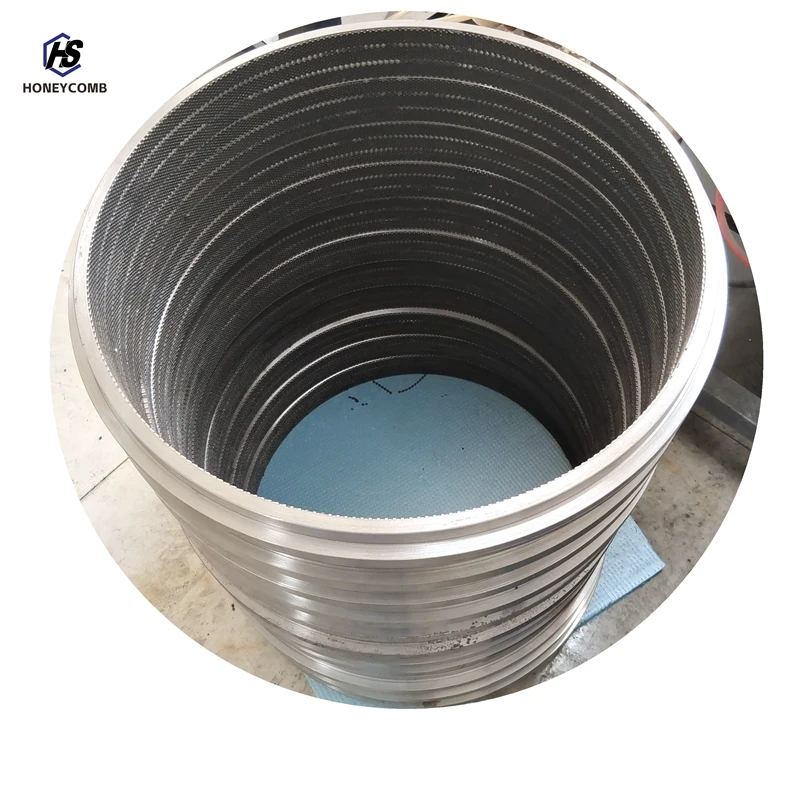
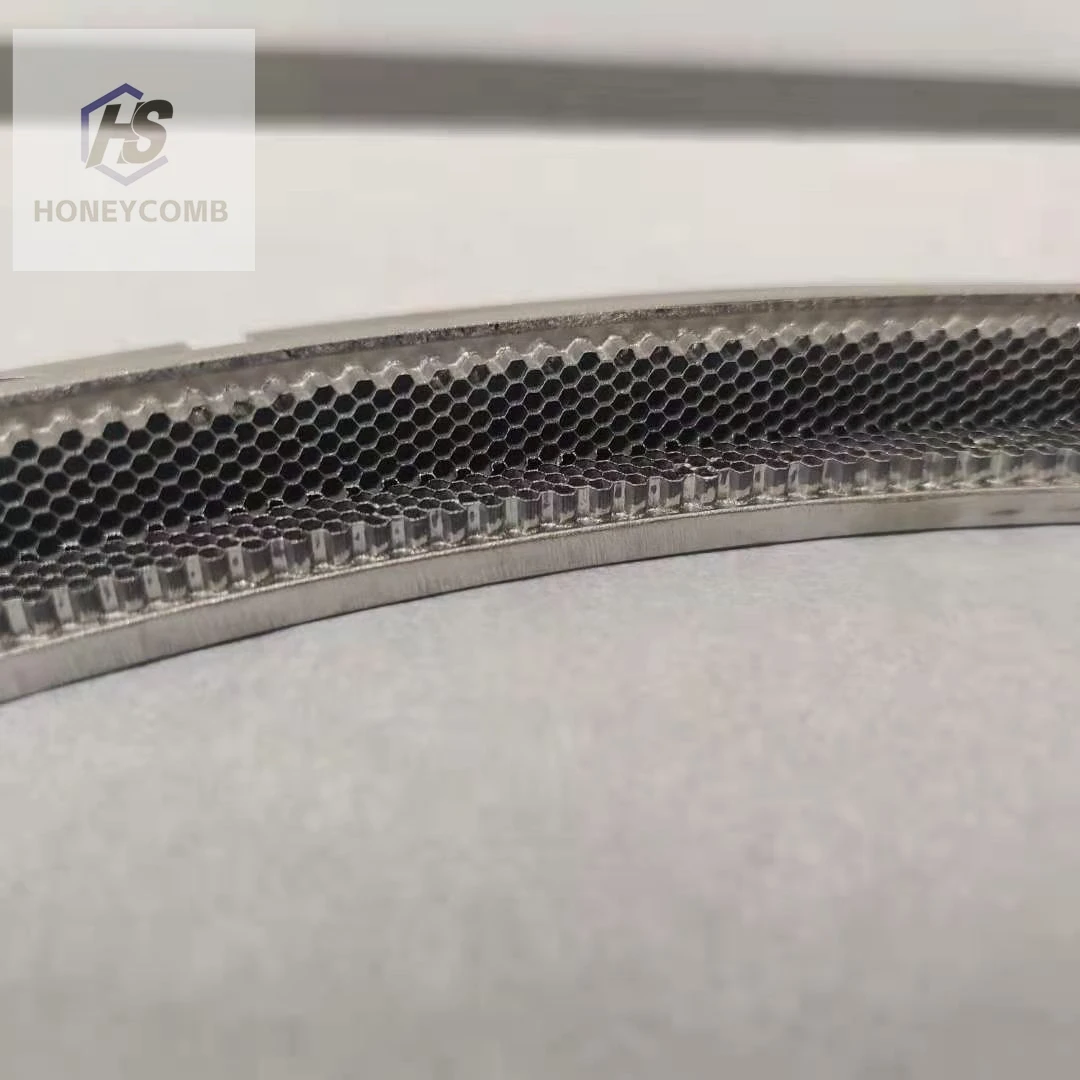
Simply put, vents en nid d'abeille refer to ventilation structures formed with a honeycomb pattern—like a beehive's cells—crafted from thin yet strong materials such as aluminum or composite polymers. This pattern maximizes open area for air movement but maintains stability, which few traditional designs can match.
The honeycomb geometry mimics nature's efficiency, offering a lightweight yet robust framework that supports consistent airflow while resisting damage from impact or debris.
These vents are increasingly important in modern industries ranging from aerospace to humanitarian aid, where easy-to-install, effective ventilation is critical.
Mini takeaway: vents en nid d'abeille are geometrically optimized to amplify airflow and durability, making them a modern ventilation solution with broad appeal.
Core Components of Vents en Nid d'Abeille
1. Durability
Honeycomb vents use materials like anodized aluminum or fiberglass composites that resist corrosion, weather, and mechanical stress. This property extends their lifespan, especially in outdoor or industrial settings.
2. Airflow Efficiency
The hexagonal cells channel air with minimal turbulence compared to conventional louvers or mesh, allowing better ventilation and consistent pressure gradients.
3. Weight Reduction
Their lightweight nature means less stress on structures and easier handling during installation without sacrificing performance.
4. Cost Efficiency
While upfront costs can be slightly higher than simple vents, savings arise from reduced energy use, less maintenance, and longer replacement cycles.
5. Scalability & Customization
Vendors offer modular panels and customizable cell sizes, tailoring solutions to specific needs ranging from small container housing to massive warehouse ventilation.
| Specification | Typical Range | Description |
|---|---|---|
| Cell Size | 5-25 mm | Controls airflow rates and structural rigidity |
| Material | Aluminum, Glass Fiber, Polymer | Depends on application durability and weight needs |
| Open Area Percentage | 70-85% | High open area allows better airflow |
| Weight | 300-700 g/m² | Lightweight to ease installation and reduce loads |
Mini takeaway: Key components like material choice and cell sizing deeply influence the performance and application of vents en nid d'abeille.
Global Applications & Use Cases
In practice, these vents show up in more places than you might guess:
- Disaster relief shelters: countries prone to natural disasters use lightweight honeycomb vents in temporary housing to improve indoor air quality, reducing respiratory problems.
- Industrial ventilation: factories, especially in harsh environments like mining or chemical plants, benefit from corrosion-resistant honeycomb vents that withstand tough conditions.
- Transportation: trains and ships use honeycomb vents to maintain airflow in confined spaces without risking debris ingress.
- Renewable energy installations: solar farms and wind turbine enclosures incorporate these vents to cool hardware while resisting the elements.
Oddly enough, the same vents help urban green buildings breathe naturally, cutting down on fan use and thus saving energy.
Vendor Comparison: An Overview
| Vendor | Material Options | Customization | Price Range (USD/m²) | Lead Time |
|---|---|---|---|---|
| HoneyCombTech | Aluminum, Composite | Full cell size & thickness | $45–70 | 3–5 weeks |
| AirFlow Solutions | Glass Fiber, Polymer | Limited custom sizes | $40–60 | 2–4 weeks |
| VentoHex | Polymer | Standard sizes only | $30–50 | 1–2 weeks |
Advantages & Long-Term Value
The value of vents en nid d'abeille goes well beyond their initial cost. They've proven to reduce HVAC energy consumption by up to 15%, according to some industrial reports, improving sustainability targets. On an emotional level, they deliver safety and comfort, especially in emergency or remote housing contexts.
Socially, their use supports dignity—good ventilation doesn’t just mean fresh air; it means fewer illnesses and better quality of life. Innovators praise how this design fosters trust in a product that seems simple but performs reliably under harsh conditions.
Future Trends & Innovations
Looking ahead, new forms of vents en nid d'abeille will increasingly leverage sustainable bio-based composites and smart materials embedded with sensors to monitor airflow and pollution levels real-time. Automation in manufacturing is enabling more precise, customized cell geometries that optimize airflow tailored to specific environmental conditions.
Moreover, as climate priorities intensify, honeycomb vents will likely become a staple in green building certifications like LEED and WELL, pushing designers to integrate them from the ground up.
Challenges & Solutions
No technology is without challenges. Widely reported issues include initial installation complexity, especially in retrofitting older buildings, and occasional clogging if dust filtering is inadequate. To counter these, experts suggest modular vent panels with pre-fitted filters and integrated maintenance access—a practical approach many vendors are now adopting.
Additionally, ongoing R&D focuses on self-cleaning coatings and materials to reduce maintenance burdens. It feels like the balance between innovation and practical utility is tipping firmly in favor of honeycomb vent technologies.
FAQ: Frequently Asked Questions About Vents en Nid d'Abeille
- 1. How do vents en nid d'abeille improve energy efficiency?
- Their honeycomb geometry minimizes airflow resistance and turbulence, allowing HVAC systems to operate with less power. This translates into lower energy bills and reduced greenhouse gas emissions over time.
- 2. What materials are best for honeycomb vents in outdoor applications?
- Corrosion-resistant materials like anodized aluminum or fiberglass composites are preferable for outdoor use, as they withstand moisture, UV exposure, and mechanical wear.
- 3. Can these vents be customized for unusual building shapes?
- Yes, many manufacturers offer modular panels and bespoke cell sizes to fit unique architectural designs or specific airflow needs, which is great for custom projects.
- 4. Are honeycomb vents suitable for disaster relief shelters?
- Absolutely. Lightweight, easy to ship, and durable, honeycomb vents improve ventilation in temporary shelters, reducing respiratory risks during crises.
- 5. How do I ensure honeycomb vents don't get clogged by dust or debris?
- Incorporating fine mesh filters and scheduling regular maintenance inspections help maintain airflow and prolong vent lifespan in dusty environments.
Conclusion: Why Embrace Vents en Nid d'Abeille?
To sum it up, vents en nid d'abeille represent a subtle yet powerful leap forward in ventilation technology, blending sustainability, efficiency, and resilience. Whether you’re managing an industrial site, designing urban green buildings, or setting up emergency shelters, these vents can be a game-changer.
Curious to explore how honeycomb vents could fit your needs? Visit our website: https://www.hshihoneycomb.com to discover customized solutions, expert advice, and the latest innovations.
Mini takeaway: From reducing energy waste to enhancing health and safety, vents en nid d'abeille are quietly shaping a more sustainable future.
References
-
Industrial Airflow Guide for maf воздушная правильная машинаNewsApr.16,2026
-
Best maf струйно правильная машина for Industrial EfficiencyNewsApr.09,2026
-
Сотовая правильная машина A Comprehensive Guide to Honey Packing AutomationNewsApr.07,2026
-
Build Your Own DIY газоправильная Машина A Comprehensive Guide to Gas CorrectionNewsApr.04,2026
-
Understanding Кондиционер отопления Systems for Efficient and Comfortable HeatingNewsMar.31,2026
-
Comprehensive Guide to Cellular Blinds Installation Установка сотовых жалюзиNewsMar.28,2026
-
Mobile Aerodynamic Tunnel Design A Comprehensive Guide to Applications and ImplementationNewsMar.26,2026






 English
  Afrikaans
  Albanian
  Amharic
  Arabic
  Armenian
  Azerbaijani
  Basque
  Belarusian
  Bengali
  Bosnian
  Bulgarian
  Catalan
  Cebuano
  China
China  China (Taiwan)
  Corsican
  Croatian
  Czech
Czech  Danish
  Dutch
Dutch  Esperanto
  Estonian
  Finnish
  French
  Frisian
  Galician
  Georgian
  German
  Greek
Greek  Gujarati
  Haitian Creole
  Hausa
Hausa  Hawaiian
  Hebrew
  Hindi
Hindi  Miao
Miao  Indonesian
  Italian
  Japanese
  Javanese
  Malay
Malay  Persian
  Portuguese
  Punjabi
  Russian
  Spanish
  Swahili
  Telugu
  Vietnamese